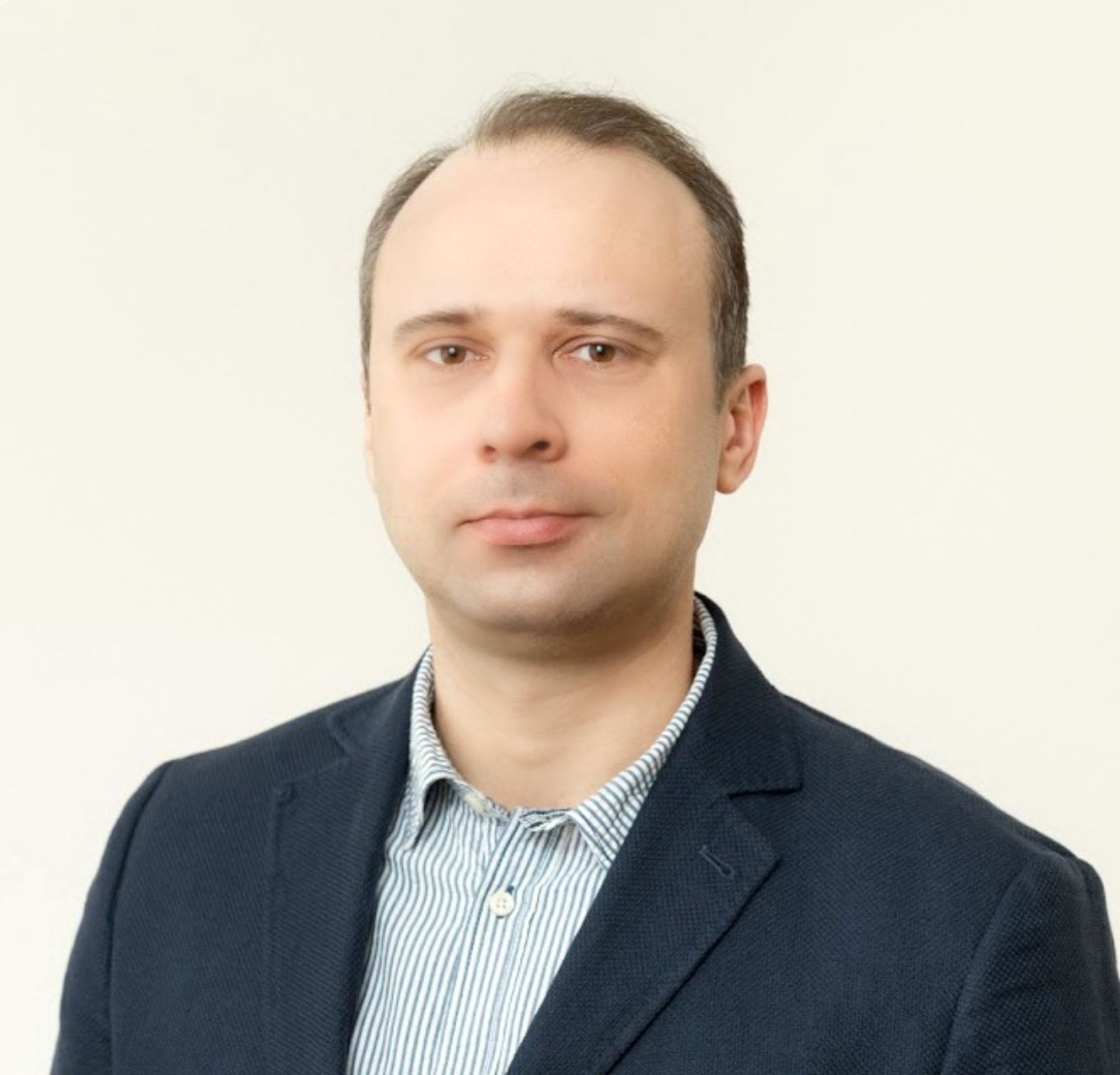
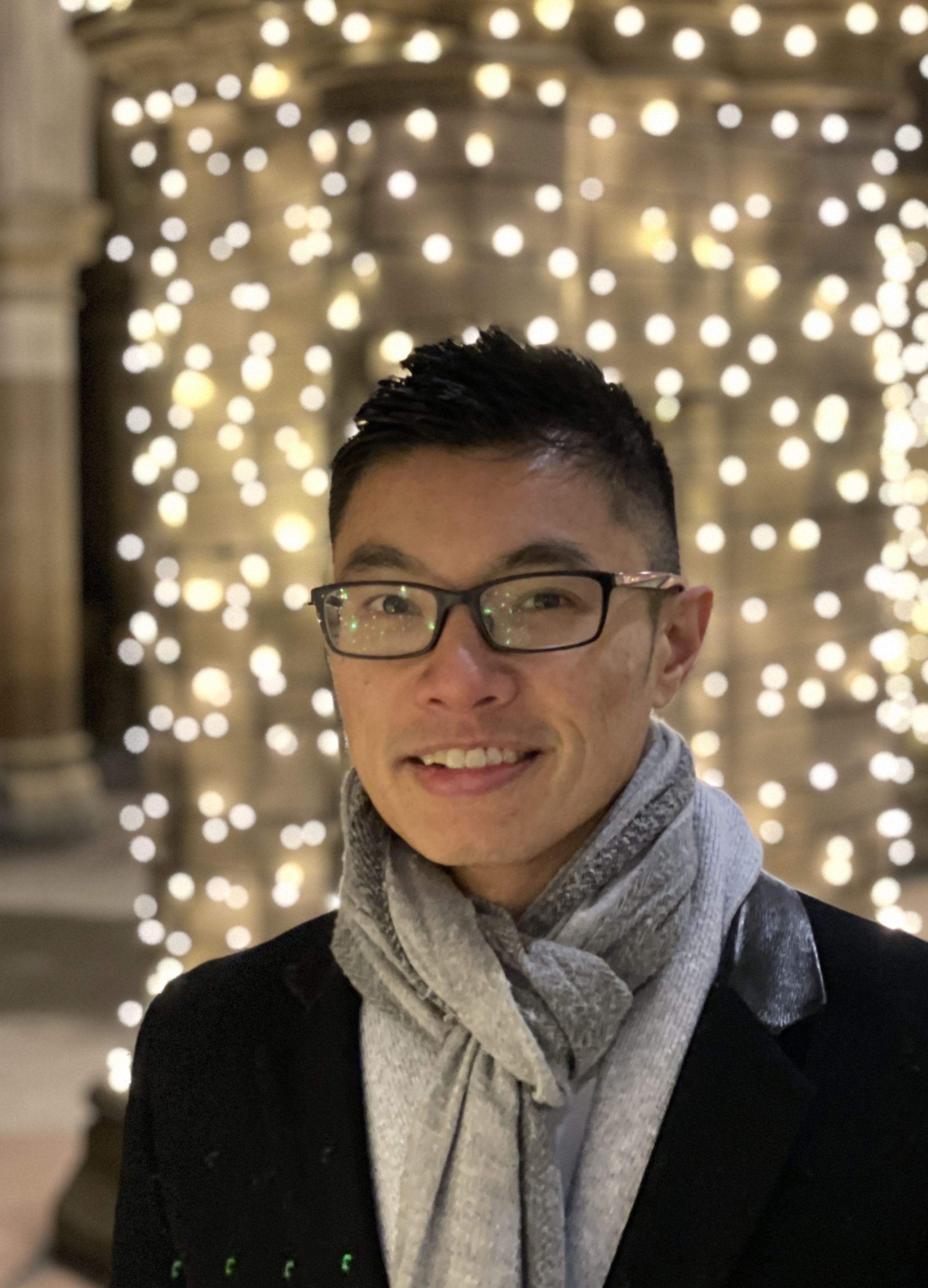
Dr. Malgorzata Anna Ulasik is a researcher at Zurich University of Applied Sciences (ZHAW) specializing in sentence production analysis, digital literacy, and computational writing process research. Her work bridges linguistic theory with technological implementations through projects like THETool (Text History Extraction Tool) and SPPC (Swiss Process-Product Corpus). Key affiliations: Zurich University of Applied Sciences, University of Antwerp collaborations, SwissText conferences Research focus: sentence-centric writing models, keystroke logging analysis, automated feedback systems for academic writing Her methodological innovations include: Transforming sequences for tracking text evolution Sentence history reconstruction from intermediate drafts Integrated analysis of writing processes and final products Corpus development for speech recognition (CEASR, SDS-200) Technical contributions include: THETool implementation for writing process analysis Annotation frameworks using INCEpTION Semi-automated feedback systems for thesis writing Swiss German dialect translation models
Viktor Medvedev is an Associate Professor and Senior Researcher at Vilnius University's Institute of Data Science and Digital Technologies, where he serves as Project Lead Researcher in the Blockchain and Quantum Technologies Group. His work focuses on the intersection of machine learning, data visualization, and cybersecurity applications. Dr. Medvedev earned his Doctor of Science in Computer Science Engineering in 2007 from Vilnius Gediminas Technical University and the Institute of Mathematics and Informatics. His doctoral research centered on 'Research on the application of feedforward neural networks for multidimensional data visualization,' establishing the foundation for his continued work in data analysis and visualization techniques. His research interests span machine learning , deep learning , data visualization , and cybersecurity applications . Specifically, he has made significant contributions to keystroke dynamics authentication , behavioral biometrics , dimensionality reduction techniques , and medical data analysis . His work often bridges theoretical computer science with practical applications in security and healthcare domains. Dr. Medvedev's publication record demonstrates a consistent trajectory of research excellence, with recent work focusing on advanced authentication systems using deep learning, pancreatic cancer detection through machine learning, and innovative approaches to data visualization. His research shows a clear evolution from foundational work in neural networks for data visualization to contemporary applications in cybersecurity and medical diagnostics. ICAISC'06 - Best Presentation Award (The 8th International Conference on Artificial Intelligence and Soft Computing) ICANNGA 2007 - Best Young Researcher Paper Award in Neural Networks DAMSS 2021, 2022, 2023 - Best Poster Awards As a Project Lead Researcher in the Blockchain and Quantum Technologies Group, Dr. Medvedev oversees research initiatives that combine cutting-edge technologies with practical applications. His work in cybersecurity has particular relevance to critical infrastructure protection, where insider threat detection using behavioral biometrics represents a significant contribution to the field.
Dr. Daqing Hou is a Professor at Clarkson University's Coulter School of Engineering & Applied Sciences, affiliated with the Department of Electrical & Computer Engineering and Computer Science. His research bridges software engineering, cybersecurity, behavioral biometrics, and education research. He earned his Ph.D. in Computing Science from the University of Alberta, and M.S./B.S. in Computer Science from Peking University. Research focuses on improving software development efficiency through project-based learning (PjBL), empirical studies, and human factors. Key areas include behavioral biometrics (keystroke/mouse dynamics), smart housing/energy systems, and cybersecurity solutions. He has pioneered tools like CReN for managing code clones and has contributed to Eclipse/UIMA frameworks. Recent publications emphasize behavioral authentication methods, mobile biometrics evaluation, and framework design recommendations. His work has been recognized with awards including IEEE ICSME 2014 Best Paper Nomination and IBM Innovation Awards (2005/2007). Teaching spans software engineering, GUI design, databases, machine learning, and compilers. He advises students on topics like API usability, security systems, and programming language tools.
Frédéric Tomas is an Assistant Professor in the Department of Communication and Cognition at Tilburg University’s Tilburg School of Humanities and Digital Sciences. He holds a Ph.D. in Psychology from the Université de Paris 8. His research focuses on written deception detection, cognitive mechanisms in deceitful testimony production, and the intersection of AI with communication and criminal justice systems. He leads a Dutch government-funded Starter Grant project exploring AI’s role in the criminal justice system. His academic work spans linguistic analysis (using LIWC software and keystroke dynamics), consumer attitudes toward AI-generated content, and conspiracy theory psychology. He has published in journals like Emerging Media , British Journal of Social Psychology , and Linguistics in the Netherlands . He received the LOT Grotevragenprijs (2023) for collaborative work on AI’s linguistic challenges. Tomas has trained professionals (e.g., law enforcement, HR) in deception detection and critical thinking. He organizes conferences like the TSHD Digital Humanities Symposium and contributes to interdisciplinary discussions on AI ethics, misinformation, and forensic linguistics.
Dr. Daniel Lam is a Lecturer in Teaching English to Speakers of Other Languages (TESOL) at the University of Glasgow, affiliated with the Cultures, Literacies, Inclusion & Pedagogy (CLIP) Research and Teaching Group. Previously, he held a Lecturer position at the University of Bedfordshire. He serves on the editorial boards of Language Testing , Language Assessment Quarterly , and Classroom Discourse . His research focuses on interactional competence, particularly the role of interactive listening in language learning, assessment literacy, and the social dimensions of language testing. Key interests include the relationship between assessment and learning, feedback mechanisms, and the application of Conversation Analysis (CA) in educational contexts. Recent work explores the dynamic between assessment feedback and learner motivation, as well as the design of learning-oriented assessment tools. He has contributed to projects funded by organizations like the British Council, IELTS, and ETS, investigating topics such as IELTS score usage in university admissions and the cognitive processes involved in TOEFL iBT tasks. Teaching responsibilities include courses on TESOL methodology, language assessment, and curriculum design. He is currently supervising multiple PhD students researching areas like technology-enhanced feedback and EMI in Chinese higher education. Professional service includes roles in UKALTA and peer reviewing for journals such as Applied Linguistics and System . His work emphasizes bridging theoretical insights with practical applications in language education and assessment.
Ricardo Muñoz Martín is a Full Professor at the Department of Interpretation and Translation, University of Bologna (Italy). His academic career spans institutions including Universidad de Las Palmas de Gran Canaria, University of Granada, and University of California. He specializes in Cognitive Translation & Interpreting Studies, with expertise in translation technology, empirical research methods, and multilingual communication cognition. PhD in Hispanic Linguistics, University of California, Berkeley Diplomatura in Translation & Interpreting, Universidad de Granada Research interests integrate cognitive science with translation studies, focusing on process analysis, AI-assisted translation, and biometric metrics like heart rate variability. His work explores the indivisibility of translation acts and the evolution of empirical methodologies in the field. Recent publications emphasize quantitative empirical frameworks, cognitive load analysis in collaborative translation, and AI integration in interpreter training. Grants from Italy, Spain, Poland, and China support his research on translation technology and cognitive effort measurement. Co-director of the MC2 Lab (Cognitive Translation Summer School) Principal investigator in grants like "Big Sistah" (remote worker wellbeing) and "Attention, emotions and translation" He actively participates in international conferences, including keynote speeches at the 7th TTI Conference and panels at the 11th EST Congress.
Sridhar Krishnan is a Professor and Associate Dean (Research, Development and External Partnerships) in the Faculty of Engineering and Architectural Science at Ryerson University, holding the Canada Research Chair in Biomedical Signal Analysis. He serves as Co-Director of the Institute for Biomedical Engineering, Science and Technology (iBEST) and Affiliate Scientist at St. Michael's Hospital's Keenan Research Centre. He earned his B.E. in Electronics and Communication Engineering from Anna University (1993), and M.Sc./Ph.D. in Electrical and Computer Engineering from the University of Calgary (1996/1999). His research specializes in adaptive signal processing with applications across biomedicine, multimedia security, and biometrics. Key focus areas include gait analysis for neurological disorders, cardiac signal interpretation, assistive technologies, and secure biometric authentication systems. His work bridges engineering principles with clinical and security applications through innovative algorithm development. Publication analysis reveals consistent contributions to biomedical signal processing, particularly in movement disorders and cardiac diagnostics, while extending methodologies to multimedia security and behavioral biometrics. This interdisciplinary approach demonstrates strong translational impact from theoretical signal analysis to real-world healthcare and security solutions. Major recognitions include: Fellow of the Canadian Academy of Engineering (2014) IEEE Exemplary Service Award (2014) Innovate Calgary Achievement Award (2013) Sarwan Sahota Distinguished Scholar Award (2011) Engineers Canada Young Engineer Achievement (2007) Multiple best paper awards and chapter leadership honors He has mentored 10 postdocs, 10 PhD, and 39 Master's students while securing significant research funding. His 310+ publications, 12 invention disclosures, and US patent reflect substantial scholarly output. He actively serves on advisory boards for research institutes and innovation centers, driving translational research initiatives. Leading the Signal Analysis Research Laboratory, he directs teams developing assistive technologies and affective computing systems through collaborations with hospitals and industry partners, focusing on practical implementations of signal processing breakthroughs.
Dr. Michael Carl is a Professor at Kent State University's Department of Modern & Classical Language Studies and Director of the Center for Research and Innovation in Translation and Translation Technology (CRITT). He specializes in Machine Translation, Computational Linguistics, and Translation Process Research, with a focus on analyzing behavioral translation data through the CRITT TPR-DB. Over 25 years, his work has explored translation dynamics, cognitive effort, and the integration of AI into translation workflows. His research emphasizes empirical methods, including eye-tracking and keystroke logging, to study translation processes. Recent work addresses post-editing strategies, syntactic complexity impacts, and modeling human translation using active inference agents. His CRITT TPR-DB contains extensive behavioral datasets, enabling cross-linguistic and cross-modal analysis of translation behaviors. Publications span theoretical contributions to applied studies, often bridging computational linguistics and cognitive science. He has organized global conferences and workshops, advancing interdisciplinary collaboration in translation studies. No scientific awards are explicitly listed, but his sustained contributions reflect a leadership role in the field.
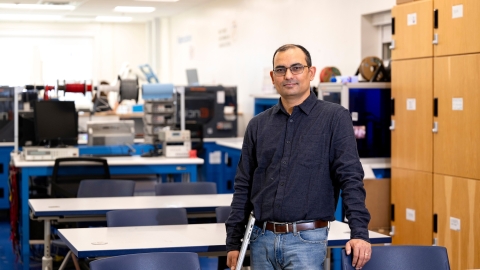
Xiang Fei is an Assistant Professor in the Department of Computing at Coventry University, affiliated with the CEES School of Science. He holds a PhD in Computer Science and Engineering from Southeast University China (1999), following BSc (1992) and MSc (1995) degrees from the same institution. His research focuses on wireless internetworking, middleware for wireless sensor networks (WSN), and packet scheduling, with applications in data center optimization, machine learning, and cyber security. Professional Experience: Prior to his current role, Fei worked on European IST projects (WINE, Euro6IX) and the EPSRC-funded PROSEN project. He joined Cogent as a Research Fellow in 2008. He actively participates in academic events, organizing conferences like SENSORCOMM (2009-2011) and the International Conference on Automation and Computing (2010-2011). Research Interests: His work spans network analysis (community detection, graph embeddings), data stream processing, and cross-domain applications such as music information retrieval for stock market analysis. He has published extensively in IEEE journals and conferences, with notable contributions to nonnegative matrix factorization techniques and deep learning approaches for network problems. Teaching & Mentoring: Currently accepting PhD students in computing-related fields. His research has been supported by industry collaborations and grant-funded projects, reflecting his expertise in both theoretical and applied computing domains.
Dr. Insu Song is a Senior Lecturer in the Department of Information Technology at James Cook University (Singapore campus). He holds a PhD in Computer Science from The University of Queensland and has over 30 years of industry experience in AI, machine learning, and embedded systems. His research focuses on AI applications in medical diagnosis, educational technology, and biometric security. Education: PhD in Computer Science (University of Queensland), BInfoTech (1st Class Honors), BSc in Physics. Research Interests: Development of AI models for medical diagnostics (mental health, respiratory, and gastrointestinal health), AI-driven educational games, behavioral biometrics for fraud detection, and sustainable farming through AI. He pioneered over 1,500 learning contents and 1 million AI-generated educational games. Grants & Awards: Recipient of a prestigious grant from the Bill & Melinda Gates Foundation (2011) for 'Early Child Health Intervention Using Breathing Sound.' Notable awards include Best Research of the year (2014), Best Academic of the year (2015), and finalist in The Australian Innovation Challenge (2013). Collaborations: Works with NGOs like Yamakindo and PUPA Center, the Indonesian government’s aquaculture office, and Chimera Flux for medical robotics. Serves on the PRICAI committee since 2017. Key Projects: Includes 'Early Child Health Intervention Using Breathing Sound' (2011–2012), 'Efficient Charging Method for Bicycle Generators' (2018–2020), and AI models for fish farming cost reduction.
Dr. Arathi Arakala is a Lecturer in the School of Science at RMIT University, located at City Campus, Australia. She specializes in Biometric Authentication, Pattern Recognition, and Infectious Disease Modeling. Her research focuses on Artificial Intelligence and Image Processing, with notable contributions to cybersecurity, biometric systems, and epidemiological modeling. Research Interests Development of secure biometric authentication systems using graph-based methods (e.g., palm vein, retinal, and hand vein analysis). Post-quantum cryptography and homomorphic encryption techniques. Impact of environmental factors like agrochemicals on disease transmission (e.g., schistosomiasis). Design of robust feature sets for keystroke dynamics and anomaly detection in social networks. Research Trends Recent work emphasizes post-quantum security solutions and the ethical implications of AI in education. Notable projects include the GRETINA dataset for retinal image security and collaborative efforts on agrochemical pollution’s role in parasitic diseases. Grants & Supervision Supervising research projects on echo chambers, social network anomalies, and zero-knowledge server frameworks. Contributions to interdisciplinary collaborations at RMIT, including cybersecurity and public health initiatives. Labs & Teams Active in RMIT’s Biometrics and Cybersecurity research groups, focusing on privacy-preserving technologies and disease modeling.
Renske Bouwer is an Associate Professor of Language & Education at Utrecht University, working within the Department of Languages, Literature and Communication in the Humanities faculty. She is affiliated with the Institute for Language Sciences and specializes in language and education research. Her work bridges educational sciences, psychology, and linguistics to investigate writing development across educational levels. Dr. Bouwer's research focuses on the development of writing skills from primary education through higher education, using diverse methodologies including eye tracking, keystroke logging, comparative judgment, interviews, observations, and text analyses. She investigates cognitive, affective, and social processes involved in writing, as well as valid and reliable assessment of writing skills and effective feedback mechanisms. Her research aligns with the Dynamics of Youth (DoY) and Higher Education Research themes at Utrecht University. Analysis of her recent publications reveals a strong focus on dialogic writing approaches, comparative judgment methodologies for writing assessment, and evidence-based writing instruction. Her work consistently examines how peer feedback conversations can promote meaningful revisions, with particular attention to primary and upper elementary education contexts. She has developed innovative assessment tools that combine traditional benchmark rating with comparative judgment approaches to improve reliability and validity in writing evaluation. Comenius Teaching Fellow grant (2020) for developing an online platform for academic writing Successful spin-offs including Tekster (a writing program for upper-elementary grades) and Comproved (an online tool for comparative judgment) Dr. Bouwer serves as co-promotor for five PhD candidates researching automatic and comparative text assessment, comparative peer feedback in secondary education, academic writing development, and genre didactics across the curriculum. She leads an interfaculty USO educational innovation project promoting the academic reading-writing nexus and an NRO-funded project on dialogic writing in primary education. Her work translates scientific insights into evidence-informed teaching materials through collaborations with practitioners, exemplified by her online platforms www.academischschrijven.nl and www.dialogischschrijven.nl.
Arnold Budžys is a Junior Researcher at the Vilnius University Institute of Data Science and Digital Technologies , focusing on cybersecurity, machine learning, and behavioral biometrics. His work addresses critical infrastructure security, insider threat detection, and keystroke dynamics-based authentication. Research Highlights : Keystroke biometrics, anomaly detection, deep learning, data fusion, and red team tactics. Technical Focus : Behavioral analysis, neural networks, security frameworks, and adversarial attack modeling. His publications reveal a trend toward integrating advanced AI techniques with cybersecurity protocols to enhance authentication accuracy and threat prevention in sensitive systems.
Rajesh Kumar is an Assistant Professor of Computer Science at Bucknell University, where he conducts research on behavioral biometrics and teaches foundational computer science courses. His work focuses on how data recorded by smart devices can be used to design systems that solve human-centered security problems through analyzing user interactions like typing, swiping, and walking patterns. Dr. Kumar earned his Ph.D. in Computer and Information Science and Engineering from Syracuse University in July 2021, following an M.S. in Mathematics from Louisiana Tech University (2014) and an M.S. in Computer Applications from Jawaharlal Nehru University, New Delhi (2009), where he ranked #1 in his class. His educational journey began with a B.S. in Computer Applications from Makhanlal Chaturvedi National University of Journalism and Communication in India (2005), also with top honors. His research examines the trustworthiness of biometric systems, emphasizing performance in real-world applications, security, and fairness. Kumar investigates whether behavioral biometric systems show demographic bias and whether they can withstand sophisticated attacks while securing private information. His recent work includes analyzing typing patterns to detect fake social media profiles and studying how wearable technology can monitor vital signs and track conditions like Parkinson's disease. Dr. Kumar's scholarly work spans behavioral biometrics, computer security, and human-computer interaction, with publications focusing on gait authentication, smartphone user authentication, keystroke dynamics, and algorithm evaluation. His GitHub repositories demonstrate active research in dictionary attacks on IMU-based gait authentication, sensor data collection, and string matching algorithms. Ph.D. in Computer and Information Science and Engineering, Syracuse University (2021) M.S. in Mathematics, Louisiana Tech University (2014) M.S. in Computer Applications, Jawaharlal Nehru University (2009) B.S. in Computer Applications, Makhanlal Chaturvedi University (2005) As an educator, Kumar teaches Introduction to Computer Science, Data Structures, and Computer Architecture, with interests in developing courses in applied data science, computer security, and biometrics. He believes in creating collaborative learning environments that accommodate students from diverse backgrounds and experiences, drawing from his own journey from a village in India with limited resources. His teaching philosophy centers on Dr. Ambedkar's belief that 'cultivation of mind should be the ultimate aim of human existence.'
Chaoyue Liu is an Assistant Professor in the Elmore Family School of Electrical and Computer Engineering at Purdue University, located in West Lafayette. His research focuses on the mathematical foundations of deep learning, deep learning theory, and optimization techniques. He holds a position in the Department of Electrical and Computer Engineering and contributes to advancing theoretical and practical aspects of machine learning systems. Research Interests: Mathematical underpinnings of deep learning architectures and their theoretical guarantees Optimization algorithms for large-scale machine learning models Federated learning and privacy-preserving techniques Analysis of neural network training dynamics and loss landscapes Key Research Trends in Publications: Recent work emphasizes optimization challenges in over-parameterized systems, federated learning frameworks, and the dynamics of neural network training. His articles explore topics like SGD batch saturation, differential privacy integration, and the emergence of linear behavior in wide neural networks. Grants & Advising: No specific grants or student advisement information is listed. Collaborations may involve Purdue's research groups in machine learning and electrical engineering. Labs/Teams: Affiliated with Purdue's Electrical and Computer Engineering research clusters, likely contributing to interdisciplinary projects in AI and signal processing.