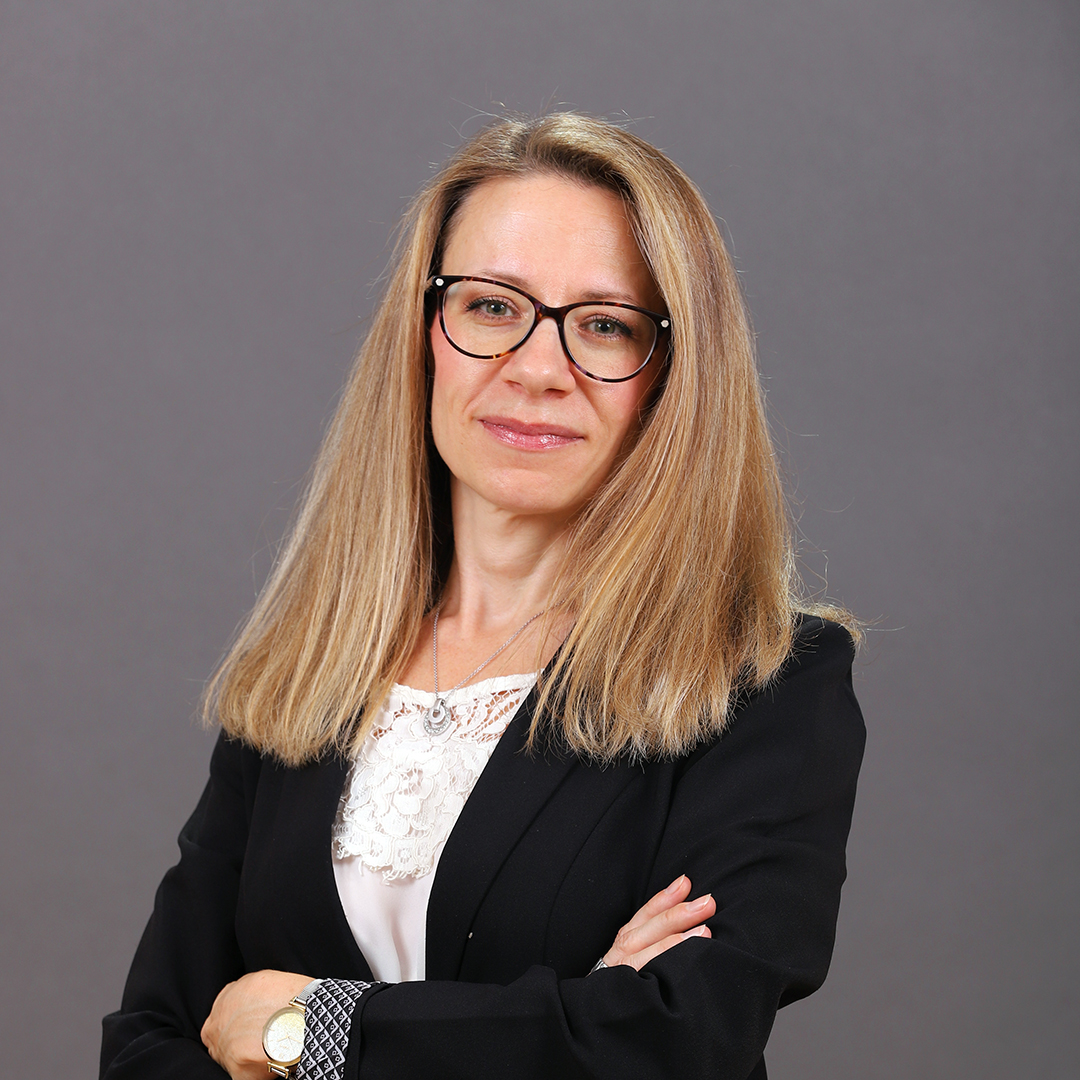
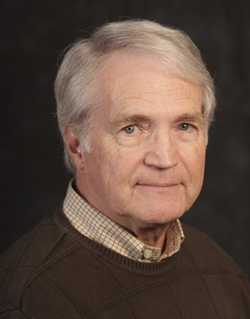
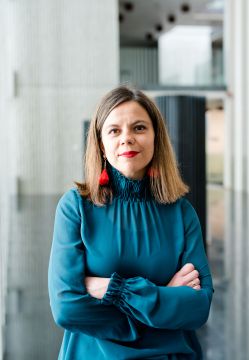
Iryna Berova Alves is a Visiting Assistant Professor at the Institute of Economics and Management (ISEG) of the University of Lisbon and a Visiting Adjunct Professor at the Institute of Accounting and Administration of Lisbon (ISCAL) of the Polytechnic Institute of Lisbon. She holds a PhD in Management from ISEG (2018), a Master's in Management and Business Control from ISCAL (2011), and two Bachelor's degrees in Management and Finance from ISCAL and the Donetsk College of Finance and Economics (Ukraine). Her research focuses on management control systems, managerial incentives, performance measurement, and behavioral accounting, with a particular emphasis on SMEs and non-profit institutions. She teaches courses in Management Accounting, Research Methods in Accounting, and Advanced Management Accounting at both bachelor's and master's levels. Her work explores topics such as auditor turnover intention, reward preferences in career choices, and the implementation of methodologies like Lean Six Sigma in organizational processes. She is a researcher in the Value and Finance group at CSG (Research in Social Sciences and Management). Her recent publications (2024–2015) highlight studies on auditor retention, incentive frameworks in SMEs, and the role of non-financial performance measures. She has supervised master's theses on topics ranging from business plans for SMEs to the relationship between non-financial metrics and employee satisfaction. Her academic awards include a PhD approved with distinction and honors (2018).
Dr. Wike Been is an Assistant Professor at the University of Groningen's Faculty of Behavioural and Social Sciences, specifically within the Department of Sociology. Their research focuses on labour sociology, particularly examining creative industries, digital transformation impacts on work, and migrant labour conditions. They investigate topics like labour market flexibilization, job quality, and collective bargaining dynamics across sectors such as the creative industries and temporary agency work. Research interests include the interplay between digitalisation and meaningful work, precarity in creative sectors, and regulatory challenges in combating exploitation of migrant workers. Been has published extensively on earnings inequality in creative industries, pandemic-era labour market trends, and cross-national comparisons of labour representation in industries like the videogame sector. Publications span peer-reviewed journals such as Cultural Trends , European Journal of Industrial Relations , and Italian Labour Law e-Journal , with a focus on sociological analyses of contemporary work dynamics. Their work often addresses policy implications for improving job quality and worker protections in evolving economic landscapes. Been's academic contributions include studies on downward wage convergence, the resilience of wage-setting institutions in Europe, and the role of sectoral self-regulation in protecting vulnerable workers. They maintain an active research agenda exploring how digital transformation reshapes work structures and worker well-being.
Jürgen Brehm is an Adjunct Professor at the Faculty of Electrical Engineering and Computer Science of Leibniz University Hannover . He holds a venia legendi in Computer Engineering after completing his habilitation in 2000. Education: Diploma in Computer Science (1986), Doctorate in Engineering (1991), Habilitation (2000) Research interests span computer architecture , parallel processing , performance analysis , and e-learning . His work explores ubiquitous computing , communication architectures , and optimization algorithms . Recent publications highlight trends in parallel computing , optimization , and interactive systems , including works on swarm intelligence , particle swarm optimization , and open content integration. Scientific award : Feodor Lynen Fellowship (1994) Teaching includes core courses like Basics of Computer Architecture , Operating Systems , and Parallel Processing . He also designed two multimedia-equipped computer science lecture halls and managed large-scale DFG projects for e-learning and HPC computing.
Katharine G. Abraham is a Distinguished University Professor of Economics and Survey Methodology at the University of Maryland. She holds appointments in the Department of Economics and directs the Maryland Center for Economics and Policy. Her research focuses on labor economics, economic policy, survey methodology, and retirement decisions. She has served as Commissioner of the Bureau of Labor Statistics (1993–2001) and on the President’s Council of Economic Advisers (2011–2013). Abraham’s recent work examines nonstandard work arrangements, gig economy dynamics, and labor force participation trends. She is a member of the National Academy of Sciences, American Academy of Arts and Sciences, and a distinguished fellow of the American Economic Association. Her awards include Fellowships from the American Statistical Association and Society of Labor Economists. Abraham’s academic contributions span empirical studies on employment, wage dynamics, and policy impacts. She has pioneered research into informal work activity measurement and long-term unemployment consequences. Her work integrates survey methodology innovations with labor market analysis, addressing gaps between household and establishment data. Current roles include President-Elect of the American Economic Association and Chair of the National Academy of Sciences’ Committee on National Statistics. Her publications analyze topics like student financial aid, job retention programs, and policy frameworks for evidence-based decision-making. Notable works include 'Explaining the Decline in the U.S. Employment-to-Population Ratio' (2020) and 'Probing for Informal Work Activity' (2019). Abraham’s research emphasizes improving economic data accuracy and accessibility, advocating for better measurement of nonmarket activities and gig economy participation.
Saija Mauno is a Professor in the Department of Welfare Sciences, specializing in occupational psychology and workplace well-being. Her research focuses on burnout prevention, workplace stressors, healthcare management, and the impact of intensified job demands on employee engagement and performance. She has published extensively in peer-reviewed journals and has been actively involved in supervising licentiate and doctoral candidates. Her work contributes to sustainable work systems and ethical organizational practices, particularly in healthcare and educational settings. Mauno has held leadership roles in academic communities, including chairing committees related to occupational psychology and participating in cross-sector collaborations to address work-related challenges. Her research interests include analyzing the psychological and organizational factors influencing employee well-being, with a particular emphasis on ethical dilemmas, burnout origins, and the role of career calling in managing workplace stress. She has conducted longitudinal studies exploring work-family balance, job insecurity, and the effects of workplace interventions. Collaborations span multiple countries, reflecting her global impact in occupational psychology research.
James Campion is a Professor in the Department of Psychology at the University of Houston, affiliated with the College of Liberal Arts and Social Sciences. He specializes in Industrial-Organizational Psychology and has spent his entire academic career at this institution, contributing extensively to research, teaching, and student mentorship. Research Interests: Dr. Campion's work primarily focuses on personnel selection methods, particularly the use of structured employment interviews and work sample techniques. His research emphasizes fairness, validity, and legal compliance in hiring practices. He has investigated how interview structure affects psychometric properties and reduces bias, making significant contributions to equitable employment systems. Publication Trends: His scholarly output over several decades reveals a sustained focus on improving selection methodologies. Key themes include interview validity, legal implications of hiring practices, content-based assessment, and minimizing discrimination. His publications appear in top-tier journals such as Journal of Applied Psychology and Personnel Psychology , reflecting strong empirical and applied contributions. Professional Service: He has served on editorial boards of the Journal of Personnel Psychology and the International Journal of Selection and Assessment . He directed the IO Program for 18 years and led the University's Interviewing Institute for 25 years, demonstrating deep institutional leadership. Teaching and Practicum Supervision: Dr. Campion teaches undergraduate and graduate courses including IO Psychology, Interviewing, Legal/Professional Issues, and Field Practicum. He is a licensed psychologist who has developed and supervised student practicum experiences across organizations in the Gulf Coast and Caribbean regions for over 30 years.
Denise D. Quigley is a Senior Policy Researcher and Professor of Policy Analysis at the RAND School of Public Policy. She serves as the quality improvement (QI) team lead for the Consumer Assessment of Healthcare Providers and Systems (CAHPS) project and leads multiple federally funded studies for AHRQ and NIH, focusing on health care quality, patient experience, and health equity. Ph.D. in Public Policy, RAND School of Public Policy Her research centers on end-of-life care, hospice, patient-provider communication, shared decision-making, patient safety, and access to care through workers' compensation. With expertise in qualitative methods, thematic analysis, survey development, and mixed-methods inquiry, she investigates organizational behavior and system change in health care delivery. Her work emphasizes patient and family care experiences, with a strong focus on reducing disparities across racial, ethnic, linguistic, and geographic lines. Her recent publications reflect a consistent focus on health equity and quality measurement, particularly through CAHPS and other patient-reported instruments. Themes include disparities in post-acute care, mental health support for first responders, language concordance in primary care, and spiritual care in hospice. She has led systematic reviews on hospice use in nursing homes, patient safety culture in Black-serving hospitals, and infection control in long-term care settings. Racial and ethnic disparities in post-acute care Urban-rural disparities in COVID-19 outcomes Patient safety culture in hospitals Improving patient experience via survey design Spiritual care for African American hospice patients She collaborates with researchers at RAND and Columbia University on NIH-funded projects assessing infection prevention and transitions of care. Her policy-relevant research supports quality improvement initiatives and informs health system reforms. While her role includes academic leadership, there is no public information about advised students or received scientific awards. She is actively contributing to health services research and public policy analysis.
Dr. Scott C. Bible, SHRM-SCP, is a Professor in the Department of Management at The University of Akron's College of Business , where he teaches leadership, strategic management, human resource development, and organizational behavior. With over 30 years of experience in higher education, healthcare administration, and organizational consulting, he specializes in leadership development, performance improvement, and strategic human resource practices. Education: D.B.A. in Management from Cleveland State University M.A. in Personnel Psychology from The University of Akron B.S. in Human Resource Management from The University of Akron His research interests focus on emotional intelligence, leadership motivation, organizational civility, and the future of work , with a particular emphasis on virtual work environments and agile organizational practices . Key publication trends include interactive e-learning tools (e.g., H5P), virtual collaboration (e.g., Zoom integration), and business analytics pedagogy . Scientific Awards: Co-author of award-winning research on transformational leadership and millennial motivation to lead As a faculty advisor for the student chapter of SHRM, Dr. Bible integrates real-world consulting projects into his teaching. He has received a $3,000 grant from The University of Akron for online graduate course development and serves on university committees like the Assurance of Learning Committee and Student Accessibility Committee .
Andrea Weber is a Professor of Economics at the Central European University (CEU), serving as Head of the PhD Program in Economics and a Core member of the Economics Doctoral School. She previously held positions at the Vienna University of Economics and Business, University of Mannheim, and UC Berkeley. Her research focuses on labor economics, particularly labor market interactions with social insurance systems, unemployment dynamics, gender disparities, and EU worker mobility. She has affiliations with the ROCKWOOL Foundation Berlin Institute, IZA Research Institute, and CESifo. Dr. Weber earned her Doctorate in Economics from Vienna University of Technology (2002). Her work spans policy analysis, including studies on board gender quotas, firm outcomes linked to political connections, and family-career trade-offs across Europe and North America. She contributes to journals like the Journal of the European Economic Association and frequently presents at academic events. Her research highlights include analyzing labor market policies, job displacement effects, and the impact of economic shocks on fertility. She emphasizes evidence-based policy design, particularly in unemployment insurance and active labor market programs. No specific awards are listed, but her extensive publication record reflects scholarly impact.
Alexander S. Kritikos is a Professor of Industrial and Institutional Economics at the University of Potsdam and a key figure at DIW Berlin (German Institute for Economic Research), where he serves as a member of the Executive Board and Head of the Entrepreneurship Research Group. He is also a Research Fellow at IZA (Institute for the Study of Labor) in Bonn and IAB (Institute for Employment Research) in Nuremberg, underscoring his broad institutional affiliations in economic research. Professor, University of Potsdam – Faculty of Economics and Social Sciences Member, Executive Board, DIW Berlin Head, Entrepreneurship Research Group, DIW Berlin Research Fellow, IZA Bonn Research Fellow, IAB Nuremberg He earned his Diplom-Volkswirt in Economics from the University of Munich (1989), completed postgraduate studies at the Free University of Berlin (1990–1993), received his doctorate from Humboldt University of Berlin (1996), and completed his habilitation at the European University Viadrina (2003). His research centers on entrepreneurship, self-employment, innovation, labor economics, and institutional economics. He investigates how non-cognitive skills influence entrepreneurial behavior, the gender pay gap in female-owned firms, the mental health of the self-employed during crises, and the productivity of micro-firms. His work often combines empirical analysis with policy relevance, especially in the context of German and European economic conditions. His recent publications (2023–2025) reflect a strong focus on contemporary economic challenges: the impact of the pandemic on entrepreneurs, bureaucratic barriers in Germany, gender and wages, and structural reforms in Greece. These works span top journals like Entrepreneurship Theory and Practice , Journal of Business Venturing , and Research Policy , as well as policy-oriented outlets such as DIW Weekly Report and public commentaries. The recurring themes include entrepreneurial resilience, regulatory reform, innovation policy, and labor market dynamics. His scientific recognition includes research fellowships from the German Marshall Fund and TMR, as well as ongoing affiliations with leading economic research institutes. He has served on committees of the Verein für Socialpolitik and has been co-editor of Small Business Economics since 2010. Kritikos actively advises on public policy, contributing opinion pieces to major media outlets such as Süddeutsche Zeitung , Handelsblatt , Die Zeit , Frankfurter Allgemeine Zeitung , and international platforms like Harvard Business Review . He has led significant research projects, including evaluations of German entrepreneurship support programs and studies on innovation in SMEs. His work is deeply embedded in both academic and policy-making communities, with frequent lectures and public engagements on industrial transformation, productivity, and labor market challenges. He is involved in collaborative research networks and contributes to the Graduate Center at DIW Berlin, mentoring young economists. His leadership in the Entrepreneurship Research Group fosters interdisciplinary work on firm creation, growth, and economic impact. There is no indication of retirement or part-time status; he remains a central, active figure in German economic research.
Dr Urszula Lewartowicz is an Adjunct Professor at the Institute of Pedagogy within the Faculty of Pedagogy and Psychology at Maria Curie-Skłodowska University. She leads the Cultural Animation Workshop and focuses on socio-cultural animation, cultural education, and the educational potential of theater and cabaret. Research Interests Socio-cultural Animation Cultural Education Educational Theater and Cabaret Amateur Artistic Movements Her work explores the use of contemporary comedic forms in intercultural education, AI tools in cultural animation, and discursive representation of 'others' in Polish cabarets. She has co-authored studies on cultural animator competencies and job satisfaction. Notable recent publications include analyses of AI applications in cultural practices, intercultural education through satire, and discursive construction of 'Others' in cabaret sketches. Her research bridges humor, education, and social inclusion, often examining municipal cultural centers and community dynamics.
Niels Westergård-Nielsen is a Professor in the Department of Accounting at Copenhagen Business School. His research focuses on corporate governance, leadership dynamics, labor economics, and economic policy. He frequently engages with media and public discourse on topics like CEO succession, gender diversity in leadership, and organizational behavior. His work contributes to UN Sustainable Development Goals related to reduced inequalities and decent work. Key research themes include executive decision-making, board diversity, employee ownership models, and the impact of leadership training on organizational performance. Recent articles explore trends such as challenges in appointing new bank directors, declining entrepreneurship rates, and the causal effects of leadership strategies. His media contributions address pressing issues like workforce retention policies and university leadership selection criteria. Westergård-Nielsen has no listed scientific awards but maintains active collaboration networks in Denmark and internationally. His research spans over 58 publications, with a focus on empirical analysis of Danish economic data and policy implications.
Priv.-Doz. Dr. Michael W. Busch is a Lecturer and Researcher at the Institute of Management & Leadership Development at the University of Applied Sciences Wiener Neustadt. His research focuses on organizational behavior, leadership dynamics, and team effectiveness. He leads projects such as JOBCRAFT , exploring job crafting to enhance employee fulfillment, and Teamlernen und Teamdynamik , analyzing team learning and burnout prevention. His work emphasizes agile management, leadership styles, and the intersection of organizational structure with human factors. Dr. Busch has published extensively on topics like shared leadership, team collaboration, and workplace innovation, with over 90 publications since 2004. He received the Best Paper Award Innovation Management 2009 and is active in academic conferences and media commentary on workforce dynamics. Key Research Areas: Job Crafting, Agile Organizations, Leadership Styles, Team Dynamics Projects: JOBCRAFT (2023–2024), Team Learning Dynamics (2019–2020) Publications: Over 50 peer-reviewed articles, including studies on organizational agility and leadership in transformation processes. Scientific Contributions Dr. Busch's research bridges theory and practice, addressing challenges in modern work environments such as burnout, employee engagement, and self-organization. His analysis of team learning and leadership roles provides actionable insights for organizational development. Recent work explores the role of 'humble leadership' in fostering innovation and resilience. Awards & Recognition Best Paper Award Innovation Management (2009)
Fatma Demirağ is an Associate Professor at Kütahya Dumlupınar University's Faculty of Applied Sciences, Department of Electronic Commerce and Management. She holds a PhD in Business from Dumlupınar University (2015-2019), an MSc in Business Administration (2013-2015), and a BSc in Business Administration from Marmara University (2007-2011). Academic roles: Associate Professor (2025–present), Research Assistant (2013–2021). Teaching: Courses on Consumer Behavior in the Digital Environment, E-Commerce Strategies, Marketing Research, and Marketing Communications. Her research focuses on consumer behavior , digital marketing , AI applications in marketing , and export strategies . Key areas include metaverse engagement, influencer marketing, and green supplier evaluation in the textile industry. She has published over 30 articles and authored/co-authored books on marketing, digital transformation, and consumer insights. Her recent projects include analyzing the relationship between marketing capital and job performance (2020–2021) and supporting national marketing congresses (2016–2017). She actively contributes to academic journals and conferences, emphasizing methodological rigor in qualitative marketing research. Her work extends to practical applications such as improving SMEs' customer agility via AI tools and exploring social media motivations in the metaverse context.
Jillian Yeow is a Senior Lecturer in the Management of Projects Group within MACE at the University of Manchester. She is affiliated with Alliance Manchester Business School and contributes to Sustainable Futures and Digital Futures research platforms. Her work addresses project-based organizing enabled by ICT, innovation ecosystems, and public procurement policies for sustainability. She holds a dual academic role in the Management of Projects Group and previously served as a Research Fellow at the Manchester Institute of Innovation Research. Her research focuses on organizational change in project-based work, digital technology impacts, and science/technology policy frameworks. Key research themes include circular economy policies in construction, digital transformation in project management, and employee well-being in construction sectors. Over 40 publications demonstrate her expertise in areas like reverse logistics frameworks, technostress analysis, and innovation procurement models. She contributed to the ERA-LEARN project (2015-2022) strengthening EU research collaboration. Teaching spans undergraduate/postgraduate courses in research methods, project management, and technology studies, with leadership in postgraduate research training programs.