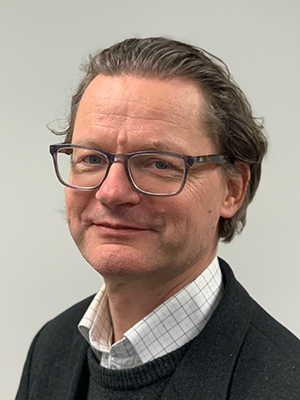
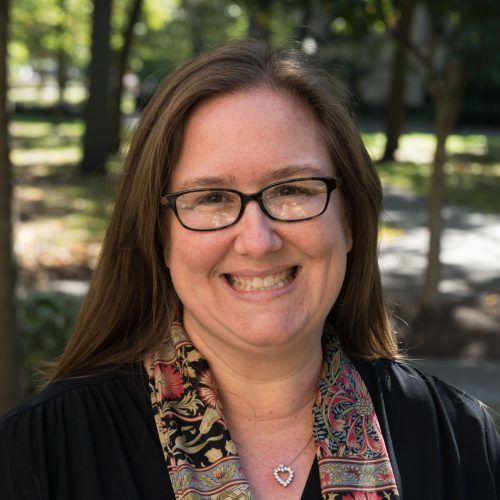
Gregory Starrett is Professor and Chair of Anthropology at the University of North Carolina at Charlotte, College of Humanities & Earth and Social Sciences. His research examines cultural politics of Islamic education, popular culture in the Middle East, and anthropological theory. Education includes a Ph.D. in Anthropology from Stanford University. Research interests focus on religious transformation, secularism, Islamic commodities, and cultural responses to political violence. His work analyzes how religious education intersects with state politics and social movements across diverse cultural contexts. Recent publications explore contemporary political phenomena through anthropological lenses, including studies of insurrections, ethnic identity conflicts, and right-wing movements. Cross-cutting themes include ritual, symbolism in public culture, and epistemological challenges in social science research. Awards: Bank of America Award for Teaching Excellence Finalist (2011) Editorial roles include service for the Review of Middle East Studies and Comparative Studies in Society and History. Led UNC Charlotte's successful Phi Beta Kappa chapter establishment initiative.
Dr Sam Haddow is a Senior Lecturer in the School of English at the University of St Andrews. His research focuses on Theatre Studies, climate apocalypse narratives, ecocriticism, political violence representation, and grief and mourning in performance. He is affiliated with the Centre for the Critical Reimagining of Human Rights and the Centre for the Public Understanding of Greek and Roman Drama. He supervises PhD students in topics such as end-of-the-world literature, ecocriticism, children’s theatre, and performance studies. Recent publications include We All Die at the End: Storytelling in the Climate Apocalypse (2025) and Artaud’s Civil War (2023). His work engages with UN Sustainable Development Goals related to climate action and peace. PhD Students: Laura Cameron-Lewis, Gabriela Milkova Robins Key Research Themes: Political aesthetics, climate crisis narratives, counter-terrorism theatre, pandemic performance Recent Activities: Participation in ‘New Directions in Theatre Studies’ seminar (2019) His academic contributions bridge critical theory with contemporary performance, emphasizing interdisciplinary approaches to cultural and environmental crises.
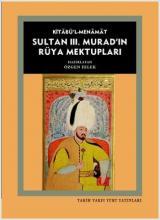
Ozgen Felek is currently a Senior Lector I of Ottoman at Yale University. Her research focuses on Ottoman literature, gender, sexuality, and Sufism, with a particular emphasis on the Ottoman Empire. She combines academic research with Islamic art, specializing in illumination and miniature painting. Felek has held postdoctoral fellowships at the City University of New York (2013-2016) and Stanford University (2011-2013). B.A. 1998, M.A. 2000, Ph.D. 2007 (Fırat University) M.A. 2003 (The Ohio State University) Ph.D. 2010 (University of Michigan) Her research projects include a monograph on Sultan Murad III and a study on manhood/masculinity in the Ottoman court. She translated Murad III’s dream letters into English, published as The Sultan’s Dreams Project (2013). Felek’s artistic work merges modern performance with Islamic literary traditions, showcased at venues like the University of Michigan. Her teaching spans institutions including Fırat University, Stanford, and Yale. She explores interdisciplinary connections between Ottoman studies, art, and gender theory.
Gökbörü ÖNALP serves as a full-time Lecturer at Kafkas University's Vocational School of Social Sciences within the Accounting and Tax Practices Department. Holding a PhD in Politics and Social Sciences from İnönü University (2023), he specializes in the intersection of political theory, public administration, and taxation systems with a focus on Turkish institutional contexts. His educational background includes: PhD in Politics and Social Sciences (2023), İnönü University MSc in Political Science (2016), Ardahan University Bachelor's in Political Science (2014), Kafkas University Bachelor's in Economics (2009), Anadolu University Research spans political philosophy, public administration reform, and taxation systems, with emphasis on Turkish political history and local governance. His work analyzes Machiavellian and Islamic political thought, media violence representation, and migration patterns in Eastern Anatolia. Publications reveal consistent focus on institutional effectiveness, democratic perception at grassroots levels, and historical transitions in Turkish political thought. His 15 publications (2017-2023) demonstrate evolving expertise from local governance studies toward comparative political philosophy. Key thematic clusters include: Turkish constitutional history (3 publications), public administration reform (4), political theory (3), and sociocultural analysis (5). Professional activities include a research project on Iğdır's cultural ritual "Kara Bayram" (2018-2021) where he served as researcher. He has taught 18 courses including Constitutional Law, Tax Law, and Turkish Tax System across multiple academic years (2017-2022). Academic metrics show h-index of 2 with 16 total citations. Collaboration network includes 4 co-authors, predominantly with Cem Çiçek (8 joint works) and Abdulsemet Yaman (5 works).
Chanfi Ahmed is a scientific collaborator at the Institute of Asian and African Studies (IAAW) at Humboldt University, specializing in the History and Anthropology of Islam in Africa . His research explores Islamic scholarship, diaspora dynamics, and translocal memory practices across African and Islamic contexts. Doctorate in History and Civilisations (EHESS, Paris) Maître de Conférences Qualifié (Assistant Professor) in Oriental Studies Research Focus : • Islamic missions in Sub-Saharan Africa • African diasporas in Arab/Asian regions • Sufi networks across Indian Ocean Key Projects : • MeccAfrica (2015–present) on African integration in Saudi society • DFG-funded studies on Islamic missions and Sufi orders in East Africa Scientific Contributions : Authored monographs on Islamic revivalism, anti-Black racism, and Swahili coast rituals. Published extensively in journals like Islamic Studies and Africa Today . Advisory Board Member, Islamic Africa (2010–) Peer-reviewer for Archives des Sciences Sociales des Religions (2006–)
Robert Launay is a Professor of Anthropology at Northwestern University with a PhD from Cambridge University (1975). He specializes in the history of anthropological theory, anthropology of Islam, historical ethnography of West Africa, and French foodways in the American Midwest. His research has focused extensively on Muslim communities in Côte d'Ivoire, examining religious change, trade networks, and cultural adaptation. His scholarly interests span the historical development of anthropological thought from classical antiquity to modern times, with particular focus on how Europeans conceptualized 'the other.' His work combines deep historical analysis with contemporary ethnographic research, bridging theoretical and empirical approaches to anthropology. Launay has made significant contributions to understanding the historical roots of anthropological thinking and its evolution over time. His publications reveal a consistent focus on comparative approaches to understanding cultural differences, with particular attention to how religious traditions shape social organization. His recent work on French foodways in the Midwest represents an innovative extension of his research interests into new ethnographic territory while maintaining his comparative methodological approach. Amaury Talbot Prize for best African ethnography in England (1992) Extensive publication record spanning five decades Editor of major anthologies on anthropological theory International speaking engagements at prestigious institutions Launay has advised graduate students and served on numerous committees, though he notes he is 'no longer advising graduate students' but will continue to serve on committees. His teaching portfolio includes courses on anthropological theory, religion, and historical perspectives in anthropology. He has been particularly active in mentoring scholars working on West African and Islamic studies. His current collaborative project with former student Aurelien Mauxion on French foodways in the Midwest examines how early French settlers adapted to American foods and how contemporary descendants express identity through culinary practices, connecting historical patterns with contemporary cultural expressions.
Assistant Professor Dilara Eylül KOÇ is affiliated with Kastamonu University , where she serves in the Faculty of Tourism, Department of Tourism Guidance . She completed her PhD in Tourism Management at Sakarya University (2017-2018) and holds a Master's and Bachelor's in Tourism Management from Nevşehir Hacı Bektaş Veli University. Research Areas : Tourism Guidance, Cultural Heritage Tourism, Homestay Tourism, Belief Tourism, Sustainable Rural Development Administrative Roles : Assistant Dean of the Faculty of Tourism (2023-), Deputy Director of Research Centers (2024-), Erasmus Coordinator (2017-2023) Collaborations : Frequent co-authorship with Dr. Canan Tanrısever, Dr. Şevki Ulama, and international scholars like Judith Solanas. Key projects include UNESCO-supported homestay training and digital Eurasian recipe books.
Kenzie Burchell is an Associate Professor at the University of Toronto's Department of Arts, Culture and Media (UTSC campus) and Faculty of Information (St. George). He is also an associate graduate faculty member at the Munk School of Global Affairs and Public Policy. His research focuses on digital humanities, global media studies, and the sociopolitical impacts of surveillance and platform technologies on everyday life and political processes. Education: Holds degrees from McGill University, London School of Economics and Political Science, and Goldsmiths, University of London (PhD in Media and Communications). Previously served as Lecturer and Visiting Tutor at Goldsmiths. His work bridges media sociology with political economy, examining issues like communication overload, journalistic practices in crises, and transnational media narratives. Research Trends: His recent publications explore disinformation dynamics, media forensics, digital disconnection, and the interplay between media genres and security discourses. He collaborates with the University of Manchester on Eastern European media studies through a joint research cluster. Awards: No specific scientific awards listed. His work is supported through institutional affiliations and cross-institutional partnerships. Teaching & Advising: Teaches INF2124H (Surveillance and Identity) and supervises Ruty Korotaev (current advisee). His teaching integrates media literacy and critical analysis of digital technologies. Labs/Teams: Leads collaborative projects with Manchester's faculty in Russian and East European Studies. Active in Toronto's interdisciplinary research networks focusing on media and global affairs.
Zhinia Noorian is a Researcher at Utrecht University's Department of Islam and Arabic Studies, focusing on gender dynamics in Islamic mysticism and Persian literature. Her ERC-funded project 'Feminising Masculinity' examines gender transgression in Sufi traditions. Research interests include: Homoerotic aspects of qalandar saints Gender norm transgression in religious contexts Parvin E'tesami's feminist poetry Persian debate poetry as resistance Noorian's work bridges classical Persian literature with contemporary gender theory, analyzing how historical texts challenged patriarchal structures through mystical and literary expressions.
Patricia Kelly Spurles is an Associate Professor at Mount Allison University, specializing in cultural anthropology with a focus on gender dynamics, North African societies, and the socio-economic impacts of tourism. Her research explores themes such as Moroccan artisan labor practices, Muslim diaspora identities, and public health attitudes toward breastfeeding. She has conducted extensive fieldwork in Morocco and Canada, producing seminal work on cultural commodification and women's economic agency. Research Interests Gendered labor practices in tourism sectors Spatial negotiations in urban Moroccan markets Islamic dress and identity politics in North America Commodification of cultural rituals Socioeconomic impacts of diasporic communities Her publications from 2001-2011 reveal a consistent focus on marginalized groups' agency within globalized cultural systems, particularly analyzing how Moroccan women navigate tourist economies and how Muslim communities negotiate identity in transnational contexts. Methodologically, her work emphasizes ethnographic fieldwork and qualitative interviews. Spurles holds no currently listed awards but has maintained active research output across multiple disciplinary journals. Her academic contributions emphasize participatory methodologies and decolonizing anthropological practices.
Dr Mehrbod Khanizadeh is an AHRC Research Fellow at SOAS University of London, affiliated with the School of History, Religions and Philosophies and the Department of Religions and Philosophies. His research focuses on Zoroastrian texts, ritual traditions, and the transmission of ancient Iranian religious knowledge. He holds a Doctor of Veterinary Medicine, MSc in Animal Pathology from Shahid Beheshti University, Iran, and advanced degrees in Ancient Iranian Languages and Religious Studies from SOAS. His work includes projects like the Multimedia Yasna (MUYA) , examining Zoroastrian ritual performance and textual transmission, and the AHRC-funded project Translating the Avesta , using digital tools to analyze Pahlavi-Avestan bilingual manuscripts. His research interests span Avestan philology, Pahlavi exegesis, and the scholastic traditions of early Islamic Iran. Key publications include a 2023 critical edition of the Avestan Hōm Yasht and analyses of Zoroastrian ritual structures. His scholarship bridges textual analysis with digital humanities methodologies.
Dr. Jens Kreinath is an Associate Professor of Anthropology at Wichita State University, specializing in ritual theory, interreligious relations, and the anthropology of Islam. His research examines religious practices in Turkey, particularly interfaith dynamics in Hatay province, where he studies shared pilgrimage sites and cultural coexistence. Research interests include the aesthetics of religious practice, semiotics of ritual, and the impact of interfaith musical performances on community relations. His current project analyzes the Antakya Choir of Civilizations as a catalyst for democratization and conflict resolution. Publications explore ritual transformations, saint veneration, and post-disaster religious resilience. Methodological innovations include photographic ethnography and actor-network theory applications in ritual studies. Dr. Kreinath serves on editorial boards for the Journal of Ritual Studies and Anthropology of Religion. Fieldwork spans Turkey, Australia, and the Levant, supported by international collaborations including the Norwegian Research Council.
Kara Morrow is Professor of Art and Art History and Chair of Museum Studies at The College of Wooster. She holds a PhD from Florida State University with specializations in medieval art and African art history. Her research explores sacred spaces where human and spiritual realms intersect, including medieval architectural sculpture containing saints' relics and African American cemetery traditions in New Orleans. Recent curatorial projects include 'Leadership Arts in Africa' and 'The Performative in African Art' at Wooster's Art Museum. Morrow teaches courses spanning ancient to medieval art, African art, Islamic art, and thematic seminars on topics like medieval depictions of the body. She integrates the College's art collections into her pedagogy through student-curated exhibitions.
Maggie Vinter serves as Associate Professor in the Department of English at Case Western Reserve University, where she teaches undergraduate and graduate courses on pre-1800 literature with expertise in Shakespearean drama, global renaissance contexts, theatrical theory, and interdisciplinary explorations of science, magic, gender, and death representation. Based in Guilford Hall, she contributes significantly to the department's historical curriculum and academic community. Her educational background includes a PhD from Johns Hopkins University (2013), establishing her specialization in early modern English literary culture. Dr. Vinter's research centers on death rituals in Renaissance theater, as demonstrated by her monograph Last Acts: The Art of Dying on the Early Modern Stage (Fordham University Press, 2019), which reinterprets theatrical death as political action rather than passive suffering. Current book projects investigate involuntary bodily responses in Shakespearean aesthetics ( Bodily Betrayal and Automatic Aesthetics ) and historical models of literary replication ( Contagious Forms ), extending her inquiry into gender dynamics, global renaissance networks, and philosophical dimensions of performance. Analysis of her recent publications reveals methodological evolution from foundational death studies toward somatic theory and textual contagion. Articles in Shakespeare Quarterly and English Literary Renaissance examine auditory perception in Hamlet , Othello's corpse politics, and Shylock's laughter, demonstrating how Renaissance drama staged complex human experiences through performative frameworks across diverse cultural contexts. Though no specific awards are documented, her scholarly impact is evident through publications in premier journals including ELH and Renaissance Drama , along with contributions to edited collections on Shakespearean death arts (Palgrave, 2022) and enchantment theory (Routledge, 2016). Dr. Vinter mentors graduate students in the English department's MA and PhD programs through specialized seminars on early modern literature, supported by departmental assistantship funding. Her teaching prepares students for advanced research in literary history and theory while engaging with the Writers Resource Center and English Graduate Student Association initiatives. She participates in CWRU's academic ecosystem through the Writers House and departmental events, though no dedicated research laboratory or formal team structure is specified in available materials.
David Parkin is a Research Professor at the Max Planck Institute for Religious and Ethnic Diversity (Goettingen, Germany) and Professor Emeritus of Social Anthropology at the University of Oxford. He holds an honorary position as Honorary Professor at the School of Oriental and African Studies (London, UK). His primary research focuses on medical anthropology, Eastern African studies, cross-cultural semantics, and socio-cultural evolution. Parkin has held significant roles including Chairmanship of the International African Institute and the Association of Social Anthropologists, and is a Fellow of the British Academy. His scholarly work spans over five decades, with notable contributions in African studies, Swahili communities, and religious anthropology. Key themes include cultural semantics, ritual practices, and socio-political systems. Parkin's publications include influential books like *The Sacred Void* (1991) and *Holistic Anthropology* (2007), alongside edited volumes exploring maritime technology and Islamic prayer practices in the Indian Ocean region. His awards and recognitions reflect his academic leadership and contributions to anthropology. While no specific advising or grant information is documented here, his research has consistently engaged with interdisciplinary methodologies and fieldwork-based insights. Parkin’s work bridges historical and contemporary issues in anthropology, emphasizing the interplay between cultural systems and global dynamics.