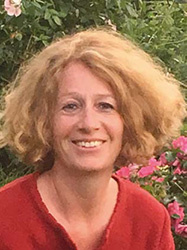
Prof. Dr. Ulrike Freitag is a distinguished scholar in Islamic Studies and social history of the Arab world, holding a Professorship at Freie Universität Berlin and serving as Director of the Leibniz-Zentrum Moderner Orient (ZMO) . Her work bridges urban history, transregional Islamic networks, and Arabian Peninsula studies within Indian Ocean and Red Sea contexts. Education : PhD in Islamic Studies (Freiburg, 1991), Habilitation (Bonn, 2002) Research : Focus on Ottoman urban violence, Saudi state formation, Hadhrami diaspora, and historical urbanism in Jeddah Her supervision of PhD projects spans topics from Moroccan Sufi sanctußen to Yemeni Jewish communities. Recent scientific awards include fellowships at Leiden University and Käthe-Hamburger Kolleg. She contributes to public discourse through Tagesspiegel op-eds and international conferences.
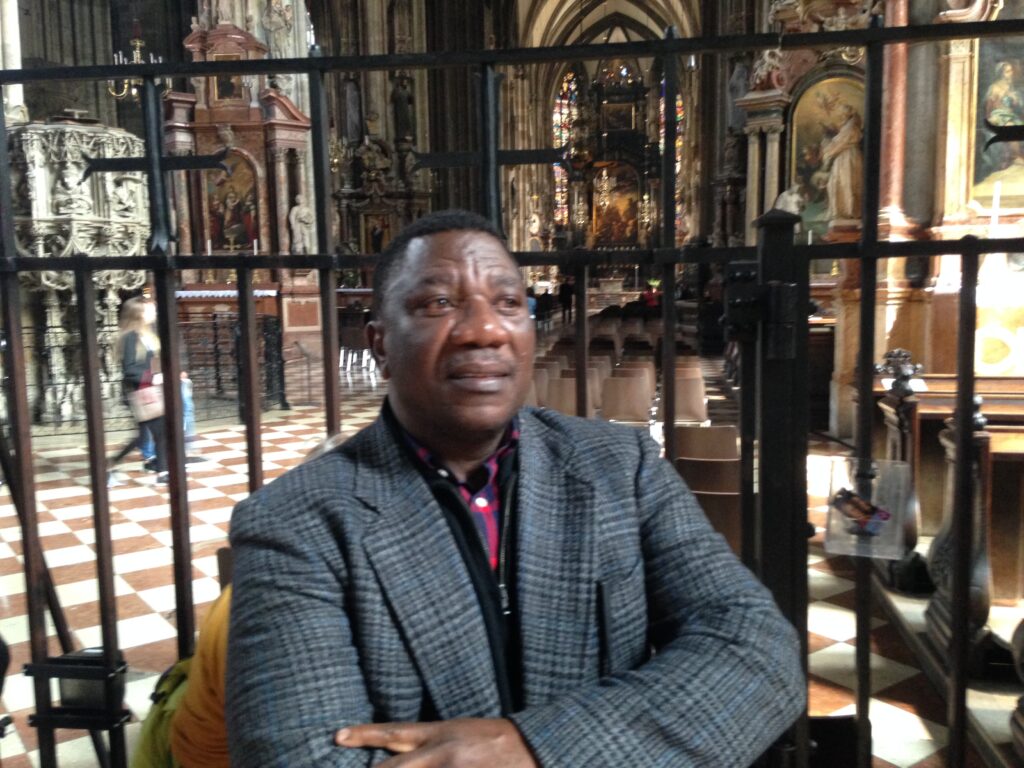
Onookome Okome is a Professor in the Department of English and Film Studies at the University of Alberta. He holds MA and PhD degrees from the University of Ibadan, Nigeria. Previously at the University of Calabar (1989-2002), he became a full professor in 2008. He is an External Fellow (FRESCO Programme, 2021-2025) and recipient of the Alexander Humboldt Research Prize (2010). His research focuses on African literature, cinema (especially Nollywood), postcolonial theory, and critical race studies. Education: MA and PhD from University of Ibadan, Nigeria. Professional affiliations include collaborations with institutions in Germany, the UK, and York University, Canada. He co-edited Popular Culture in Africa: The Episteme of the Everyday (2014) with Stephanie Newell and Global Nollywood (2013) with Matthias Krings. Research emphasizes African popular culture's role in understanding everyday life, with notable work on Karin Barber's legacy and Nollywood's cultural significance. Current projects include a book on Nollywood's textual and contextual dynamics. Teaching spans race and literature, postcolonial theory, and African cinema at graduate/undergraduate levels. Awards: Alexander Humboldt Research Prize (2010), Leverhulme Professorship (unspecified period). Collaborations include the "Expressive Cultures of the African Diaspora" project with York University researchers.
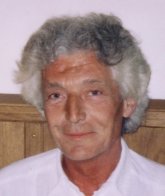
Prof. Dr. Ulrich Rebstock is a former full professor of Islamic Studies at the Albert Ludwig University of Freiburg, holding the position from 1993 to 2017. He specializes in Islamic history, Arabic studies, and African Islamic contexts, with a focus on Mauritania and North African intellectual traditions. His work bridges historical documentation, manuscript studies, and the analysis of administrative and legal practices in Islamic societies. Rebstock earned his doctorate in 1983 on Ibadi movements in the Maghrib and completed his habilitation in 1990 on computational practices in the Islamic Orient. Research interests include Islam in Africa, usul al-fiqh (Islamic legal theory), and Arabic mathematical history. He has led major projects such as the publication of the Mauritanian historical encyclopedia Kitāb Ḥayāt mūrītāniyā and the Moorish Literary History series. Current projects involve developing a collaborative web-based system for annotating Arabic texts to create complex indices. Key contributions include critical editions of historical manuscripts, studies on Moorish legal opinions, and analyses of reformist movements in Sudan. His work often emphasizes the intersection of textual analysis with socio-political contexts in Muslim-majority regions.
Katrin Bromber is a German Researcher at the Centre for Modern Oriental Studies in Berlin, where she has led the research group "Progress and its Discontents: Ideas, Practices, Materiality" since 2014. Her career spans senior research roles at ZMO and academic teaching positions at the University of Vienna. Nationality: German. Language skills: Native German, fluent English/Swahili, moderate Amharic, good reading knowledge in French/Russian, basic Tigrinya. Habilitation (2009–): African Studies, University of Vienna PhD (1993): African Linguistics, University of Leipzig MA (1988): Swahili Studies, University of Leipzig Katrin Bromber's research interrogates intersections of body politics , sports history , Swahili linguistics , and Ethiopian modernity . Her work traces how physical culture, media representation, and colonial/imperial narratives shape national identities across Africa and Asia. Current focus: "Progress" as contested concept in Ethiopian and Gulf urbanism. Key article trends reflect her translocal methodology: 2017 studies on Ethiopian stadiums and fitness culture ; 2014-2013 publications analyzing East African military press , sports branding in the Gulf , and Swahili poetry ; 2007-2000 works on colonial linguistic politics , Indian Ocean slavery , and German colonial Swahili promotion . Recurring sub-fields: body as political text, translocal modernity, media historiography. Scientific Awards: Research Grant of the Berlin City Council (1999-2000): Gendered Slavery study Service to the Scientific Community: Chairwoman, Academic Association for Horn of Africa Studies (2012–) Editorial Advisory Board - Stichproben. Vienna Journal of African Studies (2015–) Editorial Advisory Board - Studies of Department of African Languages and Cultures (2015–) Teaching Experience: Textlinguistics, Mediacommunication, African Linguistics, Swahili (elementary/advanced), Swahili Literature, Swahili in Arabic Script at Leipzig, Humboldt-Berlin, Free Berlin, and Vienna universities Anthropology of the Body at Mekelle University Summer School Field Research: Tanzania (1993-2003): Swahili Poetry, Intellectual History Kenya (2005): Indian Ocean WW2 UAE/Bahrain (2009): Sports and Body Cultures Ethiopia (2009-2015): Sports, Body Politics
Cornelia Kleinitz is a Senior Lecturer at the Institute of Archaeology, Humboldt University of Berlin , specializing in Northeast African Archaeology and Cultural Studies. She is also a Research Associate at the German Archaeological Institute (KAAK) and Honorary Research Associate at the McDonald Institute for Archaeological Research, University of Cambridge . Her work focuses on Sudanese archaeology, Meroitic studies, rock art, digital humanities, and critical heritage management. PhD in Archaeology from University College London (2005) MA in Archaeology (African Archaeology, Ethnoarchaeology) from UCL (1994) Magister in History and Archaeology from Freie Universität Berlin/Humboldt University (1998) Research and Teaching Her research spans Sudan archaeology , with leadership roles in the Musawwarat Project since 2016 and the Meroe Pyramids Graffiti Project (2015-2016). She pioneered the Musawwarat Graffiti Archive (2011-present), an open-access platform for digital documentation of ancient graffiti. Teaching includes seminars on Meroitic material culture, archaeological interpretation, and community heritage. Scientific Awards and Grants Petrie-Prize for best MA thesis at UCL DAAD, AHRB, and UCL Graduate School funding for PhD Leadership and Collaborations Kleinitz co-directs the Humboldt University Archaeological Mission to Musawwarat es-Sufra and contributes to UNESCO World Heritage site management. She collaborates with institutions like the Spanish National Research Council (CSIC) and UCL Qatar , integrating participatory GIS and digital methods in heritage studies.
Dorothea Schulz is a Professor of Anthropology at the Institute of Ethnology, University of Münster, where she has been serving since March 2018. She is a Principal Investigator in the Cluster of Excellence, a member of the Board of Directors, and a member of the General Assembly. Her research focuses on religious diversity and legal-political unity, with particular emphasis on Muslim communities in Africa. She leads two major projects: B3-48 on 'The role of social identities in interreligious arrangements' and B3-20 on 'Testing and contesting religious pluralism in Uganda'. Professor Schulz received her academic training at several prestigious institutions: 2005: Postdoctoral Degree (Habilitation), Institute of Social and Cultural Anthropology, Freie Universität Berlin 1991-1996: PhD in Anthropology, Yale University 1984-1990: Study of Anthropology, Sociology and Biology, Johannes Gutenberg-Universität Mainz 1990: Master of Arts in Anthropology, Sociology and Biology, Johannes Gutenberg-Universität Mainz 1982-1983: Study of Art History, Université Paul-Valéry, Montpellier Dorothea Schulz's research spans several interconnected fields within anthropology and religious studies. Her work primarily examines the dynamics of religious diversity, particularly focusing on Muslim communities in Africa. She investigates how religious identities intersect with political structures, social formations, and media technologies. Her anthropological approach emphasizes the lived experiences of Muslim communities, especially regarding gender relations, youth aspirations, and educational systems. Professor Schulz has made significant contributions to understanding how religious pluralism functions in contemporary African contexts, with particular attention to Uganda and Mali. Her research on media and religion explores how digital technologies reshape religious practice and authority in African Muslim communities. Professor Schulz has received numerous recognitions for her scholarly work: 2016: Fellow, Center for African Studies – Harvard University 2010: Teaching Prize – Faculty of Arts and Humanities, University of Cologne 2005: Fellow – Society for the Humanities, Cornell University 2000: Visiting Scholar – Department of Anthropology, University of Chicago 1996: Frobenius Society's Research Award – Johann Wolfgang Goethe-Universität, Frankfurt am Main Throughout her career, Professor Schulz has been actively involved in mentoring students and securing research funding for her projects. She has served on numerous academic committees and editorial boards, contributing significantly to the development of her field. Her leadership as Academic Director of the Research and Teaching Unit 'Media, Culture and Society' at the University of Cologne (2008-2018) demonstrates her commitment to interdisciplinary research collaboration. She currently oversees major research projects examining religious pluralism in African contexts, which involve international teams of researchers and provide opportunities for doctoral students. Professor Schulz co-leads research initiatives within the Cluster of Excellence, working with interdisciplinary teams to investigate religious diversity and legal-political unity. Her projects B3-48 and B3-20 bring together scholars from anthropology, religious studies, political science, and African studies to examine how social identities shape interreligious arrangements and how religious pluralism is tested and contested in specific African contexts, particularly Uganda.
Dr. Sarah Holz is a political scientist specializing in governance, religion and politics, and justice/dispute resolution in South Asia. She currently serves as the program coordinator for the BA Regional Studies in Asia/Africa at the Institute of Asian and African Studies , Humboldt-Universität zu Berlin. Previously, she held an academic rank as substitute Assistant Professor at the Department of South Asia Studies, Humboldt-Universität zu Berlin, and served as a DAAD Long Term Guest Professor at Quaid-i-Azam University, Islamabad, Pakistan. PhD in Political Science from Freie Universität Berlin MA in South Asian Area Studies from SOAS, University of London Her research focuses on the administration of religion as a governance category (e.g., Pakistan's Council of Islamic Ideology), post-pandemic academic collaboration, and ethical frameworks in volatile research contexts. She co-edits the International Quarterly for Asian Studies special issues on research ethics and contributes to transregional South Asian studies through initiatives like co²libri and the COVID-19 RM Working Group . Scientific Awards: DAAD Fellowship DAAD Long Term Guest Professor DAAD Rückkehr Stipendium
Professor Shervin Farridnejad is a faculty member at the Asia-Africa Institute of the University of Hamburg, where he holds the Professorship of Iranian Studies since September 2022. He also serves as the Head of the MA program 'Manuscript Cultures' at the Centre for the Study of Manuscript Cultures (CSMC) within the Cluster of Excellence 'Understanding Written Artefacts'. PhD in Ancient and Middle Iranian Philology and Zoroastrian Studies (2014) - Georg-August University Göttingen MA in Ancient Iranian Studies (2007-2009) - Georg-August University Göttingen MA in Fine Arts and Art History (2003-2006) - Tarbiat Modares University Tehran BA in Fine Arts (Painting) (1998-2002) - Tehran University His research focuses on Zoroastrianism , particularly examining its cultural and religious history from antiquity to the early Islamic period. He investigates the dynamics between Zoroastrians and non-Zoroastrians, Zoroastrian art and iconography, and manuscript cultures. His work also extends to Judeo-Persian literature , Ancient Iranian philology , and Persian calligraphy . Recent publications highlight ritual practices in Zoroastrianism, including sacrificial food traditions and gift-exchange theology. The 2024 article on canine roles in Zoroastrian meat ethics and 2023 works on Safavid manuscript iconography demonstrate his interdisciplinary approach combining textual analysis with visual culture studies. 2022-2024: Editorial board member for Sasanian Studies series 2020-2023: Book Review Editor of the journal Iranian Studies 2016-2022: Co-editor of Ancient Iran Series 2015-2024: Contributor to Bibliographia Iranica and DABIR journals As an active academic leader, he serves as Sustainability Officer of the Asia-Africa Institute, member of the CSMC Steering Committee, and deputy member of the Faculty Council of Humanities at University of Hamburg. His teaching spans from introductory courses on Iranian history to specialized seminars on Zoroastrian rituals and Persian manuscript cultures.
Prof. Dr. Clarissa Vierke is a specialist in Swahili Language and Literature at the University of Bayreuth , with a focus on literary connections across the Indian Ocean and African continent. She was awarded the German National Merit Foundation scholarship during her studies in African Languages, Social Anthropology, and Literatures in African Languages at Bayreuth and Leiden. Academic Degrees : Doctorate in African Studies (2010, Bayreuth), Studies in African Studies (1999-2005, Bayreuth/Leiden) Her research spans historical Swahili manuscripts (18th-19th century), contemporary poetry (hiphop, newspaper poetry), and aesthetic practices that examine how poetic form shapes lifeworlds. She leads the project Poetry as Aesthetic Practice (Madagascar/Tanzania) and contributes to manuscript studies and decolonial aesthetics . Recent publications include co-edited volumes on African Artistic Practices (2024), Decolonial Aesthetics (2023), and Travelling Texts (2020). She serves on editorial boards for journals like Matatu and Swahili Forum . Scientific Awards : Wissenschaftspreis (University of Bayreuth, 2012), Heinz-Maier-Leibnitz-Prize (DFG, 2012) Prof. Vierke is Chairperson of the Afrophone Caucus of the African Literature Association (2015–present) and organizes the annual Swahili Colloquium . Her work bridges precolonial and contemporary Swahili traditions, emphasizing textual mobility and multilingual contexts .
Prof. Dr. Rachid Ouaissa serves as University Professor and Head of the Department of Middle Eastern Politics at the Center for Near and Middle Eastern Studies (CNMS), Philipps University of Marburg since March 2009. He concurrently holds affiliations with the Center for Interdisciplinary Religious Studies and Center for Conflict Research at the same institution, and maintains active roles in Berlin-based research networks including EUME and the Wissenschaftskolleg zu Berlin. His academic formation includes a PhD from the University of Leipzig (2004) supervised by Prof. Hartmut Elsenhans, preceded by undergraduate studies at Martin-Luther-Universität Halle-Wittenberg (1994-1999) where he received the DAAD-Preis in 1997. His scholarly trajectory includes a Visiting Scholarship at Dalhousie University (2008) and prior research positions at the University of Leipzig. Ouaissa's research program centers on Middle Eastern and North African political dynamics with four interconnected pillars: cultural-identitarian political movements (comparing BJP in India and Algerian parties), moderate Islamist parties as potential EU partners, state-class behavior during resource scarcity (Iraq case study), and fundamentalist movement development (FIS in Algeria vs. Mahdia in Sudan). His conceptual innovation emphasizes blocked middle classes mobilizing religious identity to challenge state power, while his recent work develops 're-configuration' frameworks for understanding post-Arab Spring transformations. His publication trajectory from 1999-2021 reveals evolving scholarly priorities: early work focused on Algerian state formation and political Islam, shifting toward comparative cultural-identitarian movements (2007-2009), then moderate Islamist parties' foreign policy (2009-2012), with contemporary research addressing Hirak protests and theoretical re-configuration models. The corpus demonstrates consistent engagement with Algeria while expanding to regional comparative frameworks, particularly through co-edited volumes on Maghreb entanglements and MENA transformation processes. His scientific recognition includes: DAAD-Preis der Martin-Luther-Universität (1997) Friedrich-Ebert-Stiftung PhD Fellowship (2000-2002) Friedrich-Ebert-Stiftung Scholarship (1998-1999) Professor Ouaissa has secured major research funding including two German Research Foundation (DFG) projects: 'New Cultural-Identitarian Political Movements' (2007-2009) and 'Moderate Islamist Parties as EU Partners' (2009-2012). He actively mentors emerging scholars through the Friedrich-Ebert-Stiftung's doctoral programs and serves on its selection committees, while his policy engagement manifests through frequent media contributions analyzing Algerian protests and regional dynamics for outlets including Le Monde, El Watan, and Deutsche Welle. He leads the Department of Middle Eastern Politics at CNMS while contributing to the university's interdisciplinary research infrastructure through the Center for Interdisciplinary Religious Studies and Center for Conflict Research. His international scholarly integration is evidenced by co-editing the book series 'Politik und Gesellschaft des Nahen Ostens' and 'Studien zur Geschichte und Zeitgeschichte Westasiens und Nordafrikas', alongside editorial leadership of the journal META (Middle East Topics and Arguments).
Barbara Henning is Professor of Turkology at the University of Hamburg's Asia-Africa Institute. Previously a junior professor for Islamic History in the Eastern Mediterranean at Johannes Gutenberg University Mainz, she holds degrees in Islamic Studies, Arabic Studies, Ethnology (BA), and Turkic Studies (MA) from Halle, Bamberg, and Paris. Her doctoral research at Bamberg (2016) examined the Ottoman-Kurdish Bedirhani family. She has held positions at the German Foreign Office and participated in the DFG priority program Transottomanica. Henning's research investigates Ottoman-Kurdish history, Arab provinces under Ottoman rule, imperial elites, identity/memory politics, and concepts of social boundary drawing. Current projects explore social differentiation among Prophet's descendants and post-Ottoman educational history in Northern Iraq. She co-manages the 'Urban Differentiation Potentials' graduate program and holds memberships in DFG-GRK 2304 Byzantium and Euro-Mediterranean War Cultures, the DFG Network Post-Ottoman Transformations, and the Arab-German Young Academy (AGYA).
Ramin Shaghaghi is a Lecturer for Persian language and literature at the Asia-Africa Institute within the Faculty of Humanities at the University of Hamburg, holding this position since the summer semester of 2003. His academic background includes a Magister in Iranistics and Ethnology from Freie Universität Berlin, where he completed his thesis "Der Naqqāl als Träger des kulturellen Gedächtnisses in Iran" (The Naqqāl as Carrier of Cultural Memory in Iran). During his studies, he contributed to the DFG-funded "Digitalization of Turfan Manuscripts" project at the Berlin-Brandenburg Academy of Sciences. Shaghaghi's research spans critical domains of Iranian and Near Eastern studies, with primary focus on: Oral tradition of Iran Cultural memory and remembrance practices in Iran Persian classical and modern literary traditions Historical evolution of Persian grammar Ethnology of the Near East Gender Studies frameworks Broad Iran-related socio-cultural phenomena His scholarly work emphasizes the interplay between oral transmission mechanisms and cultural preservation in Iranian contexts, particularly examining narrative carriers like the Naqqāl tradition. This research intersects with literary analysis, historical linguistics, and ethnographic methodologies to explore identity formation and memory politics. Shaghaghi actively supervises Bachelor's and Master's theses on Persian language, literature, and Iranian cultural studies at the University of Hamburg, though specific student names are not publicly documented. The Asia-Africa Institute hosts his academic activities alongside major research initiatives including Social Contexts of Rebellion in the Early Islamic Period (SCORE), Persian Letters from the "second Iran" manuscript analysis, Evolution of Islamic Societies algorithmic project, InterSaME oral/written transmission study, COBHUNI, FGM-Egypt, Rifaiya-Iraq, and the RomanIslam Center for Comparative Empire Studies, providing collaborative frameworks for his research.
Dr. Achim Rohde is a Middle East historian serving as Research Fellow at the University of Hamburg's Asia-Africa Institute and Head of Memorial Development at the Lower Saxony Memorials Foundation. He holds a doctorate from Freie Universität Berlin and has held academic positions at institutions including Philipps University Marburg, Goethe University Frankfurt, and TU Berlin. Research Focus: Modern Middle East history (20th/21st century), gender studies, memory politics, and critical analysis of Orientalism and educational systems. Publications: 15 most recent articles span topics from Jihadist masculinity to post-2003 Iraqi education reforms , Tunisian democratization , and German academic discourse on non-Christian religions . Teaching: Courses on Arab Spring legacies, Islamic popular culture, and gender dynamics in Middle Eastern societies across multiple universities between 2002-2021. Academic Network: Collaborations with institutions like German Institute for Global Area Studies, Heinrich-Böll-Stiftung, and editorial work on comparative Middle East studies. Key Projects: Contributions to Social Contexts of Rebellion in Early Islamic Period (SCORE) , InterSaME , and RomanIslam Center for transcultural empire studies.
GIGA German Institute of Global and Area StudiesGermany
Hager Ali is a Doctoral Researcher at the German Institute for Global and Area Studies (GIGA), specifically affiliated with the GIGA Institute for Middle East Studies, and is part of the GIGA Doctoral Programme since October 2018. Ali also serves as an External Editor for the thematic series "Autocracies with Adjectives" at the Loop, ECPR's Political Science Blog since March 2022, and maintains a career as a freelance journalist since 2010. German Institute for Global and Area Studies (GIGA) - Institute for Middle East Studies (2018-present) Central European University (CEU) - Teaching appointments (2025) Institute for Peace Research and Security Policy (IFSH) - Teaching appointments (2024) Ali's research focuses on civil-military relations in the Middle East and North Africa, military coups and civilian control of armies, authoritarian regimes and institutions, regime stability and destabilization, party systems and cleavages, and German military deployments in the MENA-Region and Sahel. The doctoral dissertation examines "Praetorianism in the MENA-Region: Military Governance and Civilian Control across Regime Types." Ali's work demonstrates sophisticated methodological approaches to understanding authoritarian resilience and military politics through comparative analysis. Ali's publication record reveals a consistent focus on Sudanese politics and civil-military relations, with increasing attention to contemporary conflicts since 2022. The research combines theoretical insights from comparative authoritarianism studies with detailed empirical analysis of military institutions and political transitions in the Middle East and North Africa. Recent work shows a growing emphasis on practical policy implications, particularly regarding peace negotiations in Sudan and the role of civilian actors in conflict resolution. Shortlisted for the Best Blog Award of 2022 by ECPR's Political Science Blog "The Loop" (2023) Ali actively contributes to academic discourse through conference presentations, policy papers, and media commentary. Recent engagements include serving as a discussant at the ECPR General Conference 2024 on "Trends in autocratic practices and behaviors" and scheduled lectures on the Sudan conflict in 2025. Ali has established collaborations with institutions like the German Institute for International and Security Affairs (SWP) and maintains strong connections with academic networks across Europe. As a member of the GIGA research programme on Accountability and Participation, Ali contributes to interdisciplinary research on governance and political institutions. Ali participates in multiple ECPR Standing Groups including Political Methodology, Political Violence, Comparative Political Institutions, and Critical Peace and Conflict Studies, demonstrating engagement with diverse methodological and theoretical approaches to political science research.
GIGA German Institute of Global and Area StudiesGermany
Prof. Dr. Eckart Woertz is Director of the GIGA Institute for Middle East Studies and Professor of Contemporary History and Politics of the Middle East at the University of Hamburg. He holds leadership roles at the German Institute for Global and Area Studies (GIGA), a Leibniz Institute, and serves on editorial boards of journals like the Middle East Journal and Food Security . His research focuses on Iraq’s contemporary history, Middle East political economy, energy security, and Euro-Mediterranean relations. Woertz has held senior positions at institutions such as CIDOB in Barcelona and Princeton University, and advised on Gulf economic studies. His academic work addresses pressing regional issues like economic diversification in the Gulf, post-invasion Iraq analysis, and climate change impacts. Education: Political Science, Islamic Studies, and Economics from Friedrich-Alexander University Erlangen-Nuremberg (1990–1995) with DAAD and DFG scholarships. Doctorate in 1999. Professional experience includes banking (2000–2006) and roles at the Gulf Research Center in Dubai (2006–2010). Research interests span geopolitical shifts, food security, and energy transitions. Key projects include the WONAGO initiative on global South narratives and the SAGE program on sustainable resource management. Media contributions include analyses on the Gaza conflict and Iran’s nuclear program. Teaching includes courses at Princeton and Hamburg Universities on Middle Eastern history and politics.