Rahim Shayegan is an Assistant Professor of Iranian at the University of California, Los Angeles (UCLA) Department of Near Eastern Languages and Cultures, and serves as Director of the Pourdavoud Center for the Study of the Iranian World and the Program of Iranian Studies. His research spans multiple historical periods and linguistic traditions of Iran. Education PhD in Iranian Philology & Ancient History, Harvard University MA in Old Iranian Philology & Ancient History, Sorbonne University BA in Philosophy, Comparative Philology, and History, University of Cologne His expertise includes Sasanian history, Iranian epigraphy, and comparative philology, with significant contributions to understanding ancient Iranian religions and historiography. He has received prestigious awards for his scholarship, including the Ehsan Yarshater Book Award and Guggenheim Fellowship. Academic Leadership Director, Pourdavoud Center (2017–present) Jahangir and Eleanor Amuzegar Chair (2013–present)
Rahim Shayegan is an Assistant Professor of Iranian Studies at the University of California, Los Angeles (UCLA), affiliated with the Department of Near Eastern Languages and Cultures in the Division of Humanities. He currently holds the Pourdavoud Endowed Director's Chair (2018-present) and serves as Director of the Pourdavoud Center for the Study of the Iranian World. He also directs the Program of Iranian Studies at UCLA. PhD in Near Eastern Languages and Civilizations (Iranian Philology, Ancient History) from Harvard University MA in Old Iranian Philology and Ancient History from Université de la Sorbonne BA in Philosophy, Comparative Philology, and History from Albertus-Magnus-Universität zu Köln His research focuses on Iranian epigraphy, philology, and historiography across multiple eras, including Achaemenid, Arsacid, Seleucid, and Sasanian periods. He studies Persian epic traditions, ancient religions, and intersections between Greek and Islamic historiographical practices. Ehsan Yarshater Book Award for Arsacids and Sasanians (2011) Guggenheim Memorial Foundation Fellowship (2013-2014) UCLA Faculty Career Development Award (2008-2009)
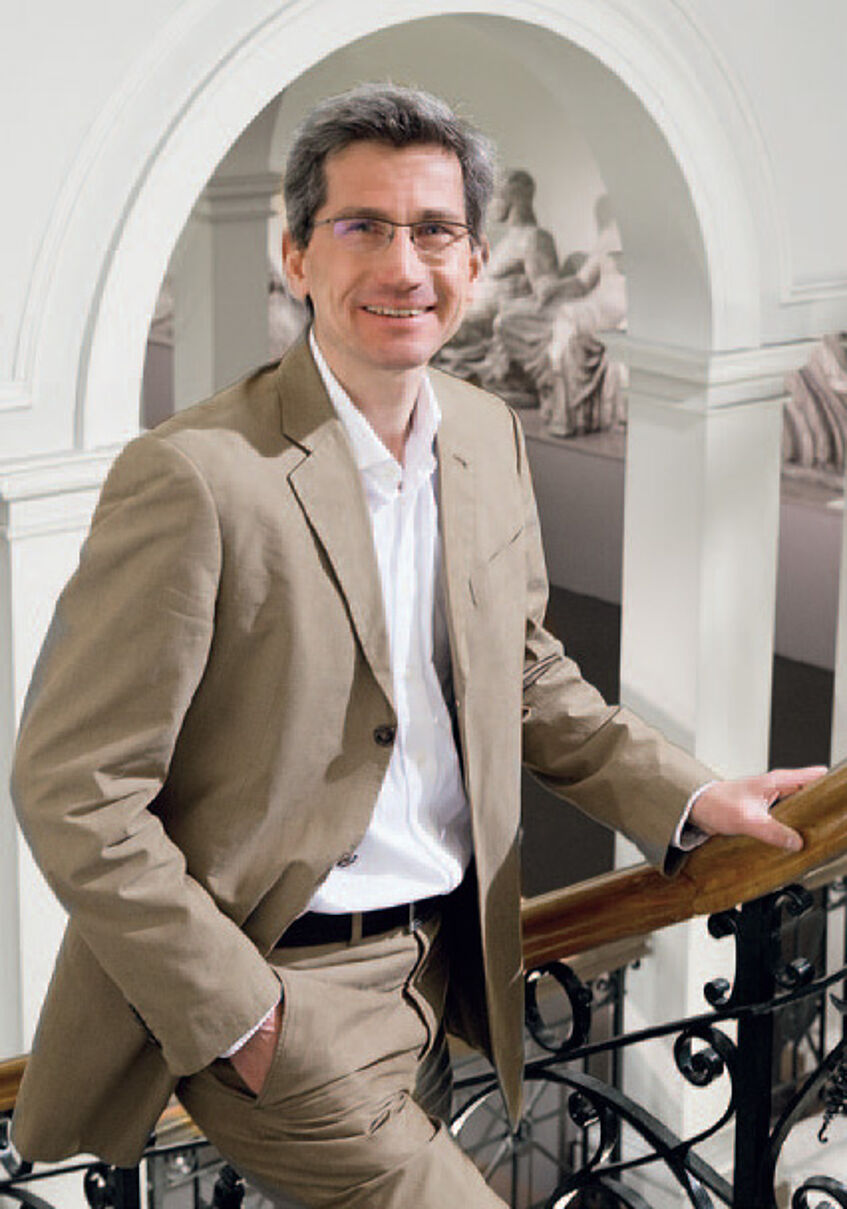
Markus Ritter is a full Professor of Islamic Art History and Head of the Institute of Art History at the University of Vienna's Faculty of History and Cultural Studies. He has held this position since August 2012, following an Assistant Professorship at the University of Zurich (2010-2012) and research work at the Austrian Academy of Sciences (2004-2009). His academic career spans over two decades of dedicated scholarship in Islamic art history. Professor Ritter's research focuses on Islamic architecture, particularly typology and iconography in Iran from the early Middle Ages to the 19th century, early medieval Arab palace construction, architectural decoration, and columned mosques. His visual art research encompasses wall painting, book illustration, and ruler iconography, with special interest in transfer and adaptation processes, particularly Islamic art in European contexts (collecting history and reception) and the history of Islamic art historiography. Ritter's scholarly output demonstrates consistent engagement with both historical and contemporary aspects of Islamic art. His recent publications explore topics ranging from Umayyad palace architecture to the reception of Islamic art in European historicism, reflecting his broad chronological and geographical expertise. His work often examines architectural elements like glass floors in Abbasid palaces, luster tile panels, and manuscript illumination, connecting technical analysis with cultural interpretation. Among his notable recognitions are the 2012 Farabi Award and the 2007 European Award for Iranian Studies. He serves as Chairman of the Ernst Herzfeld Society for the Study of Islamic Art and Archaeology (since 2017), sits on the Academic Advisory Board of the Institute for Islamic Studies (since 2013), and is a Member of the Advisory Board of the Swiss Asia Society (since 2010). Professor Ritter actively supervises numerous graduate students, with several Master's and Doctoral theses completed under his guidance and others currently in progress. His teaching includes courses on Islamic art history, with recent offerings for 2025W including Art History Survey III, Thesis Seminar, Islamic Art in Israel and the Syrian Lands, and Case Study on Islamic Architecture in Historic Photographs.
Carlo Giovanni Cereti is a Full Professor of Iranian Philology, Religions, and History at the Department of Classics, Faculty of Humanities, Sapienza University of Rome. His academic career spans over three decades, with notable roles including Director of the Italian Archaeological Mission in Iraqi Kurdistan and Cultural Counsellor at the Italian Embassy in Tehran (2009–2017). He holds leadership positions such as Coordinator of the Humanities Class at Scuola Superiore di Studi Avanzati and Director of the Winter School in Cultural Heritage of the Near and Middle East. Education: PhD in Iranian Studies (1992, Istituto Universitario Orientale, Naples), Postgraduate studies at SOAS (1986–1987), and MA in Oriental Languages (1985, Istituto Universitario Orientale). Research Focus: Zoroastrian traditions, Sasanian history, Middle Iranian epigraphy, and cultural heritage preservation. His work bridges textual analysis with archaeological fieldwork, particularly in Iraqi Kurdistan. Awards: Farabi Prize (2010), UNESCO/ISESCO recognition, and leadership roles in international organizations like UNIMED and the Association for the Study of Persianate Societies. Cereti’s scholarly output includes over 150 publications on Iranian languages, Zoroastrian texts, and Sasanian archaeology. He contributes to editorial boards of journals like Iran and the Caucasus and Journal of Persianate Studies . His current projects emphasize interdisciplinary approaches to Iranian cultural heritage and international academic collaboration.
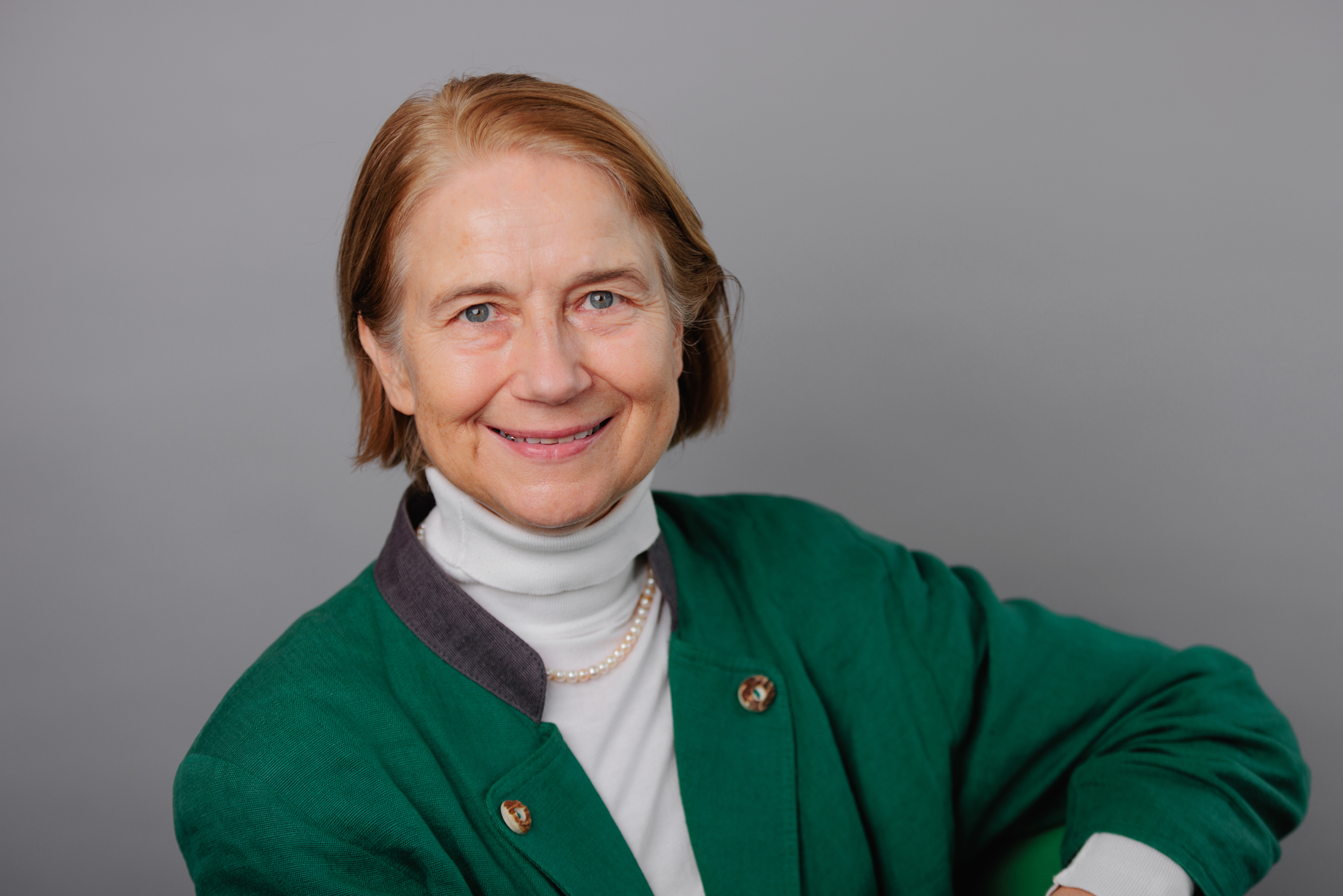
Almut Hintze is the Zartoshty Brothers Professor of Zoroastrianism at the School of Oriental and African Studies (SOAS), University of London, where she also co-chairs the Shapoorji Pallonji Institute of Zoroastrian Studies. She earned her MPhil from Oxford, Dr phil from Erlangen, and Dr habil from Freie Universität Berlin, with research fellowships at Princeton's Institute for Advanced Study and Clare Hall, Cambridge. Her research focuses on Indo-Iranian philology, Zoroastrian ritual performance, and digital preservation of ancient texts. She directs major projects including The Multimedia Yasna (MUYA), which combines ritual film documentation with critical editions of Avestan manuscripts, and AVINDIA exploring Avestan rituals in India. Her work integrates linguistics, archaeology, and digital humanities to analyze: Ritual semantics and textual transmission Sasanian administrative practices through bullae analysis Interreligious eschatological concepts Manuscript preservation using IIIF frameworks She leads a research team investigating Zoroastrianism through ERC and AHRC grants, including projects on Sasanian seals at Taxt-e Solaymān and digital annotation tools. Her publications demonstrate sustained focus on Avestan philology, ritual structure, and cross-cultural religious motifs, with recent work emphasizing archaeological-epigraphic synthesis. Honors include Fellowship of the British Academy (2015), presidency of Societas Iranologica Europaea (2011), and editorship of Corpus Avesticum . Major awards: ERC Advanced Grants (2015, 2023) AHRC Standard Grant (2023) Festschrift The Reward of the Righteous (2022) Election to Union Académique Internationale (2021) She supervises doctoral researchers working on Sasanian architecture, Neo-Zoroastrian movements, Avestan hymns, and Sogdian dhāraṇīs, maintaining active collaborations with Zoroastrian communities in India and Iran.
M. Rahim Shayegan is Professor of Iranian and the Ancient Near East and the Eleanor and Jahangir Amuzegar Chair in the Department of Near Eastern Languages and Cultures (NELC) at UCLA. He serves as the founding director of the Pourdavoud Institute for the Study of the Iranian World (established 2017), the founding director of the Yarshater Center for the Study of Iranian Literary Traditions (established 2023), and the founder and chair of Global Antiquity (established 2020), an academic unit of the Humanities. Professor Shayegan received his PhD from Harvard University, Department of Near Eastern Languages and Civilizations, and was a Junior Fellow at the Harvard Society of Fellows before joining the NELC faculty at UCLA. His educational background includes PhD Candidacy in Iranian Philology at Georg-August-Universität, Göttingen; an MA in Iranian Philology and Ancient History from Institut des Études Iraniennes, Université de la Sorbonne; and a BA in Philosophy, Comparative Philology, and History from Albertus-Magnus-Universität zu Köln. Professor Shayegan's research focuses on Old and Middle Iranian philology and epigraphy, with specialization in Achaemenid, Arsacid, Seleucid, and Sasanian history. His work examines interactions between Mesopotamia and Iran, Greco-Roman and Iranian cultural exchanges, Ancient Iranian and Near Eastern religions, Greek historiography, and epic and oral traditions. His scholarship bridges philological rigor with historical analysis to illuminate the complex dynamics of ancient Iranian civilizations and their interactions with neighboring cultures. Professor Shayegan has been recognized with numerous prestigious awards including membership in the Academia Europaea (2019-present), Corresponding Membership in the Austrian Academy of Sciences (2022-present), a Guggenheim Fellowship (2013-14), and the Ehsan Yarshater Book Award for his work 'Arsacids and Sasanians' (2012). He was also invited as the Yarshater conférencier in November 2022, delivering five lectures at INALCO/Collège de France. As an educator, Professor Shayegan teaches undergraduate courses including History of the Achaemenid, Arsacid (Parthian), and Sasanian Empires, Religions of Ancient Iran, and Early New Persian Epic Poetry and Prose. At the graduate level, he offers specialized courses in Old Persian Cuneiform, Avestan, and Advanced Western Middle Iranian languages, along with seminars on ancient Iranian history and religions. His leadership in establishing multiple research centers demonstrates his commitment to advancing the study of Iranian civilizations and promoting interdisciplinary scholarship.