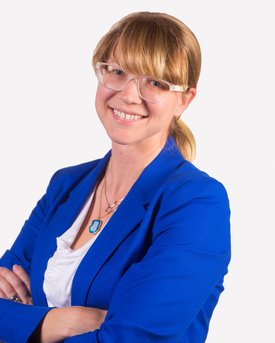
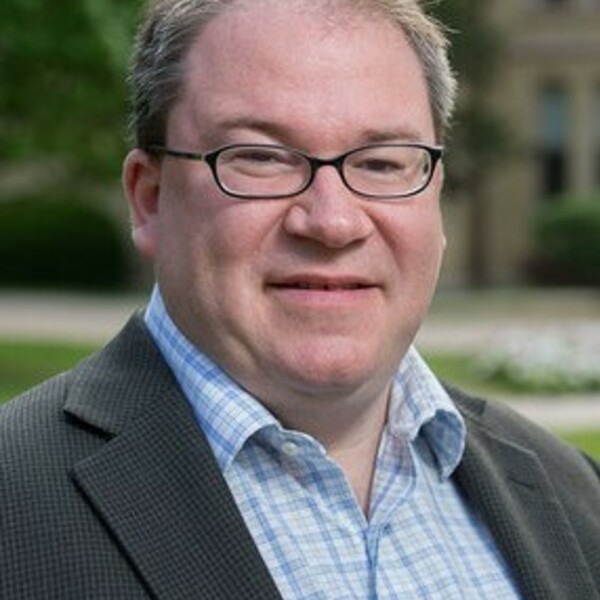
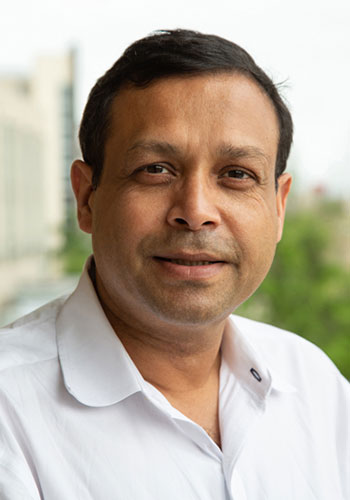
Jennifer Ross is a Professor of Physics and Associate Dean for Creativity, Scholarship, and Research at the College of Arts & Sciences of Syracuse University . As a biophysicist, she investigates how cells organize their interiors through self-assembly and active matter principles, focusing on the microtubule cytoskeleton and enzyme-driven systems using single-molecule imaging . Her research bridges fundamental physics with biological organization . Education: Ph.D. in Physics, University of California, Santa Barbara (2004) B.A. in Physics and Mathematics, Wellesley College (2000) Research Focus: Self-organization of cytoskeletal networks Active matter dynamics in biological systems Motor protein interactions and cargo transport Programming circadian materials via biomolecular systems Microtubule severing mechanisms Recent Article Trends: 2025 studies explore kinesin-driven cytoskeletal composites, urease-DNA origami engineering, and crosslinker-regulated network mechanics 2024-2023 work examines ionic strength effects on microtubules, programmable circadian materials, and motor-cargo dynamics Earlier studies analyze actin-microtubule composites, liquid crystal phase control, and severing enzyme mechanisms Scientific Awards: Fellow of the American Physical Society (APS) and American Association for the Advancement of Science (AAAS) Cottrell Scholar (2025) and STAR Award Margaret Oakley Dayhoff Award (Biophysical Society) Grants: Leads multiple NSF, Sloan Foundation, and Research Corporation grants for projects like "Energy and Entropy Sculpting" and "Explorations: SUPER-Tech SHIP" . Teaching: Offers courses in experimental physics, microscopy, and biophysics, including a globally adopted hands-on microscope-building curriculum. Lab: Heads the Bio-Active Matter Lab , studying how cells harness noisy systems for autonomous organization.
Massachusetts Institute of TechnologyUnited States
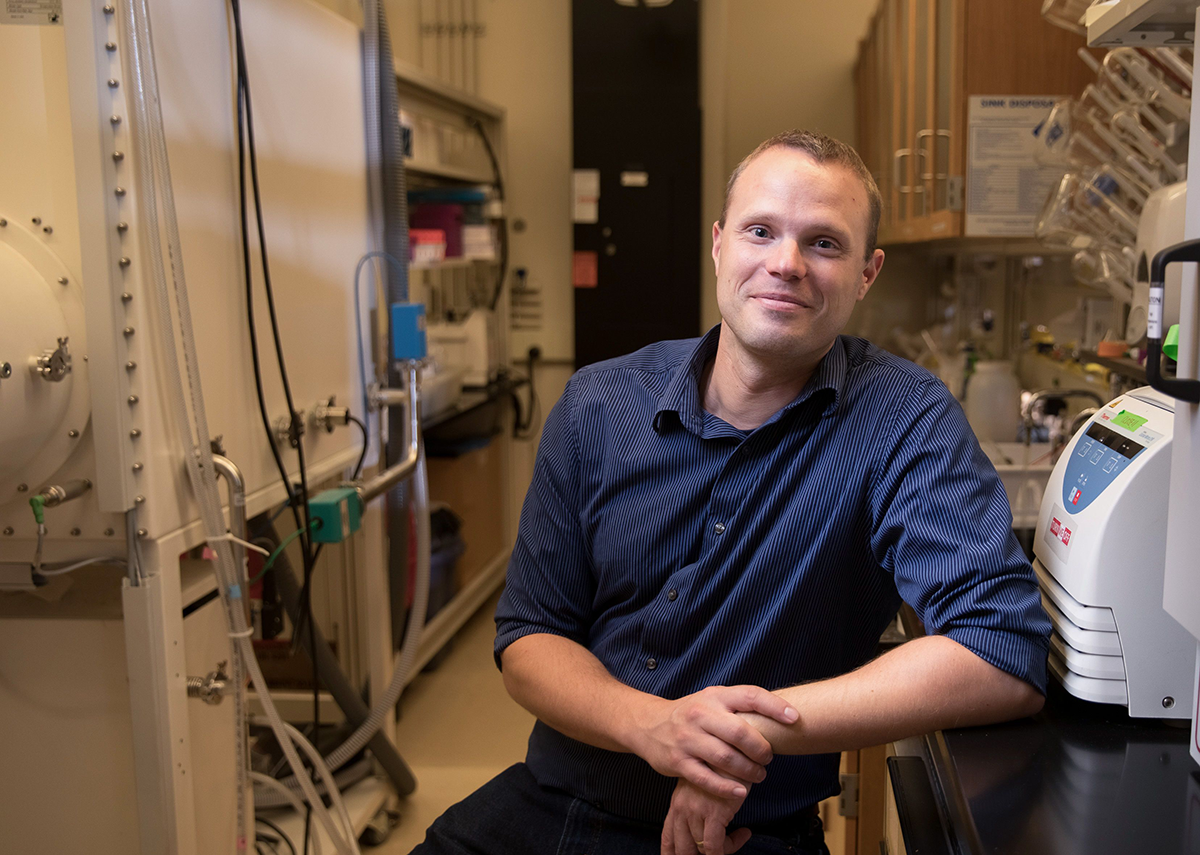
Bradley D. Olsen is a full professor in the Department of Chemical Engineering at the Massachusetts Institute of Technology (MIT), where he leads research at the intersection of polymer science, soft matter physics, and bioengineering. His work focuses on designing materials for critical applications in biotechnology, hemostasis, and sustainable polymer development while advancing fundamental understanding of polymer network mechanics and self-assembly. Education: Ph.D. in Chemical Engineering, University of California Berkeley (2007) S.B. in Chemical Engineering, Massachusetts Institute of Technology (2003) Olsen's research spans protein-based materials, block copolymer phase behavior, and mechanochemical hydrogels. He has pioneered methods for quantifying polymer network topology, developing hemostatic nanoparticles, and creating bio-inspired materials for selective biomolecular transport and medical applications. His recent publications emphasize data-driven approaches to polymer characterization and educational outreach in materials science. Scientific Awards: American Physical Society (APS) Fellow (2023) Fulbright Amazonia Scholar (2023) Alexander and I. Michael Kasser Chair in Chemical Engineering (2021) ACS Macro Letters Young Investigator Award (2021) MIT Committed to Caring Honor (2019) AIChE Owens Corning Early Career Award (2019) APS Dillon Medal (2018) Kavli Emerging Leader in Chemistry (2017) ACS Polymer Division Fellow (2016) Camille Dreyfus-Teacher Scholar (2015) Alfred P. Sloan Research Fellow (2014) NSF Career Grant (2013) NIH Postdoctoral Fellowship (2008-2009) Hertz Fellow (2003-2007) Barry M. Goldwater Scholarship (2002) Olsen has received significant grant support including NSF Career (2013) and AFOSR (2012) awards. His teaching activities include innovative international outreach like the 2025 soccer-themed science camp in Brazil. The Olsen Group at MIT explores advanced materials with applications ranging from trauma care to sustainable polymers.
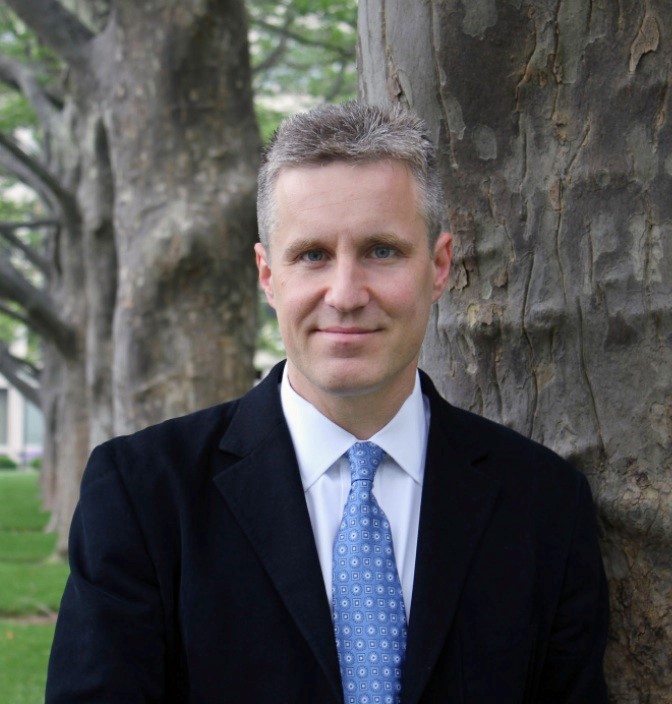
Michael Baldea is an Associate Professor in the Department of Chemical Engineering at the University of Texas at Austin . He holds a Ph.D. in Chemical Engineering from the University of Minnesota (2006), with prior degrees from 'Babeş-Bolyai' University in Romania (M.Sc. 2001, Diploma 2000). His research group develops theoretical and computational methods for Process and Energy Systems Engineering , focusing on integrated decision-making, performance optimization, and process intensification with industrial validation. Education: Ph.D., Chemical Engineering, University of Minnesota (2006) M.Sc., Interface Process Engineering, 'Babeş-Bolyai' University (2001) Diploma, Chemical Engineering, 'Babeş-Bolyai' University (2000) Research Thrusts: Integrated decision-making in chemical/energy supply chains Process performance monitoring and optimization Process integration and intensification Key applications include grid-responsive chemical plants, intensified distillation/column designs, and renewable energy integration for building systems. Scientific Awards: Frank A. Liddell, Jr. Fellowship NSF CAREER Award (2015-2020) Moncrief Grand Challenges Faculty Award (2014) AIChE Outstanding Young Researcher Award (2017) Implementation : His group has translated research into commercial tools through partnerships with industrial test beds and is working to integrate methods into commercial simulators. They explore predictive approaches for building energy management and strategic capital investment analysis in next-generation energy systems.
Massachusetts Institute of TechnologyUnited States
Martin Z. Bazant is the E. G. Roos (1944) Professor of Chemical Engineering and Professor of Mathematics at the Massachusetts Institute of Technology (MIT), holding the Digital Learning Officer role in the Department of Chemical Engineering. His research focuses on mathematical modeling of electrochemical systems, transport phenomena, and applied mathematics, with significant contributions to battery technology and electrochemical energy storage. He is affiliated with MIT’s Department of Mathematics and the MIT Energy Initiative (MITEI), leading initiatives like the Center for Battery Sustainability and D3BATT. Education: Ph.D. from Harvard University (1997), M.S. and B.S. from the University of Arizona (1993, 1992). His work bridges theory and application, addressing challenges in lithium-ion batteries, solid-state systems, and electrolyte dynamics. Notable achievements include pioneering studies on coupled ion-electron transfer mechanisms and phase separation in battery materials. He is an elected member of the National Academy of Engineering (2025) and a Fellow of the Electrochemical Society (2023). As an educator, he develops MOOCs on transport phenomena and contributes to digital learning initiatives. His research group explores advanced battery diagnostics, machine learning for materials science, and environmental applications of electrochemical processes. Key collaborations include startups like Lithios, Inc., and leadership roles in professional societies such as the International Electrokinetics Society.
Richard D. Noble is a Research Professor in the Department of Chemistry at the University of Colorado Boulder. His research focuses on advanced membrane technologies for gas and liquid separations, with particular expertise in ionic liquids, liquid crystals, and the application of external fields for selective separations. He maintains an active laboratory in Cristol Chemistry (room 357) and collaborates extensively with Professor Doug Gin on many research projects. Noble received his BE and ME from Stevens Institute of Technology in 1968 and 1969 respectively, followed by a Ph.D. from the University of California, Davis in 1976. His educational background in engineering has provided a strong foundation for his research in chemical engineering and materials science. Professor Noble's research program centers on three interconnected areas. His primary focus is on ionic liquids for gas separations , where he evaluates various ionic liquids and complexation chemistry to tailor material properties to specific feed mixtures. He explores composite polymer/IL structures and incorporation of complexation chemistry and zeolites, and has developed specialized apparatus to measure gas solubility and diffusivity in ionic liquids. This work is conducted in collaboration with Professor Doug Gin. His second research thrust involves the use of external fields for selective separations . Noble studies how electric or light energy can enhance separation processes by changing binding affinity of complexing agents. His notable achievement is an electrochemical pump with no moving parts that produces pressures exceeding 20 atm, with applications in lab-on-a-chip and micro-scale devices. He also develops charged polymer structures for membrane separators with wide temperature and chemical stability. His third major area focuses on liquid crystals organized to form nanostructured polymer network films. These cross-linked stable films are evaluated for nanofiltration applications, particularly in water filtration including treatment of water from fracking operations. This work often intersects with his ionic liquids research, creating composite structures with potential applications in electrochemical pumps. Noble's publication record from 2017-2019 shows consistent focus on membrane technologies for separation processes, with increasing sophistication in membrane design incorporating ionic liquids, liquid crystals, and novel materials like pillar[5]arenes. His work demonstrates a clear trend toward addressing practical industrial challenges, particularly in natural gas purification (CO 2 /CH 4 separation) and environmental applications (treatment of fracking wastewater). His collaborations have produced high-impact work published in top journals including Nature Materials , Journal of Membrane Science , and Angewandte Chemie . Professor Noble has received numerous prestigious awards recognizing his contributions: AIChE Institute Service to Society Award (2005) Alfred T. and Betty E. Look Professor of Chemical Engineering (2005-present) Multiple Outstanding Graduate Teaching Awards from the Chemical Engineering Department (2006-2008) ACS Industrial & Engineering Chemistry Division Fellow (2007) CU Boulder Inventor of the Year (2008) Barrer Lecture at Penn State University (2008) Fellow at the Renewable and Sustainable Energy Institute (2009-2012) Robert L. Stearns Award from CU Alumni Association (2010) Chair d'Excellence Pierre de Fermat at Paul Sabatier University, Toulouse (2010) AIChE Institute Excellence in Industrial Gas Technology Award (2010) And numerous others through 2015 While specific grant details aren't provided, Noble's extensive publication record with multiple co-authors suggests active research mentoring and well-funded projects. His work on sophisticated apparatus and high-quality publications indicates substantial research support. His collaborations, especially with Doug Gin, suggest a strong research group environment focused on membrane science and separation technologies. Professor Noble's research operates at the intersection of chemistry, chemical engineering, and materials science. His laboratory includes facilities for membrane fabrication, gas separation testing, and characterization of novel materials. The development of specialized apparatus for measuring gas properties in ionic liquids suggests dedicated equipment for fundamental property measurements. His work on electrochemical pumps indicates capabilities in microfluidics and device fabrication, with the collaborative nature of his research suggesting a team approach to tackling complex separation challenges.
Ralph H. Colby serves as Professor of Materials Science and Engineering and Chemical Engineering at Pennsylvania State University's College of Earth and Mineral Sciences, holding the Corning Faculty Fellowship. His research focuses on molecular-level dynamics in complex fluids, particularly polymers, ionomers, and liquid crystalline systems. With over 130 publications and authorship of the textbook Polymer Physics (2003), he directs an active research program examining structure-property relationships in soft matter. B.S. in Materials Science and Engineering, Cornell University (1979) M.S. in Chemical Engineering, Northwestern University (1983) Ph.D. in Chemical Engineering, Northwestern University (1985) Professor Colby's research spans polymer physics, rheology, and materials for energy applications. His group employs mechanical rheology, dielectric spectroscopy, and scattering techniques to investigate ion transport in single-ion conductors for batteries, dynamics of glass-forming liquids, and self-assembly in polyelectrolyte systems. Current work emphasizes structure-property relationships in ionomers, liquid crystalline polymers, and branched architectures. Analysis of recent publications reveals consistent focus on ionomer membranes for energy applications, processing-structure relationships in advanced polymers, and fundamental dynamics of complex fluids. Key trends include increasing integration of computational modeling with experimental characterization, expansion into sustainable materials processing, and growing emphasis on applications in battery technology and biomedical materials. Penn State Faculty Scholar Medal for Outstanding Achievement (2022) Bingham Medal, Society of Rheology (2012) American Chemical Society Fellowship Corning Faculty Fellowship in Materials Science and Engineering Professor Colby leads multiple federally funded projects including NSF's 'Fundamental Studies of Flow-Induced Polymer Crystallization' and DOE's 'Conduction mechanisms and structure of ionomeric single-ion conductors'. His group maintains strong industry partnerships with Corning Incorporated and participates in interdisciplinary initiatives like the Penn State Intercollege Graduate Degree Program in Materials Science and Engineering. Current research includes collaborations on breast cancer adherence interventions in Rwanda and conjugated polymer development for flexible electronics. The Colby Research Group operates specialized facilities for rheological characterization, dielectric spectroscopy, and X-ray scattering at Penn State's Materials Research Institute. The team maintains active collaborations with national laboratories and international research groups, focusing on translating fundamental polymer physics discoveries into practical applications for energy storage and advanced manufacturing.
Yan Liu is a full professor in the Thomas Lord Department of Computer Science at the University of Southern California (USC), serving as Director of the USC Machine Learning Center within the Viterbi School of Engineering. He holds courtesy appointments in the Ming Hsieh Department of Electrical Engineering and the Quantitative and Computational Biology Department. Before joining USC in 2010, he was a research staff member at IBM's T.J. Watson Research Center. He earned his M.S. and Ph.D. from Carnegie Mellon University. His research focuses on machine learning for time series, physics-informed AI, and interpretable models, with applications in healthcare, sustainability, and social media. Notable projects include developing AI for surgical training, analyzing misinformation on social platforms, and predicting cancer treatment outcomes. He has held leadership roles in top conferences like ICLR and ACM KDD, and serves as Associate Editor-in-Chief of TPAMI and Board Member of ICLR. Education: Ph.D., Carnegie Mellon University Affiliations: USC Machine Learning Center, Viterbi School of Engineering Service: General Chair (ICLR 2023, ACM KDD 2020), Program Chair roles across multiple conferences His lab, the Melady Group, emphasizes foundational ML advancements and interdisciplinary applications. Recent work includes physics-aware neural networks and time-series foundation models.
Dane Morgan is a Professor in the Department of Materials Science & Engineering at the University of Wisconsin-Madison, College of Engineering. His research focuses on computational materials science for materials design, including ab initio electronic structure modeling, multiscale methods, and machine learning applications in materials discovery. His work spans nuclear materials, battery and fuel cell electrodes, and electronic materials. Education : PhD, 1998, University of California, Berkeley MS, 1994, University of California, Berkeley BA, 1992, Swarthmore College Research Interests : Computational materials science, ab initio methods for electronic structure and thermokinetics, machine learning for materials discovery, electrochemical systems modeling, and applications in nuclear materials, batteries, and electronic materials. His work integrates advanced computational techniques with experimental validation. Scientific Awards : 2024 APL Materials, Editors Pick 2023 Microscopy and Microanalysis Best Paper Award (Instrumentation and Software category) 2023 IEEE Transactions on Plasma Science Best Paper Award 2023 Kellet Mid-Career Award 2015 TMS Materials Genome Initiative Ambassador 2006 3M Technical Nontenured Faculty Grant
Jenny Y. Yang is a Professor in the Department of Chemistry at the University of California, Irvine. Her research focuses on the development of inorganic electrocatalysts for chemical fuel generation and utilization, emphasizing bio-inspired secondary coordination sphere effects and thermochemical property optimization. Institution: University of California, Irvine Department: Chemistry Research Interests: Oxygen activation mechanisms Hydrogen production and oxidation Carbon dioxide reduction for fuel synthesis Thermochemical property effects on catalysis Secondary coordination sphere engineering Electrochemical carbon capture systems Scientific Trends: Recent work spans from 2023–2025, covering CO2-to-methane conversion, quantum dot hybrid systems for hydrogen evolution, and computational approaches to CO2 capture agent design. Articles highlight interdisciplinary methods combining inorganic chemistry, electrochemistry, and sustainability-focused engineering. Contact: Office: 4080 ISEB | Phone: 949-824-1533 | Email: j.yang@uci.edu
Matthew Green is a tenured Professor in the Department of Chemical Engineering at Arizona State University , where he has been since 2014. He serves as Director of the Center for Negative Carbon Emissions and Associate Director of the Biodesign Center for Sustainable Macromolecular Materials and Manufacturing . Director, Center for Negative Carbon Emissions Associate Director, Biodesign Center for Sustainable Macromolecular Materials and Manufacturing Research Focus : Design of ion-containing polymers for water purification , CO2 capture , and nanocomposites , with emphasis on electrostatic interactions, microstructure control, and stimuli-responsive materials. Key thrusts include membrane technology , epoxy thermosets , nanoparticle templating , and electrospun fibers . Publication Trends : Recent work spans zwitterionic polymers for anti-scaling membranes, phosphonium-based DAC systems , silica nanocomposites , and biomaterials for immunotherapy , reflecting interdisciplinary expertise in polymer chemistry , environmental engineering , and materials science . Awards & Grants : 2019 NSF CAREER Award 2018 NASA Early Career Faculty Award 2022 Sloan Foundation Grant DOE DAC Pre-Commercial Technology Prize (2023) Multiple DURIP grants Email : mdgreen8@asu.edu
Michael John Janik is a Professor in the Department of Chemical Engineering at Pennsylvania State University, with significant affiliation to the Institute of Energy and the Environment (IEE). His academic profile demonstrates exceptional research productivity with 270 research outputs, 25 funded projects, and substantial scholarly impact reflected in 17,238 citations and an h-index of 61. His research expertise centers on computational chemistry with particular focus on Density Functional Theory applications to catalysis and electrocatalysis. The fingerprint analysis of his work reveals strong concentrations in Density Functional Theory (76%), Oxidation Reactions (36%), Carbon Dioxide research (29%), Adsorption phenomena (27%), and First Principles Chemistry (22%). His work significantly contributes to UN Sustainable Development Goals related to clean energy and climate action. Analysis of his recent publications (2020-2025) reveals a strong research trajectory in electrocatalysis, particularly examining cation effects on CO 2 reduction mechanisms, intermetallic catalyst design, and computational modeling of electrochemical systems. His work bridges fundamental computational chemistry with practical applications in sustainable energy conversion. h-index of 61 17,238 total citations Multiple high-impact publications in journals including Nature Catalysis, Journal of the American Chemical Society, and Science Advances Professor Janik actively leads and collaborates on numerous research projects, particularly with Dr. Rioux and other colleagues, focusing on advanced catalyst development and electrochemical energy conversion systems. His current research portfolio includes multiple active NSF-funded projects extending through 2027 that address critical challenges in electrocatalysis, CO 2 reduction, and intermetallic catalyst design. His research group maintains strong connections with the Institute of Energy and the Environment, positioning his work at the intersection of fundamental computational chemistry and applied energy solutions. Current projects include combining DFT with classical simulations to predict solvation effects, developing high-entropy alloys for catalysis, and studying oxide overlayers in CO 2 reaction systems.
Steven A. Corcelli is a Professor and Interim Dean of the College of Science at the University of Notre Dame, with a research focus on Theoretical Chemistry and Molecular Dynamics Simulations . His work bridges Physical Chemistry and Biochemistry , targeting Energy Applications and Biomolecular Binding Mechanisms . He leads the Computational Molecular Science & Engineering Laboratory (CoMSEL). Ph.D., Chemistry, Yale University (2001) Sc.B., Chemistry, Brown University (1997) Research interests span ionic liquids for Carbon Capture , aqueous electrolytes in battery technologies , and molecular binding processes in immunology and DNA interactions . His group employs GPU-accelerated simulations and weighted ensemble methods to uncover structural and dynamic motifs. Recent publications highlight trends in vibrational spectroscopy , TCR-MHC binding , and CO2 solvation mechanisms . Awards include the Thomas P. Madden Award (2020) , ACS Fellowship (2016) , and NSF CAREER Award (2009) . Staff: Erin Brossard (Ph.D.), Nell Karpinski, Shuang Wu, Noah Vasconez, Kaitlyn Handy, Isabel Thompson
State University of New York at BuffaloUnited States
Jun Liu is an Assistant Professor in the Department of Mechanical and Aerospace Engineering at the School of Engineering and Applied Sciences, University at Buffalo. His research focuses on advanced energy materials, nano/micro-mechanics, and self-powered systems, with applications in triboelectric energy harvesting and scanning probe microscopy. Education: PhD, Materials Engineering, University of Alberta (2018) MS, Materials Science, Shanghai University (2015) BE, Materials Science and Engineering, Nanchang University (2012) Research Interests: Development of tribovoltaic and triboelectric systems for self-powered electronics Mechanical energy harvesting via dynamic heterojunctions and Schottky contacts 3D-printed hydrogel structures for energy absorption and flexible electronics Nanoscale characterization using atomic force microscopy Design of nanocomposite sensors and catalytic materials Publication Trends: His work emphasizes triboelectricity, nanoscale energy conversion, and sustainable materials. Recent articles explore bionic tactile sensing, tunable hydrogels, and quantum dynamics in sliding interfaces. Awards: SONY Faculty Innovation Award (2021) Nature Springer MINE Young Scientist Award (2020) International Contest of Applications in Nano/Micro Technology Prize (2013) Laboratory: Advanced Energy Materials and Nanomechanics Lab at University at Buffalo.
Dr. Alamgir Karim is the Dow Chair and Welch Foundation Professor at the University of Houston, leading the International Polymer & Soft Matter Center (IPSMC) and the Doctoral Materials Program. His research focuses on polymer nanotechnology, thin films, and interfaces for energy, sustainability, and health applications. He holds a Ph.D. in Physics from Northwestern University and a B.S. from St. Stephen's College, Delhi. Key contributions include polymer nanocomposites, block copolymer thin films, and graphene oxide membranes for desalination. He is a Fellow of the American Physical Society and AAAS, and a Keck Foundation Award recipient. Research interests span polymer nanotechnology, dielectric materials, and sustainable nanocomposites. Recent work explores MXene-based biomedical composites, CO₂ capture membranes, and high-energy-density dielectrics. His lab develops functional materials for energy storage, environmental remediation, and biomedicine. Education: Ph.D., Physics (Northwestern University, 1991); B.S., Physics (St. Stephen's College, 1985) Leadership: Director of IPSMC; former Goodyear Chair Professor at University of Akron Awards: AAAS Fellowship, APS Fellowship, Keck Foundation Award Advances in block copolymer self-assembly and nanocomposite design have enabled scalable filtration membranes and high-performance dielectrics. His group collaborates on protocell models and sustainable materials processing.
University of Illinois Urbana-ChampaignUnited States
Cecilia Leal is a Professor and Racheff Faculty Scholar in the Department of Materials Science and Engineering at the University of Illinois at Urbana-Champaign, with additional appointments at the Carle Illinois College of Medicine, Materials Research Laboratory, and Beckman Institute. Her interdisciplinary research program bridges materials science, biophysics, and medicine to develop innovative therapeutic delivery systems. Dr. Leal's research focuses on the self-organization of biomolecular systems, particularly lipid membranes, peptides, and nucleic acids. Her lab investigates how structural complexity of lipids and bio-membranes relates to disease mechanisms and informs the design of better gene and drug delivery systems. Key projects include developing lipid nanoparticles for mRNA delivery, studying polymer-lipid hybrid membranes, and characterizing lipid droplet dynamics in metabolic diseases. The lab employs advanced techniques including Small Angle X-ray Scattering, Cryo-EM, and live cell imaging. Her recent publications (2023-2025) reveal a strong emphasis on lipid-based delivery systems for mRNA therapeutics and cancer treatment, with particular attention to how nanostructure affects delivery efficiency. The research spans from fundamental biophysics of lipid-polymer interactions to applied therapeutic development, demonstrating consistent translation of basic science to medical applications. University of Illinois Provost's Distinguished Promotion to Full Professor Award (2024) University of Illinois Scholar (2023) NIH New Innovator Award (2016) NSF CAREER Award (2016) Racheff Faculty Scholar Award (2019) Dr. Leal has mentored numerous graduate students and postdocs, many now in prominent positions at MIT, Stanford, Dow Chemical, and pharmaceutical companies. Her research is supported by multiple NIH and NSF grants, and she maintains active collaborations with medical researchers studying obesity, cancer, and respiratory diseases. She teaches core courses including MSE 201 (Phases and Phase Relations) and MSE 473 (Biomolecular Materials Science), consistently earning excellent teaching ratings. The Leal Lab operates as an interdisciplinary team of materials scientists, physicists, and chemists using cutting-edge characterization tools to solve biomedical challenges. The lab's work on lipid nanoparticle structure has direct relevance to next-generation mRNA vaccines and cancer therapies, with several publications highlighted in C&EN News and other prominent scientific media.