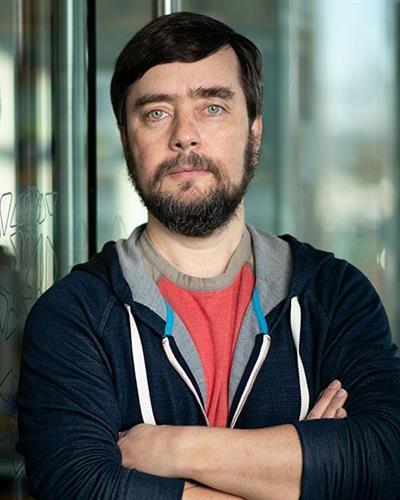
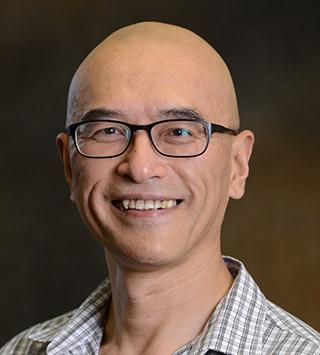
Dr. Lukas Frey is a Researcher at ETH Zurich, affiliated with the Chair of Physical Chemistry and the Institute of Molecular Physical Sciences (IMPS). His work focuses on biophysical studies of membrane proteins, lipid dynamics, and protein aggregation mechanisms. Key research areas include structural biology of ion channels, NMR spectroscopy of membrane proteins in nanodiscs, and the role of lipid environments in modulating protein dynamics. Frey employs advanced techniques like mass photometry and solid-state NMR to investigate molecular mechanisms in biological systems. His recent studies address amyloid fibril formation, pH-dependent α-synuclein polymorphism, and cholesterol-mediated modulation of membrane protein behavior. Based at the HCI F 228 facility in Zurich, Frey collaborates on projects involving lipid bilayer environments, ion channel function, and the structural basis of protein aggregation. His email is lukas.frey@phys.chem.ethz.ch, and he holds an ORCID identifier 0000-0002-1052-1104. Research contributions span from fundamental biophysical insights to methodological advancements in membrane protein analysis.
Dr. Ting-Feng Lin is an Assistant Professor at the Cell Biology, Neurobiology and Biophysics department within the Faculty of Science at Utrecht University, Netherlands. His research focuses on understanding the mechanisms of learning and memory formation in the cerebellum, particularly how synaptic and intrinsic plasticity mechanisms coordinate to regulate neuronal signaling and behavior. He employs advanced microscopy, optogenetic, and chemogenetic techniques in transparent zebrafish models to study these processes in vivo, with implications for neurodevelopmental disorders like autism spectrum disorder (ASD) and schizophrenia. 2025: Assistant Professor, Utrecht University 2019-2025: Postdoctoral Researcher, University of Chicago 2015-2019: PhD in Neuroscience, Neuroscience Center Zurich (ZNZ) 2010-2014: MS in Physiology, National Taiwan University 2006-2010: BS in Sports Medicine, China Medical University His work investigates how sensory experiences shape cerebellar processing during development, focusing on climbing fiber pathways and their role in sensory prediction errors. His group also studies the interaction between synaptic, intrinsic, and structural plasticity mechanisms in neural circuits, using zebrafish models with genetic modifications (e.g., Grid2 knockout) to model human neurological conditions. Dr. Lin has received scientific recognition including the SfN Trainee Professional Development Award for his work on Purkinje cell plasticity and the JNS Meeting Award for research on parallel fiber ramping activity and LTD. His publications span topics from cerebellar plasticity to voltage-gated K+ channel dynamics, reflecting his interdisciplinary approach to neurobiology.
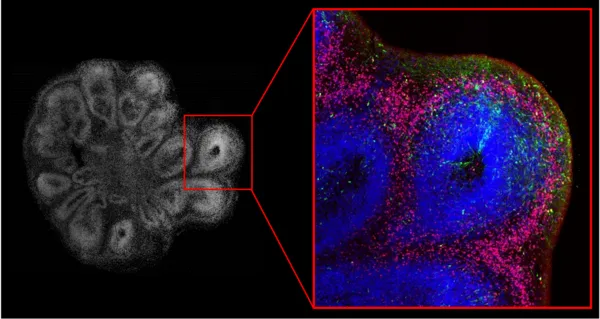
Prof. Dr. Simon Schäfer leads the Schäfer Lab at the Technische Universität München , focusing on engineering advanced organoid systems to study human brain development, disease modeling, and repair mechanisms. His work bridges stem cell biology, gene editing, and bioengineering to develop personalized therapies for brain disorders. Stem Cell & Organoid Technology Neurodevelopmental Mechanisms Neurodegenerative Disease Models Gene Editing & Neuroimmune Interactions Translational Neuroscience Recent research emphasizes brain organoid development, microglia phenotypes, and neurodevelopmental timing anomalies in autism. His team’s work also explores zika virus interactions with glioblastoma stem cells and neuronal plasticity in psychiatric disorders. Scientific awards and funding include support from the Deutsche Forschungsgemeinschaft (DFG), Brain & Behavior Research Foundation (BBRF), and Munich Cluster for Systems Neurology (SyNergy). Collaborations span institutions like the TUM Center for Organoid Systems. Advises 6 students (2 PhD, 1 MSc, 3 associated) Labs include Schäfer Lab, COS@TranslaTUM Contact: simon.schafer@tum.de
Prof. Veronika Somoza is a leading academic in Nutritional Systems Biology, currently affiliated with the University of Vienna and Technical University of Munich (TUM). She holds a professorship in Molecular Food Science and has led key research groups such as the Institute of Physiological Chemistry and the Christian Doppler Laboratory for Bioactive Aromatics. Her career includes roles at institutions like the German Research Institute for Food Chemistry (Garching) and the University of Wisconsin-Madison. Education: Diplom (Justus Liebig University Giessen, 1991), PhD (University of Vienna, 1995), Habilitation (Kiel University, 2002) Research Focus: Bioactive food compounds, flavor chemistry, taste receptor signaling, and gastrointestinal physiology Her work bridges food science and human health, particularly in understanding how food ingredients influence digestion, inflammation, and disease. Notable contributions include discoveries on bitter peptide effects on gastric acid secretion and flavor perception modulation. Awards: FEMA Excellence in Flavor Science (2016), ACS AGFD Fellow (2020), Hans Adolf Krebs Prize (2004) Prof. Somoza has pioneered methodologies in atomic force microscopy for foodborne virus detection and developed bitterness-masking compounds for pharmaceuticals. Her interdisciplinary approach integrates nanobiophysics with nutrition to advance functional food design and clinical applications.
Kumar Varoon Agrawal is an Associate Professor at École Polytechnique Fédérale de Lausanne (EPFL), holding the Gaznat Chair for Advanced Separations. He is affiliated with the School of Basic Sciences (SB), the Institute of Chemical Sciences and Engineering (ISIC), and the Laboratory of Advanced Separations (LAS) in Sion, Switzerland. Additionally, he contributes to the Swiss Doctoral School in Chemical and Bioengineering (SCGC) and serves as Vice President of the Confédération des Chimistes et des Génie Chimique (CCE). Research Focus: Material Chemistry & Engineering at the Ångström scale for high-performance inorganic and hybrid membranes, emphasizing energy-efficient molecular separations. Teaching: Courses include Fundamentals of separation processes , Diffusion and mass transfer , and Chemical engineering product design . Scientific Contributions: His 15 most recent publications (2025-2020) span topics like graphene pore engineering , 2D material synthesis , carbon capture , and gas separation membranes , with keywords such as Nanotechnology , Materials Science , and Molecular Transport . Subfields include Atomic-Scale Pores , Membrane Stability , and Industrial Scalability . Students and Collaborations: He advises 10 current PhD students and has mentored 9 past PhD candidates in areas like graphene membranes , ion separation , and MOF films . He is an Academic Referent for the EPFL Carbon Team and a committee member for the EDCH Doctoral Program in Chemistry and Chemical Engineering.
Prof. Dr. Markus Schwarzländer leads the Arbeitsgruppe for Plant Energy Biology at the Institute for Plant Biology and Biotechnology (WWU Münster) . His research focuses on mitochondrial physiology, redox signaling, and biosensor development in Arabidopsis thaliana and other plant species, integrating molecular biology with systems-level analyses to understand energy regulation. Key Research Areas: Mitochondrial-NAD(P)H dynamics Redox-regulated signaling networks Organelle communication Stress-adaptive metabolism Recent work highlights Golgi-localized mitochondrial uncoupling proteins , chloroplast-mitochondria redox coupling , and mitochondrial calcium uniporter function . His group employs cutting-edge fluorescent biosensors and proteomic approaches to dissect energy physiology. Students benefit from hands-on training in bioimaging , metabolic modeling , and organelle biology through iMoPLANT and Life Sciences programs. Scientific Awards: DAAD Fellowship (2019) As an active member of the Faculty of Biology , he collaborates with international institutions including University of São Paulo , CEA France , and Siberian Institute of Plant Physiology , while maintaining a robust publication record in top journals like Plant Cell and Nature . His teaching emphasizes integrative plant sciences and advanced biosensing techniques for B.Sc. and M.Sc. students.
Ana Damjanovic is an Assistant Research Professor in the Thomas C. Jenkins Department of Biophysics at Johns Hopkins University (JHU), affiliated with the Zanvyl Krieger School of Arts & Sciences. Her research focuses on ion channels, protein and membrane electrostatics, and computational biophysics. She holds a Ph.D. in Physics from the University of Illinois at Urbana-Champaign, where she studied quantum physics of photosynthetic light harvesting under Prof. Klaus Schulten. Subsequent postdoctoral research included work on photosynthesis with Prof. Graham Fleming at UC Berkeley, and molecular dynamics studies of protein ionization at JHU. Her current lab investigates ion channel mechanisms, protonation dynamics, and electrostatic effects in biological systems using advanced computational tools. Group members include graduate student Nauman Sultan (co-supervised with NIH's Bernard Brooks) and undergraduates Marianne Ri and Vivek Booshan. Past advisees include Ada Chen (now a NIH postdoc) and Maggie Li. Key research contributions include developing pH replica exchange methods, protein pKa prediction using machine learning, and structural-functional studies of voltage-gated sodium channels. Her work has been published in high-impact journals like Proceedings of the National Academy of Sciences and Biophysical Journal . Lab affiliations include the Computational Biophysics Group at JHU, with access to cutting-edge simulation techniques and experimental validation platforms. Ongoing projects explore ion channel selectivity, membrane protein dynamics, and computational modeling of protonation-dependent phenomena.
Prof. Dr. Stefan Luther is a Max Planck Research Group leader (W2, tenured since 2013) at the Max Planck Institute for Dynamics and Self-Organization, Göttingen, and an Honorarprofessor at the Faculty of Physics, University of Göttingen. He holds adjunct roles as Adjunct Associate Professor at Cornell University (2009–2012) and Northeastern University (2016–2018), and serves as DZHK-Professor at the Institute of Pharmacology and Toxicology, University Medical Center Göttingen. His research focuses on nonlinear spatiotemporal dynamics in excitable biological media, particularly cardiac arrhythmias. He pioneered 4D imaging of heart function and developed algorithms for optogenetic and electrical control of arrhythmias. Translational efforts span basic research to preclinical and clinical studies. Education includes a Diplom in Physics (1997) and PhD (2000) from Georg-August-University, Göttingen. Postdoctoral training followed at the University of Twente (2001–2004) and Cornell University’s LASSP (2004–2006). His lab, the Biomedical Physics group, explores electromechanical coupling in cardiac systems and develops novel therapeutic approaches. Collaborations include work on computational modeling, uncertainty quantification in dynamical systems, and fluid dynamics of multiphase flows.
Professor Louis Schmidt is a leading academic in the Department of Psychology, Neuroscience & Behaviour at McMaster University , with a research focus on developmental psychophysiology, temperament, and the long-term effects of early adversity. His work bridges neuroscience, psychology, and behavioral science, emphasizing the interplay between brain function and socio-emotional development across the lifespan. Key research themes: Shyness, social anxiety, autism spectrum disorder, schizophrenia, and outcomes of extremely low birth weight. Recognized for mentoring postdoctoral fellow Kristie Poole, who was celebrated as a role model in the Child Emotion Laboratory. Scientific Awards : Royal Society of Canada recognition for contributions to research and scholarship. Research Trends from 15 recent publications include: Neurophysiological mechanisms of shyness (EEG, ERP, RSA) Impact of antenatal corticosteroids on adult brain function Intergenerational effects of maternal mental health interventions Cross-cultural comparisons of temperamental shyness Developmental consequences of preterm birth Behavioral and neural correlates of social anxiety in diverse populations Grants & Collaborations : Led the SNACS randomized controlled trial on antenatal corticosteroids, with applications in obstetrics and developmental neuroscience. Collaborates extensively on topics like autism spectrum disorder, schizophrenia, and emotion regulation. Labs & Teams : Directs the Child Emotion Laboratory at McMaster University, fostering interdisciplinary research on developmental psychopathology and neural mechanisms of temperament.
Steven A. Soper is a Foundation Distinguished Professor in the Department of Chemistry and Mechanical Engineering at the University of Kansas. He serves as Director of the NIH-funded Center for BioModular Multi-Scale Systems for Precision Medicine and leads international collaborations with institutions like UNIST in South Korea. His career spans faculty roles at LSU, UNC, and KU, with interdisciplinary research bridging chemistry, biomedical engineering, and materials science. Ph.D. in Bioanalytical Chemistry, University of Kansas (1989) Postdoctoral Fellow, Los Alamos National Laboratory (1991) B.S. in Chemistry and Psychology, University of Nebraska (1980-1982) Research Interests focus on micro-/nanofabricated biochemical analysis systems for clinical diagnostics, particularly circulating tumor cell analysis , cell-free DNA detection , and single-molecule fluorescence applications. His work integrates polymer microfabrication, FRET-based assays, and thermoplastic nanofluidics for cancer, stroke, and infectious disease diagnostics. Scientific Awards include: R&D 100 Award (2010) Shannon Award (NIH) (1994) Distinguished Research Master, LSU (2002) Fellow, AAAS/RSC/SAS (2010) Sutton Family Research Impact Award (2021) Teaching & Collaboration involves mentoring 39 professional-degree recipients, organizing multidisciplinary research teams, and co-teaching courses in Biofluid Mechanics and Nanotechnology . His lab partners with institutions in South Korea and UNC/NCSU, while hosting international students and professionals. Labs & Centers : Leads the Soper Research Group and the Center for BioModular Multi-Scale Systems , which provides access to state-of-the-art nanofabrication tools and collaborative expertise across 12 institutions.
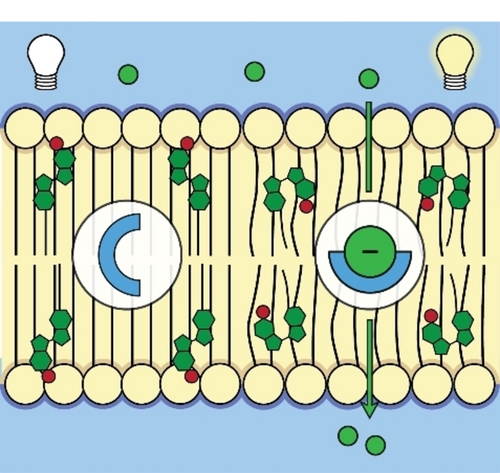
Dr. Sander J. Wezenberg is an Associate Professor at the Leiden Institute of Chemistry, Leiden University, where he leads an independent research group focused on developing stimuli-responsive molecular receptors and self-assembling materials. He was appointed Assistant Professor at the University of Groningen in 2017 and moved to Leiden University in 2019 to establish his research group, where he was promoted to Associate Professor in 2022. Dr. Wezenberg's educational background includes: Master's degree in Chemistry at the University of Nijmegen, conducting research in Prof. Roeland Nolte's group PhD in Supramolecular Chemistry at the Institute of Chemical Research of Catalonia (ICIQ) under Prof. Arjan Kleij (2011) Postdoctoral fellow with Prof. François Diederich at ETH Zurich Postdoctoral work with Prof. Ben Feringa at the University of Groningen His research focuses on using interdisciplinary approaches combining synthetic organic chemistry, supramolecular chemistry, and photochemistry to develop systems that can study and manipulate biological processes. Key research areas include: Photodynamic control of anion binding and lipid bilayer membrane transport Creation of polymeric and self-assembled materials with switchable functions Development of new diagnostic tools and therapeutic agents to improve human health Dr. Wezenberg's recent publications demonstrate strong trends in photoresponsive molecular systems for controlling anion transport and membrane properties. His work bridges chemistry, materials science, and biological applications, with particular emphasis on light-switchable molecular receptors and their applications in biological systems. Scientific awards and recognition: ERC Starting Grant (2018) Veni Grant from NWO (2014) Vidi Grant from NWO (2018) Member of the Young Academy of Europe (2020) Dr. Wezenberg actively mentors PhD and Master's students, with current advisees including Nol Duindam, Sabine Langens, Sofiia Emashova, Lin Xu, Dimitris Piperoudis, and Josien de Graaf. His research is supported by multiple funding sources including Leiden University, the European Research Council, the Dutch Research Council, and the China Scholarship Council. The Wezenberg Research Group is based at the Gorlaeus Laboratories in the new Gorlaeus Building at Leiden University, where they maintain a highly collaborative research environment focused on molecular switches, anion recognition, and dynamic supramolecular systems.
Michael Levin is a Vannevar Bush Professor and Distinguished Professor at Tufts University, affiliated with the School of Arts and Sciences (Department of Biology) and School of Engineering (Biomedical Engineering). His research focuses on bioelectricity, developmental biology, and collective intelligence. He leads the Allen Discovery Center and the Tufts Center for Developmental and Regenerative Biology. Education: PhD in Genetics from Harvard Medical School (1996); BS in Computer Science and Biology from Tufts University (1992). Research Interests: Integrates developmental biology, computer science, and cognitive science to study morphogenesis, regeneration, and cancer. Explores bioelectric signaling, synthetic organisms, and AI-driven discovery. Key areas include regenerative medicine, cancer reprogramming, and collective intelligence in biological systems. Publications: Over 600 articles, with recent work on xenobots, neuroevolution, and bioelectric therapies. Themes include bioelectric control of form, AI in biology, and collective intelligence. Awards: INNS Donald O. Hebb Award, AAAS Fellow, and Vox Future Perfect 50 List recognition. Frequently invited to speak at conferences on biology, AI, and consciousness. Advising & Labs: Mentored numerous postdocs and students, including pioneers in bioelectricity and synthetic biology. Lab focuses on interdisciplinary approaches to biological pattern formation and regeneration.
Chun Liu is Chair and Professor of Applied Mathematics at the Department of Applied Mathematics, Illinois Institute of Technology (IIT), within the College of Computing. His research focuses on Nonlinear Partial Differential Equations , Complex Fluids , and Multiscale Modeling , with applications in electrophysiology and materials science. He earned a Ph.D. from New York University’s Courant Institute, an M.S. from Duke University, and a B.S. from Fudan University. Prof. Liu leads projects on General Diffusion Systems , Ion Channel Dynamics , and Viscoelastic Fluids . He has secured grants from NSF, BSF, and DAAD for research in energetic variational approaches, multiscale materials modeling, and biomolecular systems. Key contributions include the development of Poisson-Boltzmann models , coarse-grained dynamics , and energetically stable numerical methods . He serves on editorial boards for Communications in Mathematical Sciences , SIAM Journal on Mathematical Analysis , and others. His work bridges applied mathematics with engineering and biophysics, addressing challenges in fluid mechanics, ion transport, and nonlinear systems.
Claus Hélix-Nielsen is a Professor and Head of Department at the Department of Environmental and Resource Engineering, DTU Sustain, Technical University of Denmark. His research focuses on lipid-protein interactions, biomimetic membranes, membrane transport, and membrane channel proteins, utilizing electrophysiology, fluorescence spectroscopy, and computational modeling. Current Position: Professor and Head of Department Institution: Technical University of Denmark Research Unit: DTU Sustain Department: Environmental and Resource Engineering Research Interests: Dr. Hélix-Nielsen investigates how the hydrophobic coupling between transmembrane proteins and lipid bilayers regulates protein function through bilayer mechanical properties. His work also explores how these properties influence membrane dynamics, including vesiculation. He develops biomimetic membranes for biosensor and separation technologies, employing advanced techniques like Raman spectroscopy and molecular dynamics simulations. Recent Publications Trends: His 15 most recent articles emphasize biomimetic membrane engineering, membrane biophysics, and applications in environmental and biomedical fields. Topics range from artificial ion channels and drug delivery systems to computational modeling of lipid-protein interactions and environmental monitoring sensors. Techniques: Key methodologies include electrophysiology, fluorescence spectroscopy, electron paramagnetic resonance, Raman spectroscopy, and molecular dynamics simulations.
Dr. Xin Zhou is an Oxford-Bristol Myers Squibb Fellow at the Department of Computer Science, University of Oxford. Her research integrates computational modeling, clinical data, and experimental findings to investigate cardiac disease mechanisms and develop human-based simulations for drug evaluation. BSc and MSc in Life Sciences, Beijing Normal University DPhil in Computational Biology, University of Oxford Her work focuses on multi-scale cardiac modeling , particularly in ischemic heart disease and heart failure, exploring ionic currents, tissue conduction, and organ-level dynamics. She develops electromechanical simulations to study cardiac alternans and arrhythmic risks, translating these into clinical applications for patient stratification and pharmaceutical testing. Recent publications emphasize in silico clinical trials , sex-specific cardiometabolic analysis, and Purkinje network modeling. Collaborative efforts with clinicians and pharmaceutical partners highlight her translational approach to regulatory science. Model of the Year 2024, BioModels EPSRC Impact Acceleration Account Microsoft Research Project Award Recognition Award, University of Oxford She supervises PhD and MSc students in computational cardiology, while serving on the editorial board of Frontiers in Physiology . Her current projects involve digital twinning and predictive cardiac safety models to reduce animal testing reliance.