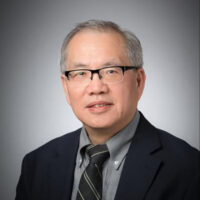
Dr. Chi Tang is a retired Associate Professor at the W Booth School of Engineering Practice and Technology, McMaster University. His expertise spans Energy Engineering Technologies, Health Technology, Industry 4.0, and Sustainable Infrastructure. He specializes in Digital & Smart Systems and Energy research clusters. Dr. Tang taught courses such as ENRTECH 3EP3 (Electrical Power Generation), ENRTECH 4PD3 (Power System Analysis and Control), and others focused on power systems, protection, and maintenance. His research interests include transient stability analysis, energy margin calculations, and applications of energy functions in power systems. His scholarly contributions include studies on oncology treatments (e.g., pembrolizumab combinations) and foundational work in power system dynamics. Despite retirement, his legacy persists through his academic contributions and course development in power engineering technology.
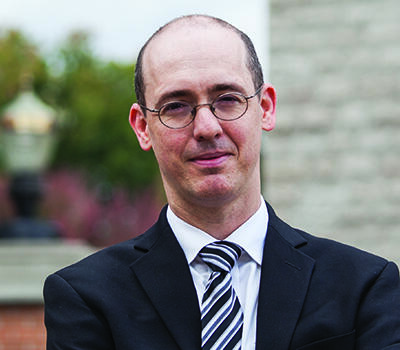
Stephen Ramsey, an Associate Professor at Oregon State University, holds dual appointments in the School of Electrical Engineering and Computer Science (College of Engineering) and the Department of Biomedical Sciences (Carlson College of Veterinary Medicine). With a PhD in Physics from the University of Maryland, his postdoctoral training in computational genomics at the University of Washington, and professional experience at the Institute for Systems Biology and Center for Infectious Disease Research, Ramsey bridges computational methods with biomedical applications. Education : Ph.D., Physics, University of Maryland; M.S., Physics, University of Maryland; Sc.B., Mathematical Physics, Brown University Ramsey specializes in computational systems biology , focusing on bioinformatics , biomedical knowledge graphs , and precision medicine . His research integrates machine learning , gene regulatory network modeling , and multi-omics data analysis to address challenges in rare disease diagnostics , drug monitoring , and inflammatory disease mechanisms . Current work includes AI-driven biomedical translation and electrochemical biosensor development for non-invasive diagnostics . Recent publications highlight knowledge graph applications in translational biomedicine , causal network inference in clinical-environmental data integration , and cross-species cancer transcriptomics . His team develops tools like RTX-KG2 and PloverDB to standardize biomedical data sharing and semantic reasoning . Scientific Awards : 2019 Zoetis Award (Carlson College of Veterinary Medicine) 2016 NSF CAREER Award 2016 PhRMA New Investigator Award 2010 NIH K25 Mentored Quantitative Research Award Ramsey advises in computational biology courses (CS 446/546) and contributes to biomedical AI through projects like mediKanren for rare disease diagnostics . His NSF-funded research explores gene expression noise and regulatory network dynamics , while NIH and PhRMA grants support his translational medicine initiatives. He leads the Ramsey Laboratory , which develops graph-based reasoning tools for biomedical data translation and multi-omics integration . The lab's work spans comparative oncology models, electrochemical biosensors , and knowledge graph infrastructure for clinical decision support .
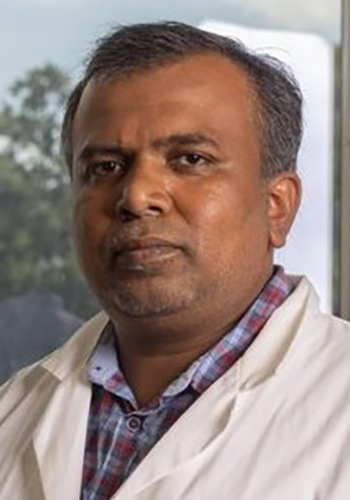
Anto Sam Crosslee Louis Sam Titus is an Assistant Professor in the Department of Biomedical Engineering at the University of Houston. Their research focuses on biomarker discovery, molecular mechanisms of diseases (e.g., lupus nephritis, breast cancer), and advanced diagnostic technologies using imaging mass cytometry, proteomics, and microfluidic devices. They also explore neurodegenerative diseases and epigenetic regulation of genes like Bdnf and MeCP2. Key research areas include: Biomarker development in kidney disease and cancer Machine learning applications in medical diagnostics Multiphoton lithography for flexible bioelectronics Neurological disorders and gene expression modulation Publications span 2017–2024, emphasizing translational research at the intersection of engineering and medicine. While no awards are explicitly listed, their work demonstrates impactful contributions to neuropsychiatric lupus, bladder cancer diagnostics, and HDAC3-mediated gene repression. Advising and grant details are not provided in the text, but their lab focuses on interdisciplinary biomedical engineering challenges.
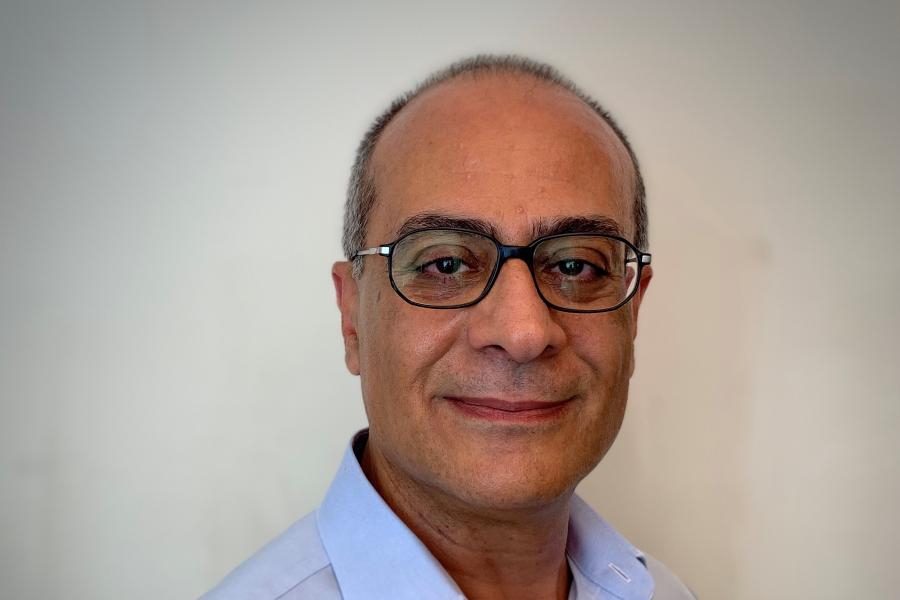
Dr. Nariman Sepehri is a Professor in the Department of Mechanical Engineering at the Price Faculty of Engineering, University of Manitoba, Canada. He has held significant administrative roles including Department Associate Head (Graduate Studies), Associate Dean of Engineering (Undergraduate Programs), and Acting Dean of Engineering. His research focuses on fluid power systems, robotics, and control with applications in rehabilitation and heavy machinery. Education: Post-Doctorate, Electrical & Computer Engineering, University of British Columbia, Canada (Tele-Robotics, Mechatronics) PhD, Mechanical Engineering, University of British Columbia, Canada (Control, Fluid Power Systems, Robotics) MSc, Mechanical Engineering, University of British Columbia, Canada (Computer-Aided Manufacturing Planning) BSc, Mechanical Engineering, Sharif University of Technology, Iran (Machine Design) Dr. Sepehri's research interests span Fluid Power Systems and Technology , Robotics and Teleoperation , Control Systems , Condition Monitoring , and Mechatronics of Rehabilitation Devices . His work integrates advanced control theory with practical applications in hydraulic and pneumatic systems, aiming to improve energy efficiency and reliability in robotics, manufacturing, aerospace, and healthcare. Notably, he has developed innovative rehabilitation devices using game-based interfaces for stroke and cerebral palsy patients. His recent publications (2022-2025) demonstrate a strong trend towards energy-efficient hydraulic systems, fault detection using machine learning, and the development of soft robotic actuators for rehabilitation. Key areas include electro-hydrostatic actuators, pump-controlled circuits, and the application of advanced algorithms for condition monitoring and control. Scientific Awards: Dean of Engineering’s Award for Superior Academic Performance University of Manitoba Rh Award for outstanding contributions to scholarships and research in Applied Sciences Fellow of the Canadian Academy of Engineering (CAE) Fellow of the American Society of Mechanical Engineers (ASME) Fellow of the Canadian Society for Mechanical Engineering (CSME) Dr. Sepehri has supervised over 100 graduate and postdoctoral students, contributing significantly to the field of fluid power and robotics. His research has been supported by major grants from the Natural Sciences and Engineering Research Council of Canada (NSERC) and other sources, enabling the establishment of the Fluid Power Research Laboratory. This lab features state-of-the-art equipment including a human-robot-in-the-loop simulator and hardware-in-the-loop test facilities for condition monitoring. The Fluid Power Research Laboratory at the University of Manitoba, under Dr. Sepehri's leadership, is a hub for innovation in fluid power technology. The lab collaborates internationally with researchers in USA, Brazil, China, Hungary, Romania, Denmark, Sweden and France, and has developed interdisciplinary projects bridging engineering with healthcare applications.
Stephen Pistorius is a Professor in the Department of Physics and Astronomy at the University of Manitoba's Faculty of Science. He serves as Associate Head and Director of the Medical Physics Program, focusing on interdisciplinary research at the intersection of medical physics, biomedical engineering, and artificial intelligence. Role : Professor, Associate Head, Director of Medical Physics Program Contact : Office 205 Allen Building, Stephen.Pistorius@umanitoba.ca , +1 204-474-6205 Research Interests Medical Imaging : Development and optimization of radar-based microwave sensing systems for breast cancer detection. Image Reconstruction : Innovation in computational algorithms for PET and microwave imaging. Artificial Intelligence : Application of machine learning to tumor detection and signal analysis. Publication Trends His recent work emphasizes microwave imaging hardware (antenna arrays, phantom materials), machine learning integration for tumor detection, and image quality metrics across modalities. Key subfields include radar systems , stochastic optimization , and clinical translation of microwave sensing . Additional Contributions He contributes to radiation oncology via EPID-based positioning automation and dose verification systems, while also addressing technical challenges in 3D-printed phantom modeling and microwave propagation in biological tissues.
Dr. Jiling Feng is a Senior Lecturer in Mechanical Engineering at Manchester Metropolitan University, specializing in fluid mechanics applied to cardiovascular systems and biomedical engineering. Her research focuses on arterial waveform analysis, stent design, and material science for vascular disease treatment, supported by over £1.1 million in grants from EPSRC, UKRI, and Royal Society. She holds a BEng, MSc, PhD, and is a Chartered Engineer (CEng) and Fellow of the Higher Education Academy (FHEA). Education: BEng, MSc, PhD Professional Memberships: IMechE, IEEE, British Atherosclerosis Society Research interests include computational modeling of cardiovascular mechanics, fluid-structure interaction in arteries, and biomaterials for medical devices. She has authored over 40 peer-reviewed articles in top journals like Biomechanics and Modelling in Mechanobiology and serves on editorial boards for Mathematics and Frontiers in Biophysics . Recent projects include a KTP collaboration with Krohne (£235,000) and a Royal Society grant with Beijing University of Technology (£11,600). She supervises PhD and MSc projects on plaque mechanics and arterial waveforms. Labs/Teams: Active in vascular mechanics research groups, collaborating with vascular surgeons and industry partners.
Dr. Ka-Chun Siu is a Professor and Chair of Global Health Opportunities in the Physical Therapy program at the University of Nebraska Medical Center (UNMC), within the College of Allied Health Professions' Department of Health and Rehabilitations Sciences. He additionally directs the MSIA Patient-Oriented Research program and mentors graduate students in the Graduate College. His research is supported by NIH, NASA Nebraska Space Grant, NIOSH CS-CASH, and University of Nebraska Systems. Education: Post-Doc in Biomechanics, University of Nebraska at Omaha (2006-2009) PhD in Human Physiology, University of Oregon (2006) BS in Physical Therapy, Kaohsiung Medical University, Taiwan (1999) Research Interests: Dr. Siu specializes in movement science and biomechanics, with emphasis on aging populations and movement disorders. He pioneers technology-driven solutions—including virtual reality and mobile applications—to study balance control and gait biomechanics in diverse environments. A secondary focus involves human performance optimization and motor skill acquisition, particularly in advancing medical education methodologies. Publication Trends: Recent articles demonstrate concentrated expertise in virtual reality applications for surgical training and neurorehabilitation, AI integration in healthcare education, ergonomic analysis in minimally invasive surgery, and advanced biomechanical assessments of gait/mobility. Emerging themes include wearable technology validation, computational modeling of motor skills, and remote patient monitoring systems. Awards & Honors: 2023 UNMC New Investigator Award 2023 CAHP Significance in Research for Distinguished Faculty Award 2022 UNMC Distinguished Mentor Award 2022 UNMC Outstanding Faculty Mentor for Graduate Students Award 2020 UNMC Impact in Education for Research in Education Scholar Award 2015 UNMC Outstanding Professional Achievement Award 2014 SAHP Excellence in Research Award Professional Activities: Dr. Siu serves on editorial boards for scientific journals and as an external reviewer for Hong Kong's Health and Medical Research Fund. He oversees international physical therapy partnerships through UNMC's Global Health Opportunities Program and leads interdisciplinary research initiatives blending engineering, medicine, and data science.
Dr. Andrew Hoegh is an Associate Professor of Statistics at Montana State University (MSU), affiliated with the Department of Mathematical Sciences within the College of Letters & Science. He leads the Bozeman Environmental and Ecological Statistics (BEES) research group, focusing on Bayesian computation, spatiotemporal modeling, and ecological applications. His work bridges statistical theory and practical problems in environmental science, epidemiology, and sports analytics. Education: Ph.D. (2016) Virginia Tech; M.S. (2008) Colorado School of Mines; B.A. (2006) Luther College. Research Interests: Bayesian statistics, statistical ecology, computational methods for complex data, and pathogen dynamics in wildlife. His group addresses challenges like bat ecology, zoonotic spillover, and aquatic invasive species using advanced statistical techniques. Awards: Kopriva Faculty Lectureship (2021), multiple nominations for research and advising awards, and grants from institutions like Cornell University and the USGS. Teaching: Courses include Bayesian Statistics, Spatial Data Analysis, and Statistical Computing. Current projects involve bat monitoring, virus spillover modeling, and agent-based movement simulations. Labs/Groups: BEES group meets biweekly, collaborating with USGS scientists. Active projects include bat acoustic data analysis, zebra mussel detection, and radar-based animal movement tracking.
Ana Isabel Pinheiro Nunes Pereira serves as Professor in the Department of Mathematics at Polytechnic Institute of Bragança, where she also holds the position of vice-coordinator for the Research Centre in Digitalization and Intelligent Robotics (CeDRI). She maintains dual institutional affiliations as a research member at Minho University's Algorithm Research Centre and represents Portugal in the European Consortium of Mathematics in Industry. Her academic foundation includes a PhD in Numerical Optimization from Minho University (2006), establishing her expertise in computational mathematics. This background directly informs her current research trajectory. Professor Pereira's research program centers on Optimization and Robotics , with expanding applications in Data Analytics and Precision Agriculture . Her methodology integrates Machine Learning for biosensor enhancement and Computer Vision for agricultural disease detection, while maintaining strong commitments to innovative teaching tools in mathematical education. This interdisciplinary approach bridges theoretical computation with industrial problem-solving through her ECMI role. Recent publications demonstrate a clear trend toward sustainability-focused applications, particularly in agricultural technology (olive/vineyard systems) and medical device optimization. Her work consistently applies multi-objective clustering and predictive modeling to translate complex data into actionable solutions for healthcare and farming industries. With over thirty research projects completed, her grant portfolio emphasizes robotics implementation , optimization frameworks , and educational innovation . She has supervised 62 students across master's and doctoral programs, fostering next-generation expertise in computational mathematics. Her leadership at CeDRI drives the institute's strategic focus on digital transformation, while her Algorithm Research Centre membership enables cross-institutional collaboration on industrial mathematics challenges. These roles position her at the forefront of applied computational research in Portugal.
Professor Jan Vanderborght serves as Director of the Agrosphere Institute (IBG-3) at Forschungszentrum Jülich, Germany, while maintaining a professorship in Soil Physics at KU Leuven, Belgium. His research focuses on fundamental soil physical processes with direct applications in agricultural and environmental management. His educational background includes an MSc (1993) and PhD (1997) in Bio-engineering from KU Leuven, followed by post-doctoral research at ETH Zurich (1998-1999). Vanderborght's research centers on solute transport in soils, pesticide fate modeling, hydrogeophysics, soil evaporation processes, and plant water/nutrient uptake mechanisms. His work bridges fundamental soil physics with practical agricultural applications, particularly in irrigation management and contaminant transport. His recent publications reveal strong focus on advanced soil moisture monitoring techniques, root water uptake modeling, and the application of digital twin technology (SWIM²) for precision agriculture. The research spans multiple scales from pore-level processes to field-scale hydrological modeling. As an editorial leader in the field, Vanderborght serves as Co-Editor of Vadose Zone Journal and Associate Editor for both Journal of Hydrology and SOIL, reflecting his significant contributions to soil and water science literature. His research group develops innovative approaches combining field measurements, advanced imaging techniques (like MRI and GPR), and sophisticated modeling frameworks to address critical challenges in soil-water-plant systems, particularly under changing climate conditions.
Prof. Martin Kuentz is a Professor of Pharmaceutical Technology at the University of Applied Sciences and Arts Northwestern Switzerland (FHNW), leading the research group on Quality by Design of oral dosage forms. His primary affiliation is with the School of Life Sciences and the Institute for Pharma Technology and Biotechnology . He holds a Ph.D. in Pharmaceutical Technology from the University of Basel (1999) and a Pharmacist degree (1995). Prior to academia, he worked at F. Hoffmann-La Roche Ltd. as a Senior Scientist and Coordinator of Galenical Development Projects. Research Focus: His work centers on lipid-based formulations, amorphous solid dispersions, and computational tools for drug delivery. Key techniques include Raman spectroscopy, UV imaging, and molecular dynamics simulations. He has pioneered methods to enhance solubility of poorly water-soluble drugs using mesoporous silica, hydrophobic deep eutectic solvents (HDES), and machine learning-driven approaches. Publications & Awards: Prof. Kuentz has authored over 90 peer-reviewed articles and received awards such as the IPEC Foundation Best Manuscript Award (2014) and multiple Best Poster Awards at Swiss Pharma Science Days (2012–2015). He is a member of the American Association of Pharmaceutical Scientists (AAPS), Arbeitsgemeinschaft der Pharmazeutischen Verfahrenstechnik (APV), and the Swiss Society of Industrial Pharmacists (GSIA). Teaching: He teaches courses on industrial processes in life sciences, pharmaceutical chemistry, and quality management at both bachelor and master levels. He is certified in university didactics from the University of Basel (2008). Lab/Team: Leads the Oral Formulations for Chemical Drugs research team at FHNW. Grants/Advising: Supervises multiple Early Stage Researchers (ESRs) in the PEARRL network, including main supervision of ESR 2 and ESR 5, and co-supervision of ESR 1, 3, 4, and 6.
Steven Mascaro is a Senior Research Fellow in the Department of Data Science & AI at Monash University. His research focuses on advancing Bayesian network methodologies and their application in complex domains such as public health, biosecurity, and policy analysis. He collaborates on projects like 'Fitting AI technology to complex policy problems' and 'The Development of Novel Bayesian Network and Multi-Criteria Decision Analysis Techniques.' Key research areas include causal modeling for medical decision support, risk assessment frameworks for invasive species, and expert elicitation techniques. Mascaro's work bridges theoretical AI advancements with practical implementations in healthcare and environmental management. His contributions span over 27 peer-reviewed outputs, emphasizing interdisciplinary collaboration. Projects: 2 major research initiatives funded through 2022 Publications: Over 25 articles since 2001, with recent focus on Bayesian networks in pandemic response and clinical diagnostics Expertise: Bayesian network parameterization, causal inference, and decision-support tool development His current efforts prioritize scalable AI solutions for policy challenges and improving diagnostic accuracy through causal modeling.
Muhammad Bilal Khan is an Assistant Professor at the Department of Electronics and Power Engineering, College of Electrical and Mechanical Engineering, National University of Sciences and Technology (NUST), Pakistan. His research spans mathematical theory and practical applications in wireless communication sensing technology. His primary research interests include Fuzzy Set Theory , Fractional Calculus , Mathematical Inequalities , and RF Sensing Applications in healthcare. His theoretical work focuses on developing new mathematical frameworks for fuzzy-number valued functions, particularly exploring pre-invexity, harmonic convexity, and related integral inequalities. On the applied side, he has made significant contributions to non-contact health monitoring systems using software-defined radio technology for detecting conditions like text neck syndrome, spinal curvature disorders, and breathing abnormalities. Analysis of his 15 most recent publications reveals a dual research trajectory: approximately 60% focus on theoretical mathematical contributions in fuzzy analysis and integral inequalities, while 40% address practical applications of wireless sensing in healthcare. His mathematical work frequently appears in journals like Axioms and Symmetry , while his applied research is published in venues including IEEE Access and Sensors . His notable scientific contributions include developing novel frameworks for (q 1 , q 2 )-Linear Diophantine Fuzzy Sets and advancing the theory of Diamond Intuitionistic Fuzzy Sets. His healthcare applications research has pioneered non-invasive monitoring techniques using RF sensing for elderly fall detection, text neck syndrome diagnosis, and breathing pattern analysis. Dr. Khan maintains active collaborations with researchers across multiple institutions, particularly working with Mohamed S. Soliman (13 joint publications), Muhammad Aslam Noor (12 publications), and Savin Treanta (8 publications) on mathematical theory, while collaborating with Najah AbuAli, Mubashir Rehman, and Xiaodong Yang on healthcare sensing applications.
Nico Cellinese is a Professor of Biology and Curator of the Herbarium & Informatics at the Florida Museum of Natural History, University of Florida. He holds joint appointments in the School of Natural Resources and Environment and the Genetics Institute. His research focuses on plant systematics, evolution, biogeography, and informatics, with expertise in phylogenomics and biodiversity data integration. Education : Ph.D. in Natural History Museum and University of Reading, UK. Affiliations : Cellinese Lab, Florida Museum Herbarium (FLAS), and collaborations with global institutions. Research interests include the evolutionary history of plant groups like Campanulaceae, Melastomataceae, and Ledebouria. Key projects involve NSF-funded studies on plant coexistence mechanisms, Melastomataceae phylogenomics, and biodiversity informatics. He develops tools like RegNum and Phyloref.org to enhance phyloinformatics and taxonomic data accessibility. Notable grants include a $1.5M study on Lobelia species coexistence and a $3.6M project digitizing lichen and bryophyte collections. Teaching includes courses on phylogenetic systematics, evolutionary biogeography, and plant taxonomy. Cellinese has conducted fieldwork across Asia, Australasia, South America, and Europe, emphasizing global biodiversity conservation and the impacts of climate change. His work bridges systematics, informatics, and conservation to address pressing ecological and evolutionary questions.
Dr. Jubin P Joseph is a Clinical Assistant Professor of Medicine at the Keck School of Medicine of the University of Southern California and serves as Director of Structural Interventions in the Cardiac & Vascular Institute. An interventional cardiologist specializing in structural heart disease, he leads advanced transcatheter valve therapies and clinical research initiatives at USC. His educational journey includes: Undergraduate studies at Cambridge University (2005) Medical degree from Oxford University (2008) Internal medicine and cardiology training in England PhD in invasive physiology research from St Thomas' Hospital, London Advanced structural intervention fellowship at Oxford University Hospitals Specialized training at Cedars-Sinai Medical Center (2020-2022) Dr. Joseph's research centers on structural heart disease mechanisms and transcatheter interventions, with particular focus on valve pathophysiology, hemodynamic assessments, and device innovation. His clinical expertise spans transcatheter aortic/mitral/tricuspid valve replacements, MitraClip procedures, left atrial appendage occlusion, and congenital defect closures. He integrates cardiovascular physiology with structural interventions to optimize patient outcomes in complex valve disease. His publication record reveals consistent advancement in transcatheter valve therapy, emphasizing hemodynamic outcomes, imaging guidance, and novel device applications. Recent work demonstrates leadership in TAVR optimization, mitral repair techniques, and physiological assessment during interventions, reflecting his dual commitment to clinical innovation and scientific rigor. Major recognitions include: Peel and Rothwell Jackson Postgraduate Fellowship (2020-2021) European Society of Cardiology's Cardiologist of Tomorrow (2014-2017) Royal College of Surgeons' Preiskel Prize (2008) Multiple medical education travel awards (2008) Cambridge University's Preparing for Patients Prize (2003) As a clinical investigator, Dr. Joseph actively contributes to national multicenter trials while directing structural interventions at USC's Cardiac & Vascular Institute. His team pioneers emerging transcatheter therapies through rigorous physiological assessment and device evaluation, with ongoing research in microvascular dysfunction and next-generation valve technologies. The structural interventions program under his leadership focuses on complex valve disease management, combining cutting-edge transcatheter approaches with comprehensive physiological evaluation to advance structural heart care.