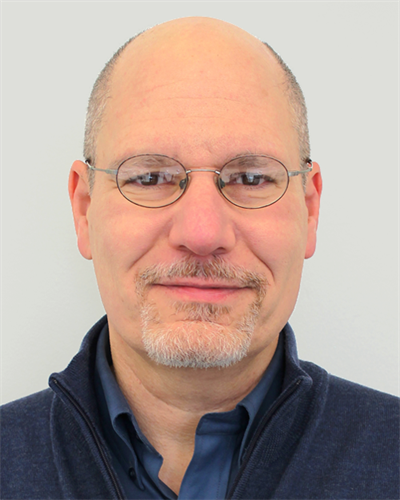
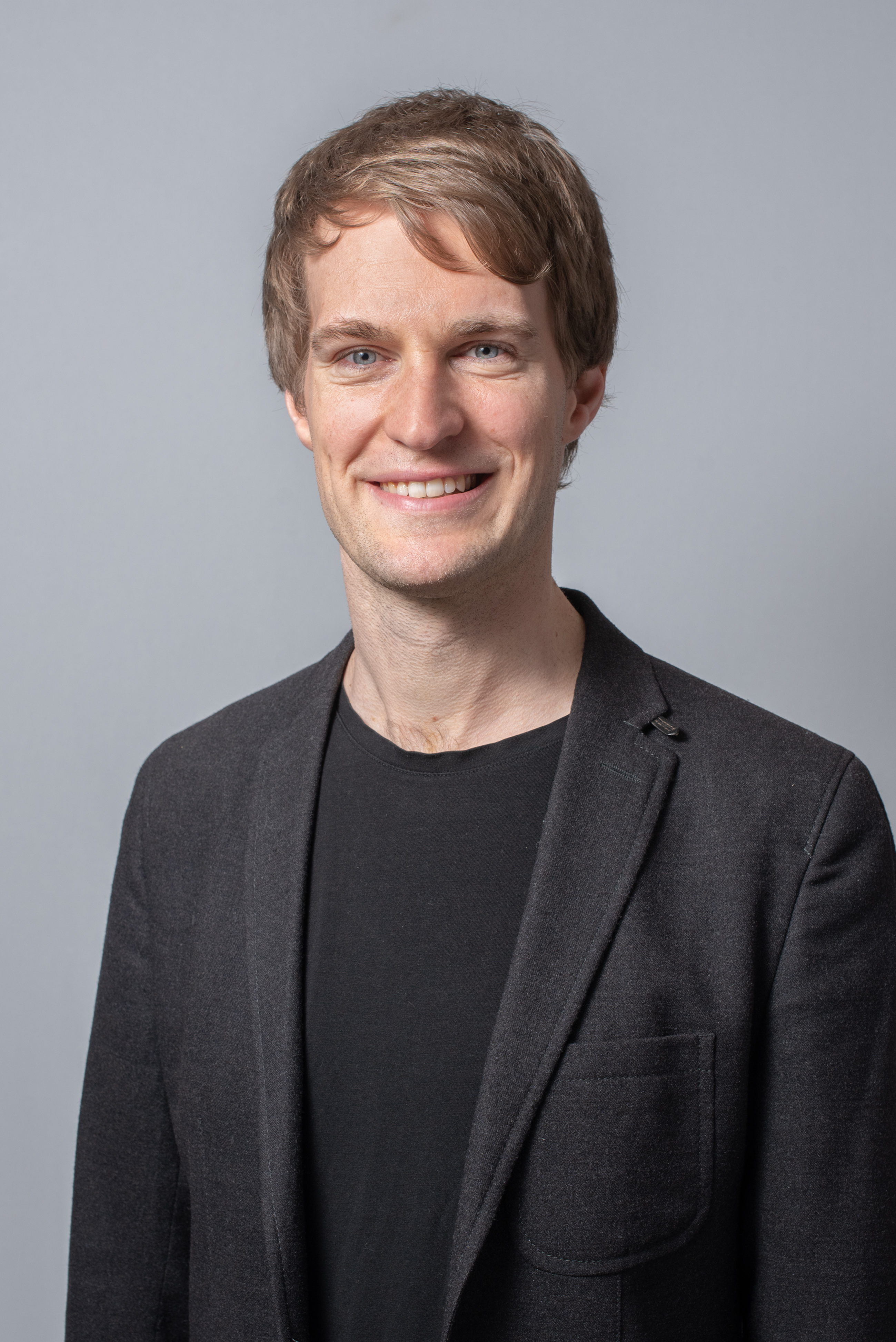
Michael Wiklund is a current Professor of the Practice in the Department of Mechanical Engineering at Tufts University School of Engineering . He has been in this role since 2014, previously serving as a Lecturer from 1987 to 2013. His work focuses on Human Factors Engineering , Medical Device Design , and Usability Testing in healthcare contexts. His research spans decades, emphasizing ergonomics , software user interfaces , and safety in medical systems . He has authored key publications including books and articles on usability engineering , root cause analysis , and design principles for medical technology. Wiklund teaches courses such as Medical Technology Development and Human Factors in Medical Technology , with a focus on Biomedical Engineering and Mechanical Engineering . His recent publications highlight trends in medical device innovation , user-centered design , and health IT integration. He also serves as General Manager - Human Factors Research & Design at UL since 2012.
Dr. Chien-Ming Huang is the John C. Malone Assistant Professor in the Department of Computer Science at Johns Hopkins University. He leads the Intuitive Computing Laboratory and is affiliated with the Malone Center for Engineering in Healthcare, Laboratory for Computational Sensing and Robotics, Institute for Assured Autonomy, and Data Science and AI Institute. His research focuses on human-robot interaction, human-computer interaction, and artificial intelligence applications in healthcare and education. BS in Computer Science, National Chiao Tung University (2006) MS in Computer Science, Georgia Institute of Technology (2010) PhD in Computer Science, University of Wisconsin–Madison (2015) Postdoctoral Research, Yale University (2015-2017) Dr. Huang's work bridges human-robot interaction, robotics, and AI to develop technologies that enhance social, physical, and behavioral support for diverse populations. His research includes adaptive robot systems for autism intervention, aging care technologies, and explainable AI frameworks for medical decision support. Current projects focus on end-user robot programming, socially aware navigation, and conversational agents for health management. His publications span major venues like Science Robotics , HRI, CHI, and ICRA, with recent emphasis on robot error awareness, small talk in collaboration, and AI explanation design for healthcare. Dr. Huang has received numerous accolades including the NSF CAREER Award and John C. Malone Endowed Chair. 2022 NSF CAREER Award John C. Malone Endowed Chair 2013 RSS Best Paper Runner-Up 2012 Human-Robot Interaction Pioneer Dr. Huang mentors PhD, postdoctoral, and undergraduate researchers, emphasizing interdisciplinary collaboration and technical rigor. He serves as Associate Editor for ACM Transactions on Human-Robot Interaction and has organized key conferences including HRI and ICMI. His lab develops systems for robotic assistance in surgical training, home healthcare, and educational contexts.
Changjian Li is an Assistant Professor in the School of Informatics at the University of Edinburgh. He leads the GraphViX Group (Graphics, Vision and X) and is a member of the Institute of Perception, Action and Behaviour (IPAB). His research spans computer graphics, computer vision, and human-computer interaction with a focus on 3D generation and analysis. Education: Bachelor's Degree from Shandong University (2014) Ph.D. from the University of Hong Kong (2019) under Prof. Wenping Wang Postdoc at University College London (UCL) with Prof. Niloy Mitra Starting Researcher position at Inria with Dr. Adrien Bousseau Research Interests: Changjian's research focuses on sketch-based 3D modeling, CAD modeling, point cloud processing, and medical imaging applications. He develops systems that bridge intuitive sketching with precise CAD workflows, enhances 3D animation pipelines, and applies neural methods to sparse medical data reconstruction. Scientific Recognition: Best Paper Honorable Mention Award (MICCAI 2021) CADTalk selected as Highlight (CVPR 2024 top 10%) ACM SIGGRAPH Asia 2018 cover image selection ACM SIGGRAPH Asia 2015 technical paper highlight CVPR 2019 poster highlighted in 'Computer Vision News' Advising & Collaborations: He mentors postdocs and PhD students including Duolikun Danier, Haocheng Yuan, Ankan Bhunia, and Lei Zhong. Former advisees include Salvatore Esposito (now at Edinburgh), Guangshun Wei (Shandong University), and Mingjun Yang (University of Melbourne). Collaborates with Oisin Mac Aodha, Hakan Bilen, and Niloy Mitra. Professional Service: Currently serves as Associate Editor for IEEE TVCG and participates in program committees for SIGGRAPH Asia, SIGGRAPH, EuroGraphics, and Geometry Design and Computing (GDC) conferences.
Nicholas Epley is the John Templeton Keller Professor of Behavioral Science and Director of the Roman Family Center for Decision Research at the University of Chicago Booth School of Business. His work focuses on understanding social cognition and human connections through rigorous experimental research. Epley's research explores how people think about other people's minds, with particular emphasis on perspective taking, intuitive human judgment, and social connection. His work reveals systematic miscalibrations in social cognition that lead people to misunderstand others, avoid social interactions with strangers, and underestimate the positive impact of prosocial behaviors like expressing gratitude or giving compliments. He argues that humans possess a 'sixth sense' for understanding others but often overestimate their accuracy in doing so. His publications consistently examine barriers to social connection, showing how people routinely underestimate how positively others will respond to social overtures. This pattern appears across multiple contexts - from talking to strangers on public transportation to expressing gratitude to friends and colleagues. His research has identified what he terms 'undersociality' - the tendency for people to engage in fewer social interactions than would maximize their well-being. 2008 Theoretical Innovation Award from the Society for Personality and Social Psychology 2011 Distinguished Scientific Award for Early Career Contribution to Psychology from the American Psychological Association 2015 Book Prize for the Promotion of Social and Personality Science 2018 Career Trajectory Award from the Society for Experimental Social Psychology Named 'professor to watch' by the Financial Times One of the 'World's Best 40 under 40 Business School Professors' by Poets and Quants One of the 100 Most Influential in Business Ethics in 2015 by Ethisphere Epley has secured significant research funding from the National Science Foundation and the Templeton Foundation to support his investigations into social cognition. His teaching includes the popular MBA course 'Designing a Good Life,' which focuses on ethics and wellbeing. His research has been featured extensively in major media outlets including the New York Times, Wall Street Journal, CNN, Wired, and National Public Radio. As Faculty Director of the Roman Family Center for Decision Research, Epley oversees one of Booth's premier research centers dedicated to understanding human decision-making processes through interdisciplinary research that combines insights from psychology, economics, and neuroscience.
Ashley J Thomas is an Assistant Professor at Harvard University, specializing in infant and child social cognition. Her research explores how young humans develop naive sociology, focusing on social hierarchy, intimacy perception, and moral judgments of parenting decisions. Education: PhD in Psychology (2018), MA in Psychology (2015) from UC Irvine, BA in Architecture (2008) from UC Berkeley. Her work reveals infants use caregiver interactions to evaluate social partners and demonstrates that saliva sharing serves as a key cue for relationship recognition. She examines how implicit theories of intelligence correlate with brain plasticity beliefs, showing that malleable intelligence theories align with environmental influence acceptance. Scientific awards include the NIH National Research Service Award and multiple fellowships. She has organized symposia on social cognition at the Cognitive Development Society and Society for Research on Child Development conferences.
Hilary Nelson is an Assistant Professor in the Department of Fine Art at Maharishi International University (MIU), where she teaches courses such as Art of the Self, Color Theory, Sculpture I, and graduate-level seminars. She has also served as an Adjunct Instructor at MIU and Santa Fe Community College, and as a Visiting Lecturer at Grinnell College. Her academic journey includes an MFA and MA in Painting from the University of Iowa and a BFA in Painting and BS in Environmental Science from MIU. University of Iowa, MFA Painting, 2017 University of Iowa, MA Painting, 2016 Maharishi International University, BFA Painting, 2013 Maharishi International University, BS Environmental Science, 2007 Hilary Nelson's research and creative practice focus on the intersection of art, sustainability, and regenerative design. Her fields of interest include painting, drawing, sculpture, and curatorial practice, with a strong emphasis on environmental consciousness. She has developed and taught courses like 'Regenerative Art: Sustainability in Practice and Concept,' reflecting her commitment to ecological themes in art education. The 15 most recent articles highlight her active exhibition history, spanning solo and group shows across the U.S. and internationally. These works reflect trends in contemporary visual art, including installation, public art, conceptual practice, and interdisciplinary exploration. Her exhibitions often engage with themes of space, materiality, perception, and social critique, demonstrating a consistent evolution in her artistic voice. Scientific and Artistic Awards: Mildred Pelzer Lynch Fellowship, University of Iowa (2015–2017) Graduate Teaching Assistant Scholarship, University of Iowa (2014–2016) Faculty Research and Teaching Grants, Wege Foundation (2022, 2024) Artist Residencies at Yaddo, Vermont Studio Center, and international locations (2019–2024) Arts and Environmental Sciences Honors Awards from MIU (2007, 2013) Hilary Nelson has been actively involved in academic advising, curriculum development, and grant-funded research. She has led projects supported by the Wege Foundation, focusing on regenerative art and sustainability. Her teaching spans foundational to advanced levels, and she has mentored students through studio courses and graduate seminars. She has also curated exhibitions and organized artist talks, contributing to the broader academic and artistic community. She is co-founder of the Nelson Project, a collaborative art initiative with Trilby Nelson, and previously co-founded The Beauty Shop in Fairfield, IA—a non-profit gallery and music venue. She has also served as Gallery Curator at The Times Club in Iowa City and co-directed Unity Gallery at MIU, demonstrating strong leadership in curatorial and collaborative art environments.
Philip Dutré is a full professor at the Department of Computer Science , Faculty of Engineering Science , KU Leuven. He leads the Computer Graphics Research Group and chairs the Human-Computer Interaction division . His teaching portfolio includes courses on algorithms, data structures, and computer graphics fundamentals. Research Focus : Rendering algorithms, photo-realistic and image-based rendering, perceptual-based rendering, material models, and intuitive controls for computer animation. He explores deep learning applications in global illumination and uses quantum field theory for efficient light transport in participating media. Publications : Recent work includes advancements in temporal coherence for light transport (2017–2023), functional integrals for scattering models (2025), and optimization of spatial data structures (2019). Teaching Innovations : Advocate for ungrading (feedback-only assignments), flipped classroom techniques, and interactive learning. His approach emphasizes conceptual understanding over rote memorization, with structured, self-contained lessons and active student engagement. Leadership : Serves on multiple academic councils and committees including the Commission on Research Integrity and Student Services Council .
Igor Rudan is Professor of International Health and Molecular Medicine at the University of Edinburgh, serving as Co-Head of the Centre for Global Health within the Usher Institute, part of the College of Medicine and Veterinary Medicine. His academic position is described as a 'Personal Chair of International Health & Molecular Medicine' at the Deanery of Molecular, Genetic and Population Health Sciences. His research interests include: Genome-Wide Association Studies Genetics and Genomics Genetic Divergence Meta-Analysis Single Nucleotide Polymorphism research Systematic Reviews in global health Epidemiology of respiratory diseases Health inequalities and social determinants of health Professor Rudan's recent publications reveal a strong focus on the intersection of molecular medicine and population health. His work spans genetic epidemiology, pandemic response research, and health equity studies, with particular emphasis on understanding how genetic, social, and environmental factors interact to influence health outcomes across diverse populations. His research frequently employs large-scale genomic analyses combined with population health approaches to address global health challenges. His scientific recognition includes: NIHR Impact Prize (2025) for respiratory disease research RSE Mary Somerville Medal (2023) Professor Rudan leads and collaborates on numerous international research projects including EQUI-RESP-AFRICA (improving respiratory health outcomes in Africa), the NIHR Global Health Research Unit on Respiratory Health (RESPIRE-2), and documentation of the EQUIST tool's global impact. His work often involves large-scale data analysis and international collaborations across multiple continents, positioning him at the forefront of global health research that bridges molecular medicine with population-level health interventions.
Stefanie Tellex is an Associate Professor of Computer Science and Engineering at Brown University. She leads research in Human-Robot Interaction, focusing on enabling robots to understand natural language instructions and collaborate effectively with humans. Her work spans robotics, artificial intelligence, and reinforcement learning, with a strong emphasis on practical applications like teleoperation, task execution, and language grounding. Education : PhD in Computer Science, Massachusetts Institute of Technology (2010) MS in Computer Science, MIT (2006) MEng in Computer Science, MIT (2003) BSc in Computer Science, MIT (2002) Research Interests : Her research integrates robotics with natural language processing, emphasizing: Developing systems that interpret complex human instructions Improving robot learning through weak supervision Designing intuitive human-robot collaboration interfaces Advancing reinforcement learning for real-world robotic tasks Publications Trends : Recent work highlights advancements in: - Language-grounded reward functions for robots - Virtual reality frameworks for robot teleoperation (ROS Reality) - Abstract planning techniques for non-Markovian tasks - Hybrid architectures for interpreting multi-granularity instructions. Teaching : CSCI 1410: Artificial Intelligence CSCI 1951R: Introduction to Robotics CSCI 2951K: Topics in Collaborative Robotics Advising & Labs : Advises students on robotics and NLP projects. Active in Brown’s robotics labs focusing on human-robot collaboration and AI-driven systems.
Michael Haller is a Full Professor at the Faculty of Engineering, Free University of Bozen-Bolzano, Italy, where he serves as founder and director of the Media Interaction Lab. Based at NOI Techpark, his work focuses on next-generation human-computer interfaces, leading a team of over 10 researchers and students in developing innovative interaction technologies for automotive and wearable applications. He earned his Dipl.-Ing. (1997), Dr. techn. (2001), and Habilitation (2007) degrees from Johannes Kepler University of Linz, Austria. Haller's research centers on Human-Computer Interaction with specialized expertise in Smart Textile Interfaces, Physical Prototyping, and Ubiquitous Computing. His lab pioneers user-centered design of next-generation interfaces through industry collaborations with BMW, KTM, SEFAR, and Tratter Engineering. Current work emphasizes sustainable materials for flexible sensors, touchless interaction, and reducing plastic components in automotive interfaces while maintaining ergonomic functionality. His 15 most recent publications (2023-2025) demonstrate a clear trajectory toward sustainable sensor technologies, particularly biodegradable substrates (wood, animal-based, stone, gelatin) for temperature and pressure sensing. These works bridge materials science with HCI, targeting automotive interfaces, health monitoring, and eco-fashion through textile-based solutions that prioritize environmental sustainability without sacrificing performance. His scientific accolades include: Erwin Schrödinger Fellowship Award Google Research Award Europrix Top Talent Award Best ACM SIGGRAPH Emerging Technologies Award Microsoft Imagine Cup 7 Best Paper and Honorable Mention Awards at ACM CHI and ACM UIST Haller directs major research projects including SmartCover (2024-2026) for developing smart laminated dashboards that replace plastic components with gesture-based textile interfaces, and iPlayground (2024-2026) establishing an industrial-scale smart textile lab. He mentors researchers in prototyping and empirical evaluation, with industry grants supporting the development of washable touchless fabrics and next-generation vehicle interfaces. His work bridges academic research and commercial product development through direct industry partnerships. The Media Interaction Lab operates from NOI Techpark with industrial knitting/sewing machines, confocal microscopes for surface analysis, and a collaborative Idea Space for rapid prototyping. Current infrastructure enables development of warp-knitted smart textiles for automotive consoles and sustainable fashion applications, focusing on reducing plastic waste while creating intuitive touchless interaction experiences through magnetoresistive and inductive sensing technologies.
Prof. Dr. Sarah Dégallier Rochat is Head of the strategic thematic field 'Humane Digital Transformation' at Bern University of Applied Sciences (BFH). She holds a joint appointment as Professor at the School of Engineering and Computer Science and serves as co-leader of the Computer Perception and Virtual Reality Lab (cpvrLab) within the Institute for Human-Centered Engineering. Her educational background includes: Ph.D. in Robotics from École Polytechnique Fédérale de Lausanne (EPFL) Master's in Mathematics from EPFL Teaching Diploma in Mathematics from Haute École Pédagogique de Lausanne Psychology studies at University of Lausanne Her research focuses on human-centered technological development with emphasis on: Designing inclusive human-machine interfaces through participatory approaches Developing upskilling strategies for industrial workforce adaptation Examining how techno-narratives shape societal perceptions of technology Creating collaborative robotic systems for agile manufacturing (Cobotics) Exploring mixed reality interfaces for worker augmentation Her publications demonstrate strong interdisciplinary focus on robotics and human-centered AI, with recent works exploring human augmentation in industry, ethical AI implementation, and participatory robot programming. The trajectory shows increasing emphasis on socio-technical systems and workforce empowerment. Significant awards include: Industry 4.0 Shapers Award (2019) CHIRA Best Paper Award (2023) She leads multiple research projects funded by Innosuisse, SNF, and EU programs, including: CODIMAN (Cobotics and workplace humanization) Agile Robotics for High-Mix Low-Volume Production Upskill at Work (digital literacy initiatives) Augmented workers with mixed reality interfaces As founder of Auto-Mate Robotics, she develops flexible robotic cells for industrial applications. She co-leads the Computer Perception and VR Lab and serves on advisory boards including the Swiss Cobotics Competence Center and EUA Task Force on AI.
Prof. Constantin A. Rothkopf is a W3 Professor at the Department of Psychology, Technische Universität Darmstadt, and a secondary member of the Department of Computer Science. He serves as Founding Director of the Centre for Cognitive Science and founding member of the Hessisches Zentrum für Künstliche Intelligenz (hessian.ai). He is also part of the European Laboratory for Learning and Intelligent Systems (ELLIS) and the DAAD Konrad Zuse Schools of Excellence in Artificial Intelligence (ELIZA). His research focuses on the interplay between perception and action, using computational models and experimental studies in humans. Current work includes eye-tracking studies in naturalistic environments, inverse optimal control models, and developing algorithms for virtual agents. Education: Ph.D. in Neuroscience and Informatics from the University of Rochester, followed by postdoctoral research at Frankfurt Institute for Advanced Studies (FIAS). He has held visiting professorships at Central European University (2017) and Columbia University (2023). Awards include an ERC Consolidator Grant (2022) and SCENE Project Funding (2025). Research Interests: Active vision, decision-making under uncertainty, sensorimotor control, and computational modeling. Key themes include how humans use sensory input to form beliefs, make decisions, and act in dynamic environments. Grants/Awards: ERC Consolidator Grant (2022), SCENE Funding (2025) Labs/Teams: Centre for Cognitive Science, hessian.ai, ELLIS Unit Darmstadt
Prof. Dr. Garvin Brod is a Research Professor at the DIPF | Leibniz Institute for Research and Information in Education and Goethe University Frankfurt, specializing in individualized learning and cognitive development. He is affiliated with the Department of Educational Psychology within the College of Psychology & Sports Science. His research focuses on technology-supported educational interventions, memory and learning dynamics, and the development of knowledge acquisition processes. Brod leads projects like ACHILLES (learning success diagnostics), PROMPT (digital prompting techniques), and VokSi (vocabulary learning), addressing self-regulated learning, reading education, and cognitive strategies. The 13 most recent publications highlight trends in educational technology, self-regulated learning mechanisms, and cognitive development. Key themes include mobile learning interventions, memory retention strategies, and the role of executive functions in belief revision. Brod’s work bridges experimental psychology with practical EdTech solutions for children’s learning challenges. As a visiting fellow at St John's College, University of Cambridge, and head of DIPF’s departments for Individualized Support and Education and Development, Brod collaborates on data-sharing initiatives like ShaReD. He holds a doctorate from Humboldt University and a diploma in psychology from Saarland University.
Benoit Rosa is currently a CNRS Researcher within the Robotics, Data science, and Healthcare technologies Team at the ICube Laboratory, University of Strasbourg. Previously, he was a Research Fellow at the Pediatric Cardiac Bioengineering Lab, Boston Children's Hospital, Harvard Medical School (2015-2016), and a postdoctoral fellow in the Robot Assisted Surgery group at the Mechanical Engineering department of KU Leuven, Belgium (2013-2015). He received his Ph.D. in 2013 from Pierre & Marie Curie University (now Sorbonne University) under the supervision of Pr. Guillaume Morel and Pr. Jerome Szewczyk. His PhD was awarded the best PhD thesis award by the CNRS research group on robotics for 2013. Prior to his PhD, he obtained an Engineering Degree (equivalent to a Master's) from Ecole Centrale Paris. Rosa's research focuses on surgical robotics and image-guided control, with particular expertise in the design and control of miniature, distally-actuated and flexible systems for minimally invasive surgery. His work spans from mechatronic design of minimally invasive surgical devices to advanced control algorithms for surgical robots. Key areas include continuum robotics, visual servo control, surgical tool segmentation, and OCT-guided interventions. His research has significant applications in cardiac surgery, endomicroscopy, and various minimally invasive procedures, with a strong emphasis on translating theoretical robotics into practical clinical solutions. His recent publications demonstrate a growing trend toward applying deep learning techniques to enhance surgical robotics, with focus on autonomous systems that improve precision and reduce surgeon cognitive load while addressing challenges in medical imaging and surgical navigation. Scientific Awards: Best PhD thesis award by the CNRS research group on robotics (2013) Rosa has led multiple significant research projects including Image-based tracking of continuum robots (ongoing), Robot-assisted endomicroscopy (2010-2013), Beating heart intracardiac cardioscopy-guided interventions (2015-2019), and Intuitive control of active catheters (2014-2015). His work has resulted in numerous patents and collaborations with leading medical institutions worldwide, securing research funding for advancing surgical robotics technology. He actively participates in the academic community through invited talks and workshops, and maintains strong collaborations with institutions including Harvard Medical School, KU Leuven, and various French research entities, bridging theoretical robotics with practical clinical applications across multiple medical specialties.
Dr. Sungyong Ahn is a Lecturer in Digital Media and Cultures at the School of Communication and Arts, University of Queensland, and an affiliate of the Centre for Digital Cultures & Societies. His research focuses on digital ontology, new materialism, and speculative (capitalist) realism, examining how smart technologies reshape human perception and governance. He holds a PhD in Media Studies from the University of Illinois at Urbana-Champaign. Education: Bachelor of Philosophy (Yonsei University), Master of Film and Television (Chung-Ang University), PhD in Media Studies (UIUC). His research investigates the interplay between technology, capitalism, and cultural production, particularly through the lens of the Internet of Things (IoT), quantum physics as cultural imagination, and French philosophy (Foucault, Deleuze, Badiou). Recent work includes analyzing IoT’s role in self-governance and the ontological anxieties of digital existence. Publications span journals like Media Theory , Journal of Cultural Economy , and Postmodern Culture . He is the author of Internet-ontologies-Things: Smart Objects, Hidden Problems, and Their Symmetries (2023). Available for supervision in media studies, digital cultures, and science/technology studies. Active in interdisciplinary collaborations, including the Centre for Digital Cultures & Societies.