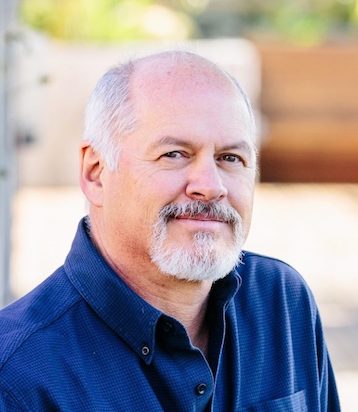
David Welsh is a Professor in the Department of Management and Entrepreneurship at Arizona State University's W. P. Carey School of Business, specializing in workplace ethics, unethical behavior, and organizational dynamics. His research has been published in top-tier journals and featured in mainstream media. Ph.D. in Management (University of Arizona, 2014) J.D. (University of Utah, 2010) B.S. in Management (Southern Utah University, 2007) His research focuses on behavioral ethics , ethical decision-making , and self-regulation , examining how performance goals, leadership styles, and social influences affect workplace morality. Recent work explores prosocial behaviors like voice and organizational citizenship alongside unethical transgressions. Welsh's articles reveal trends linking ethical leadership to dual outcomes of organizational effectiveness and unintended deviance, goal-setting to depletion and unethicality, and social dynamics to peer-driven moral behavior. His studies often employ field experiments and experience sampling methodology. Ascendant Scholar award (Western Academy of Management, 2019) W. P. Carey Dean's Mid-Career Research award (2022) Outstanding Practical Implications for Management Paper award (2021) Professional MBA Faculty Excellence award (2022) At ASU, Welsh mentors doctoral students, serves on PhD committees, and manages the Management Department Behavioral Lab. He is an Associate Editor at Personnel Psychology and teaches graduate courses on research, ethics, and dissertation advising.
Yana Suchy is a Professor in Clinical Psychology and Neuropsychology at the University of Utah. She leads the ConVExA Lab and Executive Lab, focusing on executive functions and their role in daily living. Her research spans neuropsychological assessment, aging, and cognitive vulnerabilities in neurodegenerative conditions. Education: Ph.D. in Psychology (University of Wisconsin-Milwaukee, 1998), Postdoctoral fellowship in Clinical Neuropsychology (Evanston Hospital, 1998-2000) Labs: ConVExA Lab, Executive Lab Contact: Office 1301b BEHS, Phone 801-585-0796, Email yana.suchy@psych.utah.edu Her research explores executive functions as a stable yet fluctuating trait that determines daily behavior in healthy aging and clinical populations (e.g., dementia, brain injury). She developed the Contextually Valid Executive Assessment (ConVExA) model to address gaps in ecological validity, emphasizing how task complexity and environmental factors influence functional outcomes. Recent publications analyze executive function testing (D-KEFS), emotion regulation, diabetes management, and intra-individual variability. She mentors graduate students in advanced research methods and clinical applications. Her work highlights the interplay between executive functioning, sleep quality, pain, and self-regulation in older adults, with implications for personalized medicine and neuropsychological assessment.
Aaron Pincus is a Professor of Psychology at Penn State University's Department of Psychology within the College of the Liberal Arts. He is a Licensed Psychologist with extensive research expertise in personality psychology, clinical psychology, and interpersonal processes. Dr. Pincus directs the Personality Psychology Laboratory with a focus on adult clinical psychology. His primary research interests include Contemporary Integrative Interpersonal Theory (CIIT), pathological narcissism, and the DSM-5 Alternative Model of Personality Disorders. His work integrates clinical and personality psychology through the "interpersonal situation" framework, examining how individual differences in personality impact social functioning across multiple timescales. Dr. Pincus has developed several assessment tools including the Pathological Narcissism Inventory (PNI), the Inventory of Interpersonal Problems Circumplex Scales (IIP-C), and the Interpersonal Stressors Circumplex (ISC). His recent publications demonstrate expertise in circumplex measurement methods, interpersonal pathoplasticity, and the integration of personality structure and dynamics. Contemporary Integrative Interpersonal Theory (CIIT) Circumplex Measures and Methods Interpersonal Pathoplasticity Integration of Personality Structure and Dynamics Pathological Narcissism (grandiosity and vulnerability) DSM-5 Alternative Model of Personality Disorders His laboratory employs intensive repeated measures of social perception and behavior using daily diary assessments via smartphone technology to examine intraindividual variability across interactions, days, weeks, and years. This research connects social perception, behavior, emotions, and symptoms to stress, health, psychopathology, and adjustment.
Daniel Coppersmith is an Assistant Professor joining the Department of Psychological and Brain Sciences at the University of Massachusetts Amherst in Fall 2025. His research program is dedicated to advancing the understanding, prediction, and prevention of suicide using innovative technologies such as smartphones and wearable biosensors. He is affiliated with the College of Natural Sciences and operates at the intersection of clinical psychology and computational behavioral science. His research interests center on the dynamic, heterogeneous nature of suicidal thoughts and behaviors. Key areas include: Describing the form and function of suicidal ideation Identifying time-varying risk and protective factors Developing personalized, scalable interventions using real-time data His work emphasizes affect regulation, temporal dynamics, and just-in-time adaptive systems to support individuals at risk. Analysis of his recent publications reveals a strong focus on digital mental health tools, computational modeling of suicide risk, and the development of real-time interventions. His work frequently employs longitudinal data, dynamic systems modeling, and mobile technology to capture intraindividual variability in suicidal thinking. Collaborations with leading figures such as Matthew K. Nock and Emily M. Kleiman underscore his integration into top-tier research networks in clinical and computational psychiatry. Although no scientific awards are currently listed, his publication record in premier journals like Proceedings of the National Academy of Sciences and Behaviour Research and Therapy highlights significant scholarly impact. His future work is expected to expand the reach of precision suicide prevention through scalable, technology-enhanced care models. Dr. Coppersmith advises graduate students in clinical psychology and related fields, though specific advisees are not yet listed. His lab likely focuses on digital phenotyping, suicide risk modeling, and intervention development. He may pursue grants from NIH, NIMH, and private foundations focused on mental health innovation and suicide prevention. His team is expected to include data scientists, clinical psychologists, and software developers working on real-time behavioral monitoring systems.
Daniel Vallero is an Adjunct Professor in the Department of Civil and Environmental Engineering at Duke University . He holds a Ph.D. from Duke (2000) , an M.S. from the University of Kansas (1996) , and a B.A. from Southern Illinois University (1974) . His career spans environmental engineering, exposure assessment, and climate change adaptation, with affiliations including North Carolina Central University (2012-2013) as Associate Professor. Education B.A., Southern Illinois University, 1974 M.S., University of Kansas, 1996 Ph.D., Duke University, 2000 Key Research Areas Environmental systems science Air pollution modeling and control Hazardous waste bioremediation Climate change governance Exposure-based chemical prioritization Biogeochemical cycling under climate stress Publication Trends Focus on PFAS exposure pathways , climate adaptation strategies , and pollutant fate in ecosystems Recent work includes high-throughput exposure models and environmental justice in global warming Scientific Awards Federal Honor Awards (2025) from the U.S. EPA Jeffrey B. Taub Award (1999) at Duke University Notable Contributions Authored Air Pollution Calculations and Environmental Systems Science Developed exposure prioritization tools like Ex Priori Post-9/11 environmental contamination studies in New York City
Gianvito Laera is a Postdoctoral Research Fellow at the University of Geneva's Department of Psychology within the Faculty of Psychology and Educational Sciences. He works in the Cognitive Aging Lab, focusing on prospective memory research with particular emphasis on time-based memory processes across the lifespan. His research integrates cognitive psychology, neuroscience, and gerontology to understand how people remember to perform future intentions. Dr. Laera received his PhD in Psychology from the University of Geneva (2018-2023), following a Master of Science in Neuroscience and Neuropsychological Rehabilitation from the University of Padua, Italy (2013-2016), and a Bachelor of Science in Psychological Sciences and Techniques from the University of Bari 'Aldo Moro', Italy (2010-2013). Prior to his doctoral studies, he worked as a Research Assistant at Keele University's Neuropsychology Lab (2016-2018) and completed a research internship at the University of Padua (2015-2016). His research primarily investigates prospective memory—particularly time-based prospective memory—which involves remembering to perform intended actions at specific future times. His work examines age-related differences in these processes, neural correlates using EEG methodology, strategic monitoring behaviors, and the impact of various contextual factors on memory performance. He employs both laboratory and web-based experimental approaches to study how people monitor time, check clocks, and manage cognitive resources when executing delayed intentions. His research has important implications for understanding cognitive aging and developing interventions to support memory in older adults. Analysis of his publication record reveals consistent focus on time-based prospective memory mechanisms across 15 recent publications. His work demonstrates sophisticated methodological approaches including meta-analyses, experimental manipulations of clock-speed, EEG measurements, and longitudinal assessments. Key trends include examining the cost of monitoring behavior, strategic clock-checking patterns, neural correlates of memory retrieval, and the relationship between personality factors and cognitive performance in aging populations. While no specific scientific awards are documented in the available information, his research has been published in high-impact journals across psychology, neuroscience, and gerontology, reflecting recognition within his field. As a postdoctoral researcher, Dr. Laera continues to develop his independent research program while collaborating with senior researchers in the Cognitive Aging Lab. His work bridges experimental cognitive psychology with real-world applications for understanding memory changes in aging populations.
Håkan Fischer is a Professor of Human Biological Psychology at Stockholm University, where he has served as Head of the Department of Psychobiology and Epidemiology since 2011. He also holds an associate professor position at Karolinska Institutet, is affiliated with the Aging Research Center and Stockholm University Brain Imaging Centre, and is a faculty member at Digital Futures at the Royal Institute of Technology. Since September 2025, he has additionally served as a visiting professor at Linköping University. Fischer has established himself as a leading researcher in emotional and cognitive processing, with particular expertise in socio-emotional aspects across the lifespan. Fischer earned his PhD in psychology from Uppsala University in 1998, followed by postdoctoral research at Harvard Medical School (1999-2001). He then worked at the Aging Research Center at Karolinska Institutet before joining Stockholm University in 2011. His academic journey includes a sabbatical year (2021-2022) at the University of Florida's Department of Psychology. Fischer is actively involved in university governance as a member of the Swedish Research Council's Subject Council for Humanities and Social Sciences (2023-present) and represents Stockholm University in multiple international collaborations. Håkan Fischer's research primarily focuses on investigating intra- and interindividual differences in affective, cognitive, social and perceptual processing, with special emphasis on age-related differences in adults. His laboratory employs advanced neuroimaging techniques including fMRI, PET, and fNIRS to examine brain function, while also utilizing structural imaging methods like T1-weighted imaging, DTI, and perfusion imaging to study brain structure. Fischer advocates for single-subject small-N designs to better understand emotional and cognitive mechanisms. His current research lines include socio-emotional perception and recognition, oxytocin effects on socio-emotional processing across the lifespan, and AI development for interpersonal communication analysis. Analysis of Fischer's recent publications reveals a strong focus on emotion recognition across populations, neurobiological mechanisms of socio-emotional processing, and methodological innovations. His work consistently integrates behavioral testing, neuroimaging, and genetic analysis to provide comprehensive insights. The increasing incorporation of AI approaches demonstrates his adaptation to emerging technological advances in psychological research. Fischer has published 136 peer-reviewed articles with over 12,200 citations and a Google Scholar h-index of 53. Fischer has received consistent funding since 2002 from prestigious sources including the Swedish Research Council, Wallenberg Foundation, STINT, Riksbankens Jubileumsfond, and Konung Gustav V och Drottning Victorias stiftelse. He currently leads nine funded research projects (two as principal investigator totaling 6.9 million SEK, seven as co-applicant totaling 24.8 million SEK) spanning multiple international collaborations in Sweden, Germany, and the USA. As an educator, Fischer leads the basic course in Cognitive Neuroscience and the master's course in Emotion Psychology and Affective Neuroscience. He regularly teaches at both undergraduate and advanced levels, primarily in biological psychology, cognitive neuroscience, and emotion psychology. Fischer currently supervises six doctoral students (one as main supervisor, four as assistant supervisor) and has mentored graduate students since 2002. Håkan Fischer leads a dynamic research laboratory that investigates emotional, social, perceptual, and cognitive processing. The lab examines how intraindividual variations across stimuli and time, as well as interindividual differences in age, gender, genetics, personality, and sleep deprivation affect these processes. His lab maintains active national and international collaborations with researchers at Stockholm University, Uppsala University, Karolinska Institutet, University of Florida, and University of Gothenburg, creating a robust interdisciplinary research environment focused on translating basic neuroscience into practical applications.
David Balota serves as an Adjunct Professor in the Department of Psychological and Brain Sciences at Washington University in St. Louis. With a career spanning multiple decades, his research has significantly contributed to our understanding of cognitive processes in aging and Alzheimer's disease. His work bridges theoretical cognitive psychology with clinical applications, particularly in developing sensitive cognitive markers for early detection of neurodegenerative conditions. Dr. Balota's primary research interests focus on the interplay between attention, memory, and language processing, with specific emphasis on how these cognitive domains change in healthy aging and in the presence of dementing illnesses like Alzheimer's disease. His research program has extensively examined automatic and controlled processes in cognitive tasks, lexical decision performance across the lifespan, and the development of sensitive cognitive markers for preclinical Alzheimer's disease. A significant portion of his recent work has focused on mind-wandering, reaction time variability, and their relationship to Alzheimer's disease biomarkers. His extensive publication record demonstrates consistent contributions to the field, with recent work increasingly incorporating digital assessment methods and biomarker research. Dr. Balota has made notable contributions to understanding how subtle cognitive changes can predict progression to cognitive impairment, particularly through examining attentional control processes and their relationship to tau pathology and neurodegeneration. Dr. Balota has been instrumental in developing large-scale lexical decision and naming corpora that have become standard resources in psycholinguistics research. His work on the English Lexicon Project has provided valuable data for understanding word recognition processes across different age groups and clinical populations.
Brennan R. Payne is an Associate Professor in the Department of Psychology at the University of Utah, specializing in Cognitive and Neural Science (CNS). He leads the LaMA Lab, focusing on interdisciplinary research that integrates cognitive neuroscience, gerontology, linguistics, and quantitative psychology. PhD, University of Illinois (2014) MS, University of Illinois (2012) BA, SUNY Oswego (2009) Payne's research investigates language and memory systems across the adult lifespan, examining how attentional control modulates these systems and their functional organization in the human brain. His lab employs a multi-method approach combining: Cognitive electrophysiology (ERPs, TMS-EEG) Physiological measurements (pupillometry) Eye-tracking and behavioral experiments Advanced statistical modeling techniques Recent publications highlight trends in semantic prediction mechanisms, noise-induced cognitive load, and temporal dynamics of language processing. Key subfields include neural correlates of memory, age-related cognitive changes, and multimodal integration. Payne mentors undergraduate research assistants, honors thesis students, and human factors certificate candidates. The LaMA Lab offers graduate opportunities in experimental psychology and cognitive neuroscience. Contact: Office 1034 BEHS | Phone: 801-581-5040 | Email: brennan.payne@utah.edu
Anu Realo is a Professor at the University of Warwick's Department of Psychology and a Visiting Professor at the University of Tartu's Institute of Psychology. Elected to the Estonian Academy of Sciences in 2018, she is a leading personality and cross-cultural psychologist with over 180 publications, including 130+ peer-reviewed journal articles. Education: PhD in Psychology Her research explores personality traits, subjective well-being, and cultural dimensions like individualism-collectivism, social capital, and tightness-looseness. Key areas include genetic influences on personality, sleep patterns, and cross-cultural differences in social behavior and psychological outcomes. Recent publications demonstrate interdisciplinary integration of personality psychology, sleep science, and genetic analysis. Themes include personality-chronotype interactions, cross-cultural drivers of scientific productivity, genetic heritability of Neuroticism, and emotional regulation in anger expression. Scientific Awards Elected to Estonian Academy of Sciences (2018) Order of the White Star (IV Class) recipient for national contributions (2016) National Science Award of Estonia in social sciences for cross-cultural studies (2010) As Director of Graduate Studies at Warwick and former Vice-Chair of the Estonian Research Council's Evaluation Board, she shapes academic training and research funding policies. Her role as Principal Investigator for the World Values Survey in Estonia underscores her leadership in cross-cultural data collection and analysis.
Ronald Bledow is an Associate Professor of Organisational Behaviour & Human Resources at the Lee Kong Chian School of Business, Singapore Management University. He holds a Ph.D. in Organizational Psychology (with Highest Honors) from the University of Giessen (2010). His research focuses on affect and self-regulation, creativity and innovation, leadership dynamics, and multilevel organizational processes. Notable projects include the DYNAVITY joint Singapore-German research initiative and grants from the German Federal Ministry of Education and Singapore's Ministry of Education. His work bridges psychological mechanisms with organizational outcomes, emphasizing how temporal factors (e.g., chronotype alignment, sleep quality) and leadership behaviors influence creativity, work engagement, and procrastination. Key contributions include demonstrating how time pressure and positive affect compensate for self-regulatory failures and revealing inverted-U relationships between action-state orientation and creativity under low autonomy. Awards include the Deutsche Gesellschaft für Psychologie Dissertation Award (2011) and Outstanding Reviewer recognition from the Academy of Management. His research spans entrepreneurship self-efficacy dynamics, ambidextrous leadership, and the temporal patterns of team innovation. Current strategic priorities include digital transformation's impact on organizational creativity and well-being. His academic service includes grant peer reviews and contributions to journals like Journal of Applied Psychology and Academy of Management Journal . He maintains active collaborations with institutions such as Ulm University (Germany) and Amsterdam Business School.
Esther Ulitzsch is an Associate Professor at the University of Oslo 's Centre for Educational Measurement (CEMO) . Her research focuses on advancing psychometric models, particularly Bayesian latent variable techniques for small-sample conditions, and analyzing digital interaction data from simulated learning environments. She holds a PhD from Freie Universität Berlin and previously worked as a Research Associate at the IPN – Leibniz Institute for Science and Mathematics Education in Kiel, Germany. Education: PhD in Educational Measurement (Freie Universität Berlin) Research Associate at IPN Kiel Research Interests: IRT model development for aberrant response detection Efficient estimation in small samples Clickstream analysis for student behavior Test-taking engagement dynamics Publications: Over 20 peer-reviewed articles since 2017, including work on mixture models for careless responding, neural networks for IRT estimation, and Bayesian factor modeling. Recent contributions address response time analysis, cross-country measurement invariance, and sequential process mining in interactive tasks. Affiliations: Active in the CREATE (Research on Equality in Education) and FREMO (Frontier Research in Educational Measurement) groups at CEMO.
Professor Melissa Green is a faculty member in the School of Clinical Medicine at the University of New South Wales (UNSW). She holds a PhD in Psychology from the University of Sydney (2002), an M.Litt from the University of New England (1998), and a B.A. from the University of Queensland (1995). Her research focuses on understanding mental disorder risk across the lifespan, integrating epidemiology, neuroscience, and genetics. She leads the NSW Child Development Study, a longitudinal investigation of 90,000 children in NSW, analyzing health and service data to explore early-life risk factors for conditions like psychosis. Key collaborations include Neuroscience Research Australia (NeuRA), UNSW School of Psychology, and international consortia like ENIGMA. Current roles include Academic Board Member of the Faculty of Health and Medicine at UNSW, Associate Editor for the British Journal of Clinical Psychology, and advisory roles with organizations like Beyond Blue and the Psychosis Australia Trust. Her work emphasizes social determinants of health, stress impacts, and translational research linking biological mechanisms to mental health outcomes. Her research highlights include studies on childhood maltreatment’s mental health consequences, developmental trajectories of schizotypy, and environmental exposures (e.g., air pollution). She has published extensively on psychiatric genetics, brain morphology in schizophrenia, and service utilization patterns in youth. Her work bridges clinical, public health, and policy domains, aiming to improve early intervention strategies and population-level mental health outcomes.
Stephen C. Adolph is the Stuart Mudd Professor of Biology at Harvey Mudd College. He is affiliated with the Department of Biology and actively engages in teaching and research. His primary roles include directing undergraduate research and collaborating with institutions like Claremont McKenna College. Education: B.S., Stanford University (Biological Sciences) M.S., Stanford University (Biological Sciences) Ph.D., University of Washington (Zoology) Dr. Adolph’s research focuses on the physiological, evolutionary, and behavioral ecology of lizards. His lab investigates topics such as stochastic population dynamics in Xantusia lizards, optimal foraging in arboreal lizards, physiological ecology of lizard eggs, and thermal performance curves. Past projects include tuatara conservation, tarantula locomotion, and lizard thermal biology. The articles of Dr. Adolph span thermal biology, ecological modeling, evolutionary adaptation, and statistical methodology. His work often integrates mathematical approaches with empirical data, emphasizing interdisciplinary research in ecology and physiology. Dr. Adolph collaborates with researchers like Lars Schmitz (Claremont McKenna College) on lizard ecology. He has mentored undergraduate researchers such as Arman Khasru and Callie Dawson, with publications frequently involving student co-authors.
Chenlu Gao, Ph.D., is a Research Fellow in Anaesthesia at Massachusetts General Hospital, with a strong research focus on sleep science, cognitive neuroscience, and their intersection with aging and neurodegenerative diseases. Her work bridges clinical anesthesiology with fundamental neuroscience to understand how sleep patterns influence cognitive health across the lifespan. As a principal investigator on multiple NIH-funded projects, she leads innovative research examining the relationship between circadian rhythms, sleep behaviors, and cognitive outcomes. Education: PhD in Psychology, Baylor University (2021) MA in Psychology in Education, University of Pittsburgh (2016) BS in Psychology, University of Pittsburgh (2013) Dr. Gao's research program centers on the critical relationship between sleep patterns and cognitive health in aging populations. Her work investigates how circadian rhythm disruptions, daytime napping behaviors, and sleep quality contribute to cognitive decline and Alzheimer's disease progression. She employs sophisticated methodologies including actigraphy, longitudinal cohort analysis, and fractal regulation metrics to uncover novel biomarkers of cognitive resilience. Her publication record demonstrates a clear trajectory of increasingly sophisticated research on sleep-cognition relationships, with recent work focusing on weekend sleep patterns, circadian disruptions in HIV populations, and the predictive value of rest-activity rhythms for dementia risk. Her studies consistently integrate objective sleep measurements with comprehensive cognitive assessments to establish causal pathways. Scientific Awards: American Psychological Association Dissertation Research Award (2020) Psi Chi Honor Society Graduate Research Grant (2020) Sleep Research Society Trainee Merit Award (2019) Baylor University Presidential Fellowship (2016) Dr. Gao currently serves as Principal Investigator on two major research grants examining the relationship between daytime napping patterns and Alzheimer's disease risk, funded by the American Academy of Sleep Medicine and the Alzheimer's Association. Her collaborative approach is evident in her extensive co-authorship network spanning sleep medicine, neurology, and geriatrics specialists. While specific laboratory details aren't provided in the available information, her research appears to be conducted within the Department of Anaesthesia at Massachusetts General Hospital, likely collaborating with the hospital's sleep medicine and neurology divisions.