Rovincer Najjuma is a Lecturer in Digital Education and the Global South at the University of Edinburgh's Moray House School of Education and Sport, affiliated with the Centre for Research in Digital Education. His research focuses on digital education ecosystems, intersectionality frameworks, and leveraging technologies to enhance access for marginalized populations in post-conflict regions and the Global South. Education: PhD in Education; Master of Education in Curriculum Design; Postgraduate Diplomas in ICT in Education and Education; Bachelor of Social Science (Political Science & Public Administration). Research explores digital education policy, mobile learning, refugee education, and generative AI applications. He has pioneered digital professional development programs in Africa, including designing Makerere University's first fully online Masters in Instructional Design Technology. Grants include Royal Society of Edinburgh funding (2024-2025), USAID/Resilient Africa Network grants (2021-2024), and Commonwealth Academic Fellowships. Key collaborations include work with University of Oxford on mobile technologies in teacher preparation, University of Stellenbosch's Emerging Scholars Initiative, and UNICEF-funded projects on non-state schools in Uganda.
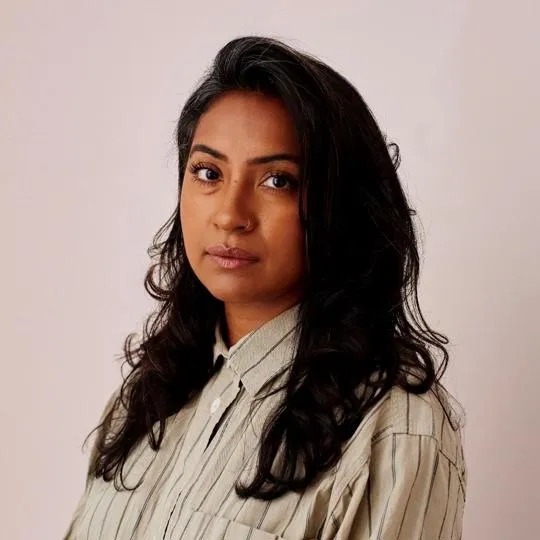
Renasha Khan is a Lecturer in Religion, Politics and Ethics at King’s College London, based in the Department of Theology & Religious Studies within the Faculty of Arts & Humanities. She holds a PhD in the Sociology of Religion from King’s College London. Her research focuses on digital religion, examining how social media shapes narratives of British Bangladeshi Muslim women’s agency, identity, and belonging through decolonial and feminist methodologies. She co-designed decolonised pedagogical modules at King’s, emphasizing lived experiences and challenging dominant epistemologies. Her teaching spans religion, politics, ethics, sociology, race, and gender at undergraduate and postgraduate levels, employing film and digital media to foster critical thinking. Beyond academia, she is an award-winning documentary filmmaker and media consultant for BBC, Sky Arts, and National Geographic. She co-founded Forward Culture to empower South Asian women and leads the Religion, Neurodiversity and Disability Network. Publications include Living the Muslim Atlantic: Race, Gender, and the Politics of Marginality (2020) and works addressing digital activism and Muslim women’s online identities. She actively engages in policy work on digital rights and inclusive futures through her roles at the British Sociological Association and King’s College London.
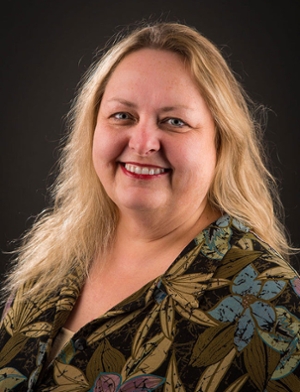
Eileen Klein is an Associate Professor of Social Work and Convener of the BSW Program at Ramapo College of New Jersey's School of Social Science and Human Services. Her work focuses on LGBTQ mental health treatment , community support systems , and policy reform for marginalized populations. Klein has presented extensively at international conferences on topics like cultural competency in social work education and LGBTQ health disparities . Ph.D., M.S., and M.S.W. from New York University and SUNY Buffalo Key research areas: LGBTQ Mental Health, Community Health Disparities, Forensic Social Work Published 15+ works (2013-2021) on topics ranging from polypharmacy to support programs for LGBTQ clients Active in professional development: Delivered presentations at conferences across the U.S. and Italy on topics including integrated treatment and supervision of student interns
Jennifer D. Oliva is a Professor of Law at Indiana University Maurer School of Law where she holds the Val Nolan Faculty Fellow position. She maintains significant interdisciplinary affiliations as a Research Scholar at Georgetown University Law Center's O'Neill Institute for National & Global Health Law and as a Senior Scholar with the UCSF/UC Law Consortium on Law, Science & Health Policy. Her academic work bridges legal scholarship with practical health policy development, focusing on the intersection of constitutional protections, public health needs, and modern surveillance technologies. Professor Oliva's research interests center on health law, privacy law, and drug policy with particular expertise in prescription drug monitoring programs (PDMPs), health information privacy, and the legal dimensions of the opioid crisis. Her scholarship critically examines how law enforcement surveillance of prescription data impacts patient privacy rights, particularly for vulnerable populations including those with substance use disorders. She has developed significant expertise in how constitutional privacy protections apply to health data in the digital age, especially following the Supreme Court's decision in Carpenter v. United States. Her recent publications reveal a growing focus on algorithmic regulation in healthcare, examining how risk scoring systems and coverage algorithms can perpetuate health disparities. She has published extensively on the intersection of reproductive rights and health data privacy in the post-Dobbs landscape, analyzing how prescription monitoring systems could be weaponized against individuals seeking reproductive healthcare. Her work consistently connects doctrinal legal analysis with public health realities, advocating for evidence-based policy approaches that prioritize patient privacy and health equity over punitive enforcement. Dosing Discrimination: Regulating PDMP Risk Scores (2022) The "New" Drug War (2024) Prescription Drug Policing: The Right to Health Information Privacy Pre- and Post-Carpenter (2020) Opioid Multidistrict Litigation Secrecy (2019) Surveillance, Privacy, and App Tracking (2020) Professor Oliva actively engages with policymakers and has contributed to amicus briefs in significant cases including Ruan v. United States. Her scholarship has been cited in legal proceedings and she regularly presents at major academic conferences including the Association of American Law Schools Annual Meeting. She has collaborated with scholars across disciplines including public health researchers, medical ethicists, and data scientists to address complex challenges at the intersection of law, technology, and healthcare.
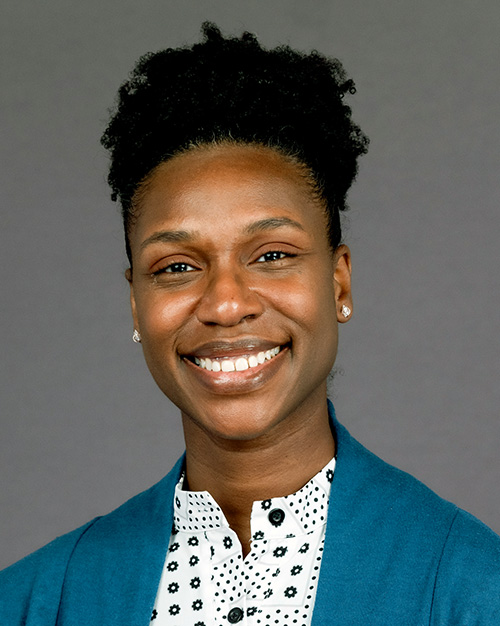
Kelly K. Ivy, Ph.D. is an Assistant Professor at the University of the District of Columbia (UDC) in the College of Arts and Sciences. Specializing in culturally responsive math teaching and urban STEM education, she contributes to teacher self-efficacy research and curriculum development. Her work bridges academic inquiry with practical applications in K-12 and higher education contexts. Doctor of Philosophy in Mathematics Education, University of Maryland, College Park Master of Education in Curriculum & Instruction, Trinity Washington University Bachelor of Science in Mathematics, Secondary Education Professional Minor, Howard University Dr. Ivy’s research focuses on urban STEM education , culturally responsive pedagogy , and equitable mathematics instruction . She emphasizes teacher self-efficacy and interdisciplinary literacy, particularly in linguistically diverse classrooms. Her publications highlight strategies for improving STEM outcomes for African American students and reflective practices in culturally relevant teaching. Recent publications (2019–2024) span topics including equitable teaching , Black female STEM perspectives , and curriculum innovation . These works employ qualitative research methods and stress cultural relevance in urban settings. Faculty Scholar of Promise Award, UDC’s College of Arts and Sciences (2024) Dr. Ivy serves as Co-Project Manager for the Katherine G. Johnson Math Teacher Training Institute (2025–Present) and has participated in the Maryland Collaborative for Research in Urban STEM Education (2020–23). Her advocacy for Black students in STEM includes presentations at national conferences and media engagements.
Kihana Miraya Ross is an Assistant Professor in the Department of Black Studies at Northwestern University, affiliated with the Weinberg College of Arts & Sciences. She holds a Ph.D., M.A., and B.A. from UC Berkeley in Social and Cultural Studies of Education, African American Studies, and Sociology. Her research focuses on antiblackness in education, Black educational fugitivity, and educational reparations, employing critical ethnography and participatory design methods. Her book project examines the afterlife of school segregation and strategies for Black educational futurities. She co-directed the documentary Stolen School , exploring the closure of Evanston’s Foster School and its lasting impacts. Ross has received major grants from the Spencer Foundation and fellowships from the Ford Foundation. Education: Ph.D. in Social and Cultural Studies of Education (UC Berkeley, 2016) M.A. in Social and Cultural Studies of Education (UC Berkeley, 2011) B.A. in African American Studies, Sociology, and Education (UC Berkeley, 2002) Key Projects: Spencer Foundation-funded research on Evanston’s educational reparations Documentary Stolen School (2023) Awards: 2021 Spencer Foundation Large Grant 2017 Ford Foundation Postdoctoral Fellowship Ross’s work bridges historical analysis and contemporary activism, advocating for systemic change through frameworks like Black fugitivity. She collaborates with community organizations like Shorefront Legacy Center and mentors interdisciplinary projects on race, education, and spatial justice.
Dr. Pammla Petrucka is a Professor at the University of Saskatchewan's College of Nursing and affiliated with the School of Public Health. A USask graduate with degrees in Nursing (BScN, MN, PhD), she focuses on marginalized populations' health through innovative methodologies like qualitative and mixed methods. Her research emphasizes Women’s Health, Global Health, Menstrual Hygiene Equity, and One Health initiatives. Current projects include improving healthcare accessibility in developing regions and addressing menstrual hygiene disparities. She teaches courses on leadership in nursing, rural nursing practices, and evidence-based health care. Dr. Petrucka’s work has been nationally and internationally funded, supporting collaborative research teams across disciplines. She has authored numerous peer-reviewed publications addressing global health challenges and cultural barriers to healthcare access. Her honors and fellowships reflect recognition for advancing nursing science and public health equity. Grants & Funding: Successfully secured funding at local, provincial, national, and international levels for research projects. Advising: Mentors a large cohort of graduate and undergraduate students in nursing and public health. Labs/Teams: Leads interdisciplinary groups focused on global health equity and maternal-child health interventions. Her sabbatical (July 2024–June 2025) will likely expand her work on One Health innovations and menstrual hygiene advocacy.
Professor Holly Thorpe is a Professor of Sociology in Te Huataki Waiora / School of Health at the University of Waikato, specializing in Sport and Human Movement. She serves as Associate Dean Research in the Division of Health PVC Office and is an internationally recognized sociologist of sport, physical culture and gender whose work has earned prestigious fellowships and awards including Fulbright, Leverhulme, and Royal Society honors. Her educational background includes a PhD from the University of Waikato and Papa Reo Level 1 certification from Te Wananga o Aotearoa, reflecting both academic excellence and cultural engagement with Māori language and knowledge systems. Professor Thorpe's research centers on equity and inclusion in sporting cultures, with particular attention to women's health and wellbeing, sport and gender, and the impact of social media on athletic experiences. She employs critical and feminist theoretical frameworks with expertise in qualitative methods to examine how sport, physical activity, and health intersect in rapidly changing social landscapes. Her work spans gender studies, feminist methodologies, sports science, sociology of health, and digital media studies within sporting contexts, with a strong commitment to community-engaged research. Her extensive publication record reveals consistent thematic focus on contemporary issues including menstruation in sport, digital technologies and athlete experiences, pandemic impacts on wellbeing, and the gendered dimensions of mega-sport events. Her work frequently employs intersectional analysis and collaborates across disciplines to address complex questions about embodiment, identity, and social change in sporting cultures, particularly as they relate to women and marginalized communities. Professor Thorpe's significant scholarly recognition includes: Royal Society Early Career Research Excellence Award for Social Sciences (2018) Fellow of the North American Society for the Sociology of Sport (2018) Royal Society James Cook Fellowship for a two-year project focused on women's wellbeing through and beyond pandemic (2021) She actively supervises students and has secured substantial research funding including the Te Punaha Matatini CORE Research Institute project 'Youth Wellbeing in Uncertain Times: The Voices of Rangatahi from Flood-Effected Tairāwhiti Gisborne' (2023-2025). Professor Thorpe collaborates extensively with international and national sports organizations including the International Olympic Committee, High Performance New Zealand, Sport New Zealand, Skateistan, and Voice in Sport to ensure her research has real-world impact on policy and practice. She serves as Series co-editor for 'New Femininities in Digital, Physical and Sporting Cultures' and maintains active media engagement through The Conversation and other outlets. Professor Thorpe leads several significant research initiatives including 'Reimagining Fields of Play' (2023) and co-organized the 'Gender, Health and Wellbeing Symposium' (2022), demonstrating her commitment to creating spaces for critical dialogue about sport, gender, and health while advancing culturally responsive methodologies that center Indigenous and diverse perspectives.
Maureen Kendrick is a Professor and Deputy Department Head in the Department of Language & Literacy Education at the University of British Columbia's Faculty of Education. Her research examines literacy and multimodality as integrated communicative practices, addressing social and cultural issues in diverse contexts with particular emphasis on visual communication and refugee/migrant education. Her research interests span digital literacies, multiliteracy and multimodality, and international perspectives on literacy education. She investigates how youth from refugee backgrounds use multimodal approaches to construct identities and engage with learning, often through digital storytelling and visual methodologies. Her work extends to health literacy in Ugandan contexts and the role of play in early childhood literacy development across Canada, Kenya, and Uganda. Analysis of her recent publications reveals consistent focus on refugee/migrant education, digital storytelling, and multimodal literacy. She examines how digital tools empower marginalized youth to express identities while addressing challenges in language learning and cultural integration. Her research also explores HIV/AIDS education through makerspaces and the intersection of arts-based practices with science literacy. Dr. Kendrick's scientific recognition includes: Canadian Committee for Graduate Students in Education (CCGSE) Mentorship Award (2024) Killam Teaching Prize (2012-13) Alan C. Purves Award (2013) She actively supervises graduate students across doctoral and master's programs, with current research focusing on refugee education and multilingual learners. Her SSHRC-funded projects include the 2025-2029 grant 'Digital Multimodal Composing-To-Learn' and the 'Language and Literacy Learning Among Refugee and Migrant Background Children' initiative, involving collaborators from UBC, York, and Western universities. Dr. Kendrick leads international research teams across Canada, Uganda, and Kenya, developing community-engaged approaches to literacy education that bridge academic research and classroom practice.
Dan Lizotte is an Associate Professor jointly appointed to the Department of Computer Science in the Faculty of Science and the Department of Epidemiology and Biostatistics in the Schulich School of Medicine & Dentistry at Western University. Additional affiliations include the Schulich Interfaculty Program in Public Health and a cross-appointment to the Department of Statistics and Actuarial Sciences. Based in Middlesex College, London, Ontario, his contact email is dlizotte@uwo.ca. His research centers on machine learning and biostatistics for health decision support, with emphasis on sequential decision-making in chronic disease management where evolving patient health status and preferences inform adaptive interventions. Core contributions involve adapting reinforcement learning frameworks to model dynamic health decisions in public health and primary care settings, addressing methodological challenges in personalized medicine and risk prediction. Analysis of his publication record reveals consistent focus on healthcare applications of machine learning, particularly in chronic disease risk modeling using electronic medical records, intersectionality frameworks in public health AI, and Bayesian methods for dose personalization. His work bridges reinforcement learning with clinical decision support systems, advancing dynamic treatment regimes and statistical methodologies for evolving patient data. No scientific awards were mentioned in the provided text. The text does not specify any advisees, grant funding, or educational background details. Lizotte leads a research laboratory focused on machine learning applications in health, as evidenced by the dedicated lab site referenced in his contact information. His team likely explores intersections of statistical methodology, AI ethics, and clinical implementation for personalized health interventions.
Naomi Murakawa is an Associate Professor in the Department of African American Studies at Princeton University, School of Arts and Sciences. Her research focuses on the reproduction of racial inequality in American politics, particularly in the realms of crime policy and the carceral state. Her scholarly work bridges political science, critical race theory, and legal studies. Key areas of interest include mass incarceration, racial liberalism, the historical development of crime control, and the paradoxes of reform within the criminal justice system. Her research, reflected in publications such as The First Civil Right: How Liberals Built Prison America and numerous journal articles, reveals how ostensibly progressive policies have contributed to the expansion of the prison system. Themes across her work include the racialized foundations of state power, the limitations of liberal reform, and the structural persistence of racial inequality in law and governance. Scientific Awards and Fellowships: Fellowship from Columbia Law School’s Center for the Study of Law and Culture Fellowship from Robert Wood Johnson Foundation’s Health Policy Research Program Professor Murakawa has advised graduate students and contributed to major scholarly and public conversations on race and justice. Her work has been supported by significant research grants and fellowships, enabling deep historical and theoretical analysis of the American carceral state. She is a leading voice in interdisciplinary debates on decarceration, abolition, and transformative justice. She is affiliated with research initiatives focused on race, law, and inequality, contributing to collaborative teams examining the intersections of policy, history, and social movements. Her ongoing scholarship continues to challenge conventional narratives about crime, punishment, and racial progress in the United States.
Laia Becares is a Professor of Social Science and Health at King's College London, part of the School of Global Affairs and the Department of Global Health & Social Medicine. She previously held roles at the University of Sussex (2018-2022) and the University of Manchester (2010-2018), where she maintains an Honorary position. She serves as an Editor of Sociology of Health and Illness and on the Academic Reference Group of the NHS Race and Health Observatory. Her work is funded by organizations such as the Nuffield Foundation and the Health Foundation. Laia holds a PhD in Social Epidemiology from University College London (UCL) and a Master's in Public Health from Boston University School of Public Health. Her research employs an interdisciplinary approach, collaborating with sociologists, psychiatrists, geographers, and demographers to understand how discrimination and marginalization perpetuate social and health inequities. Key areas include racism, homophobia/heterosexism, LGBTQ+ inequalities, and the impact of systemic oppression across life stages. She co-developed the Queerantine Study on pandemic impacts on LGBTQ+ communities and leads the ESRC Centre for Society and Mental Health, fostering student mentorship in health inequality topics. Her scientific awards include ESRC/MRC Postdoctoral Research Fellowship (2010-2012), Hallsworth Research Fellowship (2012-2016), and ESRC Future Research Leader Fellowship (2012-2015). Recent work focuses on ethnic healthcare disparities in multimorbidity and longitudinal studies of racism's effects on health outcomes. Ongoing projects include LGBTQ+ policymaking networks and the GHSM Anti Racism Steering Group, addressing structural inequities in academia and healthcare. Laia’s grants include Nuffield Foundation funding for ethnic inequalities in later life and Health Foundation support for healthcare equity studies. She advocates for integrating lived experiences into research design, particularly through the Evidence for Equality National Survey (EVENS). Her lab affiliations include Queer@King’s and the ESRC Centre for Society and Mental Health, emphasizing collaborative, community-driven approaches.
Dr. Michele Shaul serves as Professor of Spanish and Chair of the World Languages Department at Queens University of Charlotte, where she also directs the Center for Latino Studies. A dedicated scholar and educator, she co-founded the e-journal Label Me Latina/o and leads community-focused initiatives bridging academia and social outreach. Her academic credentials include: Ph.D. in Spanish-American Literature from the University of North Carolina, Chapel Hill M.A. in Spanish from the University of Florida, Gainesville B.A. with honors in Spanish from the University of Florida, Gainesville Dr. Shaul's research interrogates Latinx identity through literary criticism, translation, and creative writing, emphasizing intersectional experiences of race, gender, and disability within U.S. institutions. Her work actively challenges monolithic narratives while centering marginalized voices in both scholarly and artistic contexts. Analysis of her recent publications (2016-2023) reveals a cohesive trajectory exploring bilingual expression, cultural memory, and systemic inequity. Edited volumes on Latinx literature in Spanish and theater demonstrate scholarly rigor, while creative works like poetry and short stories employ personal narrative to examine reincarnation, hybrid identity, and border-crossing experiences. Her contributions have earned significant recognition: Queens’ 2016 Hunter-Hamilton Love of Teaching Award for pedagogical excellence 2023 Con A de Arte Award from the Latin American Coalition for cultural leadership Through the student/faculty Latino Studies Project, Dr. Shaul mentors researchers documenting Charlotte's Latino community history while collaborating with artists on tolerance-focused initiatives. Her editorial work with international scholars demonstrates sustained commitment to amplifying underrepresented voices across academic and creative domains. Dr. Shaul co-leads the e-journal Label Me Latina/o and directs the Latino Studies Project, fostering collaborative research between students, faculty, and Charlotte's Latino community. Her social outreach partnerships integrate art installations and performance to address diversity through experiential learning and public engagement.
Nichole Bauer is an Associate Professor of Political Communication at Louisiana State University (LSU), jointly affiliated with the Manship School of Mass Communication and the Department of Political Science. Her research focuses on gender and politics, particularly how strategic communication influences voter perceptions of women in political roles. Bauer’s work has been published in top journals like the Journal of Politics and Political Psychology, and she authored The Qualifications Gap: Why Women Must be Better than Men to Win Political Office , exploring the challenges women face in political elections. She also co-edited Politicking While Female , a collection examining barriers for women in politics, stemming from the Reilly Center’s 2019 Breaux Symposium. Her research interests include gendered stereotypes in political messaging, voter responses to female candidates, and the intersection of race and gender in campaigns. Bauer’s work frequently addresses how candidates navigate societal expectations and stereotypes to gain electoral support. She has also investigated media coverage of female candidates, fundraising strategies in congressional races, and the evolving abortion policy landscape post-Dobbs. Bauer’s interdisciplinary approach bridges political science, communication studies, and gender studies. Her recent publications analyze topics such as emotional appeals by women of color, gendered differences in judicial elections, and the structural ambivalence voters exhibit toward female candidates. Bauer’s contributions highlight systemic biases and the nuanced strategies women must employ to succeed in male-dominated political spheres. She is a sought-after scholar in gendered electoral dynamics and has advised on policy and communication strategies for political organizations.
Joe Feagin is the Ella C. McFadden Professor and Distinguished Professor of Sociology at Texas A&M University, College of Arts and Sciences. He holds a Ph.D. from Harvard University (1966) and has held prominent roles such as President of the American Sociological Association (1999-2000). His research focuses on systemic racism, racial and ethnic relations, and anti-racist education. Feagin has authored over 30 books and numerous articles, including seminal works like White Racism: The Basics and The White Racial Frame . He has received prestigious awards such as the W.E.B. Du Bois Career of Distinguished Scholarship Award (2013) and the Arthur Fletcher Lifetime Achievement Award (2013). Feagin's academic journey includes positions at the University of Texas, University of Florida, and Texas A&M. He served as Scholar-in-Residence at the U.S. Commission on Civil Rights (1974-1975). His courses at Texas A&M include the Sociology of African Americans, Classical Social Theory, and Racism and Anti-Racism. His research spans racial discrimination, gender relations, urban sociology, and systemic racism’s impacts. He has pioneered theories like systemic racism and the white racial frame. Feagin’s work emphasizes societal transformation through critical sociology and anti-racist practices. Key awards and recognitions include the Cox-Johnson-Frazier Scholarship Award (2018), Soka Gakkai International Social Justice Award (2012), and multiple fellowships. His grants and administrative roles include leadership in diversity initiatives at Texas A&M and national sociological organizations. Feagin’s legacy includes fostering anti-racist education, leading interdisciplinary research teams, and advocating for social justice. His work continues to influence policy, education, and public discourse on race in the U.S. and globally.