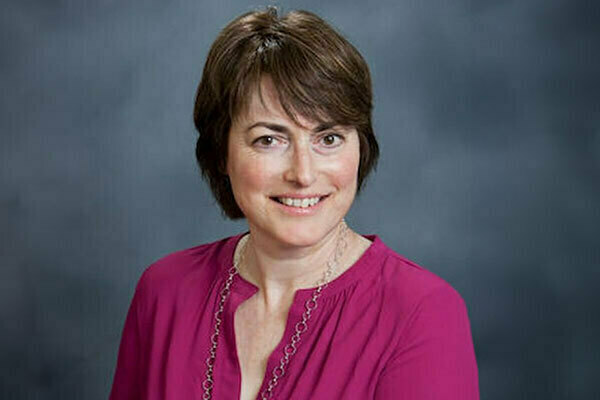
Dr. Kate Baker is a Programme Leader at the MRC Cognition and Brain Sciences Unit, University of Cambridge, and holds joint appointments as Assistant Professor of Clinical Genetics in the Department of Pathology and Honorary Consultant at Cambridge University Hospital. Her research bridges clinical genetics and cognitive neuroscience, focusing on neurodevelopmental disorders of genetic origin. She leads the Genomic Disorders and Cognitive Development group and the BINGO project, investigating how genetic variations impact neural systems and cognitive abilities like communication and social interaction. Her work emphasizes translational genomic medicine, aiming to improve evidence-based, person-centered care for individuals with intellectual disabilities. Research spans neurogenetics, cognitive phenotyping, synaptic function, and developmental trajectories. Publications consistently explore genotype-phenotype correlations in disorders like SYT1, ZDHHC9, and DDX3X, with recent work expanding into pandemic impacts on neurogenetic families. Key funders include the Baily Thomas Charitable Trust, NIHR Cambridge Biomedical Research Centre, and Great Ormond Street Hospital Charity. No awards are documented in available sources.
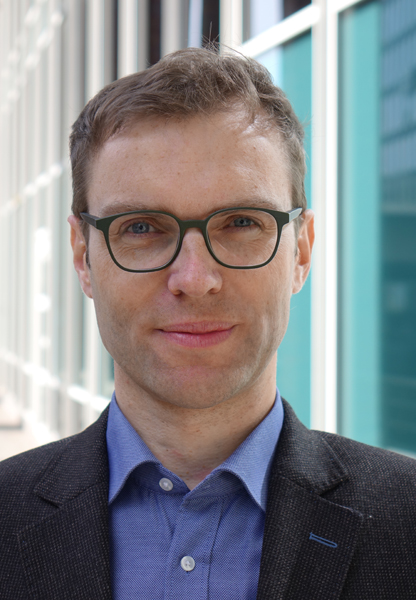
Professor Michael Breakspear is an internationally recognized leader in computational neuroscience, brain imaging, and translational neurotechnology at the University of Newcastle's School of Psychological Sciences. His research bridges complex systems theory, mathematical modeling, and clinical neuroscience to advance understanding of brain dynamics in health and disease through interdisciplinary collaboration across mathematics, physics, neuroimaging, psychiatry, and artificial intelligence. Professor Breakspear holds a Doctor of Philosophy from the University of Sydney, along with multiple undergraduate degrees including a Bachelor of Medicine and Bachelor of Surgery. His academic journey includes professorial appointments at the University of Sydney (School of Physics), University of Queensland (School of Psychiatry), and University of Western Sydney (School of Psychiatry), where he progressed from Post-doctoral Research Fellow to Associate Professor. Current: Professor, University of Newcastle, School of Psychological Sciences 2017-present: Principal Research Fellow, National Health & Medical Research Council 2017-present: Senior Scientist and Head, QIMR Berghofer Medical Research Institute 2012-2017: Professor (adjunct), University of Sydney, School of Physics 2011-present: Professor (adjunct), University of Queensland, School of Psychiatry 2007-2012: Associate Professor, University of Western Sydney, School of Psychiatry Professor Breakspear's research program integrates expertise across mathematics, physics, neuroimaging, psychiatry, and artificial intelligence. His core expertise includes computational neuroscience (modeling brain dynamics using nonlinear systems theory), neuroimaging and connectomics (pioneering methods to analyze brain networks), brain disorders and mental health (applying computational models to disorders like schizophrenia and bipolar disorder), and neurotechnology and AI (developing machine learning techniques for imaging biomarkers). His recent publications demonstrate a strong focus on brain dynamics, neuroimaging techniques, and applications to psychiatric and neurological disorders. His work spans theoretical frameworks to clinical applications, with particular emphasis on understanding the neural basis of mood disorders, Alzheimer's disease, and psychosis, employing advanced computational approaches to uncover fundamental principles of brain organization and dysfunction. Senior Researcher Award (2017) Principal Research Fellow, National Health & Medical Research Council (2017-present) Professor Breakspear actively collaborates with clinical researchers, engineers, and technology developers to translate theoretical frameworks into practical diagnostic and therapeutic innovations. He provides leadership in training programs at the nexus of neuroscience, mathematics, and data science, fostering the next generation of interdisciplinary researchers through mentorship and collaborative projects that bridge theoretical and clinical domains.
Alison Simmons is the Samuel H. Wolcott Professor of Philosophy at Harvard University. Her work bridges philosophy, psychology, and ethics, focusing on early modern theories of mind, perception, and the intersection of ethics with computer science education. Ph.D., University of Pennsylvania (1994) Her research explores the historical development of theories of mind from antiquity to the early modern period, with a focus on Descartes, Malebranche, Leibniz, and women philosophers like Margaret Cavendish and Anne Conway. She investigates sensory perception, consciousness, and the metaphysical implications of mind-body interaction. Simmons co-founded Embedded EthiCS, a Harvard initiative integrating ethical reasoning into computer science curricula. Her recent scholarship includes analyses of Cartesian interoception, Leibnizian consciousness, and vitalist monism in early modern thought. While her papers span topics like sensory epistemology, mental representation, and teleological explanations, they collectively emphasize the practical and theoretical roles of perception in self-preservation and human cognition.
Dr. Dawn M. Gondoli is a Professor in the Department of Psychology at the University of Notre Dame, located in Corbett Family Hall. She serves as the Developmental Area Director and leads the Socioemotional Development Lab, focusing on adolescent development, parenting practices, and psychological well-being within family systems. Her work emphasizes the interplay between stress, parenting, and developmental outcomes in typically developing families and those affected by ADHD. Dr. Gondoli holds a Ph.D. (1994), M.S. (1991), and B.A. (1986) in Psychology from the University of Arizona and SUNY Buffalo, respectively. Her research spans three core areas: (1) parenting and adolescent well-being, particularly in ADHD contexts; (2) body image and disordered eating among mothers, adolescents, and young adults, with a focus on mother-daughter dynamics and interoception; and (3) cognitive processes underlying ADHD and interoceptive awareness. Collaborations with Dr. Bradley Gibson advance interventions targeting cognitive and parent training for ADHD management. Her publications address topics such as maternal stress, ADHD symptomatology, sleep quality, and media’s impact on body image. Notable studies include randomized controlled trials for cognitive interventions and analyses of dyadic relationships in disordered eating. While no explicit awards are listed, her extensive peer-reviewed output underscores scholarly impact. Dr. Gondoli’s advising and grants focus on developmental and clinical research, though specific grant details are not provided. Her lab integrates interdisciplinary methods to address family and individual psychological health, emphasizing translational research to improve clinical outcomes.
Dr. Carissa Cascio is a Professor at the University of Kansas (2025–present), previously holding faculty positions at Vanderbilt University Medical Center's Department of Psychiatry and Behavioral Sciences (2007–2025). She directs the Laboratory for Affective Sensory Research (LASR), focusing on autism spectrum disorders through behavioral, neuroimaging, and electrophysiological methods. Ph.D. in Neuroscience, Emory University Postdoctoral training at University of North Carolina Research Interests: Sensory-affective brain system interactions, somatic sensory processing (touch, interoception, pain, proprioception), and their role in autism characteristics. Her work emphasizes inclusive methodologies for neurodiverse populations. Publication Trends: Recent studies explore insular connectivity, cortical morphology, and sensorimotor regulation in autism, with interdisciplinary focus on behavioral neuroscience, neuroimaging, and affective systems. Slikfa Ritvo Innovation in Autism Research Award (2012) Vanderbilt Brain Institute Mentor of the Year Award (2023) Grants & Service: Principal Investigator on NIH and foundation grants. Served on Vanderbilt Neuroscience Graduate Program Admissions Committee, dissertation committees, and NIH study sections. Mentored students through the KU BBQ Program.
Howard Nusbaum is a Professor in the Psychology Department within the Social Sciences Division at the University of Chicago. His research has focused since 1986 on perceptual learning, attention, and working memory, with significant contributions to understanding speech perception, auditory processing, and more recently, the science of wisdom. His laboratory employs a wide range of methods including high-density EEG, fMRI analysis, auditory brainstem recordings, and sophisticated speech analysis tools. Education: BA in Computer Science and Psychology from Brandeis University (1976) PhD in Cognitive Psychology from State University of New York at Buffalo (1981) Postdoctoral training in Speech, Hearing, and Sensory Communication from Indiana University (1984) Nusbaum's research investigates how humans learn and process speech and other auditory information, with particular emphasis on the role of attention, working memory, and sleep in perceptual learning. His laboratory has made groundbreaking contributions, including the first scientific evidence for sleep consolidation of generalized learning, the first behavioral evidence for functional effects of sleep consolidation in songbirds, and the discovery that adults can learn perfect pitch with this learning dependent on working memory capacity. His recent work has expanded to explore the cognitive neuroscience of wisdom, investigating how self-transcendent experiences contribute to wise reasoning. Nusbaum's publication record demonstrates consistent high-impact research across cognitive neuroscience, with recent work spanning from basic mechanisms of speech perception to broader questions about wisdom and decision-making. His research shows an evolving trajectory from foundational work on perceptual learning and speech processing toward more complex questions about higher cognitive functions and their neural underpinnings, with publications extending into 2025. Scientific Awards: 2018 Stella M. Rowley Professor of Psychology 2014 Fellow, The Psychonomic Society 2012 Llewellyn John and Harriet Manchester Quantrell Award for Excellence in Undergraduate Teaching 2009 Fellow, Association for Psychological Science 2007 Future Faculty Mentorship Award Nusbaum has successfully mentored numerous graduate students and postdoctoral trainees who have gone on to become tenured faculty at prestigious institutions worldwide. His NIH-funded research on 'Structure and Process in Speech Perception' has supported his work for many years. His laboratory provides comprehensive training in behavioral research methods, signal processing, statistical analysis, human electrophysiology, and computational modeling. The APEX (Attention, Perception, and Executive-function eXperience) lab at the University of Chicago, which Nusbaum directs, is equipped for high-density EEG measurements, fMRI data analysis, auditory brainstem recordings, and a wide range of speech analysis tools. The lab conducts research with human participants, including nap studies with polysomnography. Nusbaum also contributes to the UChicago Center for Practical Wisdom, reflecting his expanding research interests into the cognitive neuroscience of wisdom.
Professor Stuart Mazzone is a leading academic in autonomic and sensory neuroscience at the University of Melbourne, holding roles as Professor, Head of the Department of Anatomy and Physiology, and Director of Research. He leads the Laboratory of Respiratory Sensory Neuroscience, focusing on neural pathways regulating airway defenses and respiratory sensations. His work employs multidisciplinary approaches, including physiological, pharmacological, and molecular techniques, and bridges preclinical studies with human clinical research. Education: PhD from the University of Tasmania (2000), followed by postdoctoral training at Johns Hopkins Medical Institutions. Previous roles include positions at the Howard Florey Institute and the University of Queensland. Research Interests: Chronic cough mechanisms, vagal sensory circuits, respiratory reflexes, and neurobiology of airway defense. His studies explore how the brain processes vagal sensory inputs in health and disease, with translational applications in chronic cough treatment. Key Projects/Grants: Includes studies on thalamic regulation of airway interoception, the science of coughing, and clinical trials of drugs like camlipixant for refractory cough. Active grants from ARC, NHMRC, and industry collaborations. Labs/Teams: Directs the Respiratory Sensory Neuroscience Lab, collaborating on projects like silencing pulmonary nociceptors for severe viral infections and profiling receptor expression in airway nerves.
Satu Halonen is a University Lecturer at the University of Jyväskylä's Department of Psychology, within the Faculty of Education and Psychology. Her research focuses on interoception, psychotherapy dynamics, and relational processes in clinical settings. She is affiliated with research groups including 'Embodied Eureka,' exploring embodied cognition in therapy; 'VoiKu,' investigating parental well-being; and 'Relational Mind,' studying interpersonal attunement. Her work bridges clinical psychology and emotional experience, emphasizing how therapists' interoceptive awareness influences therapeutic alliance and outcomes. Recent publications examine psychotherapists' interoceptive accuracy and its role in clinical interactions. She collaborates with researchers like Aarno Laitila and Tiina Parviainen. No awards or grants are explicitly listed, but her research groups suggest active involvement in interdisciplinary mental health studies.
Clemens Wöllner is a Professor of Systematic Musicology at the University of Music Freiburg (since 2022) and previously held the same position at the University of Hamburg (2013–2022). He also served as a Visiting Researcher at UC San Diego (2018–2019), Acting Professor at the University of Bremen (2010–2013), Research Fellow at the Royal Northern College of Music (2008–2010), and Research Associate at the Martin Luther University Halle-Wittenberg (2007–2008). Education : Doctorate (2007) and Master of Arts in Psychology of Music (2003) from the University of Sheffield. Scholarships from the Evangelisches Studienwerk , German National Academic Foundation , and Royal College of Music London . His research focuses on music psychology , timing and time perception , musical expressiveness , multimodal perception , movement analysis , and the sociocultural foundations of musical conducting . He led the 5.5-year EU-funded project 'Slow Motion' (ERC Consolidator Grant 725319), which investigated transformations of musical time in perception and performance. Selected recent publications explore topics such as interoceptive systems in musical emotions , social situation evaluations through music , and sensorimotor synchronization in time perception . His work bridges musicology, cognitive science, and movement analysis. Honours and Awards European Research Council Consolidator Grant (2016) Associate Junior Fellowship (2011) ESCOM Young Researcher Award (2006) He currently chairs the Doctoral Committee and Ethics Committee at the University of Music Freiburg, and previously served on the State Graduate Funding Committee . He is President of the German Society for Music Psychology (since 2022) and a board member of ESCOM , GfM , and SEMPRE .
Dr Dawn Wimpory is a Lecturer / Practitioner in Clinical Psychology at Bangor University and a Consultant Clinical Psychologist (Lead for ASD) at Betsi Cadwaladr University Health Board (BCUHB). Her work integrates clinical practice and research, focusing on Autism Spectrum Disorder (ASD) through the lens of social timing and its genetic underpinnings. Education: PhD (2017) in Social Engagement in Preschool Autism from Bangor University; MSc (1988) in Clinical Psychology from University of Exeter; MA (1985) in Child Clinical Psychology from University of Nottingham; BEd (1984) in Psychology and Education from University of Wales, Cardiff. Her research explores the Social Timing Hypothesis (Wimpory et al., 2002), which posits that temporal synchronization in interactions is critical for social engagement in ASD. Key contributions include the development of the Detection of Autism by Infant Sociability Interview (DAISI) and Musical Interaction Therapy (MIT), a parent-mediated intervention for severely affected ASD children. Recent publications (2023-2000) span topics such as interoceptive awareness, gait analysis as a diagnostic tool, and MIT's clinical efficacy. She has secured over £884,764 in grants, including KESS Scholarships and Baily Thomas funding, and serves as a reviewer for journals like Molecular Psychiatry and Journal of Autism and Developmental Disorders . Scientific Awards: NISCHR Clinical Research Fellowship (2011-2014) Knowledge Economy Skills Scholarship (KESS) Baily Thomas Charitable Fund Grant Dr Wimpory supervises PhD and postgraduate students, including Judit Elias-Masiques (2020-2023) and Kitty Forster (2013). Her teaching at Bangor University covers Intellectual and Developmental Disabilities, Applied Behaviour Analysis, and Theoretical Models in Clinical Psychology.
Dr. Julia Christensen is a Senior Research Fellow at the Max Planck Institute for Empirical Aesthetics in Frankfurt am Main, Germany. She holds a PhD in Psychology from the University of the Balearic Islands (2014), alongside professional dance training and advanced degrees in neuroscience and clinical psychology. Her research focuses on the intersection of dance, neuroscience, and empirical aesthetics, exploring topics such as emotional responses to movement, cultural influences on creativity, and the neurobiological basis of aesthetic experiences. Key areas of investigation include the psychological and neural mechanisms underlying dance perception, the role of interoceptive accuracy in dancers, and the application of empirical methods to study art and emotion. Her work bridges disciplines like cognitive science, anthropology, and computer science, as seen in collaborations like the Dance Your Emotion project. Awarded the Evens Science Prize (2016) and the Newton International Postdoctoral Fellowship (2015), her contributions include over 40 peer-reviewed articles and edited volumes. Notable publications address aesthetic appeal in dance, enculturation screening tools, and neurolegal concepts of volition. She also engages in popular science writing, such as Tanzen ist die beste Medizin , emphasizing dance’s cognitive and health benefits. Her academic roles include teaching at institutions like the Open University of Catalonia and postdoctoral research at University College London. Current projects involve developing computational frameworks for emotion datasets (EMOKINE) and validating cross-cultural research tools in aesthetics.
Lisa Velkoff is a Visiting Assistant Professor of Psychology at Reed College , with additional experience as an Adjunct Professor at Lewis & Clark College. Her expertise lies in clinical psychology, focusing on eating disorders, suicidality, and non-suicidal self-harm. Education: B.A. in Psychology and English, Northwestern University (2013) M.A. in Clinical Psychology, Miami University (2017) Ph.D. in Clinical Psychology, Miami University (2021) Research Interests include identifying proximal risk factors for eating disorders and self-harm behaviors, with emphasis on interoceptive deficits, negative affect, and agitation. She also studies body image, weight bias, and develops digital health interventions like just-in-time adaptive systems. Publication Trends show consistent focus on eating disorders, suicidality, self-harm, and their interrelationships, employing methodologies from experimental psychology to ecological momentary assessment. Teaching Approach prioritizes inclusivity and critical thinking in courses such as Abnormal Psychology, Health Psychology, and Psychology of Stress and Resilience.
Prof. Simone Schütz-Bosbach is a Professor of Experimental Neuro-Cognitive Psychology at Ludwig Maximilian University of Munich (LMU), leading the Body Social Cognition & Action Lab. Her research focuses on human sensation, perception, and action using methodologies like fMRI, EEG, and TMS. She has held academic positions at institutions including the Max Planck Society and Friedrich-Alexander University Erlangen-Nürnberg. Her awards include the Otto Hahn Medal (2004) and a Heisenberg Fellowship (2013). Education: Diploma in Psychology (University of Bonn, 2000), PhD (LMU Munich, 2004), Habilitation (FAU Erlangen-Nürnberg, 2015). Research interests include cognitive neuroscience of action, self-other distinction, and body perception. She has explored topics like sensory attenuation, interoceptive processing, and neural mechanisms of agency. Publications span 20+ years, with recent works on social evaluative stress, cardiac-phase effects on motor inhibition, and neural dynamics in belief updating. Her lab investigates the interplay between interoception, action, and social cognition. She collaborates internationally and engages in interdisciplinary research, bridging neuroscience and psychology. Awards and memberships include the Junge Akademie (2008–2013), Leopoldina (2008–2013), and VolkswagenStiftung-funded European Platform for Life Sciences. Her work emphasizes embodied cognition and predictive coding frameworks to understand self-representation and action.
Dr. Benjamin Ruisch serves as a Lecturer in Psychology at the University of Kent's School of Psychology, specializing in political attitudes and intergroup prejudice. His research examines ideological divides through the lens of social and political psychology, with emphasis on conspiracy theories and pandemic-related social dynamics. His academic journey includes: PhD from Cornell University Social Psychology Area Postdoctoral Fellowship at Ohio State University Marie Sklodowska-Curie Fellowship at Leiden University Research Interests: Dr. Ruisch investigates the psychological foundations of political ideology, focusing on: Physiological correlates of political orientation (e.g., interoceptive sensitivity) Conspiracy theory formation and psychological consequences Ideological asymmetries in prejudice and moral judgment Social dynamics during global crises like the COVID-19 pandemic Publication Trends: His 2022-2025 work reveals evolving focus from pandemic responses to fundamental ideological processes. Key themes include the relationship between bodily awareness and political liberalism, slippery-slope reasoning in moral judgments, and longitudinal impacts of conspiracy beliefs. Publications consistently bridge political science with psychological mechanisms. Scientific Awards: Marie Sklodowska-Curie Fellowship Grants and Funding: Dr. Ruisch has secured support from major international bodies: European Commission U.S. National Science Foundation Society for Personality and Social Psychology American Psychology-Law Society United States-Indonesia Society Cornell University institutes (Institute for Social Sciences, Einaudi Center, Center for Study of Inequality) Labs and Teams: His collaborative network spans Cornell, Ohio State, Leiden, and Kent universities, operating through interdisciplinary teams focused on experimental social psychology. Current work involves pandemic-related attitude tracking and cross-national ideology studies without dedicated lab branding.
Prof Alan Patching is a Professor and Semester Teaching Fellow at Bond University's Faculty of Society & Design, affiliated with the Centre for Comparative Construction Research. Contact: apatchin@bond.edu.au. His research focuses on psychological stress in construction management, mindfulness-based interventions in maternal health, interoceptive awareness in PTSD treatment, collaborative design methodologies, and the societal impact of esports. Research interests include integrating psychological studies with construction industry challenges, leveraging technologies like BIM and Lean processes in education, and exploring esports' potential in major sports events. He has presented on topics such as stress management in construction and hypnosis in therapy. No scientific awards are explicitly listed. Advising and grants: Supervised a doctoral thesis on stress attitudes in construction (2019). Active in interdisciplinary research collaborations, particularly with the Centre for Comparative Construction Research.