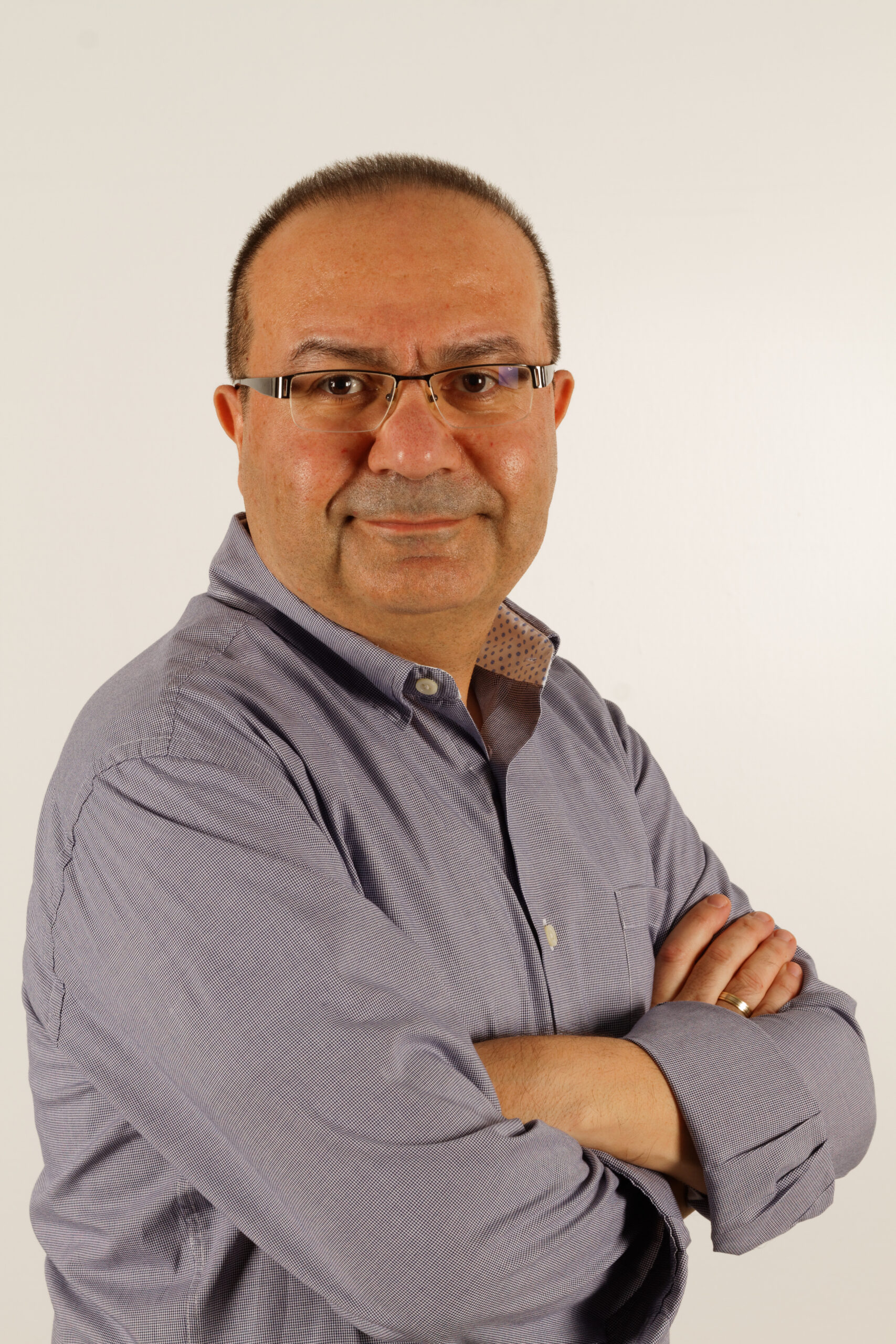
Sıtkı Egeli is an Associate Professor at the Department of Political Science and International Relations at İzmir University of Economics since 2015. With a PhD in International Relations from Bilkent University, an MA in Security Studies from University of Chicago, and a BA in Political Science from Boğaziçi University, he specializes in defense policy, security studies, and military technology. PhD: Bilkent University, International Relations (1993-1999) MA: University of Chicago, Security Studies (1988-1991) BA: Boğaziçi University, Political Science (1983-1988) His research focuses on weapons of mass destruction proliferation , air and missile defense , nuclear deterrence , space security , and disruptive military technologies . His publications analyze Turkish defense industrialization, Arctic geopolitics, and strategic stability in aerospace warfare contexts. Recent collaborative work (2017-2025) spans: • Balancing defense autarky (2025) • Arctic region involvement (2022) • Historical air power development (2021) • Military space operations (2021) • Turkish missile defense (2019) • Ballistic missile programs (2017)
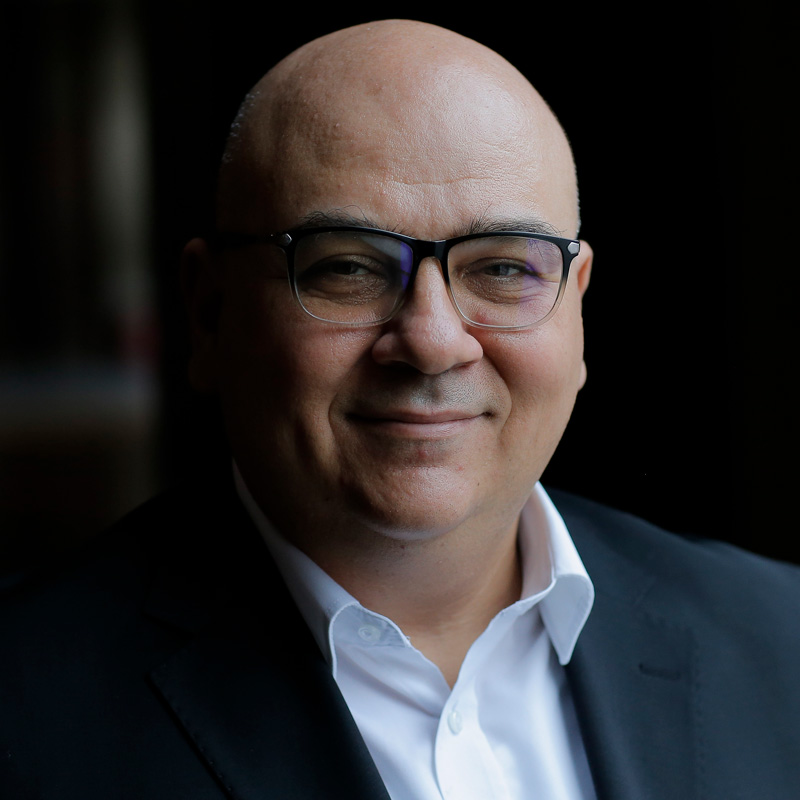
Hakan Berument is a Professor in the Department of Economics at Bilkent University, Ankara, Turkey, where he has been teaching since 1995. His academic career spans over 25 years with progressive appointments from Assistant Professor to full Professor. He has also served as Director of the Bilkent Energy Policy Research Center (2018-2019) and Advisor/Director of Energy Studies at the Center for Middle Eastern Studies (2020-2022). Berument received his PhD in Economics from the University of North Carolina at Chapel Hill in 1994, following an M.S. in Economics from the University of Kentucky (1989) and a B.S. in Economics from Middle East Technical University (1987). His research focuses on Monetary Economics, Macroeconomics, Time Series Analysis, and Econometrics, with particular emphasis on energy economics, oil price dynamics, and monetary policy effectiveness. Berument has made significant contributions to understanding the relationships between oil prices, exchange rates, and economic performance, especially in emerging markets and Turkey. His work frequently examines asymmetric price effects, market structures, and policy impacts across various energy sectors. Berument's recent publications reveal a strong focus on energy economics, particularly oil and electricity markets. His research employs advanced econometric techniques to analyze time series data, with growing attention to cross-border energy trade, price transmission mechanisms, and the interplay between financial markets and energy commodities. The breadth of his work spans from micro-level consumer behavior to macroeconomic policy implications. Ranked #1 among Turkish academic economists on supervising PhD dissertations (1990-2011) Ranked #4 among Turkish academic economists based on international publications (1999-2003) Parlar Foundation Young Investigator Award (2003) Turkish Social Sciences Association Young Social Scientist Promotion Award (2002) Research Fellow to Economic Research Forum (2005-Present) Vice-president, Econometric Research Association (2005-Present) Berument has supervised numerous graduate students, including over 15 Master's theses and several PhD dissertations. His research has been supported by various funding agencies including TUBITAK and the Economic Research Forum. He has served on editorial boards of multiple economics journals and contributed to policy discussions through his work with the Central Bank of the Republic of Turkey and other institutions. He has advised on energy policy through his directorship roles and frequent participation in policy discussions. While not explicitly mentioned as leading a specific research lab, Berument has been instrumental in establishing academic initiatives including Pazar11 meetings among economists. His contributions to energy policy research through the Bilkent Energy Policy Research Center have shaped discussions on Turkish energy markets and policy frameworks.
Pelin Bolat is an Associate Professor in the Department of Fundamental Sciences at Istanbul Technical University (ITU), College of Maritime Studies. She is actively engaged in maritime cybersecurity, risk assessment, and maritime safety research. Her work is supported by multiple BAP and EU-funded projects, with ongoing research extending into 2025. Her research interests include cybersecurity in maritime navigation systems, dynamic positioning, port state control, and GHG emissions in the maritime sector. She applies advanced methodologies such as fuzzy FUCOM, CORAS framework, and association rule mining to analyze cyber and operational risks. Her recent publications (2023–2025) reflect a strong trend in maritime cybersecurity, focusing on ECDIS, RADAR, ransomware, and cyber hygiene. These works span high-impact journals in maritime engineering and technology, demonstrating interdisciplinary engagement with computer science, safety engineering, and policy analysis. She serves as a principal investigator on several key projects, including cyber risk assessment of bridge navigation equipment and system dynamic modeling of maritime GHG emission measures. She also mentors 15 theses in progress, indicating her active role in student supervision. Her collaborative network includes researchers like Gökhan Kayişoğlu and international partners. While no formal awards are listed, her leadership in EU and BAP projects underscores her academic prominence.
Raşit GÜLTEKİN is an Associate Professor at Trakya University, Faculty of Economics and Administrative Sciences, Department of Finance and Department of Financial Law. He serves as Head of the Department of Financial Law (2023-2026), Director of the Career Application and Research Center (2024-2025), and holds various other administrative positions including membership on the Rectorate Advisory Board and the Social and Human Sciences Research Ethics Committee. His educational background includes: PhD in Finance from Anadolu University Institute of Social Sciences (2019) Master's Degree in Finance from Trakya University Social Sciences Institute (2008) Bachelor's Degree in International Relations from Ankara University Faculty of Political Sciences (2001) Additional Bachelor's Degree in Finance from Anadolu University Faculty of Economics (2022) Associate Degree in Justice from Anadolu University Open Education Faculty (2020) Professor GÜLTEKİN's research focuses on customs law, international trade, taxation systems, and border carbon adjustment mechanisms. His work examines the intersection of legal frameworks, economic policy, and environmental sustainability in trade contexts, with particular attention to Turkey's position within global trade systems. He has extensively studied customs procedures, tariff policies, and the impact of international agreements on national trade practices. His recent publications demonstrate a strong trend toward environmental taxation and border carbon adjustment mechanisms, particularly examining the European Union's policies and their implications for Turkey. He has maintained consistent research on customs administration, trade compliance, and legal aspects of international trade procedures, combining theoretical analysis with practical applications in trade policy. Professor GÜLTEKİN serves as a reviewer for multiple academic journals including: PARADİGMA İktisadi ve İdari Araştırmalar Dergisi Alanya Akademik Bakış Mesleki ve Sosyal Bilimler Dergisi Anadolu Üniversitesi Sosyal Bilimler Dergisi İstanbul İktisat Dergisi Meriç Uluslararası Sosyal ve Stratejik Araştırmalar Dergisi International Anatolia Academic Online Journal International Journal of Public Finance He holds professional certifications in Foreign Trade Expertise (2021) and ISO 9000 Training (2004), and serves on the Edirne Provincial Employment and Vocational Training Board under the Ministry of Labor and Social Security.
Metin Ercan is a Professor at Bogazici University. His research focuses on Financial Markets, IPOs, Banking, the Unregistered Economy, and Privatization, with notable contributions to understanding economic dynamics in Turkey. He holds a Ph.D. from Boston College and has taught courses such as Financial Management, Investments, and Derivative Securities. Education: Ph.D.: Boston College Research Interests: Dr. Ercan's work bridges macroeconomic policy and financial systems, particularly analyzing how global economic trends impact Turkey’s financial growth models. He explores mechanisms to harness financial resources amid globalization pressures, investigates IPO underpricing in emerging markets like the İstanbul Stock Exchange, and examines the interplay between foreign direct investment and informal economic sectors in Turkey. His studies aim to inform policies on privatization and sustainable economic development. Publications Trends: His publications emphasize Turkey’s economic challenges and opportunities, with a focus on financial markets’ structural issues, the role of foreign investment in informal economies, and IPO dynamics. His 2015 book proposes financial strategies to counteract global economic stagnation, while his 2011 articles analyze specific market behaviors and policy implications. Advising & Grants: No formal advisees or grant information is listed in the provided text. Labs/Teams: Not specified in the available data.
Dr. Mehmet Kaya is a Lecturer in the History Department of Bingöl University's Faculty of Arts and Sciences since 2009. He holds a PhD in Republic History from Fırat University (2004) and has served as Department Head (2009-2012) and currently leads the Republican History Subdivision. His research focuses on Turkish-Iranian relations, modern Middle Eastern history, and the diplomatic history of the Republic of Turkey. Education: BA in History (Fırat University, 1987), MA in Revolutionary History (Istanbul University, 1992), PhD in Turkish-Iranian Relations (Fırat University, 2004) Research interests include 20th-century diplomacy, Ottoman-Turkish transition, and regional geopolitics. He has published extensively on topics like Iran's 1979 Revolution, Turkish-Israeli relations, and Kurdish uprisings. Recent works analyze Iran's Syria policy (2022) and Ali Şeriati's influence on the Iranian Revolution (2024). He co-authored chapters in volumes like Modern İran Tarihi (2021) and participated in international conferences on Karabakh conflicts and Iranian opposition groups. Serves as referee for Bingöl University's Social Sciences Journal.
Assoc. Prof. Dr. Volkan İpek serves as a faculty member at Yeditepe University's Faculty of Economics and Administrative Sciences within the Department of Political Science and International Relations. Holding a PhD from Bilkent University, he has been actively teaching courses including African Society and Politics, Turkish Foreign Policy, and Political Ethics since 2017, contributing significantly to international relations scholarship with a focus on Africa-Turkey dynamics. Dr. İpek completed his undergraduate studies in International Relations at Bilkent University (1999-2004) followed by an integrated PhD in Political Science at the same institution (2004-2015), where his doctoral thesis examined Morocco's quest for European Community membership through post-colonial theory. His research centers on African Studies and Turkish Foreign Policy, particularly analyzing Turkey's diplomatic engagement with Sub-Saharan Africa, migration governance, and EU-Africa relations. He employs interdisciplinary and post-colonial frameworks to investigate political identity formation, humanitarian responses, and emerging power dynamics, with notable contributions to understanding Turkey's soft power expansion in Africa. Analysis of his 2018-2024 publications reveals intensifying focus on contemporary African challenges including pandemic response (Ebola), counterterrorism strategies, sports diplomacy (FIFA World Cup), and Sahel region politics. His works demonstrate methodological diversity spanning theoretical analyses, case studies on Somalia and Ethiopia, and multi-volume regional assessments. Dr. İpek has supervised four master's theses on migration patterns, humanitarian aid comparisons, and counterterrorism approaches in Africa. He has contributed as researcher to three externally funded projects: Supporting Capacities of the Presidency of Migration Management (2023), Supporting Development of Return Counselling Capacities in Türkiye (2022), and Türkiye's Migration Management Support Project (2019-2020), all addressing EU-Turkey migration cooperation.
Assoc. Prof. Dr. Yasemin CEYHAN is an accomplished academic in nursing, currently serving as an Associate Professor at Kırşehir Ahi Evran University's Faculty of Health Sciences, Department of Nursing. She has been a full-time faculty member since 2013, initially as a Research Assistant (2013-2020) and subsequently as a Doctoral Teaching Member (2020-present). She holds multiple administrative positions including Head of Department (2020-present), Faculty Council Member (2022-present), and Quality Committee Member (2024-present). Dr. CEYHAN completed her Bachelor's Degree in Nursing at Ahi Evran University (2007-2011), followed by a Master's Degree in Nursing at Erciyes University (2012-2015), and earned her Doctorate in Internal Medicine Nursing from Erciyes University (2015-2019). She has completed numerous specialized courses in statistical analysis, meta-analysis, and healthcare research methodology. Her research primarily focuses on Internal Medicine Nursing with particular expertise in Chronic Obstructive Pulmonary Disease (COPD) management, cultural competency in nursing practice, and patient self-management in chronic diseases. She has developed significant expertise in psychometric evaluation of nursing instruments and has contributed substantially to understanding the relationship between cultural sensitivity and nursing care effectiveness. Her work bridges nursing practice with psychological, cultural, and physiological aspects of patient care. Analysis of her publication record reveals a clear evolution from descriptive studies to sophisticated analytical research employing structural equation modeling and randomized controlled trials. Her recent work demonstrates increasing methodological rigor with a focus on mediation and moderation effects in complex patient care scenarios, particularly in COPD management where she examines intricate relationships between symptoms, psychological factors, and self-management behaviors. Poster Presentation 3rd Prize (2014) from Eskişehir Osmangazi University Dr. CEYHAN has successfully supervised multiple Master's theses and currently mentors additional graduate students. She has secured and led several significant research projects funded by TÜBA, TÜBİTAK, and university research funds, focusing on chronic disease management, cultural competency assessment tools, and COPD patient care. Her research portfolio demonstrates a strong commitment to evidence-based nursing practice and instrument development. As an active member of the Turkish Respiratory Research Association (since 2018) and the Turkish Nurses Association (since 2015), Dr. CEYHAN maintains a robust collaborative research network that spans multiple Turkish universities, particularly Erciyes University. Her work reflects a team-oriented research approach with numerous co-authored publications demonstrating interdisciplinary collaboration.
Assoc. Prof. Savaş DURMUŞ is affiliated with Kafkas University , where he has held the position of Associate Professor in the Department of International Trade and Logistics since 2021. He previously served as a Department Head (2019–present) and Deputy Institute Director (2012–2015). His academic journey includes a PhD in Economics (2007–2011) and MSc in Business Administration (2001–2004) from Turkish institutions. Education : PhD, Economics, Celâl Bayar University (2007–2011) MSc, Business Administration, Selçuk University (2001–2004) BA, Business Administration, Atatürk University (1988–1993) Research Interests focus on Development Economics , Macro Economics , and Business Cycles , with a strong emphasis on empirical analysis of economic policy, international trade, and financial systems. His work spans topics like tourism economics, energy sector performance, and regional development. Scientific Contributions include 15+ peer-reviewed articles (2020–2024) on themes such as financial development, Dutch disease, and Industry 4.0. He has co-authored studies on tourism’s impact on growth and cross-country analyses of economic complexity. Editorial Work includes roles as editor for international books like Banka ve Finansal Sistem (2016) and Analysis of Economics Applications (2023). He has collaborated extensively with academics such as Dilek Şahin (27 joint publications) and Hasan Ayaydın (17 joint publications).
İBRAHİM HALİL EFENDİOĞLU is an Associate Professor at Gaziantep University's Faculty of Economics and Administration, Department of Business Administration. Previously, he served as a Lecturer at Gaziantep University's Presidency, Department of Informatics from 2016 to 2023. His academic journey includes a Doctorate in Business Administration from Hasan Kalyoncu University (2015-2019), a Master's in Computer Education from Gazi University (2006-2008), and a Bachelor's in Computer Engineering from Mersin University (2000-2004). His primary research interests focus on the intersection of marketing and emerging digital technologies. EFENDİOĞLU's work spans digital marketing, artificial intelligence applications in marketing, Metaverse marketing, blockchain technology, and NFT marketing. His research demonstrates how these emerging technologies are reshaping consumer behavior and marketing strategies in both Turkish and global contexts. His recent publications (2023-2024) reveal a strong trend toward examining cutting-edge digital marketing phenomena. His work covers diverse areas including AI-powered marketing, Metaverse consumer behavior, cryptocurrency adoption, and NFT market dynamics. These publications appear in both Turkish and international journals, demonstrating his ability to contribute to scholarly discourse across linguistic boundaries. 2024 Kamu UBYT Programı Araştırmacı Teşvik Ödülü (TÜBİTAK) Yayın Teşvik Ödülü 3rd. Best Paper Award (International Islamic Marketing Association, 2023) EFENDİOĞLU has supervised graduate students, including NİHAL BÜLBÜL's thesis on social media marketing activities and their impact on purchase intention. His teaching responsibilities span undergraduate, graduate, and associate degree levels, covering courses in electronic commerce, marketing principles, digital marketing, and information technologies. He has also participated in numerous research projects related to digital marketing, Metaverse applications, and e-commerce education. His interdisciplinary background in computer engineering and business administration uniquely positions him to analyze the technological and behavioral aspects of digital marketing phenomena. This dual expertise is evident in his research that bridges technical understanding of emerging platforms with consumer behavior insights.
Prof. Dr. Emre Erdoğan is a faculty member at Istanbul Bilgi University's European Institute, Department of International Relations. His research focuses on political polarization, child well-being, migration policies, and populism's impact on democracy. He has contributed to understanding Syrian refugees' educational challenges, child labor dynamics in Turkey, and the role of emotions in political discourse. His work bridges academic research with policy advocacy, particularly in areas like NEET youth inclusion and rural development. Publications span child welfare indicators, electoral integrity, and the sociopolitical consequences of crises such as the 2020 Nagorno-Karabakh War and the pandemic’s effects on education. Key themes in his scholarship include: Dimensions of polarization in Turkish society Childhood vulnerabilities in marginalized communities Populist rhetoric and media dynamics Refugee integration and policy design His recent work explores digital democracy gaps, post-pandemic governance, and the intersection of migration studies with child rights frameworks.
Sevda Yalçın serves as a full-time Lecturer at Kafkas University's Kağızman Vocational School within the Department of Therapy and Rehabilitation. With continuous academic service since 1997, she maintains an active teaching schedule covering quality management, statistics, and customer relationship management courses at the associate degree level. Her educational background includes a BSc in Statistics from Anadolu University (1993-1997) and an MSc in Business Administration (without thesis) from Atatürk University's Institute of Social Sciences (2006-2008). Yalçın's research focuses on economic analysis of regional development with particular emphasis on South Caucasus countries, African economies, and Turkish agricultural sectors. Her work frequently employs global indices like Legatum Prosperity Index and World Bank's Doing Business indicators to evaluate economic performance and sustainable development potential. She maintains a strong regional focus on Kağızman district in eastern Turkey, analyzing local development challenges through community participation and rural tourism potential. Her publication record shows consistent output since 2012 with 39 total publications including 16 articles, 21 conference presentations, and 2 books. The research demonstrates evolving focus from broader Balkan and post-Soviet economic analysis toward increasingly specialized regional studies of South Caucasus and Turkey's agricultural sector. As a dedicated academic collaborator, she maintains a longstanding research partnership with Alper Yalçın (39 joint publications), with additional collaborations including Kubilay Aras, Coşkun Alıcı, and Kerem Karabulut. Her work demonstrates strong alignment with UN Sustainable Development Goals through sustainable local development research.
Onur Özgöde is an Assistant Professor in the Department of Sociology at Bilkent University. He holds a Ph.D. in Sociology from Columbia University (2015). His research focuses on economic sociology, public policy studies, and international political economy, with a particular emphasis on systemic risk regulation, neoliberal governance, and socio-political crises. He has published extensively on topics ranging from pandemic governance to nuclear war preparedness and the historical evolution of financial regulatory frameworks. Özgöde’s work bridges theoretical insights from economic sociology with empirical analyses of policy implementation. His recent studies address how institutions mediate economic crises and political responses, particularly in contexts of systemic vulnerability. Notable contributions include analyses of the Federal Reserve’s role during financial crises and the Gezi Park protests’ socio-political implications in Turkey. He is affiliated with the Bilkent POLS (Political Science) department, contributing to seminars and professional development programs. His research has been published in venues addressing comparative politics, institutional theory, and crisis management.
Osman Kabadayı is an Associate Professor at Kırşehir Ahi Evran University's Faculty of Arts and Sciences, Department of Turkish Language and Literature. Born in 1981, he completed his education at Kırıkkale University (BA, 2003), Erciyes University (MA non-thesis, 2004), Kırıkkale University (MA thesis, 2007), and earned his PhD from Gazi University in 2020. His international experience includes a five-year position at Abay Kazakh National Pedagogical University and research at the Kazakh Academy of Sciences. His research focuses on North-Western (Kipchak) Turkish Dialects and Literatures , with emphasis on historical linguistics, Kazakh language evolution, manuscript studies, and Turkic cultural heritage. He employs comparative methods to analyze linguistic features across Turkic languages, particularly examining lexical development and grammatical structures in historical contexts. Secondary interests include folklore documentation, orthographic reforms, and digital preservation of Turkic manuscripts. Publications demonstrate strong focus on Kazakh philology (45% of recent works), historical linguistics (30%), and manuscript studies (25%), with recurring examination of equestrian terminology, funerary inscriptions, and Islamic texts. Research consistently bridges ancient Turkic traditions with contemporary linguistic phenomena. Awards & Recognition: Science Encouragement Award (Kırşehir Ahi Evran University, 2023) Certificate of Appreciation from Kazakh Embassy (2021) Plaque for academic service (Ahi Evran University, 2010) Academic Leadership: Advises six PhD students on topics including Kazakh philology and linguistic anthropology. Secured multiple grants: Archaeographic Research in Kazakhstan (2025) Turkic Renaissance intellectual history project (2021-2022) National Library of Kazakhstan manuscript cataloging (2018-2019) Co-authored 6-volume Common Turkic History (2018-2019)
SumeYYE Aydin Gurler serves as an Associate Professor in the Department of Mathematics and Science Education at Gaziantep University's Nizip Faculty of Education since 2024, following her promotion from Doctor Lecturer (2018-2024). Her academic career builds upon prior experience as a Science Teacher at Turkey's Ministry of National Education (2008-2018). Her educational foundation includes: Doctorate in Science Education, Firat University Institute of Educational Sciences (2011-2016) Master's in Science Education, Firat University Institute of Science and Technology (2008-2011) Bachelor's in Science Teaching, Firat University Faculty of Education (2004-2008) Professor Gurler's research centers on Science Education with specialized focus on STEM/STEAM integration, educational assessment methodologies, teacher development, and environmental education. Her work investigates critical thinking cultivation, student attitudes toward science, curriculum evolution in Turkish contexts, and identification of science misconceptions. She has produced significant analyses of historical developments in Turkish science education across multiple eras (1938-2020) through book chapters. Analysis of her 15 most recent publications (2018-2023) reveals consistent emphasis on innovative assessment tools (rubrics, achievement tests), STEM/STEAM attitude measurement, and contextualized science teaching. Her work spans primary/middle school levels, addressing Turkish educational challenges including Syrian student integration, sustainable development awareness, and TIMSS performance evaluation. Her scientific recognition includes: TÜBİTAK Direct Domestic PhD Scholarship (2211), 2011 TÜBİTAK Domestic Master's Scholarship (2210), 2009 Triple First Place Awards at Firat University (Department, Faculty, and University-wide), 2008 Professor Gurler actively mentors three master's students on science concept understanding, educational game efficacy, and environmental awareness. She has secured Horizon 2020 funding for public science engagement projects including Researchers' Night events and the Sustainable Environment and Climate Change Science Festival. Her service extends to TÜBİTAK-funded school science fairs and teacher training workshops on context-based assessment. She maintains active scholarly engagement through scientific committee memberships, session chairing at national congresses, and organizing international symposia on science education developments.