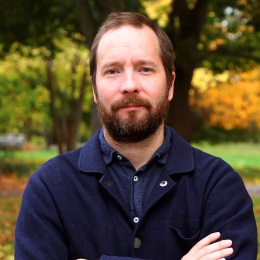
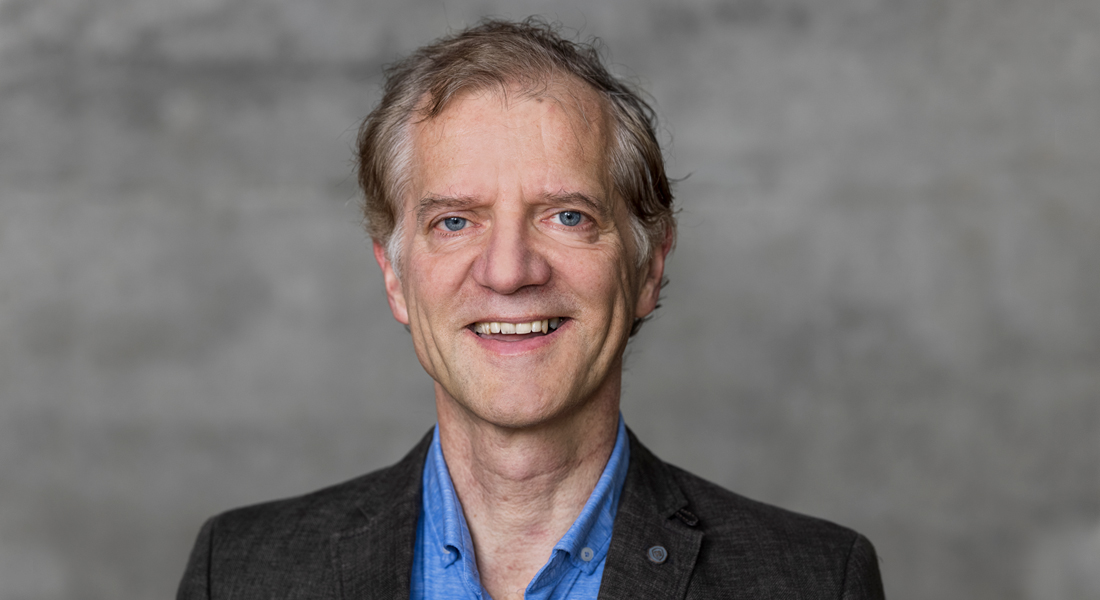
Peter Nilsson is a Professor of Economics at the Institute for International Economic Studies (IIES) , Stockholm University. He also holds a guest professorship at Linnaeus University and serves as a research fellow at IFAU , Uppsala Center for Labor Studies , CESifo , and CEPR . Previously, he was a postdoctoral fellow at Stanford University and obtained his PhD from Uppsala University (2010). Research Focus: His work bridges Labor Economics , Health Economics , and Environmental Economics , analyzing how early-life exposures (alcohol, lead), workplace dynamics, and policy interventions (unemployment insurance, congestion pricing) shape long-term socioeconomic outcomes. Key themes include Environmental Health Impacts on Cognition and Crime Labor Market Responses to Insurance Policies Peer Effects in Workplace Behavior Policy Design for Social Equity Scientific Awards: Nilsson has been recognized through research fellowships at leading institutions and editorial roles, including Associate Editor at The Economic Journal since 2021. His work has been featured in American Economic Review , Journal of Political Economy , and NBER platforms. Key Contributions: He provided testimony for Connecticut’s HB-5045 to reduce childhood lead exposure and contributed to Sweden’s Corona Commission report on pandemic responses. His empirical methods combine natural experiments with administrative datasets to identify causal relationships in health, labor, and environmental economics.
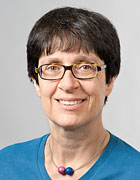
Cecilie Schou Andreassen is a Professor at the Department of Clinical Psychology, University of Bergen . She specializes in behavioral addictions , including workaholism, social media addiction, and substance use interactions. Email: cecilie.andreassen@uib.no Visitor Address: Alrek Health Cluster, Årstadveien 17, 5009 Bergen Research Focus: Andreassen's work examines the psychosocial antecedents of addictive behaviors, with emphasis on personality traits , workplace dynamics , and digital platform interactions . Her research spans cross-cultural validation studies and longitudinal health outcomes related to technology and substance misuse. Article Trends (2017-2022): Analyzing 15 recent publications reveals a consistent focus on addiction scale validation , social media epidemiology , and workaholism's health impacts . Key themes include measurement invariance , digital-chemical addiction comorbidity , and psychological withdrawal mechanisms . Scientific Contributions: Co-developer of Bergen Work Addiction Scale Creator of Bergen-Yale Sex Addiction Scale Leadership in behavioral addiction epidemiology Recipient of Norwegian Research Council grants Advising & Collaborations: While no direct advisees are listed, Andreassen collaborates extensively with international researchers in work psychology , social media studies , and public health . Her work involves partnerships with Nottingham Trent University , Yale University , and National Competence Service for Sleep Disorders . Labs & Teams: Affiliated with the Department of Clinical Psychology and previously with the Department of Social Psychology at University of Bergen, she contributes to national health registry studies and cross-occupational research on addiction patterns.
Jeremy K Fox is Associate Professor of Psychology at Montclair State University's College of Humanities and Social Sciences, where he directs the RECAP (Research on Emotion, Coping and Anxiety in Pediatrics) laboratory. His research examines developmental pathways to childhood anxiety and depression. Education includes: PhD in Clinical Psychology, State University of New York at Albany MA in Psychology, State University of New York at Albany BA in Psychology, Johns Hopkins University Research focuses on temperament-environment interactions, emotion regulation deficits, and school-based interventions. Current work investigates parental influences on anxiety development and peer-supported treatment models for minority youth. Articles demonstrate consistent focus on improving mental health service accessibility. Leads graduate training in clinical psychology and mentors doctoral students in anxiety research. RECAP lab investigates affective mechanisms underlying adolescent distress and develops digital interventions for school settings.
Bernadka Dubicka is a Clinical Professor and Honorary Clinical Chair in the Division of Neuroscience at the University of Manchester. She holds dual roles as a research lead at Pennine Care NHS Foundation Trust and as the child and adolescent mental health research lead for Health Innovation Manchester. She is the Editor-in-Chief of the Journal of Child and Adolescent Mental Health and previously served as Chair of the Child and Adolescent Faculty at the Royal College of Psychiatrists (2017–2021). Her academic qualifications include a BSc in Psychology and MBBs from University College London, followed by FRCPsych accreditation in child psychiatry. She earned a gold medal for her MD thesis on behavioral disorder implications in depression. Dubicka’s research focuses on adolescent depression, mood disorders, and brief interventions, including the IMPACT and STADIA trials evaluating psychological treatments and standardized diagnostic assessments. Her work also addresses technology’s role in youth mental health and the eco-crisis’s mental health impacts. Education: BSc Psychology, University College London MBBs, University of London MD Thesis (Gold Medal), University College London FRCPsych, Royal College of Psychiatrists Her research spans depression treatment efficacy, behavioral activation, and cross-national studies on pediatric bipolar disorder. She collaborates internationally and has led over 49 publications. Awards include a gold medal for her thesis and recognition as an RCPsych Fellow. Her work also emphasizes policy advocacy, such as addressing digital rights for children and mental health responses to climate change (e.g., COP26 contributions). She trains clinicians in brief psychosocial interventions and behavioral activation through academic programs and national courses. Grants & Funding: Co-investigator on the £1.1M HTA-funded STADIA trial evaluating remote mental health assessments. Principal investigator on the IMPACT trial, one of the largest adolescent depression trials globally. Labs/Teams: Collaborations include the University of Cambridge (IMPACT trial), University of Nottingham (STADIA), and international taskforces on treatment-resistant depression.
Dr. Birgit Frauscher is the Lincoln Financial Group Distinguished Professor in Neurobiology at Duke University School of Medicine, where she serves as Professor of Neurology and holds a secondary appointment in the Department of Biomedical Engineering at the Duke Pratt School of Engineering. She is currently the Director of the Duke Comprehensive Epilepsy Center and leads the Analytical Neurophysiology (ANPHY) Lab. Her clinical and research work focuses on epilepsy and sleep medicine, utilizing both invasive and non-invasive electrical recordings to study brain activity in humans. Dr. Frauscher completed her medical training, neurology residency, and subspecialty training in electroencephalography, epilepsy, and sleep medicine at the Medical University of Innsbruck in Austria. After completing her clinical training in 2008, she earned her habilitation degree in 2011. She further specialized in intracranial EEG and signal analysis during a visiting professorship at the Montreal Neurological Institute and Hospital, McGill University (2013-2015), where she later served as an Attending Epileptologist and Group Leader of Epilepsy. Her research interests focus on developing novel seizure-independent EEG markers for the epileptogenic zone, investigating sleep-epilepsy interactions, and using intracranial EEG to study brain physiology during wakefulness and sleep. Her work aims to improve epilepsy diagnosis, prognosis, and treatment outcomes by better localizing the epileptic focus. Dr. Frauscher's recent publications demonstrate her continued leadership in epilepsy research, with over 170 peer-reviewed papers and an H-index of 62. Dr. Frauscher has received several prestigious awards including the Clinician-Scientist awards of the FRSQ (2018-2023), the Michael Prize of the International League against Epilepsy (2019), and the Ernst Niedermeyer Prize from the Austrian Epilepsy Society (2015). Her scholarly work has significantly advanced clinical knowledge in epilepsy and sleep medicine, establishing her as a leading figure in the field. As Director of the Duke Comprehensive Epilepsy Center and head of the ANPHY lab, Dr. Frauscher oversees a research program dedicated to advancing neuroscience through innovative approaches to studying brain activity. Her lab employs quantifiable tools to investigate neurophysiological and pathological processes related to epilepsy and sleep, with the ultimate goal of improving patient outcomes through better understanding of brain function.
Prof. Dr. Nina Gantert is a distinguished Professor of Probability Theory at the Technical University of Munich (TUM) , affiliated with the TUM School of Computation, Information and Technology . She has held faculty positions at Karlsruhe Institute of Technology and the University of Münster prior to joining TUM in 2011. Her research focuses on probability theory , particularly stochastic processes , large deviations , and random media . She investigates random walks in random environments as models for transport in disordered systems and explores applications in physics and biology . Recent publications highlight her work on branching random walks , mixing times , biased random walks , and large deviation principles for complex stochastic systems. She has co-authored studies on random walks in dynamical percolation , interacting edge-reinforced processes , and extremal point processes in branching models. Scientific Awards: Elected fellow of the IMS (2016) Her academic career spans institutions including ETH Zürich, University of Bonn, Technical University of Berlin, and TUM. She has supervised numerous Bachelor’s and Master’s theses on topics ranging from mixing time analysis to percolation theory , often collaborating with international co-authors.
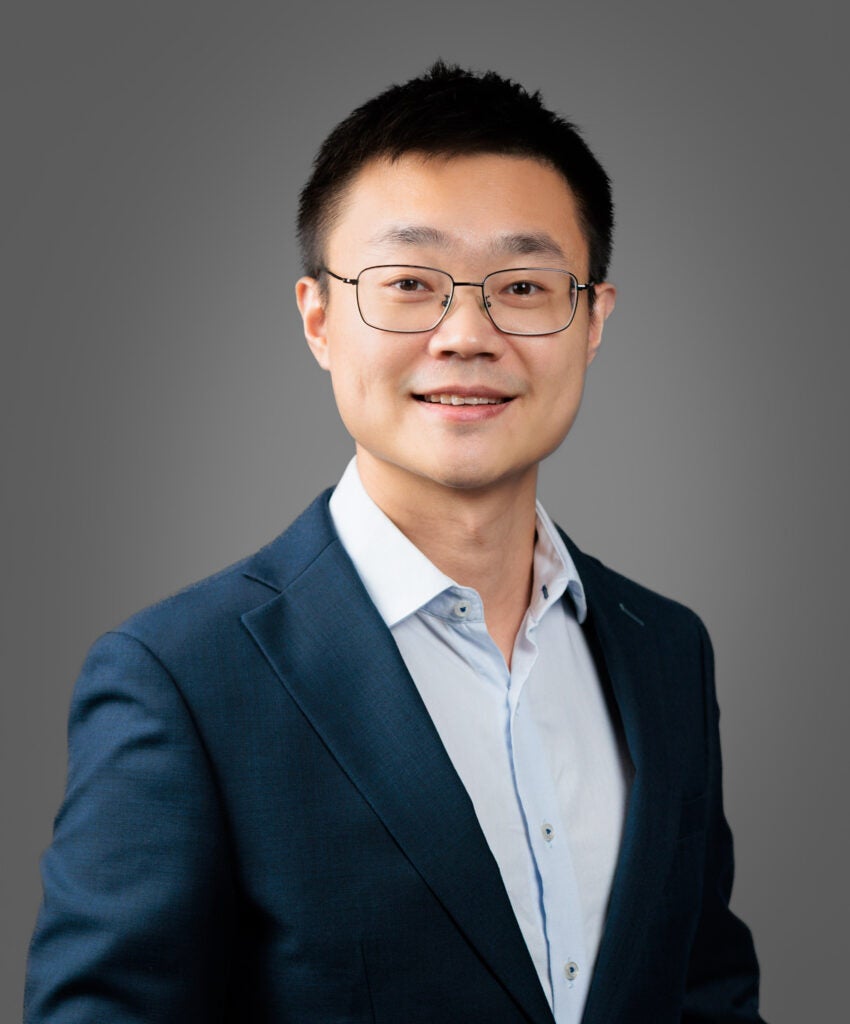
Di Zhu is a Presidential Young Professor in the Department of Materials Science and Engineering at the National University of Singapore (NUS). He holds a B.Eng. from Nanyang Technological University and M.Sc./Ph.D. from MIT, both in Electrical Engineering. His postdoctoral research at Harvard focused on lithium niobate integrated photonics and superconducting detectors. He previously worked as a research scientist and PI at A*STAR's Institute of Materials Research and Engineering (IMRE). Research Interests : Integrated quantum photonics, superconducting detectors, nonlinear optics, and nanofabrication. His group develops scalable quantum photonic devices using lithium niobate and superconducting materials, emphasizing applications in quantum computing, communication, and sensing. Awards : National Research Foundation (NRF) Fellowship Harvard Quantum Initiative (HQI) Postdoctoral Fellowship MIT Jin-Au Kong Thesis Award Advising & Recruitment : Actively recruiting postdocs, PhD students, and interns in areas like integrated photonics, quantum optics, and superconducting detectors. Positions include work on thin-film lithium niobate, quantum simulation, and microwave-optical transduction. Group website: dizhulab.org .
Professor Neil Telling is Research Director at Keele's School of Pharmacy and Bioengineering, specializing in biomedical nanophysics. His research develops magnetic nanostructures for medical applications and investigates biomineralized iron deposits in neurological tissue using advanced synchrotron techniques. Research pillars: Nanoscale magnetic materials for targeted therapies X-ray spectromicroscopy of biological tissues Iron speciation in neurodegenerative conditions He maintains extensive international collaborations and regularly conducts experiments at major synchrotron facilities including the Advanced Light Source and Diamond Light Source.
Zakia Hammal is an Assistant Research Professor with dual appointments at Carnegie Mellon University, holding positions in the Robotics Institute within the School of Computer Science and the Department of Biomedical Engineering in the College of Engineering. Her work bridges computer science, machine learning, artificial intelligence, and social/behavioral psychology to advance computational models for human behavior analysis. Dr. Hammal's educational background includes a PhD in Computer Science, a Master of Artificial Intelligence and Algorithmic with specialization in Image Processing, and an Engineer's degree in Computer Science with specialization in Computer Systems. Her academic journey has positioned her at the intersection of technical expertise and healthcare applications. Her research focuses on multimodal human behavior modeling in social interaction, with particular emphasis on health informatics and affective computing (Emotion AI). Dr. Hammal's work has pioneered computational models for multimodal assessment of psychiatric disorders, including depression severity evaluation, automatic pain intensity measurement, assessment of expressiveness in children with facial abnormalities, analysis of non-verbal communication in mother-infant interaction, and identification of behavioral markers in autism spectrum disorder. Her approach integrates computer vision, machine learning, and behavioral psychology to create systems that can objectively measure human behaviors that are often subjective in clinical settings. Analysis of her recent publications reveals a consistent trajectory toward more sophisticated multimodal approaches to healthcare challenges, particularly in pain assessment and mental health diagnostics. Her work increasingly emphasizes interpretable AI models that can translate complex behavioral patterns into clinically meaningful insights, with growing attention to applications for vulnerable populations including infants, elderly patients, and those with craniofacial abnormalities or autism spectrum disorder. Women in AI Awards North America 2023 – AI Researcher of the Year Award Outstanding Reviewer Award at FG 2015 Best Paper award at ACII 2015 Outstanding Paper award at ICMI 2012 Dr. Hammal has secured significant research funding, primarily from the U.S. National Institutes of Health, including an R01 grant for developing a Multimodal Behavioral AI platform for pain assessment and management, and additional grants for automatic pain assessment in older adults with dementia. Her leadership extends to mentoring through her involvement in organizing workshops and conferences that train the next generation of researchers in affective computing and health informatics. As an active leader in her field, Dr. Hammal serves as ACM ICMI Steering Board Committee Member, Associate Editor for IEEE Transactions on Affective Computing and IEEE Transactions on Multimedia, and has organized numerous influential workshops including the International Workshop on Automated Assessment of Pain and Face and Gesture Analysis for Health Informatics. She is set to serve as Program Chair for FG 2025, ACII 2025, and ICMI 2026, demonstrating her growing influence in shaping the future direction of research in multimodal interaction and affective computing.
Professor Nicholas Buckley is a leading academic in Clinical Pharmacology at the University of Sydney and holds a Visiting Professor position at the University of Peradeniya, Sri Lanka. He serves as Research Director for the South Asian Clinical Toxicology Research Collaboration (SACTRC) and is a Consultant Clinical Pharmacologist & Toxicologist at the NSW Poisons Information Centre and Royal Prince Alfred Hospital. His work focuses on improving clinical toxicology practices, poison control policies, and understanding mechanisms of drug toxicity. Co-founder of SACTRC for agrochemical poisoning and snakebite research Chair of Australian Therapeutic Guidelines - Toxicology writing group Editorial roles in Clinical Toxicology, Drug Safety, and Australian Prescriber Research Interests include toxicovigilance, epidemiology of poisoning, acute kidney injury in poisoning/snakebite, pesticide safety interventions, antidote development, and pharmacoepidemiology of psychotropic drugs. His work combines clinical trials, population surveillance, and translational research. Scientific Contributions span 440+ peer-reviewed articles and 22 book chapters, with continuous funding since 2002. He has supervised over 20 higher degree students and leads international collaborations in low-and-middle-income countries through NIHR RIGHT4. Key Affiliations : Member of Charles Perkins Centre, Australian Medicines Handbook Editorial Advisory Board, and NIHR RIGHT4 programme.
Professor Matthias Mann is a world-leading scientist serving as Director of the Proteomics and Signal Transduction department at the Max Planck Institute of Biochemistry in Martinsried, Germany, and Director of the Proteomics department at the Novo Nordisk Foundation Center for Protein Research, Faculty of Health Sciences, University of Copenhagen, Denmark. With an h-index exceeding 277 and over 350,000 citations, he is recognized as the highest cited German researcher and one of the most influential scientists globally in proteomics. His educational background includes: Ph.D. in Chemical Engineering from Yale University (1988) Master's Degree in Physics from Georg August University Göttingen (1984) Bachelor's of Arts in Mathematics from Georg August University Göttingen (1982) Professor Mann's research focuses on advancing mass spectrometry-based proteomics to understand biological systems at the protein level. His work spans technological developments in mass spectrometry, bioinformatics and computational analysis, signal transduction and posttranslational modifications, and clinical proteomics applications for disease diagnosis and treatment. The Mann lab has pioneered groundbreaking methods like SILAC for quantitative proteomics and MaxQuant for proteome data analysis. Their vision is to translate proteomics knowledge into clinical practice for predictive, diagnostic, and preventive medicine, with recent work focusing on AI-guided platforms for analyzing proteomes from minimal tissue samples. Analysis of Professor Mann's recent publications reveals a strong trend toward clinical applications of proteomics, particularly in cancer research, metabolic diseases, and neurodegenerative disorders. His work increasingly integrates spatial proteomics, single-cell resolution techniques, and artificial intelligence approaches to uncover disease mechanisms and identify potential biomarkers, with a clear shift from basic technology development toward direct clinical applications and personalized medicine. Professor Mann has received numerous prestigious awards throughout his career: 2025: Elected member of the American National Academy of Sciences 2024: Dr. H.P. Heineken Award for Biochemistry and Biophysics 2023: Otto Warburg Medal 2019: Nominated member of the Bavarian Academy of Sciences 2013: Elected member of Leopoldina German National Academy of Sciences 2012: Körber European Science Award, Louis-Jeantet Foundation Prize for Medicine, Ernst Schering Prize, and Leibniz Prize Professor Mann leads a highly collaborative research team involved in multiple international networks including the Bill & Melinda Gates Foundation, Michael J. Fox Foundation for Parkinson's Research, CLINSPECT-M, and Munich Heart Alliance. His lab has mentored numerous successful researchers, with several former postdocs receiving prestigious ERC Starting Grants. The Mann group has developed innovative clinical proteomics pipelines for analyzing archived tissue specimens and body fluids, aiming to identify protein markers for early detection of diseases such as diabetes and cancer. The Mann lab operates across two major research centers with state-of-the-art mass spectrometry facilities. Their Clinical Knowledge Graph platform integrates multi-omics data with extensive metadata, creating an ecosystem for machine learning applications in proteomics. Current research focuses on developing highly sensitive methods that can profile thousands of proteins from minimal cell samples, enabling the identification of critical disease-related proteins and supporting the development of individualized therapies.
Lauren A. Delisio is an Associate Professor of Special Education at Rider University's Department of Teacher Education. She has taught graduate and undergraduate courses in special education, inclusive practices, and assistive technology since 2015. Ph.D. in Exceptional Student Education (2015, University of Central Florida) Graduate Certificate in Autism Spectrum Disorders (2012, University of Central Florida) M.S. in Teaching (2005, Pace University) B.A. in Communications (2000, Rider University) Her research focuses on universal design for learning (UDL) , assistive technology , and inclusive education practices for students with autism spectrum disorders (ASD), attention deficit hyperactivity disorder (ADHD), and intellectual disabilities. She has explored trauma-informed instruction, STEM accessibility, and evidence-based practices in inclusive classrooms. Her recent publications analyze UDL implementation, video prompting for independence, and pandemic impacts on inclusive education. She has received grants through the Department of Education's Office of Special Education Programs (OSEP) for Project LEAD and served as a doctoral intern with OSEP. Delisio has contributed to STEM research via video game integration for students with disabilities and supported alumni engagement through data collection. She collaborates with service providers, universities, and policymakers to improve educational outcomes for neurodiverse learners.
Päivi Eriksson is a Professor of Management at the University of Eastern Finland (UEF) Business School. She co-leads the Innovation Management research group and coordinates the MSCA Neuro-Innovation PhD Programme (2021-2026) and NOVEL Postdoctoral Programme (2024-2029). Her research focuses on innovation management, academic entrepreneurship, and collaborative research methodologies. She leads the Neuro-Innovation and Impact research team within UEF's neuroscience community (NEURO). Key projects include DATASLEEP (2021-2025), CO-RESEARCH (2022-2026), and Shadows in Paradise (2022-2032). Her work bridges academic research with societal impact through initiatives like the Auria Biobank commercialization. She has authored/co-authored over 150 publications in journals like Journal of Affective Disorders , Qualitative Health Research , and International Journal of Human Resources Development . Eriksson's awards include research council grants and contributions to Elgar's Encyclopedia of Innovation Management . She advises on academic entrepreneurship policies and collaborates with 30+ external partners in healthcare, tech, and industry sectors. Her teaching emphasizes innovation empathy and service design frameworks for customer-centric solutions.
Laurence Hunt is an Associate Professor of Experimental Psychology at the University of Oxford and a Tutorial Fellow in Psychology at St John's College. He leads the Laboratory of Decision Dynamics, focusing on neural mechanisms underlying decision-making. His work integrates mathematical models with electrophysiological techniques in humans and animal models to study behavioral and neural data. Key roles include the Wellcome/Royal Society Sir Henry Dale Fellowship and prior postdoctoral positions at UCL and Oxford's Department of Psychiatry. Education: D.Phil in Neuroscience from the University of Oxford (2007-2011), pre-clinical Medicine at Cambridge University. Research emphasizes cognitive computational neuroscience, particularly how neural systems process value, uncertainty, and learning. Collaborators include notable figures like Matthew Rushworth and Christopher Summerfield. Scientific Awards: Wellcome/Royal Society Sir Henry Dale Fellow Advising & Grants: His research is supported by fellowships, though specific grants or advisees are not detailed. The Hunt Lab actively explores topics such as reward processing, decision dynamics, and neural geometry using advanced analytical methods. Labs/Teams: Director of the Laboratory of Decision Dynamics, part of the Department of Experimental Psychology. Engaged in interdisciplinary collaborations across Oxford and international institutions.
Dr. Shubham Misra is a Research Fellow in the Department of Neurology at Yale University School of Medicine. He holds a Ph.D. in Neurology from the All India Institute of Medical Sciences (2022) and advanced degrees in Biotechnology from Amity University (2014). His research focuses on biomarker discovery, proteomics, and clinical data analysis in neurological disorders, particularly stroke and post-stroke epilepsy. Dr. Misra has authored over 50 peer-reviewed publications, including work in JAMA Neurology and Neurology , and leads research on omics-based approaches in stroke at Frontiers in Neurology. He collaborates globally, including with the WHO's Brain Health Unit to address neurological aspects of pandemics like COVID-19. Research Interests: Biomarker discovery using proteomics and machine learning, outcomes research in stroke, genetic risk factors for neurological disorders, and systematic reviews/meta-analyses. Dr. Misra's work bridges clinical neurology with advanced data science, aiming to improve diagnostics and patient outcomes. Awards: Young Investigator Award (World Stroke Organization), DST-INSPIRE Fellowship (India), and multiple international travel grants for collaborative research. Grants & Collaborations: Leads the International Post-stroke Epilepsy Research Repository (IPSERR) and collaborates with institutions worldwide. His work on post-stroke epilepsy and stroke subtyping biomarkers has been widely cited (over 1,200 citations). Labs & Teams: Mishra Lab at Yale, Rangaraju Lab, and global networks through the WHO's Global Forum and IPSERR consortium.