Cyrus R. Safinya is a Distinguished Professor in the Materials Research Lab at the University of California, Santa Barbara , with affiliated appointments in Physics. His research focuses on Macromolecular and Biomolecular Materials , particularly on understanding the fundamental interactions governing supramolecular assemblies of biological significance. His research spans several key areas: Elucidation of interactions between proteins derived from neurons Development of synthetic carriers for nucleic acids (DNA, RNA) for gene delivery and silencing Creation of lipid-based hydrophobic drug carriers for cancer therapeutics Investigation of cytoskeletal protein assemblies in biological systems Development of model systems to understand supramolecular structures in neuronal processes Exploration of principles underlying non-viral gene delivery Study of self-assembly phenomena in soft matter systems Publications from the Safinya Group demonstrate expertise across multiple disciplines: Biophysics of cytoskeletal protein assemblies Materials science of lipid-DNA complexes Neurodegenerative disease modeling Gene delivery and silencing mechanisms Self-assembly and phase behavior of biological macromolecules Advanced imaging techniques for nanoscale structures Scientific honors include: Fellow of the American Association for the Advancement of Science Fellow of the American Physical Society World Class University Visiting Professor at KAIST Henri De Rothschild Foundation Fellowship His group employs synchrotron x-ray diffraction , electron microscopy , and optical imaging techniques to study structural organization of cytoskeletal proteins. They investigate actin , microtubules , and neurofilaments under various conditions to understand how these proteins assemble into functional architectures. Education: PhD in Physics from Massachusetts Institute of Technology BS in Physics and Mathematics from Bates College
Karen M. Ridge, PhD is the Ernest S. Bazley Professor of Pulmonary Sciences and Professor of Medicine (Pulmonary and Critical Care) and Cell and Developmental Biology at Northwestern University Feinberg School of Medicine. She leads a research laboratory focused on the molecular mechanisms of lung injury and repair, with particular emphasis on the role of intermediate filaments in inflammatory responses and tissue recovery following viral pneumonia. Dr. Ridge earned her PhD from the University of Illinois, Chicago in 1998. Her academic journey has positioned her as a leading researcher in pulmonary sciences, with appointments spanning both the Department of Medicine (Pulmonary and Critical Care) and the Department of Cell and Developmental Biology. She is actively involved in multiple research centers including the Center for Human Immunobiology, Northwestern University Clinical and Translational Sciences Institute (NUCATS), Simpson Querrey Institute for Epigenetics, and the Skin Biology and Diseases Resource-Based Center. Dr. Ridge's primary research interest centers on intermediate filaments (IFs), cytoskeletal structures crucial for maintaining cellular and tissue integrity. Her laboratory specifically investigates the non-mechanical roles of the IF cytoskeleton, including how IFs regulate cell migration, cell survival, and serve as scaffolds for stress-activated kinases and adaptor proteins. Recent work has focused on vimentin, a type III intermediate filament, and its role as a scaffold for the assembly and activation of the NLRP3 inflammasome. Her team has demonstrated that optimal localization and activity of the inflammasome requires the vimentin IF network, suggesting a broad biological role for vimentin in regulating NLR proteins in the lung. Current research examines how vimentin modulates regulatory T cell receptor-ligand interactions and impacts recovery from viral pneumonia. Her work has been supported by a $14 million grant from the National Heart, Lung, and Blood Institute to study mechanisms promoting lung tissue repair in patients with severe viral pneumonia. Analysis of Dr. Ridge's recent publications reveals a strong focus on viral pneumonia, particularly influenza and post-COVID complications, with emphasis on immune cell function, lung repair mechanisms, and the role of intermediate filaments. Her work bridges basic science and clinical applications, with several studies examining age-related differences in immune responses to respiratory infections. The research demonstrates how cytoskeletal proteins like vimentin and keratins regulate inflammatory pathways, macrophage function, and tissue repair following lung injury. Dr. Ridge has received notable recognition for her work, including the Giles F. Filley Memorial Award for Excellence in Respiratory Physiology and Medicine from the American Physiological Society (2009). She serves as Deputy Editor for the American Journal of Respiratory and Critical Care Medicine and holds editorial board positions with several prestigious journals including American Journal of Physiology, American Journal of Respiratory Cell and Molecular Biology, and The FASEB Journal. She co-chairs the Gordon Research Conference (since 2020) and serves on the American Thoracic Society Working Group on Aging (since 2017). As a mentor, Dr. Ridge supervises multiple graduate students and research staff in her laboratory. Her team includes Research Professor Ruihua Ma, Physician Scientist Andrew Prigge, graduate students, and research technologists. She maintains extensive collaborations with both internal Northwestern colleagues such as Scott Budinger, Navdeep Chandel, and Alexander Misharin, and external researchers including John Eriksson at Åbo Akademi University and Paul Janmey at University of Pennsylvania. Dr. Ridge is an active member of several professional societies including the American Society for Cell Biology, Biomedical Engineering Society, American Thoracic Society, and American Physiological Society. The Ridge Lab, housed at The Louis A Simpson and Kimberly K Querrey Biomedical Research Center, operates as a multidisciplinary research hub focused on understanding the molecular mechanisms driving repair and recovery from viral pneumonia. The lab's work has significant implications for treating acute lung injury, pulmonary fibrosis, and post-viral complications, particularly in vulnerable populations such as children and the elderly.
Noel Clark is a Professor of Distinction in the Department of Physics at the University of Colorado. His research focuses on condensed matter physics, particularly liquid crystals and colloids, exploring phase transitions, electro-optic applications, and nanoscale fabrication. Clark received his PhD in Physics from MIT (1970) and held roles at Harvard before joining CU in 1977. His group pioneered ferroelectric liquid crystal light valves, now central to the Center for Optoelectronic Computing Systems. Recent work includes nanometer-scale structures using protein crystals and studies of helical nanofilaments. His research spans fundamental physics and applied technologies, with over 50 publications in top journals. Education: PhD in Physics, MIT, 1970 Research Highlights: Discovery of the melting transition as bond condensation Development of ferroelectric liquid crystal technologies Nanotechnology projects using biomembrane liquid crystals Key Themes in Articles (2020–2025): Phase behavior of ferroelectric nematics and smectics Microgravity studies of liquid crystal films Applications in optoelectronics and biological systems Self-assembly of DNA-based nanostructures Labs/Teams: Involved with the Center for Optoelectronic Computing Systems at CU, focusing on optical computing and liquid crystal device development.
Professor Martin Goldberg holds the position of Professor and Head of Electron Microscopy in the Department of Biosciences at Durham University, within the School of Biological and Biomedical Sciences. His career spans academic roles including Lecturer (2002-2010), Senior Lecturer/Associate Professor (2010-2022), and current Professor (2022-present). He has held positions at the Paterson Institute for Cancer Research in Manchester from 1988 to 2002. Education: BSc in Genetics from Leeds University (1985), PhD in Biophysics from Liverpool Polytechnic and UC Davis (1989). Research focuses on nuclear envelope structure, microscopy techniques (electron and scanning), and cellular processes like nuclear pore complex dynamics, cytoskeletal interactions, and cancer cell biology. His work bridges structural biology and functional mechanisms, employing advanced imaging methods. Recent studies address LINC complex proteins in breast cancer invasiveness, tardigrade heat shock proteins, and keratinocyte culture models. Esteem indicators include organizing sessions at the SEB Annual Meeting (2011), invitations as an invited speaker at multiple conferences, and contributions to book chapters. He advises three PhD/MSc students and has contributed to over 150 publications since 1985. His lab specializes in ultra-high-resolution microscopy and nuclear envelope research.
Tae-Hee Lee is a Professor of Chemistry at Pennsylvania State University, affiliated with the Huck Institutes of the Life Sciences and the Molecular, Cellular, and Integrative Biosciences program. His research focuses on single-molecule biophysics of nucleosomes, chromatin, and gene regulation, employing advanced techniques like smFRET and super-resolution microscopy. He holds a Ph.D. from Georgia Institute of Technology (2004) and completed postdoctoral training at Stanford University (2007). His research group investigates nucleosome dynamics, histone modifications, and their roles in epigenetic regulation. Key projects include studying how covalent modifications (e.g., acetylation, ubiquitylation) affect nucleosome stability and transcriptional processes. Techniques developed in his lab bridge physical chemistry, biochemistry, and nanoscale engineering. Education: Ph.D., Georgia Tech (2004); Postdoc, Stanford (2007) Affiliations: Huck Institutes of the Life Sciences, MCIB Program Lab Focus: Single-molecule approaches to chromatin structure and dynamics He has received prestigious awards including the Searle Scholar (2008) and Camille Dreyfus New Faculty Award (2007). Current openings exist for post-doctoral researchers with expertise in biophysics or molecular spectroscopy. Publications highlight contributions to understanding nucleosome assembly, histone exchange dynamics, and the interplay between chromatin structure and transcription. Techniques like super-resolution optical lithography and hybrid single-molecule methods are central to his work.
Dr. Matthias Eibauer is a Senior Scientist at the Department of Biochemistry, University of Zurich (UZH), working in Prof. Ohad Medalia's lab since 2015. He previously served as a Postdoc in the same lab (2011–2015) and completed his Ph.D. at the Max Planck Institute for Biochemistry (2007–2011), specializing in Biophysics. He holds a Physics degree from Ludwig Maximilian University of Munich (LMU, 2002–2007). He teaches the module BCH 630: Protein Crystallography and Electron Microscopy at UZH's Faculty of Science. Education: Ph.D. in Physics, Max Planck Institute of Biochemistry, 2011 Diploma in Physics, LMU Munich, 2007 Bachelor's in Physics, LMU Munich, 2002–2007 Research Interests: Dr. Eibauer focuses on structural biology and cryo-electron microscopy (Cryo-EM), particularly studying intermediate filaments, nuclear pore complexes, actin cytoskeleton dynamics, and cellular ultrastructure. His work bridges biophysics and biochemistry, elucidating molecular mechanisms of protein assemblies and cellular components. Publications: His research spans topics like vimentin filament architecture, nuclear lamina organization, and actin polarity. Recent studies highlight advancements in cryo-EM techniques and their application to complex biological structures. Labs/Teams: Active in Prof. Medalia’s lab at UZH, specializing in cutting-edge Cryo-EM methodologies and structural biology.
Prof. Dr. Stefan Klumpp is a Professor at the Department of Physics , University of Göttingen. His research focuses on biophysics, molecular motors, active matter, and bacterial motility, with significant contributions to understanding magnetic navigation in magnetotactic bacteria, cytoskeletal dynamics, and transport phenomena in cellular systems. Current affiliation: University of Göttingen, Department of Physics Contact: stefan.klumpp@phys.uni-goettingen.de Research Interests: Klumpp's work bridges statistical physics and biological systems. His studies include: Magnetotactic bacteria navigation under physiological magnetic fields Mechanics of intermediate filament networks (vimentin, keratin) Stochastic dynamics of active Brownian particles and dipolar systems Molecular motor coordination (tug-of-war, force-dependent unbinding) Protein mobility in synaptic geometries Cellular motility patterns in Bacillus subtilis Publication Trends: Recent articles (2024–2025) emphasize active matter dynamics, bacterial motility, and cytoskeletal mechanics, with interdisciplinary applications in neuroscience and synthetic microtransport systems.
Professor Martin Goldberg is a Professor in the Department of Biosciences at Durham University, leading the Electron Microscopy facility. He holds a BSc in Genetics from Leeds University (1985) and a PhD in Biophysics from Liverpool Polytechnic and UC Davis (1989). His career includes postdoctoral research at the Paterson Institute for Cancer Research (1988–1995), roles as a Staff Scientist and Team Leader (1995–2002), and academic positions at Durham University since 2002. His research focuses on microscopy techniques, nuclear envelope structure/function, and advanced electron microscopy. He has pioneered methods like cryofixed freeze-substitution and immunogold labeling for SEM. Notable contributions include studies on nuclear pore complexes, lamin biology, and viral-host interactions. Recent articles highlight his work on breast cancer cell invasiveness, tardigrade protein biology, and keratinocyte culture. He has advised PhD and MSc students, including Andrea Meza-Leon, James Stevenson, and Ranjit Rai. Hisesteem includes invitations to organize sessions and speak at major conferences (e.g., SEB, Royal Microscopical Society). Goldberg’s labs specialize in high-resolution microscopy, with applications in cancer research, nuclear biology, and cellular structure. His techniques bridge molecular biology and structural analysis, advancing understanding of nuclear-cytoskeletal interactions and disease mechanisms.
Ian Y. Wong is an Associate Professor of Engineering and Associate Professor of Pathology and Laboratory Medicine at Brown University. He joined Brown University as an assistant professor of engineering in July 2013 and has since established himself as a leading researcher in the field of cancer bioengineering and mechanobiology. Dr. Wong received his A.B. magna cum laude in Applied Mathematics from Harvard University in 2003. He earned his Ph.D. in Materials Science and Engineering from Stanford University in 2010, where he worked on the directed self-assembly of biomolecular materials with Nick Melosh. His postdoctoral training in BioMEMS and cancer cell migration was with Mehmet Toner and Daniel Irimia at the Center for Engineering in Medicine of Massachusetts General Hospital and Harvard Medical School from 2010-2013. Wong's research focuses on engineering new technologies to study cancer cell invasion, phenotypic plasticity, and therapeutic resistance. His work spans biomaterials, nanofabrication, 3D printing, directed self-assembly, and polymer physics . Physically, he explores how materials and mechanical aspects of the tumor microenvironment regulate malignant behavior. Biologically, he seeks new insights into single cell heterogeneity and the epithelial-mesenchymal transition (EMT). His recent publications demonstrate a strong trend toward integrating topological data analysis with cancer cell mechanics, developing advanced microfluidic devices for tumor modeling, and creating computational approaches to understand cell behavior in 3D environments. His scientific achievements have been recognized with numerous awards including the NAE Japan-America Frontiers of Engineering Symposium participation (2021), Lab on a Chip Emerging Investigator (2017), Biomaterials Science Emerging Investigator (2017), and the Brown University CareerLAB Nathalie Rutherfurd Pierrepont '07 Prize for Advising (2015). Dr. Wong is actively involved in teaching, offering courses such as ENGN 1110 - Transport and Biotransport Processes and ENGN 2910S - Cancer Nanotechnology. His laboratory, the Wong Laboratory, maintains active collaborations across multiple departments at Brown University, particularly with researchers in Pathology and Laboratory Medicine, Surgery, and the School of Engineering.
Yu Tian is an Associate Professor of Accounting in the Kenneth G. Dixon School of Accounting at the University of Central Florida's College of Business. She teaches cost accounting and intermediate accounting while conducting research on organizational control systems and behavioral aspects of accounting. Note: The attached Google Scholar publications appear unrelated to accounting and may represent research by another scholar with the same name. Research Focus: Dr. Tian's stated research examines the design and effects of formal and informal organizational control systems on individual behavior, performance evaluations, and decision-making processes across public, private, and nonprofit sectors. Publications: Her accounting research has been published in Contemporary Accounting Research, Journal of Management Accounting Research, Journal of Economic Behavior & Organization, Behavioral Research in Accounting, and Journal of the American Taxation Association.
Dylan Murray is an Assistant Professor in the Molecular and Cell Biology department at the University of Connecticut. His research focuses on the structural and mechanistic aspects of biopolymer assembly in both functional and pathological contexts. Ph.D. in Molecular Biophysics from Florida State University PRAT Postdoctoral Fellow at the National Institutes of General Medical Sciences, Bethesda MD Research Interests : Dr. Murray's lab investigates molecular assembly mechanisms using magnetic resonance techniques and computational approaches. Key projects include: RNA granule formation and aggregation in neurodegenerative diseases Intermediate filament assembly defects linked to cancers and pediatric disorders Plant cell wall structure for biofuel and drought tolerance engineering Publications span structural biology, neurodegeneration, and plant biophysics. Recent work highlights cryo-EM and solid-state NMR integration to study protein fibrils (2024) and xylan-cellulose interactions (2023). His studies often explore low-complexity domains, phase separation, and amyloid-like aggregation. Scientific Awards : ACS Editor’s Choice Award PRAT Postdoctoral Fellowship Cover Highlight in Cell JACS Spotlight Recognition Labs & Teams : He leads the Murray Lab, which combines experimental and computational methods to study protein and polymer structures. The lab collaborates with interdisciplinary teams in biomedical and plant sciences.
Benoit Gentil is an Associate Professor in the Department of Kinesiology & Physical Education within McGill University's Faculty of Education. He directs the McGill Laboratory of Genetics and Epigenetics in Motor Development, focusing on biomechanics, neuroscience, and rare neurological disorders. His research bridges molecular mechanisms with motor function, particularly in neurodegenerative contexts. His educational background includes a Ph.D. in Molecular and Cell Biology from Université Joseph Fourier (Grenoble), an M.Sc. in Human Nutrition from University Diderot (Paris VII), and postdoctoral training at McGill University in Biochemistry (with Walter Mushynski) and Neurology/Neurosurgery (with Jean-Pierre Julien). Gentil's research centers on neurodegenerative mechanisms in disorders like ARSACS (Autosomal Recessive Spastic Ataxia of Charlevoix-Saguenay), with emphasis on intermediate filament dynamics , sacsin protein function , genetic mutations , and stress response pathways . His work explores how cytoskeletal defects contribute to motor neuron degeneration, leveraging models from zebrafish to mammalian systems. Recent publications highlight therapeutic approaches targeting protein aggregation and autophagy in ataxia. Analysis of his 15 most recent articles reveals consistent focus on Neurofilament assembly defects in ARSACS HDAC inhibitors as neuroprotective agents Molecular interactions of sacsin's J-domain Metabolic aspects of neurodegeneration His work spans fundamental cell biology to translational applications, with growing emphasis on epigenetic and proteostatic interventions. Gentil actively supervises graduate students in Biomechanics and Neuroscience programs, accepting M.Sc. and Ph.D. candidates for the 2024-25 academic year. His laboratory investigates genetic and epigenetic regulation of motor development, with particular attention to rare neurological diseases and cytoskeletal pathology. Current projects integrate molecular biology, live-cell imaging, and disease modeling to identify therapeutic targets for neurodegenerative conditions.
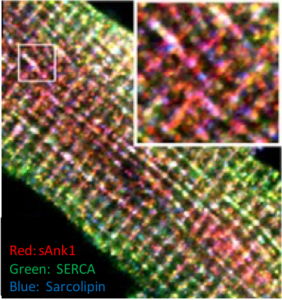
Robert J. Bloch, PhD , is a tenured Professor in the Department of Pharmacology & Physiology at the University of Maryland School of Medicine , with a secondary appointment in Orthopaedics . He joined the faculty in 1980 and has continuously advanced through the academic ranks to full Professor. His research laboratory is internationally recognized for elucidating the molecular and cellular mechanisms that organize membranes and cytoskeletal structures in skeletal muscle, with direct relevance to muscular dystrophies and muscle repair. Primary Institution: University of Maryland, Baltimore School: University of Maryland School of Medicine Departments: Pharmacology & Physiology (primary), Orthopaedics (secondary) Academic Rank: Professor (with tenure) Education & Training Dr. Bloch earned his A.B. in Biological Sciences from Columbia University in 1967 and his Ph.D. in Biochemistry and Molecular Biology from Harvard University in 1972. He pursued post-doctoral training at the Biozentrum der Universität Basel (1972–1976) and served as a Research Associate at the Salk Institute before joining the University of Maryland faculty. Research Interests The Bloch laboratory investigates how specialized membrane compartments and cytoskeletal scaffolds assemble and function in striated muscle, particularly focusing on: Membrane-cytoskeleton interactions at the sarcolemma, transverse tubules, and sarcoplasmic reticulum Intermediate filament proteins (desmin, synemin, keratins) and their roles in maintaining cellular integrity Muscular dystrophy mechanisms involving dysferlin, obscurin, small ankyrin 1, and SERCA regulation Calcium signaling and excitation–contraction coupling defects in dystrophic muscle Xenografting of human muscle into mice to model disease and test therapeutic interventions Protein-protein interactions quantified via surface plasmon resonance, FRET, FRAP, and super-resolution imaging Funding & Grants The laboratory is supported by multiple NIH R01 and R21 awards and by foundation grants from the Jain Foundation, Muscular Dystrophy Association, Friends of FSH Research, SOLVE FSHD, and the FSHD Society. Collaborative agreements with biopharmaceutical companies further expand the translational impact of the work. Lab Team & Mentorship Current doctoral students: Kaila Noland, Dan Garman, Maria Traficante, Yi Li Research staff: Joaquin Muriel-Gonzalez, Valeriy Lukyanenko, Yinghua Zhang, Andrea O’Neill Training opportunities: Rotations are available to students in GPILS programs (Molecular Medicine, Neuroscience, Biochemistry); post-doctoral fellowships are supported by NIH and foundation grants. Scientific Awards & Honors While Dr. Bloch’s personal awards are not listed, his trainees have received numerous accolades, including the Martin Frank Diversity Travel Award, UMB President’s Fellowship, Olive Ruth Russell Fellowship, and best presentation prizes at national meetings.
Stephen A Adam, PhD, is an Associate Professor in the Department of Cell and Developmental Biology at Northwestern University Feinberg School of Medicine. His research focuses on mechanisms of cellular compartmentalization, nuclear protein transport, and intermediate filament proteins such as lamins and vimentin. He has made significant contributions to understanding nuclear envelope dynamics, lamin post-translational modifications, and their roles in rare diseases like Hutchinson-Gilford Progeria Syndrome. Education: BA in Cell Biology from University of Mississippi (1981) and PhD in Cell Biology from Northwestern University (1986). Adam's research explores nuclear structure-mechanics relationships, lamin isoform functions, and cytoskeletal interactions in epithelial-mesenchymal transitions. His work bridges structural biology, mechanobiology, and disease modeling using mammalian cell systems. Scientific Awards: Outstanding Teacher Recognition, Feinberg School of Medicine (2022) Outstanding Teacher Recognition, Feinberg School of Medicine (2019) Outstanding Teacher Recognition, Feinberg School of Medicine (2018) Outstanding Teacher Recognition, Feinberg School of Medicine (2017) Outstanding Teacher Recognition, Feinberg School of Medicine (2016) Outstanding Teacher Recognition, Feinberg School of Medicine (2015) Outstanding Teacher Recognition, Feinberg School of Medicine (2014) Outstanding Teacher Recognition, Feinberg School of Medicine (2009) His publications highlight vimentin's role in nuclear stability during migration, lamin regulation of nuclear pore complexes, and chromatin-nuclear lamina interactions. He is affiliated with the Simpson Querrey Institute for Epigenetics and has disclosed industry relationships with Thermo Fisher Scientific regarding royalty payments.
Ohad Medalia is a Full Professor of Biochemistry at the University of Zurich, specializing in cryo-electron tomography (cryo-ET) . His research investigates macromolecular structures and mechanisms in eukaryotic cells , with a focus on integrin-mediated adhesion, intermediate filaments, and nuclear envelope organization. Education: B.Sc. in Chemistry (Tel-Aviv University), Ph.D. in Chemistry (Weizmann Institute), Postdoc (Max-Planck Institute) Research: Combines cryo-ET, FIB-milling, AFM, and biochemical tools to study lamin assemblies, actin polarity, and cell adhesion dynamics Scientific Awards: ERC Synergy Grant (2018), Honorary Doctorate (2023), FEI European Microscopy Award (2008), Alon Fellowship (2004), Rothschild Fellowship (2001) Students: Supervises multiple PhD students including Clarens Lionel, Montinaro Carlotta, and Master student Peyer Tristan His recent publications highlight structural insights into laminopathies , intermediate filament mechanics , and actin-cytoskeleton interactions . Collaborations span institutions like Max Planck Institute, Ben Gurion University, and European research networks.