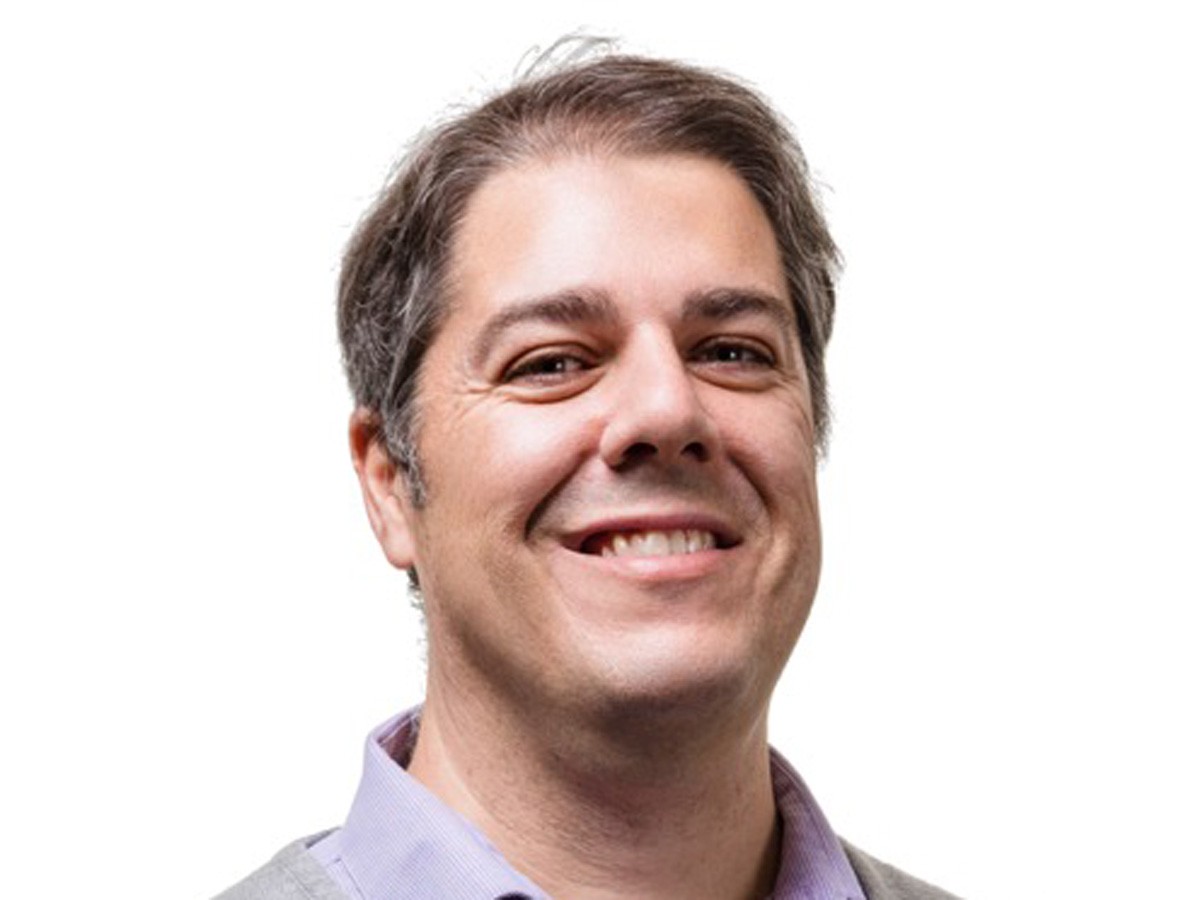
Christoph StadtfeldView profile
Associate Professor
Christoph Stadtfeld is Associate Professor of Social Networks at ETH Zurich's Department of Humanities, Social and Political Sciences and co-director of the ETH Social Networks Lab. His research examines social network dynamics, focusing on tie formation processes, network effects on individuals, and advanced statistical methodologies for longitudinal network analysis. Education: PhD from Karlsruhe Institute of Technology (2011) Postdoctoral researcher and Marie-Curie fellow at University of Groningen, University of Lugano, and MIT Media Lab (2011-2014) His work bridges sociology, statistics, and computer science to address fundamental questions about how social structures evolve and influence behavior. Key interests include relational event modeling, co-evolution of networks and attributes, and applications in mental health, political polarization, and scientific collaboration. He develops innovative methods for analyzing dynamic networks using cutting-edge computational approaches. Recent publications reveal strong emphasis on methodological rigor in temporal network analysis, with significant contributions to relational event modeling and dynamic network actor frameworks. His work increasingly addresses societal challenges including political polarization, mental health impacts of social isolation, and innovation dynamics in healthcare. Scientific awards: Raymond Boudon Award of the European Academy of Sociology (2017) Freeman Award of the International Network for Social Network Analysis (2021) As co-director of the ETH Social Networks Lab, Stadtfeld leads interdisciplinary research teams developing novel network methodologies. His work has been supported by prestigious fellowships including Marie-Curie funding, and he actively mentors graduate students in network science methodology and applications across diverse domains. The ETH Social Networks Lab serves as a hub for advancing network theory and methodology, with ongoing projects examining student networks during crises, scientific collaboration dynamics, and innovation ecosystems through the lens of network science.