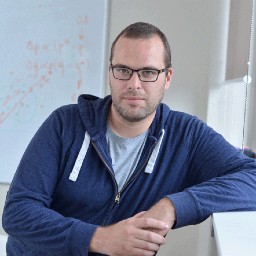
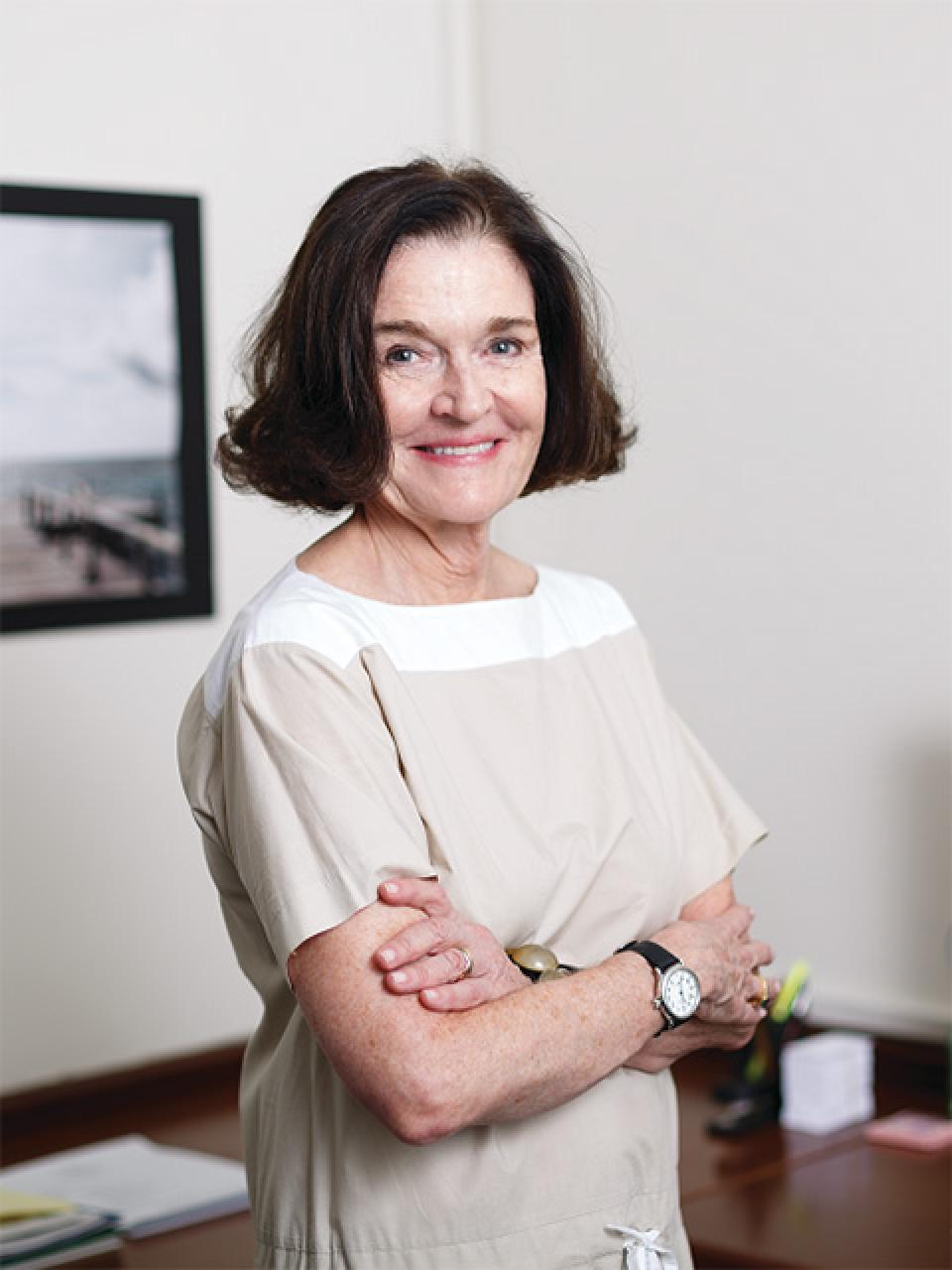
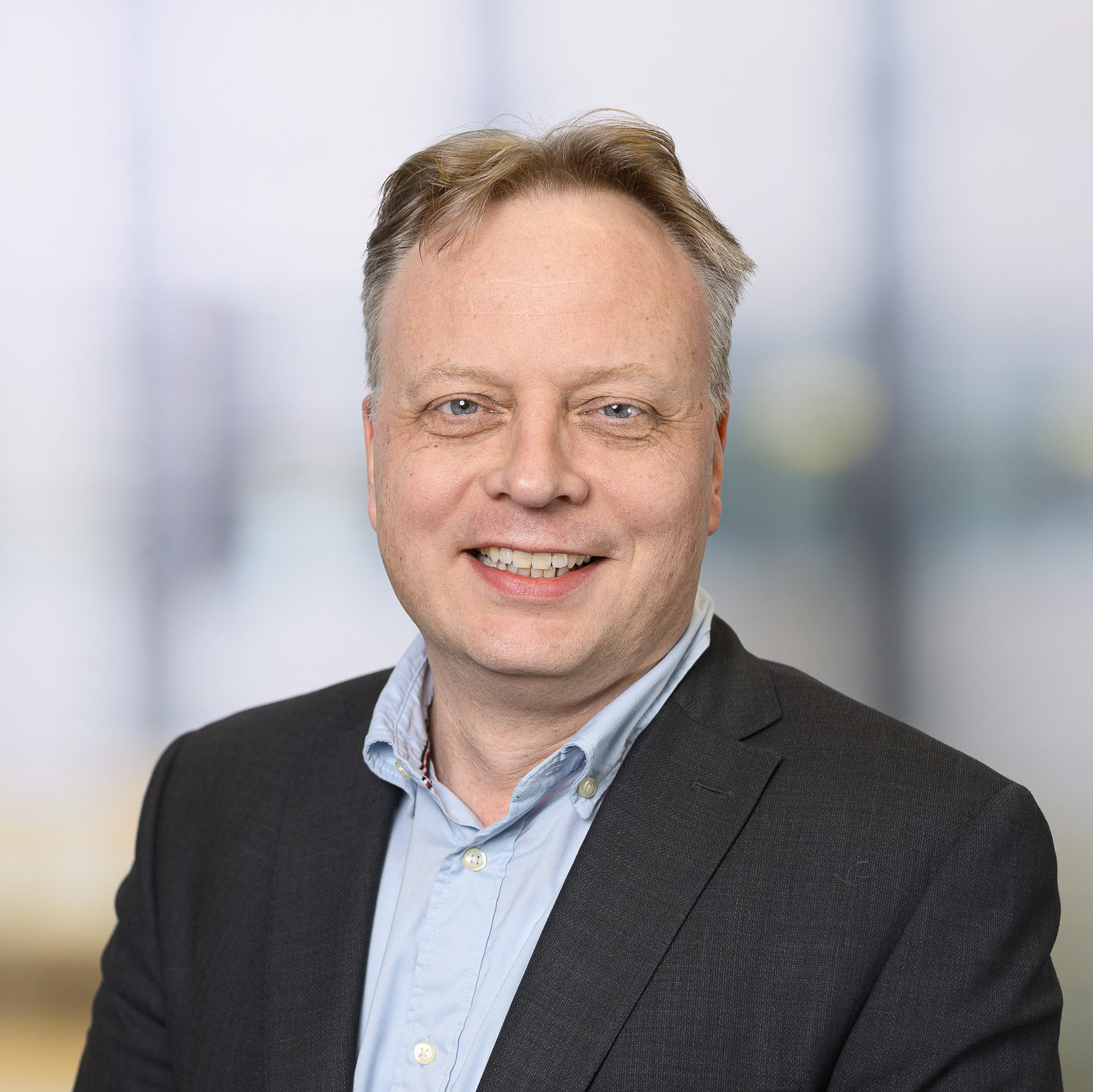
Korneel Hens is a Senior Research Fellow at Oxford Brookes University's School of Biological and Medical Sciences, specializing in Drosophila genetics and gene regulatory networks. His work bridges molecular biology, genomics, and evolutionary studies. Current project: TFTag (2022-2027, £1.14M BBSRC-funded) to create a Drosophila transcription factor library. Key collaborations: Biotechnology & Biological Sciences Research Council, interdisciplinary teams in neuroscience and genomics. Research focuses on: Transcriptional control mechanisms in Drosophila insulin-producing cells Apoptotic pathway evolution in aphids Functional characterization of gene regulatory networks Comparative studies between insect and human angiotensin-converting enzymes Chromatin dynamics during development Evolutionary conservation of molecular pathways His publications span top journals like Molecular Ecology , PLoS Genetics , and Cell Reports , with over 15 recent articles demonstrating sustained research productivity. Awards include significant BBSRC grant funding for large-scale Drosophila studies. Advising activities and student supervision details are not explicitly mentioned. He contributes to technical innovations like yeast one-hybrid screening methods and primer databases for qPCR.
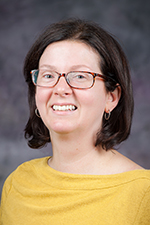
Jocelyn McDonald is a Professor at the Division of Biology , Kansas State University. Her research focuses on understanding the genetic and molecular mechanisms of collective cell migration using Drosophila melanogaster as a model organism. Her work bridges fundamental developmental biology with translational cancer research, particularly in glioblastoma invasion. She earned her Ph.D. in 1998 from the University of Illinois, Urbana-Champaign, in Cell and Developmental Biology. Her lab investigates how genes controlling collective migration in Drosophila can inform therapeutic strategies for human cancers, with ongoing collaboration at the Cleveland Clinic. Research interests include: Genetic regulation of cell migration Epithelial-mesenchymal transitions Cytoskeletal dynamics Tumor invasion mechanisms Drosophila as a cancer model Cell adhesion in collective movement Article trends show a focus on Drosophila border cell models (2023-2024), uncovering conserved genes in glioblastoma (2022-2023), and mechanisms of myosin oscillation (2018). Key themes include protein phosphatases, Rap1 signaling, and cadherin functions. Labs & Collaborations : McDonald Lab (Kansas State), Cleveland Clinic (glioblastoma research), and interdisciplinary teams in cell biology and cancer genomics.
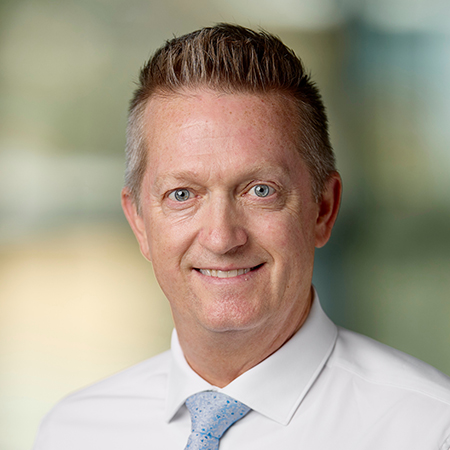
Dr. Yulin Hu serves as a Visiting Professor at RWTH Aachen University, holding the Chair of Information Theory and Data Analytics. His research program bridges theoretical foundations with practical implementations in next-generation wireless systems, with particular emphasis on UAV-aided networks and information-theoretic approaches to communication challenges. His core research interests span multiple interconnected domains: Wireless Communications (especially finite blocklength regimes) Information Theory applications in network design UAV trajectory optimization and network integration Wireless power transfer with nonlinear energy harvesting Edge computing and distributed learning systems Data analytics for network performance optimization Analysis of Dr. Hu's 2025 publication record reveals a concentrated research thrust on UAV trajectory design, where he develops joint optimization frameworks addressing energy efficiency, security, and reliability constraints. His work consistently integrates information-theoretic principles—particularly finite blocklength analysis—to solve practical challenges in ultra-reliable low-latency communications (URLLC) and wireless power transfer. A distinctive feature of his approach is the fusion of deep reinforcement learning with traditional optimization methods for dynamic network scenarios, including no-fly zone constraints and covert operations. While no specific scientific awards are documented in the available materials, his prolific output across top-tier venues demonstrates significant scholarly impact. Details regarding graduate student mentoring and research funding mechanisms remain unspecified in the current documentation. The Chair of Information Theory and Data Analytics, which Dr. Hu leads, functions as a specialized research unit focused on theoretical rigor and algorithmic innovation for wireless systems, though specific laboratory infrastructure or team composition details are not provided.
Isaac Kauvar is a Postdoctoral Fellow at the Department of Electrical Engineering, School of Engineering, Stanford University. He holds a B.S. in Engineering Physics specializing in Photonics, an M.S. in Electrical Engineering focusing on Imaging and Optimization, and is currently pursuing a PhD in Electrical Engineering under the co-advisement of Prof. Gordon Wetzstein. Education B.S. Engineering Physics, Stanford M.S. Electrical Engineering, Stanford His research bridges Neuroscience, Photonics, and Computational Modeling to develop advanced imaging and neural activity measurement technologies. Key contributions include optical brain-computer interfaces, light-field microscopy innovations, and neural circuit analysis across species. Recent publications highlight work in cortical imaging, emotional response modeling, and neurotechnology development. His expertise spans optical systems design, neural dynamics analysis, and brain state modulation. Contact: ikauvar@stanford.edu
Merrill R. Landers serves as Interim Dean and Professor in the Department of Integrated Health Sciences at the University of Nevada, Las Vegas, holding the Cyrus Chung Ying Tang Foundation Research Professorship. He has chaired the physical therapy program since 2011 and maintains active clinical licensure as a physical therapist. His academic credentials include: Ph.D. in Biological Sciences (Integrative Physiology) from UNLV (2012) with cognates in neurobiology and statistics DPT from Creighton University (1997) B.S. in Exercise Science from Brigham Young University (1993) with minor in Scandinavian Studies Dr. Landers' research program centers on Parkinson's disease and mild cognitive impairment, specifically investigating balance impairment mechanisms, fear of falling avoidance behaviors, and neuroprotective effects of exercise. His work bridges neuroscience and rehabilitation through innovative approaches like transcranial direct current stimulation for motor priming. Current projects examine the relationship between psychological factors and mobility limitations, with emphasis on clinical translation. Analysis of his 15 most recent publications (2023-2025) reveals dominant themes in Parkinson's disease research, particularly gait analysis, dual-task performance, and psychological contributors to mobility impairment. His work increasingly incorporates cross-cultural adaptations of assessment tools and explores novel interventions including cannabis effects and nature-based mindfulness. A significant portion focuses on fear of falling avoidance behavior measurement and intervention across diverse populations. His scholarly recognition includes: Credentialed Fellowship Graduate of the APTA Education Leadership Institute Cyrus Chung Ying Tang Foundation Research Professorship As an educator, Dr. Landers teaches advanced courses including Neurophysiology (DPT 756), Genomics and Regenerative Rehabilitation (DPT 713), and Clinical Trial Design (HSC 705). His leadership as Interim Dean and department chair demonstrates commitment to advancing health sciences education while maintaining active research productivity through clinical trials and collaborative neuroscience investigations.
Mohammad Farajzadeh Tehrani is an Associate Professor in the Department of Mathematics at The University of Iowa. His research focuses on symplectic topology, complex algebraic geometry, and moduli spaces, with contributions to Gromov-Witten theory and normal crossings singularities. He is a Co-PI on the NSF-RTG grant DMS-2038103 and has organized conferences like the Frontiers of Geometric Analysis . He holds a Ph.D. from Princeton University (2012) under the supervision of Gang Tian, with prior roles at Stony Brook University and Cornell University. Education: Ph.D. in Mathematics, Princeton University (2007–2012) Double major in Pure Mathematics and Electrical Engineering, Sharif University (2002–2007) Member of Iranian Mathematics Olympiad team at Young Scholars Club (2001–2002) Research Interests His work bridges geometric analysis and algebraic geometry, particularly in: Symplectic topology and its applications to moduli spaces Normal crossings singularities and their smoothability Gromov-Witten invariants and symplectic sum formulas Logarithmic structures in Calabi-Yau manifolds Publications & Grants Recent work includes studies on BPS invariants, Kauffman bracket skein modules, and SL(2,C) character varieties. His research is supported by NSF grants and collaborations with institutions like Stony Brook and Yale. He also co-organized the NSF-funded Iowa City Math Club for high school students. Awards Best Paper Award for RIS-aided mmWave Beam-forming for Two-way Communications (2023) Labs & Teams He leads the Geometry and Topology group at Iowa, collaborating on projects such as the NSF-RTG grant and organizing international workshops. His teaching includes advanced courses in algebraic topology and differential geometry.
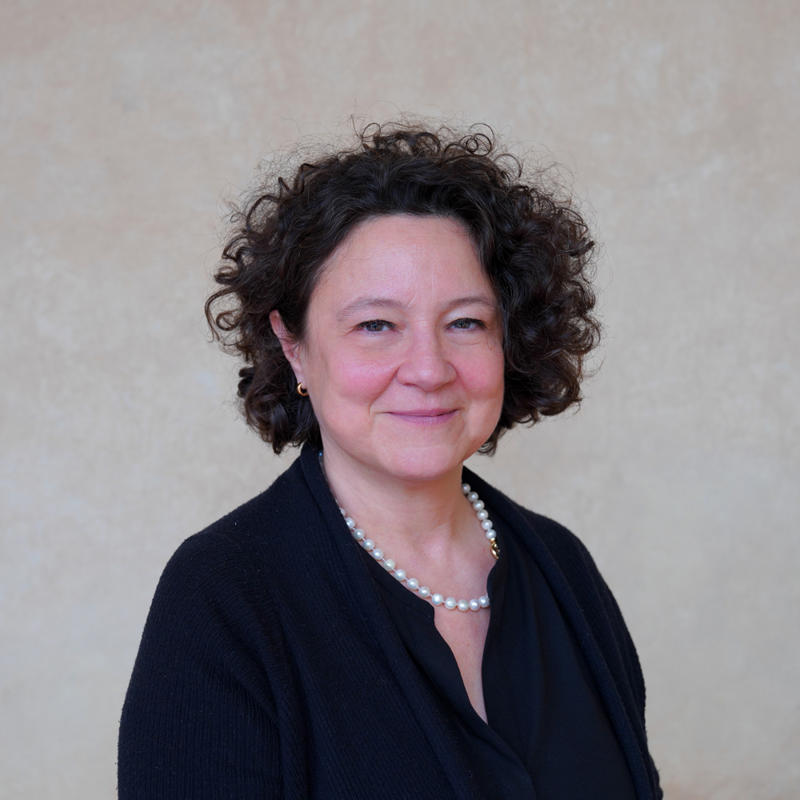
Fabrizia Mealli is a Full-time Professor in the Department of Economics at the European University Institute (EUI), serving as Director of Graduate Studies. She holds a concurrent leave position as Professor of Statistics at the University of Florence's Department of Statistics, Informatics, Applications (DiSIA). Her research focuses on causal inference, econometric methods, Bayesian analysis, and missing data, with applications in social and biomedical sciences. Education & Academic Roles: Professor of Statistics, University of Florence (on leave) Full-time Professor, EUI Department of Economics (since 2023) Visiting positions at Harvard University (2001, 2015, 2017) Research Interests: Her work centers on causal inference methodologies, including principal stratification, interference, and bipartite settings. She develops statistical techniques for observational and experimental studies, Bayesian approaches, and applications in policy evaluation and network effects. Awards & Editorial Roles: Elected Fellow of the American Statistical Association (ASA) President-elect of the Society for Causal Inference (SCI) Associate Editor for Biometrika , Journal of the American Statistical Association , and Annals of Applied Statistics Grants & Collaborations: Her research has been applied to policy evaluation (e.g., hospital readmission programs, immigration policies) and public health interventions (e.g., air pollution effects). Labs & Teams: Leads initiatives on causal inference under interference and network analysis, collaborating with global institutions and researchers in statistics and econometrics.
Sara Czaja is a Professor of Gerontology in Medicine at Weill Cornell Medicine's College of Medicine, where she directs the Center on Aging and Behavioral Research and co-directs the ENHANCE Center. Her work bridges aging research, technology integration, and caregiver support. Aging and Cognition Healthcare Informatics Human-Computer Interaction Functional Assessment Her recent publications focus on technology adoption for aging populations, cognitive training tools, and caregiver interventions. Grants include NIA-funded CREATE and ACL-supported ENHANCE initiatives. Scientific awards include: Fellow, American Psychological Association Fellow, Human Factors and Ergonomics Society Fellow, Gerontological Society of America She leads multisite collaborations and has developed digital platforms for dementia caregivers and cognitive assessment tools.
Paul R. Chiarot is a Professor and Chair of the Department of Mechanical Engineering at Binghamton University, State University of New York (SUNY). He holds a BASc, MASc, and PhD in Mechanical Engineering from the University of Toronto. His research focuses on microfluidics, multiphase flows, and electrospray deposition, with applications in advanced manufacturing, biotechnology, and biomedical engineering. Research Interests: Chiarot leads the Microfluidics and Multiphase Flow Laboratory, exploring electrospray printing for electronics packaging, synthetic vesicle fabrication for membrane biology studies, and fluid mechanics of the brain. His work addresses challenges in energy, healthcare, and nanotechnology. Key areas include: Electrospray-based additive manufacturing Microfluidic platform development for asymmetric vesicles Interstitial fluid transport in brain tissues Thermal management solutions for electronics Awards and Grants: He has received the NSF CAREER Award (2016) and the SUNY Chancellor's Award for Excellence in Scholarship (2022). His research is supported by the NSF, NIH, ACS, SRC, and industry collaborators. Lab and Collaborations: The lab's interdisciplinary approach integrates fluid dynamics, materials science, and biotechnology. Recent projects include developing high-throughput vesicle production and modeling cerebral fluid dynamics. Chiarot also contributes to thermal optimization of microchannel heat sinks for data centers and high-performance computing.
Kevin Patrick Roarty, Ph.D., is an Assistant Professor in the Department of Molecular and Cellular Biology at Baylor College of Medicine. He is also a Member and Duncan Faculty Scholar at the Dan L Duncan Comprehensive Cancer Center. His research focuses on cancer biology, cell and developmental biology, particularly investigating the molecular mechanisms governing cellular heterogeneity in breast cancer progression and metastasis, with a focus on Wnt signaling pathways. He holds a PhD in Cell Biology from the University of Alabama at Birmingham, an MS in Forensic Science, and a BS in Biology/Biotechnology from Virginia Tech. Roarty's work bridges cell, developmental, and cancer biology, studying how spatiotemporal cues regulate epithelial cell identity and multicellular movement during normal mammary gland development, and how these processes are co-opted during cancer metastasis. His research has explored roles of Ror2-mediated Wnt signaling in tumor cell invasion, branching morphogenesis, and cell-matrix adhesion. He has also contributed to developing tools like the pINDUCER lentiviral system for RNA interference. Notable contributions include identifying non-canonical Wnt/Ror2 signaling's role in tumor invasion and metastasis, and investigating therapeutic resistance mechanisms in breast cancer using organoid models. His work has implications for understanding metastatic mechanisms and improving targeted therapies. Awards and grants : No specific awards mentioned, but his research is funded through institutional and collaborative grants (details not provided in text). Labs and teams : Leads the Roarty Laboratory at Baylor College of Medicine, collaborating with the Dan L Duncan Comprehensive Cancer Center.
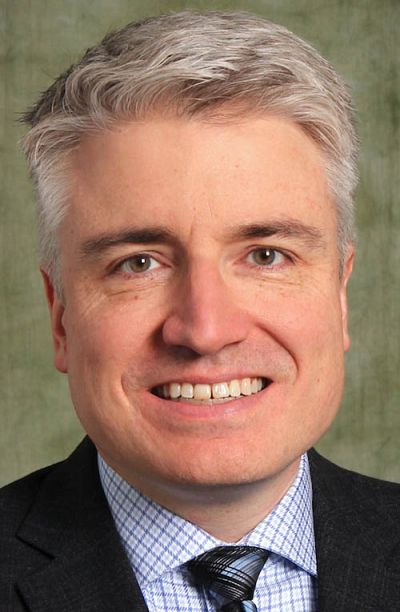
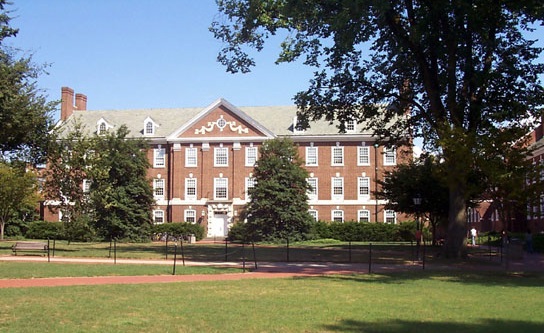
Mohsen Badiey , Professor in the Department of Electrical and Computer Engineering at the University of Delaware's College of Engineering, leads the Ocean Acoustics & Engineering Laboratory (OAELab) with facilities at Evans Hall and STAR campus. His interdisciplinary work spans applied physics, mechanical systems, ocean sensing, and computational signal analysis. Research Focus: Geoacoustic inversion, waveguide physics, machine learning for seabed classification, and underwater communication challenges. Key Projects: Shallow Water 2006 (SW06) and Shallow Water Acoustic in Random Media (SWARM95) experiments analyzing nonlinear internal wave dynamics. Scientific Contributions include developing dictionary learning techniques for sound speed profile analysis, advancing graph neural networks for underwater signal processing, and studying acoustic propagation through intense internal waves. His work emphasizes both fundamental and applied research with field data collection and computational modeling. Recent Publications demonstrate expertise in physics-based machine learning for source localization, seabed classification, and time-varying signal reconstruction. His team's 2024 studies on transiting ocean observers and Sobolev graph networks highlight cutting-edge methodologies. Laboratory: OAELab employs specialized instrumentation for broadband acoustic signal analysis, combining experimental data with computational approaches to solve real-world oceanographic problems.
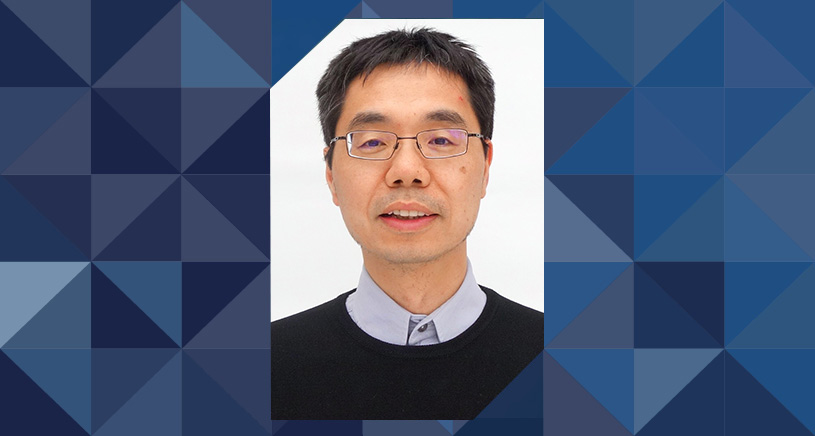
Dr. Beeshanga Abewardana Jayawickrama is a Senior Lecturer and Data Science Engineering Course Director at the School of Electrical and Data Engineering, University of Technology Sydney (UTS). He holds a BEng in Telecommunications Engineering (Hons I) and a PhD in Electronic Engineering (Wireless Communications) from Macquarie University, Sydney, Australia, completed in 2011 and 2015 respectively. As a Senior Member of the Institute of Electrical and Electronics Engineers (IEEE), he maintains active research and industry collaborations. His educational background includes: BEng in Telecommunications Engineering (Hons I), Macquarie University (2011) PhD in Electronic Engineering (Wireless Communications), Macquarie University (2015) Dr. Jayawickrama's research focuses on cutting-edge wireless communication technologies with particular emphasis on 5G/6G Physical Layer signal processing algorithms, Machine Learning techniques for Physical Layer signal processing, Ultra-Reliable Low-Latency Communications, Non-Terrestrial Networks, Compressed Sensing (Sub-Nyquist Sampling), and spectrum sharing. His work bridges theoretical innovation with practical implementation, evidenced by numerous patents and industry collaborations. He has published over 40 prestigious conference and journal papers while developing algorithms that have been incorporated into commercial 5G base stations. Analysis of his recent publications reveals a strong focus on satellite communications, particularly cognitive GEO-LEO satellite networks, where he explores spectrum sharing, beam design, and interference management. His research increasingly integrates machine learning techniques with traditional signal processing approaches, especially for spectrum sensing and channel estimation in next-generation wireless systems. The trend shows growing emphasis on practical implementation and experimental validation of theoretical concepts. His scientific recognition includes: Macquarie University Medal in Engineering Vice-Chancellor's Commendation for Academic Excellence Outstanding Teacher Award (2021) Multiple competitive scholarships from Macquarie University and CSIRO In terms of teaching and supervision, Dr. Jayawickrama has taught numerous undergraduate and postgraduate subjects including Advanced Telecommunication Engineering, 4G/5G Mobile Technologies, Communication Systems, and Engineering Research Thesis. His current research is supported by significant grants including the AI-SSPCAS project (CSIRO), Smart Flood and Storm Intelligence Sensing Initiative (NSW Department), and CogSat: Cognitive Satellite Radio (SmartSat CRC). Previously, he has secured research funding from Intel Corporation and Nokia Research Centre. Dr. Jayawickrama has held leadership roles including Course Director for Data Engineering since 2021 and UTS IEEE Student Branch Counsellor from 2017-2020. His industry experience includes research positions at Ericsson in Sweden (working on 5G New Radio receiver algorithms) and Intel Labs in the USA (working on Licensed Shared Access and Citizens Broadband Radio Service).
Dr. Menggang Yu is a Professor of Biostatistics at the University of Michigan School of Public Health. He holds academic leadership roles, including former Director of the Biostatistics Core at UW Carbone Cancer Center and Associate Director of the Center for Health Disparities Research. His expertise spans causal inference, clinical biostatistics, and precision health, with a focus on cancer and chronic disease research. Education: PhD in Biostatistics (University of Michigan, 2004), MS in Applied Statistics (Bowling Green State University, 1999), BS in Computational Mathematics (Fudan University, 1996). Research interests emphasize causal inference, risk prediction, and treatment selection, particularly in clinical trials and observational studies. His work addresses methodological challenges in healthcare, including optimal surveillance strategies and subgroup analysis. Key awards include the Distinguished Student Paper Award (ENAR 2023) and ASA Biometrics Section Travel Awards (2017, 2018). He collaborates widely, contributing to high-impact journals like Biometrics , Journal of the American Statistical Association , and Cancer Cell . Grants and lab involvement include leadership roles in cores for cancer research and health disparities. Courses taught include survival analysis, causal inference, and clinical trial biostatistics.
Christopher L. Asplund is an Associate Professor at the National University of Singapore (NUS), affiliated with the Department of Biomedical Engineering and Yale-NUS College. He serves as Head of Studies for Psychology at Yale-NUS and holds courtesy appointments in NUS Psychology, Institute for Digital Medicine (WiSDM), Centre for Sleep and Cognition, and Duke-NUS Neuroscience & Behavioural Disorders program. His research explores attentional control, consciousness, and the neural basis of cognition through behavioral experiments, fMRI, and EEG. Research Focus: Understanding attentional states and their modulation by surprise Investigating individual differences in attention, including ASD/ADHD Exploring surprise's role in learning and pain perception Developing digital therapeutics for cognitive training Examining how consciousness and intelligence emerge from neural networks Methodological Expertise: Behavioral experimentation, functional neuroimaging (fMRI, EEG), eye-tracking, and physiological measures.
Prof. Ferdinand Grozema is a Full Professor at Delft University of Technology, Faculty of Applied Sciences, Department of Chemical Engineering. His research focuses on the dynamics of charges and excited states using ultrafast spectroscopy, microwave conductivity techniques, computational chemistry, and materials synthesis. Research Interests: Charge transport in molecular wires, DNA charge transfer, quantum interference effects, singlet exciton fission, and photochemical upconversion. Teaching: Leads courses in Numerical Methods for Chemical Engineers and Computational Materials Science at TU Delft. Group Leadership: Head of the Grozema Group, supervising PhD students like María C. Gélvez-Rueda and Damla Inan. Publication Trends: Recent work emphasizes perovskite materials, molecular electronics, and charge/exciton dynamics. Keywords from 15 most recent articles include Materials Science , Computational Chemistry , and Ultrafast Spectroscopy , with subtopics like 2D Perovskites , Quantum Interference , and Exciton Spin Dynamics .