Karsten MeyerView profile
Professor
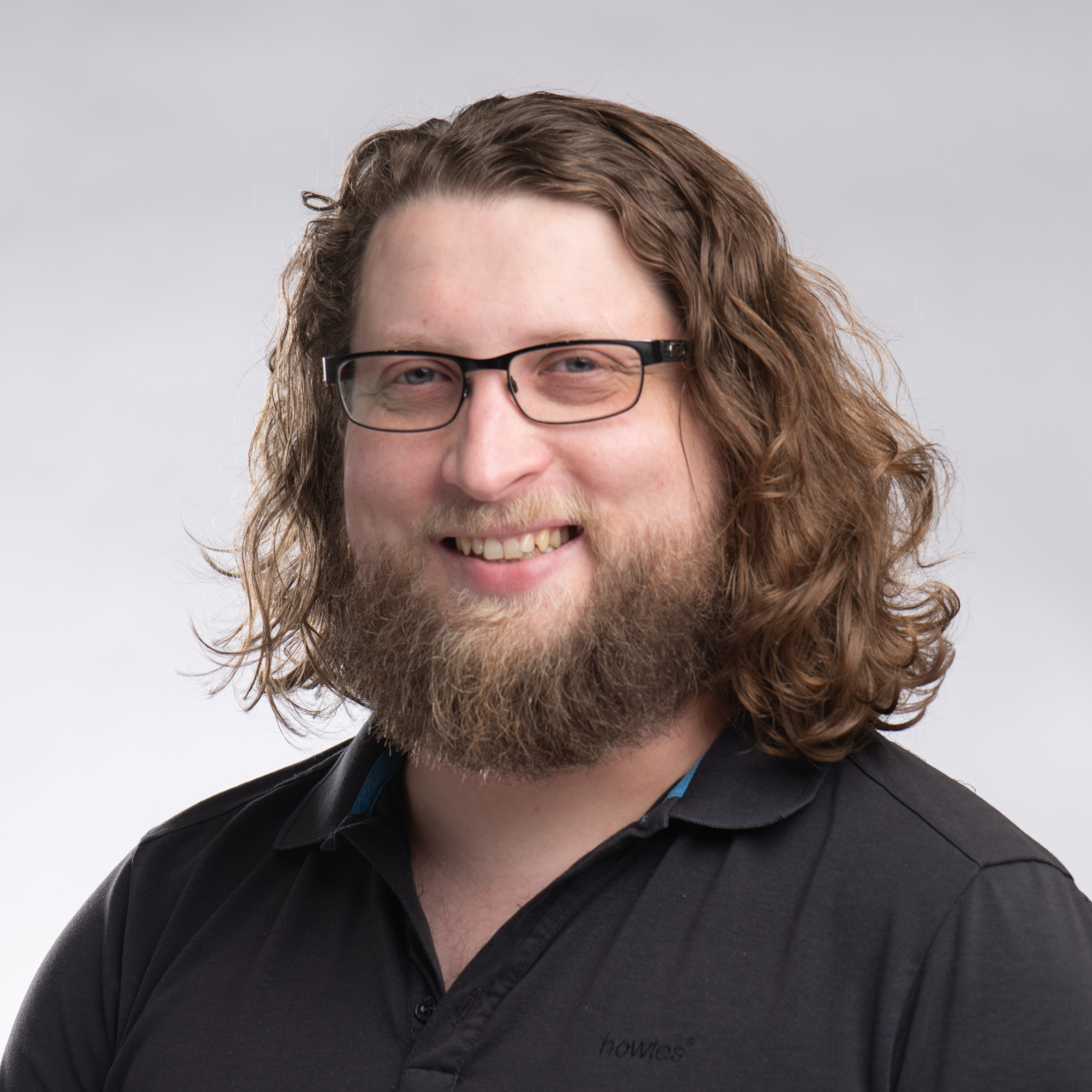
Prof. Dr. Karsten Meyer is a Professor at Friedrich-Alexander University Erlangen-Nuremberg (FAU), leading the Chair of Inorganic and General Chemistry (ACII) within the Department of Chemistry and Pharmacy. His research group is based in Room A 3.4 at Egerlandstr. 1, 91058 Erlangen, Germany, with contact information including phone +49 9131 85-27360 and email karsten.meyer@fau.de. Dr. Meyer's research spans classical coordination chemistry with supramolecular, organometallic and bioinorganic chemistry. His laboratory specializes in synthesizing custom-tailored ligand architectures and their transition and actinide metal coordination complexes. These complexes exhibit unprecedented coordination modes and unusual electronic structures, resulting in enhanced reactivities toward small molecules such as H 2 O, O 2 , CO, CO 2 , NO, N 2 O, and organic azides. His work encompasses the relatively unexplored uranium chemistry, transition-metal-based catalysts in ionic liquids and liquid crystals, and platforms for charge and light-driven catalytic processes relevant to sustainable energy cycles. Analysis of Dr. Meyer's recent publications (2021-2025) reveals a strong emphasis on actinide chemistry (particularly uranium), iron complexes across multiple oxidation states, small molecule activation mechanisms, and catalytic applications in sustainable energy systems. His research demonstrates expertise in molecular geometry manipulation, redox chemistry, and the design of novel ligand systems for metal coordination. The work frequently bridges fundamental molecular chemistry with potential applications in energy conversion and catalysis. Dr. Meyer's laboratory employs a comprehensive suite of spectroscopic and magneto-chemical methods including EPR and Mössbauer spectroscopy, SQUID magnetometry, and single-crystal X-ray diffractometry. The research combines synthetic and physical inorganic chemistry with modern computational methods (geometry optimization, reaction profile and electronic structure calculations) to elucidate electronic structures and reactivity mechanisms. The laboratory environment is described as collaborative and team-oriented, providing training in diverse inorganic and organic synthetic techniques as well as various spectroscopic and computational methods. The ultimate long-term objectives of Dr. Meyer's research include developing efficient catalysts for metal-assisted conversion of abundant natural substrate resources and discovering renewable energy sources. His work on small molecule activation and atom or group transformation aims to functionalize important organic precursor molecules, with potential applications across multiple chemical industries.