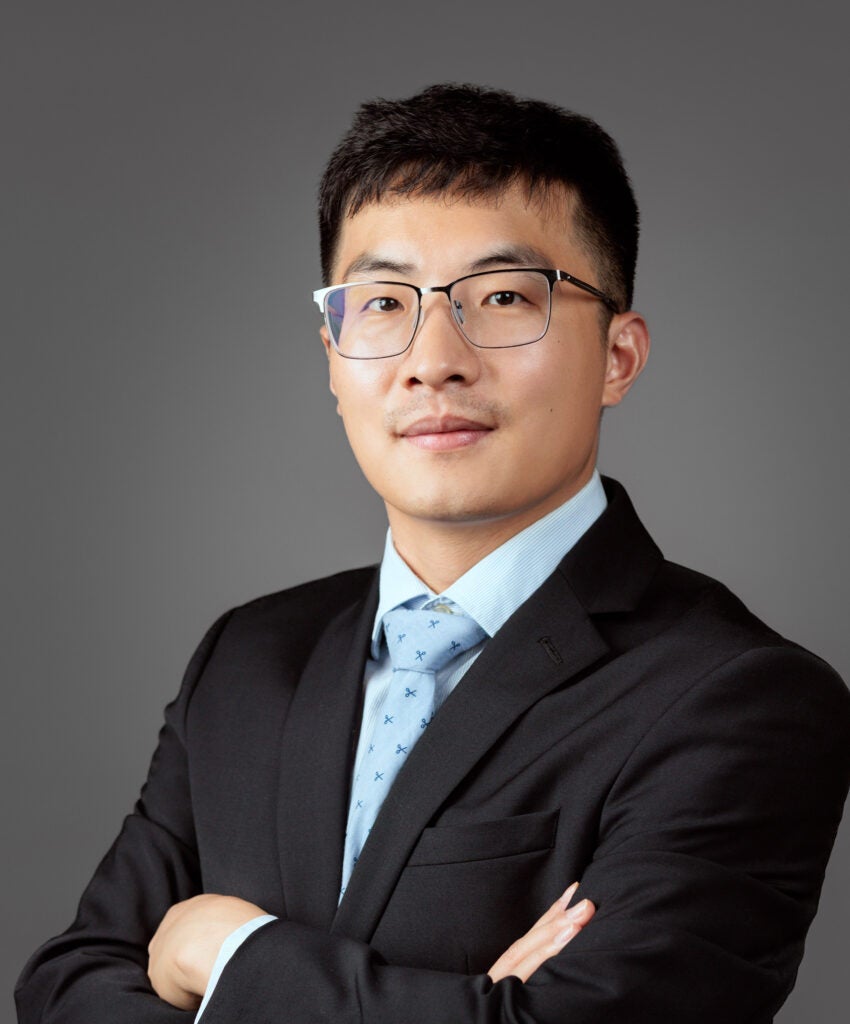
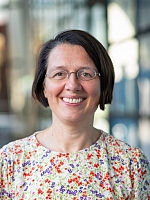
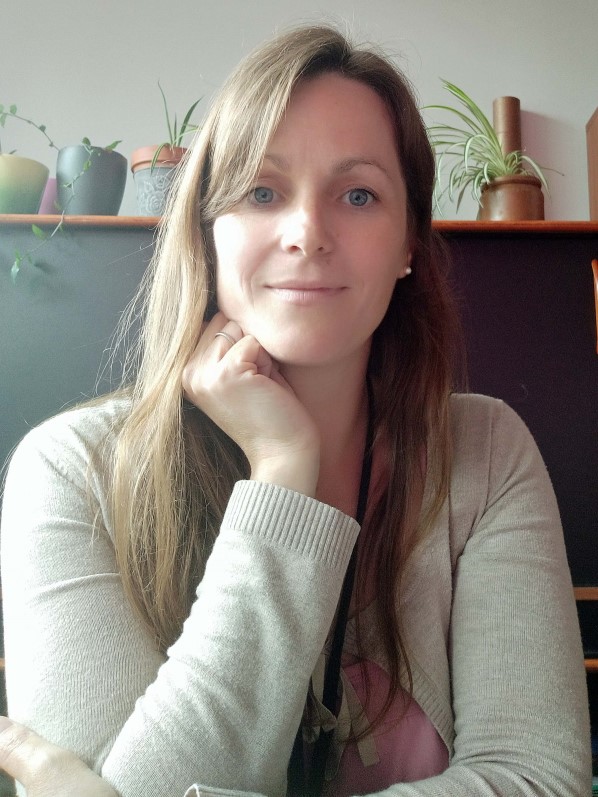
Julie N. Renner is Associate Professor in Chemical and Biomolecular Engineering at Case Western Reserve University and P. Anne Hiltner, PhD and Debra L. Wilfong, PhD Designated Professor in Engineering. Her lab develops biomolecular platforms to control solid-liquid interfaces for sustainable technologies. Research pillars include: Peptide-engineered surfaces for rare earth element recovery Electrochemical systems for nutrient and resource extraction Antifouling biomaterials via peptide modification Plasma-assisted ammonia synthesis Recent publications (2021-2024) demonstrate consistent focus on peptide-functionalized interfaces, with 12/15 articles featuring engineered peptides for specific recognition, catalytic control, or surface modification. Applied domains encompass wastewater treatment, sustainable mining, and biomedical interfaces. Award highlights include NSF CAREER Award and Undergraduate Teaching Award. She leads projects on critical material recovery funded by DOE and NSF.
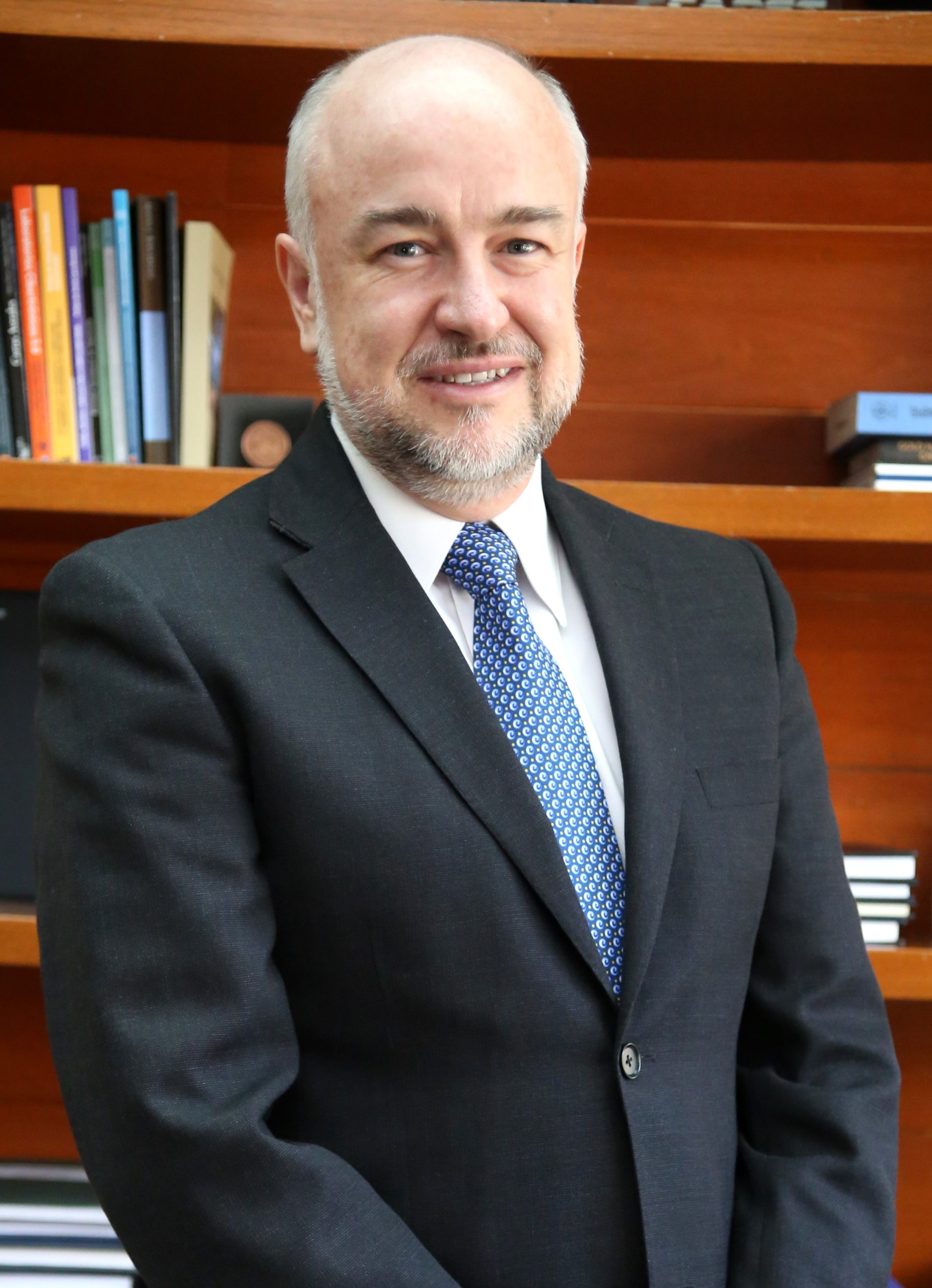
Rodolfo Zanella-Specia serves as a Senior Researcher at the Institute of Applied Sciences and Technology (ICAT) of the National Autonomous University of Mexico (UNAM), where he previously directed both ICAT and UNAM's Representative Office in France. His career spans catalysis, nanomaterials, and environmental engineering with over 160 publications and significant recognition for scientific impact. Education: PhD in Process Engineering and Catalysis, Université Pierre et Marie Curie-Paris VI (2003) Master's in Chemical Engineering, UNAM (2000) Bachelor's in Chemical Engineering, UNAM (1998) Dr. Zanella's research focuses on designing nanostructured catalysts for critical environmental and energy applications. His expertise encompasses monometallic/bimetallic nanoparticle synthesis on oxide supports, catalytic exhaust gas treatment (CO oxidation, NO reduction), hydrogen production/purification (water-gas shift, PROX), and photocatalytic water remediation/hydrogen generation. This work bridges fundamental surface science with practical solutions for air/water pollution and sustainable energy. His publication trends reveal sustained innovation in bimetallic catalyst systems for low-temperature oxidation reactions and advanced photocatalytic materials. Recent work emphasizes structure-activity relationships in Ru-Co, Au-Ir, and Pd-Mn catalysts while expanding into solar-driven pharmaceutical degradation and 3D-printed monolithic reactors, demonstrating consistent progression from fundamental mechanisms to environmental applications. Scientific Awards: Elsevier Most Cited Article Award (twice) National University Award of Distinction for Young Scientists (UNAM) UNAM Most Cited Researcher in Chemistry Dr. Zanella has mentored 33 BSc, 18 MSc, 5 PhD students, and 15 postdocs while securing 22 funded projects. Current grants include PAPIIT-DGAPA-UNAM projects on SARS-CoV-2 environmental dissemination and bimetallic catalyst active sites, plus a CONACYT project studying catalysts under dynamic reaction conditions. He leads the "Catalysis and Surface Processes" academic group at ICAT, coordinating interdisciplinary teams across nanotechnology, environmental engineering, and materials science to develop next-generation catalytic solutions.
Rose-Marie Latonen is a Senior Lecturer at Åbo Akademi University’s Faculty of Science and Engineering , affiliated with the Molecular Science and Engineering department. Her work aligns with the UN’s Sustainable Development Goals, focusing on sustainable materials, catalysis, and renewable energy applications. Research spans electrochemistry , graphene composites , and biomass valorization (glucose/xylose oxidation). Active in peer review for journals like Electrochimica Acta and ACS Applied Polymer Materials . Key collaborations in materials science and carbon-based anodes for sustainable technologies. Recent publications (2024–2023) emphasize nanocatalysis , graphene-cellulose composites , and electrocatalytic hydrogenation , with applications in biofuel cells and dental erosion studies . Her work integrates DFT modeling and green chemistry principles. She has reviewed for major electrochemistry journals, ensuring rigorous methodologies in nanomaterial synthesis and electrochemical characterization . Her expertise in biocompatible composites and carbon trends highlights interdisciplinary contributions to sustainable sciences.
Dr. Ben Erne is an Associate Professor at Utrecht University's Faculty of Science, Department of Physical and Colloid Chemistry, affiliated with the Debye Institute for Nanomaterials Science. He has held a permanent scientific staff position since 2000, following his PhD (1991-1995) on electrochemistry of photoanodes (awarded KNCV-Van Arkel prize) and post-doctoral work at École Polytechnique and Institut Lavoisier in Paris (1995-2000). His research focuses on the physical and colloidal chemistry of electrical double layers, with applications in sustainable technology. Key areas include: Magnetic nanoparticles and ferrofluids for density separation technologies Thermodynamic characterization of electrical double layers in porous electrodes Development of charge sensors for colloids and proteins Interfacial phenomena in aqueous systems and polymer solutions Publication analysis reveals strong emphasis on experimental thermodynamics, colloidal stability, electrochemical characterization, and nanomaterial applications. Recent work shows increasing focus on energy storage systems and sustainable separation technologies. Awards & Honors: KNCV-Van Arkel prize for PhD research (1995) Teaching responsibilities span physical chemistry courses across bachelor's and master's programs, including coordination of Physical Chemistry curriculum and honors programs. He chairs OAC-Nanomaterials Science and serves on the board of the Soft Matter section at the Royal Netherlands Chemical Society (KNCV). Leads research at the Physical and Colloid Chemistry laboratory, focusing on experimental characterization of colloidal systems and electrode interfaces, with applications in sustainability pathways.
Mark A. Hempenius serves as an Associate Professor in Sustainable Polymer Chemistry at the MESA+ Institute, University of Twente's Faculty of Science and Technology. With over 325 research outputs and an h-index of 42, his work bridges fundamental polymer science and practical applications in sustainability. His research focuses on Polymer Chemistry , particularly liquid film dynamics , surface science , and organometallic systems . Recent work explores anti-biofouling surfaces, CO 2 reduction catalysts, and membrane technologies for biomaterial processing. His fingerprint reveals strong expertise in temperature-responsive materials (63%) and hydrogel engineering (60%). Hempenius maintains an active publication record with 15 articles in 2023-2024 alone, primarily in high-impact journals like Advanced Functional Materials and Langmuir . His work shows consistent collaboration with institutions across Europe, particularly in membrane technology and nanomaterial applications. 75 recorded academic activities including 74 oral presentations Supervised 18 graduate students 1 research dataset archived in DANS His laboratory work integrates atomic force microscopy, electrochemical analysis, and advanced polymer synthesis to develop sustainable materials solutions for biomedical and environmental challenges.
East China University of Science and TechnologyChina
Itamar Willner is a distinguished Israeli chemist and Professor at the Hebrew University of Jerusalem who holds significant affiliations with the East China University of Science and Technology. He was appointed as an Honorary Professor in 2007, co-established the Ministry of Education's Joint Laboratory for International Cooperation in Structurally Controlled Molecular Engineering in 2017 as international director, and was appointed an "Internationally Renowned Master Visiting Professor" in 2022. He is a Foreign Academician of the Chinese Academy of Sciences (elected 2021), member of the Israel Academy of Sciences and Humanities (2002), European Academy of Sciences and Arts (2004), and German National Academy of Sciences (2009). Professor Willner's research spans supramolecular chemistry, nanomaterials, and biomaterials, with specific focus on DNA chemical biology and optoelectronic biosensing. His pioneering work includes the construction of bio/nanofunctional self-assembly systems such as DNA molecular machines and logic gates, development of bio-nanocatalytic methods, and the innovative concept of "nucleic acid aptamers" that enhances enzyme-mimicking catalysis. His recent development of "DNA dynamic networks" provides a powerful platform for studying non-equilibrium biomolecular assembly, while his work on artificial photosynthesis systems explores novel energy dissipation mechanisms. His extensive publication record includes over 850 SCI-indexed papers in journals like Nature and Science, with more than 89,000 citations and an H-index of 142. His research has led to significant applications in molecular-supramolecular electronics, intelligent responsive materials, controllable functional interfaces, and optoelectronic/bioelectronic assembly systems, driving innovations in photo/electrochemical probes, drug delivery systems, and molecular machines. His scientific achievements have been recognized with numerous prestigious awards: Israel Prize in Chemistry Rothschild Prize EMET Award (awarded by the Prime Minister of Israel) Israel Chemical Society Gold Medal Professor Willner has served on the editorial boards of nearly 20 major academic journals including JACS, ACIE, Nano Letters, ACS Nano, Small, and ChemPhysChem. His collaborative work with Chinese scholars through the Ministry of Education's Joint Laboratory has established a significant hub for basic research, talent development, and international collaboration in precision chemistry and molecular engineering, bringing together top scientists from China and abroad.
Professor Jelena Purenović is a Full Professor at the Department of Physics and Materials, Faculty of Technical Sciences in Čačak, University of Kragujevac. With over 15 years of academic experience, she specializes in materials science with a focus on ceramics engineering and electrical materials. Her research has significantly contributed to the understanding of microalloyed ceramics and their applications in environmental engineering and energy technologies. Dr. Purenović earned her PhD in Nanotechnology and Microsystems from the Faculty of Electronics at the University of Niš in 2013. Her academic journey began with a degree in Applied Physics from the University of Niš in 2002, where she graduated with distinction. She progressed through academic ranks from Assistant (2011) to Assistant Professor (2014), Associate Professor (2019), and finally Full Professor (2024). Her research interests span multiple domains of materials science, particularly focusing on the fractal analysis of ceramic microstructures, development of microalloyed ceramics for electrical applications, and water purification technologies. She has pioneered work on the application of modified alumo-silicate ceramics as active dielectrics, their use in environmental applications, and the characterization of fractal properties in ceramic materials. Analysis of her publication record reveals a consistent focus on multifunctional ceramics with particular emphasis on intergranular properties, microstructure characterization, and electrical behavior. Her work bridges fundamental materials science with practical applications in environmental engineering, water treatment, and energy technologies, demonstrating both theoretical depth and practical relevance. Active researcher in multiple projects funded by Ministry of Science Member of Serbian Ceramic Society since 2010 Extensive publication record with 69 scientific papers Recipient of first prize at ETRAN 2012 conference Dr. Purenović has been actively involved in multiple research projects focusing on directed synthesis, structure and properties of multifunctional materials, as well as synthesis and characterization of nanostructured materials for applications in energy, mechanical engineering, environmental protection, and biomedicine. Her laboratory work centers on developing and characterizing advanced ceramic materials with applications ranging from environmental remediation to energy technologies and water purification systems.
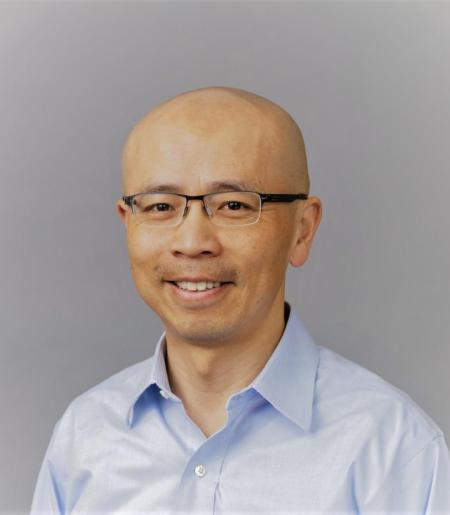
Peng Chen is the Peter J. W. Debye Professor in the Department of Chemistry and Chemical Biology at Cornell University’s College of Arts and Sciences. His research focuses on single-molecule imaging and manipulation techniques to study nanomaterials and biomacromolecules, with applications in energy conversion and disease prevention. PhD, Stanford University (2004) Postdoc, Harvard University (2004–2005) BS, Nanjing University (1997) Chen’s work spans biophysical chemistry , chemical biology , and materials science , emphasizing single-molecule super-resolution imaging , nanoscale catalysis , and bioinorganic chemistry . His lab’s recent publications highlight breakthroughs in microbe–semiconductor hybrids for energy conversion, polymer growth dynamics , and metal homeostasis in bacteria. Key trends in his 2025–2022 publications include single-molecule catalysis , nanoscale reactivity , and polymer conformational control , often leveraging super-resolution microscopy and mechanochemical analysis . Collaborations with institutions like the University of Michigan and Stanford University are frequent. Scientific Awards 2024 ISE-Elsevier Prize in Experimental Electrochemistry 2024 Member, American Academy of Arts and Sciences 2019 Chemical Pioneer Award 2018 AAAS Fellow 2009 Alfred P. Sloan Research Fellow 2007 NSF Career Award Chen mentors students and postdocs, several of whom have established independent careers (e.g., Aaron Keller, Tai-Yen Chen). His lab’s interdisciplinary projects, such as the $2M grant for bioenergy conversion, reflect his leadership in merging chemistry, biology, and materials science.
Professor Jingsan Xu is a faculty member at Queensland University of Technology (QUT), leading the School of Chemistry & Physics within the Faculty of Science. He holds a PhD from the Chinese Academy of Sciences (2013) and has held postdoctoral positions at the University of California, Berkeley and the Max Planck Institute of Colloids and Interfaces. Since 2016, he has been at QUT, progressing from an ARC DECRA Fellow to Full Professor in 2021. His research focuses on solar energy harvesting, catalysis, and light-driven chemical reactions, with a particular emphasis on supramolecular chemistry and nanocatalysis. He directs the QUT-MPIKG Joint Laboratory on Nanocatalysis for Sustainable Chemistry, fostering collaborations between QUT and the Max Planck Institute. His work spans solar-to-fuel conversion, photocatalytic hydrogen production, and functional materials design. Teaching responsibilities include courses in General Chemistry, Analytical Chemistry, and Physical Chemistry. Research projects include ARC-funded initiatives on solar overall water splitting, CO₂ reduction, and nanomaterials development. Over 50 peer-reviewed publications since 2016 reflect his contributions to photocatalysis, supramolecular assembly, and energy materials. Current research emphasizes S-scheme heterojunctions, novel photocatalyst design, and sustainable chemistry solutions.
Dongchen Qi is an Associate Professor in the School of Chemistry & Physics at Queensland University of Technology (QUT), Faculty of Science. He has established himself as a leading researcher in condensed matter physics and materials science, with a focus on creating, understanding, and controlling surfaces and interfaces at the nanoscale to develop next-generation electronic devices. His research spans diamond surface electronics, quantum devices, organic semiconductors, and 2D materials, utilizing advanced synchrotron light techniques to examine critical interface phenomena. Condensed Matter Physics Nanotechnology Surface Science Quantum Technology Diamond Electronics Organic Electronics Professor Qi's research program demonstrates significant evolution from his early work in surface science to his current focus on diamond nanoelectronics and 2D materials. His publication output has grown substantially since 2019, with 28 papers published in 2021 alone, reflecting increasing research impact and collaborative networks. His work bridges fundamental physics with practical device applications, particularly in electronic devices based on emerging materials. Fellow of AIP (FAIP) (2025) Advanced Materials Award recipient (2025) ARC Future Fellowship awardee (2017) Vebleo Fellow (2020) National Honorary Treasurer of AIP (2023-present) Professor Qi actively supervises PhD and Masters students, with current research projects focusing on 2D ferroelectric devices for non-volatile memory and neuromorphic computing, electronic properties of free radical-substituted conjugated polymers, and engineering two-dimensional ferroelectricity by molecular adsorption. He leads multiple Australian Competitive Grants projects and collaborates internationally through the QUT/Max Planck Institute of Colloids and Interfaces Joint Laboratory on Nanocatalysis for Sustainable Chemistry.
Dr. Ming Zhao is an Assistant Professor in the Department of Materials Science and Engineering at the National University of Singapore (NUS). He holds a PhD in Chemistry from the Georgia Institute of Technology (2019) and served as a Postdoctoral Associate at Cornell University (2019–2023). His research focuses on sustainable catalysis, combining nanomaterial fabrication, advanced imaging, and operando techniques. Key areas include phase-engineered nanocatalysts for heterogeneous catalysis, single-molecule fluorescence imaging of photocatalytic materials, and real-time analysis of sustainability-driven reactions. Education: BS/ME (Materials Science & Engineering, Nanjing University, 2012/2015), PhD (Chemistry, Georgia Tech, 2019). Research interests emphasize bridging gaps in catalyst design for sustainability, leveraging interdisciplinary approaches. His group develops novel materials and imaging tools to enhance catalytic efficiency in energy and environmental applications. Current projects involve operando imaging for real-time reaction monitoring and nanocatalyst optimization. Teaching includes courses on light-harvesting materials and sustainable materials design (MLE5240, MLE5221). No scientific awards are explicitly mentioned in the provided texts. His lab, the Microscopy Imaging & Nanocatalysis Group, focuses on advancing sustainable catalytic systems through innovation in material synthesis and imaging techniques.
Swiss Federal Institute of Technology in LausanneSwitzerland
Raffaella Buonsanti serves as an Associate Professor at École Polytechnique Fédérale de Lausanne (EPFL) within the School of Basic Sciences, holding multiple leadership roles including Director of SCGC Administration and Member of SB School Direction. She leads the Laboratory of Nanochemistry for Energy (LNCE) at EPFL Valais Wallis, focusing on cutting-edge nanomaterials research for energy applications. Her institutional affiliations span the Institute of Chemical Sciences and Engineering (ISIC), Swiss Center for Electronics and Microtechnology (SCGC), and Center for Digital Scholarship (CDS). Her research centers on nanomaterials synthesis for energy conversion , with particular expertise in colloidal nanocrystals, CO 2 electroreduction, and quantum dot applications. Key focus areas include: Designing tunable catalysts for CO 2 -to-fuel conversion Atomic-scale control of metal-oxide interfaces Stability mechanisms in electrocatalytic systems Data-driven nanocrystal shape prediction Hybrid quantum dot-molecular systems for energy transfer Current work emphasizes overcoming copper catalyst stability challenges through oxide coatings and liquid metal nanoparticle engineering. Analysis of her 15 most recent publications (2024-2025) reveals dominant research themes in electrocatalysis (73% of articles), nanomaterials synthesis (60%), and energy conversion (53%). Key technical advances include c-ALD-grown oxide shells for quantum dots, liquid gallium-based catalysts, and data-driven nanocrystal shape control. Her work consistently bridges fundamental surface science with industrial CO 2 electrolysis applications. She actively mentors 9 current PhD students and has supervised 11 graduates, with advisees researching copper nanocatalysts, CO 2 reduction mechanisms, and colloidal nanomaterials. Her teaching portfolio includes Introduction to Chemical Engineering Laboratory Works , Introduction to Transport Phenomena , and Nanomaterials for Chemical Engineering Applications . The LNCE laboratory under her direction develops colloidal synthesis methods for energy applications, with recent work focusing on solid-liquid electrocatalysts and quantum dot hybrid materials. Current projects emphasize scalable nanofoundry approaches and industrial implementation of CO 2 conversion technologies.
Prof. Dr. Janina Kneipp is a Professor (W3) of Physical Chemistry at Humboldt-Universität zu Berlin, where she has led an active research group since 2012. She previously held positions as Assistant Professor at HU Berlin/BAM (2008-2012), Junior Researcher at BAM (2005-2008), and research appointments at Harvard Medical School, Princeton University, and Erasmus Universiteit Rotterdam. Education: Dr. rer. nat. (summa cum laude), Freie Universität Berlin (2002) Undergraduate/Graduate Studies in Biology & Physics, Freie Universität Berlin (1992-1998) Research Focus: Her interdisciplinary work bridges physical chemistry and biospectroscopy, with particular emphasis on: Surface-enhanced Raman scattering (SERS) for complex sample analysis Plasmonic catalysis and hot electron chemistry Multiphoton-excited vibrational spectroscopy Nanoscale biochemical mapping in plant and animal systems Development of advanced plasmonic substrates Publication Trends: Recent work demonstrates strong focus on multimodal spectroscopy applications, with studies combining SERS, hyper-Raman, IR, and synchrotron techniques to address questions in catalysis, nanoparticle-cell interactions, plant biochemistry, and biosensing. Publications frequently incorporate advanced nanomaterials, electrochemical methods, and machine learning-assisted spectral analysis. Scientific Awards: Fellow, European Academy of Sciences (2020) Caroline von Humboldt Professorship (2019) Wilhelm Ostwald Fellow, BAM (2012) Bunsen-Kirchhoff Award, GDCh (2010) ERC Starting Grant (2010) Academic Leadership: Currently advises 5 PhD students and leads multiple collaborative initiatives. Serves as Board Member of Einstein Center Catalysis (since 2019), Head of Chemistry Department (2014-2016), and Speaker of Graduate School SALSA (since 2012). Secured funding through DFG, EU networks, and ERC grants supporting spectroscopy infrastructure development. Lab & Team: Leads the KneippLab research group with 2 postdoctoral researchers, 5 graduate students, and technical staff. Research focuses on developing spectroscopic methods for interrogating biological and chemical processes at nanoscale resolution using plasmonic enhancement strategies.
Prof. Dr. Beatriz Roldan Cuenya is a Professor and Group Leader at the Fritz Haber Institute of the Max Planck Society, where she directs the Department of Interface Science. She holds a European Research Council Consolidator Grant and is a Fellow of the Max Planck Society. Her research integrates surface science, catalysis, and nanomaterials, with a focus on understanding dynamic surface transformations during chemical reactions using advanced operando techniques. Her work spans electrocatalysis (CO₂ reduction), thermal catalysis (CO₂ hydrogenation), and nanoparticle design. Key themes include: Correlating nanoscale structure with catalytic activity/selectivity Developing size/shape-controlled catalysts Probing reaction mechanisms via real-time microscopy/spectroscopy Her recent publications (2021-2025) predominantly explore CO₂ conversion strategies, bimetallic catalysts, and operando characterization methods. Trends show emphasis on sustainable chemistry and energy applications. Notable scientific awards: AVS Fellow of the Society Award (2021) ISE-Elsevier Prize for Experimental Electrochemistry (2021) Academia Europaea Membership (2020) ERC Consolidator Award (2016) Max Planck Society Fellowship (2016) She leads a well-equipped research group investigating catalyst design and reaction dynamics. The lab leverages synchrotron facilities and in-house instrumentation for fundamental studies.
Professor Gwladys Pourceau is a leading researcher in sustainable chemistry at the University of Picardie, France, affiliated with the Glycochemistry and Agroresources Laboratory of Amiens (LG2A UR 7378). Her work bridges fundamental carbohydrate chemistry with practical applications in green materials development. Her research focuses on eco-compatible chemical transformations of saccharides , with particular expertise in gold nanocatalysis for selective sugar oxidation and mechanosynthesis of bio-based polymers. Key projects include developing one-pot oxidative amidation methods for unprotected carbohydrates, synthesizing low-irritant sugar-based surfactants, and converting lignin derivatives into sustainable polystyrene alternatives. Her methodologies consistently emphasize minimal catalyst loading , solventless conditions , and renewable feedstocks . Professor Pourceau's publication record demonstrates significant impact in sustainable chemistry, with multiple high-impact papers in 2024 alone covering gold-catalyzed oxidations, cyclodextrin-assisted reductions, and structure-property relationships in sugar surfactants. Her work shows strong interdisciplinary connections between organic chemistry, materials science, and environmental engineering. Developed gold-catalyzed oxidation achieving TOF > 750,000 h -1 Created solventless mechanosynthesis methods reducing reaction times to 5 minutes Designed sugar-based surfactants with significantly lower cytotoxicity than commercial alternatives Established solar-driven methodologies for carbohydrate transformations Her laboratory maintains active collaborations across European institutions, focusing on translating fundamental carbohydrate chemistry into practical sustainable technologies. The research program demonstrates consistent funding through high publication output and methodological innovations addressing critical challenges in green chemistry.