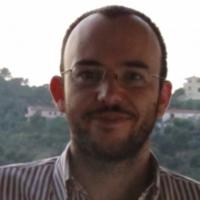
Alessandro Carlucci is a Research Fellow at the University of Oxford specializing in historical linguistics and sociolinguistics. His research examines multilingualism, language contact, and the evolution of Italian, with particular focus on Tuscan dialectology and Gramsci's linguistic theories. Major contributions include analyses of intercomprehension in medieval Italy and English influences on modern Italian. He received the Giuseppe Sormani International Prize for his monograph 'Gramsci and Languages', which explores linguistic diversity and hegemony. His recent work investigates intelligibility in late-medieval communication and Marxist influences on linguistic thought.
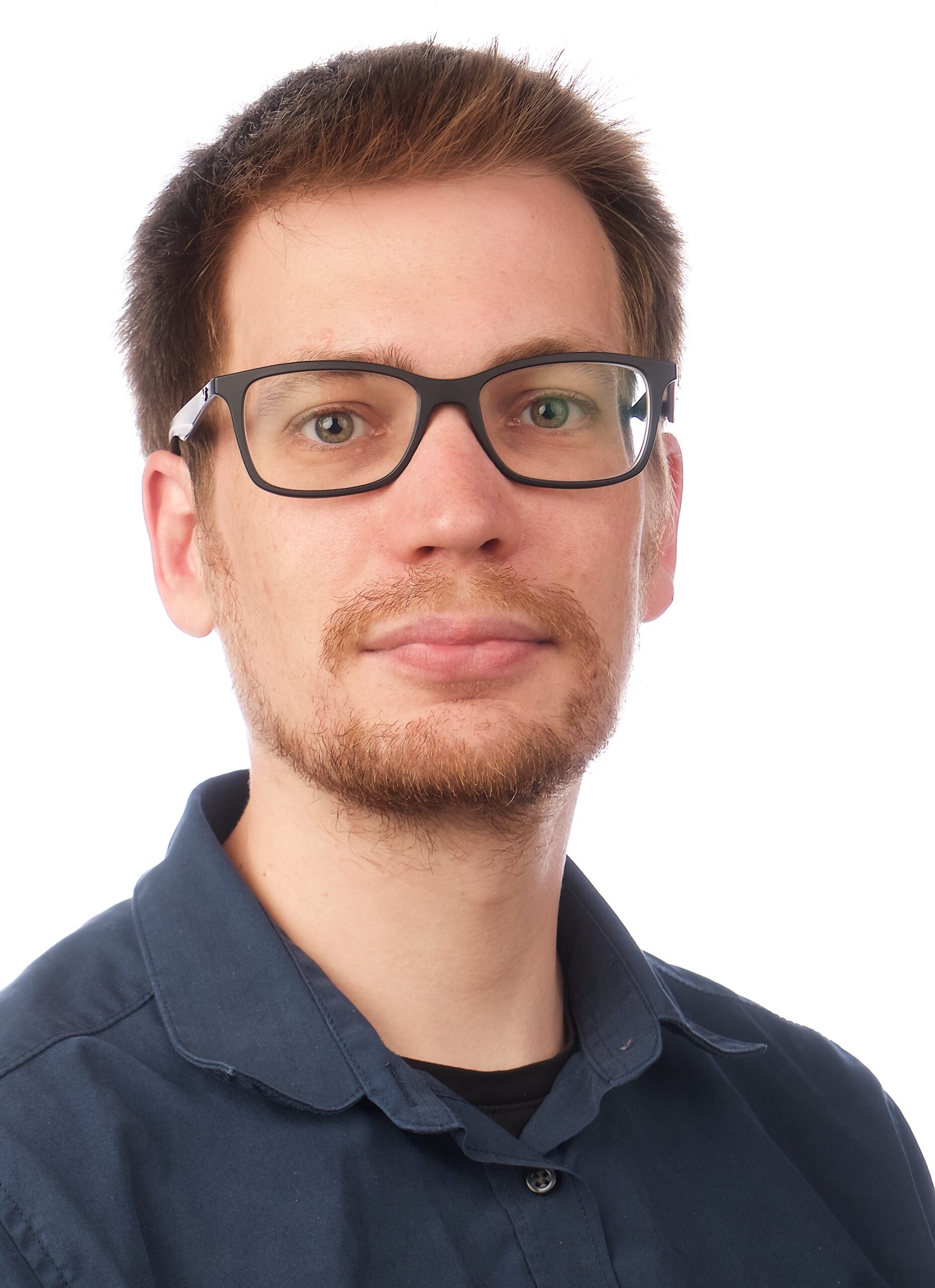
Christoph Hülsmann is a Senior Scientist (PostDoc) and Deputy Head at the Language Center of the University of Salzburg . His roles include coordinating Romance language teachers and tutors, developing quality management systems, and creating course concepts for language education. He actively engages in teaching and research, focusing on multilingual didactics and language policy. Education: BA in Romance Languages, MA in Applied Linguistics His research interests center on Multilingual Education , Intercomprehension , and Plurilingual Strategies , particularly in higher education contexts. His work explores teacher beliefs, competence modeling, and digital tools for language learning. His publications and projects (e.g., PluriForm , Lingua-NUM ) emphasize plural approaches to language teaching, task-based learning with digital resources, and competence frameworks. He has secured grants for initiatives like PEP (Promoting Multilingual Education) and EVAL-IC (Evaluation in Intercomprehension). Scientific awards include the Award of Excellence (2018) , multiple Leistungsstipendium scholarships (2011-2012), and the Preis des Fachbereichs Romanistik (2011). He also contributes to educational events like the Romance Language Café and Sprachentreff .
Hubert Haider is a Professor of General and Applied Linguistics at the University of Salzburg, serving as Vice-Director of the Centre for Neurocognitive Research. He holds a PhD (1980) and Habilitation (1987) in General Linguistics from the University of Vienna. His academic career includes professorial roles at the University of Stuttgart (1988-1996) and leadership positions such as Chairman of the Department of Linguistics at Salzburg and Dean of the Faculty of Philosophy at Stuttgart. His research focuses on syntax, language-cognition interfaces, and neurolinguistics, with significant contributions to computational linguistics and Germanic/Romance language studies. Major Positions: Chair positions at Salzburg and Stuttgart, leadership roles in departments and graduate programs Research Projects: Led DFG-funded computational linguistics initiatives (SFB 340), neuroimaging studies on language production (fMRI/EEG), and EU-funded IGLO project on Germanic language intercomprehension Recipient of the prestigious membership in Academia Europaea (2012). His international engagements include visiting professorships at Harvard, Lund, and Amherst, alongside summer schools and guest seminars across Europe and beyond. Active in academic administration,他曾担任萨尔茨堡人文学院副院长(1999-2001)and曾主持多个国际同行评审研究项目,包括DFG和欧盟资助的项目。
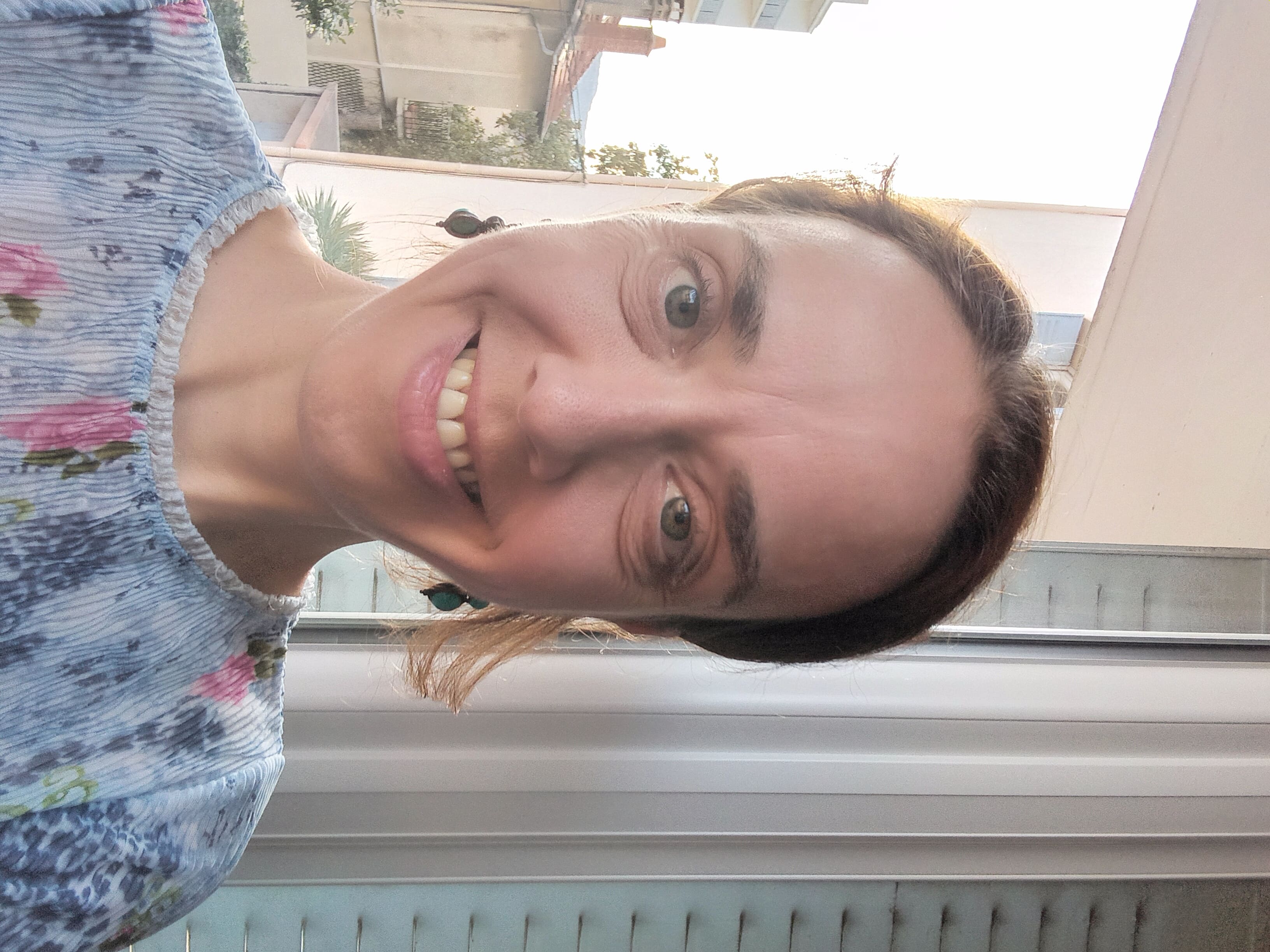
Frédérique Freund is a Lecturer at Université de Rouen Normandie within the UFR Lettres et Sciences Humaines. She holds a 2022 PhD in Language Sciences focusing on hybrid training in English for psychology specialists. Her research emphasizes blended learning, specialized writing, and autonomy development in language education. Qualifications include 2024 CNU 7/11 accreditation and 2006 CAPES/Aggregation in English. Education highlights: 2022 PhD: Université Grenoble Alpes 2014 Master 2 DILIPEM: Grenoble Alpes 2003 MA in Foreign Languages: Lyon 3 Research focuses on: Technology-mediated language learning Hybrid training design ESP writing pedagogy with over 10 publications in peer-reviewed journals like APLIUT and ALSIC. Editorial roles include membership in Alsic journal's editorial board. Teaching responsibilities include Methodology of Language Teaching Research and Specialized English courses (MEEF Lettres).
Luisa Bavieri is a Lecturer and linguistic expert at the University Language Center of the University of Bologna, specializing in teaching Italian as a second language since 2000. She holds a PhD in Languages, Cultures, and Intercultural Communication (2011) and has contributed to numerous national and international projects such as IEREST, QUILL, and CERCLU. Her work focuses on language pedagogy, intercultural education, and citizenship development. Education includes a PhD from the University of Bologna, a postgraduate course in Citizenship Education (2009), and a Bachelor's in Foreign Languages and Literatures (1988). She has taught at institutions like the University of Modena, Dickinson College, and Johns Hopkins University. Research interests span language testing, intercomprehension, and integrating intercultural competencies into study abroad programs. She co-authored key publications like The IEREST Project manual and contributed to journals such as Language and Intercultural Communication . Notable projects include IEREST (2012-2015), which developed intercultural resources for student mobility, and QUILL (2021-2023), enhancing digital language learning. She collaborates with European institutions and has presented at conferences worldwide, including Durham University and Aix-Marseille Université. Her teaching includes specialized Italian courses, academic writing for international students, and intercultural training in universities and schools. She advocates for intercultural education as a cross-disciplinary tool to enhance global mobility experiences.
Cristiana Cervini is an Associate Professor in Modern Language Teaching (L-LIN/02) at the Department of Interpretation and Translation , University of Bologna, since June 2021. Her work bridges language pedagogy, intercomprehension, and educational technologies, with a focus on innovative assessment methods in multilingual contexts. Education and Academic Path PhD in PEFLi.C. (Politics, Education, and Linguistic-Cultural Training) from the University of Macerata (2013) Laurea in Modern Languages for Interpreters and Translators (2001) at UNIBO with Erasmus scholarship at Université de Genève Specialized in language testing through advanced training at CIEP and Summer Schools (2014–2015) Research and Projects Her research emphasizes language assessment , plural approaches , and the use of digital tools for Romance language comprehension. Notable projects include: CORALIVE (European Erasmus+): Enhancing oral comprehension via digital tools PRIN UNITE : Developing inclusive English language technologies CALL-ER : Context-aware language learning for Emilia-Romagna tourism Gastrowiki : Collaborative language and culture projects She has coordinated international initiatives like the SELF evaluation system and Ilocalapp mobile learning platform. Honors and Academic Service Awarded for best PhD thesis (2013) Selected for JIPES 2016 innovation showcase Member of scientific committees for CLES certifications (2016–2022) Active in editorial boards for journals like EL.LE and APLiut
Ana Isabel Pereira Pinheiro da Silva is an Assistant Professor at the School of Education of the Polytechnic Institute of Viseu (IPV) , Portugal, and a researcher at the Center for Studies in Education and Innovation (CI&DEI) . She also collaborates with EUNICE – European University for Personalized Education . Since 2016, she has held a permanent faculty position, and she currently serves as Vice-President of the Pedagogical Council of ESEV. Education: Ph.D. in Languages, Literatures, Linguistics, and Language Teaching – Portuguese Catholic University (2012) M.A. in Linguistics and Language Teaching – Portuguese Catholic University (2004) B.A. in Portuguese and French Teaching – University of Aveiro (2001) Research Interests: Dr. Silva’s research converges on Portuguese linguistics , Portuguese Sign Language (LGP) , children’s literature , and inclusive didactics . Her work explores the intersections of language, literacy, and inclusion, particularly in multilingual and multimodal contexts. She investigates how literature, sign language, and multiliteracies can foster citizenship and cognitive development among deaf and hearing learners. Recent projects include leading the scientific-pedagogical team for the evaluation and certification of Portuguese primary-school textbooks, coordinating the disciplinary area of Portuguese in the Master’s program in Basic Education, and co-leading initiatives on AI and critical thinking for deaf students. Scientific Awards & Recognition: While no specific awards are listed, her extensive publication record and leadership roles in funded projects (e.g., IncluES+ , Link Me Up , SOMOS ) reflect significant academic recognition. Advising & Mentorship: She has supervised over 20 Master’s theses and final projects across programs in Basic Education, Special Education, and Early Childhood Education. Topics range from inclusive literacy practices to the integration of augmentative and alternative communication systems in family and school contexts. Labs & Teams: She is an active member of CI&DEI – Center for Studies in Education and Innovation at IPV, where she participates in interdisciplinary teams focusing on inclusive education, educational technology, and teacher training.
Raphael Berthelé is a Full Professor in the Department of Multilingualism and Foreign Language Teaching at the University of Fribourg's Faculty of Letters and Human Sciences. His work focuses on the complex dynamics of multilingual communication and language acquisition across different contexts and age groups. With an extensive publication record spanning over two decades, Professor Berthelé has established himself as a leading researcher in multilingual studies. His primary research interests encompass intercomprehension, receptive skills, interlinguistic influences, cognitive linguistics, variational linguistics, and folk linguistics. These interests manifest in studies examining how speakers navigate between multiple languages, how linguistic knowledge transfers across languages, and how social perceptions shape language use and policy. His work often bridges theoretical linguistics with practical applications in language education. Analysis of Professor Berthelé's recent publications reveals a strong focus on contemporary challenges in multilingual education, including the impact of digital tools on language learning, cognitive aspects of multilingual processing, and the intersection of language acquisition with neurocognitive mechanisms. His research increasingly incorporates interdisciplinary approaches, combining linguistic analysis with cognitive science, neuroscience, and educational psychology to address complex questions about multilingual competence. Professor Berthelé leads significant research initiatives, including the ongoing project 'Digital tools in L2 and L3 vocabulary acquisition. A cross-linguistic investigation' (2024-2028), which examines how digital resources impact language learning across different linguistic backgrounds. His work has secured substantial funding from the Swiss National Science Foundation and other sources, reflecting its importance to the field. His research methodology spans qualitative and quantitative approaches, with recent projects incorporating advanced techniques such as eye-tracking, keylogging, and brain imaging to investigate language processing. Professor Berthelé has also organized major academic events, including the EuroSLA 31 conference in 2022, demonstrating his leadership in the international second language acquisition community.
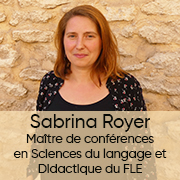
Sabrina Royer is a Lecturer in Language Sciences and French as a Foreign Language (FLE) at Avignon Université, associated with the ICTT laboratory (Cultural Identity, Texts, Theatricality). She holds a permanent academic position focusing on intercultural communication and educational integration processes. Her research examines mediation mechanisms for allophone migrant learners in professional training and academic settings across French-speaking territories (France, Canada, Morocco). Utilizing multimodal video corpora, she analyzes how migrants appropriate professional knowledge through reflective practice. Recent work emphasizes language barriers in 'tension professions' requiring internalized linguistic competencies. Current projects include a forthcoming book adaptation of her thesis: Building professional learning in interaction: the internalized language part in action (Presses Universitaires du Septentrion, 2023), stemming from her 2022 Hauts-de-France Junior Valorisation Prize. Active in interdisciplinary research, she collaborates with 35 permanent members and 20 doctoral students in the ICTT team studying identity representations in globalized/migrant-impacted societies. Professional experience in educational and professional training sectors informs her pragmatic research approach.
Lumturie Bajrami is a Lecturer at the Language Center of South East European University (SEEU), engaged full-time. Her work focuses on English for Specific Purposes (ESP), EFL teaching methodologies, and integrating technology into education. She has contributed significantly to research on educational tools like Google Classroom, AI chatbots, and Ted-Ed Talks for enhancing learning outcomes. Her research interests emphasize pedagogical innovation, including multimedia settings, vocabulary retention strategies, and context-based language learning. She has explored the role of digital platforms in motivating students and developing soft skills for computer science and social sciences students. Key projects include ESP curriculum development, work-integrated study materials, and the effectiveness of literature circles in EFL classrooms. Her publications span topics such as e-learning tools, motivational teaching methods, and the evolving role of educators in promoting learner autonomy. Notable works include studies on AI chatbots for vocabulary retention, Google Classroom in academic environments, and the use of TED-Ed Talks in ESP classes for computer science students. Bajrami’s research also addresses challenges in EFL/ESP education, such as student motivation, multimodal learning environments, and context-driven word knowledge. She has presented at international conferences and collaborates with institutions like the International University of Sarajevo and the Competence Center for Business English.
Anna Lundström is a university lecturer in Swedish as a foreign language at the Department of the Swedish Language, Faculty of Arts and Humanities, Linnaeus University. As of January 2024, she holds this position while also serving as the Knowledge Foundation's anniversary doctoral student in Swedish for the period 2025-2030, currently on partial leave of absence to participate in the research project 'Language development beyond the classroom: A collaborative study of adult migrants in working life'. Her research interests focus on literacy, didactics, and multilingualism, with specialization in language development and second language acquisition. She examines how language learning occurs beyond formal educational settings, particularly for adult migrants in working environments. Her work bridges theoretical linguistics with practical applications in language education, emphasizing interculturality, basic literacy development, and assessment methodologies. Anna is actively affiliated with the Center for Educational Linguistics, which brings together researchers in linguistics and language didactics with strong connections to teacher training programs. She has participated in international academic activities including the Germanic Language Intercomprehension summer course at the Università degli Studi di Firenze during 2024 and 2025. Her teaching responsibilities encompass a wide range of subjects: Swedish as a second language courses (1-60 credits) Courses in Swedish language, multilingualism, and interculturality Language and knowledge-developing teaching in teacher training programs VFU supervision for Subject Teacher and Primary Teacher Programs Commissioned training from the Swedish National Agency for Education Beginner Swedish courses for international students and staff She serves as the contact person for beginner Swedish at the university and has over ten years of experience coordinating preparatory English courses for international students. For fall 2025, she is scheduled to teach 'Functional Grammar for Second Language Teaching' (course 1SS118) in both campus and distance formats.
Marie Pierre Escoubas is a Researcher at the Department of Methods and Models for Economy, Territory and Finance, Sapienza University of Rome, specializing in French language teaching and corpus linguistics since March 2008. She teaches at both the School of Economics and School of Humanities. Bilingual lexicography and terminology Contrastive analysis and translation studies French morphosyntax acquisition challenges for Italian learners Specialized language description Linguistic intercomprehension methodologies Corpus linguistics applications Her recent publications focus on comparative economic text analysis (ILCEA 2025), parallel press corpora studies (2022), and support verb constructions in third language acquisition (2023). Current research includes NoVerFra database development for analyzing French morphosyntax acquisition by Italian speakers. She coordinates in-person and hybrid teaching activities (Zoom/Virtual Classroom) and participates in interdisciplinary projects like the PCTO program. Her work connects corpus linguistics with educational applications across multiple universities.
Marie Christine JAMET is an Associate Professor at Ca' Foscari University of Venice, affiliated with the Department of Comparative Linguistic and Cultural Studies and the Interdepartmental School of Economics, Languages and Entrepreneurship for International Exchanges. Her primary research focuses on sociolinguistics, French language education, and intercultural communication. She has published extensively on topics such as intercomprehension in Romance languages, foreign accent perception, and CLIL methodologies. Her work bridges theoretical research and practical teaching approaches, emphasizing multilingualism and cultural dynamics. Teaching responsibilities include French language courses (e.g., FRENCH LANGUAGE 1 and 2) and advanced modules like LANGUE FRANÇAISE ET TRADUCTION. She actively engages students through examinations, feedback sessions, and research initiatives. Her recent studies explore learners' attitudes toward pronunciation and the sociocultural implications of language variation. Publications highlight interdisciplinary collaborations, such as analyzing accent perception among Italian learners of French and promoting intercultural dialogue through language education. She contributes to academic discourse via journals like Repères DORIF and book chapters in volumes on language teaching methodologies. Professional activities include curriculum development, student advising, and participation in international research networks. Her office is located at Palazzo Cosulich (Venice) and Treviso’s Palazzo San Paolo.
Elisabetta Bonvino serves as Deputy Rector of Roma Tre University since July 2022, overseeing teaching coordination activities. She is a Full Professor in Modern Language Teaching (scientific disciplinary sector L-LIN/02) at the institution, where she has taught since 2004 and maintained formal affiliation since 2018. Additional roles include Director of the Office of Italian Language Certification (Cert.IT) and experienced member of the Association CLIQ for linguistic certification quality. Educational background: PhD in Linguistic Research, École Pratique des Hautes Études (Paris) Her research concentrates on three interconnected domains: multilingualism and intercomprehension among Romance languages, methodologies for language proficiency assessment, and analytical frameworks for spoken language in both native and non-native speaker contexts. This work integrates applied linguistics with educational theory to address contemporary language teaching challenges. Administrative leadership includes heading the University Language Centre (CLA) from 2012-2021, serving as Deputy Director of the Department of Foreign Languages, Literatures and Cultures (2017-2022), and presiding over the Italian Society of Language Teaching and Educational Linguistics (DILLE) until May 2022.
Eleonora Zucchini is an Assistant Professor in the Department of Romance Languages and Literatures at the Faculty of Arts, Masaryk University, Brno. Her research and teaching center on Italian linguistics with applications in language education and multilingual communication. Education Dottore di Ricerca (PhD equivalent) in Linguistics Research Focus Her work investigates neo-standard Italian usage in educational contexts, morphosyntactic development in second language acquisition, and intercomprehension dynamics in multilingual settings. She employs corpus-based methodologies to analyze language variation in youth writing, spoken interaction, and grammar pedagogy, with particular attention to Bolognese linguistic communities. Publication Analysis Recent publications (2018-2025) reveal three interconnected research strands: (1) grammatical analysis of subjunctive/indicative usage in school grammars, (2) corpus-driven studies of neo-standard Italian in foreign language materials, and (3) development of specialized resources for studying past tense morphology (Corpus KIPasti) and Bolognese spoken language (Corpus ParlaBO). Her collaborative work emphasizes practical applications for language teaching and intercultural communication. Academic Service Dr. Zucchini supervises bachelor's theses in Italian Linguistics and serves on the Program Board for the Italian Language and Literature Bachelor's Degree. Her teaching portfolio includes advanced courses in semantics, pragmatics, and academic writing for Romance language scholars. Research Infrastructure Co-developer of Corpus KIPasti for analyzing Italian past tense morphology Co-creator of Corpus ParlaBO documenting Bolognese spoken language variation Member of collaborative teams with Caterina Mauri, Silvia Ballare, and Nicola Grandi