Janice L. Brissette is an Associate Professor in the Department of Cell Biology at SUNY Downstate Medical Center. Her research focuses on mammalian development and disease, particularly regulatory mechanisms in skin, brain, and intestines. Key research areas include morphogenetic regulation, epithelial differentiation, and pigment recipient cell dynamics. Her lab developed flash-forward genetics to dissect molecular traits in mammals, leading to discoveries like the nude-like locus and novel skin cell types. Recent publications highlight work on hair follicle morphogenesis, pigmentation patterns, and epithelial-mesenchymal interactions. The lab investigates murine models for vitiligo, Dandy-Walker syndrome, short bowel syndrome, and melanoma.
Sabina Hrabetova, MD, PhD, serves as a Professor in the Department of Cell Biology at the State University of New York Downstate Health Sciences University's College of Medicine. Her research centers on the brain's extracellular space (ECS), investigating its structural properties and functional implications for neural communication and therapeutic delivery. Her primary research interests focus on brain extracellular space dynamics , where she combines experimental diffusion measurements with mathematical modeling to characterize ECS structure. Her work examines how ECS geometry, pore width, and extracellular matrix composition influence diffusion processes critical for intercellular signaling, nutrient delivery, and drug transport. This research spans neuropharmacology , computational neuroscience , and biophysical modeling , with significant implications for neurological disorders and brain tumor treatments. Analysis of her recent publications reveals an evolving research trajectory from fundamental ECS characterization toward translational applications. Her work increasingly integrates glymphatic system research with traditional diffusion studies, while maintaining focus on structural determinants of brain microenvironment function. Notably, her 2025 publication extends into oncology collaboration, demonstrating interdisciplinary reach. Her laboratory develops specialized methodologies for brain tissue analysis, including novel incubation chambers for acute brain slices and optical sensing techniques for neuropeptide transmission studies. These technical innovations support her core mission of creating realistic three-dimensional models of brain ECS to predict structural impacts on molecular transport.
Professor Steffen Scholpp is a leading cell and developmental biologist at the University of Exeter 's Living Systems Institute , where he investigates Wnt signaling and cytoneme biology in zebrafish embryos , human neurons , and cancer models through high-resolution imaging and mathematical modeling . Academic Positions : 2023–Present: Professor of Cell and Developmental Biology, University of Exeter 2017–2023: Associate Professor, University of Exeter 2009–2016: Emmy-Noether Group Leader, Karlsruhe Institute of Technology Education : 2003: PhD in Neurobiology (summa cum laude), University of Heidelberg His research focuses on intercellular Wnt protein transport via cytonemes —specialized filopodia that control signal propagation speed, direction, and concentration. These mechanisms are studied in zebrafish embryos to understand vertebrate development and regeneration, funded by the BBSRC and MRC . Collaborations with biophysicists and mathematicians have produced quantitative models for signal molecule distribution. In recent publications, he explored Prime Editing applications in zebrafish, Wnt/ROR2/JNK pathway roles in Alzheimer's, and receptor exchange mechanisms via cytonemes. His lab also organizes major events like the First UK Zebrafish Meeting and contributes to WntUK community initiatives.
Hernando del Portillo Obando is an ICREA Research Professor at the Barcelona Institute for Global Health (ISGlobal), where he serves as Head of the Malaria and Neglected Parasitic Diseases Programme. He co-ascribes to the Institut Germans Trias i Pujol (IGTP) and is President of the Grupo Español de Investigación e Innovación en Vesículas Extracelulares (GEIVEX). He is also Co-Founder of Innovex Therapeutics SL, the first Spanish company using Extracellular Vesicles as vaccines against infectious diseases. Dr. del Portillo received his PhD in molecular parasitology from the University of Georgia, USA in 1985, followed by WHO postdoctoral trainings at New York University Medical Centre and Institut Pasteur. He previously served as Assistant/Associate Professor at the Department of Parasitology, University of Sao Paulo, Brazil, and as a Visiting Professor at the Centre for Molecular Biology (ZMBH), Heidelberg, Germany. His research focuses on molecular mechanisms of Plasmodium vivax malaria pathogenesis, with particular emphasis on cryptic infections, extracellular vesicles, and vaccine development. His laboratory investigates the role of bone marrow and spleen as reservoirs for malaria parasites, the function of Vir proteins in cytoadherence, and the potential of reticulocyte-derived exosomes as vaccine platforms. His work bridges basic molecular parasitology with translational applications for malaria control. Analysis of Dr. del Portillo's publication record reveals a strong focus on Plasmodium vivax biology, extracellular vesicle research, and malaria pathogenesis. His work demonstrates an evolution from basic molecular studies of parasite variant genes to more complex investigations of host-pathogen interactions, particularly involving the spleen and bone marrow as cryptic reservoirs. Recent publications highlight his leadership in establishing standards for extracellular vesicle research and translating these findings into potential vaccine platforms. Dr. del Portillo has made significant contributions to understanding the molecular bases of P. vivax malaria pathology, including the identification and characterization of variant genes. His recent work has expanded into the role of exosomes as intercellular vehicles between bone marrow and spleen, and their potential as vaccine platforms against malaria. Dr. del Portillo leads the Malaria and Neglected Parasitic Diseases Programme at ISGlobal, which utilizes advanced techniques including mass spectrometry for biomarker discovery and microfluidic devices for point-of-care diagnostics. His laboratory maintains strong collaborations with institutions worldwide, contributing to global efforts in malaria elimination.
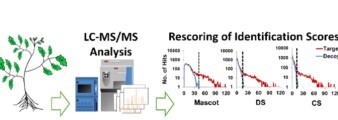
Chen Yiran is a Researcher at the Agricultural Biotechnology Research Center, Academia Sinica , where he has contributed to mass spectrometry , proteomics , and plant immunity . He serves as Chairman of the Taiwan Mass Spectrometry Society and holds Professor positions at National Chung Hsing University (Center for Biotechnology Development), National Taiwan University (Institute of Biotechnology/Systems Biology Program), and National Taiwan Ocean University (Department of Life Science and Biotechnology). His work spans peptidomics , DNA adductomics , and plant-microbe interactions . Chen's research integrates mass spectrometry with bioinformatics to study environmental health risks, plant immune signaling, and disease mechanisms. His team has developed tools like the FeatureHunter software for adduct detection and UniQua signal processor for proteomics. Current projects include CAPE9 peptide characterization for plant immunity and oxidative stress analysis in metabolic disorders. 2025: Outstanding Talent Development Foundation Leap Lecture 2024: Taiwan Mass Spectrometry Society Outstanding Scholar Award 2016: Academia Sinica Young Scholars Research Book Award 2015: Yang Xiangfa Agricultural Sciences Young Scholar Award Laboratory members include doctoral students Ying Guangting , Anciotti , and Jiefan . The lab operates at Academia Sinica's Agricultural Science Building A523 , with equipment for advanced chromatography-mass spectrometry and proteome analysis . Collaborations span National Taiwan University , Stanford , and UC Davis alumni networks.
Maria Kalamvokis, PhD is an Associate Professor in the Department of Microbiology, Molecular Genetics and Immunology at the University of Kansas School of Medicine. Her research focuses on understanding how herpes simplex virus (HSV) counteracts host antiviral responses, particularly innate immunity, which plays a critical role in controlling HSV replication, spread, latency, and disease severity. She leads a laboratory investigating viral mechanisms of immune evasion and pathogenesis. Dr. Kalamvokis received her educational training through the following path: BSc from National and Kapodistrian University of Athens, Greece PhD in Virology from National and Kapodistrian University of Athens, Greece & Hellenic Pasteur Institute Post Doctoral Fellowship at the University of Chicago Dr. Kalamvokis's research program emphasizes three main directions: 1) The impact of HSV-1 infection on intercellular communication mediated by extracellular vesicles (EVs), hypothesizing that HSV-1 alters EV properties and functions with consequences for viral infection and pathogenesis; 2) The mechanism by which HSV-1 counteracts pattern recognition receptors (PRRs), with significance stemming from links between PRR mutations and severe HSV diseases; 3) The functions of the immediate-early protein ICP0, particularly its role as an E3 ubiquitin ligase with essential functions in early infection stages, including activating viral gene transcription and counteracting host antiviral responses. Her laboratory has discovered novel ICP0 functions related to endocytosis of cell surface receptors and down-regulation of autophagy adaptors. Analysis of Dr. Kalamvokis's recent publications reveals a strong focus on HSV-1 mechanisms of immune evasion, particularly through manipulation of the STING pathway, extracellular vesicle communication, and autophagy. Her work spans from basic molecular mechanisms to implications for viral pathogenesis and disease severity. A notable expansion in her research portfolio includes investigations into coronavirus biology, particularly SARS-CoV-2, examining how viral proteins affect host cellular processes like intracellular trafficking, autophagy, and interactions with other viruses like HIV-1. This cross-viral research demonstrates the interdisciplinary nature of her laboratory's approach to understanding viral pathogenesis. Dr. Kalamvokis is an active member of several professional organizations: American Society of Microbiology (Member, 2016-Present) American Society of Virology (Member, 2016-Present) Center for Viral Pathogenesis - KUMC (Member, 2016-Present) While specific grant information is not detailed in the provided text, Dr. Kalamvokis's extensive publication record spanning multiple high-impact journals suggests successful grant funding to support her research program. Her laboratory appears to maintain collaborations across multiple institutions, as evidenced by co-authorship patterns in her publications. She has mentored numerous researchers who have contributed to her laboratory's output, though specific student names are not provided in the available information. Dr. Kalamvokis leads a research laboratory focused on viral pathogenesis, with particular expertise in herpes simplex virus mechanisms. Her lab investigates how HSV-1 manipulates host cellular processes including extracellular vesicle communication, innate immune signaling (particularly the STING pathway), and autophagy. The laboratory employs a range of molecular virology, cell biology, and immunology techniques to elucidate viral mechanisms of immune evasion. Her team's recent expansion into coronavirus research demonstrates the lab's adaptability to emerging viral threats while maintaining its core focus on viral pathogenesis mechanisms.
Csaba Cserép is a Researcher at the Laboratory of Neuroimmunology within the Institute of Experimental Medicine, part of the Hungarian Academy of Sciences. He earned his PhD in Theoretical Medicine from Semmelweis University, Budapest, Hungary, after completing his medical studies there. His research focuses on microglia-neuron interactions and intercellular communication in health and disease, with a particular emphasis on direct cell-cell interactions and mitochondrial signaling processes. MD, Medicine, Semmelweis University, Budapest, Hungary PhD, Theoretical Medicine, Semmelweis University, Budapest, Hungary He utilizes advanced imaging methodologies such as STORM superresolution imaging, STED superresolution imaging, transmission electron tomography, and 3D scanning electron microscopy to investigate structural-functional correlations of the brain’s immune system. This work aims to provide foundational insights for developing therapeutic strategies for neurological disorders. Cserép’s contributions have been recognized with prestigious scholarships and awards, including the János Bolyai Research Fellowship, the Hungarian National Excellence Program, the Outstanding Paper Award of the European Microscopy Society, an award from the Hungarian Society for Microscopy, and the Young Investigator Award from the Institute of Experimental Medicine, Hungarian Academy of Sciences. His mentorship has also led to students earning over 10 prizes at national and international competitions.
Wei Li, PhD, is an Associate Professor affiliated with the Department of Pediatrics and the Department of Cell and Biological Systems at Penn State University. He is also associated with the Penn State Cancer Institute and Penn State Neuroscience Institute, where he focuses on understanding tumor mechanisms and neurodevelopmental biology. Dr. Li’s research investigates intercellular interactions in tissue homeostasis, particularly how deregulated cell communication drives tumor progression. His lab employs molecular, cellular, and biochemical techniques alongside mouse models to study the Hippo tumor suppressor pathway in brain tumors, aiming to identify molecular targets and biomarkers for cancer therapy. Projects include characterizing Merlin’s posttranslational modifications, analyzing necrosis in glioblastoma, and exploring LC3-associated phagocytosis of neutrophils in glioblastoma cell death. Recent publications highlight trends in glioblastoma research, emphasizing ferroptosis, disulfidptosis, and immune cell interactions. His work intersects with UN Sustainable Development Goals (SDGs) related to health and well-being, particularly through advancements in cancer therapy. Dr. Li’s grants include funding from the National Cancer Institute and Congressionally Directed Medical Research Programs, supporting studies on cell competition, tumor suppression, and macrophage roles in glioma transformation.
Geoffrey Pitt serves as Professor of Neuroscience at the Brain and Mind Research Institute and Ida and Theo Rossi Distinguished Professor of Medicine in the Department of Medicine at Weill Cornell Medical College. His dual appointments reflect his interdisciplinary research bridging neuroscience, cardiology, and molecular biology. Dr. Pitt completed his education with a B.A. from Yale University (1984), Sc.M. from The Johns Hopkins University (1987), and M.D., Ph.D. from The Johns Hopkins University School of Medicine (1993). His research focuses on ion channel regulation, particularly calcium and sodium channels, with emphasis on FGF13 protein's role in cardiac and neuronal function. His work spans cardiac electrophysiology, Timothy syndrome (CACNA1C-related disorders), arrhythmia mechanisms, and metabolic disorders linked to ion channel dysfunction. Recent publications reveal his exploration of epigenetic regulation in cardiac development and the intersection of metabolic health with channel function. Dr. Pitt leads multiple significant research initiatives including the Mechanistic re-evaluation of fibroblast growth factor homologous factors in the heart (NHLBI, 2025-2029) and Phosphorylation-dependent regulation of calcium channels by macromolecular complexes (NICHD, 2023-2027). He also serves as Principal Investigator for the Multidisciplinary Research Training in Cardiovascular Disease program (NHLBI, 2022-2027). As an active member of the scientific community, Dr. Pitt serves on the Advisory/Scientific Board for Tevard Biosciences and maintains interests with the Cardiovascular Research Foundation and the Journal of the American College of Cardiology Basic to Translational Science.
Sue Hammoud is an Associate Professor at the University of Michigan Medical School in the Department of Human Genetics and Obstetrics and Gynecology. Her research focuses on reproductive genetics, epigenetics, and gametogenesis, particularly investigating molecular mechanisms in spermatogenesis and oocyte development. Key Research Areas: Epigenetic inheritance, chromatin dynamics in gametes, protamine function in sperm, and single-cell transcriptomics of reproductive tissues. Recent Work: Explores histone retention patterns, centromere symmetry restoration in zygotes, and cryopreservation effects on oocyte transcriptomes. Scientific Recognition: Recipient of the Judges' Choice Award in Therapeutics at the Equalize Startups Pitch Event for her translational research.
Dr. Yao Yao is an Assistant Professor in the Department of Animal and Dairy Science at the University of Georgia's College of Agricultural & Environmental Sciences. She is affiliated with the Regenerative Bioscience Center, the Developmental Biology Alliance, and the Neuroscience Program. Her research integrates molecular biotechnology, genetics, epigenetics, and advanced genome editing tools to investigate skeletal muscle development and neurodegenerative diseases. B.S. from Shanghai Jiao Tong University Ph.D. from Chinese Academy of Sciences Postdoctoral training at University of Pennsylvania Dr. Yao's research focuses on the molecular mechanisms of skeletal muscle development under normal and pathological conditions, with particular emphasis on fibro/adipogenic progenitors (FAPs) in intramuscular adipocyte development. Her lab investigates the dual role of extracellular vesicles (EVs) in neurodegenerative diseases as both mediators of pathogenesis and potential therapeutic agents. She utilizes high-throughput genomic approaches combined with genome engineering to investigate gene regulatory networks governing muscle development and disease. Her work has significant implications for improving meat quality in livestock and developing treatments for muscular disorders in both animals and humans. Analysis of Dr. Yao's recent publications reveals a strong focus on amyotrophic lateral sclerosis (ALS) research, with particular emphasis on extracellular vesicles as therapeutic delivery systems, CRISPR-based genome editing applications, and skeletal muscle pathology. Her work spans multiple disciplines including molecular biology, neuroscience, genetics, and biotechnology, demonstrating an interdisciplinary approach to understanding and treating neuromuscular diseases. Dr. Yao has secured substantial funding for her research from prestigious sources including the National Institutes of Health, US Department of Defense, Johnson & Johnson, and various UGA internal funding programs. Her research program focuses on developing exosome-based gene therapies for neurodegenerative diseases, particularly ALS, and investigating the role of FAPs in muscle disorders. The Yao Laboratory, part of the Regenerative Bioscience Center at UGA, actively recruits graduate students, postdoctoral fellows, technicians, and undergraduate researchers. The lab maintains strong collaborations across multiple disciplines and is actively developing novel therapeutic approaches for neuromuscular diseases using cutting-edge genome editing technologies and extracellular vesicle delivery systems.
Gunther Döhlemann is a Professor at the Institute of Plant Sciences, University of Cologne, specializing in molecular plant-microbe interactions. His research, affiliated with CEPLAS since 2014, focuses on effector proteins of biotrophic microbes, plant immune signaling, and root-microbiome assembly. Key Themes: Effector biology, plant immunity, microbiome dynamics, synthetic biology. Technologies: Metabolomics, imaging platforms, computational plant sciences. Recent work investigates Ustilago maydis effector proteins in maize tumor formation, inter-kingdom conserved motifs in immune suppression, and apoplastic peptide signaling. Publications span high-impact journals like Nature Communications and Science . His lab integrates experimental approaches with theoretical plant sciences to decode cross-kingdom communication mechanisms. Collaborations emphasize network-building and interdisciplinary research.
Raul Zavaliev serves as an Assistant Scientist and Principal Investigator in the Biology Department at Brookhaven National Laboratory, where he leads the Zavaliev Group focused on plant immunity in bioenergy crops. His research bridges molecular mechanisms of systemic acquired resistance with practical applications for sustainable agriculture. Dr. Zavaliev's educational journey includes a Ph.D. in Cell Biology from Tel Aviv University, followed by postdoctoral training at Duke University and the Howard Hughes Medical Institute where he investigated immune homeostasis in plants. This foundation established his expertise in plant-pathogen interactions and cellular defense mechanisms. The Zavaliev lab pioneers research on immune signaling dynamics in monocot crops, particularly examining how systemic resistance pathways interact with growth processes like photosynthesis and carbon allocation. Using advanced genetics, genomics, and super-resolution microscopy , the team decodes spatiotemporal immune responses and identifies key regulators through CRISPR-based precision editing. Their innovative approach targets growth-defense trade-offs to develop high-yield disease-resistant bioenergy crops without compromising biomass production. Recent publications (2023-2024) reveal a strong focus on NPR1 regulation , salicylic acid signaling hubs , and structural mechanisms of plant immunity , with high-impact papers in Molecular Plant, Molecular Cell, and Nature. This output demonstrates consistent contributions to understanding immune signaling cascades and their integration with plant physiology. As a new Principal Investigator, Dr. Zavaliev actively mentors research staff and collaborates with institutions including Duke University and the Howard Hughes Medical Institute. His lab leverages Brookhaven National Laboratory's advanced facilities for genomics, imaging, and structural biology to advance plant immunity research with direct applications for bioenergy crop improvement.
Turid Birgitte Boye is a Professor II at the Department of Behavioral Medicine, University of Oslo, specializing in the psychosomatic and neuropsychiatric aspects of somatic illnesses . Her research bridges mental health with physical conditions, focusing on disorders like bipolar disorder, schizophrenia, and inflammatory bowel disease . As a psychiatrist and clinical researcher, she integrates neuroimmunology, brain imaging, and psychosocial factors into her work.
Professor Frank Schroeder is a distinguished scientist at Cornell University and the Boyce Thompson Institute (BTI), holding appointments in both the Department of Chemistry and Chemical Biology and Biochemistry, Molecular and Cell Biology (BMCB) graduate fields. His research focuses on Chemical Biology and Cell Biology , particularly the structural and functional characterization of biogenic small molecules (BSMs) that regulate development, immunity, and inter-organism communication. He leads an interdisciplinary lab with active collaborations across Caltech, Weill Cornell, MIT, and Max Planck Institutes. Key Research Areas: Metabolomics of Caenorhabditis elegans and other nematodes Host-microbiota interactions in mammals Development of NMR/MS-based analytical methodologies Chemical ecology of fungi for antibiotic discovery Scientific Recognition: HHMI Faculty Scholars Program (2016) Daniel F. Klessig Distinguished Scientist title Teaching: Advanced Analytical Chemistry (CHEM6250) at Cornell Focus on NMR and mass spectrometry applications The lab's NMR-driven approaches have uncovered novel BSMs like gluconucleosides, acylspermidines, and ascaroside derivatives, revealing unexpected biosynthetic pathways and conserved functions across species. Recent work includes host-microbe co-metabolism in immune regulation and a groundbreaking click-chemistry enrichment strategy (DIMEN) for metabolome analysis. His team has trained numerous PhD students and postdoctoral researchers, many of whom now hold academic or industry positions.