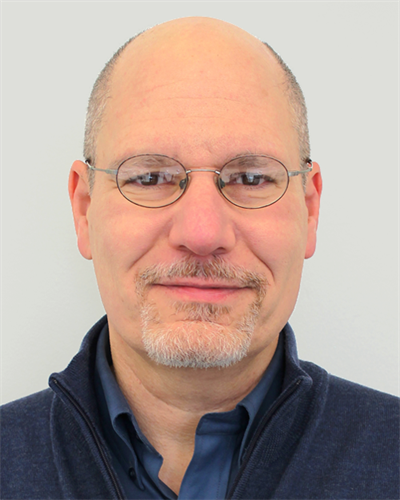
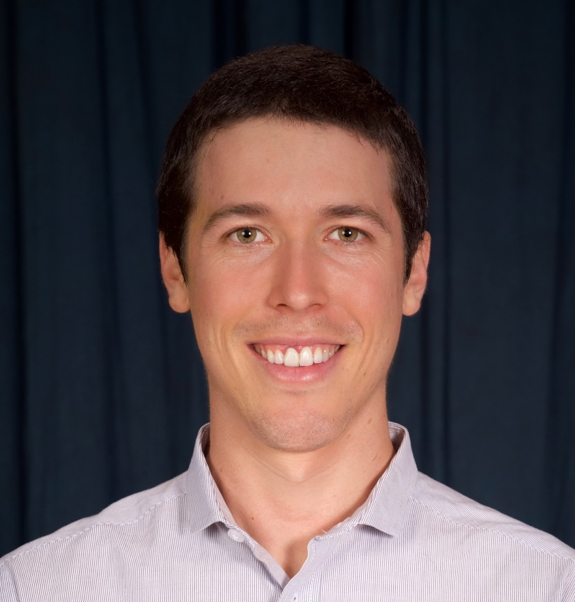
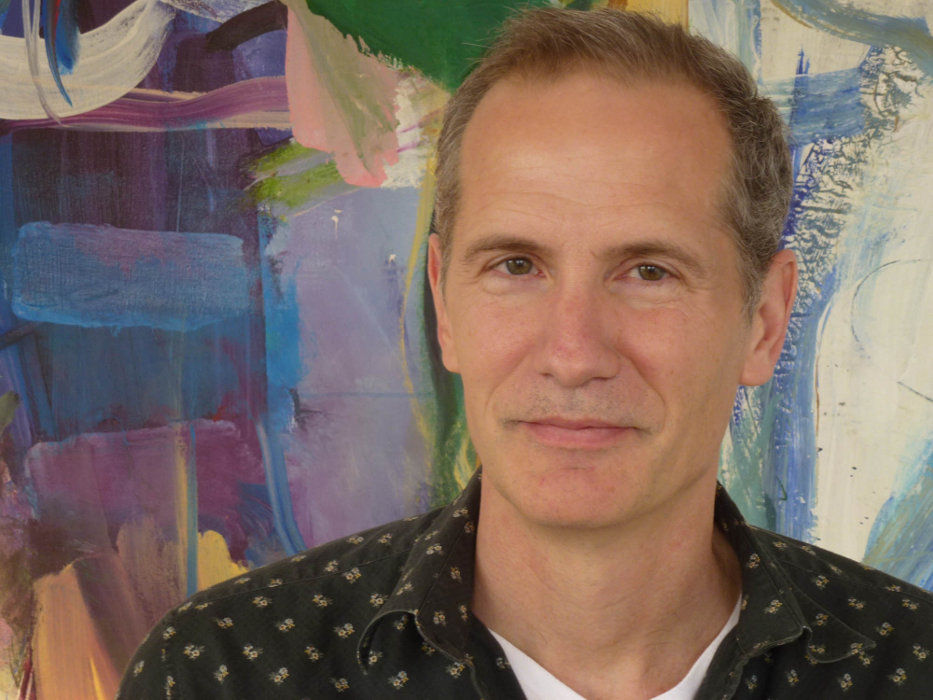
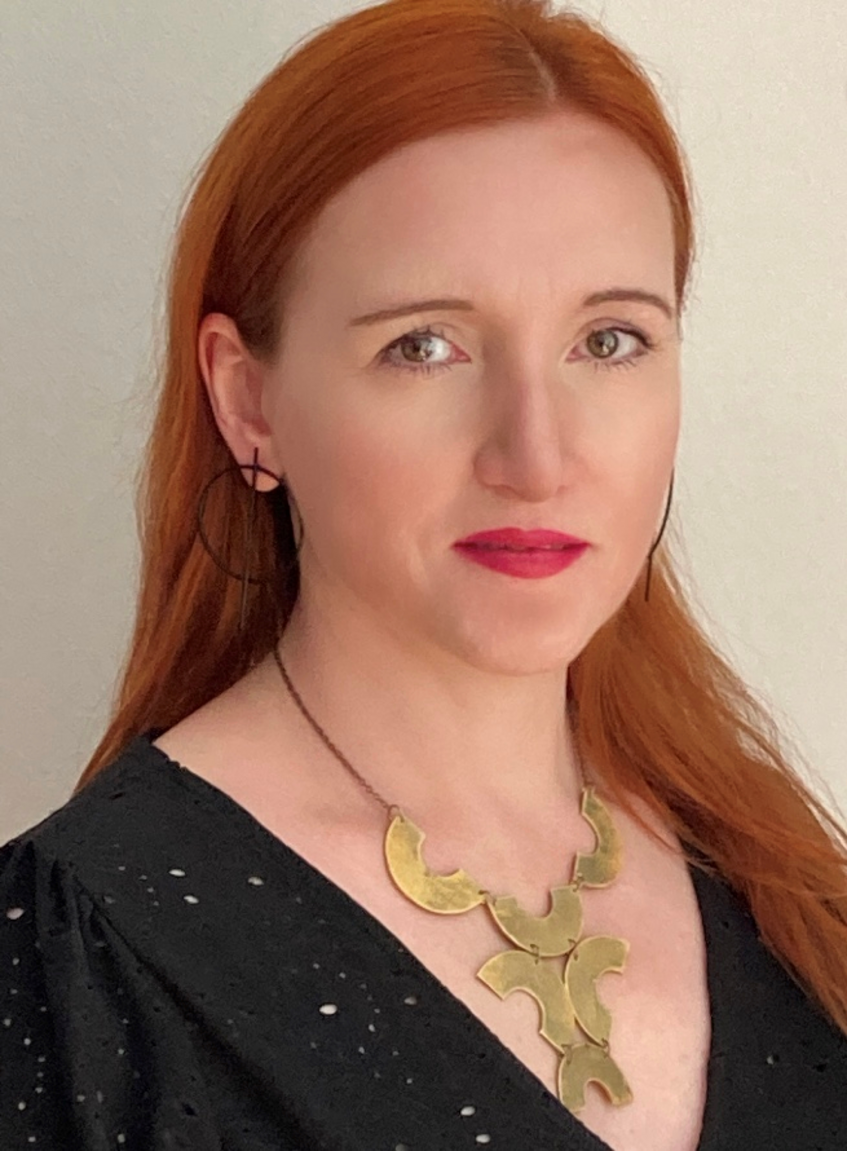
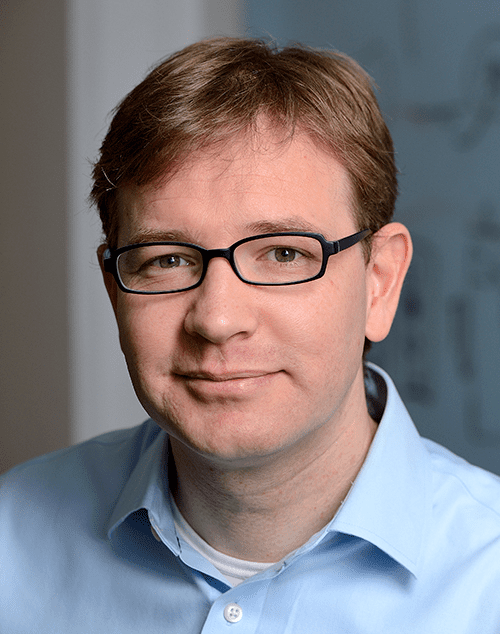
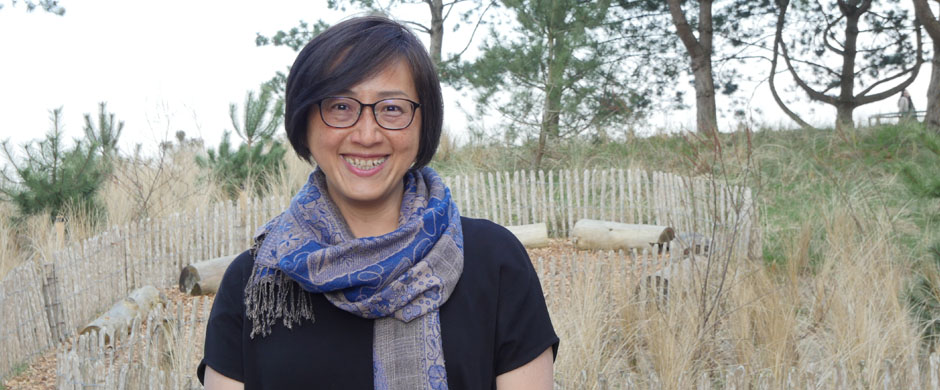
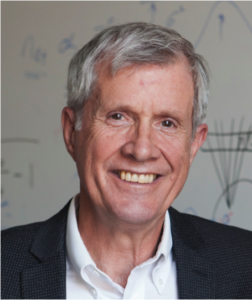
Michael Wiklund is a current Professor of the Practice in the Department of Mechanical Engineering at Tufts University School of Engineering . He has been in this role since 2014, previously serving as a Lecturer from 1987 to 2013. His work focuses on Human Factors Engineering , Medical Device Design , and Usability Testing in healthcare contexts. His research spans decades, emphasizing ergonomics , software user interfaces , and safety in medical systems . He has authored key publications including books and articles on usability engineering , root cause analysis , and design principles for medical technology. Wiklund teaches courses such as Medical Technology Development and Human Factors in Medical Technology , with a focus on Biomedical Engineering and Mechanical Engineering . His recent publications highlight trends in medical device innovation , user-centered design , and health IT integration. He also serves as General Manager - Human Factors Research & Design at UL since 2012.
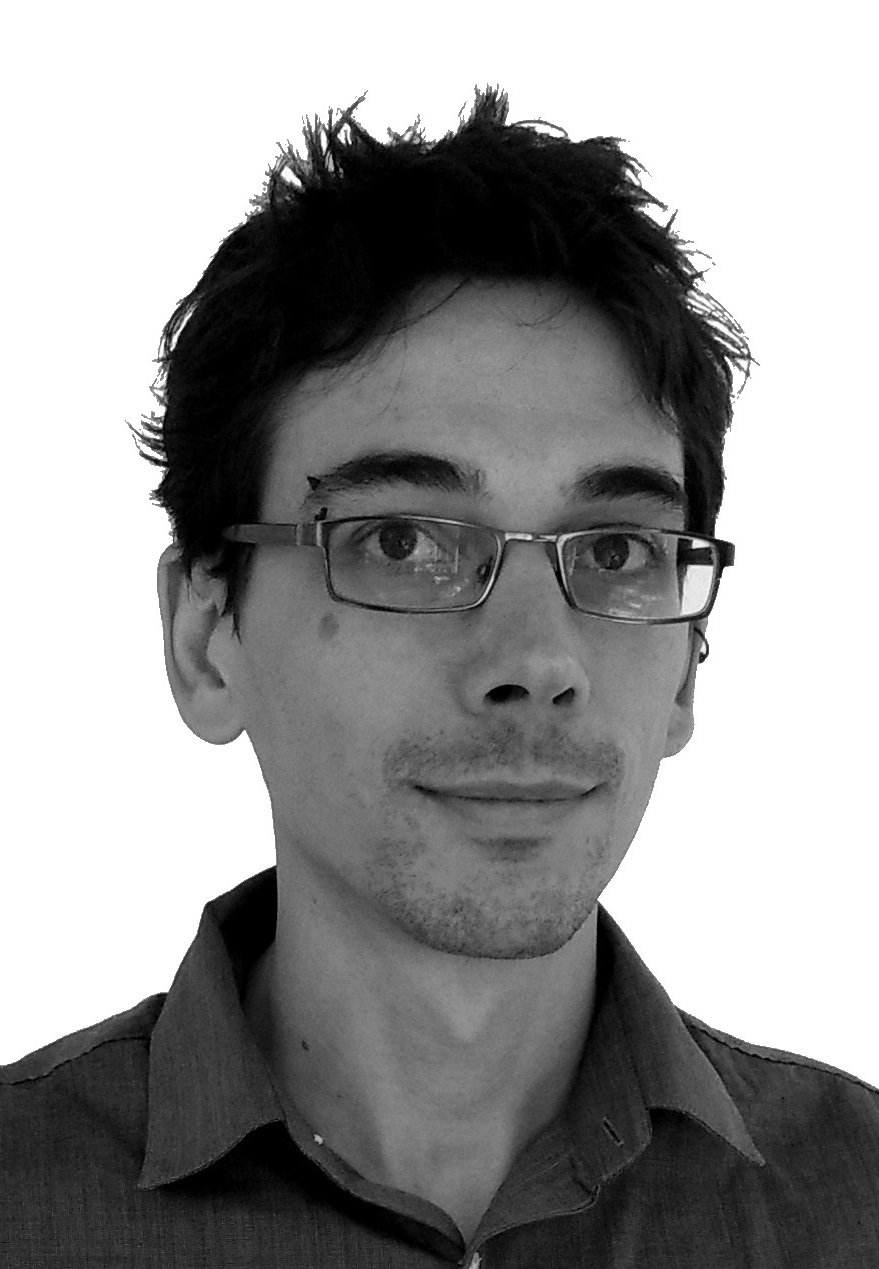
Nicolas Davidenko is an Associate Professor in the Department of Psychology at the University of California, Santa Cruz (UCSC). He leads the High Level Perception Lab, focusing on behavioral and computational studies of human perception, particularly face recognition, spatial orientation, and visual ambiguity. His work emphasizes 'top-down' processes like attention and expectations. Davidenko holds a Ph.D. in Psychology from Stanford University (2006), an M.S. in Statistics from Stanford (2004), and an A.B. in Mathematics from Harvard (1998). His research explores how humans perceive and interpret complex visual information, including studies on illusions, virtual reality, and misophonia. He has developed parametric models of faces to study memory encoding and drawing accuracy. Notable achievements include a Top-10 Finalist placement in the 2015 Best Illusion of the Year Contest for his 'Mind-controlled motion' research. He teaches courses such as PSYC 121 (Perception), PSYC 139K (Face Recognition), and advanced cognitive research seminars. Davidenko also runs the CSASS Matlab Workshops, training researchers in statistical tools. His lab includes graduate students and postdocs, with alumni like Jennifer Day (Ph.D. ’19) and Pat Samermit (Ph.D. ’18). Recent projects include investigations into vection in VR environments, cross-sensory modulation of aversive sounds, and time perception in virtual reality. His work bridges cognitive psychology, neuroscience, and computational modeling, contributing to understanding how perception shapes human interaction with the environment.
Charles Perin is an Assistant Professor of Computer Science at the University of Victoria, leading the UViz research group. He holds a PhD from Université Paris-Sud (2014) and has held roles including Post-doc at the University of Calgary and Lecturer at City, University of London. His research focuses on information visualization, personal visualization, human-computer interaction, and sports visualization. Education: PhD in Computer Science (2014), Université Paris-Sud; Post-doc at University of Calgary (InnoVis lab); MS and earlier studies in Computer Science and HCI in France. Research interests include designing interactive visualization tools for personal data reflection, health data communication, and sports analytics. He emphasizes authoring tools for non-experts and physical/tangible visualization systems. Recent work explores embedded data physicalizations and mobile visualization design. His articles span topics like data storytelling, patient-generated health visualizations, and soccer data analysis, often appearing in top venues like IEEE VIS, CHI, and Eurovis. He has advised over 20 students across PhD, MSc, and undergraduate levels. Teaching includes courses on Information Visualization and HCI at UVic, City, and other institutions. He co-organized workshops on topics like Personal Visualization and Sports Data at IEEE VIS. His UViz lab collaborates internationally with institutions like Monash University and the National Archives (UK).
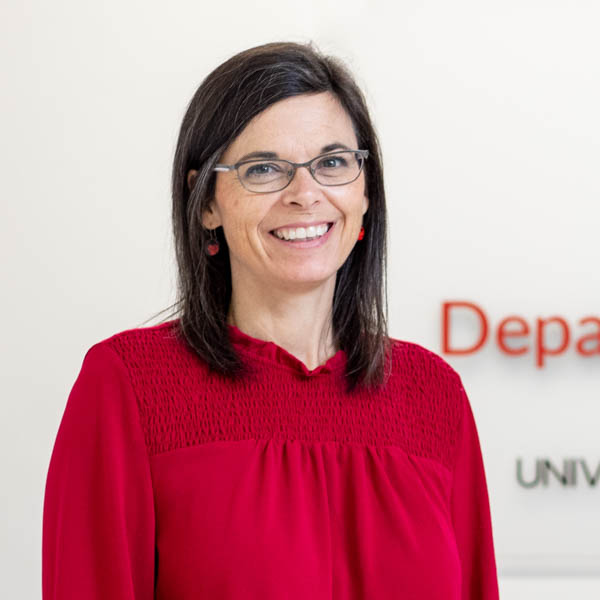
Andrea Mason is a Professor and Department Chair in the Department of Kinesiology at the University of Wisconsin-Madison. Her research focuses on motor control, particularly in autism spectrum disorder, aging, and virtual environments. She holds the Conway Professorship of Kinesiology (2021) and has received the NSF Career Award (2004). Education: Ph.D. in Human Motor Systems from Simon Fraser University (under Dr. Christine MacKenzie). Her work examines bimanual coordination, gait analysis, and balance training. She leads a lab (visit lab webpage) and collaborates on projects involving robotic-assisted motor assessments and VR feedback for clinical populations. Key research themes include: Motor control in autism Age-related changes in locomotion and grasping Virtual environment interaction Developmental coordination disorders Recent studies explore gait variability in dual-task scenarios, sensory feedback effects in VR, and biofeedback-based balance training for children with autism. Her work bridges kinesiology, neuroscience, and clinical applications. Awards: Conway Professorship (2021), Best Paper (2013), NSF Career (2004) Lab: Accessible via dedicated webpage CV: Downloadable from her portal
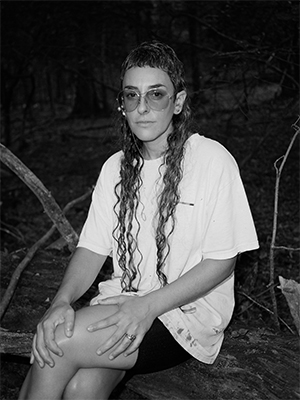
Katherine Hubbard is an Associate Professor of Art and Director of the MFA Program at Carnegie Mellon University School of Art. Her practice integrates photography, writing, and performance to explore the intersection of social politics, history, and narrative through a lens of bodily engagement. Hubbard's work emphasizes analog photography as a medium that mimics and interrogates the body's relationship to visual processes, often staging performances where participants' physical positioning becomes integral to the artwork's temporal experience. Education: MFA from the Milton Avery Graduate School of the Arts at Bard College (2010). Research focuses on the politics of looking, the malleability of vision, and bridging the imaginary with the familiar through interdisciplinary projects. Notable collaborations include the Poetry Parade series (2012–ongoing), a migratory feminist reading action performed in institutions like the Whitney Museum, and cyclops & slashes (2015), a participatory performance addressing social dynamics through photography and text. Awards: 2020 Guggenheim Fellowship in Photography. Hubbard has exhibited widely, including solo shows at Higher Pictures (New York) and Company Gallery (NY), with works featured in Frieze Magazine . Her projects often involve site-specific installations, such as Four shoulders and thirty five percent everything else (2014), which interrogates landscape and perception in Utah's desert.
Dr. Teresa Puthussery is an Associate Professor in the School of Optometry & Vision Science at the University of California, Berkeley. Her research focuses on retinal neurobiology and neurophysiology, investigating how visual signals are encoded in healthy retinas and disrupted during degeneration. She uses advanced techniques like patch-clamp electrophysiology, immunohistochemistry, and microscopy to study retinal circuits, neurotransmitter receptors, and ion channels. Dr. Puthussery teaches courses on vision science anatomy, physiology, and problem-based learning, including VISION SCIENCE 206B/C and 260C. Her research explores questions such as how retinal neurons extract motion/spatial details, how photoreceptor mutations cause degeneration, and how inner retinal circuits adapt post-photoreceptor loss. Recent work includes studies on ON-type direction-selective ganglion cells, optogenetic therapy for vision restoration, and calcium dynamics in foveal ganglion cells post-degeneration. She collaborates on projects involving primate and rodent models, contributing to understanding retinal disease mechanisms and therapeutic targets. Dr. Puthussery’s lab (retinalab.berkeley.edu) emphasizes translational research, bridging basic science and clinical applications. Her work has been published in journals like Nature and Cell Reports , with a focus on retinal degeneration, synaptic plasticity, and optogenetic interventions. She actively participates in training future vision scientists through Berkeley’s Optometry program and oversees GSI affairs as a faculty advisor.
Simon Hanslmayr is a Professor in the School of Psychology & Neuroscience at the University of Glasgow. His research investigates neural oscillations' role in attention and memory processes, employing EEG, fMRI, and transcranial stimulation techniques. He focuses on healthy populations and clinical conditions like Schizophrenia and PTSD. His lab develops tools like the Brain Time Toolbox for electrophysiological data analysis. Education: Ph.D. in Cognitive Neuroscience (not explicitly detailed in text) Research interests include understanding how precise neural timing via oscillations underpins cognitive functions. Key areas: hippocampal memory coding, theta phase synchronization in associative memory, and causal effects of rhythmic stimulation on memory plasticity. Recent articles highlight mechanisms linking theta oscillations to memory formation, thalamocortical interactions in perception, and hippocampal-neocortical coupling. His work bridges experimental and computational approaches to model memory dynamics. Grants: Sensory stimulation for memory impairment (BIAL Foundation, 2025-2026) EU-funded studies on neural oscillations and memory (2020-2021) Awards: None explicitly listed, but active grant recipient. Supervised students include Kiera Capstick, Eleonora Marcantoni, and others. Collaborates with researchers worldwide through lab affiliates and visiting scholars. Current work emphasizes scalable neurotechnologies for cognitive enhancement and memory rehabilitation. Labs/Teams: Leads the Memory & Oscillations Lab at the University of Glasgow, collaborating with institutions like the University of Zurich and Maastricht University on neuroimaging and clinical studies.
Eshed Ohn-Bar is an Assistant Professor in the Department of Electrical & Computer Engineering at Boston University. He leads the Human-to-Everything (H2X) Lab, focused on developing intelligent systems for assistive and autonomous technologies. His research bridges machine perception, learning, and human-computer interaction, with applications in autonomous driving and accessibility for visually impaired individuals. Educated at UCLA (BS in Mathematics, 2010; MEd, 2011) and UCSD (PhD in Electrical Engineering, 2017), he holds a Humboldt Fellowship and has received the IEEE ITS Society Best PhD Dissertation Award (2017) and the 2025 BU Early Career Excellence in Research Award. His work emphasizes robust autonomy, real-time assistance, and inclusive design, collaborating with industry partners like Motional and receiving NSF grants (e.g., IIS-2152077). Research interests include autonomous systems, computer vision, and assistive technologies. Recent trends in publications highlight advancements in decision-making frameworks, neural volumetric models, and scalable learning for navigation. His lab’s projects address challenges in accessibility, such as blind motion generation and inclusive autonomous vehicle design. Awards: Humboldt Fellowship, IEEE ITS Best Dissertation, BU Early Career Award Grants: NSF IIS-2152077 Labs/Teams: H2X Lab, collaborating on projects with industry and academic partners
Michael J. Shelley is the Lilian and George Lyttle Professor of Applied Mathematics and holds joint appointments in Mathematics, Neural Science, and Mechanical Engineering at New York University's Courant Institute of Mathematical Sciences. He also serves as Co-Director of the Applied Mathematics Laboratory and Director of the Center for Computational Biology at the Flatiron Institute. Education: PhD (Applied Mathematics) from the University of Arizona (1985), MS (Applied Mathematics) from the University of Arizona (1984), BA (Mathematics) from the University of Colorado (1981). Research: Focuses on complex phenomena in active matter, biophysics, and complex fluids. Key areas include fluid-structure interactions (e.g., swimming/flying mechanics), cytoskeletal dynamics, and collective behavior in biological systems. Collaborates closely with experimentalists through the Applied Math Lab and Flatiron Institute. Labs & Affiliations: Co-Director, Applied Mathematics Laboratory; Director, Center for Computational Biology (Simons Foundation); affiliated with NYU’s Courant Institute and Department of Mathematics. Notable Work: Models for microtubule-motor assemblies, active suspensions, and fluid-structure interactions. Pioneered computational frameworks for Stokes suspensions and fiber dynamics in viscous fluids.
Prof. Rossella Ferrari holds a professorship in Chinese Studies at the Department of East Asian Studies, University of Vienna. Her research explores performance cultures across the Chinese-speaking world, with a focus on avant-garde theatre, transnational networks, and postsocialist transformations. Key contributions include the concept of 'pop avant-garde' and 'Xiqu 2.0,' examining how classical performance interacts with digital media. She co-edited Asian City Crossings (2021) and authored Transnational Chinese Theatres (2020). Current projects investigate 'performing postsocialism' and intercultural collaborations. Her work bridges disciplines like architecture, visual arts, and film, emphasizing methodologies rooted in Asian perspectives to challenge Eurocentric paradigms. Recent studies analyze pandemic impacts on transnational theatre networks and the role of cities as analytical frameworks. Collaborations with groups like Hong Kong's Zuni Icosahedron highlight her focus on boundary-crossing performance practices. Publications span monographs, edited volumes, and peer-reviewed articles addressing topics such as Brechtian influences in China, intertextuality in global performance, and avant-garde adaptations of classical works like Mudan Ting . Her research underscores the socio-political dimensions of artistic expression in East Asia, particularly in contested historical contexts.
Professor Ruth Ahnert holds a Chair in Literary History & Digital Humanities at Queen Mary University of London, affiliated with the School of English and Drama and the Digital Environment Research Institute (DERI). Her research bridges early modern literary studies, digital humanities, and data science, focusing on epistolary culture, surveillance, and interdisciplinary collaboration. She leads the UKRI-funded Living with Machines project, exploring the social impact of 19th-century technology through computational methods. Educated at the University of Cambridge (BA, MPhil, PhD), she has published widely on topics including Tudor networks, prison literature, and quantitative history. Her work emphasizes collaborative methodologies, as seen in projects like Networking Archives (integrating early modern correspondence metadata) and the interactive Tudor Networks visualization. Awards include grants from the AHRC, Folger Shakespeare Library, and the British Library-Alan Turing Institute partnership. She supervises PhD students examining early modern communication networks and deviance, and her teaching reflects her commitment to blending traditional humanities with computational innovation. Ruht Ahnert’s interdisciplinary approach has been featured in documentaries, radio programs, and public engagement initiatives, including Niall Ferguson’s BBC/PBS series Networlds . Her recent publications include The Network Turn (2020, co-authored) and the forthcoming Tudor Networks of Power (2023). She co-edits the Text Technologies series at Stanford University Press, bridging book history and digital scholarship.
Christopher Honey is an Associate Professor in the Department of Psychological & Brain Sciences at Johns Hopkins University, affiliated with the Krieger School of Arts & Sciences. His research focuses on computational cognitive neuroscience, exploring how the brain processes sequential information such as language and memory. He holds a PhD from Indiana University and has held positions at Princeton University and the University of Toronto before joining JHU in 2016. Education: PhD in Psychological and Brain Sciences, Indiana University Postdoctoral Fellowship at Princeton University with Uri Hasson Bachelor’s in Applied Mathematics and English Literature, University of Cape Town Research Interests: Neural dynamics of memory and perception Temporal processing in the brain Cognitive modeling using computational methods Neuroimaging data standards (e.g., BIDS) Publications highlight his work on brain state fluctuations, neuroimaging data structures, and memory enhancement. His lab develops tools for analyzing fMRI and EEG data, emphasizing real-world applications like smartphone-based cognitive interventions. Lab and Collaborations: Active projects on narrative processing and hippocampal replay Development of open-source neuroscience tools like iELVis Focus on translational research for aging populations
Hsueh-man Shen is the Director of Masters Studies and Ehrenkranz Associate Professor in World Art at New York University’s Institute of Fine Arts. She holds a D.Phil. from Oxford University in Archaeology, an M.A. in Art History from National Taiwan University, and an LL.B. in Law from the same institution. Her research focuses on medieval Chinese art and archaeology, particularly how cross-cultural exchanges shaped artistic practices through translation, replication, and hybridization. She has curated major exhibitions such as Gilded Splendor: Treasures of China’s Liao Empire (2006) and contributed to the Cave Temples of Dunhuang project (2016), emphasizing Silk Road cultural networks. Her current book project explores maritime activities’ impact on Buddhist art during the 10th–14th centuries. Shen’s work bridges art history, archaeology, and material culture studies, addressing topics like relic deposits, shipwrecks, and cross-cultural curatorial practices. She has held prestigious fellowships, including the Leiden University Hulsewé-Waznieski Professorship (2019) and a Wissenschaftskolleg zu Berlin residency (2008–2009). Education: D.Phil., Archaeology, University of Oxford M.A., Art History, National Taiwan University LL.B., Law, National Taiwan University Her research interests include Buddhist art’s transformation across dynasties, the role of replication in devotion, and maritime trade’s influence on cultural boundaries. She teaches courses such as Colors in the Visual Culture of Medieval China and Shipwrecks and the ‘Other’ Silk Road , integrating theoretical and material perspectives. Shen’s awards reflect her global academic contributions, including the EURIAS Senior Fellowship (2018–2019) and Progress 100 Visiting Professorship at Kyushu University (2017). Her publications span exhibition catalogues, monographs like Authentic Replicas: Buddhist Art in Medieval China (2019), and peer-reviewed articles analyzing Silk Road networks, Liao dynasty funerary practices, and cross-cultural material exchanges.
Konstantinos Pelechrinis is an Associate Professor in the Department of Informatics and Networked Systems at the University of Pittsburgh's School of Computing and Information. He holds a Ph.D. in Computer Science from the University of California, Riverside. His research focuses on network science, urban informatics, and sports analytics. He has been recognized with the Army Research Office Young Investigator Award for his contributions. Education: Ph.D. in Computer Science, University of California, Riverside Research Interests: Urban mobility patterns and infrastructure analysis Sports performance quantification and strategy Data-driven decision-making in transportation systems Network science applications in social and urban systems His recent work explores topics such as implicit biases in sports refereeing, anomaly detection in NFT markets, and optimizing bike-sharing systems using predictive models. He also investigates urban infrastructure resilience through projects like the Epui platform for experimental urban informatics. Awards: Army Research Office Young Investigator Award He contributes to academic outreach through courses like TELCOM2125 (Network Science and Analysis) and collaborates on initiatives like the Healthy Ride Pittsburgh bike-sharing study. His lab focuses on bridging theoretical models with real-world urban and sports datasets.
Richard B. Miles is a Professor of Aerospace Engineering and Director of the ALLEMO (Aerospace Laboratory for Lasers, ElectroMagnetics, and Optics) at Texas A&M University. He holds the O'Donnell Foundation Chair V and is a University Distinguished Professor. A member of the National Academy of Engineering, his work focuses on laser diagnostics, directed energy, hypersonics, nonlinear optics, and plasma aerodynamics. Education: Ph.D., Electrical Engineering, Stanford University (1972) M.S., Electrical Engineering, Stanford University (1967) B.S., Electrical Engineering, Stanford University (1966) His research explores cutting-edge applications of lasers and plasma in aerospace systems, including energy deposition in flames, backward lasing phenomena, and plasma dynamics. His work bridges fundamental physics and engineering challenges in high-speed flows and directed energy systems. Awards: 2012 AIAA Plasmadynamics and Lasers Award and Medal 2000 AIAA Aerodynamic Measurement Technology Award 1998 Fellow of the Optical Society of America Fellow of the AIAA (2000) His grants and advising focus on experimental and theoretical studies in laser-based diagnostics and plasma aerodynamics. He leads the ALLEMO lab, a hub for interdisciplinary research in optics and aerospace systems.