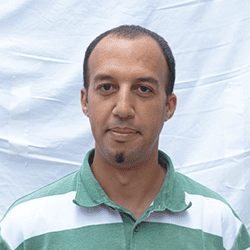
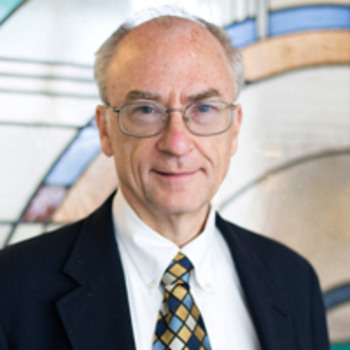
Amine MEHEL is a Research Professor at ESTACA's Mechanics and Environment Center (MSCE) since 2010, specializing in air quality and pollution control in transport systems. His work bridges experimental and numerical studies of turbulent flow interactions with pollutants and nanoparticles. Research Axes : CQA (Characterization of Air Quality) and EDP (Spatiotemporal Dynamics of Pollutants) Key Projects : CEPARER (2022-2025), AmCoAir (2020-2023), CAPNAV (2019-2022), CAPTIHV (2015-2018) His expertise includes experimental facilities like wind tunnels, PIV/LDV measurements, and CFD simulations using Eulerian-Lagrangian approaches. He supervises PhD students and coordinates teaching projects like PIRATE and PRI. Recent publications focus on ultrafine particle dispersion in vehicle wakes, brake emissions in underground stations, and cabin air quality characterization.
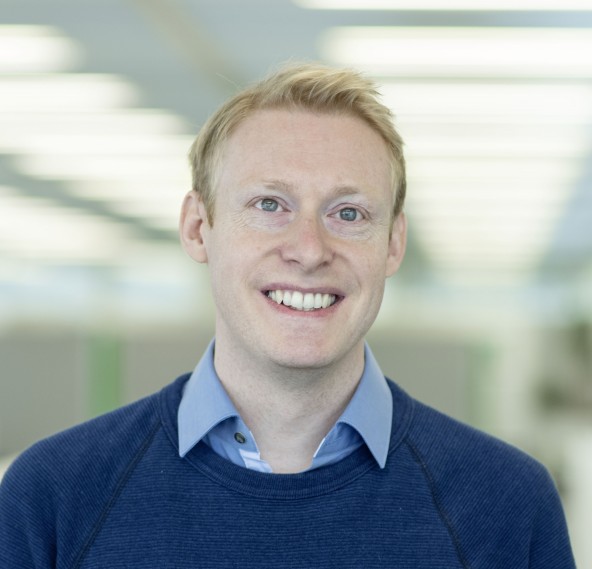
Prof. Dr. Soeren Lienkamp is an Assistant Professor at the Institute of Anatomy , Faculty of Medicine , University of Zurich . His work bridges digital education and genetic research , focusing on enhancing medical teaching through innovative formats. Research Interests : Genetics, developmental biology, kidney disease modeling, CRISPR applications, digital medical education, and advanced microscopy. Methodologies : Combines Xenopus tropicalis models, deep learning , and bioengineering to study genetic kidney disorders and improve diagnostic tools. Publication Trends : His recent articles highlight predictable genome editing , 3D imaging technologies , and mechanistic insights into kidney and eye development. Earlier works focus on ciliary function , Wnt signaling , and metabolic stress in renal cells.
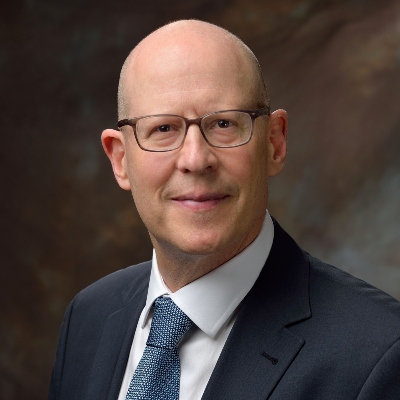
Scott L. Diamond is the Arthur E. Humphrey Professor of Chemical and Biomolecular Engineering and Bioengineering at the University of Pennsylvania's School of Engineering and Applied Sciences. He serves as Director of the Penn Center for Molecular Discovery, Director of the Penn Biotechnology Masters Program (one of the largest in the country with over 130 students), and Associate Director of the Institute for Medicine and Engineering (IME). His laboratory is located in the Roy and Diana Vagelos Laboratories at 3340 Smith Walk, 1020 Vagelos Research Laboratories, Philadelphia, PA. Diamond's research spans multiple interconnected fields in blood biology and biotechnology. His work focuses on mechanobiology, thrombolysis, coagulation, bioadhesion, gene therapy, drug/device development, proteomics, drug discovery, systems biology, and microfluidics. His laboratory has developed numerous specialized microfluidic devices for studying blood clotting under various flow conditions, including 8-channel devices for high-throughput clotting assays, side-view devices for clot structure analysis, stenosis devices for high shear clotting assays, and impingement-post devices for studying von Willebrand factor fibers. Diamond's research group has pioneered approaches to model and predict blood function using systems biology principles. His team has developed computational models that integrate reaction-transport phenomena with platelet signaling networks to predict thrombus formation under flow. These models have enabled the development of 'virtual blood' computer simulations that can predict the effectiveness of anticoagulation drugs for individual patients, contributing significantly to personalized medicine approaches in hemostasis and thrombosis. His extensive publication record demonstrates a consistent focus on understanding the fundamental mechanisms of blood clot formation and dissolution. Recent work has emphasized microfluidic approaches for point-of-care diagnostics, patient-specific modeling of platelet function, and the development of novel therapeutic strategies for thrombotic disorders. His research bridges engineering principles with clinical hematology to address significant challenges in cardiovascular medicine. NSF National Young Investigator Award NIH FIRST Award American Heart Association Established Investigator Award AIChE Allan P. Colburn Award George Heilmeier Excellence in Research Award Elected Fellow of the Biomedical Engineering Society (BMES) Diamond has secured significant research funding, including a $2.8 million NIH grant for 'Blood Systems Biology' and a $9.5 million NIH grant for the Penn Center for Molecular Discovery. His laboratory has developed numerous microfluidic devices for blood analysis and has collaborated extensively with clinicians and industry partners. Diamond has served on advisory committees for NSF, NIH, AHA, and NASA, and has consulted extensively for industry and government. With over 180 publications and patents, his work has significantly advanced the understanding of blood clotting mechanisms and the development of diagnostic and therapeutic approaches for thrombotic disorders.
Professor Dragan Jovcic is the Chair in Engineering at the University of Aberdeen's School of Engineering , where he has been a faculty member since 2004 and a full professor since 2012. Concurrently he serves as Director of the Aberdeen HVDC Research Centre , a role he has held since 2015. Education: PhD in Electrical Engineering, University of Auckland, 1999 Diploma Engineer in Control Systems, University of Belgrade, 1993 Postgraduate Certificate in University Teaching, University of Ulster, 2003 Research Interests: Professor Jovcic’s research centres on high-power electronics and HVDC transmission systems , with particular emphasis on the development of DC transmission grids that will enable large-scale integration of offshore wind energy . His work spans DC/DC converters , DC circuit breakers , modular multilevel converters (MMC) , flexible AC transmission systems (FACTS) , and advanced power system modelling and control . The overarching goal is to underpin the transition from fossil-fuel generation to renewable-dominated power systems, especially in the North Sea and European contexts. Publication Trends: Recent publications (2020-2023) reveal a strong focus on DC protection technologies —notably circuit breakers and energy absorbers—and on modelling methodologies for HVDC grids and offshore wind integration. The works address both theoretical advances (phasor and state-space models) and experimental validation (kV-level prototypes), reflecting a balanced portfolio of fundamental research and practical demonstration. Scientific Awards & Recognition: IEEE Fellow (2021) IEEE PES Distinguished Lecturer (since 2015) IET Fellow (2019) and Chartered Engineer (2018) Research Funding & Supervision: With over £5.5 million in external research income, Professor Jovcic is principal investigator or work-package leader on numerous EU Horizon Europe and EPSRC projects. He has supervised 9 PhDs to completion and is currently mentoring 2 PhD students and 2 post-doctoral fellows . Major grants include the €35 million PROMOTioN project on multiterminal DC networks and the €4 million MoWiLife project on wide-bandgap power electronics. Laboratory & Facilities: The Aberdeen HVDC Research Centre hosts a 0.9 kV DC grid demonstrator , 30 kW thyristor- and IGBT-based DC/DC converters , and 5 kV, 2 kA DC circuit breaker test benches , providing a world-class platform for experimental research and student training.
Christos Gatzidis serves as Executive Dean of Bournemouth University's Faculty of Science and Technology since October 2023, overseeing six departments including Computing and Informatics, Creative Technology, and Psychology. Previously Deputy Dean (2021-2023) and Head of Creative Technology Department (2016-2021), he was appointed Professor in Creative Technology in November 2019. The Faculty leads five REF Units of Assessment and secures funding from AHRC, NIHR, and Innovate UK for research spanning digital healthcare, gaming technologies, and cultural heritage applications. His educational qualifications include: PhD in Information Science, City University London (2010) PG Cert in Research Degree Supervision, Bournemouth University (2010) MA in Computer Animation, Teesside University (2003) BSc (Hons) in Computer Studies (Visualisation), University of Derby (2002) Professor Gatzidis specializes in computer graphics with research spanning virtual reality, serious games, and digital healthcare applications. His work bridges technical innovation and practical implementation, particularly in mindfulness prototypes for healthcare and stroke rehabilitation systems. Current projects focus on the multidisciplinary application of gaming technologies in medical contexts, emphasizing user experience and therapeutic outcomes through collaborations with industry partners. His publication record (2014-2025) demonstrates evolving expertise from foundational computer graphics research in terrain generation and deformation to applied work in healthcare, cultural heritage, and music education. Key trends include virtual reality for therapeutic mindfulness, usability studies in mobile gaming, and digital cultural presentation techniques, reflecting a trajectory toward socially impactful technological solutions with strong industry translation. No scientific awards are documented in the provided information. He has supervised PhD students and secured competitive research funding, including two Innovate UK Knowledge Transfer Partnerships. His principal investigator role in a virtual reality mindfulness prototype project exemplifies his approach to translating academic research into practical industry solutions, with current focus on expanding knowledge exchange activities to support the University's civic engagement mission. As Executive Dean, he leads faculty-wide research strategy across six departments, fostering interdisciplinary collaborations particularly in digital healthcare and cultural heritage. His personal research integrates computer graphics expertise with clinical applications through partnerships with healthcare providers and technology companies, driving innovation in therapeutic VR systems and educational gaming platforms.
Cesare Franchini is a full Professor at the University of Vienna's Faculty of Physics, leading the Computational Materials Physics research group. His work focuses on theoretical understanding and computational modeling of quantum materials using first principles methods, particularly VASP. He maintains an active research program with numerous postdocs, PhD students, and collaborations across multiple institutions including the University of Bologna. Professor Franchini's research centers on quantum materials with many interacting degrees of freedom (lattice, spin, and electron orbital) that enable novel electronic and magnetic phases. His specific interests include metal-insulator transitions, polaron physics (electron-phonon interactions), non-collinear spin orderings, topological Dirac/Weyl phases, multiferroism, and superconductivity. He has increasingly incorporated machine learning data-driven tools and diagrammatic Monte Carlo techniques into his computational approaches. Analysis of his recent publications (2024-2025) reveals a strong focus on polaron physics across multiple material systems, with significant work on hematite, titanium dioxide, and quantum paraelectrics like KTaO3. His research increasingly integrates machine learning with traditional first-principles methods, particularly for studying hydrogen diffusion, surface science phenomena, and electronic structure calculations. There's also substantial work on single-atom catalysis and the application of advanced computational techniques to understand fundamental charge transport mechanisms in energy materials. Professor Franchini actively supervises numerous PhD students and postdocs, including Andrea Angeletti, Viktor Birschitzky, Lorenzo Celiberti, and several others working on diverse aspects of computational materials physics. He leads or participates in major research projects including TACO (Taming Complexity in Materials Modeling), DCAFM (Doctoral College Advanced Functional Materials), and the recently launched Spin-orbit entangled anharmonic polarons project. His group maintains strong collaborations with experimentalists at Charles University, Technical University of Vienna, and other international institutions.
Robert M. Weikle, II is a Professor in the Charles L. Brown Department of Electrical and Computer Engineering at the University of Virginia, with a courtesy appointment in the Department of Physics. He earned his B.S. from Rice University (1986), M.S. (1987), and Ph.D. (1992) in Electrical Engineering from Caltech, followed by postdoctoral work at Chalmers University of Technology (1992). His research focuses on millimeter-wave and terahertz electronics , applied electromagnetics, integrated antennas, low-noise sensors, and heterogeneous integration of compound semiconductors. His work bridges electronics and photonics for spectrum access, with applications in astronomy, spectroscopy, and metrology. He has published extensively on micromachined silicon substrates, superconducting materials, and emerging technologies. Scientific Awards: IEEE Microwave Prize (1993) David A. Harrison III Award (1999) University of Virginia All-University Outstanding Teaching Award (2000) Edlich-Henderson Innovator of the Year (2016) Fulbright Scholar (2001) As Chief Technology Officer and co-founder of Dominion Microprobes, Inc., he commercializes micromachined wafer probes for high-frequency metrology. His lab, located in E220 Thornton Hall and the Jesse W. Beams Physics Building, has produced 15+ recent publications on submillimeter-wave devices, THz probes, and calibration techniques.
Jennifer Dy is a Distinguished Professor at Northeastern University with joint appointments in Electrical and Computer Engineering and Khoury College of Computer Sciences. As Director of AI Faculty at the Institute for Experiential AI, she leads research in machine learning, computer vision, and explainable AI. Her work spans biomedical applications (COPD phenotyping, neuroimaging) and fundamental algorithms (active learning, continual learning). She holds a PhD from Purdue University and is an AAAI Fellow. Research Focus: Dy develops methodologies for robust and interpretable machine learning, including techniques for model stability in continual learning, dependency-aware active learning, and axiomatic explanation frameworks. Her applied research advances diagnostic tools using Raman spectroscopy, CT imaging, and multi-omics biomarker discovery. Awards: Recognized with the NSF CAREER Award, Faculty Research Team Award, and AAAI Fellowship for contributions to unsupervised learning and medical AI. Publication Trends: Recent articles demonstrate strong cross-disciplinary integration, combining theoretical advances in explainability/robustness with applications in healthcare, wireless systems, and particle physics. Methodological themes include optimal transport theory, probabilistic modeling, and transformer architectures.
Ken Forbus is the Walter P. Murphy Professor of Computer Science and Professor of Education at Northwestern University. He earned his Ph.D. in Artificial Intelligence from MIT in 1984, along with S.M. and S.B. degrees in Computer Science from the same institution. Current research focuses on qualitative reasoning , analogical reasoning , spatial reasoning , sketch understanding , and the Companion cognitive architecture . He has made foundational contributions to qualitative physics , compositional modeling , and cognitive simulation through systems like CyclePad and Companions . His work spans AI, cognitive science, and education technology with applications in intelligent tutoring systems , educational software , and interactive entertainment . Awards and Fellowships: Humboldt Research Award AAAI Fellow Cognitive Science Society Fellow ACM Fellow AAAS Fellow Herbert A. Simon Prize recipient Research trends in recent publications include analogical reasoning frameworks, normative modeling, pretense simulation, qualitative spatial representations, and applications in education and cognitive systems. Articles frequently address intersections between AI, cognitive science, and human-computer interaction. Teaching activities include core courses like Cognitive Science 207 , Design of Problem Solvers , and Conversational AI . He co-developed the open-source Freeciv game framework for AI research in strategy games.
Sarah L. Keller is a Professor of Chemistry at the University of Washington, holding the Duane and Barbara LaViolette Endowed Chair. She earned her Ph.D. in Physics from Princeton University and completed postdoctoral research at UC Santa Barbara and Stanford University. Her research focuses on self-assembling soft matter systems, particularly lipid membrane biophysics and prebiotic chemistry. She investigates how lipid mixtures form complex phases and their biological implications. Education: Ph.D. in Physics, Princeton University (1995); postdoctoral training at UC Santa Barbara (Presidential Fellow) and Stanford University (NIH NRSA Fellow). Research Interests: Keller's lab explores phase behavior in lipid membranes, prebiotic vesicle formation, and membrane-driven cellular processes. They employ interdisciplinary approaches combining physics, chemistry, and bioengineering to study systems like yeast vacuoles and protocell models. Awards: Biophysical Society Avanti Award, Cottrell Scholar, NSF CAREER Award, Fellow of the American Physical Society, and recognition for mentoring and teaching excellence. Her students frequently win NSF Graduate Fellowships and international awards. Advising & Grants: Keller has mentored over 50 students/postdocs, many of whom hold academic or industry roles. Her lab emphasizes interdisciplinary collaboration, with funding from NSF, NIH, and private foundations. The Keller Lab also supports career development resources for early-career researchers. Labs/Teams: The lab is part of the UW Chemistry Department and collaborates with the UW Biophysics program. Research is conducted in the Bagley Hall laboratory, with access to advanced microscopy and simulation tools.
Philipp Neumann is a Professor and Chair of High-Performance Computing at Helmut Schmidt University since 2019. Previously, he held roles including Senior Researcher at the German Climate Computing Center (2016–2019), Postdoc at the University of Hamburg (2017–2019), and completed his Habilitation in Scientific Computing at TU Munich (2019). He transitioned to DESY/Universität Hamburg in May 2024. Education : PhD (Dr. rer. nat.) in Scientific Computing at TU Munich (2008–2013) Habilitation in Scientific Computing at TU Munich (2019) Studies in Technomathematics at Friedrich-Alexander University Erlangen-Nuremberg (2003–2008) Research Interests focus on high-performance computing, parallel and distributed systems, computational science, and applications in climate modeling. His work bridges computational methods with medical challenges, including surgical simulation training, wound healing mechanisms, and gastrointestinal pathology. Professional Activities include leadership roles in major conferences such as steering committee member for ISPDC (since 2021) and program committee roles in IPDPS, ICCS, and IEEE Cluster. He also managed the DFG priority program SPPEXA (2013–2016). Labs/Teams include the Chair for High-Performance Computing at Helmut Schmidt University and collaborations with the German Climate Computing Center. His current work at DESY/Universität Hamburg likely expands these computational efforts into interdisciplinary research.
Dan McCammon is a Professor in the Department of Physics at the University of Wisconsin-Madison, affiliated with the College of Letters & Science. His research focuses on X-ray astronomy, including studies of the diffuse X-ray background, interstellar and intergalactic media, and the development of advanced X-ray instrumentation. He is a key contributor to the XRISM (X-ray Imaging and Spectroscopy Mission) satellite, leading efforts in high-resolution X-ray spectroscopy and mission operations. McCammon's work emphasizes understanding cosmic plasma dynamics, galaxy cluster physics, and supernova remnant evolution through cutting-edge observational techniques and detector technology. His research interests span multiple subfields, including the thermodynamic properties of galactic clusters, charge-exchange processes in astrophysical plasmas, and the design of cryogenic microcalorimeters for space-based observatories. He has pioneered advancements in transition-edge sensors (TES) and superconducting detectors, enhancing the precision of X-ray spectral measurements. McCammon has contributed to numerous sounding rocket missions, such as Micro-X, and has been instrumental in the development of the Line Emission Mapper (LEM) probe concept, aimed at mapping the soft X-ray sky with unprecedented resolution. His work on the Hitomi (ASTRO-H) satellite demonstrated breakthroughs in resolving the thermal and dynamic properties of cosmic plasmas, such as the Perseus galaxy cluster and the Crab Nebula. His publications highlight a focus on high-resolution X-ray spectroscopy of cosmic sources, including galaxy clusters, active galactic nuclei, and supernova remnants. He has explored topics like non-thermal pressure contributions in cluster cores, ionized plasma diagnostics, and the role of charge-exchange emissions in interpreting diffuse X-ray backgrounds. McCammon's instrumentation innovations have enabled breakthroughs in measuring spectral features with sub-eV resolution, advancing our understanding of astrophysical processes. Despite the absence of explicitly listed awards or grants in the provided text, his leadership in major space missions and pioneering detector technologies underscores his contributions to the field. His research team collaborates on international projects, such as XRISM and LEM, reflecting a commitment to advancing observational astrophysics through interdisciplinary collaboration.
Dr. Michel Chaaya is a Senior Lecturer in Civil Engineering at the University of Sydney, with expertise in project management, construction engineering, and sustainability. He holds a PhD from the University of Sydney and is a Fellow of the Institution of Engineers Australia and the College of Leadership and Management. His research focuses on innovative project management methodologies, sustainable construction practices, and BIM implementation. Education: BE, ME(Res), PhD in Project Management and IT from the University of Sydney. Research Interests: Enhancing project success through risk management, modular construction, and BIM adoption. He emphasizes communication, sustainability, and community wellbeing in construction projects. Recent projects include studies on net-zero steel production, BIM in SMEs, and NCC 2022 energy requirements. Awards: ARCHIBUS Excellence Awards (2017-2013), Best Residential Development Awards (2009-2010), and Australian Postgraduate Award (1997). Teaching: Courses include Project Planning, Professional Practice in Engineering Management, and Global Project Management. He has supervised over 250 theses since 2003. Industry Roles: Director of Business Development for multiple organizations, specializing in construction, IT systems, and real estate. He advises on complex project delivery and stakeholder management.
Ronald G. Larson serves as the George Granger Brown Professor of Chemical Engineering and A. H. White Distinguished University Professor at the University of Michigan's College of Engineering, with additional appointments in Mechanical Engineering and Macromolecular Science & Engineering. His research leadership spans multiple departments within the Chemical Engineering Division, where he directs the Larson Lab focused on fundamental and applied soft matter physics. His research program investigates complex fluids through computational and theoretical frameworks, emphasizing polymer physics, rheology, and molecular simulations. Key thrusts include polymer melt processing, biomembrane dynamics, colloidal systems, and polyelectrolyte coacervation. The group employs advanced techniques like Brownian dynamics, coarse-grained modeling, and multiscale simulation to address challenges ranging from industrial polymer processing to biomedical applications. Recent publications (2023-2025) reveal strong momentum in rheological modeling of complex fluids, with particular emphasis on self-healing materials, wax deposition in pipelines, and crystallization mechanisms. The work bridges fundamental molecular insights with industrial applications, demonstrating consistent high-impact output across polymer science, soft matter physics, and chemical engineering domains. The Larson Lab operates as a collaborative hub within the Chemical Engineering Department, leveraging computational resources to advance understanding of fluid mechanics and material properties. Current projects integrate machine learning with traditional modeling approaches, reflecting the group's commitment to methodological innovation while maintaining strong connections to experimental validation and real-world engineering problems.
Dr. Joyoung Lee is an Associate Professor in the Department of Civil and Environmental Engineering at New Jersey Institute of Technology (NJIT). He previously served as Laboratory Manager at the Federal Highway Administration's Saxton Transportation Operations Laboratory. His research focuses on Connected Vehicle (CV) systems, including applications in traffic management, signal control optimization, and autonomous vehicle infrastructure integration. Dr. Lee holds a Ph.D. (2010) and M.S. (2007) in Transportation Engineering from the University of Virginia, and a B.S. (2000) in Transportation Engineering from Hanyang University. His work emphasizes CV-based solutions for real-time traffic systems, cooperative vehicle-infrastructure systems (CVIS), and autonomous vehicle integration. Notable achievements include the 2019 IEEE CAVS Best Paper Award and multiple best paper recognitions from PTV User Group Meetings. His research also addresses traffic safety through innovations like the Virtual Guide Dog system for visually impaired pedestrians and advanced traffic monitoring frameworks using LiDAR and computer vision. Education: Ph.D., Transportation Engineering, University of Virginia (2010) M.S., Transportation Engineering, University of Virginia (2007) B.S., Transportation Engineering, Hanyang University (2000) Dr. Lee's research interests span smart city infrastructure, edge computing for traffic systems, and sustainable transportation solutions. He has pioneered algorithms for cooperative intersection management, automated platooning systems, and federated learning-based traffic optimization. His work bridges theoretical models with real-world implementation through partnerships with FHWA and industry stakeholders. Key contributions include development of the Cumulative Travel-Time Responsive (CTR) traffic signal control system, smart arrival notification systems for paratransit services, and advanced microsimulation calibration techniques. His lab focuses on translating CV data into actionable strategies for safer, more efficient transportation networks. Awards: IEEE CAVS Best Paper Award (2019) ASCE Grand Challenge Innovation Contest Honorable Mention (2017) PTV VISSIM Best Paper Awards (2012, 2008) Excellence in Research Award (University of Virginia, 2011) Ongoing projects include semi-decentralized graph neural networks for traffic forecasting and low-cost LiDAR-based traffic monitoring systems. His work addresses critical challenges in autonomous vehicle integration, incident management, and infrastructure resilience through interdisciplinary collaborations.