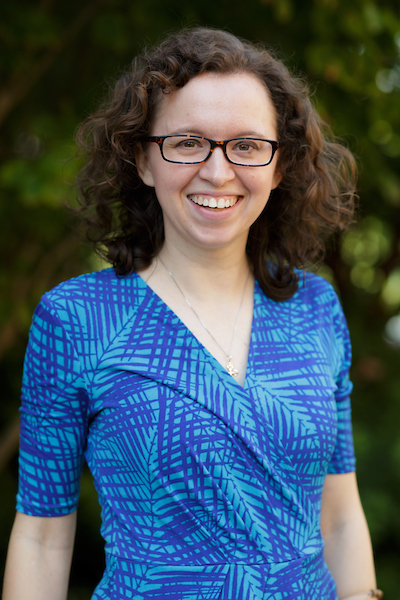
Lesya SabadaView profile
Part-Time Lecturer
Lesya Sabada serves as a Sessional Instructor at St. Thomas More College (University of Saskatchewan), specializing in Religion and Culture, Catholic Studies, and Peace Studies. She holds a Doctorate in Religious Peacebuilding from St. Paul University and has conducted extensive field research globally, including studies on climate change in Antarctica, elephant conservation in Congo, and the ecological theology of Eastern Christianity. Her work bridges religious traditions with environmental ethics, emphasizing inter-religious peacebuilding and nonviolent advocacy. Education: Doctorate of Religious Peacebuilding, St. Paul University – University of Ottawa MA in Eastern Christian Studies, Catholic Theological Union BA in Religious Studies, University of Toronto BEd in History/Education, University of Saskatchewan Research Focus: Sabada's work integrates religious peacebuilding with ecological stewardship, exploring topics like Laudato Si interpretations, palm oil industry ethics, and interfaith climate action. She has conducted fieldwork in over 30 countries, addressing issues from deforestation in Borneo to the aftermath of the Hiroshima/Nagasaki bombings. Key Contributions: Co-chaired 5+ international conferences on ecological theology and environmental justice Authored Go to the Deep , a Nobel-nominated biography of peace Archbishop Joseph Raya Developed faith-based climate initiatives through the World Council of Churches and UN University for Peace Awards: Nominated for 2005 Nobel Peace Prize via Archbishop Raya's documentation Pioneer of Eastern Christian environmental ethics frameworks Recipient of Vatican-supported research grants Teaching & Leadership: Teaches courses on religion-ecology intersections, nonviolent peacebuilding, and Eastern Christian thought. Serves as a visiting professor at the UN University for Peace and has coordinated interfaith initiatives in 20+ countries. Labs/Teams: Core member of the World Council of Churches' Climate Justice Working Group and SAPREJ program (Sustainable Alternatives for Poverty Reduction and Ecological Justice), leading global interdisciplinary teams.