Jan Alber is a Professor of Modern English and American Literature at the Department of English and American Literature and Culture, Justus Liebig University Giessen . He previously held positions at RWTH Aachen, Aarhus University, TU Darmstadt, and the University of Freiburg. His work bridges narrative theory, cognitive studies, and postcolonial literature, with a focus on unnatural narratives and empirical approaches to literary analysis. Fields of Interest: Unnatural Narratology, Cognitive Literary Studies, Climate Fiction, Postcolonial Literature Key Themes: Storyworlds, Ideology, Empirical Methods, Narrative Beginnings Alber's recent publications explore narrative theory's intersections with cognition and ideology, including analyses of digital post-postmodernist novels and climate change narratives. His empirical studies examine how readers process experimental narratives, particularly unnatural narrators and metaleptic structures. He has received prestigious awards such as the Habilitation Prize from the German Association of Anglists (2013) and the FRIAS junior group competition (2008). His research is funded by the AHRC, DFG, and Alexander von Humboldt Foundation, notably supporting interdisciplinary work on post-truth political narratives and Ukrainian scholars. Alber co-founded the Aachen Center for Cognitive and Empirical Literary Studies and serves as President of the International Society for the Study of Narrative. He organizes international workshops on cognitive narratology and teaches courses spanning literary history, theory, and postmodern fiction.
Jessica Brown is a Professor at the University of St Andrews within the School of Philosophical, Anthropological & Film Studies . Her work bridges epistemology, moral responsibility, and philosophical methodology, with a focus on both individual and collective epistemic practices. Institution: University of St Andrews School: Philosophical, Anthropological & Film Studies Research Outputs: 52 Research Overview Prof Brown's research spans three core domains: (1) Epistemology – examining evidence, knowledge transmission, fallibilism vs. infallibilism, contextualism, and norms of assertion; (2) Moral/Epicemic Responsibility – analyzing blame attribution for beliefs and actions at individual and group levels; (3) Philosophical Methodology – critiquing the role of intuitions, thought experiments, and ordinary language in philosophical inquiry, while addressing scepticism about the discipline's validity. Publication Trends Her articles reflect evolving focus from foundational epistemological concepts (2013-2018) to collective epistemic responsibility (2020-2023). Topics include group motivation, epistemic blame, and fallibilist frameworks, often intersecting with social philosophy and philosophical psychology. Scientific Recognition Fellow, Royal Society of Edinburgh (2018) Mentorship & Funding Supervised: 14 postgraduate students/researchers Major Grants: Leverhulme Trust Fellowship, Royal Society of Edinburgh Workshop Award, AHRC Standard Projects
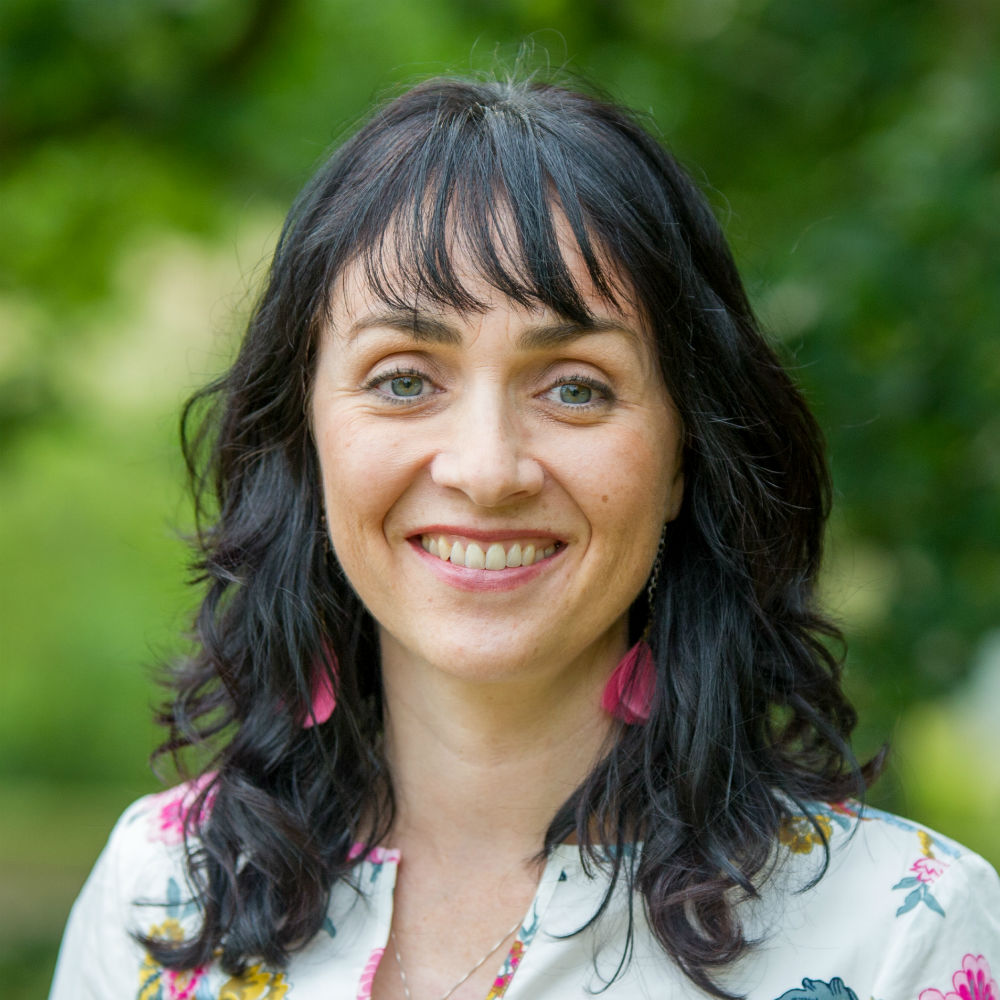
Claudia Passos Ferreira is an Assistant Professor of Bioethics at the Center for Bioethics, New York University (NYU), where she bridges philosophy, psychology, and neuroethics to address ethical questions in consciousness studies and emerging technologies. Education: MA and Ph.D. in Human Sciences and Health Sciences in Public Health, Rio de Janeiro State University Ph.D. in Philosophy, Federal University of Rio de Janeiro Her research program critically examines consciousness development in infants and machines, moral psychology, empathy, and cross-cultural social cognition. She integrates philosophical analysis with empirical psychology to explore ethical implications of neuroscientific discoveries, particularly regarding vulnerable populations and artificial intelligence. Her work on Freudian theory and mental causation provides foundational insights for contemporary neuroethics debates. Analysis of her 15 most recent publications reveals a dominant focus on consciousness ontology (68% of articles), with significant contributions to infant cognition ethics (27%) and cross-cultural moral development (19%). Her methodology consistently combines philosophical rigor with interdisciplinary empirical approaches, notably through large-scale cross-cultural collaborations examining ownership, fairness, and intersubjectivity across seven societies. Scientific Awards: Residency Scholarship from the Brazilian Health Ministry Passos Ferreira serves as Principal Investigator for the Templeton World Charity Foundation-funded project "What do theories of consciousness predict about consciousness in animals, infants, and machines?". Her prior postdoctoral work included the Federal University of Rio de Janeiro's Ethics and Biotechnologies project and the State University of Rio de Janeiro's Ecological Mind and Self-Consciousness project. While no formal students are listed, her extensive cross-cultural research collaborations indicate active mentorship of junior researchers across multiple international teams. Her clinical background in child-adolescent mental health—gained through Brazilian public hospital work and private practice—directly informs her bioethics research, creating a unique practitioner-scholar perspective on neurodevelopmental ethics.
Shigeru Uesugi is Professor in the School of Creative Science and Engineering, Faculty of Science and Engineering, Waseda University. He directs interdisciplinary research that fuses mechanical engineering, human–robot interaction, and philosophy of technology to create co-creative interfaces, sports-assist devices, and mediated communication systems. Education: Ph.D. in Engineering, Waseda University Research Interests: Uesugi’s work centres on Human Interface & Interaction Design , Mediated Communication , and Being Design . He explores how technology can extend human bodily perception and foster co-creative relationships between users and machines, merging insights from robotics, sports science, and philosophy. Recent articles analyse embodied interaction in shared virtual spaces, remote collaboration via tangible interfaces such as networked “Lazy Susan” tables, and full-body rocking systems that create a sense of togetherness over distance. His publications reveal a steady focus on designing hardware–software hybrids that make remote partners feel co-present. Scientific Awards: 14th Okawa Thesis Award, Honorable Mention (2004) Human Interface Society Paper Award (2004) Grants & Projects: JSPS KAKENHI (A) “Comprehensive research on the relationship between scientific/technological innovation and human society” (2023-2026) JSPS KAKENHI Challenging Research “Transformations of intentionality and responsibility via artifacts” (2022-2025) JSPS KAKENHI “Fascia tension-propagation suit for motor-function enhancement” (2020-2023) Labs & Teams: He leads the Human-being Design Engineering Laboratory whose members develop co-creative interfaces, sports-training devices, and rehabilitation tools. The group maintains the website www.wesugi.mech.waseda.ac.jp and collaborates with the Waseda Research Institute for Science and Engineering.
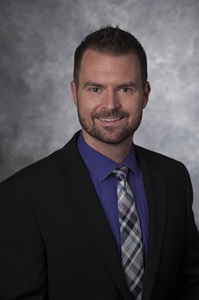
Nathan W. Hudson is an Associate Professor in the Department of Psychology at Southern Methodist University (SMU) in Dallas, Texas. Previously, he received his Ph.D. in Psychology from the University of Illinois at Urbana-Champaign in 2016. His research focuses on personality psychology, particularly how people's personalities change across time and how individuals function in romantic relationships. He leads the Δ Lab at SMU, which investigates individual differences in human personality. Education: 2016 – Ph.D., Psychology, University of Illinois at Urbana-Champaign 2011 – M.A., Psychology, University of Illinois at Urbana-Champaign 2009 – B.A., Purdue University Nathan Hudson's primary research area is volitional personality change—people's desires and attempts to change their own personality traits. His groundbreaking research has shown that approximately 90% of people want to change aspects of their personality traits, and moreover, they may be able to find some degree of success in doing so. He also studies adult attachment styles and how people function in close relationships. Hudson's work suggests that attachment anxiety is linked to false memories, and that people's attachment styles can change over time. His research integrates both theoretical and applied perspectives, with implications for therapeutic interventions and personal development. Hudson's recent publications demonstrate a clear trajectory toward understanding the mechanisms of personality change and developing effective interventions. His work spans across multiple domains of personality psychology, with a particular emphasis on the Big Five personality traits, attachment theory, and well-being. A consistent theme throughout his research is examining how people's desires for change translate into actual personality growth. His work has increasingly focused on the practical applications of personality science, including developing measures and interventions that can help people achieve their desired personality changes. Scientific Awards: Goss-Lucas Award for Excellence in Teaching James Davis Fellowship Foundation for Personality and Social Psychology Heritage Dissertation Award Hudson actively mentors students in the Δ Lab at SMU, where they conduct research on personality change, attachment, and well-being. He has secured multiple grants to support his research on volitional personality change and the development of personality assessment tools. His lab has developed several psychological measures, including the Change Goals Big Five Inventory (C-BFI2) and its variants, which are freely available for academic research. Hudson also engages with the public through his TEDx talk "You Can Change Your Personality" and has been featured in Olga Khazan's book "Me, But Better," which applies his research to real-life settings. The Δ Lab, led by Hudson, is dedicated to understanding individual differences in personality and how people can intentionally change aspects of themselves. The lab values all individual differences among humans, recognizing that variance in human thoughts, feelings, and behaviors is adaptive and makes humanity resilient. The lab wholeheartedly supports the LGBTQ+ community and emphasizes that individual differences between humans are what personality science is all about.
Mark Coeckelbergh is a Professor of Philosophy at the University of Vienna, specializing in the philosophy of technology, AI ethics, and robot ethics. He is affiliated with the Department of Philosophy and the Research Network Data Science at the University of Vienna. In addition to his academic position, Coeckelbergh has held significant roles including Former President of the Society for Philosophy and Technology (SPT) and Member of the European Commission's High-Level Expert Group on Artificial Intelligence (AI HLEG). His research focuses on the ethical, political, and philosophical implications of emerging technologies, particularly artificial intelligence and robotics. Coeckelbergh has published extensively in these areas, authoring influential books such as Robot Ethics (2022), The Political Philosophy of AI (2022), and Why AI Undermines Democracy and What To Do About It . His work explores how AI systems affect democratic processes, human agency, and social relationships. Recent publications demonstrate a strong focus on the relationship between AI, democracy, and ethical governance, examining how AI systems can both threaten and potentially enhance democratic processes through algorithmic transparency and participatory design approaches. Finalist of the World Technology Award 2017 Coeckelbergh teaches various courses including 'Introduction to Philosophy of LLMs,' 'LLMs and the Future of Writing,' 'Ethics and Robotics,' and 'Global Governance of AI.' He has supervised numerous students working on topics related to technology ethics and philosophy. He has been involved in several major research projects including H2020 PERSEO, WWTF Democracy Responsible Entrepreneurship, and FP7 DREAM (Development of Robot-Enhanced therapy for children with Autism spectrum disorders). Coeckelbergh has also announced upcoming guest professorships at the Institute of Philosophy of the Czech Academy of Sciences and Uppsala University, where he will work on environmental and technology ethics projects.
Michael Smith is the McCosh Professor of Philosophy at Princeton University. He holds a DPhil from Oxford University (1989) and has been a faculty member since 2004, previously at the Australian National University. His research focuses on ethics, moral psychology, philosophy of mind, political philosophy, and philosophy of law. Smith’s work integrates constitutivist theories of practical reason with analyses of moral agency. He has contributed to debates on moral rationalism, the nature of reasons for action, and the relationship between rationality and normativity. Education: MA, Monash University (1980); BPhil (1983), DPhil (1989), University of Oxford Smith’s scholarship emphasizes the interplay between ethical theory and psychological explanations of agency. Recent publications explore topics like carbon capture technologies, cultural clashes in moral reasoning, and probabilistic forecasting in oceanography. His philosophical contributions address foundational questions in meta-ethics, including the ‘moral problem’ and the implications of constitutivism for normative frameworks. He advises on interdisciplinary projects at the intersection of philosophy and emerging technologies. Notable research trends include applying philosophical analysis to environmental ethics and developing frameworks for resolving moral dilemmas through rational agency models. His work often bridges analytic philosophy with empirical inquiries in psychology and social science.
Aleksandar Kostic is a Lecturer in the Department of Architecture and Built Environment at South East Technological University (SETU), where he also serves as Lead Researcher. He holds a PhD from University College Dublin, awarded in 2022, and is actively contributing to the academic and professional architecture community. PhD in Design Theory, University College Dublin (2022) His research lies at the intersection of philosophy and architectural design, with a strong focus on design theory, epistemology, ethics, and aesthetics. He explores fundamental questions such as aporia (intellectual impasses) in design, the influence of Platonic philosophy, and the ethical responsibilities of architects. His work emphasizes critical thinking and philosophical inquiry in architectural practice and education. The trends in his publications reveal a consistent engagement with philosophical concepts applied to architectural problems. From examining 'aporetic' design challenges to analyzing Plato’s views on expertise, his research bridges abstract thought and practical design. Recent works continue this trajectory, addressing ethical values, non-material aspects of design, and the role of contradiction in innovation. Nomination for MIES EU Award for Architecture (2009) Aleksandar Kostic advises PhD students and is actively involved in research dissemination through publications, peer-review, and conference organization. He serves on the steering committee of the All Ireland Architecture Research Group and is a member of the Centre for Platonic Studies at Trinity College Dublin and the Royal Institute of the Architects of Ireland. His peer-review activities include journals such as She JI and Building Material . He is a key member of the Architecture Research Group at SETU and collaborates across disciplines, particularly with philosophy. His upcoming activity includes organizing the 'Ethics in Architecture' conference in 2025, highlighting his leadership in integrating ethical discourse into architectural research.
Professor Eero Vaara, currently at Saïd Business School, University of Oxford, is a globally recognized expert in organizational theory, strategic change, and institutional dynamics. With 39 publications in Financial Times top 50 journals between 2008-2022, his work explores historical perspectives, discursive processes, and paradoxes in organizational transformations. Affiliation: Saïd Business School, University of Oxford Research Focus: Strategic change, institutional work, narrative theory, and historical embeddedness Eero’s research bridges macro-institutional and micro-practice approaches, emphasizing how unmaterialized decisions, discursive struggles, and temporal dynamics shape organizational trajectories. His work spans multinational corporations, public sector governance, and extreme contexts, with a growing interest in historical analysis and critical discourse studies. His recent publications highlight themes such as strategy-as-practice , national identity , and temporal intentionality . Articles like Near-histories and strategy emergence and Discursive legitimation demonstrate his interdisciplinary approach combining institutional theory, paradox theory, and narrative analysis. Scientific Awards: Academy of Management fellowship Ranked 11th most published management scholar in FT top 50 journals (2008-2022) Eero’s collaborative research style and resilience in the publication process have led to influential contributions in strategic management and organizational studies. His colleague Eric Zhao notes that his work “opens up new ways of thinking about organizations, strategy, and change,” reflecting Oxford Saïd’s commitment to research excellence.
Patrick Tomlin is a Professor of Philosophy at the University of Warwick and Director of the Politics, Philosophy, and Law (PPL) undergraduate degree. He holds affiliations with the Philosophy Department and the Centre for Ethics, Law, and Public Affairs (CELPA). His academic journey includes roles at the University of Oxford (Corpus Christi College) and University of Reading, where he was Associate Professor in Political Philosophy. Education: B.A. (Hons) European Politics (University of Nottingham, 2002), M.A. Legal and Political Theory (University College London, 2004), D.Phil. Political Theory (University of Oxford, 2010). Research interests span moral, political, and legal philosophy, with a focus on distributive ethics, equality, criminal law, children's wellbeing, and moral uncertainty. His recent work includes exploring transferred malice in criminal law, aggregation in normative ethics, and proportionality in warfare. Publications highlight contributions to journals like Philosophical Quarterly , Law and Philosophy , and Journal of Applied Philosophy . Notable works include critiques of punishment theory, analyses of parental rights, and ethical frameworks for warfare. Awards include the Berger Memorial Prize (APA, 2017) and a Leverhulme Trust Research Fellowship (2020-21). He co-founded Free & Equal: A Journal of Ethics and Public Affairs in 2024 after resigning from Philosophy & Public Affairs . Teaching includes modules on ethics, applied ethics, and political economy. He advises on the PPL degree, established in 2018, and contributes to academic governance at Warwick.
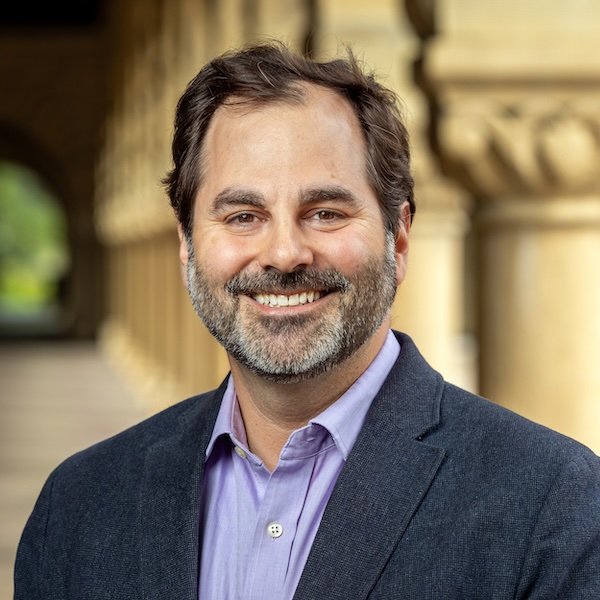
Michael C. Frank is the Benjamin Scott Crocker Professor of Human Biology at Stanford University and Director of the Symbolic Systems Program. He leads the Stanford Language and Cognition Lab and has pioneered large-scale collaborative projects including Wordbank (open vocabulary data), MetaLab (developmental meta-analyses), ManyBabies (replication network), childes-db (language transcripts), and Peekbank (eye-tracking repository). His research examines children's language learning and its interaction with social cognition, utilizing computational modeling, large datasets, and open science frameworks. Key interests include: Mechanisms of early language acquisition Pragmatic inference in social contexts Cross-cultural variability in cognitive development Data-driven approaches to developmental science Reproducibility and meta-scientific innovation Recent publications (2022-2025) demonstrate strong emphases on: 1) Novel methods for measuring language environments and cognitive abilities, 2) Computational models of learning and perception, 3) Cross-cultural investigations of social cognition, and 4) Infrastructure for open developmental science. The majority employ multimodal data, meta-analytic techniques, and large-scale collaborations. He teaches courses including Experimental Methods, Developmental Psychology, and interdisciplinary seminars on language, cognition, and computation. His lab maintains active research teams across multiple continents through initiatives like ManyBabies and LEVANTE.
David Peeters is an Associate Professor at Tilburg University's Department of Communication and Cognition, part of the Tilburg School of Humanities and Digital Sciences. His research focuses on multimodal communication, multilingualism, and digital communication, leveraging immersive virtual reality (VR) technologies combined with EEG, eye-tracking, and fMRI. He explores neurobiological underpinnings of language, including neuropragmatics, non-verbal communication, and multilingualism. His work is supported by grants such as the NWO Veni and Tilburg University Fund. Peeters teaches courses on virtual reality, language psychology, and digital literature integration in education. He is a Research Fellow at the Donders Institute and President of the Tilburg Young Academy. Key research interests include the role of gesture and iconicity in second language acquisition, bilingual language switching in immersive environments, and the impact of dataism on academic publishing. He collaborates with libraries and schools to integrate digital literature into curricula and public collections. His scientific awards include the NWO Veni Grant and a Fellowship from the International Max Planck Research School for Language Sciences. His research bridges cognitive science, linguistics, and technology, emphasizing ecologically valid experimental paradigms.
Irene McMullin is a Professor at the University of Essex within the School of Philosophical, Historical, and Interdisciplinary Studies, affiliated with the Department of Philosophy. She joined the university in 2013 after postdoctoral work at Bergische Universität Wuppertal and six years teaching at the University of Arkansas. Her academic background includes a PhD from Rice University, an MA from the University of Toronto, and a BA Hons from St. Francis Xavier University. Her research examines questions of personhood, agency, and self-becoming, particularly emphasizing the role of others in these processes. Drawing from both Continental and Analytic traditions, McMullin explores: Existentialism and Phenomenology Virtue ethics and Kantian ethics Moral psychology and social relations Current investigations focus on the phenomenology of ideality and how encounters with 'the good' shape practical agency. Her publications demonstrate sustained engagement with themes of moral deliberation, trust, and rationality across philosophers including Heidegger, Kant, and Løgstrup. Analysis reveals consistent interdisciplinary bridges between ethics, phenomenology, and social theory, with recent work increasingly addressing normative foundations of shared human experience.
Christian List is a Professor of Philosophy and Decision Theory at Ludwig Maximilian University of Munich (LMU Munich) and Co-Director of the Munich Center for Mathematical Philosophy (MCMP). He holds concurrent visiting professorships at the London School of Economics (LSE) and has held prestigious positions globally, including at Harvard Law School and Princeton University. His work bridges philosophy with social sciences, focusing on decision theory, free will, consciousness, and group agency. Education: D.Phil. in Politics (Oxford, 2001), M.Phil. and B.A. in Mathematics & Philosophy (Oxford). Key roles include Fellow of the British Academy and Member of the Bavarian Academy of Sciences. Research interests span metaphysical questions (free will, consciousness), formal methods in decision theory, and the philosophy of the social sciences. His monograph Why Free Will is Real (2019) is a landmark work. Recent articles explore AI ethics, probability aggregation, and consciousness theories. Scientific awards include the Joseph B. Gittler Award (2020) and the Social Choice and Welfare Prize (2010). He has edited major journals like Economics and Philosophy and contributed to the Stanford Encyclopedia of Philosophy . His advisory and editorial work spans multiple disciplines, reflecting his interdisciplinary approach to philosophy and social science.
Professor Richard Holton is a Fellow and Director of Studies in Philosophy at the University of Cambridge. His work spans moral philosophy, philosophy of mind, and epistemology, with a focus on agency, responsibility, and trust. His recent research examines mental effort, akrasia (weakness of will), and ethical decision-making in pandemic contexts. Publications highlight interdisciplinary connections between philosophy, psychology, and medical ethics. While his articles address causation, self-deception, and linguistic frameworks, no explicit scientific awards or student advisement records are documented in the provided materials.