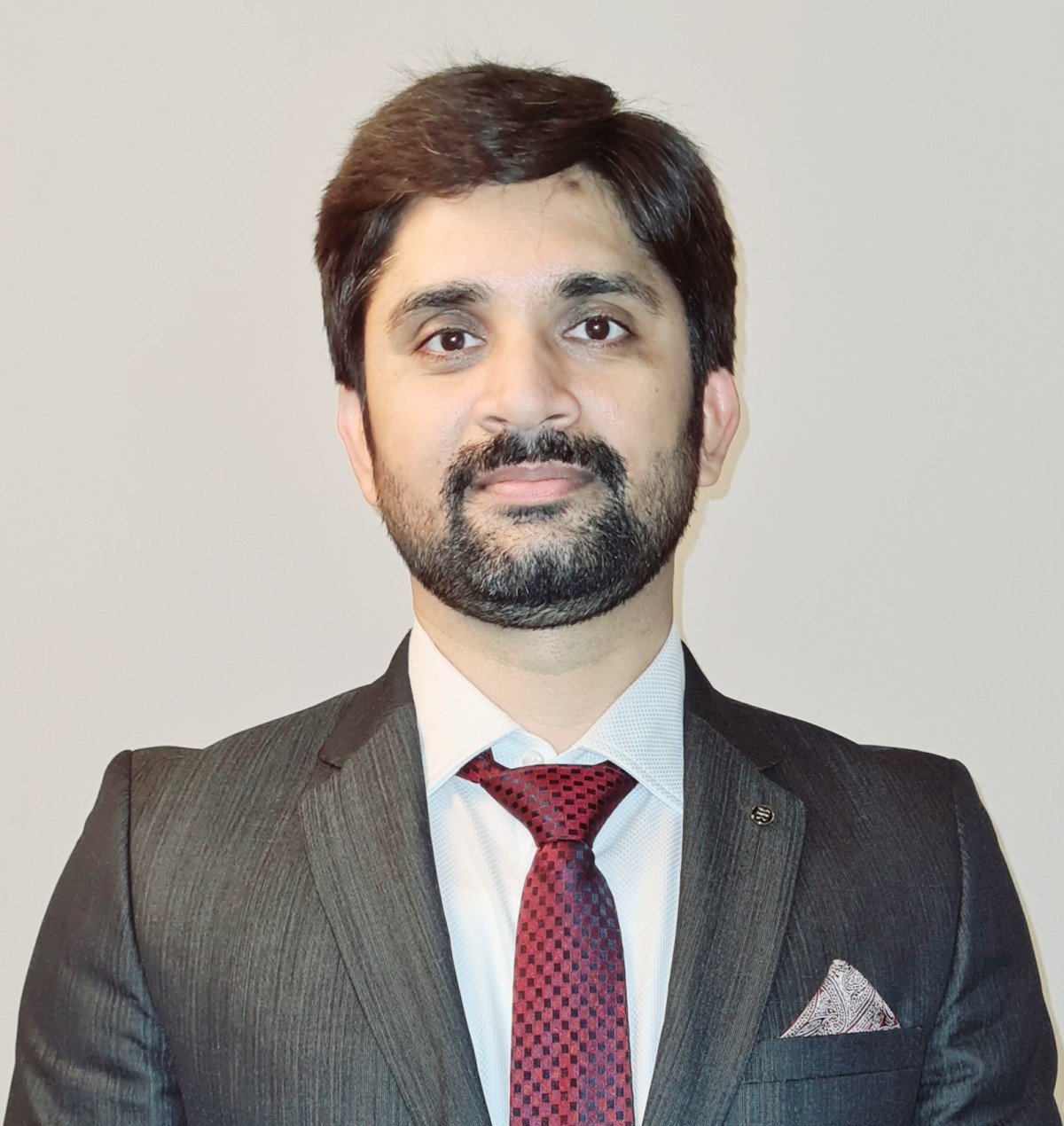
Associate Professor Ivan Lee is affiliated with the University of South Australia's STEM division at Mawson Lakes Campus. He actively supervises research degrees and contributes to interdisciplinary research intersecting computer science, food safety, and smart materials. Research Interests: Specializes in machine learning applications for hyperspectral imaging in food contamination detection Develops novel graph learning algorithms for real-time driver fatigue monitoring Investigates eco-friendly synthesis techniques for graphene-based nanomaterials Advances intelligent sensing systems for structural health monitoring Publications Trends: Recent work focuses on spatio-temporal graph modeling, multi-objective optimization algorithms, and applying deep learning to food safety challenges like aflatoxin detection. His research spans computer vision, IoT systems, and sustainable materials. Supervision: Currently serves as a research degree supervisor at University of South Australia. No scientific awards mentioned in available records.
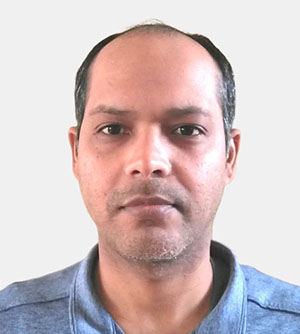
Dr. Sudhir Kumar is a researcher at the Laboratory of Inorganic Chemistry, ETH Zürich , focusing on advanced optoelectronic materials and devices. His work bridges Materials Science with Chemical Engineering , particularly in Organic and Perovskite Light-Emitting Diodes (OLEDs, PeLEDs) . Research Trends : His recent publications emphasize quantum-confined perovskites (2023–2021), gold-based phosphorescent emitters (2020), and ligand-engineered stability (2019). Key disciplines include Nanotechnology , Thin Film Characterization , and Photophysics . Scientific Recognition : Outstanding Paper Award at IDW 2018 Outstanding Student Paper Award at IFETC 2018
Samrendra Singh is an Adjunct Lecturer in the Department of Computing, Information, Mathematical Sciences, and Technology (CIMST) within the College of Arts & Sciences at Chicago State University. He holds a Ph.D. and M.S. in Biological and Agricultural Engineering from the University of California, Davis, and a B.E. in Agricultural Engineering from Tamil Nadu Agricultural University, India. Education: Ph.D., Biological and Agricultural Engineering, University of California, Davis M.Sc., Biological and Agricultural Engineering, University of California, Davis B.E., Agricultural Engineering, Tamil Nadu Agricultural University, Trichy, India His research integrates computational modeling, machine learning, and engineering principles to solve complex problems in materials science, food processing, and thermal systems. He specializes in coarse-grained molecular dynamics, polymer physics, and AI-driven analysis of engineering systems. His work spans from nanomaterials like graphene and MOFs to agricultural product quality assessment using deep learning. The recent publications (2018–2023) reveal a strong trend in combining machine learning with molecular simulations and food engineering applications. Keywords include computational materials, polymer dynamics, and food process automation, with sub-fields such as thermoresponsive polymers, gas adsorption in MOFs, and neural network-based food grading. His collaborative work emphasizes data-driven discovery and hybrid simulation-AI frameworks. While no formal scientific awards are listed, his contributions appear in high-impact journals such as The Journal of Physical Chemistry Letters , Macromolecules , Carbon , and Journal of Food Engineering . He has advised or collaborated on research involving molecular modeling, food quality automation, and thermal system optimization. Though specific grants are not mentioned, his work suggests involvement in interdisciplinary projects at the intersection of computational science and engineering. He has co-authored multiple publications with S.A. Deshmukh and others, indicating strong research team integration. His research activities involve computational labs focused on molecular dynamics simulations, machine learning model development, and food engineering applications. The use of advanced techniques like convolutional neural networks, particle swarm optimization, and coarse-grained modeling indicates a sophisticated computational research environment.
Agnes Grünfelder is a Research Assistant at the University of Applied Sciences Wiener Neustadt , affiliated with the Faculty of Technology . Her work focuses on molecular biology applications in textile recycling and cancer diagnostics. At Biotech Campus Tulln, she investigates cellulase formulations for cotton/polyester separation and applies Raman microscopy with AI for oncometabolite detection. Research Areas: Textile recycling technologies, Cellulase enzyme activity, SERS-based cancer diagnostics, Bioanalytical methods Recent publications highlight collaborations with institutions like IMC Krems and Montanuniversität Leoben. Her work combines biochemical approaches with advanced analytical techniques, particularly in recycling strategies and biomedical imaging.
Aude Demessence is a CNRS Researcher at the Institute of Researches on Catalysis and Environment of Lyon (IRCELYON) at University of Lyon 1, France. She obtained her PhD in Materials Chemistry from Strasbourg University in 2006 and has held postdoctoral positions at UC Berkeley and Versailles University before joining CNRS in 2010. In 2016, she earned her French diploma to conduct researches (HDR). Education: 2016: HDR (Habilitation à Diriger des Recherches) from Lyon 1 University 2003-2006: PhD in Materials Chemistry from Strasbourg University 2003: Master 2 in Transition Metals Chemistry from Strasbourg University Dr. Demessence's research focuses on the synthesis and characterization of hybrid materials, particularly gold and silver thiolate coordination polymers and atomically well-defined clusters. Her work bridges molecular chemistry and nanoscience to develop functional materials for catalysis, luminescence, and sensing applications. She explores the self-assembly of nanoparticles through organic linkers and investigates structure-property relationships in coordination polymers with emphasis on photophysical properties and phase transitions. Her recent publications reveal a strong focus on d 10 coinage metal thiolate coordination polymers, with particular attention to dimensionality effects (1D vs 2D structures), photoluminescence properties, and applications in temperature sensing. There's a clear trend toward developing sustainable luminescent materials with applications in high-temperature optical sensing and nonlinear optics. Scientific Recognition: CNRS Excellence Scientific Award in chemistry (2018-2021) Chemical Communication Emerging Investigator (2016) Dr. Demessence has successfully secured numerous research grants including ANR projects, CNRS EMERGENCE funding, and international collaborations with Japan (JST) and India (IIT Bombay). She has mentored multiple PhD students, postdocs, and undergraduate researchers. Her laboratory focuses on the synthesis of gold and silver thiolate coordination polymers, with specialized capabilities in X-ray diffraction, photoluminescence characterization, and catalytic testing.
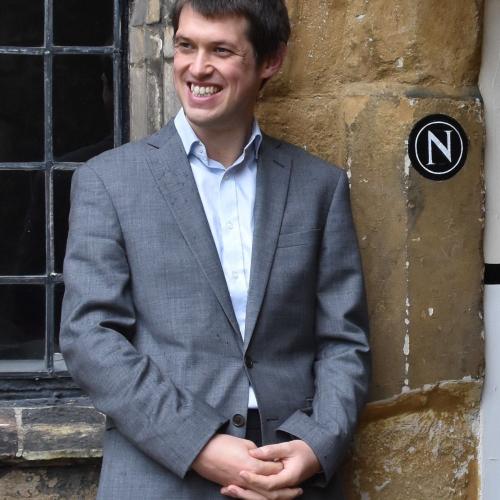
John Biggins is Professor of Soft-Matter Engineering and University Associate Professor in Applied Mechanics within the Department of Engineering at the University of Cambridge. He serves as a Fellow, Director of Studies in Engineering, and Tutor at Corpus Christi College, Cambridge, where he also completed his undergraduate physics studies. His educational journey includes undergraduate studies in Physics at Corpus Christi College, Cambridge, followed by a PhD conducted jointly between Corpus and Caltech. After winning the prestigious 1851 post-doctoral research fellowship, he conducted research at Harvard before returning to Cambridge as a Trinity Hall Research Fellow and Cavendish Laboratory lecturer. Professor Biggins' research focuses on the theoretical mechanics of soft solids—including rubber, skin, muscle, and jelly—with particular emphasis on mechanical instabilities such as buckling, wrinkling, and folding. He is a leading expert in liquid-crystal elastomers as artificial muscles, and has made significant contributions to embryology (notably explaining brain folding via buckling instability), plasmonics, and chain mechanics (famously demystifying the chain fountain phenomenon through his widely viewed YouTube video). His work bridges fundamental mechanics with practical applications in soft robotics and biomedical engineering. Analysis of his recent publications (2022-2025) reveals three dominant research thrusts: (1) Advanced liquid crystal elastomer systems for programmable shape-morphing and light-driven actuation in soft robotics; (2) Plasmonic properties of magnesium nanostructures with applications in catalysis and sensing; and (3) Fundamental mechanics of instabilities in thin shells and active materials. His work increasingly integrates machine learning for material design and demonstrates consistent innovation in connecting theoretical models with experimental fabrication. His scientific recognition includes: Future Leaders Fellowship (UKRI) Professor Biggins secured the UKRI Future Leaders Fellowship to establish a new laboratory dedicated to fabricating liquid crystal elastomers and developing soft machines. While specific student names aren't publicly listed, his role as Director of Studies in Engineering involves mentoring undergraduate engineering students at Corpus Christi College. His grant portfolio centers on the Future Leaders Fellowship, which funds the development of soft machines for biomedical applications. He is currently establishing a research laboratory focused on liquid crystal elastomer fabrication and soft machine development, with particular emphasis on light-activated actuation systems and biomedical applications. This lab will integrate theoretical modeling, material synthesis, and device prototyping to advance the field of programmable soft matter.
Dr. Oleg Ryabchykov is a Researcher in the Photonic Data Science department at the Leibniz Institute of Photonic Technology (Leibniz-IPHT) in Jena, Germany. His work bridges photonics, data science, and biomedical applications, with a focus on developing advanced analytical methods for medical diagnostics. He maintains close collaboration with Friedrich Schiller University Jena researchers, particularly within the biophotonics and medical technology domains. Ryabchykov's research spans multiple critical areas in biomedical photonics, with particular emphasis on Raman spectroscopy applications for pathogen detection, medical image analysis, and pharmaceutical monitoring. His work integrates machine learning techniques to extract meaningful information from complex photonic datasets. He has made significant contributions to the development of standardized methods for photonic data analysis, addressing challenges in data comparability across different instruments and experimental conditions. The trend in Ryabchykov's recent publications shows a clear progression toward more sophisticated data-driven approaches in photonic analysis. His work increasingly focuses on practical clinical applications, particularly in antibiotic resistance detection, viral diagnostics, and real-time bioprocess monitoring. A notable pattern is his development of methods that work effectively with limited or unbalanced datasets - a common challenge in emerging photonic techniques where large training datasets are unavailable. Ryabchykov actively collaborates with a multidisciplinary team including physicists, chemists, biologists, and medical researchers. His work demonstrates how photonic data science can provide practical solutions for pressing healthcare challenges, particularly in rapid diagnostics and monitoring of infectious diseases.
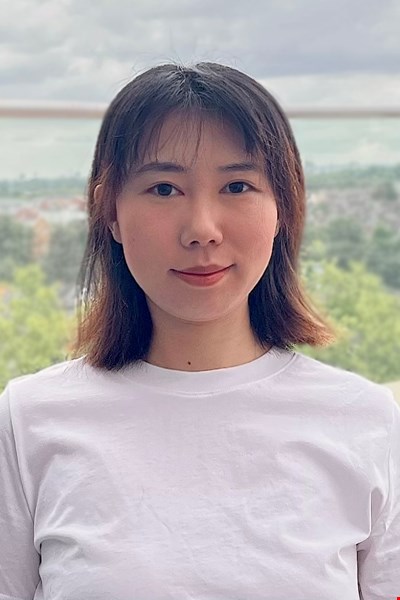
Dr. Bin Zhang serves as a Lecturer in Additive Manufacturing within the Department of Mechanical and Aerospace Engineering at Brunel University London's College of Engineering, Design and Physical Sciences. Her primary research focuses on developing advanced biomaterials and biofabrication techniques for tissue regeneration, drug delivery systems, and medical device innovation through 3D printing technologies. Education: PhD in Bioengineering, University College London, UK MSc in Mechanical Engineering, University College London, UK Her research integrates additive manufacturing with pharmaceutical sciences to create functional engineered tissues for wound healing, bone regeneration, and disease modeling. Key areas include 3D bioprinting of drug-loaded scaffolds, microneedle sensor fabrication, and computational modeling of tissue environments. She maintains active collaborations with institutions including UNC-Chapel Hill and NC State University. Analysis of her 15 most recent publications (2020-2024) reveals strong emphasis on pharmaceutical additive manufacturing (70% of works), with significant contributions to tissue engineering scaffolds (20%) and computational modeling (10%). Her work consistently bridges material science, drug delivery kinetics, and clinical applications, with increasing focus on AI integration in bioprinting processes since 2023. Professional Affiliations: Member, Academy of Pharmaceutical Sciences Member, Institute of Mechanical Engineers (IMechE) Member, IEEE Engineering in Medicine and Biology Society Dr. Zhang actively supervises PhD students in additive manufacturing of medical devices and microrobots, while securing research funding including a Royal Society grant (2024-2026) for 3D printing gradient scaffolds for osteoarthritic joint repair. Her lab develops in vitro 3D joint models and collaborates with clinicians through projects like Xcell for microgravity tissue studies.
Mohamed Azouz Mrad is a Lecturer at the Department of Automation and Applied Informatics within the College of Automation and Applied Informatics at Budapest University of Technology and Economics . His research focuses on applying machine learning techniques to pharmaceutical manufacturing challenges, particularly viscosity estimation and drug dissolution profile testing using computer vision and spectroscopy-based models. Research Trends: His recent work emphasizes convolutional neural networks (CNNs) for droplet image analysis, artificial neural networks (ANNs) for viscosity measurement, and random forests for spectroscopy data interpretation. Applications span pharmaceutical quality control, polymer solution characterization, and in vitro drug release prediction. Contact: Email Mrad.MohamedAzouz@aut.bme.hu .
Ioannis Remediakis is an Assistant Professor at the Department of Materials Science and Technology, University of Crete, with a research focus on electronic structure theory and first-principles simulations of low-dimensional materials. His work bridges quantum mechanics and macroscopic properties, targeting applications in nano-chemistry (e.g., metal nanoparticles, heterogeneous catalysis) and nano-physics (e.g., 2D semiconductors, nanostructured solids). He is affiliated with the Institute for Electronic Structure and Laser at FORTH, enhancing his interdisciplinary collaboration. Education: B.S., M.S., and Ph.D. in Physics from the University of Crete (1997, 1998, 2002), with Ph.D. research conducted at Harvard University. Affiliations: University of Ioannina, Technical University of Denmark (DTU), University of Crete (since 2008), FORTH. Research Themes: Surface and edge energetics, catalytic mechanisms, stability of 2D materials, and machine learning for nanoparticle morphology. His recent publications highlight trends in perovskite sensors, high-entropy alloys, transition metal dichalcogenides, and polymer nanocomposites. These works emphasize computational modeling, environmental applications, and energy-related materials. Despite no explicit scientific awards listed, his extensive publication record underscores significant contributions to materials science and nanotechnology.
Dan Nicolau serves as a Professor and holds the Marika Zelenka Roy Chair in Bioengineering at McGill University's Faculty of Engineering, Department of Bioengineering. His research integrates bioengineering principles with micro/nano-fabrication techniques to develop innovative biomedical solutions. His research focuses on dynamic hybrid nanodevices utilizing protein molecular motors on semiconductor devices, smart micro/nano-profiled surfaces for biomolecular probing, non-denaturating biomolecule immobilization technologies for biosensors and microfluidics, and biological intelligence algorithms inspired by microorganism survival strategies. Key application areas include Lab-on-a-Chip systems, biosensors, high-throughput screening, and medical diagnostics. Analysis of his recent publications reveals a strong emphasis on vascular-on-chip modeling (particularly gas embolism and bubble dynamics), fungal intelligence algorithms for space exploration, protein-surface interactions , and molecular motor-based biosensors . His work bridges fundamental biophysics with practical engineering solutions for biomedical challenges. Scientific recognition includes the prestigious Marika Zelenka Roy Chair in Bioengineering at McGill University. His laboratory develops microfabricated structures for studying biological systems, with particular expertise in creating electro-mechanical devices that interface with biomolecules, combinatorial surface probing platforms , and network-based biocomputing systems . Current research directions include vascular system modeling, fungal navigation algorithms, and advanced biosensor development using molecular motors.
Dr. Shaun McFadden is a Senior Lecturer in Mechanical Engineering at Ulster University's School of Computing, Engineering and Intelligent Systems, based at the Derry~Londonderry campus. He serves as the course coordinator for all undergraduate Engineering programs, including Mechanical and Manufacturing Engineering, Renewable Energy Engineering, and Electrical and Electronic Engineering, with responsibility for both full-time and part-time students. Education: BE - University College Dublin (1997) MEngSc - University College Dublin (1999) PhD - University College Dublin (2007) PG Cert in Third Level Teaching and Learning - Dublin Institute of Technology (2012) Research Interests: Dr. McFadden's research focuses on computational materials science with applications in manufacturing processes. His primary expertise includes: Solidification and phase change modeling in metallic alloys Additive manufacturing processes (especially powder bed fusion) Microgravity experimentation using International Space Station data Defect generation and powder characterization Automotive engineering applications (driveline and suspension systems) He maintains strong industry connections and has significant experience in off-road automotive design. Publication Analysis: Dr. McFadden's recent publications (2018-2025) demonstrate consistent focus on advanced manufacturing techniques, with particular emphasis on powder characterization for additive manufacturing, microgravity solidification experiments, thermal modeling of manufacturing processes, and defect prediction in metallic systems. His work shows increasing specialization in powder bed fusion technologies since 2018. Awards and Honors: Chartered Engineer (CEng) - Engineers Ireland Fellow of the Higher Education Academy (FHEA) Conference Chair for 39th International Manufacturing Conference (2023) Scientific Board Member for Eighth International Conference on Solidification and Gravity (SG24) Research Leadership: Dr. McFadden leads several significant research initiatives: Principal Investigator for NUCLEATE project (2020-2021) Co-Investigator for North West Centre for Advanced Manufacturing (2017-2022) Conference chair and proceedings editor for IMC39 (2023) He collaborates extensively with industry partners and international research teams in materials science. Laboratories and Teams: Dr. McFadden works within Ulster University's Engineering Research group, focusing on advanced manufacturing technologies. He collaborates with the European Space Agency on microgravity solidification experiments and maintains research partnerships with the International Space Station science teams.
Edward Avezov serves as a Professor and Group Leader in the Department of Clinical Neurosciences at the University of Cambridge's School of Clinical Medicine. He is affiliated with the UK Dementia Research Institute and Cambridge Neuroscience, focusing on neuronal cell biophysics within the research themes of Neurons, Circuits and Networks, Beyond the Neuron, and Lifelong Brain Development and Brain Ageing. His research investigates endoplasmic reticulum (ER) structure-function relationships in neuronal physiology and dementia pathogenesis. Avezov's laboratory employs advanced techniques including super-resolution microscopy, genetically encoded biosensors, iPS cell models, and computational modeling to study organelle interactions, cellular neurophysiology, and protein homeostasis. Key clinical conditions under investigation include Alzheimer's disease, hereditary spastic paraplegia, and motor neurone disease. Analysis of Avezov's publication record reveals a consistent focus on ER dynamics in neurodegeneration. His work demonstrates how ER morphology regulation (e.g., via RTN4), luminal transport mechanisms, and stress responses contribute to neuronal dysfunction in dementia. Recent publications highlight innovative methodological developments like ERnet for quantitative ER topology analysis and discoveries regarding ER-mitochondria crosstalk, calcium signaling limitations, and stress-induced protein disaggregation. Avezov maintains active collaborations with leading Cambridge researchers including Michele Vendruscolo, Cahir O'Kane, John Skidmore, Clemens Kaminski, Gabriele Kaminski Schierle, David Rubinsztein, and David Klenerman. His laboratory actively participates in neuroscience community events such as NeuroBioUK and CellBio conferences, as evidenced by their social media presence.
Nieves Cubo Mateo is a researcher at the Higher Polytechnic School of Universidad Nebrija. She holds a PhD from Universidad Complutense de Madrid, focusing on bioinks and bioprinting strategies for tissue equivalents in Earth and space applications. Her research spans biomedical engineering, artificial intelligence, and marine systems. Education: PhD in Bioinks & Bioprinting (Universidad Complutense de Madrid, 2020) Her work includes 3D bioprinting of human tissues , AI-driven marine systems diagnostics , and applications in space exploration . She has pioneered bioinks using plasma/alginate/methylcellulose for pancreatic tumor modeling and explored geospatial analysis for offshore wind farms. Recent publications highlight advancements in data preprocessing , deep learning for fault detection , and additive manufacturing of organic structures. Her interdisciplinary approach bridges AI, biomedical engineering, and marine technology. She contributes to the ARIES research group at Universidad Nebrija and collaborates on projects related to regenerative medicine and space colonization.
Juan Pablo Fuenzalida Werner is an Assistant Professor at the Department of Chemistry, College of Sciences, University of Navarra. He is also a Ramón y Cajal Fellow, focusing on protein engineering and supramolecular materials for biomedical and environmental technologies. Education: PhD in Chemistry from University of Münster (Germany) PhD in Biochemistry from University of Hyderabad (India) His research spans protein-polysaccharide interactions, fluorescent proteins, and biohybrid photonic devices. Key areas include: Engineering protein-based polymers and nanobodies Stability enhancement of biohybrid light-emitting diodes Supramolecular material design for biomedical applications Environmental technology applications of protein systems Recent work shows strong trends in: Fluorescent protein integration with nanomaterials Thermophilicity prediction using AI Optoacoustic imaging technologies Biohybrid LED systems Scientific Awards: Ramón y Cajal Fellowship He leads the SUMBET research group focused on Supramolecular Materials for Biomedical and Environmental Technologies, with significant contributions to protein engineering and biophotonic applications. His work emphasizes interdisciplinary approaches combining biochemistry, material science, and nanotechnology.