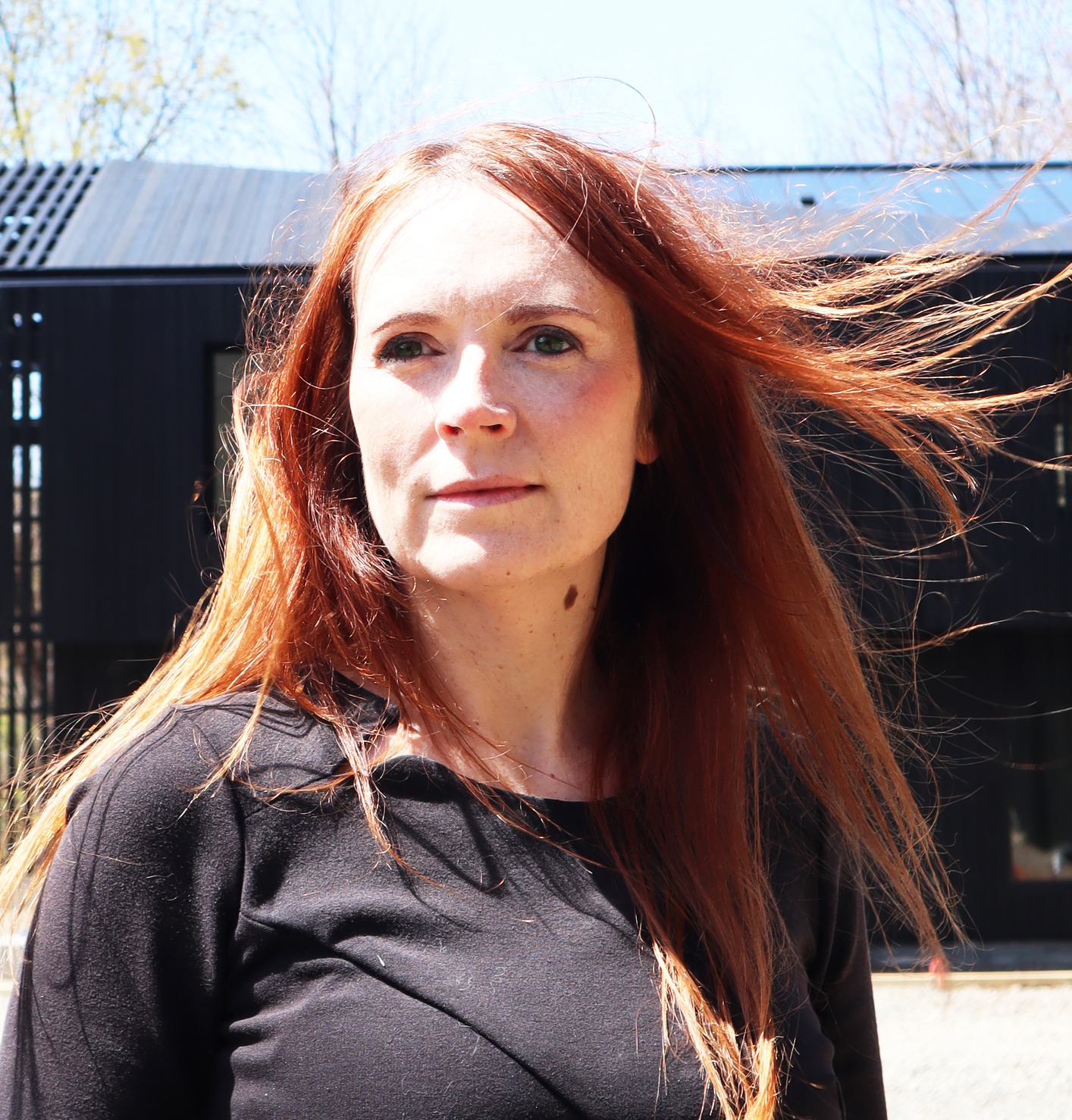
Dr. Aman Singh Dhaliwal is an Assistant Professor of Instruction in the Psychology department at The University of Texas at Arlington. He holds a Ph.D. (2021), MS (2019), and BS (2016) in Experimental Psychology and Psychology, all from UTA. His research focuses on cognitive psychology, decision-making in digital environments, cyberpsychology, and the psychological impact of misinformation and political persuasion. He also explores experiential learning in adolescents with Autism Spectrum Disorder. Education: PhD/MS/BS in Psychology from UTA Teaching includes advanced statistics, cognitive processes, cyberpsychology, and research methods. He has mentored undergraduate and high school researchers. Notable presentations include a 2023 Psychonomics Society poster on decision-making biases and mindfulness. No grants or awards are explicitly listed. He has taught courses across 2018–2025, including Brain & Behavior, Cognitive Processes, and Health Psychology.
Brendan Kane is a Professor in the Department of History at the University of Connecticut, affiliated with the College of Liberal Arts and Sciences. He holds a Ph.D. from Princeton University and specializes in early modern British and Irish history, with a focus on the Reformation and the early modern Atlantic World. His research explores Gaelic political thought, the legitimacy of power in Ireland, gender and politics, and the revival of Early Modern Irish language studies through digital humanities initiatives like Léamh.org. Education: B.A. in History, University of Rochester M.Phil in Irish Studies, National University of Ireland, Galway Ph.D., Princeton University Affiliations: Vice-President/President-elect, Celtic Studies Association of North America Elected Council Member, North American Conference on British Studies Co-director of Léamh.org (digital humanities project) Associated with UConn Human Rights Institute and Humility & Conviction in Public Life His work bridges historical analysis with modern digital tools, emphasizing marginalized languages and cultures. Recent research trends include analyzing how Gaelic perspectives interacted with British colonial frameworks, the role of honor in aristocratic politics, and gendered interpretations of early modern texts. His 2010 award-winning article on Geoffrey Keating’s work highlights his expertise in bridging literary and religious traditions. Grants and advising are central to his contributions: he has directed major digital projects and advised initiatives like the Dodd Research Center. His involvement with Léamh.org reflects a commitment to accessibility in historical scholarship, particularly for underrepresented languages. Current projects focus on early modern Atlantic World connections and the digital preservation of Gaelic texts.
Dr. Urszula Idziak-Smoczyńska is a researcher at the Institute of Religious Studies, Faculty of Philosophy, Jagiellonian University in Kraków, Poland. Her academic work focuses on the intersection of religion and philosophy through linguistic lenses, with particular expertise in contemporary French philosophy and Wittgenstein studies. Her research interests include: Philosophy of religion Contemporary French philosophy (particularly Derrida, Nancy, Marion) Phenomenology Postmodern philosophy Wittgenstein studies Philosophy of language Dr. Idziak-Smoczyńska has been actively involved in multiple research projects including 'Problems of contemporary phenomenology' under Prof. Jacek Migasiński, 'Polish Cartesianism. History and contemporary perspectives,' and several international projects on phenomenology and subjectivity with scholars from Slovakia, Czech Republic, and Belgium. Her research particularly focuses on the works of Jacques Derrida, Jean-Luc Marion, and Ludwig Wittgenstein, exploring the theological turn in contemporary philosophy and the relationship between language, religion, and phenomenology. Her scholarly output demonstrates a consistent engagement with the theological dimensions of postmodern thought, examining how religious concepts persist and transform within secular philosophical frameworks. She has made significant contributions to understanding the intersections between deconstruction, phenomenology, and religious experience, particularly through her analyses of Derrida's late religious turn and Marion's saturated phenomena. Dr. Idziak-Smoczyńska has authored the monograph 'Dar. Spór między Jeanem-Lukiem Marionem a Jacquesem Derridą' (Gift: The Dispute between Jean-Luc Marion and Jacques Derrida) and numerous scholarly articles published in international journals and edited volumes. She has also contributed translations of important philosophical works by Jean-Luc Marion, Gabrielle Dufour Kowalska, and Jean-Paul Sartre.
Professor Rosalind C Love holds the Elrington and Bosworth Professorship of Anglo-Saxon at the University of Cambridge, where she serves as Head of the Department of Anglo-Saxon, Norse & Celtic (from October 2023) and Deputy Warden of Robinson College (from 2024). She is a Professorial Fellow at Robinson College and Director of Studies for Christ’s, Robinson, Sidney Sussex, and Trinity Colleges within the Faculty of English. Education: MA, University of Cambridge, Department of Anglo-Saxon, Norse & Celtic PhD, University of Cambridge, Department of Anglo-Saxon, Norse & Celtic Her research specializes in Insular Latin literature, with particular focus on Anglo-Latin hagiography (especially tenth-eleventh century saints' lives), the biblical commentaries of the Venerable Bede, and medieval glossing traditions on Boethius's Consolation of Philosophy . She investigates the transmission of Latin texts and sources of Anglo-Saxon literary culture through manuscript studies and philological analysis. Analysis of her 15 most recent publications (2019-2024) reveals sustained engagement with hagiographic texts from Kent and Thorney, Boethius reception in Canterbury, and Bede's exegetical legacy. Her work demonstrates interdisciplinary connections between philology, manuscript transmission, religious history, and gender studies, often examining Latin-vernacular interactions in early medieval England. Professor Love has secured major research funding as Principal Investigator for the Leverhulme Trust project 'Latin Arthurian Literature and the Rise of Fiction' (2019-2023) and Co-Investigator for 'Boethius in Early Medieval Europe' (2007-2012). She supervises graduate students in Insular Latin and Old English literature while serving as General Editor for Oxford Medieval Texts (Oxford University Press) and Executive Editor for Early Medieval England and its Neighbours (Cambridge University Press), with additional editorial roles for Liverpool Translated Texts for Historians and Filologia mediolatina.
Professor Rosalind Love is the Elrington and Bosworth Professor of Anglo-Saxon at the University of Cambridge, affiliated with the Department of Anglo-Saxon, Norse, and Celtic (ASNC) under the Faculty of English. She serves as a Fellow of Robinson College and holds leadership roles including Head of Department (since 2023) and Deputy Warden of Robinson College (from 2024). Her teaching focuses on Insular Latin language/literature, textual criticism, and graduate supervision in Insular Latin and Old English literature. Research Interests : Specializing in Insular Latin literature, particularly hagiography from the 10th-11th centuries, Bede's biblical commentaries, and glossed manuscripts. Key projects include the Leverhulme-funded Latin Arthurian Literature and the Rise of Fiction (2019-2023) and collaborative work on Boethius commentaries. Her editorial leadership spans the Oxford Medieval Texts and Early Medieval England and its Neighbours . Scientific Awards & Roles : Principal Investigator for Leverhulme-funded Latin Arthurian Literature project Co-Investigator for Boethius in Early Medieval Europe General Editor of Oxford Medieval Texts Executive Editor of Anglo-Saxon England Council Member of the Henry Bradshaw Society Academic Contributions : Her publications examine Insular Latin sources, Bede's influence, and classical reception in medieval England. Recent work explores saints of Kent, Boethius glosses at Canterbury, and the evolution of hagiographic humility tropes. She contributes to databases like Fontes Anglo-Saxonici and collaborates on manuscript studies.
Nicholas D. Evans serves as an Assistant Professor in the Department of Psychology within the Faculty of Arts at the University of Manitoba, where he joined in Fall 2022. He directs the Personality, Relationships, Emotion, Social Cognition, & Identity (PRESCI) Lab, conducting research at the intersection of personality, social psychology, and social cognition with emphasis on interpersonal dynamics. Education: PhD in Social-Cultural Psychology, University of Texas at El Paso (2022) MA in Experimental Psychology, University of Texas at El Paso (2019) BSc in Psychology, Aquinas College (2016) Research Focus: Dr. Evans investigates how emotional, cognitive, and behavioral processes shape social perception, with primary lines examining nostalgia's role in romantic relationships, metaphor use in daily communication, intellectual humility, and science denialism. His work demonstrates that nostalgia functions as a relational resource through mental transportation mechanisms, while metaphor use dynamically correlates with empathy and perspective-taking in interpersonal contexts. He also explores how personality traits influence science rejection and how intellectual humility might mitigate denialism. Publication Trends: Analysis of his 2021-2022 publications reveals consistent methodological diversity across social/personality psychology, with strong international collaborations. His work predominantly explores cognitive mechanisms in relational contexts (nostalgia, metaphor) while expanding into science communication challenges, reflecting an integrative approach to understanding how internal processes manifest in social behavior and attitudes. Scientific Awards: No scientific awards listed in available materials Advising and Research Support: Dr. Evans actively mentors graduate students, accepting both Master's and PhD candidates into his research program. His PRESCI Lab provides a collaborative framework for investigating personality-social cognition interactions, with current projects examining nostalgia's relational benefits and metaphor's interpersonal functions. While specific grant details aren't provided, his publication record indicates sustained research activity through institutional support and collaborative networks. Laboratory Leadership: As Director of the PRESCI Lab, he oversees research operations focused on experimental and daily-diary methodologies to explore how identity, emotion, and cognition intersect in social contexts. The lab serves as the primary vehicle for his investigations into relationship maintenance mechanisms and science attitude formation.
Lukas Wolf is a Senior Lecturer in the Department of Psychology at the University of Bath and a member of the Centre for Climate Adaptation & Environment Research (CAER). His research focuses on shared human values, societal polarization, and adults' attitudes toward young people. He holds a PhD in Social Psychology from Cardiff University (2015), an MSc from Radboud University Nijmegen (2012), and a BSc in Psychology from the same institution (2010). PhD: Social Psychology, Cardiff University (2015) MSc: Radboud University Nijmegen (2012) BSc: Psychology, Radboud University Nijmegen (2010) His work explores how correcting misperceptions of shared values among polarized groups (e.g., US political parties) fosters hope and collaboration, particularly in addressing societal crises like climate change. He also investigates how the presence of children influences prosocial behavior in adults, even in unrelated contexts. Key projects include ESRC-funded research on youth environmental engagement and Templeton Foundation-backed studies on respectful political discourse. Recent articles highlight themes such as food system sustainability, vaccine-related conspiracy beliefs, and the role of children in environmental appeals. His research bridges social psychology with applied behavioral science, emphasizing practical solutions for societal challenges. Grants: ESRC: 'When Young People Discover Their Shared Values' (2023–2026) John Templeton Foundation: 'Using Values to Increase Intellectual Humility' (2023–2025) British Academy: 'Adults’ Decision-Making Regarding Teenagers’ Culpability' (2021–2022) Supervision: Open to PhD students researching shared values or adult-young people attitudes. In 2024, he contributed to a public engagement activity ('Research Assembly') that garnered attention across 132 news outlets, blogs, and social media platforms. His work aligns with UN SDGs emphasizing environmental protection and global cooperation.
Professor Jacek Wojtysiak (b. 1967) is a distinguished faculty member at the Faculty of Philosophy , John Paul II Catholic University of Lublin (KUL) , holding the title of Professor since 2015. He has taught philosophy, epistemology, and logic at KUL since 1992, engaging with students across multiple faculties including Theology, Social Sciences, and Humanities. Education : M.A. in Philosophy (1992) and Ph.D. (1999) from KUL, habilitation thesis on "Why is there something rather than nothing?" (2009) Research Focus : Ontology, Metaphysics, Philosophy of Religion, Existential Expressions, and Ecumenical Dialogue Scientific Contributions : Authored/co-authored 12 books, over 50 articles, with notable works including O słowie BYĆ (2005) and In Praise of Curiosity (2003) Scientific Awards : First Prize for philosophical work (1989) Foundation for Polish Science Scholarship (1997) Leuven Research Fellowship (2002-2003) Rector's Awards for Ph.D. and Habilitation (1999, 2009) He has served as academic tutor in the College of Interdisciplinary Individual Humanistic Studies (2001-), coordinated Lublin Science Festival, and held editorial roles in academic journals. His work bridges analytic philosophy with phenomenology, emphasizing existential questions and educational philosophy.
Dolly Chugh is the Jacob B. Melnick Term Professor and Faculty Director of the Leadership Accelerator at the New York University Stern School of Business. She joined NYU Stern in 2006 and has made significant contributions to the fields of behavioral ethics, organizational behavior, and social psychology. Her research focuses on bounded ethicality, implicit bias, and strategies for fostering inclusive and ethical organizations. Chugh earned her Ph.D. in Organizational Behavior from Harvard University, an M.A. in Social Psychology and an MBA from Harvard Business School, and a B.A. in Psychology and Economics from Cornell University. Prior to her academic career, she worked in finance at firms including Morgan Stanley, Merrill Lynch, and Time Inc. Her research interests include bounded ethicality, implicit bias, diversity and inclusion, negotiation, leadership, and ethical decision-making. She explores how well-intentioned individuals and organizations can still perpetuate bias and injustice due to cognitive limitations and social dynamics. Her work emphasizes the importance of humility, learning, and systemic interventions to promote equity. The 15 most recent publications reflect a strong focus on gender and racial bias, organizational ethics, diversity thresholds, and psychological tools for social change. Her work spans experimental studies, theoretical models, and public scholarship, often bridging academic research with real-world applications in media, policy, and organizational practice. SPSP Fellow, Society of Personality and Social Psychology (2018) Academy of Management Journal Best Paper Award (2020) Distinguished Teaching Award, New York University (2020) Dr. Martin Luther King Jr. Faculty Award, New York University (2013) Top 100 Most Influential People in Business Ethics, Ethisphere Magazine (2014) Siena Medal, Theta Phi Alpha (2021) Top 25 TED Talks of 2018 Chugh has advised numerous students and contributed to academic and public discourse through her books, media appearances, and speaking engagements. Her books The Person You Mean to Be (2018) and A More Just Future (2022) have been widely recognized. She has received multiple teaching awards and research grants, including from the Russell Sage Foundation. Her work has been featured in major media outlets such as the New York Times , Wall Street Journal , NPR, TODAY Show, and TED. She leads the Leadership Accelerator at Stern and is actively involved in public scholarship, translating behavioral science for broader audiences. Her TED Talk has nearly 5 million views, and she contributes regularly to public conversations on ethics, identity, and inclusion.
Rabbi Yuval Cherlow serves as Rosh HaYeshiva of Yeshivat Orot Shaul in Tel Aviv, a prominent institution in Jewish religious education. He is also a founding member of Tzohar and currently chairs their ethics committee. Previously, he graduated from Yeshivat Har Etzion, establishing his foundation in advanced Talmudic studies. Cherlow's research spans multiple dimensions of Jewish thought and practice, with particular emphasis on biblical interpretation, Jewish ethics, and contemporary applications of halacha. His scholarly work bridges traditional Torah study with modern philosophical questions, exploring how ancient texts inform current ethical dilemmas. His intellectual approach demonstrates both deep respect for tradition and willingness to engage with challenging questions of faith boundaries and biblical authorship. His publications reveal consistent exploration of how Jewish tradition addresses contemporary moral issues, with recurring themes of humility, ethical responsibility, and the proper boundaries of religious faith. Rather than focusing on narrow technical halachic discussions, his work often addresses broader philosophical questions about the nature of faith and religious commitment in modern society. As chair of Tzohar's ethics committee, Cherlow applies his scholarly expertise to practical ethical questions facing contemporary Israeli society. His leadership position at Yeshivat Orot Shaul places him at the center of training the next generation of religious scholars, though specific students aren't documented in the available materials.
Dr. Benjamin Ruisch serves as a Lecturer in Psychology at the University of Kent's School of Psychology, specializing in political attitudes and intergroup prejudice. His research examines ideological divides through the lens of social and political psychology, with emphasis on conspiracy theories and pandemic-related social dynamics. His academic journey includes: PhD from Cornell University Social Psychology Area Postdoctoral Fellowship at Ohio State University Marie Sklodowska-Curie Fellowship at Leiden University Research Interests: Dr. Ruisch investigates the psychological foundations of political ideology, focusing on: Physiological correlates of political orientation (e.g., interoceptive sensitivity) Conspiracy theory formation and psychological consequences Ideological asymmetries in prejudice and moral judgment Social dynamics during global crises like the COVID-19 pandemic Publication Trends: His 2022-2025 work reveals evolving focus from pandemic responses to fundamental ideological processes. Key themes include the relationship between bodily awareness and political liberalism, slippery-slope reasoning in moral judgments, and longitudinal impacts of conspiracy beliefs. Publications consistently bridge political science with psychological mechanisms. Scientific Awards: Marie Sklodowska-Curie Fellowship Grants and Funding: Dr. Ruisch has secured support from major international bodies: European Commission U.S. National Science Foundation Society for Personality and Social Psychology American Psychology-Law Society United States-Indonesia Society Cornell University institutes (Institute for Social Sciences, Einaudi Center, Center for Study of Inequality) Labs and Teams: His collaborative network spans Cornell, Ohio State, Leiden, and Kent universities, operating through interdisciplinary teams focused on experimental social psychology. Current work involves pandemic-related attitude tracking and cross-national ideology studies without dedicated lab branding.
Michael E. Morrell is an Associate Professor in the Department of Political Science at the University of Connecticut. His work focuses on political theory , democratic theory , and political psychology . A graduate of Arizona State University (Ph.D., 1998), Morrell teaches courses ranging from Introduction to Political Theory to advanced seminars on Emotions and Political Theory. Ph.D., Arizona State University (1998) Specializations: Deliberative Democracy, Empathy in Politics, Democratic Mini-Publics His research examines deliberative democratic processes, particularly in mini-publics and online news comment platforms , with a focus on how empathy and emotions shape democratic engagement. Recent projects include studies on intellectual humility in public discourse funded by the John Templeton Foundation. Selected publications highlight his contributions to understanding deliberation , political efficacy , and democratic education . Morrell's work appears in journals like the Journal of Deliberative Democracy , Social Science Quarterly , and Public Opinion Quarterly , with a recurring emphasis on emotional dynamics and deliberative quality. Co-PI of $225,000 John Templeton Foundation grant For detailed information about his research, visit his Research Project Web Page .
Dr. Milena Ivanova serves as an Honorary Research Fellow in the Department of Philosophy within the School of Historical and Philosophical Inquiry at the University of Queensland. Her research bridges historical analysis and contemporary debates in philosophy of science, with emphasis on aesthetic values, epistemic virtues, and conventionalism in scientific methodology. Her academic background includes a Master of Arts in History and Philosophy of Science from the University of Athens (2007) and a PhD in Philosophy from the University of Bristol (2013). Prior appointments encompass lecturing in the HPS department at the University of Sydney and a visiting fellowship at the University of Queensland, followed by postdoctoral work at the Munich Center for Mathematical Philosophy (MCMP). Milena's research centers on the intersection of aesthetics and scientific rationality, particularly examining Poincaré's and Duhem's contributions to theory choice, conventionalism, and structural realism. She investigates how epistemic virtues function within scientific practice and the role of aesthetic judgments in theory selection, often contextualizing these themes through historical case studies. Her work demonstrates sustained engagement with the relativized a priori and its implications for scientific objectivity. Analysis of her publication record reveals consistent focus on philosophical foundations of scientific methodology, with recurring themes including the epistemological significance of mathematical beauty, the interplay between conventionalism and realism, and the cognitive dimensions of theory choice. Her scholarship frequently engages with historical figures while addressing contemporary debates in virtue epistemology and scientific rationality. Dr. Ivanova maintains active scholarly engagement through publications in leading philosophy journals including Synthese , Philosophy Compass , and Studies in History and Philosophy of Science , with her most recent work appearing in 2017. Her academic trajectory demonstrates progression from historical analysis of foundational figures to broader investigations of epistemic frameworks in scientific practice.
Caroline O'Donnell is the Edgar A. Tafel Professor of Architecture in the Department of Architecture at Cornell University’s College of Architecture, Art, and Planning. She served as Chair of the Department and is a licensed architect, educator, and researcher with a strong focus on ecological design, sustainability, and architectural theory. She is the founder and principal of CODA (Caroline O'Donnell Architecture), a practice based in Ithaca, NY, known for innovative, environmentally responsive design. B.Arch, Manchester School of Architecture (2000) M.Arch, Princeton University (2006) Her research centers on sustainability, material innovation, and the circular economy, explored through her leadership of the Ecological Action Lab (EAL) at Cornell. Her work challenges conventional material use by experimenting with waste, biodegradable substances, and 'nose-to-tail' design practices. Projects like Primitive Hut and Etvitim at Art Omi demonstrate her commitment to reimagining architecture’s relationship with nature and material lifecycles. O'Donnell’s publications, including Niche Tactics , The Architecture of Waste , and Werewolf , reflect a deep engagement with architectural theory, ecology, and cultural narratives. Her edited journals— Cornell Journal of Architecture (issues 8–10) and Pidgin —further establish her as a key voice in architectural discourse. Her recent articles and books explore themes of material metamorphosis, performativity, anti-aesthetics, and narrative in design. The works collectively emphasize a shift from static form to dynamic, responsive, and ecologically grounded architecture, often drawing from biological analogues and philosophical inquiry. MoMA/PS1 Young Architects Program Winner (2013) Pelli Clarke Pelli Fellowship MacDowell Colony Fellowship AIA Peconic Jury Award Europan Competition Prizes Heywood Medal and Suzanne Kolarik Underwood Prize O'Donnell has advised numerous projects and research initiatives through CODA and the Ecological Action Lab, securing grants such as the NEXUS-NY and Cornell Council for the Arts awards. She has previously taught at Harvard GSD and The Cooper Union, mentoring the next generation of architects. Her collaborative work with OMG (O'Donnell Miller Group) extends her research into walking pavilions and decomposing structures. Future work continues to explore the boundaries of architecture, waste, and narrative, pushing the discipline toward more resilient and imaginative futures.
Alison Packwood Henry is faculty at Antioch University New England's Waldorf Teacher Education Program since 2018, where she teaches Waldorf curriculum courses and advises Master's students working on educational projects. She recently completed her PhD in Leadership and Change at Antioch University in 2024. Her research focuses on decolonial approaches to education, examining how colonial narratives perpetuate systemic inequalities and exploring pathways toward healing through transformative storytelling. She investigates humility in leadership, colonial ways of thinking, and the role of narrative in reproducing or disrupting colonial relationships. Henry's scholarly work centers on the intersection of decolonial theory and educational practice, particularly within Waldorf education contexts. Her research demonstrates how educators can collaborate with communities to develop culturally responsive, liberatory teaching approaches that honor local geographies and cultures while challenging Eurocentric educational frameworks. As an educator and researcher, Henry emphasizes the importance of intellectual and moral courage, relationality, and humility in disrupting colonial ways of thinking. Her work suggests that meaningful educational transformation occurs through small-scale, context-specific initiatives rather than universal solutions. She advises Master's students at Antioch University New England who are completing projects related to Waldorf education and decolonial pedagogy, supporting them in exploring areas of deep personal and professional interest within educational transformation.