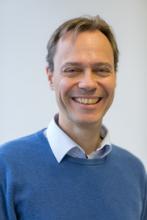
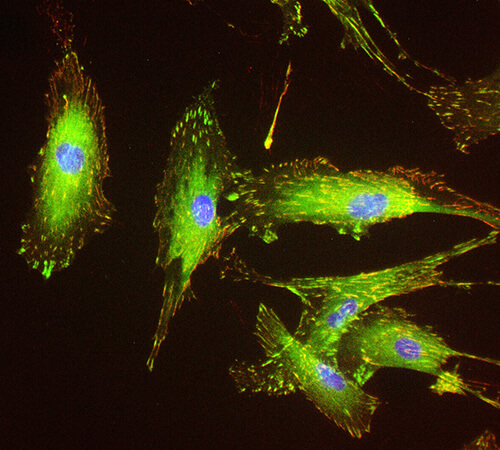
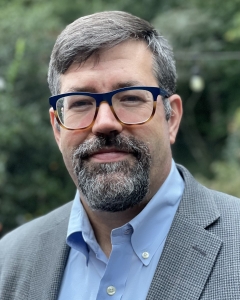
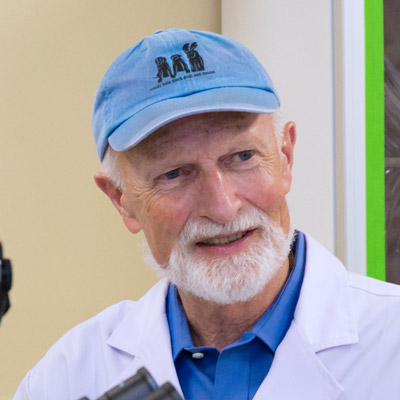
Prof. Waldemar Kolanus leads the Molecular Immunology and Cell Biology department at the University of Bonn's Life & Medical Sciences Institute (LIMES) . His research bridges immunoregulation , stem cell dynamics , and metabolic stress responses in immune cells. Unit 2 member at LIMES Principal investigator in SFB 704 and ImmunoSensation Cluster Leads a multidisciplinary lab with postdocs, PhD students, and technical staff His work focuses on intracellular signaling pathways connecting immune activation to tissue homeostasis, particularly through: Cytohesin proteins in integrin-mediated adhesion and migration TRIM71 in stem cell regulation and congenital hydrocephalus High-salt environments affecting macrophage function Publication trends show expertise in immune cell migration , genetic models , and chemical inhibition , with frequent use of mice and zebrafish for in vivo studies. Key articles explore: TRIM71's dual role in auditory development and germ cell maintenance Cytohesin family's Golgi regulation and insulin signaling Ruxolitinib's off-target migration inhibition of dendritic cells Contact details: Address: LIMES Institute, Carl-Troll-Straße 31, Bonn Email: kolanus.sekretariat@uni-bonn.de Phone: +49 228 73-62788
Prof. Dr. Simon Schäfer leads the Schäfer Lab at the Technische Universität München , focusing on engineering advanced organoid systems to study human brain development, disease modeling, and repair mechanisms. His work bridges stem cell biology, gene editing, and bioengineering to develop personalized therapies for brain disorders. Stem Cell & Organoid Technology Neurodevelopmental Mechanisms Neurodegenerative Disease Models Gene Editing & Neuroimmune Interactions Translational Neuroscience Recent research emphasizes brain organoid development, microglia phenotypes, and neurodevelopmental timing anomalies in autism. His team’s work also explores zika virus interactions with glioblastoma stem cells and neuronal plasticity in psychiatric disorders. Scientific awards and funding include support from the Deutsche Forschungsgemeinschaft (DFG), Brain & Behavior Research Foundation (BBRF), and Munich Cluster for Systems Neurology (SyNergy). Collaborations span institutions like the TUM Center for Organoid Systems. Advises 6 students (2 PhD, 1 MSc, 3 associated) Labs include Schäfer Lab, COS@TranslaTUM Contact: simon.schafer@tum.de
Prof. Andreas Bausch holds the Heinz Nixdorf Endowed Chair of Cell Biophysics at the Technical University of Munich (TUM) within the TUM School of Natural Sciences . His research focuses on cellular biophysics , particularly the mechanical properties of cytoskeletal networks and self-organization mechanisms in biological systems, with applications in biomimetic materials and organoid modeling. Research Areas : Cytoskeletal mechanics, active matter systems, organoid morphogenesis, integrin signaling, synthetic cell models Techniques : Microrheology, in vitro reconstitution, microfluidics, advanced imaging His work has produced over 100 publications in Nature, Science, PNAS , and Physical Review Letters , with recent emphasis on pancreatic cancer organoids and artificial cell membranes . Key findings include: Discovery of topological excitations governing endothelial cell ordering Elucidation of PIP2/PIP3 regulation in integrin phase separation Development of 3D patterned organoid systems for drug screening Major awards include: ERC Synergy Grant (2018) ERC Advanced Grant (2012) ERC Starting Grant (2011) Berlin-Brandenburg Academy of Sciences Prize (2014) He serves as founding director of the Center for Functional Protein Assemblies (CPA) since 2015 and teaches biomechanics , biophysics , and protein assemblies at TUM. His lab investigates both fundamental biophysical principles and their medical applications in cancer and cardiovascular systems.
Professor Annette Byrne is a leading academic at RCSI University of Medicine and Health Sciences , where she serves as Professor of Physiology and Head of the Precision Cancer Medicine (PCM) Group. She has held this position since 2019 after progressing through roles as Lecturer (2008), Senior Lecturer (2013), and Associate Professor (2017). Her research focuses on precision medicine approaches for colorectal and brain cancers , integrating multi-modality molecular imaging , Next Generation Sequencing , and patient-derived xenograft models . PhD in Cell Biology (University of York, 1999) John Kerner Fellowship in Gynaecologic Oncology (UCSF, 1999-2001) Scientist at Pharmacyclics Inc. (2001-2003) Senior Scientist at Angion Biomedica Corp. (2003-2005) Principal Investigator at UCD Conway Institute (2005-2008) Her research interest lies in precision cancer medicine , particularly elucidating predictive biomarkers (genomic, transcriptomic, proteomic) and identifying novel therapeutic targets . Key methodologies include radiomics , fluorescence-guided surgery , and systems modeling of apoptosis pathways. She has pioneered Ireland's first Tumour Xenograft Facility and Translational In Vivo Imaging Centre . Recent publications highlight her work on cross-species radiomics , cell-free DNA analysis , and glioblastoma microenvironment subtyping . Her Marie Curie networks (Gliotrain, Glioresolve) and COLOSSUS project have trained 25+ PhD researchers in brain cancer therapeutics. Over €45M in national/international grants Member of Royal Irish Academy (2025) Highly cited in Cancer Discovery , Annals of Oncology , and Nature journals She supervises multiple PhD candidates and leads the RCSI Precision Cancer Medicine Group , which utilizes computational approaches and molecular imaging to improve cancer treatment outcomes. Her GLIORESOLVE and EDIReX projects focus on tumor microenvironment manipulation and distributed PDX infrastructure.
Professor Erez Raz serves as Director of the Institute of Cell Biology at the University of Münster and is affiliated with the Center for Molecular Biology of Inflammation (ZMBE). He is a prominent member of the Cluster of Excellence "Cells in Motion" and serves on the board of the CiM-IMPRS graduate program. His research group "AG Raz: Cell biology in vivo - Germ-cell development" investigates fundamental mechanisms of cell migration in living organisms. Professor Raz's research focuses on cell migration, cell-fate maintenance, and organogenesis within live vertebrate embryos. His laboratory primarily employs zebrafish as a model organism due to its transparent embryos that develop externally, enabling high-resolution live imaging of cellular processes. His work has revealed critical mechanisms of how cells navigate within developing organisms, with significant implications for understanding pathological conditions like cancer metastasis and inflammatory processes where cell migration becomes dysregulated. His recent publications demonstrate a sustained focus on molecular mechanisms controlling germ cell migration, including the roles of RNA-binding proteins like Dnd1, bleb formation dynamics, mitochondrial regulation of germ cell fitness, and tissue microenvironment influences on cell protrusion types. His research uniquely integrates approaches from cell biology, biophysics, genetics, and mathematical modeling to gain comprehensive insights into cellular migration dynamics. Over 100 publications spanning two decades Extensive collaborations across disciplines Methodological innovations in cell imaging and manipulation Professor Raz has successfully mentored numerous doctoral students and postdoctoral researchers, fostering interdisciplinary collaborations between biologists, physicists, mathematicians, and clinicians. His laboratory has developed innovative techniques for cell ablation, mRNA labeling, and in vivo manipulations using optical tweezers, contributing significantly to methodological advances in the field. His laboratory participates in the Multiscale Imaging Centre and the "Cells in Motion" research network, providing access to state-of-the-art imaging capabilities for studying cellular dynamics at multiple scales, from molecular interactions to whole-organism development.
Christian Freund is Professor of Protein Biochemistry at the Institute for Chemistry & Biochemistry, Freie Universität Berlin, holding this W2 professorship since 2011. He serves as Coordinator of the FU Berlin-UCSF Collaborative Initiative and Founding Member/Vice-chair of the DFG Collaborative Research Centre SFB/TRR 186 on Molecular Switches in Cellular Signal Transmission, leading interdisciplinary research across Berlin and Heidelberg institutions. His academic foundation includes Chemistry studies at Heinrich-Heine-Universität Düsseldorf (1983-1986) and Ludwig-Maximilians-Universität München (1986-1989), followed by a PhD in Structural Biology at the Max-Planck-Institute of Biochemistry (1994) and Habilitation in Biochemistry at Freie Universität Berlin (2005). Freund's research integrates structural biology, biophysics, and immunology to investigate molecular mechanisms of antigen presentation and cellular signaling. His work centers on MHC class II dynamics, protein conformational switches, and nanoscale organization of signaling complexes, employing NMR spectroscopy, quantitative proteomics, and molecular engineering to dissect immune recognition pathways and neuronal signaling mechanisms. Analysis of his 2010-2019 publications reveals consistent focus on MHC-mediated antigen presentation (60% of works), with significant contributions to understanding peptide exchange dynamics and HLA-DM editing functions. Secondary research streams explore synaptic protein networks (25%) and T cell signaling machinery (15%), demonstrating methodological breadth across structural biology, proteomics, and cell biological approaches. His scientific recognition includes: Biofuture award from the German Ministry of Education and Research (1999) Swiss National Funds Post-doctoral Scholarship (1997) Innovationswettbewerb Medizintechnik grant (2009) As research group leader at Leibniz-Institute of Molecular Pharmacology (2000-2011) and current FU Berlin professor, Freund has secured major collaborative funding through DFG SFB/TRR 186 and the UCSF partnership. His mentorship spans postdoctoral fellows at Harvard/Dana-Farber and Leibniz-Institute, with current supervision of graduate students in the Berlin biochemistry program. Freund directs a research group within FU Berlin's Institute for Chemistry & Biochemistry, operating as core component of SFB/TRR 186. His laboratory maintains active collaborations with UCSF's QBI (Nevan Krogan) and Heidelberg-based structural biology teams, utilizing advanced NMR, cryo-EM, and single-molecule imaging facilities across the Berlin-Heidelberg research alliance.
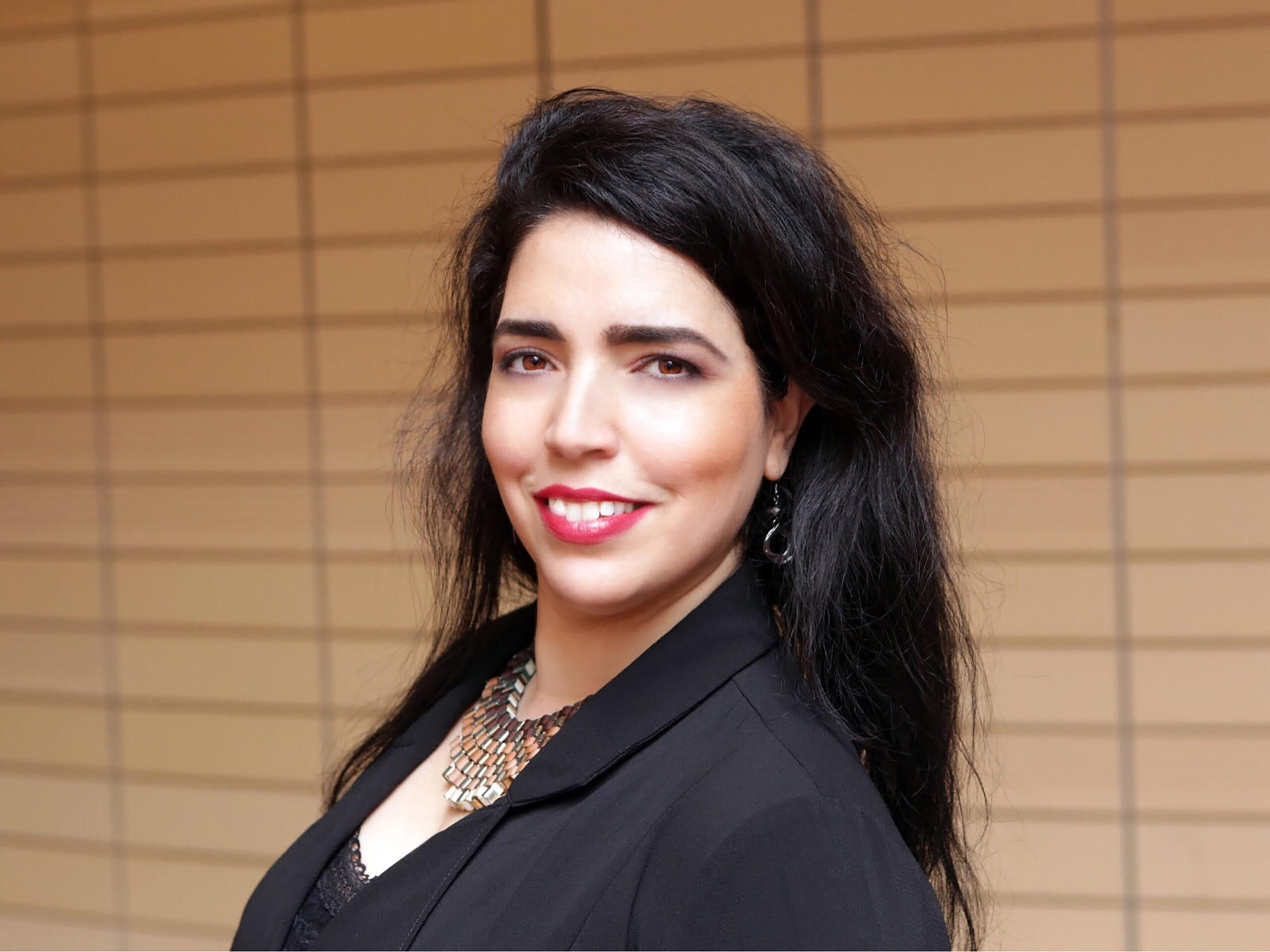
Ronit Freeman, PhD is an Associate Professor in the Department of Applied Physical Sciences at the University of North Carolina at Chapel Hill , where she is also affiliated with the UNC Lineberger Comprehensive Cancer Center . Research Focus : Cellular response to extracellular matrix (ECM) cues across multiple length/time scales Methodologies : Synthetic biology, supramolecular chemistry, DNA/RNA aptamer technology Dr. Freeman's work develops reconfigurable ECM platforms to study and engineer cellular fate decisions through: Controllable biochemical and biomechanical signaling Advanced fibrous architecture design Dynamic topography and mechanics modulation Applications in cancer therapy, wound healing, and fibrosis reversal Key collaborations include: Shawn Hingtgen's lab - Therapeutic cell engineering RNA Discovery Center (led by Chad Pecot) Scientific Achievements: Recipient of Eshelman Institute for Innovation Award (2020) Gordon & Betty Moore Foundation Collaborative Innovation Award (2019) Scialog Fellow (2019) Multiple early-career fellowships (EMBO, Clore, Converging Technologies) Her interdisciplinary team combines expertise from chemistry, cell biology, synthetic biology, medicine, engineering, and physics to address cutting-edge bio-nanotechnology challenges.
Dr. R. Claudio Aguilar is a Professor and Assistant Head in the Department of Biological Sciences at Purdue University, where he leads the Aguilar Lab. His research focuses on understanding protein trafficking, membrane transport, and cell polarity establishment, with applications to cancer and developmental diseases. Key areas include the study of Lowe Syndrome and the development of anti-cancer therapies, such as EGF-targeted toxin agents and fibronectin-based targeting strategies. He holds a Ph.D. from the University of Buenos Aires (1996). Research interests include vesicle trafficking, endocytic signaling, and the role of epsin proteins in cancer cell migration and invasion. His lab has pioneered therapeutic approaches against bladder cancer and Lowe Syndrome, leveraging insights from yeast and mammalian cell models. Notable achievements include the design of receptor micro-clustering strategies (patented) and the development of induced pluripotent stem cell models for disease study. Dr. Aguilar has received numerous awards, including the Purdue University Faculty Scholar (2018), Sigma Xi Midcareer Research Award (2017), and multiple travel and mentoring awards. His work spans over 100 publications, with a focus on cellular dynamics, membrane biology, and translational research. He teaches courses in eukaryotic cell biology and supervises undergraduate and graduate research projects. Lab activities include hosting seminars like the Cell Dynamics Series and organizing outreach events such as Science in the Movies nights. Collaborations extend to institutions globally, emphasizing interdisciplinary approaches to cell biology challenges.
Lari Hakkinen is a Professor in the Department of Oral Biological & Medical Sciences at the University of British Columbia's Faculty of Dentistry. She actively supervises graduate students in Cell and Developmental Biology and Craniofacial Science programs through UBC's Graduate and Postdoctoral Studies (G+PS) initiative, focusing on translational dental research with clinical applications in periodontal regeneration and wound management. Her research centers on comparative wound healing mechanisms between oral mucosa and skin, investigating why oral tissues regenerate with minimal scarring. Key interests include fibroblast phenotypic differences, extracellular matrix dynamics, integrin-mediated signaling (particularly αvβ6), and mesenchymal stem cell applications. She pioneers advanced 3D culture systems using macromolecular crowding to model human gingival tissue, revealing critical pathways in connective tissue organization and regeneration. Her work bridges cell biology with clinical dentistry, targeting novel therapies for periodontal disease through peptide-based antimicrobials and controlled drug delivery systems. Analysis of her 2020-2025 publications shows consistent focus on periodontal inflammation mechanisms, biofilm management, and regenerative strategies. Dominant themes include integrin signaling in bone loss, microvesicle-mediated cell communication, and antimicrobial peptide efficacy against oral pathogens. Her recent work on D-enantiomeric peptides and slow-release gefitinib formulations demonstrates translational innovation for localized periodontal treatment, while decellularization methods advance scaffold development for tissue engineering. No scientific awards were documented in the provided materials. Professor Hakkinen mentors graduate students in MSc and PhD programs across Cell and Developmental Biology and Craniofacial Science disciplines. Her supervision emphasizes molecular techniques in wound healing research, with documented collaborations on grant-funded projects investigating integrin functions and biofilm dynamics, though specific grant details weren't provided. She actively recruits students for thesis projects involving 3D cell culture models and animal studies of oral regeneration. Her laboratory employs sophisticated in vitro models including human gingival fibroblast 3D cultures, decellularized extracellular matrices, and microvesicle isolation techniques. Current work focuses on translating peptide-based antimicrobial strategies to clinical dentistry and elucidating the molecular basis of scarless oral healing through comparative studies of epithelial-stromal interactions. The team maintains strong ties with UBC's Centre for High-Throughput Phenogenomics and AMDB Research Excellence Cluster for advanced molecular analyses.
Dr. Matthew Torres is an Associate Professor of Biological Sciences at the Georgia Institute of Technology and an Adjunct Faculty member. He leads the Torres Lab , where his team integrates mass spectrometry , bioinformatics , and yeast genetics to decode how post-translational modifications (PTMs) regulate G protein and MAP-Kinase signaling systems. His work spans from developing machine learning tools like SAPH-ire for PTM prediction to experimental validation of PTM roles in stress adaptation and signal transduction. Education: B.S. in Biology, Humboldt State University (1997) Ph.D. in Biochemistry, University of North Carolina at Chapel Hill (2007) Research Interests: His lab focuses on four major areas: Coordinated PTM-based regulation of dynamic signaling complexes Identification of novel signaling PTMs PTM networks in stress adaptation Technology development for regulatory PTM detection Scientific Awards: K99/R00 NIH Pathway to Independence Award (2010–2016) IBB Above and Beyond Award (2016) ASPET Early Career Award (2022) Lab and Mentorship: Dr. Torres has mentored over 20 graduate students and postdocs, many of whom have gone on to prestigious positions at institutions like Genentech, UCSF, MD Anderson, and Harvard. His lab is also involved in outreach programs including Project ENGAGES for high school students and science education for elementary and middle schools. Research Tools and Facilities: He is co-director of the Systems Mass Spectrometry Core (SYMS-C) at Georgia Tech, which supports advanced proteomics research across the university.
Angelika Manhart is an Assistant Professor in the Department of Mathematics at the University of Vienna's Faculty of Mathematics. With 26 publications spanning from 2014 to 2025, she has established herself as a leading researcher at the intersection of mathematical modeling and biological processes. Her work bridges rigorous mathematical analysis with biological insight to address fundamental questions in cellular mechanics and dynamics. Dr. Manhart's research focuses on mathematical biology, particularly the mechanics of cellular processes including cell movement, cytoskeletal dynamics, and tissue morphogenesis. She specializes in developing computational frameworks that capture the intricate interplay between physical forces and biological functions at the cellular level. Her work explores how mathematical models can elucidate complex phenomena such as actin network dynamics, nuclear positioning in muscle cells, and epithelial tissue formation. She employs techniques from partial differential equations, dynamical systems theory, and computational mathematics to address biological questions across multiple scales. Her publication record reveals a consistent trajectory of increasingly sophisticated modeling approaches, with recent work incorporating machine learning techniques and multiscale modeling. The research spans diverse biological contexts including wound healing, muscle development, microbial communities, and epithelial morphogenesis, demonstrating the versatility of mathematical approaches in biological inquiry. Several of her papers have received significant citations, with 'Nuclear Scaling Is Coordinated among Individual Nuclei in Multinucleated Muscle Fibers' (2019) accumulating 49 citations and 'Intracellular Fluid Mechanics: Coupling Cytoplasmic Flow with Active Cytoskeletal Gel' (2018) receiving 83 citations. Dr. Manhart actively collaborates with experimental biologists across institutions, as evidenced by her co-authorship with researchers from various biological disciplines. Her work has been presented at conferences including talks on 'Alignment processes in cells - From individual interactions to collectivity' (December 2024) and earlier presentations on 'Model and Simulation of Actin-dependent Cell Movement' (2014), reflecting her continued engagement with both theoretical and applied aspects of her field.
Michael Sheetz is a Professor at the Department of Biochemistry & Molecular Biology, University of Texas Medical Branch (UTMB Health), and Founding Director of the Mechanobiology Institute (MBI) at the National University of Singapore (NUS), where he served for 10 years as its leader. He is a key figure in mechanobiology, focusing on how cells generate and respond to forces during processes like cancer metastasis and brain function. PhD, California Institute of Technology His research explores cell adhesion , cell-substrate interactions , and mechanotransduction , with a focus on integrins, focal adhesions, and the development of tools to measure molecular-level forces. Recent studies involve integrin clustering, membrane mechanics, and the role of proteins like FHL2 and HER2 in mechanosensing. Recent publications highlight advances in nanopatterning for cell-matrix studies, biophysical modeling of adhesion dynamics, and signaling feedback mechanisms in receptor networks. His work bridges cell biology , materials science , and biophysics . Lab Members: Kashish Jain (PhD Student)
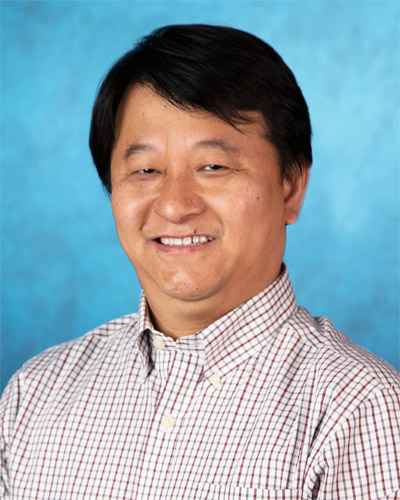
Dr. Jianhua Ruan is a Professor in the Department of Computer Science at The University of Texas at San Antonio (UTSA), affiliated with the College of Sciences. He holds a Ph.D. in Computer Science from Washington University in St. Louis and has been a faculty member at UTSA since 2007. His research focuses on bioinformatics, computational systems biology, and machine learning applied to life sciences. Specific areas include modeling cis-regulatory networks, analyzing biological networks via graph algorithms, and biomarker discovery using omics data. Dr. Ruan collaborates extensively with biologists at UTSA and the UT Health Science Center on genomic, transcriptomic, proteomic, and epigenomic studies. Key research interests include: Machine learning for cis-regulatory network modeling Graph algorithms for biological network analysis Integrated omics data analysis for disease prediction Epigenetic regulation and cancer biology His work has been supported by NIH, NSF, and the San Antonio Life Sciences Institute. Notable achievements include a Best Performer award in the DREAM Reverse Engineering Challenges (2008) and the UTSA Faculty Research Award (2007). Dr. Ruan organizes the UTSA Computer Science Graduate Research Seminar, fostering interdisciplinary collaboration. He has developed software tools like TSCAN for single-cell RNA-seq analysis and contributes to computational methods for biomarker discovery and network-based classification.
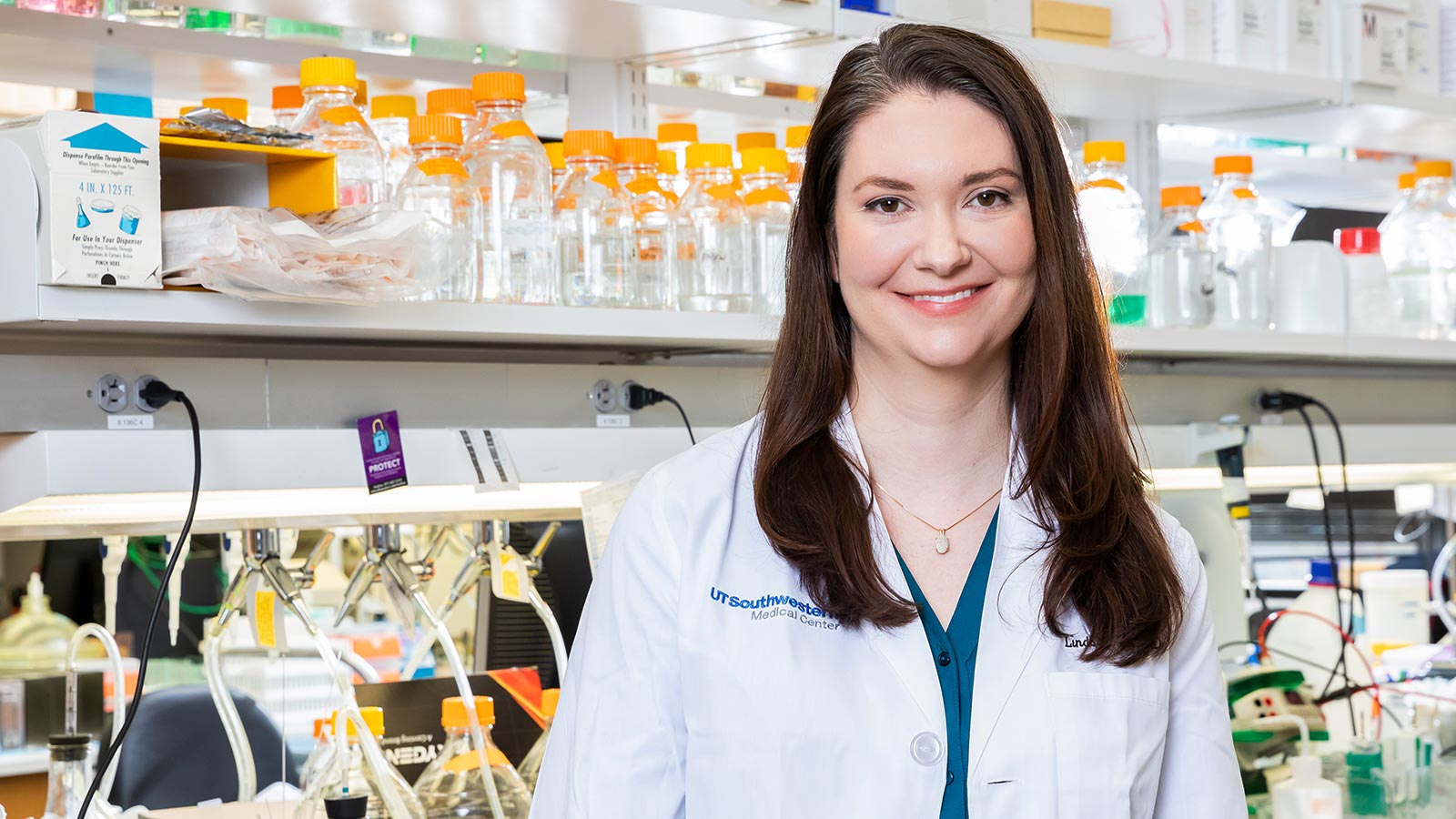
Lindsay Case is the Irwin and Helen Sizer Career Development Professor at the Massachusetts Institute of Technology (MIT), located in the Koch Biology Building. Her research focuses on how cells regulate the spatial organization of signaling molecules at the plasma membrane, particularly through mechanisms like phase separation and biomolecular condensates. She employs quantitative approaches from biochemistry, molecular biophysics, and cell biology to study transmembrane signaling pathways and their dysregulation in diseases such as cancer. Education: PhD (2014) in Molecular Biology from the University of North Carolina at Chapel Hill, and BA (2008) in Biology from Franklin and Marshall College. Research Interests: The lab investigates how receptor clustering and protein assemblies create membrane compartments with unique biochemical properties. Key themes include phase separation in signaling pathways, membrane-induced protein phase behavior, and the role of actin dynamics in adhesion and signaling. These studies use reconstituted systems and live-cell imaging to dissect molecular mechanisms. Key Awards: NSF Career Award (2025) Searle Scholar Award (2022) NIH Director’s New Innovator Award (2022) AFOSR Young Investigator Award (2021) Brown-Goldstein Award (2020) Damon Runyon-Dale F. Frey Breakthrough Scientist (2020) Her work bridges fundamental cell biology with disease mechanisms, emphasizing the biophysical and biochemical principles governing membrane-associated signaling processes.
Dr. Anne E Cress is a tenured Professor at the University of Arizona College of Medicine in the Departments of Cellular and Molecular Medicine and Radiation Oncology. She is Vice Dean for Strategy and Innovation and a founding faculty member of the UA Cancer Center and Cancer Biology Graduate Program. Her research focuses on cancer invasion and metastasis mechanisms. University of Arizona (PhD in Biochemistry) Stanford University (Postdoc in DNA Replication) University of Queensland (Postdoc in Peptide Chemistry) Netherlands Cancer Institute (Postdoc in Developmental Biology) Research Interests: Dr. Cress investigates molecular mechanisms of human epithelial cancer invasion and metastasis, emphasizing integrin regulation and laminin adhesion structures. Her team developed cyclized peptides, small molecules, and antibodies to block cancer progression and studies heterotypic cancer clusters using gene editing tools. Publication Trends: Recent articles highlight prostate cancer metastasis, biophysical tumor invasion barriers, integrin signaling in epithelial-mesenchymal cooperation, and laminin-targeted therapeutic strategies. Studies integrate molecular biology with biophysical modeling to address drug resistance and actionable pathways in cancer clusters.