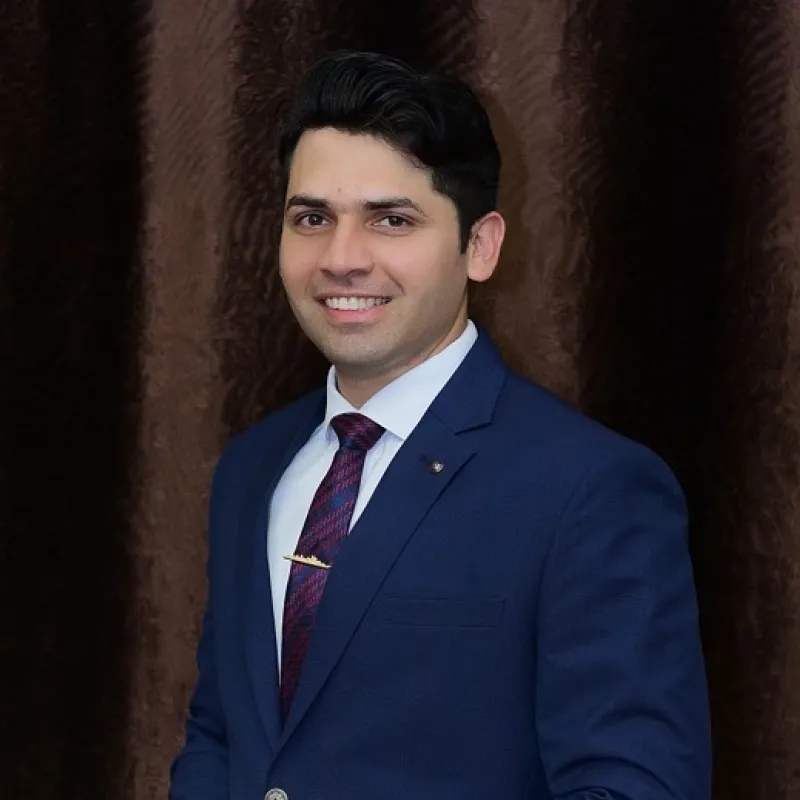
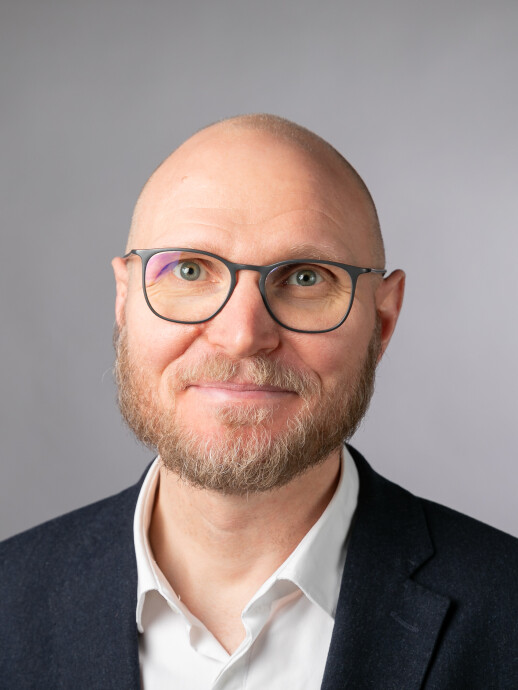
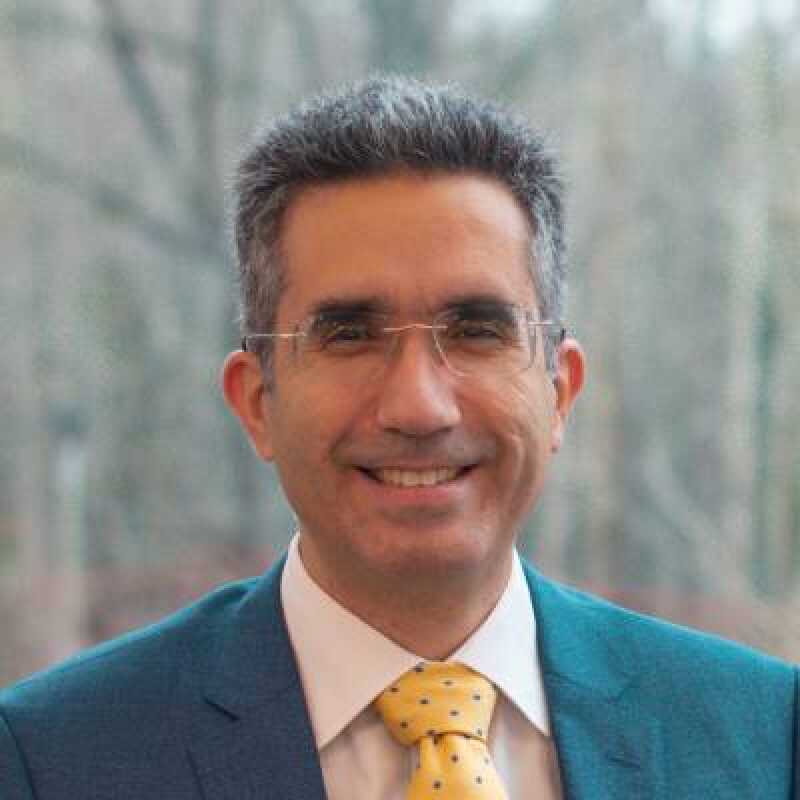
Adeel Tariq is a Post-Doctoral Researcher at the Industrial Engineering and Management department of LUT School of Engineering Sciences , Lappeenranta University of Technology, Finland. He completed his Ph.D. (2019) and MBA (2014) at the School of Management , Asian Institute of Technology, Thailand. Research Focus: Technology and innovation management, digital transformation, sustainable development, knowledge management, and leadership studies. Peer Review: Active reviewer for journals including Leadership & Organization Development Journal , Journal of Intellectual Capital , and European Journal of Innovation Management . Collaborations: Regular co-author with Waqas Tariq, Muhammad Saleem Sumbal, and Marko Torkkeli on topics like digital governance, fintech, and SME sustainability.
Laurie Williams serves as a Goodnight Distinguished University Professor in the Computer Science Department within the College of Engineering at North Carolina State University. She co-directs both the NCSU Secure Computing Institute and the NC State Science of Security Lablet, demonstrating deep institutional leadership in cybersecurity research. With over 260 refereed publications, her work establishes her as a prominent figure in software security academia. Her research spans critical areas including software security, agile development practices (particularly continuous deployment), software reliability, and software supply chain security. Williams focuses on practical security solutions addressing modern challenges like malicious dependencies in open-source ecosystems, AI-generated code vulnerabilities, and runtime protection mechanisms. Her work bridges theoretical security principles with industry-relevant applications. Recent publications reveal strong trends toward software supply chain security, with multiple 2024-2025 papers addressing vulnerability exploitability, malicious commit detection, and metrics-driven security control selection. Her research increasingly incorporates machine learning for threat detection while maintaining focus on human factors in secure development practices. IEEE Fellow (2018) National Science Foundation CAREER Award (2004) ACM SIGSOFT Influential Educator Award (2009) Multiple IBM Faculty Awards (2002-2012) NCSU Alumni Association Outstanding Research Award (2015-2016) Williams leads multiple major NSF-funded projects including the $5.7M SaTC Frontiers grant on secure software supply chains and the Science of Security Lablet with $3.6M in DoD funding. Her research emphasizes practical industry impact through collaborations with Cisco and Laboratory for Analytic Sciences. She actively mentors through the NCSU Research Leadership Academy and maintains significant educational outreach in software security. Her laboratory work centers on the Secure Computing Institute and Science of Security Lablet, where her team develops frameworks for vulnerability prediction, supply chain risk assessment, and secure development methodologies. Current projects focus on machine learning integrity, cognitive modeling for security decisions, and empirical analysis of build/deployment logs for anomaly detection.
Gary M. Shaw is the Rosemarie Hess Professor and Professor (Research) at Stanford University , with courtesy appointments in the Department of Epidemiology and Population Health and Department of Obstetrics & Gynecology - Maternal Fetal Medicine . He serves as Co-PI of the March of Dimes Prematurity Research Center at Stanford and PI of the California Center for Finding Causes and Preventives of Birth Defects . His research focuses on the Epidemiology of birth defects Gene-environment interactions in perinatal outcomes Nutritional factors in reproductive health . He has developed machine learning approaches for precision parenteral nutrition and predictive models for preterm birth, while investigating persistent metabolomic signatures following hypertensive pregnancy disorders. Shaw's recent work explores Climate change impacts on reproductive health Maternal-fetal immune interactions Epigenetic mechanisms in perinatal disease with applications of multiomics to neonatal intensive care units. As a member of Bio-X and the Maternal & Child Health Research Institute , he contributes to translational research networks while serving as Associate Editor for Birth Defects Research and American Journal of Medical Genetics . He supervises Med Scholar Project student Richard Liang Doctoral co-advisor for Saskia Comess and Richard Liang Master's advisor for Lenae Joe while leading the Division of Neonatology as Associate Chair for Clinical Research (2012-2025). His laboratory work integrates Metabolomic profiling Proteomic analysis Computational modeling Machine learning for biomedical data to advance neonatal care through precision medicine approaches.
Joseph Holden holds the Chair of Physical Geography at the School of Geography, University of Leeds , and serves as Director of water@leeds and the Yorkshire Integrated Catchment Solutions Programme (iCASP) . His expertise spans peatlands , hydrology , soil dynamics , and carbon cycling under environmental change. Education: MA Geography (Cambridge), PhD Peatland Hydrology (Durham) Key Roles: Pro-Dean for Research (2013-2019), NERC Freshwater Quality Programme Champion (2022-2027) Research focuses on peatland hydrology , agricultural impacts on water quality , and hazard cascades like flooding and pollution. He leads major projects including: EU-funded WaterLANDS (wetland restoration, 2021-2026) West Yorkshire Flood Innovation Programme (£300k+ UKSPF, 2022-2025) Environmentally Sensitive Hydropower (Nature Water, 2022) Scientific awards include: 2007 Philip Leverhulme Prize (outstanding research contribution) 2011 Gordon Warwick Medal (British Society for Geomorphology) Fellowships: Royal Geographical Society, Royal Meteorological Society He supervises 13 PhD students globally and leads £30M+ in active grants, including the £6M iCASP and £8.4M NERC Freshwater Quality Programme. His work combines field research, modeling, and policy engagement across Southeast Asia, Europe, and Africa.
Mika Viljanen is a Professor of Private Law at the Faculty of Law , University of Turku . His work intersects legal theory , socio-legal studies , and doctrinal law , with a focus on artificial intelligence , financial regulation , and private law (torts and contracts). He teaches core private law modules and leads the Faculty Willem C. Vis Moot Court team. Key Affiliations : University of Turku (Faculty of Law), ETAROS Project, FLAIG Project Research Trajectory : From his 2008 dissertation on quantifying tort damages to contemporary studies on AI regulation and global value chain liability , his scholarship bridges traditional private law with emerging technologies and economic systems. Recent projects include ETAROS (AI and Law) and FLAIG (Financial Regulation). Publications Spotlight : His 2023-2025 works explore AI governance , robot safety regulation , and human rights in EU AI frameworks , reflecting his commitment to interdisciplinary analysis.
Grant E. O'Keefe, M.D., M.P.H., serves as Professor of Surgery at the University of Washington School of Medicine and holds adjunct appointments in Neurological Surgery, Orthopedics and Sports Medicine. Based at Harborview Medical Center in Seattle, he provides surgical and intensive care services for emergency and complex gastrointestinal conditions, emphasizing patient-centered decision-making in critical scenarios. His educational background includes: Medical Doctorate (M.D.) from University of Alberta Faculty of Medicine (1988) Master of Public Health (M.P.H.) from University of Washington General Surgery Residency at University of Alberta Faculty of Medicine General Surgery Fellowship at University of Washington Internship at Memorial University of Newfoundland Dr. O'Keefe's research focuses on trauma outcomes, critical care metabolism, and genetic determinants of sepsis recovery. He investigates nutritional interventions in critically ill patients, ventilator-associated complications, and biomarkers for predicting mortality in trauma cases. His work frequently employs metabolomics and genetic association studies to understand individual variations in treatment response. Analysis of his 2013-2018 publications reveals consistent emphasis on critical care and trauma, with studies examining respiratory failure duration, nutritional support efficacy, and genetic polymorphisms affecting sepsis outcomes. His research often utilizes large collaborative datasets from the NIH-funded Inflammation and Host Response to Injury program, highlighting translational approaches to improve trauma resuscitation and ICU management. Professional recognition includes: Fellow of the American College of Surgeons Board-certified in Surgery and Surgical Critical Care by the American Board of Surgery, Dr. O'Keefe has contributed significantly to the Inflammation and Host Response to Injury Collaborative Research Program, developing standard operating procedures for trauma nutrition and venous thromboembolism prophylaxis. While specific grant amounts aren't detailed, this multi-institutional NIH initiative represents substantial research funding. He mentors surgical trainees within UW's residency programs, though individual advisees aren't listed in available records. At Harborview Medical Center, Dr. O'Keefe operates within the General Surgery Clinic and surgical ICU, collaborating with multidisciplinary teams including trauma surgeons, critical care specialists, and nutrition support services. His clinical practice integrates research insights into trauma resuscitation protocols and complex abdominal surgery, with patient reviews highlighting both efficient communication and occasional concerns about bedside manner.
Maria Monica Wihardja serves as a Visiting Fellow and Co-coordinator of the Media, Technology and Society Programme at ISEAS–Yusof Ishak Institute while holding an Adjunct Assistant Professor position at the National University of Singapore. Her career bridges academic research and high-impact policy engagement, including former roles as World Bank Economist in the Poverty and Equity Global Practice and senior advisor to Indonesia's Presidential Executive Office on strategic economic reforms. Her educational background features: PhD in Regional Science, Cornell University MPhil in Economics, Cambridge University BA in Applied Mathematics-Economics, Brown University Wihardja's research integrates economic analysis with sociotechnical systems, focusing on digital transformation's impact on labor markets, food security, and democratic processes. She examines how technological disruption creates both opportunities for inclusion and risks of inequality, particularly through studies of platform economies, electoral disinformation, and sustainable agro-food systems. Her methodology combines quantitative econometrics with policy-oriented field research, often leveraging large-scale datasets from government and private sector partnerships. Analysis of her recent publications reveals three dominant research trajectories: (1) Digital economy effects on labor market polarization and inclusion, (2) Food system resilience through agricultural modernization, and (3) Geopolitical dimensions of supply chain reconfiguration. These intersect with her policy engagement in ASEAN economic integration frameworks and Indonesia's G20 presidency initiatives. Her scientific recognition includes: Nikkei Asian Scholar 2023 award Wihardja actively shapes regional discourse through editorial roles at East Asia Forum and Center for Indonesian Policy Studies. Her grant-funded work frequently involves World Bank partnerships and Indonesian government collaborations, particularly on stunting prevention and food policy reforms. Current projects examine deepfake impacts on electoral integrity and sustainable financing mechanisms for green transitions. She leads the Media, Technology and Society Programme at ISEAS, coordinating interdisciplinary research on digital governance and Southeast Asian technology policy. The programme partners with regional think tanks, government agencies, and private sector stakeholders to develop evidence-based policy responses to technological disruption.
Professor Thanos Papadopoulos is a faculty member at the University of Kent , serving as Deputy Dean and Head of the Department of Analytics, Operations & Systems. He is affiliated with the Centre for Logistics and Sustainability Analytics (CeLSA) . PhD : Warwick Business School, University of Warwick MSc : Informatics, Athens University of Economics and Business Diploma : Computer Engineering and Informatics, Patras University His research focuses on Operations and Information Management , with emphasis on digital technologies in supply chains , resilience , and sustainability . Recent work explores AI, metaverse, and data-driven strategies. He has authored 150+ peer-reviewed publications and collaborates with journals like British Journal of Management as Associate Editor. Awards include Stanford's Top 2% Researchers and Clarivate Highly Cited distinctions. Professor Papadopoulos supervises students in supply chain management , big data , and sustainability . His projects address geopolitical disruptions and digital transformation in manufacturing and retail.
Dr. Miriam Gieselmann was a researcher at the Media Technology Department of the University of Tübingen from November 2020 to June 2024. Her work focused on human-AI interaction dynamics, trust in AI systems, and methodological challenges in studying human-machine relationships. She contributed to interdisciplinary research on AI acceptance in business contexts and pedestrian behavior analysis in urban environments. Her research interests span: Multimodal interaction design Trust and disclosure behaviors toward AI Ethical implications of conversational AI Methodological innovations for human-machine interaction studies Applications of AI in education and traffic psychology Her publications analyze AI adoption barriers, disclosure decision-making mechanisms, and perceptual dynamics in human-AI relationships. She co-authored foundational work on pedestrian communication patterns at urban intersections, contributing to safer street design principles. Miriam collaborated with interdisciplinary teams across business, psychology, and urban studies domains. Her work emphasizes bridging theoretical insights with practical applications in technology design and public policy.
Ana Cristina Manso serves as Associate Professor, Vice-Rector, and Member of the Scientific Council at Egas Moniz University Institute. She directs multiple Preventive and Community Dentistry courses within the Integrated Master's Degree in Dentistry program and serves as a researcher at the Egas Moniz Interdisciplinary Research Center. Her clinical practice includes work at the Oral Health Unit - Clinical Center at the Bankers' Union of the South and Islands. Her educational background includes a PhD in Research in Stomatology (2008) from the University of Granada and a Dentistry Degree (1993) from the Higher Institute of Health Sciences South. She has completed numerous specialized trainings including Pedagogical Training, Quality Assurance Systems, and Social Responsibility seminars at Egas Moniz. Manso's research focuses on geriatric oral health, preventive dentistry, and community-based dental care. Her work examines self-perception of oral health among elderly populations using tools like GOHAI, investigates halitosis treatments including cinnamon-based solutions, and studies caries prevention through remineralization techniques. She has published extensively on dental erosion, temporomandibular disorders, and socioeconomic factors affecting oral health outcomes in Portuguese populations. Her recent publications reveal strong trends in geriatric dentistry and health disparities research, with significant focus on oral health literacy, socioeconomic determinants of oral health, and interdisciplinary approaches to managing conditions like xerostomia and temporomandibular disorders. Methodologically, her work combines clinical trials, cross-sectional analyses, and systematic reviews. Manso has supervised 57 master's dissertations (co-supervising 20), 1 doctoral thesis (co-supervised), and 2 undergraduate theses. Her research projects include ADAPTAR - Projeto EduCom and the Egas Moniz Interdisciplinary Research Center (UID/BIM/04585/2019). She actively participates in quality assurance initiatives as a Member of the Quality Assurance Commission for Egas Moniz Teaching. As Director of the Egas Moniz Interdisciplinary Research Center, she leads research on community dentistry and oral health promotion. Her work extends to social responsibility initiatives including oral health programs for prison populations and elderly community outreach through the 'Primeiro Dente, Primeira escovagem' program.
Associate Professor Ernest Ekpo is affiliated with the University of Sydney's Sydney School of Health Sciences, within the Discipline of Medical Imaging Sciences. He holds academic roles as a Scholarly Teaching Fellow and Co-Director of the Medical Image Optimisation and Perception Group (MIOPeG). He is also an Associate Editor of the Journal of Medical Imaging and Radiation Sciences and a member of the Sydney Southeast Asia Centre and Cancer Research Network. Education: Earned BSc (Hons) in Radiography/Sonography from the University of Calabar, Nigeria, and a PhD from the University of Sydney. His research focuses on breast density, cancer biomarkers, medical image perception, radiation dose optimization, and radiology education. He explores applications in low-resource settings and emerging technologies like AI for diagnostic accuracy. Research interests include breast cancer treatment outcomes, image-based phenotypes, and improving imaging pathways for acute abdominal pain. Key themes are Cancer and Medical Imaging, with an emphasis on Women's Health and Chronic Disease. His work combines clinical practice, public health strategies, and technological advancements to enhance diagnostic efficacy and reduce unnecessary procedures. Articles from 2021–2024 highlight his contributions in mammography optimization, radiographer training, and AI-driven diagnostic tools. Recent grants include a 2024 project on CT examination education and a 2023 initiative to streamline breast cancer screening pathways. His awards recognize peer review excellence, early-career teaching, and research leadership. He supervises multiple students investigating breast density biomarkers, imaging modalities for dense breasts, and radiation dose management. His educational efforts aim to improve radiographers' capabilities in identifying urgent findings across CT and X-ray modalities, leveraging blended learning approaches.
Jose Pantaleon Gomez III is a Lecturer in the Civil and Environmental Engineering department at the University of Virginia. Previously, he served as Director of Research (2011–2016) and Associate Director (2002–2011) at the Virginia Transportation Research Council (VTRC), leading teams in bridge engineering, materials science, and infrastructure management. He holds a BS from Virginia Military Institute (1979), and MEng and PhD from the University of Virginia (1982, 1988), with licensure as a Professional Engineer in Virginia. His research focuses on advanced materials for transportation infrastructure, including high-performance concrete and composite materials, as well as structural testing and bridge design optimization. Notable projects include $5M contributions to FHWA’s Long-Term Bridge Performance Program and over $5.4M in external grants. He has authored/co-authored 42 research reports and 9 key journal articles/conference papers listed here. Teaching & Awards: Courses include Advanced Steel Design, Structural Engineering, and Capstone Design. Recognitions include the 2004 Virginia Graduate Engineering Instructor of the Year and 2015 Civil Engineering Teaching Award. Research Interests: Includes materials characterization, smart infrastructure systems, risk analysis, and sustainable infrastructure design. His work emphasizes practical applications of advanced materials in bridges and transportation systems.
Wei Zhang is an Assistant Professor of Accounting at the University of Massachusetts Amherst's Isenberg School of Management. He focuses on auditor regulation, auditing practices, corporate governance, and internal audit dynamics. His work examines regulatory enforcement mechanisms and their impact on audit quality and corporate accountability. PhD, Arizona State University (2019) MAcc, City University of New York (2013) BBA & BA, Nanchang University (2005) His research investigates how regulatory policies influence auditor behavior, legal liability exposure, and financial reporting quality. Notable studies include analyses of PCAOB enforcement effectiveness and the implications of audit interference rules. He has received prestigious awards such as the PwC Inquires Grant (2020, 2023) and the AAA Auditing Section Best Paper Award. Awards: Multiple grants and recognitions for auditing research excellence Teaching: Financial Accounting and Auditing courses Zhang's research bridges regulatory frameworks and practical auditing challenges, contributing to debates on audit quality improvement and corporate governance structures.
Camilla Audia is an Assistant Professor at the Department of Geography, University of Warwick. Previously, she spent seven years as a researcher at King's College London's Geography department. Her work focuses on climate change adaptation, health equity, and sustainable development through co-production of knowledge with non-academic stakeholders. She holds a PhD from SOAS (2018), which examined land tenure and resource management in Burkina Faso during climatic extremes. Her research integrates arts-based methods like photography and theater to address complex societal challenges. Current projects include the PATH initiative (2024-2027), analyzing climate adaptation perceptions among irregular migrants in London. She has collaborated with international NGOs, policy actors, and institutions including the Wellcome Trust and DFID. Teaching includes modules on Health and Sustainable Development (GD204/GD209/GD212) and Addressing Disasters for Sustainable Development (GD325). She is currently accepting two PhD students for 2025/26 entry, focusing on interdisciplinary planetary health and urban resilience themes.
Dr. Anna Spescha is a Lecturer at ETH Zurich's Department of Environmental Systems Science, researching biological control of insect pests using Pseudomonas bacteria combined with nematodes and fungi. Her work focuses on developing sustainable agricultural solutions through microbial consortia that target below-ground pests like the cabbage maggot. Research Highlights: Triple-combination biocontrol systems Field validation of entomopathogenic efficacy Risk assessment frameworks for biocontrol agents Current Projects: Optimizing Pseudomonas-based formulations for bean seed fly and cabbage maggot control.