Ian Grettenberger is an Assistant Professor of Cooperative Extension in the Department of Entomology and Nematology at the University of California, Davis. He leads the Grettenberger Lab, focusing on applied entomology in agricultural ecosystems. His work emphasizes pest management strategies, biological control, and sustainable solutions for invasive species threatening California crops. Education: B.S. in Biology, Western Washington University Ph.D. in Entomology, Pennsylvania State University Research Interests: Grettenberger’s expertise spans pest management of field/vegetable crops, invasive species like the Bagrada bug and western striped cucumber beetle, and resistance management in pests such as the alfalfa weevil. He investigates biological control mechanisms, pesticide efficacy, and economic impacts of pest management policies. Key Contributions: Recent work includes studies on insecticide spray optimization, economic implications of pesticide regulations, and biological control of invasive species. His research bridges laboratory and field settings, addressing challenges in California’s agricultural landscapes. Labs/Teams: The Grettenberger Lab collaborates on applied entomology projects, advancing IPM practices and crop protection strategies.
Dr. Gary Brewer is a Professor in the Department of Entomology at the University of Nebraska-Lincoln, with a 60% research and 40% teaching appointment. He has served as department head at NDSU (1997-2006) and UNL (2006-2018). His research focuses on field crops entomology, IPM of pasture cattle flies, salt creek tiger beetle conservation, and pollinator health. He has pioneered a push-pull strategy using coconut oil-derived repellents and led curriculum design for Rwanda’s Conservation Agriculture program. Education: B.S. in Zoology, University of Nebraska-Lincoln (1974) M.S. in Entomology, University of Nebraska-Lincoln (1978) Ph.D. in Entomology, Kansas State University (1984) Research Interests: Brewer’s work spans insect ecology, pest management, and conservation. Key areas include stable fly and horn fly control, pollinator protection, and endangered species recovery (e.g., Salt Creek tiger beetle). His lab develops natural product-based pest repellents and evaluates biopesticides for sustainable agriculture. Grants & Contributions: $362,150 USDA grant for undergraduate research in beneficial insect protection (2018) $325,000 USDA grant for multi-tactic stable fly control (2017) NE Game and Parks funded salt creek tiger beetle reintroduction programs Labs & Teams: Brewer’s team collaborates with industry (e.g., Vestergaard Frandsen) and international partners to advance IPM strategies. His work bridges field research with applied solutions for farmers and conservationists.
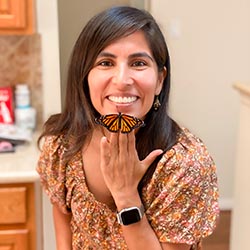
Ana Maria Velez is an Associate Professor at the Department of Entomology, University of Nebraska-Lincoln. Her research focuses on insect responses to chemical stressors, particularly RNA interference (RNAi) and Bt toxins for pest management. With a 80% research and 20% teaching appointment, she leads the Insect Toxicology Lab and teaches courses like 'Toxins in the Environment' and 'Insecticide Toxicology.' Education: Ph.D. in Entomology, University of Nebraska-Lincoln, 2013 M.S. in Entomology, Universidad Nacional de Colombia, 2009 B.S. in Biology, Pontificia Universidad Javeriana, Colombia, 2006 Her research spans molecular, organismal, and population levels to evaluate transgenic crops and RNAi technologies. Key areas include resistance mechanisms, non-target effects, and risk assessment frameworks. She has extensive publications on western corn rootworm and fall armyworm, emphasizing sustainable pest control. Her work also addresses sublethal impacts on non-target species like monarch butterflies and honeybees. Recent articles highlight RNAi delivery optimization, Bt resistance dynamics, and ecological impacts of insecticides. Her lab collaborates on patents for RNAi-based pest suppression methods targeting chromatin remodeling and developmental genes. Scientific Awards Distinguished Multicultural Alumni (2019) DuPont Young Professor Award (2016) International Congress of Entomology Travel Awards (2016) Widaman Trust Distinguished Graduate Assistant (2011) Milton E. Mohr Teaching Fellowship (2012) The Vélez Arango Lab investigates durability and safety of insect control technologies, with emphasis on RNAi and Bt crops. Their work informs integrated pest management (IPM) systems and regulatory frameworks.
Lina Bernaola is an Assistant Professor in the Department of Entomology at Texas A&M University AgriLife Research. She holds a Ph.D. in Entomology and an M.S. in Agronomy from Louisiana State University, alongside a B.S. in Biology from Universidad Nacional Mayor de San Marcos (Peru). Her research focuses on plant-insect interactions, particularly rice pests, and explores the role of arbuscular mycorrhizal fungi (AMF) in enhancing plant defense systems. She develops sustainable pest management strategies integrating agronomy, biochemistry, and ecology. Her expertise spans Host Plant Resistance, Plant-Microbe-Insect Interactions, and Integrated Pest Management. Recent work includes studies on rice delphacid control, biocontrol mechanisms, and the ecological impacts of mycorrhizal symbiosis. She is recognized for her leadership, becoming the first Latina president of the Entomological Society of America (ESA). Education: B.S. Biology, Universidad Nacional Mayor de San Marcos M.S. Agronomy, Louisiana State University Ph.D. Entomology, Louisiana State University Awards/Honors: Incoming President, Entomological Society of America (2023). Her research bridges fundamental and applied entomology, aiming to improve crop resilience through multidisciplinary approaches. Collaborations emphasize translational science for practical agricultural solutions.
Mark S. Hoddle is a Professor of Entomology and Biological Control Specialist at the University of California, Riverside (UCR), where he has headed research in his laboratory since 1997. He serves as the Director of the Center for Invasive Species Research and is a Principal Investigator focusing on biological control of invasive pests. His work bridges academic research with practical applications for California agriculture. Education: D.Sc. Zoology (2018), University of Auckland, New Zealand Ph.D. Entomology (1996), University of Massachusetts, Amherst M.S. Zoology (1991), University of Auckland, New Zealand B.S. Zoology (1988), University of Auckland, New Zealand Dr. Hoddle specializes in biological control, the intentional use of host-specific natural enemies to suppress pest populations. His research focuses on identifying pest problems amenable to biological control, locating and releasing natural enemies, and evaluating their impact on pest population growth. He works extensively with invasive species affecting California agriculture, particularly pests of citrus, avocado, palm trees, and other crops. His approach combines field evaluations with laboratory studies of pest and natural enemy biology and behavior. Analysis of Dr. Hoddle's recent publications reveals a strong focus on invasive species threatening California agriculture, particularly the Asian citrus psyllid, red palm weevil, and brown marmorated stink bug. His research integrates field and laboratory approaches, with emphasis on phenology modeling, natural enemy evaluation, and innovative control methods. Much of his work addresses the economic and ecological impacts of invasive pests on specialty crops. Scientific Awards: Entomological Society of America, Pacific Branch Entomology Team Leader Award (2023) UC-ANR Distinguished Service Award for Outstanding Research (2022) Fellow, Entomological Society of America (2018) California Department of Pesticide Regulations IPM Achievement Award for Asian Citrus Psyllid Biocontrol (2018) IOBC Distinguished Scientist of the Year (2015) Multiple awards from the Entomological Society of America (2007, 2012, 2013, 2014) Dr. Hoddle has mentored numerous students and researchers throughout his career, including postdoctoral scholars and specialists who contribute to his laboratory's work on invasive species. His research has been supported by various granting agencies, private institutions, and commodity boards, enabling extensive international projects focused on identifying and implementing biological control solutions for invasive pests. He has facilitated the Harry Scott Smith Scholarship Fund to support graduate students in biological control. Dr. Hoddle directs the Center for Invasive Species Research at UCR and leads a productive laboratory team that includes postdoctoral scholars, specialists, and students. The lab conducts research on multiple invasive species threatening California agriculture and natural ecosystems, with particular emphasis on citrus, avocado, and palm tree pests. Current projects include proactive biological control of the spotted lanternfly and research on invasive palm weevils, avocado pests, and other emerging threats.
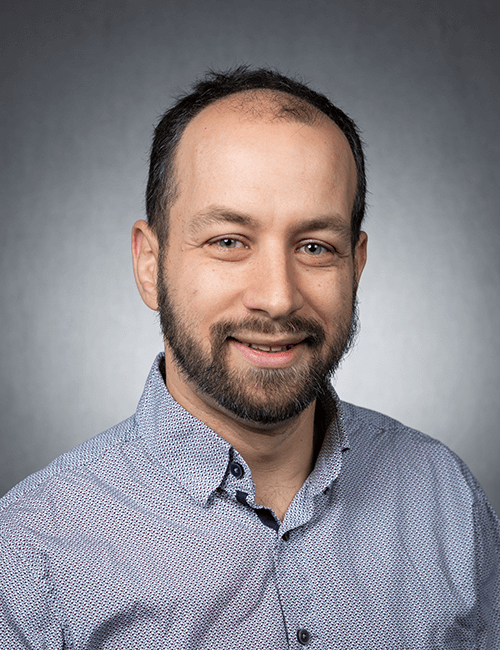
Xavier Martini is an Associate Professor in Entomology at the University of Florida's North Florida Research and Education Center (NFREC). His work focuses on integrated pest management (IPM), insect behavior, and chemical ecology, particularly targeting plant pest vectors like the Asian citrus psyllid and ambrosia beetles. He leads research on citrus greening disease, laurel wilt, and invasive species management. His roles include 70% research and 30% extension, bridging academic and applied pest control strategies. Research emphasizes vector biology, semiochemical-based pest control, and community engagement. He collaborates on publications addressing cucurbit production, onion pest management, and organic vegetable systems. Current projects include repellent development for citrus pests and biological control of invasive vines. His lab group works on ecological interactions between plants, pathogens, vectors, and predators. Key achievements include developing traps for small insect vectors and exploring floral resource enhancements for pollinator populations. He contributes to Florida's citrus and vegetable industries through extension guides and workshops, ensuring practical applications of his research.
Dr. Kaushalya G. Amarasekare is an Associate Professor and Extension Specialist in Entomology at the Department of Agricultural Sciences and Engineering, College of Agriculture, Tennessee State University. Her research focuses on integrated pest management (IPM), biological control, and pesticide efficacy. She joined TSU in November 2015 and holds a Ph.D. in Entomology from the University of Florida, an M.S. from Oklahoma State University, and a B.S. (Honors) in Agriculture from the University of Peradeniya, Sri Lanka. Her research interests include pest-natural enemy interactions, effects of reduced-risk pesticides, and invasive pest management. She has authored numerous publications in journals like Journal of Economic Entomology and Biological Control , focusing on pesticide selectivity, insecticide residues, and biological control strategies in orchards. Her work often combines field and laboratory studies to assess ecological impacts of agricultural chemicals. Dr. Amarasekare has received grants totaling over $300,000 for projects like improving IPM practices for cucurbits and enhancing biological control in orchards. She is actively involved in professional societies such as the Entomological Society of America and the International Organization for Biological Control. Awards include the Outstanding Young Researcher Award (2019) and multiple ESA participation awards. Teaching responsibilities include AGSC 5900/7900 Applied Entomology (graduate) and AGSC 4900 Entomology (undergraduate). She leads Extension activities including farmer training, K-12 outreach, and stakeholder field visits. Her lab, the Fruit, Vegetable and Field Crop Entomology Lab, contributes to applied research and community education.
Saumik Basu is an Assistant Professor in the Department of Entomology at the University of Georgia (UGA), based at the Tifton Campus within the College of Agricultural & Environmental Sciences. His research focuses on developing sustainable integrated pest management (IPM) strategies for vegetable crops in South Georgia. He leads the Vegetable Entomology Lab, which investigates pest complexes like whiteflies, diamondback moths, and pepper weevils, along with their interactions with plant pathogens. His work emphasizes molecular ecology, plant defense mechanisms, and the role of abiotic factors (e.g., climate, soil microbiota) in pest management. Education: B.S. in Human Physiology, University of Calcutta M.S. in Biotechnology, Visva-Bharati University Ph.D. in Molecular Plant Virology, Jawaharlal Nehru University Postdoctoral Research: University of Nebraska-Lincoln (UNL) and Washington State University (WSU) Research Interests: Molecular mechanisms of plant-insect interactions Sustainable IPM for vegetable pests Plant defense signaling and phytohormonal crosstalk Impact of soil microbiota on pest-pathogen dynamics Climate change effects on agroecosystems Lab & Collaborations: The lab collaborates with county extension agents, growers, and other research groups to translate findings into practical solutions. Current projects address pest attack order effects on plant defenses and the role of biopesticides like Metarhizium fungus. Graduate students and postdocs work on topics such as soil amendments for pest resistance and vector-borne disease transmission. Advising & Grants: Advises Ph.D. candidate Sourav Pal and M.S. student Rajesh Udavant. Technical staff includes Charles Laney Gruver, an expert in field trials and insect rearing. Undergraduate Alexis Crossgrove supports lab activities. Labs/Teams: Vegetable Entomology Lab (UGA), previously affiliated with Molecular Plant Sciences at WSU.
Nicola A. Irvin is a Biological Control Specialist and Researcher at the University of California, Riverside, affiliated with the Hoddle Laboratory since 2001. Her work focuses on biological control of agricultural pests, particularly the glassy-winged sharpshooter and Asian citrus psyllid, using parasitoids and habitat manipulation. Education: PhD in Entomology (1999), Lincoln University, New Zealand B.S. First Class Honors in Horticultural Science (1996), Lincoln University, New Zealand Dr. Irvin's research spans parasitoid ecology, cover crop impacts on pest dynamics, and innovative tools like biodegradable hydrogel baits for Argentine ant control. She has secured significant grants, including a Western SARE award, and contributed to IPM strategies in California vineyards and citrus orchards. Her publications highlight studies on parasitoid competition, transgenic insect fitness costs, and habitat augmentation for natural enemies. Current collaborations with Dr. Milosavljević aim to integrate insectary plants and hydrogel baits for sustainable citrus pest management. Scientific Awards: Western Region Sustainable Agriculture Research and Education (Western SARE) grant
Silvia Rondon is a Professor and Director of the Integrated Pest Management Center at Oregon State University (OSU), affiliated with the College of Agriculture and Department of Crop & Soil Science. She moved to OSU's Corvallis campus in September 2022 after extensive work in eastern Oregon. Education: PhD in Crop Sciences (2002), MS in Entomology (1999), BA in Biology/Zoology (1993) from Universidad Nacional Agraria La Molina (Peru) and University of Illinois. Research Focus: Ecological-based Integrated Pest Management for irrigated crops (potatoes, onions, corn, wheat) emphasizing insect ecology, biological/chemical control, and pest population dynamics. Her publications span potato psyllid management, zebra chip disease, wireworm genomics, and landscape-driven pest movement. Key awards include the Erasmus Teaching Award, Pacific Branch ESA Excellence in Extension, and multiple NACAA/OSU honors. She leads extension programs through on-farm demonstrations and train-the-trainer workshops, while mentoring graduate students in IPM research.
Dr. Christopher Adams is an Assistant Professor of Tree Fruit Entomology at Oregon State University's Mid-Columbia Agricultural Research and Extension Center (MCAREC) in Hood River. His research focuses on managing pests of pear and cherry crops, including invasive species like spotted wing drosophila and brown marmorated stink bug. He holds a Ph.D. in Entomology from Michigan State University (MSU) and completed a postdoctoral fellowship there, where he developed IPM strategies for codling moth control through sterile insect release. His work emphasizes applied entomology, biocontrol, and grower collaboration. Education: Ph.D. in Entomology (Michigan State University, 2016) Post-doctoral Research Assistant (MSU Tree Fruit Entomology Lab, 2016–2019) Research Interests: Dr. Adams studies pest ecology, trapping techniques, and sustainable IPM solutions. His lab investigates the landscape ecology of pear psylla, X-disease vectors in cherries, and biocontrol methods for invasive species. He collaborates with growers and extension specialists to translate research into actionable field practices. Awards: Robert Driesbach Award (2016) Dr. Eugenia McDaniel Teaching Award (2013) ESA YouTube Award (2012) Teaching & Outreach: He mentors students in field research and extension activities, emphasizing hands-on learning. His teaching excellence has inspired students to pursue entomology careers. He contributes to OSU Extension guides on pest management and regularly presents at grower workshops. Labs & Teams: Leads the MCAREC Entomology Program, collaborating with regional stakeholders to address tree fruit pest challenges. Active in the Pacific Northwest codling moth task force and international IPM initiatives.
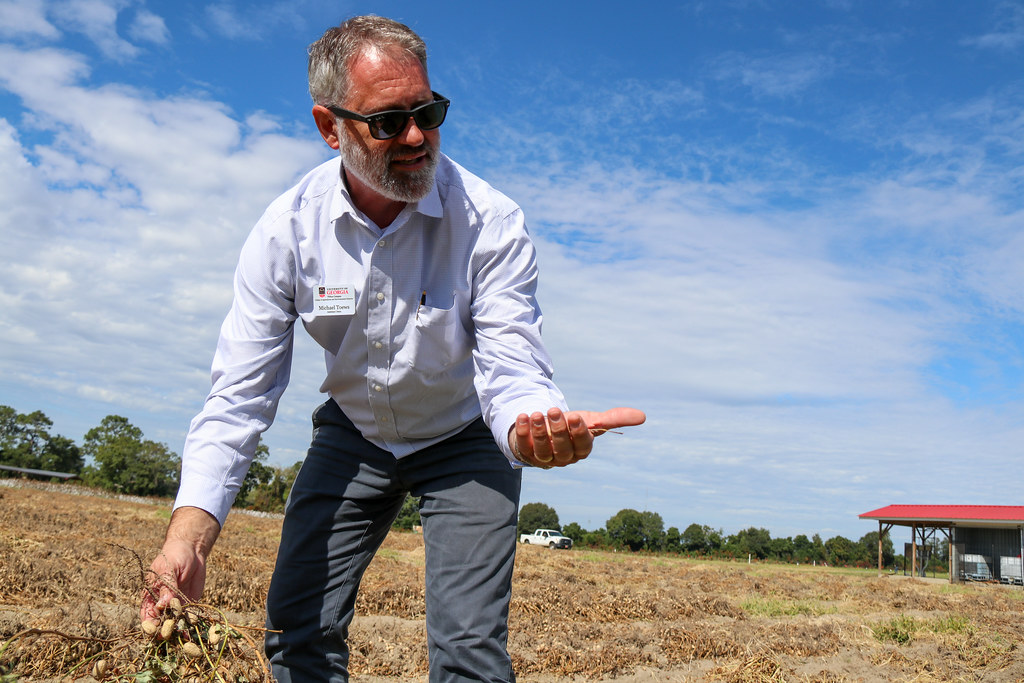
Dr. Michael D Toews serves as the Associate Dean for Extension in the University of Georgia's College of Agricultural and Environmental Sciences (CAES), overseeing a team of over 1,000 faculty and staff across 4-H, family and consumer sciences, and agricultural/natural resources programs. A Kansas native, he holds a BS in biology from Fort Hays State University and advanced degrees (MS/PhD) in entomology from Oklahoma State University. His career includes postdoctoral work at Kansas State University and USDA-ARS before joining UGA in 2006 as a research entomologist specializing in pest ecology and integrated pest management (IPM). Dr. Toews has held key leadership roles including Assistant Dean of the UGA Tifton Campus (2020-2025), where he increased graduate enrollment by 48%, postdoctoral scholars by 57%, and research expenditures by 46%. His research focuses on invasive species management (e.g., kudzu bugs, sugarcane aphids), agricultural sustainability, and pest management strategies. He co-directed the Center for Invasive Species and Ecosystem Health and developed Extension programming addressing stored product entomology and urban pest control. His professional accolades include the 2015 Southeastern Branch Award for Excellence in Integrated Pest Management. Dr. Toews has secured over $21M in grant funding, authored 112 peer-reviewed manuscripts, and mentored 6 postdoctoral researchers while serving on 26 graduate student committees. His leadership emphasizes modernizing Extension operations, strengthening urban-rural connections, and advancing UGA's land-grant mission through interdisciplinary collaboration and infrastructure development.
Brent Sellers is a Professor and Center Director at the Range Cattle Research and Education Center (RCREC), part of the University of Florida's Institute of Food and Agricultural Sciences (UF/IFAS). His primary affiliation is with the Agronomy Department, focusing on pasture and rangeland weed management. His work integrates herbicide efficacy studies, invasive species control, and sustainable forage systems. Administration: 50% of role involves center leadership and research coordination Research: 25% dedicated to agronomic and weed science innovations Extension: 25% focuses on translating research into practical guidelines for farmers Research Interests: Sellers specializes in herbicide application strategies, weed-crop interactions, and integrated pest management (IPM). Key areas include smutgrass control, cogongrass management, and the use of drones for precision agriculture. His work addresses both economic and ecological challenges in Florida's grazing lands and citrus systems. Publications: Over 100 refereed journal articles and extension bulletins highlight his contributions to understanding herbicide tolerance in crops, invasive plant biology, and sustainable forage practices. Recent work emphasizes drone-based weed mapping and soil pH effects on plant competition. Awards: No specific prizes are listed, but his impactful research has shaped Florida's agricultural policies and practices. Labs/Teams: Leads the RCREC Weed Science Unit, collaborating with UF/IFAS Extension specialists to develop regionally applicable solutions for pasture and citrus weed challenges.
Achour Amiri is an Associate Professor in the Department of Plant Pathology at Washington State University, affiliated with the Wenatchee Tree Fruit Research and Extension Center (TFREC). His work bridges applied epidemiology and disease management for tree fruits in the Pacific Northwest. Education: Ph.D. in Plant Pathology, University of Pierre et Marie Curie (Paris, France) M.Sc. in Plant Pathology, Gembloux Agricultural University (Belgium) Engineering Degree in Agricultural Sciences, National Institute of Agronomy (Algeria) Amiri's research focuses on tree fruit diseases , particularly postharvest pathologies of pome fruits. He investigates: Applied epidemiology of orchard pathogens like Podosphaera leucotricha and Botrytis cinerea Development of integrated pest management (IPM) strategies Molecular tools for fungicide resistance detection Risk assessment modeling for disease outbreaks His publications reveal trends in fungicide resistance mechanisms and molecular diagnostic technologies for pathogens affecting apples, pears, and cherries. Key subfields include: Botrytis fruit rot dynamics Penicillium expansum resistance evolution Neofabraea species detection Chemical control optimization Postharvest disease surveillance Genomic resources for fungal pathogens Amiri actively engages in extension activities, collaborating with stakeholders in Washington's tree fruit industry through diagnostic services and research partnerships at TFREC's Overley Laboratory.
Dr. Alexandra M. Revynthi serves as an Assistant Professor in the Department of Entomology and Nematology at the University of Florida's Institute of Food and Agricultural Sciences (UF/IFAS) Tropical Research and Education Center (TREC) in Homestead, Florida. Her position focuses on agricultural acarology and pest management within Florida's vital ornamental crop industry. Dr. Revynthi earned her PhD in acarology from the University of Amsterdam with specialization in behavioral ecology of predatory mites. This academic foundation supports her research in mite biology, predator-prey relationships, and sustainable pest management approaches. Her research program centers on developing integrated pest management (IPM) strategies for ornamental crops, with particular expertise in acarine pests and invasive species. Dr. Revynthi investigates arthropod behavior, population dynamics, and chemical ecology to create practical solutions that balance agricultural productivity with environmental sustainability. Her work addresses critical challenges facing Florida's horticultural industry, including newly introduced pests that threaten economically important crops. Dr. Revynthi's publication record demonstrates expertise across multiple pest systems including mites, weevils, and invasive snails. Her research shows a consistent pattern of addressing emerging agricultural threats through both fundamental studies of pest biology and practical extension solutions that directly benefit growers. This dual focus ensures scientific rigor while maintaining relevance to real-world agricultural challenges. Dr. Revynthi actively collaborates with growers, extension agents, and regulatory agencies including the Florida Department of Agriculture and Consumer Services, Division of Plant Industry. She participates in compliance agreements for regulated pests and develops practical management recommendations that growers can implement immediately. At TREC, Dr. Revynthi contributes to the Agricultural Acarology Workshop and co-hosts 'Tropical Insights,' a podcast focusing on agricultural and environmental topics impacting southern Florida. Her laboratory conducts research on pest biology, behavior, and management strategies, with particular emphasis on finding sustainable solutions for Florida's unique agricultural challenges.










.png)