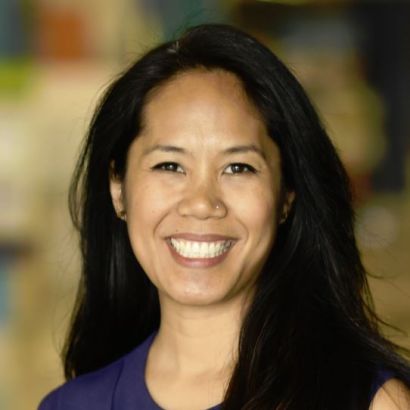
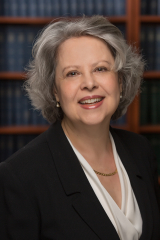
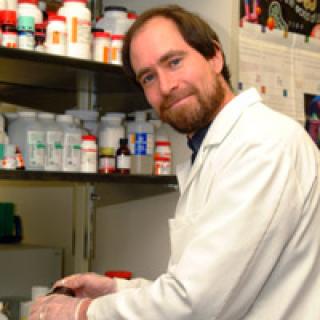
Richard M. Murray is the Thomas E. and Doris Everhart Professor of Control and Dynamical Systems and Bioengineering at the California Institute of Technology (Caltech). He holds a B.S. from Caltech (1985), M.S. from UC Berkeley (1988), and Ph.D. from UC Berkeley (1990). He has served in academic roles from Assistant Professor (1991–1997) to his current endowed professorship. He chaired the Engineering and Applied Science division (2000–2005) and Biology and Biological Engineering (2020–2024). His research focuses on feedback control in biological and autonomous systems, synthetic cells, and networked control systems. Collaborators include experts in robotics, synthetic biology, and systems biology. Key awards include the IEEE Control Systems Award and election to the National Academy of Engineering. His educational contributions span courses on control systems, robotics, and bioengineering. Current research projects include the Developer Cell initiative (Sloan Foundation), layered testing for autonomous systems (AFOSR), and microbiome-based environmental solutions (CHARMME, ARO). He advises numerous graduate students and postdocs, with notable alumni in academia and industry. Labs include facilities in Keck and Steele laboratories at Caltech. His work bridges control theory, synthetic biology, and autonomous systems to address societal challenges like environmental monitoring and safe autonomy.
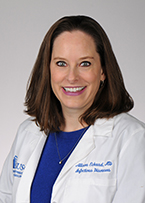
Allison Ross Eckard, MD is Professor in the Departments of Pediatrics and Medicine at the Medical University of South Carolina (MUSC) College of Medicine, serving as Division Chief for Pediatric Infectious Diseases and Director of MUSC's Ryan White Pediatric HIV Clinic and HIV Transition Clinic. She maintains an adjunct faculty position at Emory University and holds board certification in Pediatrics and Pediatric Infectious Diseases. Her primary research focuses on metabolic, cardiovascular, and nutritional complications of chronic HIV and antiretroviral therapy across age groups, with emphasis on inflammation's role in comorbidities like cardiovascular disease and bone disorders. Current investigations include NIH R01-funded research on interventions for weight gain and abdominal fat in HIV, vitamin D supplementation, and statin therapy. She has published nearly 60 peer-reviewed papers on HIV pathogenesis and treatment optimization. Dr. Eckard co-chairs the DHHS panel for Guidelines for the Prevention and Treatment of Opportunistic Infections in HIV-Exposed and HIV-Infected Children and serves on the DHHS panel for Guidelines for the Use of Antiretroviral Agents in Adults and Adolescents with HIV . Her clinical work specializes in comprehensive HIV care for children through young adults, with particular focus on adolescent/young adult transition issues and global health initiatives through Lespwa Timoun in Haiti. Recent efforts include developing COVID-19 treatment guidelines for children and school safety protocols. HIV Specialist certification (American Academy of HIV Medicine) Fellow, Infectious Diseases Society of America Fellow, Pediatric Infectious Diseases Society Fellow, HIV Medical Association Member, HIV Medical Association's 'Ending the HIV Epidemic' working group She leads MUSC's HIV education initiatives and serves as inpatient consultant for pediatric infectious diseases, with advanced training in tropical medicine. Her NIH-funded research examines targeted interventions to minimize comorbidity development in HIV, while her clinical leadership spans the Ryan White HIV program, transition clinics, and global health partnerships.
Angela Kashuba, Ph.D., is the John A. and Margaret P. McNeill, Sr. Distinguished Professor and Chair of the Division of Pharmacotherapy and Experimental Therapeutics at the UNC Eshelman School of Pharmacy. She serves as Director of the Clinical Pharmacology and Analytical Chemistry Core at the UNC Center for AIDS Research. Her research focuses on optimizing HIV treatment, prevention, and cure strategies through clinical pharmacology and analytical chemistry, with an emphasis on antiretroviral drug distribution in tissues and adherence monitoring. Education: Bachelor of Science in Pharmacy, University of Toronto (Canada) General Practice Residency, Women’s College Hospital (Toronto) Critical Care Pharmacy Practice, Mount Sinai Hospital (Toronto) Pharm.D., State University of New York at Buffalo Postdoctoral Pharmacology Training, Bassett Healthcare Clinical Pharmacology Research Center Research Interests: HIV drug pharmacokinetics and tissue distribution Development of novel adherence monitoring techniques (e.g., mass spectrometry imaging of hair) Optimizing dosing strategies for HIV prevention and cure interventions Impact of sex, gender, and comorbidities on drug efficacy Long-acting drug delivery systems (e.g., implants, biodegradable formulations) Grants & Projects: NIH P30-AI50410: UNC Center for AIDS Research Core NIH R01AI111891: Multi-Species Mechanisms of Drug Bio-distribution in HIV Tissue Reservoirs NIH/NIAID UM1AI126619: Collaboratory of AIDS Researchers for Eradication (CARE) Industry partnerships (e.g., Chimerix, TaiMed Biologics) Awards: Rawls-Palmer Progress in Medicine Award (ASCPT, 2023) John A. and Margaret P. McNeill, Sr. Distinguished Professorship (UNC, 2013) Labs & Collaborations: Director of the Clinical Pharmacology & Analytical Chemistry Laboratory, pioneering mass spectrometry imaging and drug reservoir analysis. Future Work: Advancing ultra-long-acting HIV PrEP implants Exploring sex-specific pharmacology in transgender populations Global HIV prevention initiatives via data sharing (HIV Pharmacology Data Repository)
Lauren Zalla, PhD, MS, is a Research Associate at the Bloomberg School of Public Health and School of Medicine at Johns Hopkins University. She holds a PhD in Epidemiology from UNC Chapel Hill (2022) and an MS in Public Health from Duke University (2015). Her work focuses on policy approaches to improve health outcomes and reduce inequities among people with HIV in the United States. PhD, University of North Carolina at Chapel Hill (2022) MS, Duke University (2015) Dr. Zalla examines social and structural determinants of health, racial disparities, and effectiveness of interventions like the Ending the HIV Epidemic Initiative and state AIDS Drug Assistance Programs. Her methodological contributions include improving disparity measurement, causal inference techniques, and sub-population estimation. Recent publications analyze spatio-temporal mortality patterns, antidepressant impacts on viral suppression, and integrase inhibitor associations with diabetes in HIV populations. Key awards include the 2025 Lilienfeld Postdoctoral Paper Prize Finalist and 2023 Delta Omega Honorary Society membership. 2025 Lilienfeld Postdoctoral Paper Prize Finalist 2023 Health Disparities Scholar 2023 Bernard G. Greenberg Award 2022 Tyroler Student Paper Prize Finalist Her research integrates spatial epidemiology, causal modeling, and policy evaluation to address systemic inequities in HIV care. Collaborations span clinical and population health domains with major journals including JAMA, American Journal of Epidemiology, and AIDS.
Richard Katz, PhD, is a Professor and Adjunct Professor at the Fels Institute for Cancer Research and Molecular Biology, Temple University School of Medicine, based at Fox Chase Cancer Center. His research focuses on epigenetic regulation in cancer, particularly the role of the nuclear lamina in organizing heterochromatin and gene silencing. PhD in Microbiology, Columbia University (1983) BS in Biology, Summa cum laude, Syracuse University (1975) Dr. Katz's research spans several key areas in epigenetics and cancer biology. He investigates how the nuclear lamina controls epigenetic silencing through proteins like PRR14, which tethers heterochromatin to the nuclear periphery. His lab uses siRNA-based genome-wide screens to identify novel epigenetic silencing networks. Another major focus is melanoma plasticity, where his team discovered ID4 as a key mediator. He also studies epigenetic antiviral responses involving Daxx and retroviral silencing, and functional analysis of breast cancer genes from GWAS and DASE studies using BioID for protein interaction mapping. His recent publications reveal a strong trend in understanding chromatin dynamics, epigenetic silencing mechanisms, and their implications in cancer and viral defense. His work integrates molecular biology, functional genomics, and systems approaches to dissect complex regulatory networks. Notable scientific recognitions include being selected for Cover Art in Epigenetics (2014) and an Article of Significant Interest by the editors of Journal of Virology (2013). Dr. Katz actively mentors students and technicians in his lab, including graduate students and post-baccalaureate researchers. He collaborates widely across Fox Chase, including with J.P. Issa, A. Bellacosa, and A.M. Skalka. His lab participates in the Undergraduate Summer Research Fellowship and research volunteering programs, indicating a strong commitment to training and education. His lab at Fox Chase (R422/W422) includes current members such as Valentina Medvedeva (Graduate Student), Trinity Pellegrin (Scientific Technician), and several student assistants, reflecting an active and collaborative research environment.
Peter Verwilst is an Associate Professor at the Medicinal Chemistry division of the Rega Institute for Medical Research , part of KU Leuven 's Department of Pharmaceutical and Pharmacological Sciences. He leads projects in allosteric modulation of enzyme targets , fluorescent markers for neurodegenerative diseases , and novel antimicrobial development , particularly focusing on Gram-negative bacteria and HIV-related therapies. His research integrates computational modeling , chemical synthesis , and fluorescent probe design . He supervises PhD students including Margaux Billen , Eline Goffin , and Radu Bulai , and collaborates with institutions like Masaryk University and the Institut Pasteur de Lille. Current projects explore CCR5 signaling modulators , PurK inhibitors , and DNA-Encoded Libraries for P. aeruginosa antibiotics. Scientific awards include supporting students like Radu Bulai in obtaining FWO PhD Fellowships . His teaching includes Organische chemie I & II and Medicinale chemie courses. The lab recently celebrated securing a C1 grant and welcomes international collaborations.
Fran Aweeka is a Professor and Vice Chair of Research at the Department of Clinical Pharmacy, University of California San Francisco (UCSF) School of Pharmacy . She directs the Drug Research Unit (DRU) and serves as the Pharmacology Core Lead for the UCSF Center for AIDS Research . Her research focuses on pharmacokinetic and pharmacodynamic studies of HIV, malaria, and tuberculosis drugs, particularly in vulnerable populations in Africa and the U.S. She actively contributes to the PharmD degree program as a co-director of the Inquiry component and mentors students in pharmacology and international research. As a clinical pharmacologist with over 25 years of experience, Dr. Aweeka investigates drug interactions in co-infected patients, pharmacokinetics in pregnancy and pediatric populations, and mechanisms of HIV-associated inflammation. Her work includes PI roles on NIH R01 grants and leadership in global health initiatives like seasonal malaria chemoprevention studies in Uganda. The DRU under her direction provides advanced analytical techniques for drug quantification in plasma and target tissues, supporting over 30 NIH studies. Her recent research trends include pharmacokinetic-pharmacodynamic modeling of antimalarial and antiretroviral combinations, microvolume plasma assays , and drug exposure-response relationships in resource-limited settings. Publications from 2021–2025 reflect these areas, with emphasis on pregnancy pharmacokinetics , pediatric dosing , and global health pharmacology . Dr. Aweeka holds a PharmD from UCSF (1985) and a BS in Biological Sciences from USC (1981). She is a licensed pharmacist in California and has completed leadership programs like the Mentor Development Program . Her lab supports collaborative projects across national and international institutions, focusing on drug quantification in plasma, dried blood spots, and target cells.
Vanessa A. Leone, PhD, is an Assistant Professor in the Department of Biophysics at the Medical College of Wisconsin (MCW). She holds a BS in Biochemistry from the University of the Republic (Uruguay) and a PhD in Functional and Structural Genomics from SISSA/ISAS (Italy). Her postdoctoral training included roles at the Max Planck Institute of Biophysics (Germany), NIH’s NHLBI and NINDS (USA), and a Staff Scientist position at NINDS before joining MCW in 2024. Her research focuses on protein structure, interactions, and mitochondrial processes, using computational methods like molecular dynamics and AI-based structure prediction. Current lab members include graduate student Carlos Herrada and postdoctoral researcher Kesaban Roy Choudhuri. Publications span 2012–2023, emphasizing ATP synthase mechanisms, ion selectivity, and membrane protein dynamics. Notable work includes studies on protein autoregulation, glycine transporter conformational changes, and integrative modeling of membrane motors. No scientific awards are explicitly listed, but her extensive postdoctoral and NIH experience reflect her scholarly contributions. Her work bridges computational biology and experimental biophysics, addressing fundamental questions in energy transduction and protein function.
Jennifer Cocohoba is a Professor in the Department of Clinical Pharmacy at the University of California San Francisco (UCSF) School of Pharmacy , where she holds the McKesson Professorship of Pharmaceutical Technology . As Vice Chair of Faculty Development , she mentors early-career faculty and promotes professional development opportunities. Her dual role as Clinical Pharmacist at the Women’s HIV Program focuses on optimizing antiretroviral therapy, adherence strategies, and opioid stewardship. Education: PharmD (2001, UCSF) MAS in Clinical Research (2008, UCSF) Certificate in Implementation Sciences (2012, UCSF) Certificate in Geographic Information Sciences (2013, Cal Poly Pomona) HIV Expert certification (2008, American Academy of HIV Medicine) Her research spans HIV treatment and prevention , with emphasis on medication adherence , health disparities , pharmacoepidemiology , and implementation science . She investigates sex-related disparities in HIV care, Filipina-American health behaviors, and pharmacy-based interventions for chronic disease management. Recent studies focus on integrase inhibitor-related weight gain , long-acting injectable therapies , and telemedicine for alcohol use disorders . Scientific recognition includes: Fellow of the California Society of Health-System Pharmacists (2012) Endowed chair appointments at UCSF (2022) Honors from the UCSF Academy of Medical Educators (2021) She actively contributes to pharmacy education reform and policy analysis , including work on expanding pharmacist prescribing authority for HIV pre-exposure prophylaxis (PrEP) . Her community engagement with Mabuhay Health Center and research in pharmacist-patient communication reflect her commitment to equitable healthcare delivery.
Phoebe Rice is a Professor in the Department of Biochemistry and Molecular Biology at the University of Chicago . Her research focuses on the mechanisms of mobile genetic elements, particularly the SCCmec element in MRSA and the Mu transposase system, combining biochemistry, structural biology, and microbiology. Education and Training BA in Biochemistry, Brandeis University (1986) PhD in Molecular Biophysics & Biochemistry, Yale University (1992) Postdoctoral Fellowship, NIH/NIDDK (1997) Her work explores DNA recombination dynamics, protein-DNA interactions, and structural insights into transposase and recombinase activity. Recent publications highlight SCCmec mobility, serine integrase orthogonality, and CRISPR-guided gene insertion mechanisms. Scientific Awards : Distinguished Educator in the Basic Sciences (2015) NSF Fellowship (1987) Gannett Newspaper Carrier Scholarship (1982-1986) She serves as Principal Investigator on grants including Mechanisms of the Microbial Mobilome (NIH R35GM149586) and trains students through programs like IMSD and IRACDA. Her lab develops tools for synthetic biology and genome engineering based on mobile element machinery.
Elizabeth Topper is a Research Professor at the Bloomberg School of Public Health , Johns Hopkins University , with primary affiliations in the Department of Epidemiology and MACS/WIHS Combined Cohort Study . She holds advanced degrees from JHU (PhD 2001, MEd 2017) and Columbia University (MPH 1995). Research focus: HIV epidemiology, women's reproductive health, antiretroviral therapy effects Leadership roles: Director of Master of Applied Science (MAS) programs, multi-PI for MACS/WIHS study Teaching: Epidemiologic methods since 2007 at JHU and Tsinghua University Recent publications highlight her work on HIV's effects on women , including links between sleep quality , gut microbiome , and multimorbidity . Her research team also explores integrase inhibitors ' impact on body composition and cardiovascular risk . Projects span two major NIH-funded cohorts (MACS/WIHS and STAR) with over 6,000 participants. Scientific Awards : Delta Omega Honorary Society (2010), NIH Loan Repayment Program (2007-2009), NIDA Travel Awards Methodology : Longitudinal cohort analysis, metabolomics, biomarker validation Collaborations : NIH, Tsinghua University, multiple U.S. medical centers
Youla Tsantrizos is a Professor in the Department of Chemistry at McGill University, holding an affiliate position in the Department of Biochemistry (Faculty of Medicine). She earned her B.Sc., M.Sc., and Ph.D. in Organic Chemistry from McGill University, followed by postdoctoral training at Brown University. Her academic career includes roles at Vanier College, Concordia University, and Boehringer Ingelheim Pharmaceuticals before joining McGill in 2009 as Full Professor. Research Interests : Tsantrizos specializes in phosphorus-containing heterocyclic compounds, developing synthetic methodologies for high-throughput parallel synthesis and enantioselective organic reactions. Her work focuses on applying these compounds in interrogating biochemical pathways related to cancer and neurodegeneration, as well as exploring their use in transition metal-catalyzed reactions for pharmaceutical production. Key Achievements : She has received notable awards including the Queen Elizabeth II Diamond Jubilee Medal (2012) and the Fessenden Professorship (2011). Her contributions to drug discovery include the development of BILN 2061, an HCV NS3 protease inhibitor, and inhibitors targeting farnesyl and geranylgeranyl pyrophosphate synthases for cancer therapy. Teaching : Currently teaches advanced courses in Bio-Organic Chemistry (CHEM 502) and Drug Discovery (CHEM 503). Active in mentoring students through the McGill Canadian Institute of Health Research Training Program in Drug Development. Labs & Teams : Leads the Tsantrizos Group at McGill's Otto Maass laboratory, affiliated with the GRASP protein structural research center and the CREATE Training Program in Bionanomachines.
Anxo Vidal Figueroa is an Associate Professor of Physiology at the University of Santiago de Compostela, where he has been a permanent faculty member since 2008. He is affiliated with the Faculty of Medicine and Dentistry, Department of Physiology, and is part of the Center for Research in Molecular Medicine and Chronic Diseases (CIMUS). Vidal leads the "MeMoEn" (Molecular Mechanisms of Disease) research group and previously contributed to the "FIFAEC" (Physiology and Pharmacology of Chronic Diseases) group. His academic journey began with a PhD in Cell Biology from the University of Santiago de Compostela in 1997, where he completed his thesis "Functional analysis of prothymosin alpha in cell cultures" under the supervision of Dr. Fernando Domínguez Puente and Dr. M. Clara Alvarez Villamarin. From 1998 to 2003, he pursued postdoctoral research at Memorial Sloan-Kettering Cancer Center in New York, working in the Laboratory of Cell Cycle Regulation under Dr. Andrew Koff. Vidal's research program focuses on understanding the molecular mechanisms of cancer development and progression, with particular emphasis on cell cycle regulation, tumor suppressor biology, and stem cell dynamics. His laboratory employs genetically modified mouse models to investigate how cell cycle regulators control cancer initiation, tissue homeostasis, and aging processes. In recent years, his work has expanded into nanomedicine and novel therapeutic strategies for advanced cancers, particularly through nanocarrier systems and immunotherapy approaches. Analysis of his recent publications reveals a strong trend toward translational cancer research, with increasing focus on nanomedicine applications (2022-2025). His work spans molecular mechanisms of tumor suppressors, cancer stem cell biology, and the development of innovative therapeutic tools including nanoengineered drug delivery systems, silver clusters as antitumoral agents, and immunotherapeutic approaches for pancreatic and ovarian cancers. 2006 Novartis Award in Endocrine Tumor Pathology Ranked #2 nationwide in Physiology for the Spanish "Ramon y Cajal" Program (2002) As a principal investigator, Vidal has secured competitive national and international research grants, including a Retos Colaboración grant with SunRock Biopharma and current grants for immunotherapy against ovarian cancer. He has supervised 16 PhD theses and mentored numerous researchers throughout his career. His laboratory, the Cell Cycle and Oncology group at CIMUS, focuses on five main research areas: mechanisms of p27Kip1 regulation, cooperative functions of cell cycle regulators, cell cycle-independent roles of CDK inhibitors in stem cell biology, molecular relationships between reprogramming and cancer, and development of new therapeutic tools in advanced cancer.
Eric O. Freed, Ph.D. is a Senior Investigator and Director of the HIV Dynamics and Replication Program at the National Cancer Institute's Center for Cancer Research. He also serves as Head of the Virus-Cell Interaction Section and holds adjunct professor positions at the University of Maryland and University of Delaware. Dr. Freed is recognized as a leader in the field of virus assembly with significant contributions to understanding retroviral replication at the molecular level. Dr. Freed received his Ph.D. in 1990 from the University of Wisconsin-Madison under Drs. Rex Risser and Howard Temin, followed by postdoctoral training with Dr. Temin in 1991. He joined NIAID in 1992, was appointed Tenure-Track Investigator in 1997, promoted to tenured Senior Investigator in 2002, and joined the HIV Drug Resistance Program (now HIV Dynamics and Replication Program) in 2003. He was appointed to the NCI Senior Biomedical Research Service in 2011, became Deputy Director of the HIV DRP in 2014, and Director in 2015. Dr. Freed's research focuses on HIV-1 Gag trafficking, Env incorporation, virus assembly, budding, release, maturation, and drug resistance. His work has revealed critical insights into how retroviruses interact with host cellular machinery, particularly in identifying key host factors like phosphatidylinositol-(4,5)-bisphosphate and inositol-hexakisphosphate that regulate viral assembly. His recent work has demonstrated how Env mutations can confer broad resistance to multiple classes of antiretrovirals and discovered that neutral sphingomyelinase 2 is required for HIV-1 maturation. His laboratory combines cell biology, virology, biochemistry, and imaging approaches to characterize viral and cellular determinants of HIV replication. Dr. Freed's recent publications demonstrate a continued focus on the molecular mechanisms of HIV-1 replication, with particular emphasis on viral maturation, drug resistance mechanisms, and host-virus interactions. His work spans virology, molecular biology, structural biology, and drug development, with strong translational implications for novel antiretroviral therapies targeting previously unexplored aspects of the viral life cycle. KT Jeang Retrovirology Prize (2018) Ohio State University Center for Retrovirus Research Distinguished Research Career Award (2020) Fellowship in the American Academy of Microbiology (2019) NCI Research Highlights Award (2016) Outstanding Science Alumni Award from Penn State University (2014) NCI Women Scientists Advisors Mentoring and Leadership Award (2021) NCI Mentor of Merit Award (2010) Dr. Freed has mentored numerous postdoctoral fellows, graduate students, and research technicians throughout his career. Many of his trainees have received prestigious awards including Intramural AIDS Research Fellowships (IARF) and NIH Fellows Awards for Research Excellence (FARE). He has served as founding Editor-in-Chief of Viruses journal and on editorial boards of multiple journals including Journal of Virology and Science Advances. Dr. Freed has organized numerous major scientific meetings including Cold Spring Harbor Retroviruses Meetings and Keystone Symposia, and delivered plenary lectures at major conferences including CROI 2024. His laboratory has received consistent funding from the National Cancer Institute and maintains active collaborations with researchers at multiple institutions. The Freed Lab at NCI consists of research biologists, postdoctoral fellows, graduate students, and postbaccalaureate researchers working collaboratively to advance understanding of HIV replication. The lab is part of the HIV Dynamics and Replication Program and maintains active collaborations with the Pittsburgh Center for HIV Protein Interactions (PCHPI), the Behavior of HIV in Viral Environments (B-HIVE) Center, and the Center for Structural Biology of HIV RNA (CRNA). Dr. Freed also serves as Co-Director of the University of Maryland Virology Program and participates in multiple scientific advisory boards.
Ernst Wimmer is a Professor of Developmental Biology at the Department of Developmental Biology, Johann Friedrich Blumenbach Institute of Zoology and Anthropology, Georg August University, Göttingen. He leads a research group focused on evolutionary developmental biology and applied insect biotechnology. He is also affiliated with the GGNB graduate programs: Genes in Development, Disease and Evolution; Molecular Biology (IMPRS); Cellular and Molecular Physiology of the Brain (CMPB); and Sensory and Motor Neuroscience. His research centers on the phylogenetic variance and plasticity of developmental processes in arthropods, particularly using Tribolium castaneum and other insect models. His group investigates gene regulation in pattern formation, sex determination, and the evolution of developmental mechanisms. They employ transgenesis, functional genomics, and CRISPR/Cas9 genome editing to study gene function and regulatory networks. A major applied focus is improving the Sterile Insect Technique (SIT) through biotechnological innovations such as transgenic female-specific lethality, reproductive sterility systems, and transgenic markers for monitoring. His work also explores beetle olfaction and the development and biochemistry of defensive stink glands. His recent publications reflect strong expertise in genome editing, functional screening (e.g., iBeetle RNAi), pest genome analysis, and genetic pest management. The work spans from basic developmental mechanisms to applied biotechnology. Key trends include the use of CRISPR for gene drives and strain development, transcriptomic analysis of chemosensory and defensive systems, and the molecular basis of sex determination in insects. Scientific Awards: No awards are explicitly mentioned in the provided text. Ernst Wimmer has supervised numerous collaborative research projects and large-scale initiatives such as the iBeetle RNAi screen and the Ceratitis capitata genome project. His lab receives funding for biotechnological pest control research, particularly in developing genetic systems for SIT enhancement. While specific grants are not listed, the scope and impact of his publications suggest sustained support from national and international funding bodies. He has mentored many early-career researchers and collaborators, though formal advisees are not named. His research group operates within the Department of Developmental Biology at Göttingen and is integrated into multiple interdisciplinary research networks and graduate programs. The lab combines molecular genetics, genomics, and developmental biology to address both fundamental and applied questions in insect biology.