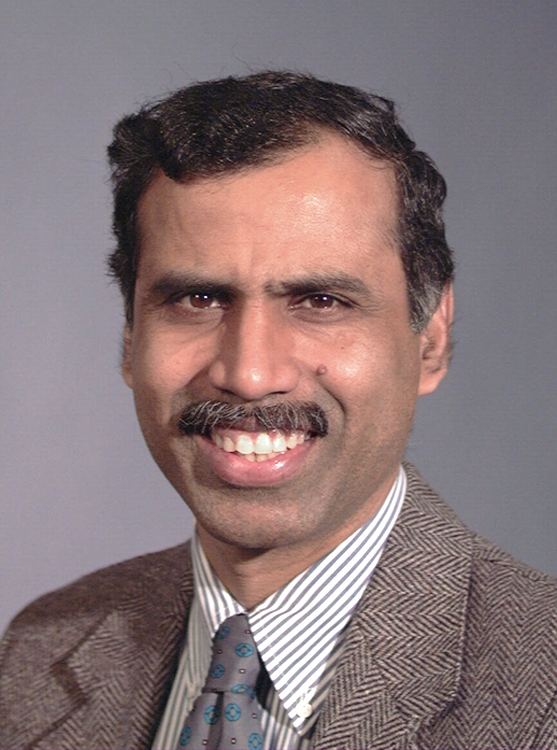
Rachid BelhachemiView profile
Assistant Professor
Rachid Belhachemi serves as an Assistant Professor of Statistics at Lycoming College, bringing expertise in statistics, actuarial science, and financial mathematics. He holds a Ph.D. from Oklahoma State University and an M.S. from the University of Toronto. With extensive teaching experience across quantitative disciplines, he employs a student-centered approach that combines academic rigor with compassionate mentorship to help students master complex concepts through clarity and engagement. His educational background includes: Master of Science (M.S.), University of Toronto Doctor of Philosophy (Ph.D.), Oklahoma State University Dr. Belhachemi's research centers on financial mathematics and risk management, with specific focus on mathematical modeling of investment strategies, insurance risk analysis, and market behavior under uncertainty. His work applies advanced statistical techniques to financial data to improve risk assessment frameworks and decision-making processes in volatile markets, bridging theoretical statistics with practical financial applications. His recent 2024 publications demonstrate a consistent research trajectory in applying hidden truncation models with heteroskedasticity to financial markets. These studies analyze S&P 500 index returns and option valuation, highlighting sophisticated statistical approaches to model market volatility and derivative pricing while addressing real-world financial complexities. Scientific Awards: No awards mentioned in the provided text Dr. Belhachemi provides dedicated student mentorship, particularly in actuarial science where he prepares students for Society of Actuaries (SOA) examinations. His teaching spans statistics, financial mathematics, and general mathematics courses, emphasizing conceptual understanding through practical applications. While specific grant funding isn't detailed, his research profile indicates active engagement in financial risk modeling projects requiring statistical innovation. No dedicated research laboratories, collaborative teams, or institutional research groups are referenced in the available information.