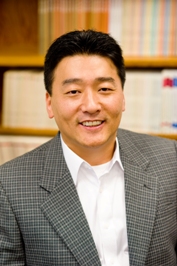
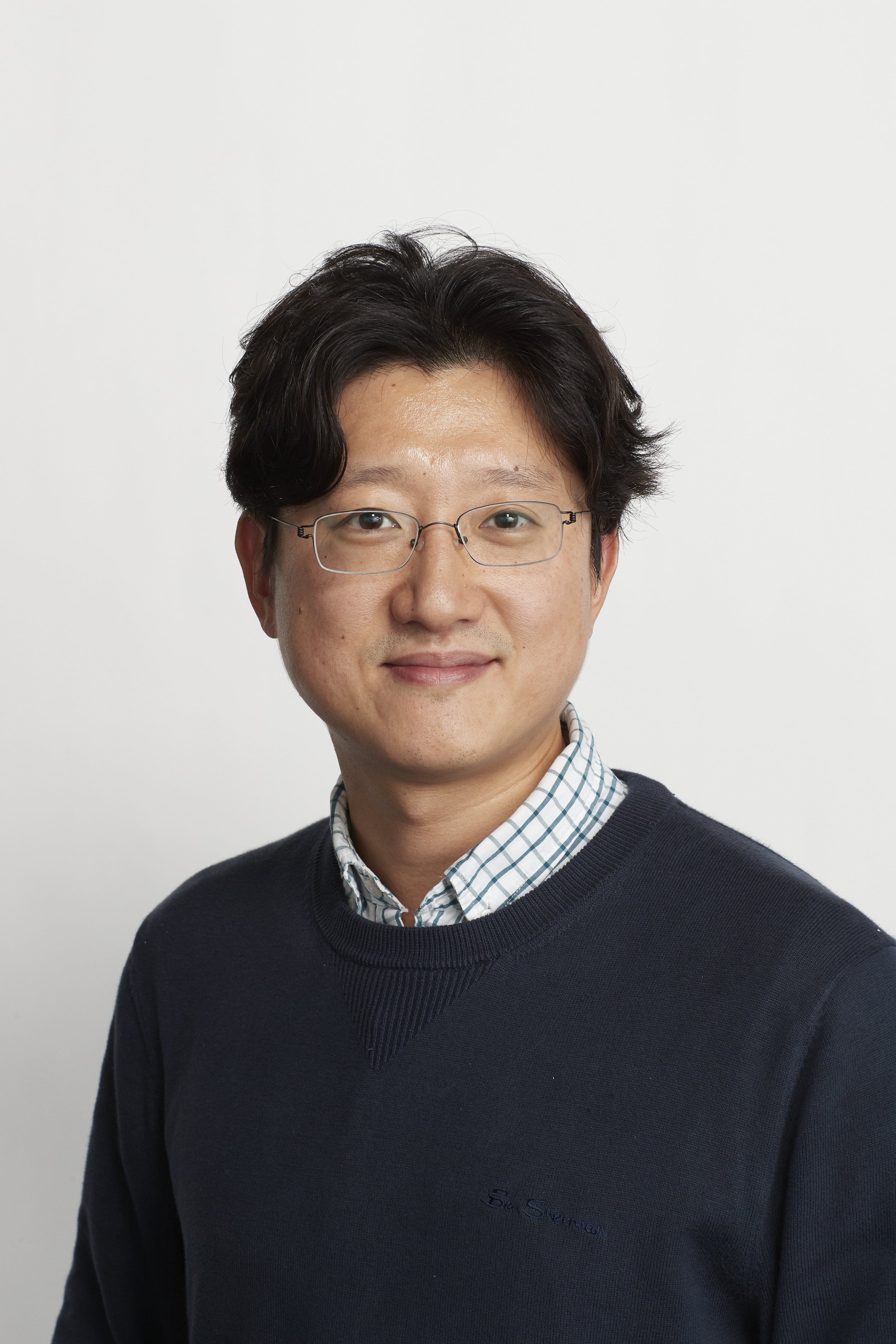
Daniel M. SmithView profile
Associate Professor
Daniel M. Smith is an Associate Professor in the Department of Political Science at the University of Pennsylvania, School of Arts & Sciences. He holds a PhD from the University of California, San Diego, and has held academic positions at Harvard University, Columbia University, and Stanford University. His research focuses on comparative politics, political economy, and political behavior, with regional expertise in Japan and Western Europe. PhD, Political Science, University of California, San Diego (2012) MA, Political Science, University of California, San Diego (2009) BA, Political Science and Italian, University of California, Los Angeles (2005) His research centers on political institutions, democratic representation, electoral systems, and political dynasties. He is the author of the acclaimed book Dynasties and Democracy (Stanford University Press, 2018), which explores the persistence of political families in democracies, particularly in Japan. His work also investigates voter behavior, gender and age in politics, distributive politics, and legislative accountability. His recent publications in top journals such as the American Political Science Review , American Journal of Political Science , and The Journal of Politics reflect a strong trend toward mixed-methods research, combining large-scale data analysis with experimental designs. His work frequently employs conjoint experiments, natural experiments, and administrative data to study political behavior and institutional effects. Winner of the 2023 Lawrence Longley Award (APSA) Winner of the 2022 Kenneth A. Shepsle Prize Honorable mention for the 2024 APSA Best Paper Award Smith has advised numerous graduate students and co-organizes the Japanese Politics Online Seminar Series (JPOSS). He has also co-edited multiple volumes in the Japan Decides series, analyzing Japanese general elections. He teaches courses on electoral rules, representation, and Japanese politics at both undergraduate and graduate levels. His research is supported by active collaborations with scholars across the U.S. and Japan, and he maintains a robust pipeline of working papers on topics such as coalition dynamics, gender bias, and constituency-building.