Vivian Mendez Alvarez is a Research Fellow in the Department of Applied BioSciences at Macquarie University . Her work focuses on the Queensland fruit fly (Q-fly) and related pest species through the lens of behavioral biology. Key research areas include: Sterile Insect Technique (SIT) program optimization Cuticular chemistry analysis for sexual signaling Metabolic enhancer effects on fruit fly behavior Rectal gland secretions and pheromone research Genetic basis of pigmentation and behavior Recent publications highlight her expertise in Entomology , Chemical Ecology , and Genetic Manipulation with specific subfields spanning from Tephritidae physiology to CRISPR/Cas9 gene editing applications.
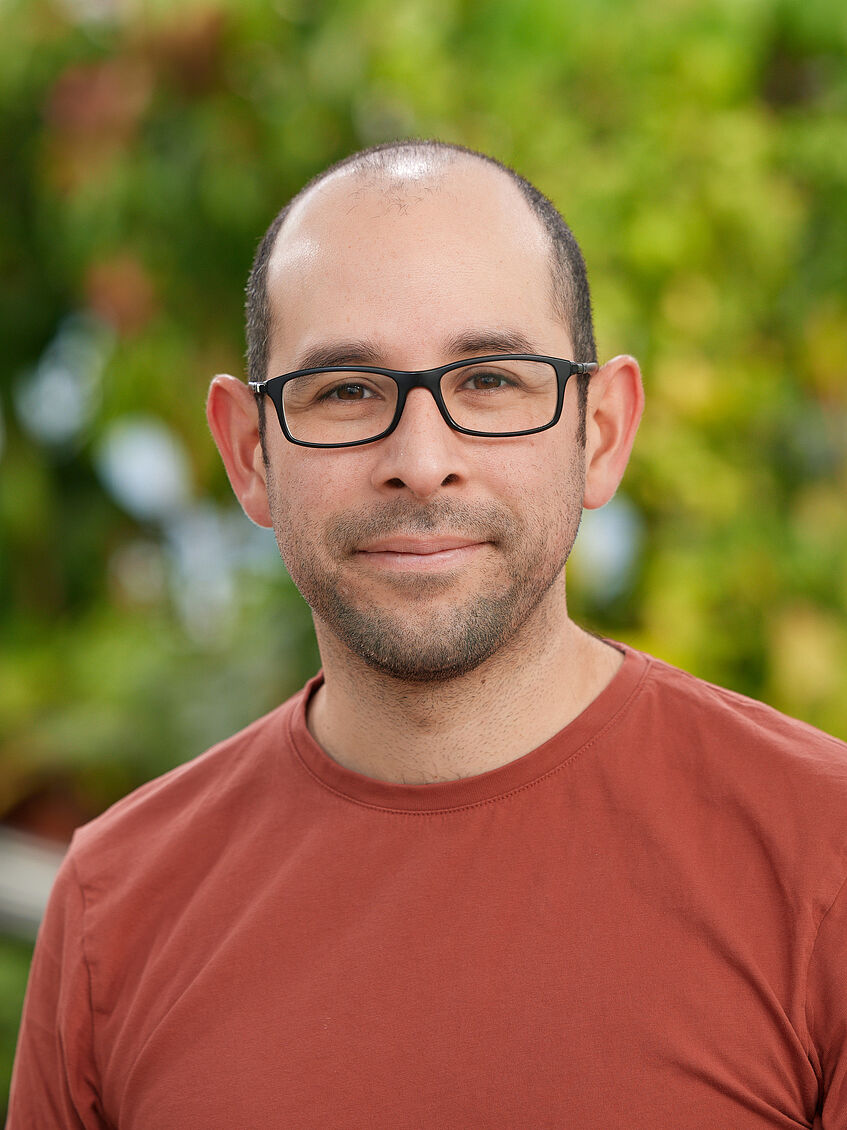
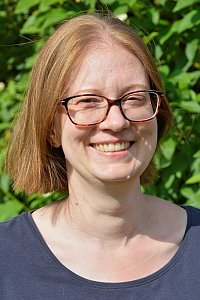
Kelley Leung serves as a Research Associate at the Laboratory of Genetics, conducting specialized research at the intersection of genetics, entomology, and biological control. Her work primarily investigates polyploidy phenomena in insects, with a focus on parasitoid wasps like Nasonia vitripennis, and explores applications for sustainable pest management. She currently leads the PostDoc project 'Polyploidy in wasp evolution and bee conservation' (2024-2027), examining evolutionary implications of polyploidy for insect conservation and agricultural biocontrol systems. Dr. Leung's research spans several critical domains in evolutionary genetics and applied entomology: Polyploid evolution mechanisms in Hymenoptera Genetic consequences of ploidy manipulation (diploidy/triploidy) Inbreeding and outbreeding depression in captive insect populations Artificial selection potential for biocontrol trait enhancement Host-parasitoid interaction dynamics in polyploid systems Genetic variation maintenance in biological control agents Her recent publications (2024-2025) reveal a cohesive research trajectory centered on polyploidy applications in biological control. Key thematic trends include experimental validation of triploid utility in parasitoid wasps, systematic analysis of genetic variation parameters for trait evolvability, and innovative approaches to studying animal polyploid evolution through neopolyploid line creation. These works collectively advance the integration of evolutionary genetics principles with practical pest management solutions, demonstrating how ploidy manipulation can enhance biocontrol agent efficacy while addressing conservation challenges. Scientific Awards: No scientific awards documented in available information Dr. Leung serves as Project Leader for the active grant 'Polyploidy in wasp evolution and bee conservation' (2024-2027), collaborating with co-PIs B. Pannebakker and J. van den Heuvel. This research investigates evolutionary adaptations in polyploid wasps with implications for bee conservation strategies. No formal student advisees are documented in the provided materials, though her collaborative publications indicate mentorship within research teams. The project has generated significant academic engagement, with multiple publications receiving attention from scientific networks and social media platforms. Her laboratory work centers on the Laboratory of Genetics, where she develops and analyzes neopolyploid insect lines using advanced genetic techniques. This research environment fosters collaboration with international experts including L.W. Beukeboom and B.J. Zwaan, focusing on experimental evolution approaches to study polyploid phenomena. Current team efforts prioritize establishing genetic protocols for ploidy manipulation in parasitoid wasps and assessing fitness consequences for biocontrol applications.
Alejandro Manzano Marín is a Senior Scientist at the University of Vienna 's Centre for Microbiology and Environmental Systems Science , specifically the Department of Microbiology and Ecosystem Science . His career bridges host-microbe symbioses , evolutionary genomics , and bioinformatics . Education: PhD in Biotechnology (University of Valencia, 2016), MSc in Molecular, Cell Biology and Genetics (University of Valencia, 2011), Bachelor in Genomic Sciences (UNAM, 2010) Previous Positions: Postdoctoral Researcher at INRA, France (2016-2019) Research Focus: Investigates obligate nutritional endosymbionts in aphids and blood-feeding leeches , analyzing genome reduction , symbiont replacement , and metabolic complementation . Key projects include SymBirth (artificial symbiont development) and studies on Haementeria officinalis leech symbioses. Scientific Contributions: Published 30+ articles, including 2025 studies on Sodalis nezarae symbiosis and Discoba codon usage mismatches. His work integrates whole-genome sequencing , microscopy , and phylogenetic analysis . Major Awards: CONACyT PhD Fellowship (2014) Marie Curie COFUND Postdoctoral Fellowship (2016) Marie Curie ITN PhD Fellowship (2011) Outreach: Active in science communication through Bluesky and Twitter , with media coverage on European Medicinal Leech Genome projects. Invited speaker at international conferences on symbiont turnover (2025) and evolutionary impacts (2025).
Lisa Klasson serves as Senior Lecturer at Uppsala University's Department of Cell and Molecular Biology, where she leads research in microbial genomics and evolutionary biology. She currently directs the Master's program in Bioinformatics, bridging computational and biological sciences. Her research focuses on comparative genomics of insect-associated bacterial symbionts , particularly Wolbachia and Coxiella, investigating evolutionary forces shaping host-symbiont interactions. Using whole genome sequencing , transcriptomics , and comparative genomic analyses , she examines genome reduction mechanisms, horizontal gene transfer, and symbiont-induced speciation phenomena. Key interests include Wolbachia's role in cytoplasmic incompatibility, endosymbiont genome stability after host transfers, and evolutionary transitions along the parasitism-mutualism continuum. Analysis of her 15 most recent publications reveals dominant themes in Drosophila-Wolbachia coevolution (73% of works), with significant contributions to understanding mitochondrial introgression (2023), genome expansion exceptions (2019), and reticulate evolution (2024). Her work consistently employs advanced genomic methodologies to dissect symbiotic mechanisms across evolutionary timescales. Lisa actively contributes to academic leadership as Program Director for the Bioinformatics Master's program, shaping next-generation genomic scientists. Her collaborative research spans international institutions, with frequent co-authorship with Drosophila and symbiosis specialists. Her laboratory investigates evolutionary impacts of symbionts on host genomes through transcriptomic and genomic approaches, maintaining focus on Wolbachia-Drosophila systems while expanding to Coxiella-tick models. Current projects include analyzing horizontal gene transfer dynamics and symbiont-mediated speciation mechanisms.
Dr. Vera Ros is an Associate Professor in the Department of Virology at Wageningen University. Her research focuses on insect-virus interactions, particularly the evolutionary dynamics of host-parasite systems and the molecular mechanisms behind baculovirus-induced behavioral changes in caterpillars. She holds leadership roles in professional organizations such as the Society for Invertebrate Pathology (SIP) and the Netherlands Entomological Society (NEV). Education and Career: Ros earned her MSc in Biology from Wageningen University (2003) and her PhD from the University of Amsterdam (2008), studying reproductive parasites in spider mites. Postdoctoral research included work at the University of Pennsylvania (2008–2009) on Lyme disease pathogens and at Wageningen University (2009–2015) on baculoviruses. She joined Wageningen's faculty in 2015 as an Assistant Professor and was promoted to Associate Professor in 2020. Research Interests: Her lab investigates baculovirus-induced tree-top disease, covert virus infections in insects, and biological control strategies for pests like the Fall Armyworm. Key areas include viral manipulation of host behavior, molecular mechanisms of infection, and the impact of covert infections on insect mass-rearing systems. Awards and Grants: She received the SIP Early Career Award (2017), NWO VIDI Grant (2019), and VENI Grant (2009). Her work on Fall Armyworm control and covert viromes has been funded through grants and collaborations like the INSECT DOCTORS network (H2020 Marie Sklodowska-Curie ITN). Professional Activities: Ros chairs SIP's Awards & Student Contest Committee and serves on its Council. She also contributes to training initiatives like the INSECT DOCTORS program, aiming to diagnose and manage diseases in commercial insect production systems.
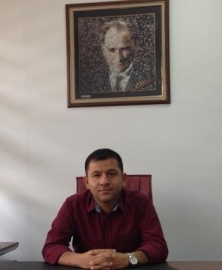
Prof. Dr. Tamer KAYIŞ is a Professor in the Department of Biology at Adıyaman University, Faculty of Arts and Sciences. He holds a PhD in Biology from Çukurova University (2010), with postdoctoral promotions to Assistant Professor (2010-2016), Associate Professor (2016-2023), and Professor (2023-present). His expertise lies in Insect Physiology and Toxicology, focusing on pesticide effects on insect physiology, biochemical responses, and model organism studies using Galleria mellonella. Education: BSc (2002), MSc (2005), and PhD (2010) in Biology from Çukurova University. Completed thesis projects on cadmium effects in Pimpla turionellae (MSc) and diazinon toxicity in parasitoids (PhD). His research spans over 30 international peer-reviewed articles, with studies on pesticide impacts, antioxidant mechanisms, and insect biodiversity. He has led projects on insecticide effects, beetle ecology, and toxin mitigation strategies. Current roles include Head of the Biology Department’s Ecology and Environmental Biology Division and active participation in international conservation projects. Key contributions include pioneering work on Galleria mellonella as a toxicological model, DNA isolation methods, and biodiversity surveys in Anatolian oak forests. His teaching focuses on Entomology, Animal Physiology, and pesticide-related courses at undergraduate and graduate levels.
Dr. Juliano Morimoto is a Senior Lecturer at the School of Natural and Computing Sciences , University of Aberdeen. With a DPhil in Zoology from the University of Oxford and postdoctoral experience in Sydney and Macquarie University, he specializes in Nutritional Ecology , Evolutionary Biology , and Machine Learning applications to animal biology. His research spans theoretical frameworks (e.g., Nutrigonometry), empirical studies on Drosophila, and applied work in insect-based food security solutions. Education : BSc Biological Sciences (Federal University of Paraná, Brazil), DPhil Zoology (University of Oxford) Research Streams : Theoretical nutrition models, empirical evolutionary ecology with Drosophila, and applied insect conservation/policy His publications reveal interdisciplinary work connecting nutritional geometry with insect behavior , genome-scale analysis , and ecological modeling . Recent work includes membrane permeability evolution, proteome-lifespan relationships, and social isolation effects in primates. He has received awards like the 2024 Best Undergraduate Supervisor and 2022 Riemann Fellowship for differential geometry applications to nutrition. Grants include a £980,000 BBSRC grant on dietary optimization for reproduction, multiple NERC/BBSRC awards, and international partnerships with Sweden and Brazil. He actively leads outreach in Brazil via projects funded by CNPq, including the Geometria Poetica ebook initiative for low-income students.
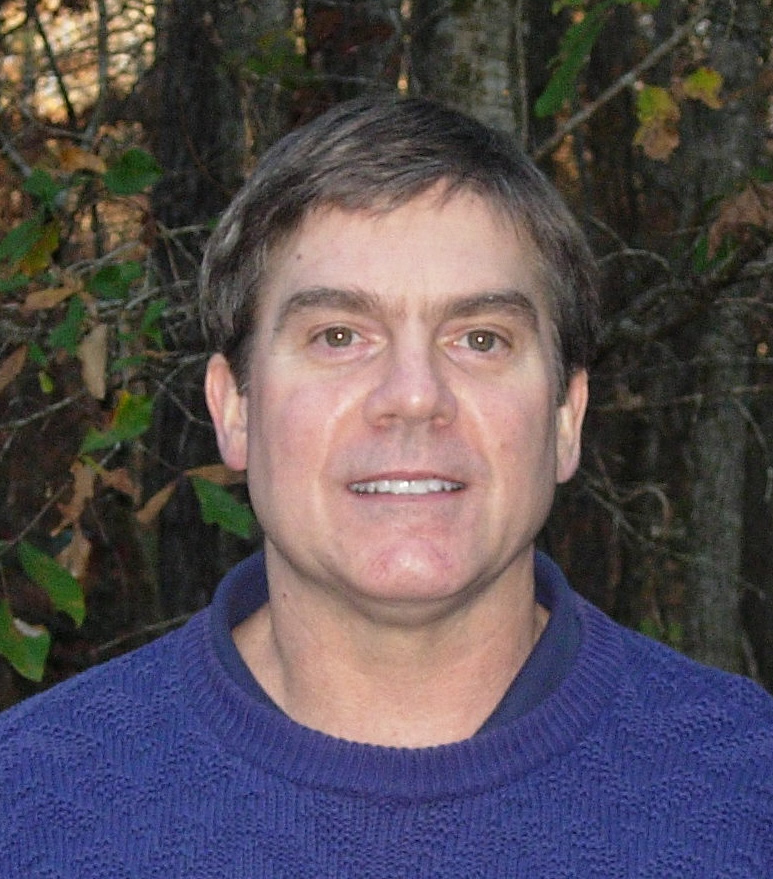
Dr. Kenneth G Ross is a Professor in the Department of Entomology at the University of Georgia's College of Agricultural & Environmental Sciences . His research focuses on population biology , molecular evolutionary genetics , and comparative genomics of social insects. University: University of Georgia School: College of Agricultural & Environmental Sciences Department: Entomology His work explores genetic variation across social insect populations, including fire ants ( Solenopsis invicta ), yellowjacket wasps , and tent caterpillars , to infer breeding biology, gene flow, and evolutionary mechanisms. Recent studies examine supergene regulation of social organization and gene expression patterns in hybrids. Key article trends include invasive species genetics , social behavior genetics , and ecological adaptation . Publications span journals like Science , Nature , and PLoS ONE .
Dr. Franziska Beran is a researcher at the Max Planck Institute for Chemical Ecology , specializing in chemical ecology and plant-insect interactions. Her work focuses on the biochemical adaptations of flea beetles to plant defense compounds, particularly glucosinolates. Insect detoxification mechanisms Chemical sequestration strategies Evolution of plant-herbivore coevolution Biochemical adaptation to secondary metabolites Role of microbial symbionts in detoxification Her research explores how herbivorous insects overcome and utilize plant chemical defenses, with recent publications examining detoxification enzymes, microbial contributions to toxin breakdown, and the evolutionary implications of these interactions. She employs biochemical, physiological, and molecular approaches to investigate defense compound metabolism and sequestration. Key publication trends include: glucosinolate-myrosinase system manipulation, microbial symbiosis in detoxification, and comparative studies across flea beetle species. Her work spans fundamental biochemical discovery and applied agricultural implications. At the Max Planck Institute, she conducts research within the Department of Insect Symbioses , exploring the molecular basis of insect-plant interactions and chemical defense adaptations.
Maciej Maselko is an Associate Professor in Applied BioSciences at Macquarie University. His research focuses on insect genome engineering to advance biotechnology applications, including genetic biocontrol of disease-vectoring mosquitoes and bioremediation of environmental contaminants. He leads projects on transgenic animal systems, synthetic biology-based solutions for invasive species control, and sustainable biomanufacturing in insects. Education: PhD in Molecular and Cell Biology (Oregon State University, 2011) BS in Biological Sciences (University of Alaska Anchorage, 2005) Research Interests: Dr. Maselko's work integrates genetic engineering and synthetic biology to address global challenges such as disease vector control, environmental pollution, and agricultural sustainability. His lab develops transgenic insects for biocontainment, population replacement strategies, and bioremediation using microbial enzymes expressed in insect hosts. Current projects include cane toad genetic manipulation, amphibian disease resistance engineering, and phytase production in black soldier flies. Collaborations: Active collaborations span institutions globally, with a focus on ecological and agricultural applications of genetic engineering. Projects involve partnerships in Australia, the US, and other regions. Grants & Projects: Principal Investigator for multiple grants including 'Sustainable biomanufacturing of phytase enzymes' (2023–2026) and 'Control of cane toads by genetic manipulation' (2023–2027). Lead on initiatives like 'Preventing disease-caused extinctions in amphibians' (2022–2025) and 'Insecticide-resistant honey bees for pollination security' (2023). Labs & Teams: His research group operates at the intersection of molecular biology, ecology, and engineering, with a focus on translating lab discoveries into real-world solutions for environmental and agricultural challenges.
Thomas Valone is a Professor of Biology at Saint Louis University's College of Arts and Sciences. His research focuses on arid ecosystem ecology, conservation, and behavioral ecology, particularly animal information use. He holds a Ph.D. from the University of Arizona and teaches courses including Conservation Biology and Advanced Ecology. Valone's work examines desertification, livestock effects on soil processes, and how animals perceive environments through social information. His research spans arid ecosystem dynamics and behavioral mechanisms in social species. Key publications include studies on biodiversity databases (BioTIME, InsectChange) and invasive species impacts. His behavioral research explores decision-making in animals, such as reproductive strategies influenced by social experience. Recent work emphasizes Bayesian-like estimation in animal behavior and long-term ecological monitoring in desert systems like the Portal Project in Arizona. Contact: thomas.valone@slu.edu | Macelwane Hall, Saint Louis
Dr. Mareike Koppik is a researcher at the Martin Luther University Halle-Wittenberg within the Faculty of Natural Sciences I - Biosciences , specifically affiliated with the Animal Ecology Group . Her work focuses on evolutionary and reproductive biology, with a strong emphasis on sexual conflict, aging, and physiological adaptation in insects like Drosophila melanogaster and parasitic wasps. Her research explores themes such as: Sexual selection and postcopulatory dynamics Reproductive aging and ejaculate senescence Temperature sensitivity in fertility Molecular and behavioral responses to mating Evolutionary trade-offs in resource allocation A systematic analysis of her publications reveals a consistent focus on integrating molecular mechanisms with ecological and evolutionary frameworks to understand reproductive strategies and aging. She collaborates extensively with researchers in physiology, genetics, and behavioral ecology. Her contact information includes the email mareike.koppik@zoologie.uni-halle.de .
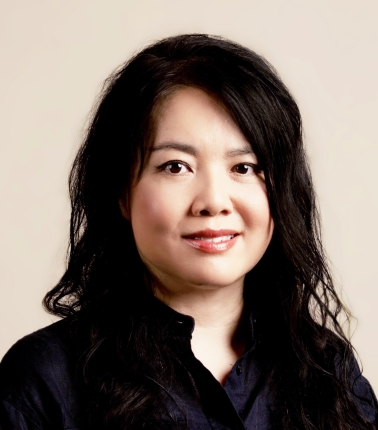
Yuemei Dong, PhD , is a Senior Research Associate at the Bloomberg School of Public Health, Johns Hopkins University, with primary affiliations in the Department of Molecular Microbiology and Immunology and the Johns Hopkins Malaria Research Institute. Her work focuses on molecular mechanisms of pathogen-mosquito interactions, leveraging CRISPR/Cas9 genome editing Gene drive technology Mosquito microbiota manipulation Immune pathway crosstalk Vector control strategies to combat malaria and arboviruses. Dr. Dong's research interests center on Mosquito innate immunity Host-pathogen molecular interactions Transgenic tools for disease suppression Microbiota-based interventions Gut-leaky transmission dynamics . She pioneered foundational work on mosquito microbiota's role in malaria defense, including her 2009 PLoS Pathogens study that catalyzed global research in this field. The 15 most recent articles highlight her contributions to Mosquito immune pathways Gene drive for malaria control Microbiota-pathogen interactions CRISPR/Cas9 applications Diagnostic tools for arboviruses Leaky gut-malaria links . Her work spans molecular discovery to field-deployable solutions like Chromobacterium biopesticides and aptasensor diagnostics. Dr. Dong's collaborations with malaria-endemic countries emphasize Community-based vector control Translational research Global health equity , aligning with integrated strategies for sustainable disease prevention.
Evelyne Selberherr is Assistant Professor specializing in microbiome research at the University of Veterinary Medicine Vienna. Her work applies 'One Health' principles to food systems, investigating microbial flows from farm-to-fork using metagenomics and bioinformatics. Projects include MASTER (microbiome product development) and MICRO-TRAMPER (student-led sequencing in food production). Research examines microbial interactions in dairy/meat processing, antimicrobial resistance, and rumen ecology. She teaches microbial ecology and bioinformatics while recruiting PhD candidates with microbiology backgrounds.
Dr Tony Nolan is an Honorary Senior Lecturer at Imperial College London's Faculty of Natural Sciences and currently serves as a Senior Lecturer in Vector Biology at the Liverpool School of Tropical Medicine. His work focuses on molecular biology approaches to disrupt mosquitoes' ability to transmit diseases, particularly malaria via Anopheles species. He leads research in genetic control strategies like CRISPR-Cas9 gene drives and transgenic mosquito development for sterile insect techniques. Research interests include genetics, public health, chemical sciences, biochemistry, ecology, and zoology with emphasis on mosquito genetics, insecticide resistance, and vector population dynamics. Nolan has contributed to groundbreaking studies on gene expression in Anopheles mosquitoes, Y chromosome evolution, and aminergic signaling disruption for pest control. His interdisciplinary work spans synthetic biology (via Imperial's Centre for Synthetic Biology) and collaborations through the Liverpool School of Tropical Medicine's Vector Biology group. Nolan maintains affiliations with the DoLS emeritus program and Imperial's Malaria Network. Labs/Teams: Active in Liverpool School of Tropical Medicine's Vector Biology unit and collaborates with Imperial College's malaria-focused initiatives.