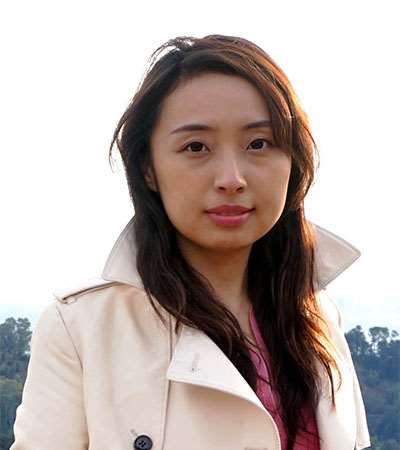
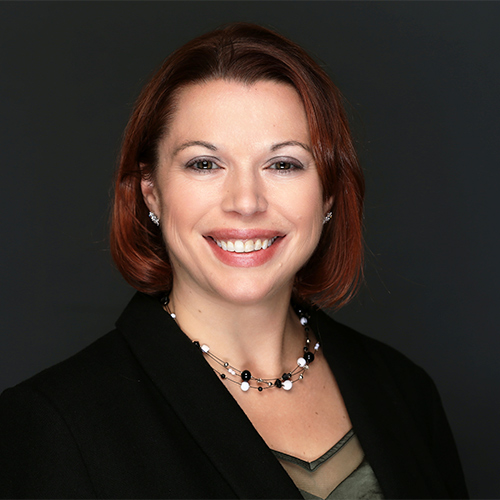
Doret Wouters (Research Officer) at Wageningen University and Research Centre specializes in plant breeding and molecular plant pathology. Key affiliations include: Plant Breeding Department, Wageningen University Collaborations with international institutions on potato resistance research Research focuses on plant-microbe interactions, particularly resistance mechanisms in Solanum species against pathogens like Phytophthora infestans and Alternaria solani , alongside insect resistance to Colorado potato beetle. Work integrates molecular biology, genetics, and biochemistry. Recent publications highlight trends in: Immune receptor evolution and diversification Natural resistance traits in wild potato relatives Role of glycoalkaloids in plant defense Effector-virulence dynamics in oomycete pathogens Datasets contributed include: Genome sequencing of Solanum commersonii BSR-Seq analysis for Alternaria resistance Receptor-like kinase/RLP enrichment pipelines
Jaakko Pohjoismäki is a Professor of Molecular Biology and Molecular Genetics at the University of Eastern Finland, affiliated with the Department of Environmental and Biological Sciences within the Faculty of Science, Forestry and Technology. His research focuses on mitochondrial biology, genetics, and biodiversity, with a particular emphasis on applying biomedical methods to study species diversity. He earned his Master’s degree from the former University of Joensuu and his PhD in Molecular Biology from the University of Tampere, followed by postdoctoral work at the Max Planck Institute for Heart and Lung Research in Germany. His key research interests include mitochondrial DNA maintenance, evolutionary biology, and the application of genomic tools to biodiversity studies. He leads research groups on Hare Research, Mitochondrial Biology, and Entomology. Notable achievements include compiling high-quality reference genomes for Finnish hares and advancing DNA sequencing methods for species inventory. He also holds a Docent title in Molecular Genetics from the University of Eastern Finland (2013). Pohjoismäki’s work bridges basic molecular mechanisms with ecological questions, such as understanding speciation through hybridization studies of hares and leveraging genomics to address biodiversity loss. His research integrates computational methods for large-scale data analysis, reflecting the rapid advancements in biological fields. He actively contributes to education, emphasizing the growing gap between secondary education and cutting-edge research skills. His laboratory focuses on interdisciplinary approaches, combining molecular techniques with ecological studies. Collaborations include projects like the European Reference Genome Atlas (ERGA) for species genomics. Beyond academia, he maintains strong ties to nature through hobbies like Finnish Spitz breeding and traditional hunting cultures, which inform his research perspectives.
Maria Carla Saleh is a Full Professor and Head of the Viruses and RNAi Unit at the Department of Virology, Institut Pasteur in Paris, France. She has held progressively senior positions at Institut Pasteur since 2008, advancing from Assistant Professor to her current role as Full Professor since 2020. She also serves as Co-director of the Pasteur-UCSF QBI Center of Excellence in Emerging Infectious Diseases and Co-director of the LabEx 'Integrative Biology of Emerging Infectious Diseases'. Her research focuses on understanding the virus-insect relationship, particularly why insects can tolerate viral infections that are deadly to humans. Using Drosophila melanogaster as a model organism, her lab investigates RNA interference pathways, viral persistence mechanisms, and innate immunity in insects with the goal of developing novel vector control strategies to prevent transmission of arboviruses like Dengue Fever to humans. Dr. Saleh's publications demonstrate strong focus on RNAi pathways in antiviral defense, viral persistence mechanisms in invertebrate hosts, and the ecological determinants of vector-borne disease emergence. Her work bridges fundamental molecular virology with translational applications for public health. Elected International Distinguished Fellow of the American Society of Tropical Medicine and Hygiene (ASTMH) EMBO Member Recipient of ERC Consolidator and Starting Grants Langevin Award from the French Academy of Sciences Pasteur Vallery-Radot Award Lucien Tartois Award from the Medical Research Foundation As an educator, Dr. Saleh has lectured in multiple MOOCs on Medical Entomology and Emerging Viruses, and regularly teaches at prestigious institutions including École Normale Supérieure, University of Strasbourg, and University of Buenos Aires. She serves on PhD committees and has been instrumental in promoting gender equality in science through various initiatives at Institut Pasteur.
Dr. Balazs Sarkadi is a Research Professor at Semmelweis University, Budapest, Hungary, and Head of the Membrane Biology Research Group at the Hungarian Academy of Sciences. His career spans institutions including the University of North Carolina at Chapel Hill (Fulbright Visiting Professor), the Hospital for Sick Children (Visiting Associate Professor), the University of Chicago (Research Associate), and the National Institute of Haematology and Blood Transfusion (Head of Department, Scientific Deputy Director). Research Professor, Semmelweis University (2008–present) Head, Membrane Biology Research Group (1996–present) Leadership roles at National Institute of Haematology and Blood Transfusion (1972–2008) His research focuses on biological membrane transport processes, particularly the ABC transporter family. Key areas include multidrug resistance in cancer, pharmacological modulation of transporters, stem cell differentiation, and gene therapy applications using ABCG2 mutants. He has developed diagnostic methods for ABC protein function and pharmacologically relevant compounds targeting drug transporters. Dr. Sarkadi has published over 140 papers, obtained four international patents, and supervised 14 PhD students. Recent work examines ABCG2's role in cancer resistance and stem cell function, with applications in drug development and gene therapy. His publications and patents reflect a strong emphasis on translational research. ABCG2 transporter in cancer and stem cells Drug resistance mechanisms Membrane transport assays Pharmacological compound development Gene therapy markers Scientific accolades include the Denis Gabor Award (2006), Ipolyi Arnold Award (2009), and memberships in the Hungarian Academy of Sciences (2004) and Academia Europaea (2005). He has held prestigious fellowships such as the Fulbright Senior Research Fellowship (2000) and Howard Hughes International Fellowship (1995–2004).
Professor Godfray Hugh Charles Jonathan serves as the Hope Professor in the Department of Zoology at the University of Oxford. His distinguished academic career spans over three decades with significant leadership roles including Director of the NERC Centre for Population Biology (1999-2006) and Head of the Division of Biology (2004-2006) at Imperial College London. He has established himself as a leading figure in ecological and evolutionary sciences with substantial contributions to both theoretical and applied aspects of his field. Research Expertise: Population and community ecology with emphasis on host-parasitoid systems Evolutionary biology of insect systems Entomology with focus on aphids, Drosophila, and vector insects Biodiversity informatics and taxonomic infrastructure Food security policy and sustainable agricultural systems Professor Godfray's scholarly work demonstrates a remarkable evolution from fundamental ecological research toward addressing pressing global challenges. His early career focused on theoretical aspects of parasitoid-host interactions, documented in his influential 1994 book "Parasitoids: Behavioural and Evolutionary Ecology." In recent years, his research has increasingly addressed food security challenges and vector-borne disease control, reflecting his commitment to applying ecological principles to real-world problems. His work on Wolbachia-based vector control strategies represents a significant contribution to malaria prevention efforts. Major Recognition: Elected Fellow of the Royal Society (2001) Awarded CBE in the New Year's Honours (2011) Recipient of the prestigious Linnean Medal (2011) President of the British Ecological Society (2009-2011) Foreign Member of the American Academy of Arts and Science (2009) Professor Godfray has played a pivotal role in science policy, chairing the Foresight Future of Food & Farming Project (2008-2010) and contributing to numerous government advisory committees. His research has secured substantial funding from major research councils and has directly informed policy decisions related to biodiversity conservation, food security, and vector control strategies. His leadership extends to editorial roles in prominent scientific journals and service on international scientific boards.
Annika Meinander is a Senior Lecturer in Biochemistry and Cell Biology at the Faculty of Science and Engineering, Åbo Akademi University. She leads research in the InFLAMES Flagship, focusing on inflammatory signaling regulation through ubiquitination. Her work integrates molecular mechanisms in Drosophila models to explore NF-κB pathways and intestinal inflammation. She holds a PhD and Docent title, contributing to over 35 peer-reviewed publications and securing grants from the Research Council of Finland and private foundations. Research Interests: Regulation of inflammatory signaling via ubiquitination NF-κB pathway dynamics in chronic inflammation and cancer Use of Drosophila as a model organism for immune system studies Nanoparticle-mediated drug delivery for intestinal targeting Recent Publications Highlight: Recent work emphasizes ubiquitin's role in sterile inflammation (2022-2024), LUBAC-AMPK interactions (2024), and Drosophila caspase functions in host-microbe interactions (2023). Articles often bridge cellular mechanisms with translational applications like diagnostic marker development. Awards: Recipient of the Harry Elvings legat (2020), Per Brahe Prize (2019), and Riddartecknet av Finlands Vita Ros’orden (2023). Active in hosting academic visitors and collaborating internationally.
Dr. Sung Joon Kim is an Assistant Professor in the Department of Chemistry at Howard University, part of the College of Arts & Sciences. He specializes in structural and functional analysis of bacterial cell walls using solid-state NMR and mass spectrometry. His research focuses on understanding antibiotic resistance mechanisms in pathogens like Staphylococcus aureus and Mycobacterium tuberculosis. Key projects include developing LC-MS techniques for peptidoglycan analysis and transmission-line probes for SSNMR. Dr. Kim holds a Ph.D. in Molecular Biophysics from Washington University in St. Louis and previously served as an Assistant Professor at Baylor University. His teaching philosophy emphasizes equipping students with research skills to address global health challenges. Education: B.Sc. in Physics, Calvin College M.S. in Physics and Biophysics, University of Toledo Ph.D. in Molecular Biophysics, Washington University in St. Louis Research Interests: Bacterial cell wall composition, antimicrobial agents, SSNMR applications, and drug development targeting Gram-positive pathogens. His lab investigates how bacteria modify peptidoglycan to evade antibiotics and human immune responses, with findings informing novel therapeutic strategies. Advising & Grants: Actively mentors students in experimental design and analytical techniques, though specific grant details are not provided. His work contributed to FDA approval of oritavancin through mechanistic insights into cell wall interactions. Labs/Teams: Leads the Kim Research Group at Howard University, collaborating on interdisciplinary projects combining biophysics and biochemistry. Visit his lab website for current projects.
Michael J. Bidochka is a Professor in the Department of Biological Sciences at Brock University. His research focuses on the dual roles of insect pathogenic fungi as endophytes and their symbiotic relationships with plants, particularly Metarhizium and Beauveria species. Studied molecular biology and population genetics of insect pathogenic fungi Discovered nitrogen transfer pathways from insects to plants via fungal endophytes Investigating plant immune responses to endophytic colonization Education Ph.D. in Applied Microbiology, University of Saskatchewan (1989) M.Sc. in Biology, University of Regina (1985) B.Sc. Hon. in Biology, Brock University (1981) His research has revealed previously unknown nutrient exchange mechanisms between plants and fungi, including carbon translocation and the discovery of insect-derived nitrogen transfer to plants. He has published extensively on topics like Metarhizium ecology, fungal antagonism against plant pathogens, and the evolutionary strategies of rhizospheric symbionts. Key collaborations include studies on plant tissue localization, soil nitrogen dynamics, and agricultural applications of fungal endophytes. His work has been published in journals such as Nature Communications , Science , and Trends in Plant Science .
Zhongyuan Chen, PhD, is an Assistant Professor in the Division of Biostatistics at the Medical College of Wisconsin (MCW). She holds a PhD in Statistics from Rice University and previously served as a Visiting Assistant Professor at Purdue University's Department of Statistics. Her research focuses on integrating statistical methodologies with biosciences, cancer genomics, and computational biology, emphasizing applications in personalized medicine, high-dimensional data analysis, and large-scale scientific computing. Dr. Chen collaborates extensively with cancer researchers at institutions like MCW Cancer Center, MD Anderson Cancer Center, and the IU School of Medicine. Her key research interests include statistical machine learning for treatment recommendation, causal inference, and cancer genomic data analysis. She has developed novel strategies for analyzing somatic mutations and germline variations, as well as improving eigenvalue solution algorithms for numerical computations. Dr. Chen's work bridges statistical theory with practical biomedical applications, particularly in oncology and precision medicine. Notable publications highlight her contributions to understanding mitochondrial genomic variants in transplantation outcomes, Hippo-YAP pathway regulation in bone metastasis, and metabolic subtypes in cancers. She actively seeks motivated students and postdocs for collaborative research projects, emphasizing interdisciplinary approaches to biomedical challenges. Teaching responsibilities include courses in biostatistical computing and statistical quality control.
Dr. Kristen Krupa is the Dr. and Mrs. Charles R. Wilke Distinguished Professor and Chair in Chemical and Materials Engineering at the University of Dayton's School of Engineering. She also serves as Director of the Materials Engineering program and the Bioengineering Graduate Program. Her research focuses on nanomaterial-biological interactions, cellular models, and translational biomedical applications. She holds a Ph.D. from North Carolina State University (2007), an M.S. from the same institution (2006), and a B.Cm.E. from the University of Dayton (2002). Key research areas include development of advanced in vitro models to bridge laboratory-to-clinical gaps, evaluation of nanomaterial-induced inflammatory responses, and characterization of nanoparticle behavior under physiological conditions. Her work integrates engineering principles with biology to address challenges in nanotoxicology and biomedical nanotechnology. Awarded the NSF CAREER Award and University of Dayton Alumni Scholarship award, her contributions span academic and applied research. She teaches courses in thermodynamics, transport phenomena, and bioengineering fundamentals, and actively mentors students through the Bioengineering Graduate Program. Dr. Krupa directs the Cellular Evaluation of Bioengineering Applications Lab, advancing interdisciplinary research in materials science and biomedical engineering. Professional activities include certifications in academic coaching and leadership roles in organizations like AIChE and MRS. Her research has led to innovations in bacteriophage therapy, nanomaterial sensor development, and understanding nanoparticle-cellular interactions in dynamic physiological systems.
Michelle Flenniken is an Associate Professor in the Department of Plant Sciences & Plant Pathology at Montana State University's College of Agriculture and a core faculty member of the Pollinator Health Center. Her research program integrates molecular virology, genetics, and host-pathogen dynamics with a primary focus on honey bee health and secondary work on potato-virus interactions. Education: Ph.D. in Microbiology, Montana State University (2006) Postdoctoral Fellowship in Microbiology & Immunology, University of California San Francisco (2012) B.S. in Biology (Chemistry minor), University of Iowa (1998) Her research investigates five interconnected domains: (1) RNA-triggered antiviral defense mechanisms in honey bees, (2) pathogen monitoring and discovery related to colony collapse disorder, (3) pathogenesis of Lake Sinai viruses, (4) microbiome-metabolome-transcriptome influences on immune responses, and (5) sublethal effects of agrochemicals on pollinator health. Collaborative work with Dr. Nina Zidack explores Potato virus Y resistance mechanisms in potato cultivars, bridging apicultural and agricultural pathology. Analysis of her 15 most recent publications (2020-2025) reveals dominant research trajectories in honey bee antiviral immunity, with growing emphasis on asymptomatic infections, environmental stressors, and cross-species viral transmission. Key methodological approaches include transcriptomics, metatranscriptomics, and in vitro cell culture models, while plant virology contributions focus on potato cultivar resistance and detection assays. Scientific Awards: State of the Art Speaker, American Society of Virology (2015) Dr. Flenniken actively mentors 4 current graduate students and has supervised 7 PhD/Masters graduates since 2016. Her lab secures substantial funding through competitive grants including NSF CAREER awards, Binational Science Foundation projects, and Montana Department of Agriculture initiatives targeting honey bee health and potato virus diagnostics. Current grants examine virus-nutrition interactions, antiviral agent efficacy, and PVY detection advancements. The Flenniken Lab operates from the Plant Biosciences Building and maintains MSU's Pollinator Garden and Honey Bee Research Site, established in 2012. Her team collaborates with USDA-ARS, international researchers, and beekeeping associations while contributing to national virology education standards through editorial roles at 'Viruses' and 'Apidologie'.
Marco Brustolin is a Senior Researcher at the Institute of Tropical Medicine (ITM) in Antwerp, Belgium. He holds a MSc in Advanced Biotechnology from Universitat Autònoma de Barcelona (2013) and a PhD in Animal Medicine and Health from the Centre de Recerca en Sanitat Animal (Spain). His research focuses on vector competence of mosquitoes for arboviruses like West Nile, Rift Valley fever, Chikungunya, dengue, and Mayaro viruses, as well as SARS-CoV-2 pathogenesis. He investigates viral dynamics in vectors and host-vector interactions. Key projects include the CLIMB initiative (2023-2026), funded by the Flemish Government, exploring climate change impacts on biodiversity and health interfaces. His work bridges entomology, virology, and public health, with a focus on emerging pathogens and vector control strategies. Recent research highlights include studies on Mayaro virus transmission potential in European mosquitoes, Wolbachia effects on alphavirus infections in Aedes aegypti, and antiviral efficacy in animal models. He collaborates internationally, contributing to over 18 peer-reviewed publications since 2016.
Rob Graham is a Reader (equivalent to Associate Professor) at Scotland's Rural College, leading research on sustainable land-use systems. He holds a PhD in Insect Ecology from Oxford Brookes University and a PGCert in Higher Education. Research Themes: Sustainable cropping systems and food security optimization Host-diet-immunity interactions in disease transmission Ecological pest control strategies Baculovirus-insect host dynamics Education: PhD (Oxford Brookes), PGCert in Teaching & Learning (Harper Adams University), BSc Zoology (Imperial College London). Current projects examine how agricultural efficiency and technology can balance food production with environmental sustainability.
Dr. Anna Forsman is an Assistant Professor in the Department of Biology at Colby College, specializing in ecological immunology. She leads the Wild Symbioses Lab , focusing on how vertebrate immune systems function in natural environments, particularly in birds. Her research integrates immunology, microbiology, and life history theory to study host-microbe interactions, with study systems including purple martins, tree swallows, and Florida scrub jays. Dr. Forsman teaches Immunology and Ornithology . Her work explores symbiotic relationships between animals and microorganisms, addressing questions about microbiome dynamics, disease ecology, and conservation genetics. She actively establishes field sites, such as tree swallow nest boxes, to study avian behavior and health in natural settings. Her publications emphasize eco-immunological approaches, including DNA metabarcoding for diet analysis, microbial community impacts on host immunity, and population viability modeling. While no scientific awards are explicitly mentioned, her research contributes significantly to avian and marine conservation biology. Dr. Forsman collaborates with students on field projects and lab work, emphasizing hands-on learning. The Wild Symbioses Lab’s interdisciplinary approach bridges microbiology, ecology, and evolutionary biology, aiming to understand symbiotic relationships in wild vertebrates.
Dr. Amy Toth is a Professor at Iowa State University, holding joint appointments in the Departments of Ecology, Evolution and Organismal Biology and Plant Pathology, Entomology, and Microbiology. She serves as Chair of the Graduate Program in Ecology and Evolutionary Biology. Her research focuses on social insect biology, particularly bees and wasps, integrating ecology, evolution, behavior, physiology, and genomics to study sociality and pollinator health. Education includes a B.A. in Biology from Bard College (2000) and a Ph.D. in Ecology and Evolution from the University of Illinois (2006). She leads the Toth Lab of Integrative Insect Sociobiology, which explores topics like comparative genomics of Hymenoptera, mechanisms of social behavior, and pollinator health in agroecosystems. Current projects address bumblebee declines, habitat influences on bee health, and genomic approaches to understanding social evolution. Teaching includes courses on animal behavior, advanced genetics, and beekeeping. Research has been supported by grants focusing on genomic evolution and environmental impacts. Her work emphasizes interdisciplinary collaboration, particularly in agroecology and conservation biology.