André Bueno Gama is Assistant Professor in the Department of Plant Pathology and Crop Physiology at Louisiana State University's College of Agriculture. He specializes in applied and fundamental research on sugarcane diseases affecting Louisiana's agricultural industry. Education: PhD in Plant Pathology, University of Florida (2021) MSc in Plant Pathology, University of São Paulo (2017) BS in Agronomy, University of São Paulo (2015) Dr. Gama's research focuses on the etiology, epidemiology, and management of economically significant sugarcane diseases including red rot, smut, Sugarcane Yellow Leaf Virus, mosaic virus, and ratoon stunt disease. His program employs interdisciplinary approaches with breeders and entomologists to develop integrated disease management strategies. His recent publications (2008-2023) demonstrate expertise in disease management systems, fungicide efficacy, molecular diagnostics, and decision-support tools for crop protection. Research emphasizes practical applications for sugarcane, citrus, strawberry, and turfgrass production systems. Dr. Gama teaches PLHL 7083 (Epidemiology and Crop Loss Assessment), training graduate students in disease dynamics, prediction models, and management strategies. His extension program monitors disease outbreaks and delivers timely solutions to Louisiana growers.
Dr. Robert M. Kotin is a Professor at the UMass Chan Medical School within the Department of Genetic and Cellular Medicine . With a career spanning over three decades, Dr. Kotin has established himself as a leading expert in adeno-associated virus (AAV) biology and gene therapy vector development.
Gemma Atkinson is an Associate Professor at Lund University's Faculty of Medicine, leading the Atkinson Lab. She specializes in protein evolution and bioinformatics, focusing on antibiotic resistance, bacteriophages, and toxin-antitoxin systems. She manages LU-Fold, an infrastructure for high-throughput protein structure prediction using AlphaFold. Her research integrates computational tools with experimental methods to uncover microbial defense mechanisms. Key projects include developing bioinformatics tools (e.g., LoVis4u, webFlaGs) and investigating phage defense systems. She leads grants from the Swedish Research Council and the Knut and Alice Wallenberg Foundation. Her lab collaborates internationally, contributing to UN Sustainable Development Goals on health and innovation. Publications highlight advancements in toxin-antitoxin systems, antimicrobial peptides, and ribosome function. The lab's tools are widely used globally, aiding researchers in structural and functional genomics analysis.
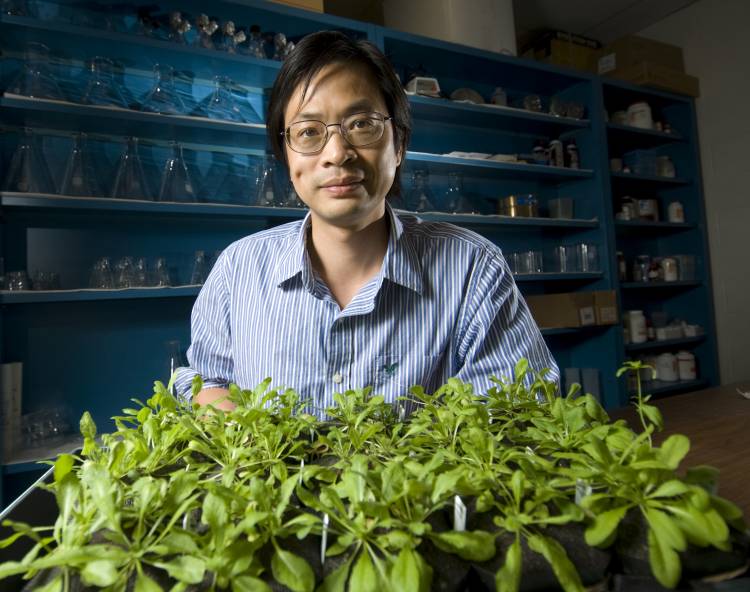
Sheng Yang He is the Benjamin E. Powell Distinguished Professor of Biology at Duke University, with joint appointments in Cell Biology. He leads the He Lab, focusing on molecular mechanisms of plant immunity against microbial pathogens, particularly the interplay between host-microbe interactions and environmental factors like climate change. His research bridges plant pathology, microbiology, and systems biology. Education: PhD in Plant Pathology from Cornell University (1991), followed by faculty roles at the University of Kentucky and Michigan State University (1995–2020) before joining Duke in 2020. He is a Howard Hughes Medical Institute Investigator (2011–2024) and a member of the U.S. National Academy of Sciences (2015). Research Interests: Host defense mechanisms, bacterial effector proteins, stomatal immunity, microbiome dynamics, and climate resilience in crops. Recent work addresses how temperature and humidity influence plant-pathogen interactions and microbiome composition. Grants & Awards: Received HHMI funding renewal (2024–2031), Clarivate Highly Cited Researcher (2021–2024), and recognition for pioneering studies on Pseudomonas syringae pathogenesis and Arabidopsis immunity. His lab has produced over 200 peer-reviewed articles. Advising & Mentoring: Guided over 20 PhD students and postdocs, many of whom now lead academic or industrial research groups. Notable advisees include Brad Paasch (Sandia National Labs), Jonghum Kim (POSTECH), and Li Zhang (Soochow University). Labs & Teams: The He Lab at Duke collaborates with institutions globally, focusing on interdisciplinary approaches to combat crop diseases. Current projects include engineering climate-resilient plant immunity and microbiome-based disease prevention strategies.
Theodore J. Brummel is an Associate Professor of Biology in the College of Liberal Arts and Sciences at Long Island University. He is actively engaged in academic and research activities within the Department of Biology. Education: B.A., Transylvania University Ph.D., University of California, Irvine His primary research interests include the Genetics of Aging , Molecular Genetics of Drosophila Development , Symbiosis , and Immunity and Aging . His work leverages model organisms such as Drosophila to investigate fundamental biological processes related to lifespan, development, and host-microbe interactions. The published articles reflect a strong focus on interdisciplinary research at the intersection of genetics, microbiology, and aging. Key themes include the role of exogenous bacteria in lifespan modulation, feeding behavior analysis in Drosophila, immune system changes during aging, and molecular tools for wildlife conservation genetics. Scientific Contributions: Co-authored research published in Proceedings of the National Academy of Sciences (PNAS) Contributions to molecular ecology through microsatellite development Research bridging molecular biology and organismal aging Dr. Brummel advises students and contributes to academic leadership as Chair of the Biology Department. Although specific grants and student advisees are not listed, his publication record suggests active mentorship and externally funded research. He is associated with no specialized lab or team name in the provided text.
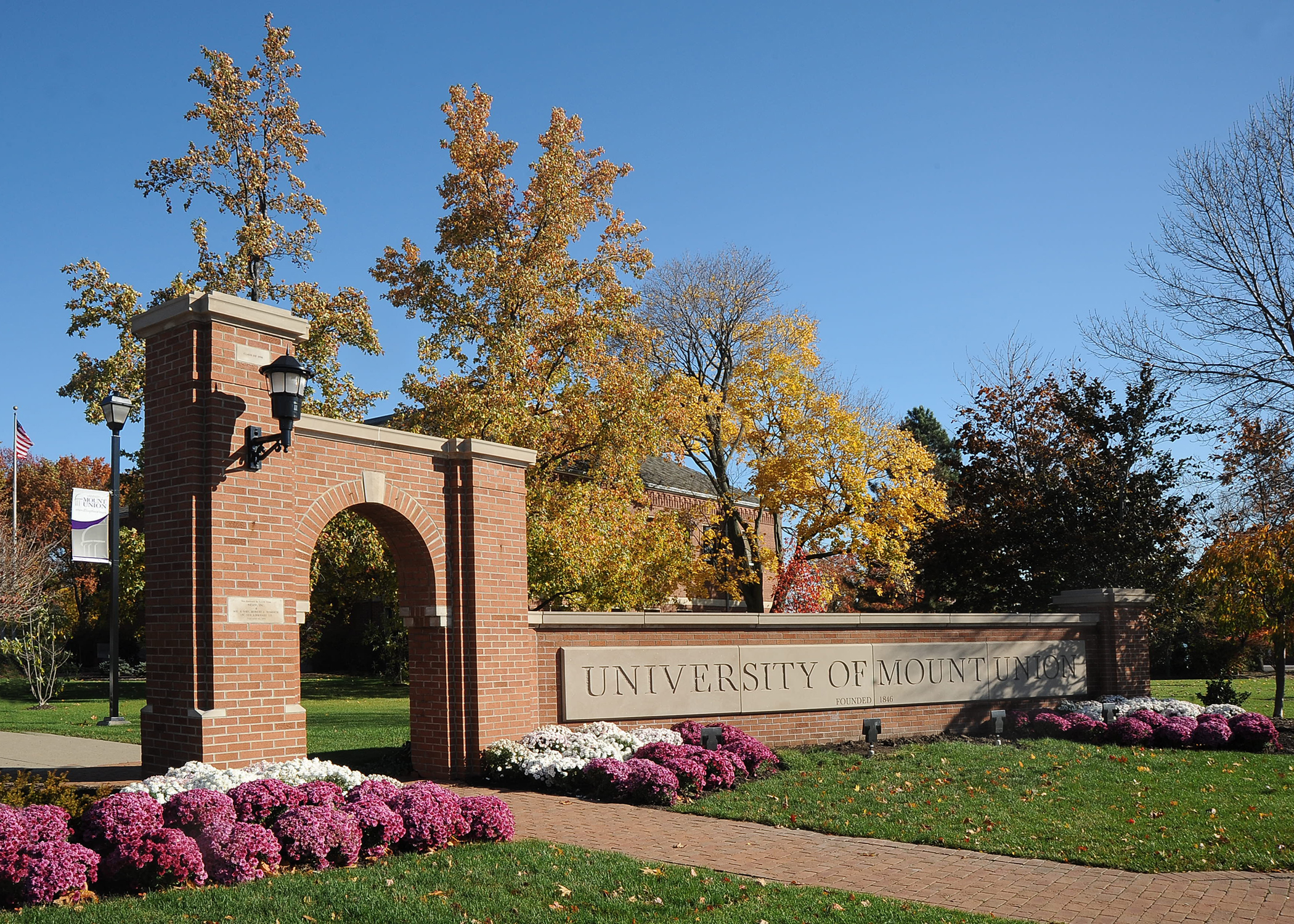
Dr. Colin Campbell serves as an Associate Professor of Physics and Astronomy within the Biochemistry, Chemistry, and Physics Department at the University of Mount Union. He also coordinates the university's data science program, bridging physics and interdisciplinary data-driven research. His teaching portfolio includes foundational courses such as General Physics II, Modern Physics, Thermodynamics and Statistical Mechanics, and Data Science Fundamentals, emphasizing active student engagement and collaborative learning environments. Campbell's research centers on complex systems and network science, applying computational and theoretical physics to diverse domains including ecology, cellular biology, and neuroscience. He investigates phenomena like electrical grid failures, immune system dynamics, and ecological community resilience through network topology and graph theory. His work often involves modeling biological networks using Boolean dynamics to understand emergent behaviors and system stability. Analysis of Campbell's recent publications (2015-2024) reveals a consistent focus on network-based modeling across disciplines. Key themes include plant-pollinator network robustness against species invasions, control strategies for complex networks, and medical physics applications like proton beam therapy optimization. His interdisciplinary collaborations span ecology, neuroscience, and oncology, highlighting the unifying power of network science in solving complex real-world problems. While no specific scientific awards are listed in available sources, Campbell actively mentors undergraduate students, co-authoring publications with them on topics ranging from ecological networks to medical physics. He champions active learning and maintains an 'open door' policy, fostering strong student-faculty interactions both inside and outside the classroom. The Biochemistry, Chemistry, and Physics Department at Mount Union provides research opportunities through faculty-led projects and student organizations. Campbell encourages student involvement in computational physics and data science initiatives, promoting a collaborative and supportive academic environment where students can explore their interests.
Dr. Sharon Kessler is a Lecturer in Psychology at the University of Stirling's Faculty of Natural Sciences. She holds a PhD from Arizona State University (2014) and completed postdoctoral fellowships in computational modeling (McGill University), virology (Leibniz Institute), and disease signaling (Durham University). Her research integrates disease ecology and animal cognition, emphasizing the One Health framework to study how animal health perceptions influence disease transmission dynamics. Key interests include the evolution of human healthcare networks, behavioral defenses against pathogens, and conservation biology. Education: PhD, Arizona State University, 2014 Postdoctoral Fellowships: McGill University (Canada), Leibniz Institute (Germany), Durham University (UK) Research Interests: Role of cognition in disease avoidance behaviors Evolution of human care-giving strategies Parasite-microbiome interactions in lemurs Zoonotic disease surveillance Social structures and health signaling in primates Collaborations: Royal Zoological Society of Scotland Behavior and Evolution Research Group Cognition in Complex Environments Initiative Advising: Open to mentoring students on topics like healthcare networks, primate behavior, or conservation genetics. Contact via email for project discussions.
Adam Gregory Dolezal is an Associate Professor in Entomology at the University of Illinois Urbana-Champaign and an affiliate at the Carl R. Woese Institute for Genomic Biology. His research focuses on understanding how environmental stressors—such as nutrition, pesticides, pathogens, and landscape composition—affect honey bees and wild bees in agroecosystems. He employs interdisciplinary approaches including genomics, landscape ecology, and physiology to study pollinator health and decline drivers. Education: PhD (2012, Arizona State University) and B.S. (2006, University of Illinois Urbana-Champaign). Honors include the Insects Young Investigator Award (2022) and recognition as an excellent instructor (2019). Research interests emphasize viral infections, pesticide impacts, and dietary influences on bee health. His work highlights interactions between multiple stressors and their cumulative effects. Recent studies explore solutions like agrivoltaic systems and native vegetation integration to mitigate agricultural pressures. Awards include the Insects Young Investigator Award and teaching excellence. His lab focuses on applied research to improve pollinator resilience, with collaborations in conservation biology and sustainable agriculture.
Romain Libbrecht is a CNRS Research Fellow at the University of Tours, France, affiliated with the Research Institute on Insect Biology (IRBI) under the UFR of Sciences and Techniques. Previously, he held positions as an Assistant Professor at the University of Mainz and conducted postdoctoral research internationally. His research focuses on understanding phenotypic plasticity and division of labor in social insects, particularly ants, integrating evolutionary biology, behavioral ecology, molecular biology, and epigenetics. Education highlights include a PhD from the University of Lausanne (2012), a Master’s from the University of Rennes (2007), and research internships at the University of Reading (2005-2006). His work explores how environmental and social factors influence ant behavior, physiology, and gene expression through multi-disciplinary approaches. Research interests emphasize the molecular mechanisms underlying caste differentiation, task specialization, and social organization. Key findings include the role of transcriptional activity in response to queen loss, the impact of worker diversity on colony productivity, and sensory-driven division of labor via odorant receptors. His articles consistently investigate insect social systems, with recent work focusing on invasive ant species and the interplay between parasite load and host physiology. No notable awards are listed, but his contributions to ant genomics and epigenetics have advanced understanding of social evolution. Lab affiliations include the IRBI, where he collaborates on projects bridging ecology and molecular biology. No specific grants or advising roles are detailed, but his transcontinental academic journey reflects a commitment to global scientific collaboration.
Dr. Kyle Koch serves as an Associate Extension Educator in the Department of Entomology at the University of Nebraska-Lincoln's College of Agricultural Sciences and Natural Resources. His 100% Extension appointment focuses on field crops entomology, with expertise in insect ecology, pest management, and plant-insect interactions. Dr. Koch plays a key role in Nebraska Extension's statewide issue teams, developing educational programs and resources for agricultural stakeholders across the state. Dr. Koch's educational background includes: B.S. in Biology from Creighton University, Omaha, NE (2009) M.S. in Entomology from University of Nebraska-Lincoln (2013) Ph.D. in Entomology from University of Nebraska-Lincoln (2017) Dr. Koch's research centers on insect-plant interactions, particularly focusing on aphid pests in agricultural systems. His work examines the molecular, biochemical, and behavioral aspects of how insects interact with host plants, with special emphasis on switchgrass, sorghum, and soybean systems. He investigates plant defense mechanisms against aphids, including constitutive and inducible resistance, as well as plant tolerance strategies. His research integrates molecular biology, biochemistry, and behavioral ecology to develop sustainable pest management approaches for agricultural systems. Analysis of Dr. Koch's publication record reveals a strong focus on aphid-plant interactions across multiple crop systems, with particular expertise in electrical penetration graph (EPG) technology for studying insect feeding behavior. His work spans molecular mechanisms of plant defense, behavioral ecology of insect pests, and applied pest management strategies. A significant portion of his research involves switchgrass as a bioenergy crop and its interactions with cereal aphids, reflecting both fundamental and applied research interests. Dr. Koch has received numerous awards and honors throughout his career: North American Colleges and Teachers of Agriculture Graduate Student Teaching Award of Merit (2016) Dean's Fellowship, University of Nebraska-Lincoln (2015) Milton E. Mohr Research Fellowship, University of Nebraska-Lincoln, Center for Biotechnology (2014) Milton E. Mohr Teaching Fellowship, University of Nebraska-Lincoln, Center for Biotechnology (2014) Milton E. Mohr Teaching Fellowship, University of Nebraska-Lincoln, Center for Biotechnology (2012) North Central Branch Meeting of the Entomological Society of America, Student Competition, Oral 10-minute paper (1st Place) (2012) President's Prize Student Competition at the Annual Meeting of the Entomological Society of America (2011) As an Extension Educator, Dr. Koch leads and innovates Nebraska's identification, surveillance, and mapping of invasive and threatening arthropod species, particularly those of economic importance. He trains extension personnel, UNL students, faculty, and staff in new insect diagnostic technologies and engages Nebraskans in citizen science projects focused on invasive species. His professional responsibilities include developing rapid and innovative insect diagnostics and providing state-wide leadership in entomology extension programming. Dr. Koch is an active member of the Entomological Society of America (ESA) and collaborates with researchers across multiple institutions on projects related to insect-plant interactions and pest management. His work often involves interdisciplinary teams combining expertise in entomology, plant science, molecular biology, and agricultural extension.
Jeremy Brownlie is an Associate Professor of Genetics and Evolution at Griffith University's School of Environment and Science, specializing in symbiotic bacteria like Wolbachia and their impact on insect biology. He leads research initiatives addressing insect-borne disease control, agricultural pest management, and human evolution through genomic studies of ancient Australasian populations. His roles include Director of the Griffith Sciences Partnerships Office and Deputy Head of his school, emphasizing external collaborations and policy advocacy. Brownlie holds a PhD from ANU and has secured significant grants, including ARC Discovery Projects, focusing on Wolbachia's antiviral mechanisms and biosecurity applications. His work bridges molecular biology, applied entomology, and human evolutionary studies, with active involvement in science policy through the National Science and Technology Council. Educations: PhD in Genetics, Australian National University (2003) BSc (Hons) in Biological Sciences, Australian National University (1996) Research Interests: Symbiont biology, pest control strategies, Wolbachia-mediated antiviral protection, and genomic analysis of human migration in Southeast Asia/Australia. Key Collaborations: Australian Research Centre for Human Evolution, Environmental Futures Research Institute, and international agricultural agencies. Grants: Over $1.5M in funding from ARC, Griffith University, and industry partners for projects on Wolbachia, biofilm diagnostics, and pest control technologies. Professional Roles: President of Science & Technology Australia (2019–2021), Board Member of the National Science Council, and leader in STEM policy advocacy. Advisory Work: Supervised over 20 PhD/MSc students on topics ranging from Wolbachia genetics to antimicrobial resistance and bioinformatics. His laboratories focus on innovative solutions for global challenges in food security, disease control, and sustainable biotechnology, with interdisciplinary approaches combining genomics, entomology, and clinical microbiology.
Colin Ruprecht is a Researcher at the Institute of Organic Chemistry , part of the University of Natural Resources and Life Sciences, Vienna (BOKU) . His career spans roles at prestigious institutions including the Max Planck Institute of Colloids and Interfaces and the Max Planck Institute of Molecular Plant Physiology . Ruprecht holds a PhD in Molecular Plant Physiology from the Max Planck Institute and a Diploma in Biology from Georg-August University of Göttingen. His research focuses on organic synthesis of carbohydrates , plant cell wall biochemistry , and glycosyltransferase characterization . He utilizes chemoenzymatic methods to create synthetic plant polysaccharide fragments for studying enzyme-substrate interactions and has developed glycan array technologies for high-throughput analysis of carbohydrate modifications. Ruprecht's publications highlight expertise in synthetic carbohydrate chemistry , plant glycan analysis , and cell wall dynamics . Key contributions include methodologies for producing azido-modified sugar nucleotides , defined arabinoxylan structures , and tools for enzyme active site mapping . His work bridges chemical synthesis, structural biology, and plant physiology to advance understanding of biomass composition and modification.
Professor Alfredo Castello is a Professor in Systems Virology at the MRC-University of Glasgow Centre for Virus Research within the Institute of Infection, Immunity and Inflammation at the University of Glasgow's College of Medical, Veterinary and Life Sciences. With an active research program and numerous recent publications, he leads the Castello Lab which focuses on understanding RNA-binding proteins in virus infection. Castello's research interests center around the critical role of cellular RNA-binding proteins (RBPs) in viral infections. His work reveals how viruses exploit host RBPs for replication while cells utilize RBPs as part of their antiviral defense. His lab employs innovative approaches to discover cellular proteins that interact with viral RNA during infection, combining cell and molecular biology, RNA biology, virology, and 'omic' technologies to understand host-virus interactions at a systems level. Analysis of Castello's recent publications shows a strong focus on RNA-protein interactions in viral infections across multiple viral systems including alphaviruses, HIV-1, SARS-CoV-2, and other RNA viruses. His work spans from fundamental RNA biology to translational applications, with particular emphasis on identifying host factors that could serve as targets for broad-spectrum antivirals. ERC consolidator Grant: Towards the discovery of cellular RNA-binding proteins with master regulatory roles in virus infection (2021-2026) MRC Career Development Award: Proteome-Wide Identification of RNA-Binding Proteins Playing Critical Roles in Virus Infection (2021-2022) Marie Curie postdoctoral fellowship: Structural basis of TRIM25 and RIPLET mediated antiviral response (2023) Castello actively supervises multiple PhD students and postdoctoral researchers in the Castello Lab, including Rozeena Arif, Namah Raut, Innes Jarmson, and others. His research group receives substantial funding through multiple grants including RBP-ReguNet (2023-2027) and Understanding the Roles of Cellular RNA-Binding Proteins in HIV-1 Infection (2023). The lab maintains active collaborations both within the University of Glasgow and with external institutions worldwide. The Castello Lab operates as a multidisciplinary research unit combining expertise in molecular virology, cellular biology, RNA biology, and computational approaches. The group has developed innovative methods for identifying RNA-binding proteins in cells, representing significant breakthroughs in understanding protein-RNA interactions during viral infection.
Milan Rajković is a Lecturer at the Department of Parasitology, Faculty of Veterinary Medicine, University of Belgrade. His academic position as asistent (assistant) indicates his role in teaching and research within the parasitology field. His work spans multiple areas of veterinary parasitology with significant contributions to understanding parasite-host interactions and developing alternative treatments. Dr. Rajković's research interests focus on molecular parasitology, particularly examining DNA damage related to parasitic infections using the Comet assay. He has extensive work on honey bee pathogens, canine dirofilariasis, poultry parasites, and wildlife parasitology. His publications reveal strong expertise in alternative anthelmintic compounds including essential oils like carvacrol and natural extracts from mushrooms. His publication record shows consistent output with research spanning from 2019 to 2025, demonstrating active engagement in multiple collaborative projects. The research trends indicate a strong focus on molecular methods for parasite detection, alternative treatments for parasitic diseases, and the genotoxic effects of both parasites and potential treatments. Dr. Rajković maintains active collaborations with researchers across Serbian veterinary institutions, particularly with Zoran Stanimirović, Uroš Glavinić, and Marko Ristanić. His work appears in reputable journals including Insects, Veterinary Parasitology, and Acta Veterinaria-Beograd, demonstrating his standing in the veterinary parasitology community.
Anas Cherqui is an Assistant Professor at the University of Picardie Jules Verne, where he serves in the Department of Life and Earth Sciences within the Faculty of Sciences. With his HDR (Habilitation à Diriger des Recherches) qualification, he has been actively contributing to entomological research and teaching since at least 2006. His academic career includes significant administrative roles such as Co-Director of the Life and Earth Sciences Degree (2010-2018) and Co-manager of the Agroecology Course since 2018. Dr. Cherqui's research focuses on insect physiology, particularly plant-aphid interactions, protein biochemistry, and host-parasitoid relationships. His work explores how insects interact with their host plants, the molecular mechanisms of plant defense responses, and the identification of proteins with potential agricultural applications. His research has evolved to include investigating parasitoid wasp venoms for potential therapeutic applications, particularly in cancer treatment. His publication record shows consistent productivity with research spanning electropenetrography (EPG) studies of aphid feeding behavior, molecular analysis of salivary proteins, plant defense mechanisms, and the biochemical characterization of insect immune responses. Recent work has focused on pea aphid resistance mechanisms, plant manipulation strategies by aphids, and the potential medical applications of hymenopteran venoms. Dr. Cherqui has secured multiple competitive research grants including ANR projects, regional council funding, and SATT-NORD initiatives totaling over €200,000 in project leadership. His research has practical applications in developing alternative pest control strategies and understanding plant-insect coevolution. As an educator, he teaches entomology, insect immunity, and innovative agrosystems at the Master's level, and fundamental immunology, cell biology, and insect biology at the Bachelor's level. He has co-supervised multiple PhD students working on topics related to aphid-plant interactions and parasitoid virulence mechanisms.