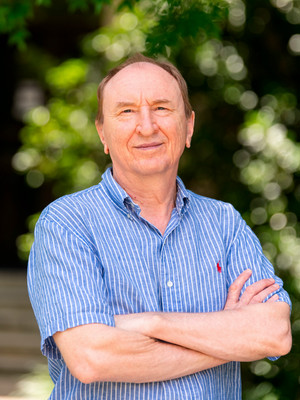
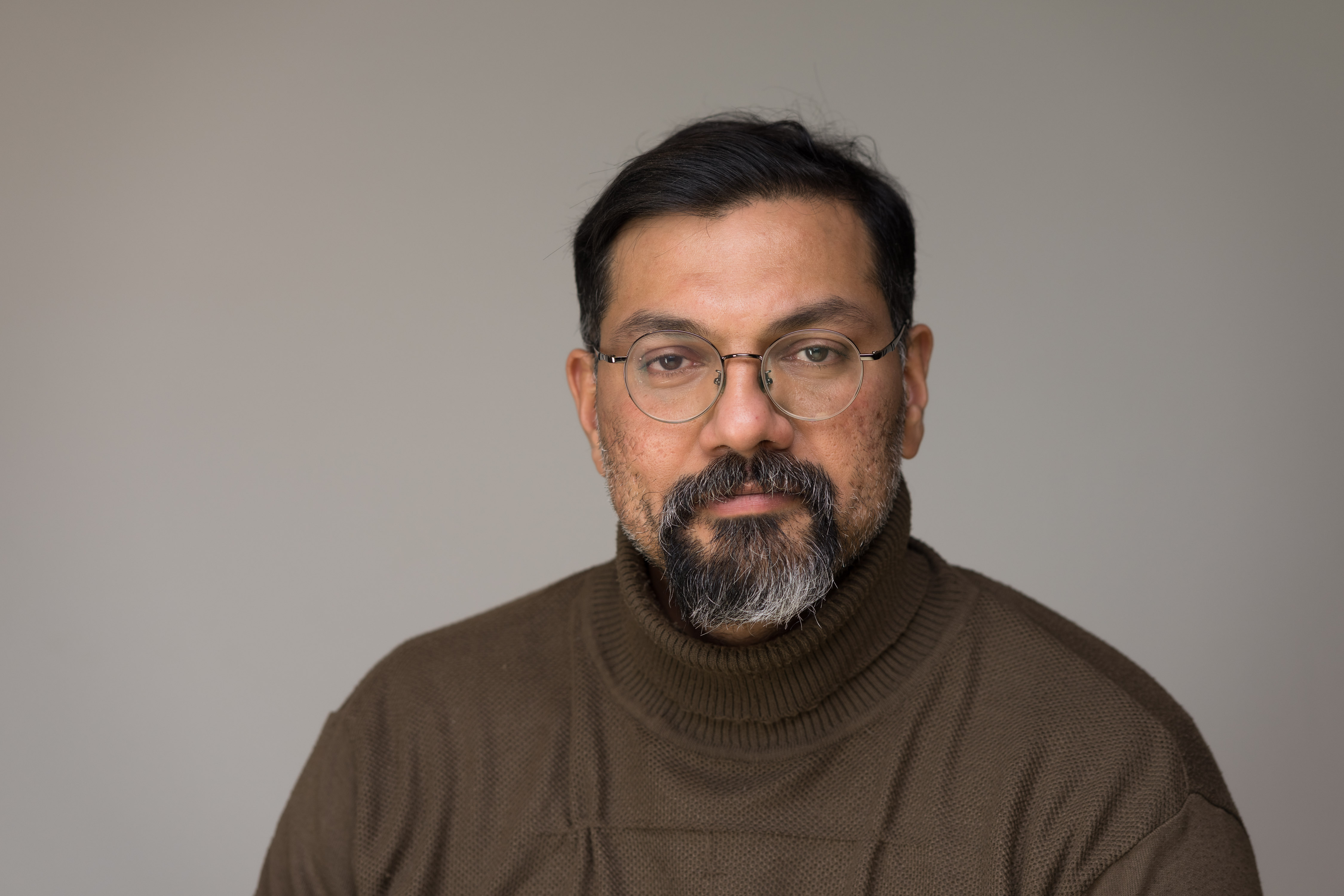
Dr. Konstantin Kornev is a Professor in the Department of Materials Science and Engineering at Clemson University. He previously held roles at the Russian Academy of Sciences and the Textile Research Institute in Princeton. His research focuses on bio-inspired materials, particularly arthropod fluidic systems and complex fluids. Education: PhD in Physics and Mathematics (Kazan State University, 1988), M.S. in Mechanics and Mathematics (Kazan State University, 1983). Research Interests: The AIMS Lab studies insect-inspired materials, including proboscis self-assembly, blood clotting mechanics, and nanocomposite development. Key areas include fluid dynamics in biological systems, biomaterials engineering, and micro/nanofluidics. Awards: Founder's Award of the Fiber Society (2018) Theodore von Karman Fellow (2017) His work bridges biological systems with engineering innovations, leveraging evolutionary adaptations to design advanced materials and medical devices.
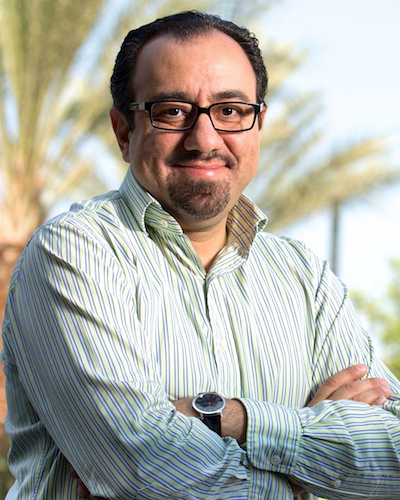
Sam Behseta is a Professor of Statistics at California State University, Fullerton (CSUF), and a Fellow of the American Statistical Association. He serves as Director of the Center for Computational and Applied Mathematics (CCAM). He holds a PhD from Carnegie Mellon University, an MS from San Diego State University, and a BS from Tehran National University. His research focuses on Bayesian Statistics, Neuroscience, Biostatistics, Probabilistic Watermarking, and Education Data Modeling, with a strong emphasis on interdisciplinary applications. Recent scholarly work includes advancements in Bayesian modeling for neuroscience, innovations in GNSS technology, and educational initiatives to enhance data science training. His publications reflect collaborations across fields like telecommunications, immunology, and public health. Behseta has contributed to editorial roles for the CHANCE journal and the development of integrated research programs between CSUF and UC Irvine. Education: PhD, Carnegie Mellon University MS, San Diego State University BS, Tehran National University Research interests span statistical methodology, neuronal data analysis, and the integration of statistical education with modern computational tools. His work often addresses practical challenges in signal processing, satellite systems, and disease modeling, such as pulmonary coccidioidomycosis. Awards: Fellow of the American Statistical Association Behseta has directed grants supporting interdisciplinary initiatives, including the Big Data Science Training Program at a Minority Serving Institution. He actively promotes collaborations through CCAM and has advised on curriculum development for dual-language education programs in science and mathematics. He is affiliated with CSUF’s Department of Mathematics and leads the CCAM, fostering research in applied mathematics and computational methods. His professional network includes prominent statisticians like Hal Stern and Robert Kass, reflecting his role as an interviewer and collaborator in the field.
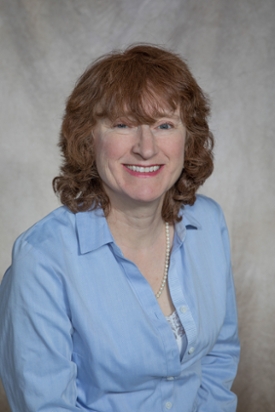
Catherine Brennan is an Associate Professor in the Biological Sciences department at California State University, Fullerton. Her research focuses on innate immunity and cellular biology, using Drosophila as a model organism to study phagocytosis, blood cell function, and immune responses. She teaches courses including Cellular Basis of Life and Immunology. Education: PhD, University of Southern California MS, University of Southern California BA, Williams College Research Interests: Dr. Brennan investigates the genetic and cellular mechanisms underlying immune defenses, particularly phagosome maturation and microbial killing by white blood cells. Her work combines microscopy, biochemistry, and molecular genetics to dissect processes like phagocytosis and inflammatory responses in Drosophila . Publications: Her research spans innate immunity in insects to human HIV pathogenesis. Notable studies include the role of reactive oxygen species in immune activation and integrin proteins in wound healing. Labs/Teams: The Brennan Lab employs Drosophila genetics and molecular tools to study phagocytic processes, leveraging the organism's short life cycle for rapid genetic analysis.
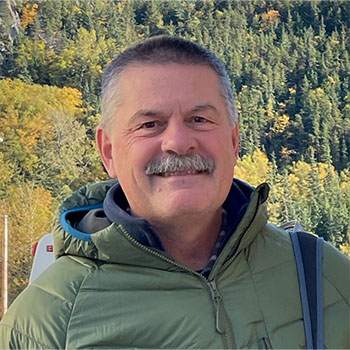
David Bruce Conn is the Henry Gund Professor of Biology at Berry College, located in Rome, Georgia. His primary affiliation is the Department of Biology, where he integrates biomedical, veterinary, and environmental perspectives through a One-Health approach. His research focuses on parasitic diseases, insect vectors, and invasive species impacting global ecosystems. Conn’s work spans diverse environments from the Everglades to the Arctic and involves field studies in both domestic and international locations. Education: B.S. from Lee College, M.S. from Morehead State University, and Ph.D. from the University of Cincinnati. Teaching interests include Invertebrate Zoology, Entomology, and the intersection of Science and Religion. Research emphasizes invertebrate zoology, entomology, and parasitology. Key areas include the functional ultrastructure of parasites, life cycle dynamics of helminths, and the ecological roles of invasive species. His studies address emerging health threats from vectors like mosquitoes and Acanthamoeba, as well as climate change impacts on disease transmission. Publications highlight advancements in parasite morphology, One-Health biosurveillance, and interventions against zoonotic pathogens. His work frequently combines ultrastructural analysis with field-based epidemiology, yielding insights into both basic biology and applied public health strategies. Conn advises students on projects blending laboratory and fieldwork, though no specific advisee names are listed. His research has been supported by grants focusing on invasive species, vector-borne diseases, and environmental monitoring technologies. He collaborates internationally on issues like drug-resistant Acanthamoeba strains and global parasite distribution patterns.
Elizabeth Cowles is a Professor of Biology at Eastern Connecticut State University, located in Science Building Room 361. She holds a B.S. in Biology from Cornell University and a Ph.D. in Biochemistry from Michigan State University. Her research focuses on insect toxicology, specifically insecticide-insect-plant interactions, and she has conducted postdoctoral work at UConn Health Center and the University of California, Riverside. She actively contributes to biology education, particularly in high school curriculum development through AP Biology materials and textbook authoring. Dr. Cowles served as the 2018 President of the National Association of Biology Teachers, reflecting her leadership in science education. Her publications span molecular parasitology, biochemistry education, and curriculum design. Teaching interests include entomology, biochemistry, and biology research methods. Education: Cornell University (B.S. Biology), Michigan State University (Ph.D. Biochemistry) Affiliations: National Association of Biology Teachers (Past President) Research interests integrate biochemical mechanisms of insecticide action with ecological interactions, alongside advancing STEM education through innovative laboratory curricula. Her work bridges basic research and pedagogy, emphasizing practical applications in both fields.
Dr. Wandi Ding is a Professor in the Department of Mathematical Sciences and M.S. Graduate Program Advisor at Middle Tennessee State University (MTSU), affiliated with the College of Basic and Applied Sciences. She holds leadership roles in the Computational and Data Sciences Ph.D. Program, Honors College, and MTSU’s Quantum Initiative. Her research focuses on mathematical biology, optimal control, and interdisciplinary applications in disease modeling, quantum computing, and STEM education. She has received the Distinguished Research Award (2019) and secured NSF grants totaling over $250,000 for projects including the REU Site in Computational Modeling and the ADVANCE IT-Catalyst program to promote women in STEM. Education: Ph.D. (2006, University of Tennessee, Knoxville), M.S. (2001, Ocean University of China), B.S. (1998, Qingdao University). Research interests span mathematical biology (population dynamics, disease control), computational methods (machine learning, quantum computing), and education innovations. Key projects include malaria modeling with SIT/ITN strategies, SARS-CoV-2 immune response modeling, and quantum biology applications. She co-leads the Association for Women in Science (AWIS) TN Chapter and organizes conferences like the Shanks Workshop on Mathematical Biology (2023) and AAAI Fall Symposium on Equitable Global Health (2024). Grants include NSF awards for disease modeling workshops and undergraduate research programs, plus travel grants from SIAM, SMB, and AWM. Her work bridges theoretical mathematics with real-world applications in health, ecology, and quantum science. Labs/Teams: Member of the Canadian Center for Disease Modeling (CCDM) and MODELS of Infectious Disease Agent Study (MIDAS). Co-directs SIMIODE’s national modeling initiatives and chairs editorial boards for journals like International Journal of Computer Mathematics and PRIMUS .
Britt Heidinger is an Associate Professor in the Department of Biological Sciences at North Dakota State University . Her research focuses on physiological mechanisms underlying life-history strategies , particularly in birds. She investigates how stress responsiveness and environmental stressors influence telomere dynamics, aging processes, and survival. Her work emphasizes hormonal and cellular mechanisms in avian systems to understand aging and resilience. Dr. Heidinger’s research integrates field studies and experimental approaches to explore topics like early-life stress impacts, environmental adaptation, and transgenerational effects. Her lab examines telomere dynamics across generations, linking these molecular markers to fitness outcomes such as reproductive success and longevity. Key themes include stress physiology, epigenetic regulation of the hypothalamic-pituitary-adrenal axis, and the role of endocrine systems in developmental programming. Her recent studies highlight the effects of parental age, testosterone elevation, and environmental challenges on telomere stability and offspring survival. She also explores how climatic changes influence body size and shape through endocrine mechanisms. Dr. Heidinger’s work bridges ecology, physiology, and genetics to address fundamental questions in evolutionary biology and conservation. Dr. Heidinger’s lab is equipped to conduct fieldwork and molecular analyses, focusing on avian species such as sparrows, gulls, and seabirds. Her research emphasizes translational insights into aging mechanisms and stress resilience, with implications for wildlife conservation and human health.
Dr. Barbara Ariue is an Associate Professor of Pediatrics in the Division of Allergy/Immunology at Loma Linda University School of Medicine. She specializes in pediatric asthma, immunodeficiency disorders, and allergic conditions. Her roles include serving as Immediate Past President of the California Society of Allergy, Asthma, and Immunology, and Ambassador for the American Board of Allergy and Immunology. Dr. Ariue holds fellowships from AAAAI, ACAAI, AACP, and AAP. Education: MD from the University of Vermont, BA from Pomona College. Research focuses on asthma guidelines, immunodeficiency management, and vaccination efficacy in immune-compromised patients. Key projects include the Pasadena Community Asthma Project and studies on biologics in asthma treatment. Her research spans 17 publications since 1994, with recent work on vaccine outcomes in immunocompromised patients and asthma guideline comparisons. Awards include the 2024 Allergists' Foundation Community Grant for addressing knowledge gaps in immunodeficiency care. Service contributions include moderating AAAAI/ACAAI symposiums, reviewing for journals like Journal of Allergy and Clinical Immunology , and leading CME events. She has advised on asthma committees and contributed to SAMPRO (School Asthma Management Programs). Current grants include a planning grant from the Allergists' Foundation (2024–2025) and a compassionate use trial for Leniolisib in immunodeficiency. Professional memberships span clinical immunology societies and allergy-focused organizations.
Amanda Wollenberg is an Associate Professor of Biology at Kalamazoo College, MI. She holds a PhD from the University of Wisconsin-Madison and a BA from St. Olaf College. Her research focuses on molecular interactions between nematodes and bacteria, particularly studying innate immune responses in Caenorhabditis elegans and symbiotic relationships in parasitic nematodes like Steinernema carpocapsae and Heterorhabditis bacterophora . Education: PhD (Cellular and Molecular Biology, UW-Madison), BA (St. Olaf College). Research emphasizes host-microbe interactions, immune tolerance, and pathogenesis. Courses taught include Cell and Molecular Biology, Immunology, and Topics in Symbiotic Biology. Publications span topics like bacterial community dynamics in insect cadavers and immune gene expression in nematodes. Awards include the NSF Graduate Research Fellowship (2005-2008) and NIH Molecular Biosciences Trainee (2008-2011). Her lab investigates how immune systems adapt to non-pathogenic bacteria, with implications for understanding symbiotic and pathogenic relationships. Advising includes undergraduate researchers like M.E. Hoinville and T. Jagdish, co-authors on key studies. Her work bridges molecular mechanisms and ecological contexts, contributing to both fundamental and applied microbiology research.
Glenn Young is an Assistant Professor of Mathematics at Kennesaw State University. He holds a Ph.D. in Mathematics from the University of Pittsburgh (2016) and has prior postdoctoral experience at Penn State University. His research focuses on applied mathematics, particularly in modeling biological systems, cooperative behavior, bacterial dynamics, and ecological competition. He has collaborated with researchers like Andrew Belmonte, Bard Ermentrout, and Jonathan Rubin. Education: Ph.D. Mathematics, University of Pittsburgh (2016) M.A. Mathematics, University of Pittsburgh (2012) B.S. Mathematics, James Madison University (2010) Research Interests: Dr. Young develops mathematical models to study cooperation dynamics in ecological systems, bacterial collective behavior (e.g., chemotaxis), and competitive interactions in biological populations. His work integrates differential equations and stochastic processes to analyze systems like public goods dilemmas, bacterial pulse interactions, and pathogen competition in hosts. Grants & Advising: Advisor to undergraduate researcher Jeremy Mysliwiec (Penn State) Ongoing projects include stochastic competition models with fluctuating populations and cooperative breeding dynamics. Labs/Teams: Collaborations with experimental labs (e.g., Hanna Salman’s bacterial studies) and theoretical groups at Penn State and Pitt.
Cinzia Margherita Bertea is an Associate Professor in the Department of Life Sciences and Systems Biology at the University of Turin, specializing in plant physiology (SSD: BIO/04). Her research focuses on plant responses to environmental stresses and secondary metabolism, with particular expertise in terpenoid and phenolic compound biosynthetic pathways. Dr. Bertea's research interests encompass: Physiology, biochemistry and molecular biology of plant responses to abiotic stress (UV-radiation, pollution, mechanical damage) Plant responses to biotic stress (pathogen and herbivore attacks, allelopathy) Secondary metabolism with specific focus on terpenoid and phenolic compound biosynthetic pathways Chemical ecology of plant-insect interactions Development and application of biostimulants for enhancing plant stress tolerance Analysis of her recent publication record reveals a strong emphasis on biostimulants and their role in mitigating plant stress responses. Her work consistently examines how various biostimulant formulations (seaweed extracts, protein hydrolysates, yeast extracts, and betalain degradation products) can enhance plant tolerance to drought, heat, and salinity stress. She employs molecular, biochemical, and omics approaches to understand the mechanisms behind these protective effects, with particular attention to reactive oxygen species (ROS) signaling, antioxidant systems, and phytohormone homeostasis. Dr. Bertea is actively involved in multiple academic committees at the University of Turin, including the Master's Degree Council in Plant Biotechnology, the Departmental Didactic Commission, and the International Relations Commission. She teaches several courses related to plant biology, secondary metabolites, and food chemistry across multiple degree programs including Biological Sciences, Plant Biotechnology, and Food and Human Nutrition Sciences. Her laboratory work focuses on chemical ecology, with particular emphasis on plant stress physiology and the biochemical pathways involved in plant defense mechanisms. She collaborates extensively with researchers across various disciplines, as evidenced by her diverse publication record spanning plant science, food science, and biomedical applications of plant compounds.
Prof. Petra Dersch is a Professor at the University of Münster, leading the Dersch Lab within the Institute of Infectiology at the Centre for Molecular Biology of Inflammation (ZMBE). Her research focuses on molecular mechanisms governing bacterial pathogenesis, particularly in enteric pathogens like Yersinia and Escherichia coli. She investigates host-pathogen interactions, virulence regulation, and immune evasion strategies. As a principal investigator in the Cells in Motion research initiative, she explores bacterial colonization dynamics and novel therapeutic approaches. Her work bridges basic microbiology with clinical applications, emphasizing translational research. Prof. Dersch supervises the CiM-IMPRS Graduate Programme, fostering interdisciplinary training in infection biology. Recent studies highlight her contributions to understanding RNA-based virulence control, antibiotic resistance, and nanocarrier-based therapies for cancers and infections. Her lab is located at Von-Esmarch-Straße 56, Münster.
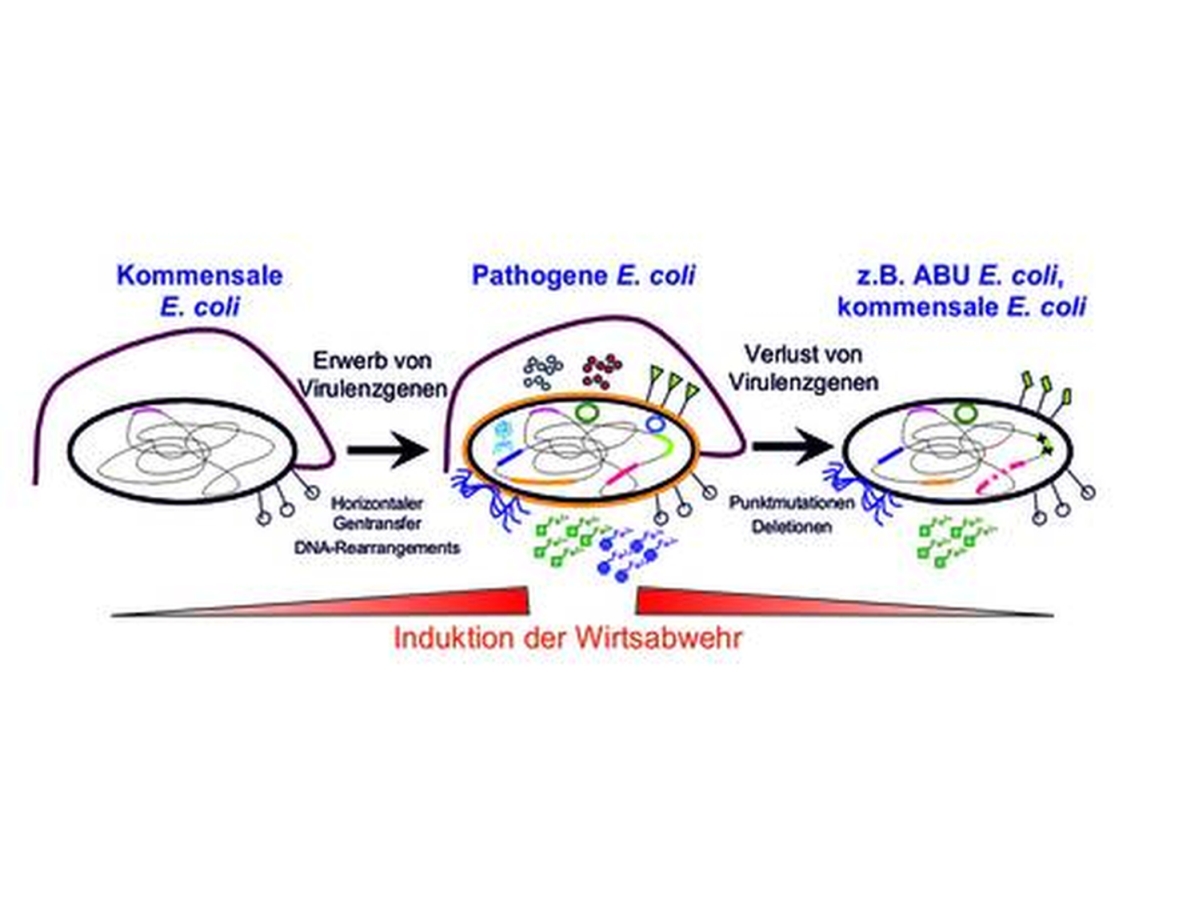
Univ.-Prof. Dr. rer. nat. Ulrich Dobrindt is a Professor at the Institute of Hygiene within the Medical Faculty of the University of Münster. His research focuses on microbial genome plasticity, antibiotic resistance mechanisms, and pathogenic Escherichia coli strains. His lab (Dobrindt Lab) investigates how bacterial pathogens adapt to host environments and evolve resistance traits, particularly in ExPEC (extraintestinal pathogenic E. coli) and IPEC (intestinal pathogenic E. coli) variants. Key research areas include: Genomic plasticity and its role in pathogenicity Antibiotic resistance emergence and spread Host-pathogen interactions in infections Virulence factor regulation He leads collaborative projects in networks like SFB1009, RTG 2220 EvoPAD, and DFG Research Group FOR 5427. Recent work includes studies on quinolone antibiotics targeting Neisseria gonorrhoeae and epigenetic mechanisms in insect immunity. Professional affiliations include membership in the Multiscale Imaging Centre and participation in initiatives like Phage STOP AMR and BARICADE FOR 5427. His lab also contributes to public health efforts, such as the National Consulting Laboratory for Hemolytic Uremic Syndrome (HUS).
Sreejith Radhakrishnan is an Affiliate Researcher at the School of Biodiversity, One Health & Veterinary Medicine, University of Glasgow. He holds a veterinary degree from India and specialized in wildlife medicine at the Royal Veterinary College, London. His research focuses on infectious disease epidemiology, particularly zoonotic diseases like rabies, and integrates mathematical modeling to address public health challenges. Education: Veterinary Medicine (India) Specialization in Wildlife Medicine (Royal Veterinary College, London) PhD in Epidemiology from Imperial College London (2021) Research interests include disease ecology, emerging infections, and participatory epidemiology. He has contributed to global rabies control efforts and analyzed the impact of vaccines using mathematical models. His work spans field studies in India’s tiger reserves, government veterinary roles, and academic teaching. Key achievements include a Wellcome Trust PhD fellowship and contributions to understanding pandemic effects on healthcare systems during the 2020-2021 studies. His work bridges clinical, ecological, and mathematical approaches to tackle zoonotic diseases. Awards: Wellcome Trust PhD Programme (2021) Commonwealth Shared Scholarship (2008) Junior Research Fellowship (2006) Radhakrishnan’s interdisciplinary work addresses global health challenges, with a focus on low-resource settings. He has advised on vaccination strategies and contributed to rabies elimination frameworks in India and beyond.
Dr. Patrick L. Kohl is a Postdoctoral Research Fellow at the Department of Population Genomics in Farm Animals at the University of Hohenheim (Walter Benjamin Program, DFG). His research focuses on the ecology, evolution, and behavior of social insects, particularly honeybees (Apis spp.), with an emphasis on understanding wild-living populations' dynamics and the impacts of domestication. He completed his doctoral studies in Biology at the University of Würzburg (2019–2023), funded by the German Federal Environmental Foundation, where he investigated wild honeybee colony demographics and parasite burdens in Germany. His academic journey includes a Master's in Biology (University of Würzburg, 2015–2018), with a thesis on alpine pollination ecology, and a Bachelor's in Biosciences (University of Münster and Universidad de Granada, 2011–2014), focusing on honeybee drone production. He conducted comparative behavioral studies on Asian honeybees at India's National Centre for Biological Sciences (2015–2018). Dr. Kohl's current project, funded by the German Research Foundation (DFG), explores genomic signatures of modern beekeeping practices in Apis mellifera. This work investigates whether domestication pressures have driven functional genetic differences between wild and managed populations, impacting fitness and conservation strategies. His publications span topics like honeybee communication (waggle dance analysis), parasite ecology, and habitat preferences, with a focus on Central European forests and semi-natural landscapes. He has contributed to high-impact journals such as Proceedings of the Royal Society B , Oecologia , and Trends in Ecology & Evolution . Scientific contributions include identifying reduced parasite loads in feral colonies and demonstrating how landscape features influence overwintering survival. His work bridges evolutionary biology, applied ecology, and conservation policy, emphasizing the need for sustainable apiculture practices.