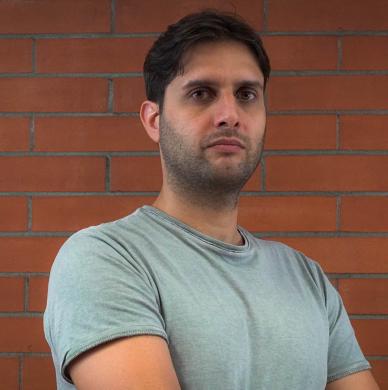
Derek J. Taylor is a Professor in the Department of Biological Sciences at the University at Buffalo (College of Arts and Sciences), specializing in evolutionary biology and molecular evolution. His research focuses on the evolutionary genetics of aquatic invertebrates, particularly cladocerans (e.g., Daphnia species), and integrates molecular, genomic, and phylogenetic approaches to study speciation, hybridization, species introductions, and paleovirology. He leads the Taylor Lab, which explores topics such as viral evolution in insects and microbats, and the evolutionary history of freshwater crustaceans. Education: PhD in Biology from the University of Guelph, followed by postdoctoral research at the University of Michigan. Research Interests: Molecular evolution of species complexes, host-virus coevolution, phylogeography, and the evolutionary maintenance of viral genes in host genomes. His work bridges genetics, ecology, and systematics to address questions in evolutionary biology. Key contributions include studies on filovirus evolution in bats, the phylogenetics of Daphnia species, and the origins of biodiversity in Holarctic freshwater ecosystems. His lab’s findings have been published in journals like Zoological Journal of the Linnean Society , Virus Evolution , and Ecography . Contact: Hochstetter Hall H530, Buffalo, NY | Office Hours: Thursdays 2:00–4:00 PM.
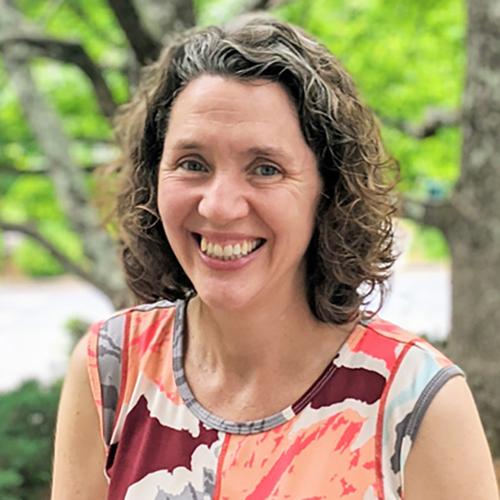
Mary Ann Lila holds the David H. Murdock Distinguished Professorship at North Carolina State University’s Department of Food, Bioprocessing & Nutrition Sciences. She leads the Plants for Human Health Institute and is affiliated with the Global Institute for Bioexploration (GIBEX). Her research focuses on phytochemicals in functional foods, immune modulation, and plant-based solutions for health challenges like allergies and cognitive decline. Lila has pioneered protein-polyphenol particle technology to enhance bioactive delivery and mitigate food allergies. Education: Ph.D. Plant Biology (University of Wisconsin, 1984); M.S. Plant Pathology (University of Illinois, 1980); B.S. Horticultural Sciences (University of Illinois, 1978) Key Roles: Director of Plants for Human Health Institute; Affiliate Faculty at University of Alaska Fairbanks Her research interests include bioactive phytochemicals’ roles in inflammation, immunosuppression, and cognitive health. She investigates how plant-derived compounds interact with the gut microbiome to enhance health outcomes. Notable studies address blueberry bioavailability, anti-cancer properties of berry juices, and ozone-induced skin damage mitigation. Recent Achievements: - Copernico Bronze Medal (2021) - 2023 Senior Outstanding Global Engagement Award - David H. Murdock Distinguished Professorship (2010–present) Lila’s work spans collaborations across disciplines, including food engineering, genomics, and cosmeceutical development. Her lab develops sustainable food technologies to address global health and environmental challenges, emphasizing functional ingredients from underutilized crops and byproducts.
Edward Kim is an Associate Professor in the Department of Computer Science at Drexel University's College of Computing & Informatics. His research spans computer vision, sparse coding, neuromorphic computing, and AI, with a focus on neuro-inspired machine learning and robust, interpretable models. Research Interests: Computer Vision Sparse Coding and Dictionary Learning Neuromorphic and Spiking Neural Networks Explainable and Adversarially Robust AI Multimodal Learning Medical Image Processing His recent publications highlight a strong trend in developing biologically inspired, robust, and interpretable machine learning models, particularly using sparse coding and spiking neural networks. Themes include adversarial robustness, model confidence calibration, and cross-modal integration. His work often bridges neuroscience and AI, aiming to create more human-like and trustworthy systems. Scientific Awards: NSF CAREER Award (2019) Longsview Fellow (collaborative project, 2021) Dr. Kim advises several graduate students in the SPARSE Lab and has secured significant research funding from the NSF, DARPA, and the Bill & Melinda Gates Foundation. His grants focus on ethical AI, racial bias in ML, and digital health platforms. He also contributes to academic leadership as a Provost Fellow at the Drexel Solutions Institute and co-chair of computer vision tracks at major conferences. Labs and Teams: He leads the SPARSE (SPiking And Recurrent SOFTwarE) Coding Lab, which investigates biologically inspired learning models beyond traditional deep learning. The lab integrates neuroscience principles to improve stability, interpretability, and robustness in AI systems.
Kerry M. Oliver is a Professor and Director of Graduate Studies in the Department of Entomology at the University of Georgia's College of Agricultural & Environmental Sciences. Her research focuses on defensive symbiosis, particularly examining how heritable microorganisms protect insects against various biotic and abiotic threats. She leads a research laboratory that takes a multidisciplinary approach to understanding ecological and evolutionary consequences of these symbiotic relationships. Dr. Oliver's research primarily centers on aphids and their symbiotic bacteria, especially Hamiltonella defensa , which protects aphids against parasitoids through bacteriophage-encoded toxins. Her work spans organismal studies, molecular and genomic analyses, and field research to track the impact of defensive symbionts from molecular to ecosystem levels. She's particularly interested in how climate change affects these symbiotic relationships and the eco-evolutionary dynamics that maintain diversity in natural populations. Her laboratory's recent publications reveal trends in understanding how defensive symbionts provide protection against diverse threats including parasitoids, pathogens, and environmental stressors. Current research directions focus on thermal resilience of symbiotic defenses under climate change and the eco-evolutionary dynamics where evolution and ecology operate on similar timescales. This work has significant implications for ecosystem management and species conservation in rapidly changing environments. Current Students: Roy Kukuk, Kenedie Jones, Ben Trendle (PhD), Alina Makarenko (MS) Former Students: Clesson Higashi, Nicole Lynn-Bell, Stephanie Weldon, Adam Martinez, Matt Doremus, Laura Kraft, Hannah Dykstra Courses Taught: ENTO 4000/6000 (General Entomology), First-Year Odyssey seminars on insect evolution and symbiosis Dr. Oliver leads a research team studying defensive symbiosis, with Dr. Vilas Patel serving as Lab Manager and Research Professional. Their work combines laboratory experiments with field studies to investigate how symbionts like Hamiltonella defensa provide protection against parasitoids through phage-encoded toxins, and how these relationships respond to environmental challenges like climate change.
Noa Pinter-Wollman is a Professor in the Department of Ecology and Evolutionary Biology at the University of California, Los Angeles, within the College of Life Sciences . Her work integrates field experiments, laboratory assays, computational modeling, and social network analysis to understand how individual variation among animals translates into emergent collective behavior, and how these dynamics intersect with conservation challenges. Research Focus: Mechanisms underlying collective decision-making in social insects (especially Argentine ants and harvester ants) Social network structure and its ecological consequences in endangered griffon vultures Interface between spatial ecology and social behavior, including impacts on disease transmission and conservation management Biomimetic insights from social animals to inform resilient human-designed systems Across 2023–2025, her team has produced a steady stream of high-impact articles that collectively advance four thematic pillars: (1) microbiome–behavior feedbacks in ants, (2) conservation technology for scavengers, (3) network-analytic methods for disentangling spatial versus social drivers of interaction, and (4) cooperative strategies that underlie invasion success in ants. The work is notable for integrating high-resolution tracking technologies with rigorous statistical modeling. Funding & Collaborations: Current NSF awards include the collaborative grant “ The causes and consequences of Higher Order Interactions (HOI) ” and prior support for “ Uncovering how links between social and spatial interactions affect ecological processes .” These grants foster interdisciplinary partnerships spanning ecology, computer science, and conservation practice. Laboratory & Team: The Pinter-Wollman Lab at UCLA houses graduate researchers, post-docs, and undergraduates who conduct integrative studies on ants, paper wasps, spiders, and vultures. The lab website ( https://pinter-wollmanlab.weebly.com ) provides protocols, data resources, and outreach materials that translate basic findings into actionable conservation guidance for wildlife managers.
Prof. Dr. Marek Basler is an Associate Professor of Infection Biology at the Biozentrum, University of Basel , leading a research group focused on the Type VI Secretion System (T6SS) in bacterial pathogens. His work bridges structural biology, molecular microbiology, and computational analysis to unravel the mechanisms of this contractile nanomachine. PhD in Microbiology (2007, Institute of Microbiology, CAS, Prague) Postdoctoral Fellow (2007–2013, Harvard Medical School) Assistant Professor (2013–2018) and Associate Professor (since 2018) at Biozentrum His research explores the structure, assembly, and therapeutic potential of the T6SS, a critical virulence factor in pathogens like Pseudomonas aeruginosa . Key themes include bacterial defense strategies , intermicrobial competition , and host-pathogen interactions . Recent projects highlight T6SS roles in antibiotic resistance and horizontal gene transfer . The most recent publications (2025–2024) reveal novel insights into T6SS activation by environmental stress , toxin diversity , and host cell targeting . Trends span microbial ecology , nanomachine dynamics , and computational modeling of bacterial interactions. Scientific Awards : EMBO Membership (2023) ERC Consolidator Grant (2019) EMBO Gold Medal (2018) Friedrich Miescher Award (2018) EMBO Young Investigator (2015) His lab (Basler Lab) utilizes state-of-the-art microscopy , biochemical techniques , and live-cell simulations (e.g., BacFighT6 ). Collaborations span institutions like Harvard Medical School and NCCR-AntiResist , with future work targeting antibacterial therapies .
Saumik Basu is an Assistant Professor in the Department of Entomology at the University of Georgia (UGA), based at the Tifton Campus within the College of Agricultural & Environmental Sciences. His research focuses on developing sustainable integrated pest management (IPM) strategies for vegetable crops in South Georgia. He leads the Vegetable Entomology Lab, which investigates pest complexes like whiteflies, diamondback moths, and pepper weevils, along with their interactions with plant pathogens. His work emphasizes molecular ecology, plant defense mechanisms, and the role of abiotic factors (e.g., climate, soil microbiota) in pest management. Education: B.S. in Human Physiology, University of Calcutta M.S. in Biotechnology, Visva-Bharati University Ph.D. in Molecular Plant Virology, Jawaharlal Nehru University Postdoctoral Research: University of Nebraska-Lincoln (UNL) and Washington State University (WSU) Research Interests: Molecular mechanisms of plant-insect interactions Sustainable IPM for vegetable pests Plant defense signaling and phytohormonal crosstalk Impact of soil microbiota on pest-pathogen dynamics Climate change effects on agroecosystems Lab & Collaborations: The lab collaborates with county extension agents, growers, and other research groups to translate findings into practical solutions. Current projects address pest attack order effects on plant defenses and the role of biopesticides like Metarhizium fungus. Graduate students and postdocs work on topics such as soil amendments for pest resistance and vector-borne disease transmission. Advising & Grants: Advises Ph.D. candidate Sourav Pal and M.S. student Rajesh Udavant. Technical staff includes Charles Laney Gruver, an expert in field trials and insect rearing. Undergraduate Alexis Crossgrove supports lab activities. Labs/Teams: Vegetable Entomology Lab (UGA), previously affiliated with Molecular Plant Sciences at WSU.
Maria Luisa Simoes is an Associate Professor and Unit Head in Experimental Immunology at the Institute of Tropical Medicine Antwerp (ITM), Belgium. She previously held roles as Assistant Professor at the London School of Hygiene and Tropical Medicine (UK) and Faculty Research Associate at Johns Hopkins University (USA). Her PhD in Biomedical Sciences (2014) was conducted at Nova University of Lisbon (Portugal) and Imperial College London (UK). She chairs the American Committee of Medical Entomology (ACME) and serves on the ASTMH scientific committee. Her research focuses on malaria transmission via Anopheles mosquitoes, exploring how biotic/abiotic stressors impact mosquito immunity to develop genetic tools for disease control. Key projects include the CLIMMAT initiative (2025–2028) examining environmental changes' effects on mosquito immunity. Her lab's work has been featured in Nature Microbiology , Journal of Medical Entomology , and international media like Nature , El Pais , and L'Avenir . Notable awards include the 2022 ACME Breakthrough Award and 2019 ASTMH Young Investigator Award. She seeks collaborators with expertise in molecular biology, parasitology, and vector biology to advance genetic malaria control strategies.
Joana Falcao Salles is a Professor in the Faculty of Science and Engineering at the University of Groningen, leading the Salles Lab focused on Microbial Community Ecology. Her research integrates ecological and evolutionary theories to understand microbial community formation and their environmental impacts. She holds a PhD from Leiden University (2005) and has held academic positions since 2008. She serves as Treasurer on the Executive Board of the International Society for Microbial Ecology (ISME). Her expertise spans microbial ecology in soils, plants, and animals, with a focus on microbial diversity, invasion dynamics, and symbiotic relationships. Key projects include studying salt marsh microbiomes, plant-microbe interactions in agriculture, and the role of microbiomes in host immunity. She has secured grants for initiatives like PotatoMETAbiome and INSECTFEED, advancing sustainable agriculture and circular economy solutions. Salles has published over 150 peer-reviewed articles, with recent work on microbial solutions to climate change, antibiotic resistance, and gut-brain axis interactions. Her lab collaborates globally, addressing challenges in environmental sustainability and public health.
Tom Wenseleers is a Professor at KU Leuven's Department of Biology within the Faculty of Science, where he leads the Laboratory of Socioecology and Social Evolution. His research spans theoretical and experimental approaches to evolutionary biology, with particular focus on social insect systems. Research spans social insects (ants, bees, wasps), microbes, viruses, and human systems Primary model organisms: social insects studying major evolutionary transitions Current projects examine caste determination, chemical communication, and evolutionary conflicts His research integrates theoretical modeling with experimental, behavioral, and comparative studies. Recent work combines genomic techniques and high-throughput GC/MS analysis to decipher chemical communication systems. Current trends show increasing interdisciplinary work spanning virology (SARS-CoV-2 variants), microbial ecology (antibiotic resistance), and robotics (pollinator behavior monitoring). The research demonstrates consistent application of evolutionary theory to diverse biological systems while maintaining social insects as the core model. Wenseleers actively mentors PhD students and postdocs, with recent graduates including Kamiel Debeuckelaere and Viviana Di Pietro. His lab receives substantial funding through multiple concurrent research projects, including Promotor roles on grants examining caste development in bee societies and microbial metabolite screening. The laboratory maintains strong international collaborations across Europe and South America. The lab operates within the Ecology, Evolution and Biodiversity Conservation unit at KU Leuven, with physical location at Naamsestraat 59, box 2466, 3000 Leuven. The research group maintains active outreach programs including science workshops for schools and public engagement events focused on insect conservation.
Kyria Boundy-Mills is a Professional Research Microbiologist at the University of California, Davis in the Department of Food Science and Technology , where she has curated the Phaff Yeast Culture Collection since 2001. She maintains this global resource of 9,000 yeast strains for academic, industrial, and governmental researchers. Current research focuses on yeast/insect ecology Screening yeasts for protein, lipid, and carotenoid production Microbial interactions in food fermentations Applications in biofuels and biotechnology Her publications highlight collaborations across entomology, biotechnology, and food microbiology, with applications in wine fermentation, fruit pests, and biofuel production. Awards include the UC Davis Academic Federation Award for Excellence in Research (2015) and the American Society for Microbiology USFCC/J. Roger Porter Award (2016). She advises undergraduate researchers in her lab and contributes to culture collection management standards through the United States Culture Collection Network. Her work intersects microbial diversity, ecological interactions, and industrial innovation.
Vivianne Vleeshouwers is an Associate Professor in Plant Breeding at Wageningen University and Research Centre, specializing in plant-pathogen interactions with a focus on potato disease resistance. Her research spans multiple projects related to Phytophthora infestans (the causal agent of late blight) and other potato pathogens. Her research interests center on plant immunity mechanisms, particularly how wild potato species recognize pathogens through immune receptors. She investigates effector biology, host-pathogen co-evolution, and molecular mechanisms of disease resistance. Her work combines molecular biology, genomics, and plant breeding approaches to develop durable resistance strategies against devastating potato diseases. Dr. Vleeshouwers has published 126 research outputs with recent work focusing on RXLR effectors, immune receptor diversification, and co-infection dynamics. Her publications show a strong trend toward understanding molecular plant-pathogen interactions at the genomic and proteomic levels, with increasing emphasis on translational research that can be applied to crop improvement. She actively supervises multiple PhD students and leads several research projects focused on potato disease resistance. Her team collaborates internationally with researchers across Europe and beyond, working on various aspects of plant pathology and resistance breeding. Dr. Vleeshouwers' laboratory focuses on effectoromics, immune receptor identification, and resistance gene deployment strategies. Her team utilizes advanced genomic techniques including genome sequencing, proximity labeling, and high-throughput phenotyping to understand and enhance plant disease resistance mechanisms.
Donato Romano serves as Associate Professor at The BioRobotics Institute of Scuola Superiore Sant'Anna, Italy, where he coordinates the Bio-Robotic Ecosystems Lab and co-founded the spin-off company HUBILIFE srl. His interdisciplinary work bridges robotics, biology, and AI to develop biohybrid systems for biodiversity preservation, sustainable environmental management, and life support in extreme scenarios including space exploration. With over 90 publications and an H-index of 27 (Scopus, March 2025), he has established significant academic leadership through editorial roles across 12+ international journals. Romano's educational foundation includes advanced degrees with honors: an M.Sc. in Agriculture Science and Technologies (2014) and a PhD in BioRobotics (2018), both from Scuola Superiore Sant'Anna. His academic journey includes visiting scholar positions at Khalifa University and substantial industry-academia collaboration through HUBILIFE srl, which commercializes bioinspired devices for human daily life improvement. His research program focuses on bioinspired and biomimetic robotics with particular emphasis on animal-robot interaction, biohybrid systems, and natural intelligence. Key projects address critical global challenges: SENSORBEES develops biohybrid environmental surveillance for ecological monitoring; REGOLIFE investigates lunar soil-terrestrial organism interactions for space agriculture; and OCEAN ROBOCTO explores marine ecosystem solutions. This work demonstrates a strategic progression from fundamental behavioral studies toward applied ecological and extraterrestrial systems. Analysis of his recent publications reveals strong trends in AI-driven behavioral analysis, with deep learning increasingly applied to entomological studies and pest management. The research spans agricultural applications (precision monitoring traps, larval detection systems), ecological conservation (biodiversity surveillance), and extreme-environment adaptation (lunar regolith studies). A distinctive feature is the consistent integration of biohybrid approaches where living organisms and robotic systems create synergistic capabilities exceeding either component alone. Romano's scientific recognition includes election as Junior Fellow of the Italian Academy of Engineering and Technology (2025), the Lucani fuori dal Comune award (2024), and multiple best-thesis prizes. His editorial leadership spans high-impact journals including IEEE Transactions on Medical Robotics and Bionics and Pest Management Science, where he serves as Associate Editor. As principal investigator, Romano coordinates major international projects totaling over €15M in funding: HORIZON-EIC's SENSORBEES (2024-2029), ASI's REGOLIFE (2024-2027), National Geographic's OCEAN ROBOCTO (2024-2026), and PRIN's COSMIC (2023-2025). His teaching portfolio includes PhD courses in Biosystems for Biorobotics and M.Sc. instruction in Bionics Engineering at Scuola Superiore Sant'Anna and University of Pisa. The Bio-Robotic Ecosystems Lab under Romano's direction pioneers biohybrid technologies where living organisms and robotic systems create integrated solutions. Current initiatives include SENSORBEES' environmental monitoring swarms, REGOLIFE's moonworm colonization systems, and HUBILIFE's commercial vector-control devices. The lab maintains active collaborations with space agencies, agricultural institutes, and conservation organizations, positioning biohybrid systems as next-generation tools for planetary-scale challenges.
Professor Ronald van Rij holds the position of Professor of Experimental Virology and Head of the Laboratory of Experimental Virology at Radboud University Medical Center in Nijmegen, Netherlands. He also serves as a Guest Professor at the University of Pavia, Italy. His research focuses on antiviral mechanisms in insects, particularly the roles of RNA interference (RNAi) and piRNA pathways in Drosophila melanogaster and Aedes aegypti mosquitoes. He has pioneered studies on viral defense in insects and vector competence, with translational work on antiviral compounds against pathogens like Zika and SARS-CoV-2 through the international 'COVID Moonshot' project. Education includes a PhD from the University of Amsterdam (2002) and postdoctoral fellowships at UCSF (USA) and the Hubrecht Institute (Netherlands). He has received prestigious grants such as ERC Consolidator and VICI awards, and was honored as Lecturer of the Year (2019) and PhD Supervisor of the Year (2017). Awards: ERC Proof of Concept Grant (2020), NWO VICI (2017), ERC Consolidator (2014), NWO VIDI (2008), EMBO Fellowship (2002). Teaching: Coordinates courses on virology, non-coding RNA, and innate immunity at Radboud University. Labs: Manages a BSL-3 facility for studying vector-borne pathogens in mosquitoes. His work bridges basic science and translational medicine, with emphasis on small RNA pathways and arbovirus control.
Nicole Gerardo is a Professor at Emory University and Director of the Graduate Division of Biological and Biomedical Sciences. Her lab studies evolutionary ecology in insect-microbe systems, including aphid-bacteria symbioses and fungus-growing ants. Education includes a Ph.D. from University of Texas at Austin (2004) and B.A. from Rice University (1997). Research integrates experimental evolution , genomics , and field ecology to address: Mechanisms of symbiont-mediated pathogen defense Transmission dynamics in mutualisms Host immunological trade-offs Agricultural applications of protective microbes Recent work examines priority effects in symbiont colonization, monarch butterfly microbiomes, and coevolution in ant-fungal systems. Field sites span Panama, Brazil, and agricultural ecosystems.