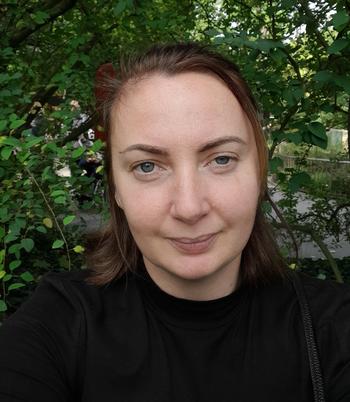
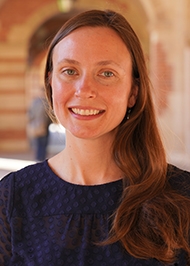
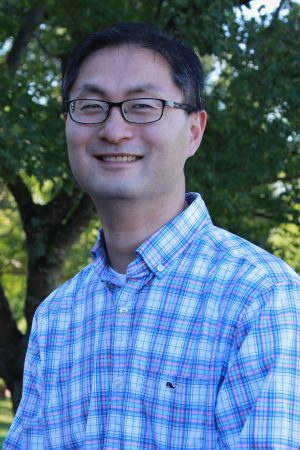
Dr. Oksana Buzhdygan is a Senior Researcher in Theoretical Ecology at the Department of Biology, Faculty of Biology, Chemistry, Pharmacy at Freie Universität Berlin. She holds a PhD in Ecology from Chernivtsi National University and has held postdoctoral positions at institutions including the University of Georgia (USA) and Freie Universität Berlin. Her research focuses on biodiversity-ecosystem functioning links, multitrophic interactions, and ecological network analysis. Education: BSc, MSc, and PhD in Ecology (2000–2008), Chernivtsi National University, Ukraine Postdoctoral Fellowships: University of Georgia (2010–2012), Freie Universität Berlin (2013–2021) Research Interests: Environmental change impacts on biodiversity and ecosystem functions Ecological network analysis of multitrophic systems Food web dynamics in grasslands and freshwater ecosystems Publications reflect her expertise in biodiversity effects on energy flow, human impact on ecosystems, and plant diversity drivers. Her work bridges theoretical ecology with applied conservation challenges, particularly in grasslands and agroecosystems. Labs/Teams: Member of the Tietjen Group (Theoretical Ecology at Freie Universität Berlin), collaborating widely in international projects on biodiversity and ecosystem services.
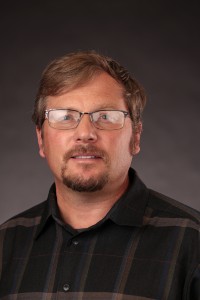
Jonathan Klassen is an Associate Professor in the Department of Molecular and Cell Biology / Microbiology at the University of Connecticut . His research focuses on microbial community ecology, particularly using the fungus-growing ant symbiosis as a model system to study the evolution of microbial interaction networks. He couples genomics and chemical biology to understand molecular mechanisms in symbiosis and explore drug discovery opportunities. PhD : Microbiology and Biotechnology, University of Alberta Postdoctoral Study : Bacteriology, University of Wisconsin-Madison His work spans microbial ecology, symbiosis, secondary metabolite discovery, and comparative genomics. Recent publications highlight studies on microbial exclusion dynamics in ant symbiosis, ITS2 metabarcode biases, and chemical defense mechanisms in insect-associated microbes. Scientific Awards : “Highly Accessed” article in BMC Genomics (2012) Contact : Email: jonathan.klassen@uconn.edu Phone: 860-486-6890 Lab: @klassenlab
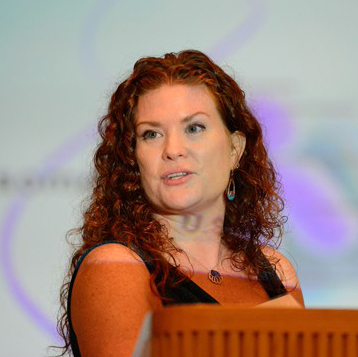
Colden V. Baxter is a Professor of Biological Sciences at Idaho State University, where he leads the ISU Stream Ecology Center and the Center for Ecological Research and Education (CERE). He directs ISU's graduate biology programs and previously served as president of the Society for Freshwater Science. His work bridges fundamental stream ecology with social dimensions of river management, focusing on ecological linkages between water and land. His educational background includes a Ph.D. in Fisheries Science from Oregon State University (2002), an M.S. in Organismal Biology and Ecology from the University of Montana (1997), and a B.A. in Biology and Geology from the University of Oregon (1993), followed by postdoctoral training at Colorado State University and Hokkaido University, Japan. Dr. Baxter's research centers on freshwater ecosystem dynamics, particularly stream-riparian interactions, nutrient cycling (especially nitrogen fixation/denitrification), and rivers as social-ecological systems. He investigates how human activities disrupt ecological linkages and examines bidirectional influences between human behaviors and river ecosystems, with strong emphasis on climate change impacts and conservation applications. Analysis of his recent publications reveals consistent focus on spatial heterogeneity in stream processes, food web dynamics in river-floodplain mosaics, and integration of social science into freshwater research. His work spans nutrient cycling, salmonid conservation, floodplain restoration, and extreme event impacts, demonstrating interdisciplinary approaches to river management challenges. His leadership roles, including presidency of the Society for Freshwater Science, reflect professional recognition. Current research is supported by grants like the NSF RAPID project on climate change-induced flooding, addressing urgent conservation questions through collaborative science. Through the ISU Stream Ecology Center, Dr. Baxter mentors graduate students and fosters interdisciplinary collaborations, advancing river science while training the next generation of freshwater ecologists. His lab serves as a hub for integrating field studies with social-ecological modeling to address complex watershed challenges.
John Stark is a Professor of Entomology at Washington State University (WSU), serving as Director of the Washington Stormwater Center and a key member of the Department of Entomology within the College of Agricultural, Human, and Natural Resource Sciences (CAHNRS). His research focuses on ecological risk assessment, pesticide effects on endangered species, and the ecotoxicology of pollutants in aquatic and agricultural ecosystems. He leads the Ecotoxicology Program at WSU Puyallup and the Washington Stormwater Center, addressing challenges like salmon protection and stormwater management. Education includes B.S. degrees in Forest Biology and Biology from Syracuse University and SUNY Environmental Science and Forestry, followed by M.S. and Ph.D. in Entomology from Louisiana State University and the University of Hawaii, respectively. Research interests emphasize population-level risk assessments using demographic models and matrix approaches, particularly targeting endangered species such as salmon, invertebrates, and butterflies. He investigates how pesticides, stormwater runoff, and other pollutants impact ecosystems, with recent projects analyzing low-impact development effects on salmon health and pesticide impacts on endangered butterflies. His awards include the C.W. Woodworth Award (2005), Excellence in Research Award (2010), and induction into the Washington State Academy of Sciences (2019). Notable contributions include authoring the textbook Demographic Toxicity: Methods in Ecological Risk Assessment (2008) and over 140 peer-reviewed papers. Leadership roles span national and state committees, including the Billy Frank Jr. Salmon Coalition, the Washington State Toxics Reduction Strategy Group, and the Puget Sound Partnership Science Panel. He has advised on policy issues like stormwater regulations, pesticide management, and salmon conservation. Labs and teams include the Washington Stormwater Center, Ecotoxicology Program, and collaborations with institutions like the Pacific Northwest National Laboratory and the U.S. EPA. His work bridges academia, policy, and practical solutions for environmental challenges.
Rachel O'Neill serves as a Board of Trustees Distinguished Professor in the Department of Molecular and Cell Biology at the University of Connecticut's College of Liberal Arts and Sciences. Her research bridges molecular genetics, cytogenetics, and computational genomics to investigate fundamental mechanisms of genome stability and evolution across diverse eukaryotic species. Her primary research interests focus on retroelement transcription, centromere function, chromosome evolution, and species-specific genomic adaptations. O'Neill's lab pioneers telomere-to-telomere (T2T) genome assembly methodologies using next-generation sequencing technologies, establishing non-traditional model organisms including marsupials, monotremes, birds, marine species, plants, and insects for comparative genome biology studies. Human Telomere-to-Telomere Consortium Primate T2T Consortium Gibbon T2T Consortium Earth Biogenomes Project Ruminant T2T Consortium Fly T2T Consortium Deep Ocean Genomes Project Antarctic Genomes Consortium Colossal Foundation UConn’s Biodiversity and Conservation Genomics program O'Neill's recent publications (2021-2025) demonstrate leadership in large-scale genomics initiatives, with significant contributions to understanding centromere biology, sex chromosome evolution, and conservation genomics. Her work spans marsupial mole genomics, ruminant chromosome evolution, and epigenetic regulation of X-chromosome inactivation, reflecting her lab's broad impact across evolutionary biology, conservation, and fundamental genome science. Her laboratory actively trains students through cohort-based programs including the RaMP Cohort and Biodiversity and Conservation Genomics Program, securing substantial collaborative funding through multi-institutional consortia. The lab maintains strong infrastructure for advanced genome assembly and epigenomic analysis, with particular expertise in challenging repetitive regions and non-model organism genomics.
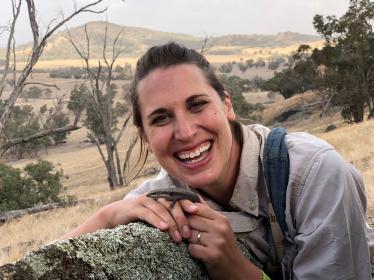
Dr. Julia Riley is an Assistant Professor in the Department of Biology at Mount Allison University. Her research focuses on amphibian and reptile behavior, evolution, and ecology, with a strong emphasis on conservation. She leads the Riley Integrative Ecology Lab, which investigates topics such as social behavior in lizards, developmental plasticity in reptiles, and the impacts of urbanization on species adaptation. Dr. Riley collaborates with institutions across Canada and globally, including Dalhousie University and the New Brunswick Museum. Her work integrates behavioral ecology, evolutionary biology, and conservation science, addressing questions like how environmental factors shape animal traits and how urbanization affects ecological interactions. She actively promotes conservation strategies, such as evaluating protective measures for turtle nests and mitigating road mortality for amphibians and reptiles. Research Themes: Amphibian/Reptile Conservation, Behavioral Ecology, Urban Ecology, Evolutionary Adaptation Key Collaborations: Dr. Joshua Baxter-Gilbert, Dr. Mike Whiting, Dr. Liese Schwanz Funding Partners: NSERC, New Brunswick Innovation Fund, Nature Conservancy of Canada Dr. Riley’s lab emphasizes interdisciplinary approaches, combining fieldwork with quantitative analysis. She mentors students in MSc/PhD programs through her adjunct appointments and prioritizes training in grant writing, field techniques, and ethical research practices.
Peter Brown is an Associate Professor in the School of Life Sciences at Anglia Ruskin University (ARU), Faculty of Science and Engineering. His research focuses on ladybird ecology, invasive species, and citizen science, with strong collaborations across the UK (especially the UK Centre for Ecology & Hydrology and University of Hull), Europe, and Chile. Education: PhD: The spread of the harlequin ladybird Harmonia axyridis (Coleoptera: Coccinellidae) in Europe and its effects on native ladybirds – Anglia Ruskin University (2010) BSc (Hons) Ecology and Conservation – Anglia Ruskin University (2004) Peter's research interests include ladybird ecology, the impacts of non-native species on native biodiversity, intraguild predation among arthropods using molecular tools, and the use of citizen science in ecological research, particularly through the UK Ladybird Survey and COST Action CA17122. He investigates the global spread and ecological effects of the harlequin ladybird (Harmonia axyridis) and evaluates the benefits and risks of exotic biological control agents. As director of the Citizen Science Research Group and member of the Applied Ecology Research Group, he emphasizes public engagement in science. His recent publications reveal a consistent focus on citizen science, invasive species monitoring, and conservation biology. Themes include volunteer motivations, digital tools for data collection, policy implications of alien species, and recovery strategies for native ladybirds. This body of work demonstrates a strong integration of field ecology, molecular techniques, and public participation. Scientific Awards and Memberships: Fellow, Royal Entomological Society Honorary Fellow, British Naturalists' Association Co-leader, UK Ladybird Survey Editorial board, Nature in Cambridgeshire Member, British Ecological Society Peter supervises postgraduate research in ladybird and insect ecology and welcomes PhD applications. He has secured collaborative research opportunities and leads projects involving citizen science data. He has also contributed to policy and management frameworks for invasive species in Europe. Peter leads the undergraduate module 'Invertebrate Biology' and postgraduate modules in conservation and biodiversity, including field-based learning. He directs the Citizen Science Research Group and is actively involved in public outreach, having appeared on BBC programs such as The One Show, Countryfile Diaries, and The Today Programme, enhancing public understanding of ecology and invasive species.
Cameron Currie is a Professor in the Department of Biochemistry & Biomedical Sciences at McMaster University. His research focuses on microbial symbiosis, particularly in insect-fungus-bacteria relationships, with applications to antibiotic discovery and understanding the complex interactions in natural systems. His research interests span microbial ecology, antibiotic production, co-evolution, and biodegradation processes. He investigates the symbiotic relationships between insects (particularly ants) and microorganisms, exploring how these interactions can lead to novel drug discovery and insights into ecosystem dynamics. The recent publications of Dr. Currie cover diverse topics in microbiology, ecology, and biochemistry, with particular emphasis on lignocellulose degradation, microbial competition, fungal impacts on ecosystems, and biofilm inhibition. These articles demonstrate his focus on microbial interactions, particularly in insect agricultural systems. Dr. Currie teaches courses in drug discovery and development (BIOMEDDC 3B06) at McMaster University.
Kiisa Nishikawa is a Regents' Professor in the Department of Biological Sciences at Northern Arizona University. Her research focuses on muscle mechanics, particularly the role of the titin protein in force enhancement and locomotion dynamics. She has pioneered the 'muscle avatar' approach to model in vivo function ex vivo and contributed to applications in robotics, prosthetics, and human performance. Her scholarly works (2021–2024) emphasize residual force enhancement, history-dependent muscle response, and computational modeling of strain trajectories. Articles also explore dancer biomechanics, titin mutations in muscular dystrophy, and neuromuscular control systems. 2024: Studies on rat medial gastrocnemius, titin genotypes, and dancer performance. 2023: Innovations in muscle avatar techniques, Manduca sexta oscillation models, and amphibian muscle evolution. Scientific accolades include the Regents' Professor title and an h-index of 59. Collaborations span comparative physiology, biomechanics, and robotic actuator design.
Alessandra Pesce is an Associate Professor at the Department of Physics (DIFI) of the University of Genoa, Italy. Her research focuses on structural biology of globins, protein aggregation, and cold-adapted enzymes, with applications in life sciences, environmental monitoring, and cultural heritage preservation. She teaches Applied Physics and Biophysics at both undergraduate and graduate levels in Physics and Biological Sciences. Her work spans from atomic-level characterization of protein crystals using Atomic Force Microscopy to large-scale ecological projects like the LIFE+ WHALESAFE initiative for sperm whale conservation through acoustic monitoring. Email: alessandra.pesce@unige.it Phone: +39 010 33 56243 Research Interests: Structural characterization of hexa-coordinated globins in marine organisms Thermodynamic and kinetic analysis of truncated hemoglobins in pathogenic bacteria Quaternary structure adaptations in Antarctic enzymes Development of acoustic monitoring systems for marine mammal conservation Protein aggregation mechanisms in amyloid-related diseases Publication Trends: Over 15 years, her research demonstrates expertise in combining X-ray crystallography with biophysical techniques to study globin family proteins across diverse species (from nematodes to whales). Key themes include heme reactivity modulation, ligand diffusion pathways, and structure-function relationships in extremophile proteins, with recent emphasis on marine conservation technology.
Abigail Bigham is an Associate Professor and Vice Chair for Undergraduate Studies in the Department of Anthropology at the University of California, Los Angeles (UCLA). Her research focuses on human population genetics, molecular evolution, and high-altitude adaptation, particularly in Andean and Tibetan populations. She holds a PhD in Anthropology from Penn State University (2008) and a BA in Anthropology from the University of Arizona (2001). Her team investigates genetic and epigenetic mechanisms underlying adaptation to hypoxia, diet, and infectious diseases. Key research areas include the genetic basis of altitude-related traits like hemoglobin concentration, pulmonary function, and metabolic adaptations. Her lab also explores the evolutionary impact of dietary changes (e.g., potato-rich diets in the Andes) and immune responses to pathogens such as HIV and dengue. Recent work includes epigenetic studies of high-altitude acclimatization and the functional validation of adaptive alleles. Dr. Bigham’s projects often involve interdisciplinary collaborations, integrating genomic data with physiological measurements and anthropological fieldwork. She has conducted field studies in Peru, Tibet, Guatemala, and Nepal, focusing on indigenous populations to understand how genetic variation contributes to survival in extreme environments. Her lab’s website (https://bigham-lab.anthro.ucla.edu/) provides access to datasets and research tools. Her academic contributions span over 50 peer-reviewed articles and grants addressing high-altitude physiology, evolutionary genetics, and global health. She actively advocates for ethical discussions on race and genetics, challenging simplistic biological determinism through public outreach and educational initiatives.
Dr. Laura Russo is an Assistant Professor in the Department of Ecology and Evolutionary Biology at the University of Tennessee, Knoxville. She joined in 2020 after completing a Marie Curie Sklodowska Fellowship at Trinity College Dublin, Ireland, and prior postdoctoral research at Cornell University, Penn State University, and the University of Queensland. Her academic journey includes a B.A. in Biology from Oberlin College and a Ph.D. in Ecology from Pennsylvania State University. Dr. Russo’s research focuses on pollination ecology, network theory, and invasion biology. Key questions in her lab explore win-win scenarios for conservation and agriculture, plant-pollinator interaction networks, and managing species interactions in complex ecosystems. She investigates how environmental factors like fertilizers, herbicides, and climate change affect pollinator behavior and community dynamics. Her work bridges theoretical and applied ecology, with studies on floral resource quality, pollinator preference, and the ecological impacts of invasive species. Notable projects include optimizing powerline vegetation management for pollinator diversity and assessing agricultural practices’ effects on pollinator health. She has published extensively in high-impact journals like PLoS ONE , Oecologia , and Agriculture, Ecosystems and Environment . Dr. Russo teaches ecological modeling and field courses, emphasizing hands-on research. Her lab collaborates internationally, with fieldwork in diverse ecosystems from Kenya to Ireland. Current opportunities are available for students and postdocs interested in pollination networks, invasion ecology, or agroecology. Her research has been supported by grants from USDA NIFA, NSF DMS, and the Marie Curie program. She advises on pollinator-friendly agricultural policies and collaborates with conservation organizations to translate ecological findings into practical solutions.
William Stewart is an Assistant Professor in the Department of Mechanical Engineering at Stony Brook University. He joined the university in 2022 and leads the Soft Flyers Group laboratory. His research focuses on multimodal robotics, particularly in developing robots that integrate principles from soft robotics, biology, and science fiction to enhance capabilities in challenging environments. He holds a Ph.D. in Aerospace Engineering from North Carolina State University (2018) and has postdoctoral experience at École Polytechnique Fédérale de Lausanne (2018–2022). Prof. Stewart's work emphasizes practical modeling, rigorous experimentation, and full vehicle validation. His research interests include eclectic robot design, energy-efficient perching mechanisms, bio-inspired systems, and resilient multi-modal drones. He actively reviews for journals such as Bioinspiration and Biomimetics, Robotics and Automation Letters, and Springer Nature Applied Sciences. His educational background includes degrees from North Carolina State University: a B.S. (2012), M.S. (2014), and Ph.D. (2018), all in Aerospace Engineering. His professional experience combines academic leadership with advanced robotics research, contributing to innovations in aerial, ground, and underwater robotics.
Min Shin is a Professor and Chair of the Computer Science Department at the University of North Carolina at Charlotte (UNC Charlotte), where he also serves as Assistant Dean for Research in the College of Computing and Informatics. He earned his Ph.D. in Computer Science & Engineering from the University of South Florida in 2001. His research focuses on Computer Vision, particularly multiple object tracking and automated visual inspection of nuclear power plants. He leads the Video and Image Analysis Lab, developing user-friendly tracking software funded by NSF, NIH, DARPA, and industry grants. Notable projects include the ABCTracker.org platform, which deploys algorithms refined over 10+ years of research. Dr. Shin’s work spans tracking applications in diverse domains such as ants, bees, cells, termites, robots, and vehicles. He has mentored Ph.D. and undergraduate students extensively, emphasizing computational methods in biology and engineering. His service includes roles as Associate Editor for IEEE Transactions on Systems, Man, and Cybernetics-B, and program committees for top conferences (ICCV, CVPR, ECCV). His grants and collaborations reflect interdisciplinary strengths in vision algorithms, usability, and real-world deployment.
Shelley L. Berger is the Daniel S. Och University Professor at the University of Pennsylvania, holding a "Penn Integrates Knowledge" Presidential Appointment. She serves as Director of the Epigenetics Institute at the Perelman School of Medicine and is Co-Director of the Tumor Biology Program at the Abramson Cancer Center. Her academic appointments span multiple departments including Cell and Developmental Biology, Biology, and Genetics. Dr. Berger earned her B.S. in Biology from the University of Michigan, Ann Arbor in 1982, followed by a Ph.D. in Cell & Molecular Biology from the same institution in 1987. Her distinguished career has led to her current position as a University Professor, one of the highest academic honors at the University of Pennsylvania. Dr. Berger's research focuses on epigenetics and chromatin structure/function in genomic regulation, with particular interest in post-translational modifications of histones and transcription factors. Her laboratory investigates how DNA-packaging structures are manipulated during genomic processes, with applications to understanding cancer, neurodegeneration, and other diseases. Her work spans multiple biological contexts including: Chromatin regulation of transcription Neuroepigenetics and memory formation Behavioral epigenetics in social insects Chromatin regulation in aging and senescence Cancer epigenetics and tumor suppressor mechanisms Analysis of Dr. Berger's recent publications reveals a strong focus on the intersection of epigenetics with aging, cancer, and neurobiology. Her work demonstrates how histone modifications and chromatin remodeling influence cellular senescence, with implications for age-related diseases including Alzheimer's. She has also pioneered research on epigenetic mechanisms in social behavior using ant models, and in T cell exhaustion relevant to cancer immunotherapy. A unifying theme across her publications is the role of specific histone modifications and chromatin regulators in controlling gene expression programs in diverse biological contexts. Dr. Berger has received numerous honors including her appointment as a Daniel S. Och University Professor and a "Penn Integrates Knowledge" Presidential Appointment, recognizing her exceptional interdisciplinary contributions to science. These prestigious appointments reflect her significant impact on the fields of epigenetics and chromatin biology. Dr. Berger mentors a vibrant research team consisting of multiple postdoctoral researchers, graduate students, and research specialists. Her laboratory, part of the Epigenetics Institute at Penn, investigates fundamental mechanisms of chromatin regulation with implications for human health and disease. Current research directions include exploring how epigenetic mechanisms control aging processes, cancer development, and social behavior in model organisms. Dr. Berger collaborates extensively with other leading researchers, including Carl June (pioneer of CAR T cell therapy) and John Wherry (expert in T cell exhaustion), to translate basic epigenetic discoveries into potential therapeutic applications. The Berger Lab operates within the Smilow Center for Translational Research at the University of Pennsylvania. The lab employs a multidisciplinary approach combining molecular biology, genomics, bioinformatics, and model organism studies to investigate chromatin regulation. Current research foci include epigenetic mechanisms in aging and senescence, cancer epigenetics, neuroepigenetics, and behavioral epigenetics in social insects.