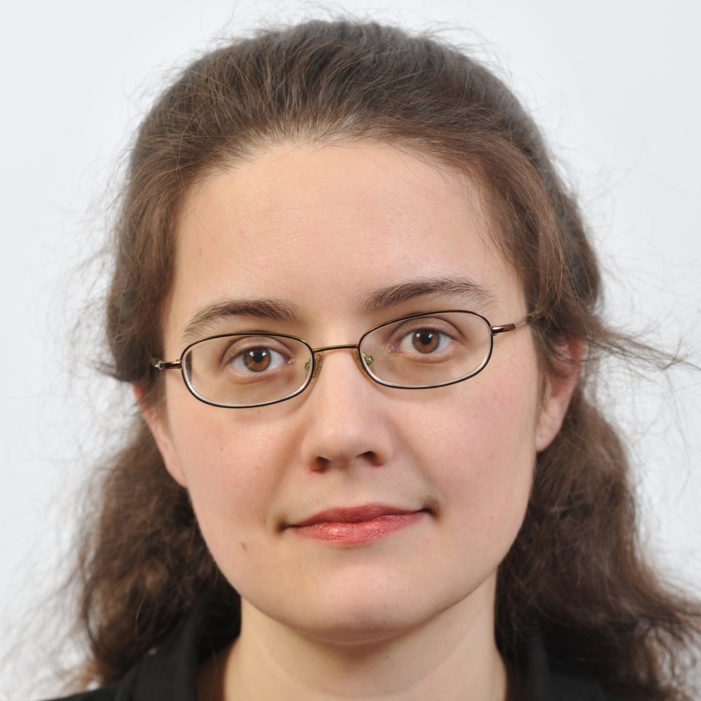
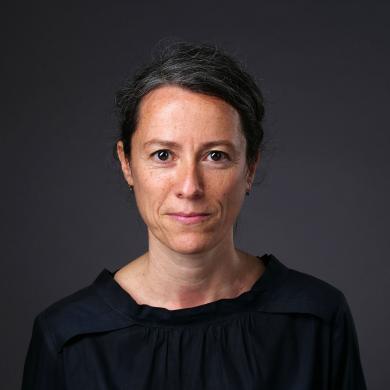
Niels Dingemanse is a tenured Professor of Behavioural Ecology at Ludwig Maximilians University (LMU) in Munich, Germany, and leads the Evolutionary Ecology of Variation research group at the Max Planck Institute for Ornithology. His academic journey includes roles as a Postdoctoral Research Fellow at the University of Groningen and the University of Wales, Bangor. He holds a PhD in natural sciences from Utrecht University (2003) and an M.Sc. in Ecology from the University of Groningen (1997). His research focuses on evolutionary and behavioural ecology, particularly the ecological and evolutionary significance of individual variation in behaviour, physiology, and life-history traits. Key themes include personality evolution, indirect genetic effects, and the integration of genomic approaches with ecological field studies. Dingemanse has contributed to projects like the Great Tit HapMap initiative, exploring genomic variation across continental scales. Publications emphasize interdisciplinary methods, combining field experiments with genomic and statistical tools. His work addresses topics such as mate choice evolution, the role of environmental fluctuations in shaping social plasticity, and the genetic basis of vocal rhythms in birds. Grants and fellowships include the Veni Innovational Research Incentives Scheme (Netherlands Organisation for Scientific Research) and ALW open competition grants. He has advised numerous postdoctoral researchers and leads collaborative projects across Europe.
Professor Ben Sheldon FRS holds the Luc Hoffmann Chair of Ornithology and directs the Edward Grey Institute within the University of Oxford's Department of Biology. His research focuses on evolutionary ecology, particularly individual variation, environmental adaptation, and long-term ecological studies like the Wytham Woods great tit project. Current themes include spatial scaling of ecological interactions, life-history evolution, and social dynamics in bird populations. He has secured major grants from ERC, UKRI, NERC, and BBSRC, and hosted postdocs via Marie Curie Fellowships. Research interests integrate field studies, genetics, and quantitative analysis to explore how environmental and social factors shape animal behavior and adaptation. Recent work examines phenological mismatches, climate impacts, and social network effects on reproduction and survival. Awards include Fellowship of the Royal Society. Advising includes 7-8 graduate students and postdocs, with a focus on PhD and postdoc project supervision. Administrative roles include past Head of the Department of Zoology (2016–2021) and Senior User Representative for the Life and Mind Building (2019–2022). The Edward Grey Institute serves as a key research hub for avian ecology and ornithology.
Alejandro Sánchez Gracia is an Associate Professor at the Universitat de Barcelona's Faculty of Biology, affiliated with the Department of Genetics, Microbiology and Statistics. He leads the Molecular Evolutionary Genetics research group and directs the advanced course in 'Phylogenomics and Population Genomics: Inference and Applications.' Education: Llicenciat in Biology (Universitat de Barcelona, 1998), PhD in Biology (Universitat de Barcelona, 2006) Research Focus: Molecular mechanisms of chemosensory gene evolution in arthropods, development of bioinformatics tools for evolutionary and population genomics, and population genomics of adaptation in Drosophila. His work bridges computational methods with evolutionary biology, emphasizing genomic approaches to study adaptation. Key projects include analysis of chemoreceptor gene families across Panarthropoda, genomic studies of Canary Island endemic species, and development of tools like BITACORA for gene family annotation. He has contributed to major genomic resources such as DnaSP 6 and participated in initiatives like the Earth BioGenome Project. Active in collaborative networks like the European Drosophila Population Genomics Consortium and AdaptNET (Adaptive Genomics Network). Grants and Projects: 2021-2024: PID2020-113168GB-I00 (Ministry of Science, Spain) - Poligenic adaptation in Drosophila 2020-2021: Catalan blind scorpion genome project (Institut d'Estudis Catalans) Labs/Teams: Heads the Molecular Evolutionary Genetics group, collaborating on projects involving spider genomics, chemosensory evolution, and population-level adaptation studies.
Douglas Yu is a Professor in the School of Biological Sciences at the University of East Anglia (UEA), where he also serves as Principal Investigator and Director of the Ecology, Conservation, and Environment Center (ECEC), a joint venture with the Kunming Institute of Zoology. He is a member of the Centre for Ecology, Evolution and Conservation and the Organisms and the Environment research group. His research focuses on cooperation in ecological systems, particularly mutualisms between species and conservation as cooperation between humans and nature. Key methodologies include environmental DNA (eDNA), metabarcoding, and game theory. He co-founded NatureMetrics to commercialize biodiversity monitoring tools. His work spans tropical ecology, conservation genetics, and human-wildlife conflict resolution, notably in the Amazon. His recent research outputs highlight trends in molecular biodiversity assessment, landscape-scale eDNA analysis, and integrating remote sensing with ecological data. He leads multiple NERC-funded projects and industry collaborations focused on pollination services, cocoa sustainability, and statistical frameworks for eDNA. He is actively involved in scientific governance, serving on the NERC Biomolecular Analysis Facility Steering Committee and UKRI grant panels. He also contributes to public discourse through media appearances on topics like leech-based disease surveillance and bee conservation. He teaches courses in evolutionary biology, conservation genetics, and statistical modeling using R. He welcomes PhD and postdoctoral researchers, especially those interested in fieldwork in East Asia.
Birger Lindberg Møller is a Professor in Plant Biochemistry at the Department of Plant and Environmental Sciences, Faculty of Science, University of Copenhagen. He also serves as Director of the Carlsberg Laboratory (since 2014) and Head of the VILLUM Research Center for Plant Plasticity (since 2013). His research spans plant biochemistry, synthetic biology, and natural products chemistry with applications in sustainable production systems. His educational background includes: M.Sc. (1972) Ph.D. (1975) D.Sc. (1984) D.Sc. h.c. (honoris causa) Professor Møller's research focuses on bio-active natural products , particularly the biosynthesis, transport, storage and degradation of cyanogenic glucosides . His work elucidates how plants communicate with their environment and defend themselves against herbivores, pests and abiotic stresses. A promising application of his lab's research involves engineering microalgae, mosses and plant cells into production units for high value natural products . His engagement in synthetic biology represents a logical extension of his plant research activities, with work targeted towards forming new combinations of membrane proteins for harvesting sunlight energy to synthesize valuable natural products or degrade toxic compounds. Analysis of Professor Møller's recent publications reveals a strong focus on plant specialized metabolism, particularly cyanogenic glucosides and related compounds. His work spans genomics, transcriptomics, metabolomics, and synthetic biology approaches to understand plant defense mechanisms and engineer plants for improved traits. Key themes include sorghum and cassava metabolism, diterpenoid biosynthesis, and the application of synthetic biology for sustainable production of high-value compounds through photosynthetic systems. His notable scientific awards include: Villum Kann Rasmussen Research Prize (2007) - Denmark's largest research award (2.5 mil DKK or 350,000 €) The Academy of Future Research's "The Future Prize" (2004) Societas Physiologia Plantarum Scandinavica "Popularization Prize" (2003) Knight of the Dannebrog (1995) Carlsberg Research Prize Award (1994) Hans Gram Medal from the Royal Danish Academy of Sciences and Letters (1985) Appointed Honorary Doctor at the University of Umeå, Sweden (2009) Professor Møller has served as the main advisor for 43 PhD students (with 8 ongoing in Denmark and 3 in Australia) and numerous BSc and MSc students. He has secured significant research funding throughout his career, including an ERC Advanced Grant (2.5 million €), Villum Foundation grants, and participation in major research centers with multi-million euro budgets. His current funding includes projects related to synthetic biology, plant plasticity, and cyanogenic glucoside metabolism. He leads the Plant Biochemistry Laboratory and is deeply involved with the Center for Synthetic Biology at the University of Copenhagen. His laboratory focuses on understanding plant specialized metabolism and applying this knowledge through synthetic biology approaches to engineer plants and microorganisms for sustainable production of high-value compounds. His team collaborates extensively with international partners across Europe, Australia, and beyond, and he actively promotes cross-disciplinary collaboration to address complex global challenges in energy, sustainability, and medicine.
Mikhail Gelfand is a Full Professor and Director of the Center for Molecular and Cellular Biology at Skolkovo Institute of Science and Technology (Skoltech), where he also serves as Vice President for Biomedical Research. His distinguished career spans multiple prestigious institutions including Lomonosov Moscow State University and the Higher School of Economics. His educational background includes: 1985: MSc in mathematics (functional analysis) 1993: PhD in physics-mathematics (biophysics) 1998: DSc in biology (molecular biology) 2007: full professor (bioinformatics) Professor Gelfand's research focuses on molecular evolution, comparative genomics, systems biology, and metagenomics. His work examines eukaryotic processes including alternative splicing, mRNA editing, and chromatin structure, as well as bacterial genome evolution and transcription regulation. His lab combines data on three-dimensional chromatin structure, epigenetic states, and gene expression to obtain an integrated view of genome functioning across diverse organisms from humans to amoebae. One major research direction focuses on the evolution of transcript splicing and editing, while comparative analysis of bacterial genomes yields functional annotations of novel enzymes, transporters, and transcription factors. His recent publications demonstrate a strong focus on RNA editing in cephalopods, bacterial genome analysis, and computational approaches to understanding chromatin structure. The work spans molecular biology, evolutionary biology, and bioinformatics, with particular emphasis on how RNA editing contributes to adaptation and molecular evolution across metazoans. His research shows how edited adenines are more frequently substituted with guanine in evolution than their unedited counterparts, suggesting RNA editing may enhance adaptation. His notable awards include: The President of Russian Federation's Award for Young Doctors of Science (2000) The "Best Scientist of the Russian Academy of Sciences" award (2004) A. A. Baev Prize in Genomics and Genoinformatics (2007) Member of Academia Europaea (2010) As Director of the Center for Molecular and Cellular Biology, Professor Gelfand leads a research group that combines computational and experimental approaches to study genome function and evolution. His lab's work has significant implications for understanding molecular mechanisms of evolution and adaptation across diverse biological systems, from bacteria to complex eukaryotes. His research on metagenomics extends to practical applications in areas including coral disease, aphids, and oil wells.
Reto Nyffeler , PD Dr., has been Lecturer and Curator of Phanerogams at the University of Zurich since 2002. He leads the Institute of Systematic Botany’s herbarium activities and heads the Nyffeler research group, collaborating closely with the Sukkulenten-Sammlung Zürich. Education & Career Diploma in Systematic Botany, University of Zurich (1988-1991) Ph.D., Institute of Systematic Botany, University of Zurich (1994-1997) Post-doctoral researcher & Mercer Fellow, Arnold Arboretum, Harvard University (1997-2000) Post-doctoral researcher, Stanford University (2000-2001) Lecturer and Herbarium Curator, University of Zurich (2002-present) Research Focus Nyffeler’s work integrates plant systematics, biogeography, and phylogenetic methodology. Empirically, he concentrates on the diversification of succulent plants—especially Cactaceae—using molecular phylogenetics to untangle taxonomy, growth-form evolution, and biogeographic history. Parallel interests include the floristics of alpine regions and the systematics of Campanulaceae, Asteraceae, and Ranunculaceae. Across dozens of peer-reviewed papers (2010-2025) he has advanced family-wide phylogenies for Cactaceae and Caryophyllales, documented repeated succulent radiations, and created online taxonomic backbones such as Caryophyllales.org . His current projects combine next-generation sequencing with classical morphology to revise genera like Parodia and to understand adaptation in high-altitude Callianthemum . Students & Mentoring PhD advisee: Anita Lendel (systematics of Trichocereeae) Master advisees: 16 students (2006-2018) working on alpine ecology, cactus morphology, and floristic change Research Group & Collaborations The Nyffeler group comprises a scientific assistant (Dr. Heike Hofmann), technical and IT staff, and rotating Master students. The team maintains close collaborations with the Sukkulenten-Sammlung Zürich, Harvard’s Arnold Arboretum (Mercer Fellowship network), and multiple international cactus specialists.
Professor Ralf Stanewsky leads the Stanewsky Group at the Institute of Neuro- and Behavioral Biology, University of Münster. His research focuses on the molecular mechanisms of circadian rhythms in Drosophila melanogaster , particularly how environmental cues like light and temperature reset the circadian clock. The group employs genetic, molecular, histological, and behavioral approaches to study sensory pathways and their integration in central clock neurons. Member of the Multiscale Imaging Centre (MIC) and Imaging Network – Microscopy Current lab members: Ph.D. students Anna Katharina Eick, Angelica Coculla, Maia Zabel Barroso Technical assistants Regina Hube and Ume Aiman Research Themes Light and temperature synchronization of circadian clocks Temperature compensation mechanisms in biological timing Neuronal integration of environmental signals Evolutionary aspects of circadian regulation Professor Stanewsky’s work spans molecular clock components (e.g., cryptochromes, timeless gene variants) to broader ecological implications of temporal niche choice. His lab investigates how clock gene expression responds to seasonal changes and environmental stressors, while also exploring novel synchronization pathways beyond classical photoreceptors. Publication Trends Recent articles emphasize temperature-dependent clock regulation , evolutionary capacitance via Hsp90 , and non-canonical phototransduction in circadian systems. Key subfields include nuclear transport dynamics, kinase evolution, and computational modeling of periodic patterns across species. Contact Information Institute of Neuro- and Behavioral Biology, University of Münster MIC | Röntgenstraße 16, D-48149 Münster, Germany Email: stanewsky@uni-muenster.de Phone: +49 251 8321029
Alan Andersen is a Professor at Charles Darwin University (CDU), holding positions in the Office of Research and Innovation and the Research Institute for the Environment and Livelihoods. Previously, he served as Chief Research Scientist at CSIRO’s Tropical Ecosystems Research Centre in Darwin, leading interdisciplinary teams to address environmental challenges in tropical savannas. His research focuses on ant ecology, bioindicator systems, fire management, and tropical ecosystem dynamics. Research Interests: Global ant community ecology and biogeography Use of ants as bioindicators for ecological change Tropical savanna ecology and management Fire regimes and their ecological impacts Invertebrate biodiversity conservation Recent articles emphasize ant diversity in monsoonal Australia, fire effects on communities, and cross-taxa ecological responses. His work bridges basic and applied research, with practical outcomes for land management and policy. Awards include the 2000 Asian Innovation Award and the 2007 Charles Darwin Medal. He chairs the Australian Academy of Science’s National Committee for Ecology, Evolution, and Conservation, and leads initiatives like the Territory Science Forum to promote innovation in the NT. Key Projects: TERN ant biodiversity surveys Ecosystem restoration genomics Beetaloo Basin environmental surveys Indigenous energy sustainability projects His contributions span over 250 publications, an h-index of 76, and extensive grants, reflecting leadership in tropical ecological science.
Cornelius Barry is an Associate Professor in the Department of Horticulture at Michigan State University, with affiliations to the Plant Breeding, Genetics and Biotechnology program, AgBioResearch, and the Molecular Plant Sciences Graduate Program. He joined MSU in July 2007 with a 75% research and 25% teaching appointment. Education: PhD and BSc from the University of Nottingham and University College of Wales Current roles: Director of NSF REU Site: Plant Genomics @ MSU His research focuses on the evolution of biochemical diversity within the Solanaceae family , particularly specialized metabolites like terpenoids, flavonoids, and alkaloids. He investigates their roles in plant defense, pollinator attraction, and human applications through genomics, metabolite profiling, and synthetic biology. Recent publications show expertise in alkaloid biosynthesis , trichome chemistry , and metabolic pathway engineering . Key collaborations include teams at Boyce Thompson Institute, Texas A&M, and University of Nottingham. He advises graduate students in Genetics , Biochemistry & Molecular Biology , and Molecular Plant Sciences programs.
Derek J. Taylor is a Professor in the Department of Biological Sciences at the University at Buffalo (College of Arts and Sciences), specializing in evolutionary biology and molecular evolution. His research focuses on the evolutionary genetics of aquatic invertebrates, particularly cladocerans (e.g., Daphnia species), and integrates molecular, genomic, and phylogenetic approaches to study speciation, hybridization, species introductions, and paleovirology. He leads the Taylor Lab, which explores topics such as viral evolution in insects and microbats, and the evolutionary history of freshwater crustaceans. Education: PhD in Biology from the University of Guelph, followed by postdoctoral research at the University of Michigan. Research Interests: Molecular evolution of species complexes, host-virus coevolution, phylogeography, and the evolutionary maintenance of viral genes in host genomes. His work bridges genetics, ecology, and systematics to address questions in evolutionary biology. Key contributions include studies on filovirus evolution in bats, the phylogenetics of Daphnia species, and the origins of biodiversity in Holarctic freshwater ecosystems. His lab’s findings have been published in journals like Zoological Journal of the Linnean Society , Virus Evolution , and Ecography . Contact: Hochstetter Hall H530, Buffalo, NY | Office Hours: Thursdays 2:00–4:00 PM.
Elizabeth Clare is an Associate Professor in the Department of Biology at York University, affiliated with the Faculty of Science. Her research focuses on developing novel technologies to monitor biodiversity and assess ecosystem responses to environmental change, particularly using environmental DNA (eDNA). She pioneered airborne DNA sampling to study terrestrial biodiversity at continental scales and has contributed to BIOSCAN, a global biodiversity program. Research Themes: Biodiversity monitoring, species interactions, environmental change resilience, bat biology, tropical ecosystems. Technological Innovations: Airborne eDNA, iDNA from leeches, and mobile lab sequencing in remote locations. Her work has been featured in Science , Nature , and media outlets like Wired and NPR . She teaches courses in evolution, ecology, and conservation biology, emphasizing critical thinking and applied research. Recent grants include NSERC and Genome Canada funding for airborne DNA projects. Clare collaborates globally, with fieldwork in Belize, South America, and Southeast Asia. Her lab's 'airDNA' technology has revolutionized biodiversity surveys, leveraging existing air-quality networks for ecological insights. She advises students on projects like urban bat ecology and BIOSCAN applications. Awards include election to the Royal Society of Canada (2023) and recognition for teaching innovations like the BioAudio podcast. Her lab also develops open-access tools, such as 3D-printable eDNA filters.
Marta Moita is a Research Professor and Principal Investigator at the Champalimaud Foundation's Champalimaud Research center in Lisbon, Portugal, where she leads the Moita Lab in the Behavioral Neuroscience research group. Her laboratory investigates the neural and behavioral mechanisms underlying threat responses in animals, with particular focus on how contextual cues influence defensive decision-making between freezing and fleeing behaviors. Dr. Moita's research spans multiple levels of analysis, from collective behavior in social contexts to detailed neural mechanisms. Her lab employs diverse model organisms, particularly fruit flies ( Drosophila melanogaster ) and rats, to study how animals integrate social, spatial, and internal state information to guide threat responses. Key research areas include fear conditioning, emotional contagion, social safety cues, and the neural circuits underlying defensive behaviors. Her work often bridges behavioral neuroscience with evolutionary biology perspectives, examining how defensive strategies have been shaped by natural selection. The Moita Lab's publication record demonstrates a consistent focus on innovative approaches to understanding threat processing across species. Recent work has revealed how looming visual stimuli drive defensive responses in rats, how social cues can override threat levels, and the physiological consequences of threat exposure. The lab frequently publishes in high-impact journals including Current Biology , Nature Communications , and Science Reports , reflecting the significance of their contributions to the field. Dr. Moita actively mentors several PhD and Masters students, including Charlotte Rosher, Violetta La Franca, Mariana Franco, Matilde Henriques, and Mirjam Heinemans. Her laboratory team also includes postdoctoral researchers like Alexandre Leitão, Anna Hobbiss, and Ricardo Neto Silva, along with research technicians and lab administrators who support the diverse research projects.
Professor Vincent Savolainen is a Professor of Organismic Biology at Imperial College London's Department of Life Sciences (Silwood Park Campus), part of the Faculty of Natural Sciences. He serves as Director of the Georgina Mace Centre for the Living Planet, focusing on interdisciplinary environmental challenges. Previously, he was Deputy Head of the Department of Life Sciences (2013–2016) and Deputy Head of Molecular Systematics at the Royal Botanic Gardens, Kew (2007–2016). His research integrates field ecology, molecular phylogenetics, and population genomics to address biodiversity preservation, evolutionary biology, and societal challenges like pandemic monitoring. Key areas include ecological speciation in palms, same-sex behavior in animals, and zoonotic disease surveillance in bats. He has pioneered environmental DNA (eDNA) techniques for biodiversity assessment and led studies on the genetic basis of traits like sexual orientation in primates. Professor Savolainen holds prestigious awards, including the Linnean Society’s Bicentenary Medal (2006), European Research Council Advanced Grant (2008), and Coincy Medal for Botany (2014). He sits on UK Natural Environment Research Council panels and Royal Society committees. His group includes researchers like Dr Marco Balducci and Dr Louis Bell-Roberts, and collaborates with institutions like the Zoological Society of London and Royal Society of Biology. Current projects explore plant-insect coevolution, conservation genetics of deer species, and the evolution of endothermy in fish.
Lorena REBECCHI is a Full Professor in the Department of Life Sciences at the University of Modena and Reggio Emilia. Her research focuses on tardigrade biology, particularly their survival mechanisms under extreme conditions such as desiccation, temperature extremes, and radiation. She explores phylogenetic relationships, symbiotic microbiota, and evolutionary adaptations of these organisms. REBECCHI's work integrates morphological, molecular, and physiological approaches, contributing to understanding anhydrobiosis, stress responses, and tardigrade ecology. Key research areas include tardigrade phylogeny (e.g., resolving their position within Panarthropoda), environmental adaptations (e.g., thermal tolerance and acid resistance), and astrobiology applications (e.g., space flight experiments). She has described multiple new species and revised taxonomic classifications within Tardigrada. REBECCHI collaborates internationally, evidenced by conferences like the 2024 IADCI meeting hosted at her institution. Publications emphasize comparative transcriptomics, symbiont evolution, and the structural basis of tardigrade feeding mechanisms. Her lab's work on Antarctic tardigrades highlights climate change impacts and genetic diversity. REBECCHI's research has practical applications in biotechnology (e.g., space food systems) and environmental monitoring.