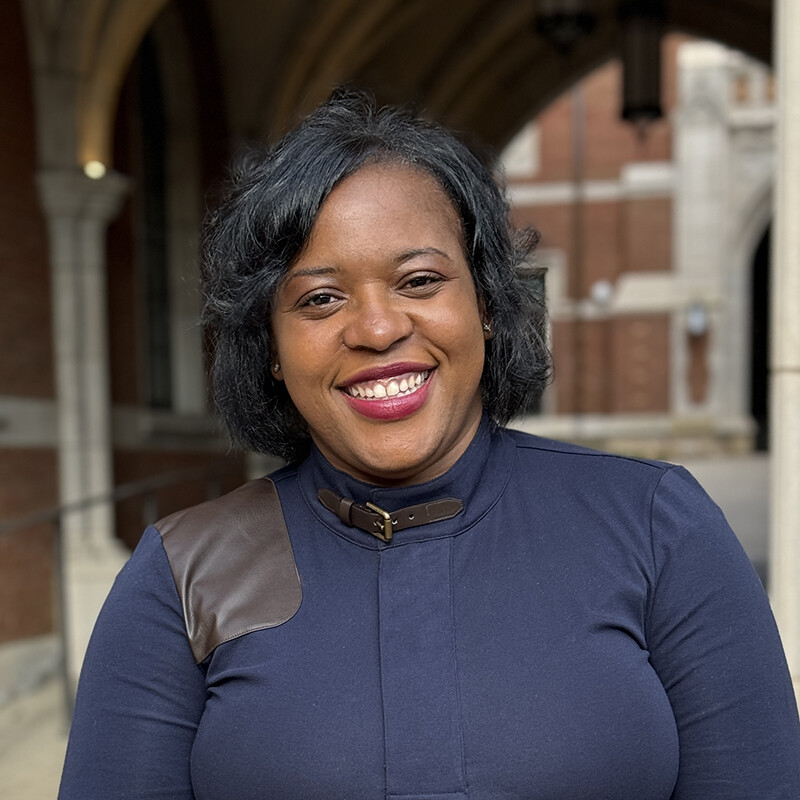
Dr. Nikki Lobczowski is an Assistant Professor in the Learning Sciences program at McGill University's Department of Educational and Counselling Psychology. She directs the McGill CREATE Research Lab, focusing on collaborative learning interventions using cutting-edge technologies. Her expertise spans design-based research, educational technologies, and socioemotional dynamics in learning. Education includes a Ph.D. in Education from UNC Chapel Hill (specializing in Learning Sciences), M.Ed. and B.Sc. in Mathematics from Virginia Tech. Awards include the 2021 APA Pintrich Dissertation Award and multiple grants from SSHRC and McGill. Research emphasizes context-sensitive interventions in collaborative settings, with recent work on emotional regulation in project-based learning and theoretical models for socioemotional processes. She designs technologies to support secondary math education and collaborates across institutions like the University of Pittsburgh and Carnegie Mellon. Accepting graduate students for 2023-24 through the CREATE Lab. Active in professional networks via ResearchGate, Twitter, and LinkedIn.
Kathleen L. Komar is a Distinguished Professor in the Department of Comparative Literature at the University of California, Los Angeles (UCLA), part of the UCLA College. She holds a Ph.D. in Comparative Literature from Princeton University (1977). Her primary language expertise includes German, reflecting her focus on German literary traditions. Professor Komar’s research spans feminist theory, modernist literature, and post-symbolist poetry, with significant contributions to the study of Rainer Maria Rilke, Hermann Broch, and Robert Musil. She has authored and edited works analyzing mythological reinterpretation, gender dynamics in literature, and the intersection of digital humanities with traditional literary studies. Her academic career includes leadership roles such as serving as ACLA President, where she championed interdisciplinary approaches and the evolution of comparative literature as a discipline. Komar’s scholarship bridges historical analysis and contemporary critical theory, addressing themes like utopianism, postcommunism, and the role of silence in postwar discourses. She has also explored pedagogical innovations in teaching world literature and the application of predictive analytics in educational technology. Notable research areas include: Reinterpretation of classical myths (e.g., Klytemnestra) Modernist aesthetic theory in German literature Electronic poetry and digital textuality Feminist explorations of literary space Comparative studies of European and American literary traditions Her publications reflect a commitment to interdisciplinary dialogue, spanning edited companions, critical essays, and theoretical interventions in both print and digital formats. Komar’s work frequently emphasizes the transformative potential of literature to interrogate cultural, political, and gendered structures.
Jeremi London is an Associate Professor of Mechanical Engineering and Assistant Provost of Academic Opportunity and Belonging at Vanderbilt University’s School of Engineering. She leads programs like the Posse Scholars Program and First-Generation initiatives, focusing on broadening undergraduate access to academic opportunities. Her expertise spans engineering education research, with a focus on diversity, equity, and inclusion (DEI). She has secured over $5.8M in grants and authored over 100 publications. London previously chaired the American Society for Engineering’s Diversity Commission and has held roles at the NSF, GE-Healthcare, and Anheuser-Busch. Education : Ph.D. Engineering Education, Purdue University (2014) M.S. Industrial Engineering, Purdue University (2013) B.S. Industrial Engineering, Purdue University (2008) Research Interests : London investigates the impact of STEM education through mixed methods, emphasizing DEI in engineering and authentic learning experiences. Her work addresses systemic barriers to participation, leveraging technologies like augmented reality (AR) to enhance educational outcomes. Recent focus areas include Black students’ experiences, faculty development programs, and institutional equity initiatives. Grants & Awards : NSF CAREER Grant Best Paper Awards Leadership in ASEE’s Year of Impact on Racial Equity Advising & Grants : London directs over $5.8M in grants, including the NSF-funded CAREER project. She advises on national DEI initiatives and graduate student support programs, emphasizing multicultural environments and faculty development. Labs & Teams : Her work integrates with Vanderbilt’s Office of Undergraduate Education and the Center for Equity in Engineering, fostering collaborations across academia and industry.
Nilanjan Sarkar is the Vice Dean and Senior Associate Dean for Faculty Affairs at Vanderbilt University's School of Engineering, holding the David K. Wilson Professorship in Engineering. He is a Professor in Mechanical Engineering, Computer Engineering, and Computer Science. His research focuses on intelligent systems for human interaction, including robotics, virtual/augmented reality, and assistive technologies for neurodevelopmental disorders and aging populations. Education: PhD (Mechanical Engineering, University of Pennsylvania), ME (Indian Institute of Science), BE (Indian Institute of Engineering Science and Technology, Shibpur). Research interests span human-robot interaction, sensor fusion, and rehabilitation engineering. His lab develops systems for autism intervention, stroke rehabilitation, and elderly engagement through socially assistive robotics and VR/AR. Notable projects include robot-mediated therapy for children and AR telepresence systems for long-term care facilities. Labs/Teams: Robotics and Autonomous Systems Laboratory. Key contributions include CoMove, RASSLE, and the Career Interview Readiness in VR platform. His work emphasizes participatory design with end-users for ethical and inclusive technology.
David J. Reinkensmeyer is a Professor at the University of California, Irvine (UCI), holding appointments in the Department of Mechanical & Aerospace Engineering (The Henry Samueli School of Engineering), Anatomy & Neurobiology (School of Medicine), and Biomedical Engineering. His research focuses on neurorehabilitation engineering, developing robotic and sensor-based technologies to enhance motor recovery after neurological injuries such as stroke and spinal cord injury. He leads interdisciplinary efforts in robotic therapy, sensor design for movement assessment, and computational models of motor learning. Key areas include: Design of robotic devices for upper/lower extremity rehabilitation Development of wearable sensors to monitor home exercise programs Studying motor adaptation and proprioception in clinical populations Optimizing neurorehabilitation interventions through computational modeling His work integrates biomechanics, machine learning, and clinical neuroscience to create practical solutions for disabling movement disorders. Recent projects explore scalable mRehab systems, data-driven diagnostics, and real-time feedback technologies. Funding sources include NIH grants (e.g., R01 HD062744) and industry collaborations. Over 200 peer-reviewed publications and numerous patents reflect his impact in translating engineering innovations into clinical practice.
Professor Mathew White serves as Deputy Dean (International) in the Faculty of Arts, Business, Law, and Economics (ABLE) at the University of Adelaide, where he holds the title of Professor of Education. He earned his PhD in Education from the University of Adelaide in 2004 while teaching full-time in secondary schools. His academic career began with part-time lecturing at the Melbourne Graduate School of Education (2006–2018), transitioning to academia as an Associate Professor in 2018 and promoted to Professor in 2025. His leadership spans strategic internationalization efforts across ABLE’s seven schools, overseeing over 80 global partnerships. He also serves as an Honorary Principal Fellow at the University of Melbourne and has held visiting roles at the University of Oxford. Research interests include integrating wellbeing science into education leadership, policy, and pedagogy, focusing on theoretical frameworks like PERMA, character strengths, and the 'wellbeing learning poverty cycle.' He has authored eight books and 69 peer-reviewed publications, recognized with awards such as the Hedley Beare Award (2024) and the Stephen Cole the Elder Award (teaching excellence). Education: PhD in Education (University of Adelaide, 2004) Professional Roles: Deputy Dean (International), ABLE; International Ambassador, University of Adelaide Grants: Secured funding from institutions like The Moreton Bay Colleges and Catholic Education West Australia (e.g., $35,000 in 2021–2022). Teaching focuses on wellbeing in education, leadership, and pedagogy, with courses like Introduction to Wellbeing in Education (Masters level). He supervises PhD/Masters students in wellbeing education, leadership, and curriculum development. Fellowships include Senior Fellow of the UK Higher Education Academy and Fellow of the Royal Society for the Encouragement of Arts. Labs/Teams: Leads ABLE’s international strategy team and collaborates with global institutions through the Division of External Engagement. Research projects emphasize interdisciplinary wellbeing models and post-pandemic educational recovery.
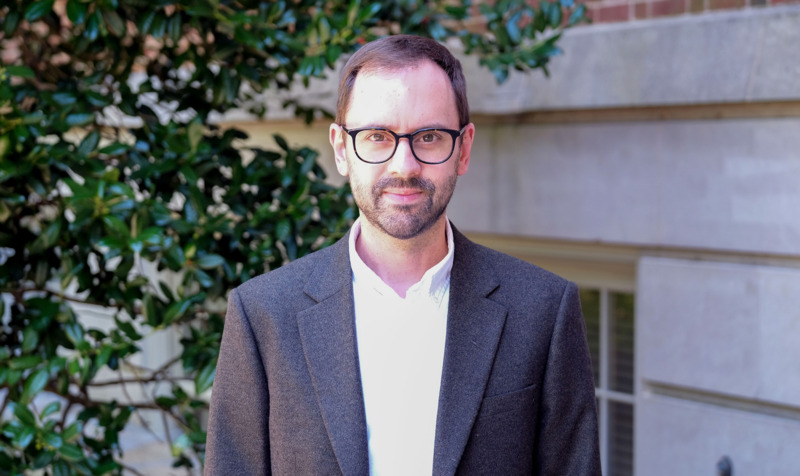
Christian Ehret is an Associate Professor in the UNC School of Education at the University of North Carolina at Chapel Hill. He holds dual affiliations in the Culture, Curriculum, and Teacher Education (CCTE) and Learning Sciences and Psychological Studies (LSPS) departments. His work focuses on the emotional dimensions of literacy, digital media, and learning in marginalized contexts such as children’s hospital schools and urban communities. Education Background: Ph.D. in Learning, Teaching, and Diversity (Vanderbilt University) M.A. in English Education (University of Georgia) B.A. in English and Comparative Literature (University of Georgia) Research Interests: Ehret investigates how digital technologies shape youth emotional well-being, community-building, and critical literacy practices. Key themes include: Affect theory in literacy education Algorithmic cultures and digital equity Design-based research for inclusive pedagogies Learning in non-traditional spaces like hospitals and youth centers His current projects examine esports communication, algorithmic literacy on social media, and hospital school educational equity. Research Trends: Recent work emphasizes postdigital play, affective geographies, and sociomaterial analyses of gaming environments. Over 12023-2024, studies increasingly focus on algorithmic awareness in TikTok (#BookTok) and narrative videogames’ pedagogical potential. Grants & Collaborations: Supported by the National Council of Teachers of English, Canada’s SSHRC, and the Fonds de Recherche du Québec. Co-editor of Reading Research Quarterly (2023-2026). Active in community partnerships with schools, libraries, and urban youth centers. Labs/Teams: Collaborates with interdisciplinary teams across education, psychology, and digital humanities. Leads research initiatives in hospital school education and post-pandemic youth methodologies.
Andrew deWaard is an Assistant Professor of Media and Popular Culture at the University of California, San Diego (UCSD). His research focuses on the cultural industries, political economy of media, financial capital’s impact on media authorship, and media consolidation. He is the author of Derivative Media: How Wall Street Devours Culture (UC Press, 2024), which analyzes financialization in film, television, and music. He co-authored The Cinema of Steven Soderbergh (2013) and co-founded the Cultural Capital Project (SSHRC-funded) and the MACRO Lab , studying media consolidation and independent music in the streaming era. Education: PhD in Cinema and Media Studies, University of California, Los Angeles (2017) MA in Film Studies, University of British Columbia (2009) BA in Film Studies and Media, Information, and Technoculture, University of Western Ontario (2005) Research Interests: De Waard examines how financialization reshapes creative industries, particularly through Wall Street’s influence on film, music, and media. His work bridges political economy, cultural studies, and ethnography to critique corporate monopolies and advocate for equitable media systems. Key themes include streaming platforms, authorship dynamics, and policy interventions for artists. Publications Trends: His articles span financialization in Hollywood, indie film funding, Canadian music policy, and digital annotation tools for education. Notable works include analyses of venture capital’s role in media and ethnographic studies of musicians in the streaming age. His 2023 Popular Music and Society article won an award from IASPM-Canada. Awards/Grants: Best Article 2023 (IASPM-Canada) SSHRC-funded research projects (Cultural Capital Project, MACRO Lab) Labs/Teams: Leads the MACRO Lab at UCSD, analyzing media consolidation effects, and co-directs the Cultural Capital Project, studying independent music’s struggles in streaming economies.
Professor Tommy Chan is Chair in Civil Engineering at Queensland University of Technology's School of Civil and Environmental Engineering. With over $10M in research funding, his work focuses on structural health monitoring of bridges and infrastructure systems. His research group develops cutting-edge methods for assessing structural integrity using vibration analysis, optical sensors, and machine learning. Professor Chan leads major projects including the ARC-funded 'Next Generation Bridge Monitoring' initiative developing real-time monitoring systems for prestressed concrete bridges. His team's innovations include GNSS-based settlement monitoring and synergic identification methods for prestress force evaluation. Current research explores vehicle-bridge interactions, damage detection algorithms, and novel materials for impact protection. He has received numerous honors including the Vice Chancellors' Leadership Award and Top Supervisor Award. Professor Chan founded the Australian Network of Structural Health Monitoring and serves on editorial boards for multiple journals in structural engineering.
Kenya F Snowden is an Associate Professor of Clinical at the University of Miami's School of Nursing and Health Studies (SONHS). She currently serves as Director of the Family Nurse Practitioner Program and Interim Director of the Adult Gerontology Acute Care Program. Her work focuses on advancing nursing education through innovative teaching methods, global health initiatives, and addressing health disparities. Dr. Snowden is actively involved in curriculum development and mentorship programs aimed at supporting minority and disadvantaged students in nursing. She leads projects integrating simulation-based learning and telehealth innovations to enhance clinical preparedness and community health outcomes. Her research interests include global health, chronic disease management in underserved populations, lactation support for minority women, and the effective use of simulation in healthcare training. She has collaborated internationally, particularly in Jamaica and Haiti, to strengthen nursing education systems in resource-limited settings. Dr. Snowden is also affiliated with the SONHS' Simulation Hospital Advancing Research and Education (S.H.A.R.E.®), leveraging this facility to advance experiential learning and healthcare innovation. Dr. Snowden’s academic contributions include pioneering programs such as the Scholarship for Disadvantaged Students, which has improved graduation rates and NCLEX pass rates among underrepresented nursing students. She has mentored numerous DNP students in community-based projects focused on systemic healthcare improvements. Despite no explicitly listed awards, her leadership roles and impactful publications reflect recognition for her contributions to nursing education and practice.
Dr. Elisa Palazzo is a Senior Lecturer at the University of New South Wales (UNSW) within the Faculty of Arts, Design & Architecture. With a PhD in urban design, regional and environmental planning, she has extensive international teaching experience at universities in Italy, China, and Australia. Her professional background includes over 20 years as a registered landscape architect, architect, and urbanist, with significant project experience across Europe, the Middle East, China, and Australia. Her research focuses on adaptive and regenerative urban design, particularly water-sensitive cities and flood adaptation strategies in urban and rural systems. She explores biocultural diversity, landscape ecology, and transdisciplinary approaches to address environmental change. Her work bridges landscape architecture with urban design to create more resilient and environmentally sound cities. Analysis of her recent publications reveals a strong emphasis on practical applications of urban resilience, with particular attention to flood adaptation strategies, biocultural landscape assessment, and the implementation of water-sensitive urban design principles globally. Her research shows an increasing focus on transdisciplinary approaches that integrate community engagement with technical solutions. Banksia Sustainability Award 2020 (Academia and Research category) Place Leadership Award 2019 Learning & Teaching Award 2020 Executive Dean's award for excellence in teaching 2017 Peter Joseph Lenné Preis (1999) Multiple EUROPAN first prizes (1996, 1999) Dr. Palazzo has successfully supervised three PhD students and one Post-Doc to completion since 2015/2016 and currently supervises research in adaptive urban design, water resilience, and post-mining site regeneration. She has secured significant research funding including a $0.94 million MYER Foundation grant (2018-2020) and multiple Category 2 and 3 grants totaling $196,000 (2015-2024). She actively contributes to cultural landscape heritage work, serving as co-convenor of the Australia ICOMOS National Scientific Committee on Cultural Landscapes and Cultural Routes, and as co-author of the Burra Charter Practice Note on Cultural Landscapes. Her professional practice includes 38 built projects that have received 29 awards, including 11 first prizes.
Professor Alice Bradbury is a leading academic in the Sociology of Education at the UCL Institute of Education (IOE), part of University College London's Faculty of Education and Society. Her work critically examines the intersection of education policy, inequality, and social justice, with a focus on early years and primary education. A central theme of her research is how policies like school inspections (Ofsted), assessment frameworks, and austerity measures impact marginalized communities and contribute to disparities in educational attainment. Bradbury has produced influential studies on the effects of high-stakes testing, the role of datafication in early childhood education, and the emergence of food banks in schools as responses to the cost-of-living crisis. Her research on the controversial Baseline Assessment for five-year-olds directly influenced UK government policy. She also advocates for improving minority ethnic teacher retention and has highlighted the emotional toll of accountability regimes on educators. In addition to her research, Bradbury supervises PhD students and collaborates with schools and policy bodies. Her work bridges academic rigor with real-world impact, often informing debates on educational equity, accountability, and systemic inequality.
Emanuele (Manuel) Trucco is a Professor of Computing and holds the NRP Chair of Computational Vision in the School of Science and Engineering at the University of Dundee. He is also an Honorary Clinical Researcher at NHS Tayside and previously served as an Adjunct Professor at the Chinese Academy of Sciences (2018–2021). His research is centered on computational vision and medical image analysis, particularly in retinal imaging and its applications in systemic disease detection. PhD, Electronic Engineering, University of Genoa (1990) MSc, Electronic Engineering, University of Genoa (1984) Manuel Trucco's research focuses on computer vision and medical image analysis , with a strong emphasis on retinal image analysis for early detection of diseases such as diabetes, cardiovascular conditions, stroke, dementia, and neurodegenerative disorders. He co-directs the VAMPIRE (Vessel Assessment and Measurement Platform for Images of the Retina) initiative, a collaborative effort between the Universities of Dundee and Edinburgh. This platform enables automated, multi-modal analysis of retinal images and has been used in biomarker studies across the UK and internationally. His work integrates deep learning , artificial intelligence , and biomedical engineering to develop non-invasive, scalable diagnostic tools. Industrial collaborations include Canon Medical, OPTOS plc, NIDEK, and Epipole plc, while institutional partners include the Royal College of Ophthalmologists and the UK Biobank Eye and Vision Consortium. Recent publications highlight a strong trend in using AI and deep learning to extract clinical insights from retinal images, including predicting cardiovascular outcomes in diabetic patients, estimating biological age, and analyzing retinal vasculature changes under physiological stress. His work bridges computer science, ophthalmology, and public health, contributing to precision medicine and health equity. His scientific contributions have been recognized through fellowships: FRSA (Fellow of the Royal Society of Arts) FIAPR (Fellow of the International Association for Pattern Recognition) Trucco has led or co-led major research projects, including a £7M NIHR grant on precision medicine for diabetes (Dundee-Chennai), a £1.1M EPSRC grant on vascular dementia biomarkers (PI), the 3M-Euro ITN "REVAMMAD", and several PhD studentships sponsored by OPTOS, NIDEK, SINAPSE, and Toshiba. He has served on the organizing and program committees of major international conferences such as MICCAI and the European Conference on Computer Vision. He is a key member of the VAMPIRE research team and the UK Biobank Eye and Vision Consortium , contributing to large-scale data analysis efforts in vision and systemic disease. His work is at the forefront of AI-driven healthcare innovation, with real-world applications in early disease detection and personalized medicine.
Dr. Kirsten E H Jenkins is a Senior Lecturer in Energy, Environment and Society within the Science, Technology and Innovation Studies (STIS) group of the School of Social and Political Sciences at the University of Edinburgh. She serves as Programme Director for the cross-college Energy, Society and Sustainability MSc programme, run in partnership with the School of Geosciences. Jenkins coordinates the 2500-member Energy and Social Science Network and the Energy Justice JISC mailing list, and serves as Managing Editor for the journal Energy Research & Social Science . Dr. Jenkins' educational background includes: Postgraduate Certificate in Academic Practice, University of Edinburgh (2021) PhD in Sustainable Development, University of St Andrews (2016) MRes in Sustainable Development, University of St Andrews (2013) BSc in Sustainable Development, University of St Andrews (2012) Dr. Jenkins' research focuses on energy justice and social justice issues created by energy production and use. She investigates how to make ethically sound energy decisions that locate infrastructure equitably, recognize people's needs, and use appropriate decision-making techniques. Her work spans nuclear energy in the UK, Scottish wind energy, and smart technologies implementation. She examines intersections between fuel and transport poverty and low carbon energy transitions, exploring how to ensure no social groups are disadvantaged by energy choices. Her recent publications demonstrate a strong focus on energy justice frameworks, intersectionality in energy policy, and just transitions from fossil fuels. Jenkins' work bridges theoretical energy justice concepts with practical policy applications, particularly in the UK context. She examines how social equity considerations can be integrated into energy decision-making across the entire energy system, from uranium mining impacts to consumer affordability of new nuclear power. Dr. Jenkins has served as external examiner for postgraduate programs at SOAS University of London and is a member of the Scottish Government's Fuel Poverty Advisory Panel. Her research has been supported by funding from the RCUK Energy Programme, Norwegian Research Council, CREDS, and the ESRC. As an academic advisor, Dr. Jenkins supervises PhD students on topics related to energy justice, just transitions, and energy policy. Her current supervisees include Lara Santos Ayllon, Rebecca Grant, Yujia Ji, Nicolas Silva, Kaja Horn, and Mathilde Rainard. She has previously supervised completed PhDs including Dr. Lillian Sol Cueva, Dr. Lee Towers, and Dr. Adolfo Mejia-Montero. Jenkins has secured research funding for projects including the FAIR project on fuel and transport poverty, the INCLUDE project on inclusive decarbonization, and research on oil and gas transition in the North Sea region. Dr. Jenkins is an active member of the Energy and Social Science Network and collaborates with researchers across multiple institutions including the University of Sussex, University of Manchester, University of Oxford, and Durham University. She serves as Associate Fellow of the Durham Energy Institute and contributes to interdisciplinary research teams examining energy transitions from social science perspectives.
Dr. Julia Mierau is a researcher at the Institute of Movement and Neuroscience, German Sport University Cologne. She is actively involved in projects related to digitalization in sports teacher education, cognitive performance, and exercise neuroscience. Her work bridges pedagogy and neuroscience, with a strong focus on EEG, motor performance, and digital learning tools. Institution: German Sport University Cologne Department: Institute of Movement and Neuroscience Email: j.mierau@dshs-koeln.de Phone: +49 221 4982-8613 Her research interests include electroencephalography, cognitive performance, exercise psychology, sports pedagogy, and digital media in education. She investigates how physical activity influences brain function and learning, particularly in educational contexts. The recent publications reflect a strong trend in digital innovation in sports education, EEG-based monitoring of exercise effects, and cognitive performance in athletes and children. Her work combines experimental neuroscience with practical pedagogical applications. Scientific Awards: ECSS Young Investigators Award (2011) Fellowship for Digital Higher Education Innovation (2019) Graduiertenstipendium (2007) Reisestipendium (2011, 2014) Dr. Mierau has been principal or co-investigator in multiple externally funded projects, including ComeSport, ComeIn, and S.P.O.R.T.S., focusing on digital competence development in teacher training. She also served as co-editor of the Journal for Study and Teaching in Sports Science in 2021 and 2022, demonstrating academic leadership. She collaborates extensively with researchers such as Jens Kleinert, Heiko Strüder, and Andreas Mierau, contributing to a robust network in sports neuroscience and pedagogy.