Michael Lucey is the Sidney and Margaret Ancker Chair and Distinguished Professor of French and Comparative Literature at the University of California, Berkeley. His work bridges French literature from the 19th to 21st centuries with social theory, sexuality studies, and linguistic anthropology. He has authored the critically acclaimed What Proust Heard: Novels and the Ethnography of Talk (2022) and Thinking about Sexuality with Novels (forthcoming). As founding director of the Center for the Study of Sexual Culture , he has shaped interdisciplinary research in queer theory and gender studies. Current research focuses on novels as ethnographic tools Specializes in Proust, Balzac, Woolf, and contemporary French fiction Translation work includes Didier Eribon and Édouard Louis His recent articles explore phonetics in narrative, readability frameworks, and sociological implications of literary form. He actively engages with comparative methodologies and critical theory, while his teaching spans British and American literature’s intersections with French modernism. Lucey’s academic leadership includes directing Berkeley’s Center for the Study of Sexual Culture, which supports global discourse through fellowships and conferences. His office hours are held in Dwinelle Hall and via Zoom. Contact: mlucey@berkeley.edu
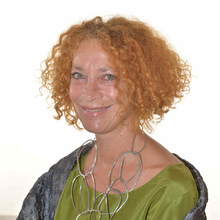
Miriam van Mersbergen, Ph.D., is an Associate Professor in the School of Communication Sciences and Disorders at the University of Memphis. She directs the Voice, Emotion, and Cognition Laboratory (VECL) and serves as an affiliate of the Institute for Intelligent Systems. Her clinical expertise focuses on performing voice users. University of Memphis Institute for Intelligent Systems Her research examines how emotional and cognitive factors influence vocalization and communication. Key projects include establishing vocal measures of affect modulation, studying individual differences in responses to vocal mistakes, and developing clinical tools like measures of voice effort for use in voice clinics. She employs psychometric, behavioral, and psychophysiological methods to analyze the interplay between inner experiences and vocal expression. Dr. van Mersbergen’s academic journey began with studies in music and communication arts at Calvin College, followed by speech-language pathology and vocology at the University of Iowa and doctoral work in speech-language hearing sciences and psychology at the University of Minnesota.
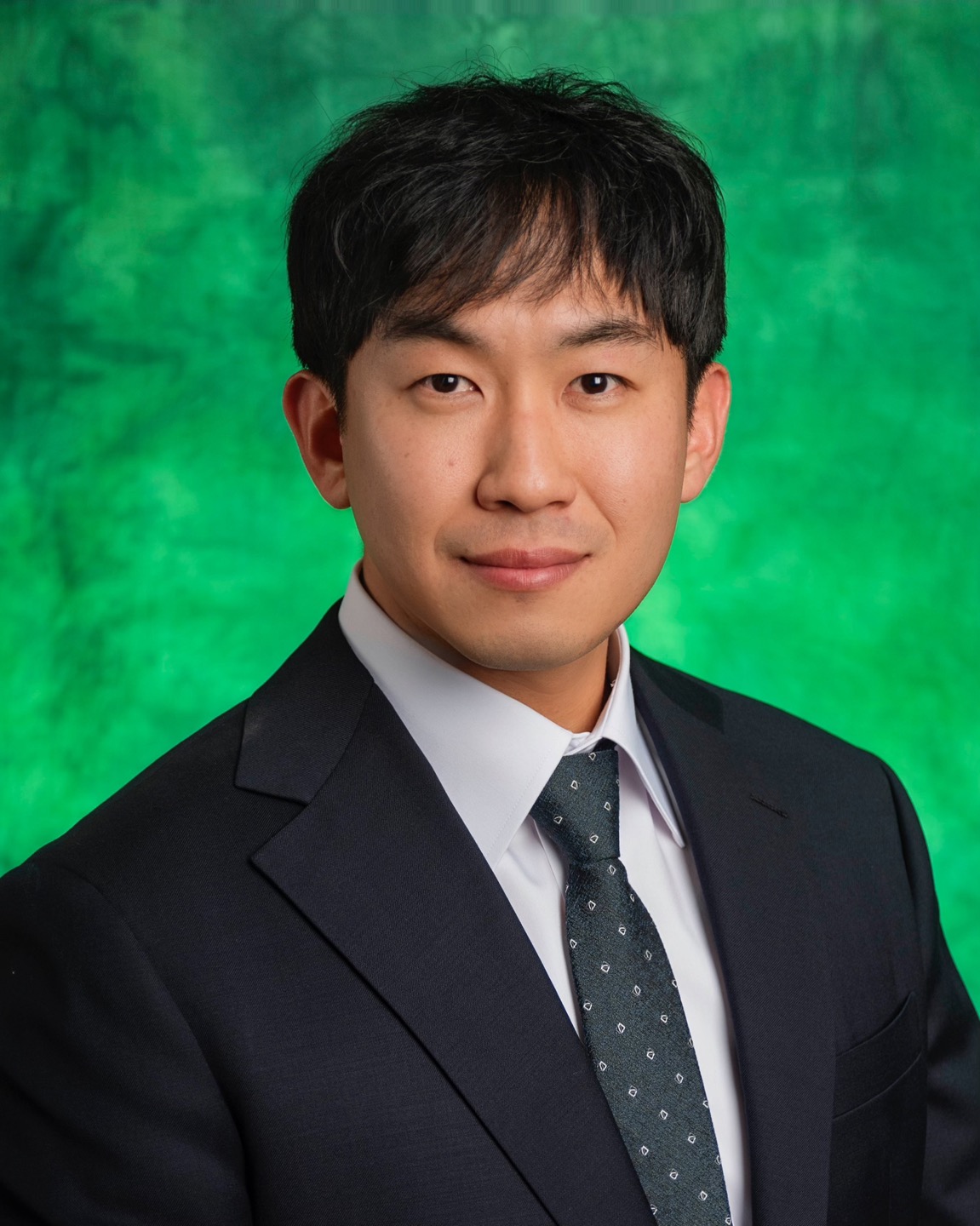
Donguk Lee is an Assistant Professor in the Department of Audiology and Speech Language Pathology at the University of North Texas. He holds a Ph.D. from the University of Tennessee Health Science Center (2023) and previously worked as an audiologist in clinical and hearing aid settings. He also served as a medic in the South Korean Navy, providing medical support in naval and land-based environments. His research focuses on preventing noise-induced hearing loss through studies of auditory efferent systems, leveraging techniques like otoacoustic emissions and auditory evoked potentials. Dr. Lee’s work addresses both clinical and environmental aspects of hearing conservation. His recent studies explore variability in medial olivocochlear reflex responses to noise exposure and the interplay between efferent unmasking and cortical processing. Earlier work assessed noise levels in stadiums, subways, and other public spaces, linking environmental noise to hearing health risks and public attitudes. He was awarded the 2022 Student Research Grant in Audiology from ASHA for his innovative contributions to hearing loss prevention. His articles span from 2014 to 2023, reflecting a trajectory from hearing aid technology development to advanced auditory physiology and environmental noise policy implications.
Prof. Robert Fuchs holds the Frommann Professorship of Applied English Linguistics at the University of Bonn, leading the Chair of Bonn Applied English Linguistics (BAEL) within the Department of English, American and Celtic Studies. His research focuses on World Englishes, corpus linguistics, sociolinguistics, and the impact of artificial intelligence on linguistic analysis. He actively supervises PhD students in topics aligned with his research group's interests, emphasizing empirical work and data science. Recent research explores language change in varieties like Hong Kong English, Trinidadian prosody, and intensifier usage across cultures. Fuchs frequently presents at international conferences, including ISLE, ICAME, and Sociolinguistics Symposium, and publishes extensively in journals like World Englishes and Language and Speech . His teaching includes advanced courses on corpus linguistics and language in culture, with a focus on climate change discourse analysis. He maintains an active academic presence through ResearchGate, Academia.edu, and LinkedIn. Research Interests: Fuchs investigates sociolinguistic variation, AI applications in linguistics, and the structural features of postcolonial Englishes. His work addresses topics such as vowel mergers in Hong Kong English, lexical stress perception in Indian English, and the role of gender in language use. He also explores diachronic changes in aspects like stative progressives and the perfect-past alternation across Asian Englishes. Advising & Grants: Fuchs oversees PhD student recruitment through research associate positions and self-funded scholarships, prioritizing applicants with strong empirical and analytical skills. His funded projects include studies on pandemic discourse (DisCOVIndUK) and linguistic trends in Caribbean English. His lab, BAEL, collaborates internationally, with ongoing work on Trinidadian prosody and Northeast Indian linguistic ecology. Labs/Teams: The Bonn Applied English Linguistics (BAEL) group, part of the University of Bonn's IAAK institute, focuses on cutting-edge research in global Englishes and computational linguistics, hosting international workshops and fostering interdisciplinary collaboration.
Ida Zilio-Grandi is an Associate Professor in the Department of Asian and North African Studies at Ca' Foscari University of Venice, where she specializes in Arabic Language and Literature (SSD L/OR-12). She also holds teaching responsibilities in Islamic Thought and Theology (SSD L/OR-10) and has been actively involved in multiple interdisciplinary programs, including Master’s degrees in Interfaith Dialogue, Islamic Philosophy, and Mediterranean Studies. From 2019 to 2023, she served as Director of the Italian Cultural Institute in Abu Dhabi under the Ministry of Foreign Affairs, reflecting her deep engagement with cultural diplomacy. Education Graduated in Oriental Languages and Literatures (Arabic) from Ca' Foscari University of Venice. PhD in “Studies on the Middle East and the Maghreb from the founding of Islam to the Present day” at the University of Naples “L’Orientale”. Research Interests Her scholarly work centers on Quranic studies, Islamic ethics, and Arabic literature. She investigates religious figures in the Quran (e.g., Mary, Cain, Pharaoh, Jonah), Islamic moral concepts such as gratitude (šukr), patience (ṣabr), tolerance, and mercy, and the ethical dimensions of employment, speech, and hospitality. Her research draws on classical exegesis, adab literature, and contemporary Islamic thought, bridging historical analysis with modern applications. She also explores interfaith dialogue, particularly between Islam, Christianity, and Judaism, and cultural relations between the Islamic world and the West. Publication Trends Her recent publications (2020–2025) reflect a sustained focus on Islamic virtues, ethics, and Quranic interpretation. These include monographs on the moral life of Muslims, studies on Sufism in the UAE, Abraham’s legacy, and environmental ethics in Islam. Her work combines rigorous philological analysis with philosophical insight, often published in high-impact journals and academic volumes. Scientific Service and Recognition Member of the “Committee for Islam in Italy” at the Ministry of Interior (since 2015). Member of the Scientific Committee of the “Dialogue méditerranéen sur la modernité et le religieux” at Collège des Bernardins, Paris. Sits on the editorial boards of Annali di Ca’ Foscari , Islamo-Christiana , and L’opera Comune . Invited Researcher at the Pontificio Istituto di Studi Arabi e d’Islamistica (PISAI), Rome (since 2017). Advising, Grants, and Leadership She has coordinated several Master’s programs at Ca' Foscari, including the LM “Languages, Economies and Societies of Asia and Mediterranean Africa (LEISAAM)” and the international LM “MIM – Crossing the Mediterranean.” She is the Erasmus+ Coordinator for partnerships with the University of Jordan and Mohammed V University in Rabat. She led the research project The Languages of the Absolute (2011–2015), funded by Ca' Foscari University. Though no formal students are listed, her mentorship is evident through her academic leadership and editorial roles. Labs and Research Groups She is affiliated with several research centers, including the Ca' Foscari Center for Studies on Human Rights (CESTUDIR), the Center for Contemporary Middle East Studies (CEM), and the Religion, Law and Economy in the Mediterranean Area Center (REDESM). She is also a member of the Arab-Christian Research Group (GRAC) and the Lay Association for Biblical Culture “Biblia.”
Haiyang Ai is an Associate Professor in the Literacy and Second Language Studies program at the University of Cincinnati's School of Education. His research applies corpus linguistics and natural language processing to investigate second language acquisition, writing complexity, and bilingual language processing. His educational background includes a Ph.D. in Applied Linguistics from The Pennsylvania State University (2015), an M.A. in Linguistics & Applied Linguistics from the University of Chinese Academy of Sciences (2006), and a B.A. in English from Shaanxi Normal University (2003). Dr. Ai's research spans corpus linguistics, natural language processing, second language acquisition, and computer-assisted language learning. He specializes in compiling and analyzing native and learner corpora to develop intelligent language learning systems and investigate lexical/syntactic complexity in L2 writing. His methodological approach integrates computational tools with theoretical linguistics to address practical language teaching challenges. His recent publications (2019-2023) demonstrate consistent focus on lexical bundles in professional communication, automating complexity measurement in Chinese, speech perception mechanisms in bilinguals, and grammatical puzzles in English learning. These works bridge corpus-based analysis with psycholinguistic experimentation across diverse subfields including morphosyntax, pragmatic competence, and cognitive processing in L2 acquisition. Dr. Ai has secured multiple University of Cincinnati grants including three CECH Faculty Development Grants ($2500 in 2017-2018 for verb-noun collocation research, $2000 in 2016-2017 for corrective feedback tools) and the NCFDD Faculty Success Program ($3250 in 2017), all supporting his development of computational language learning resources.
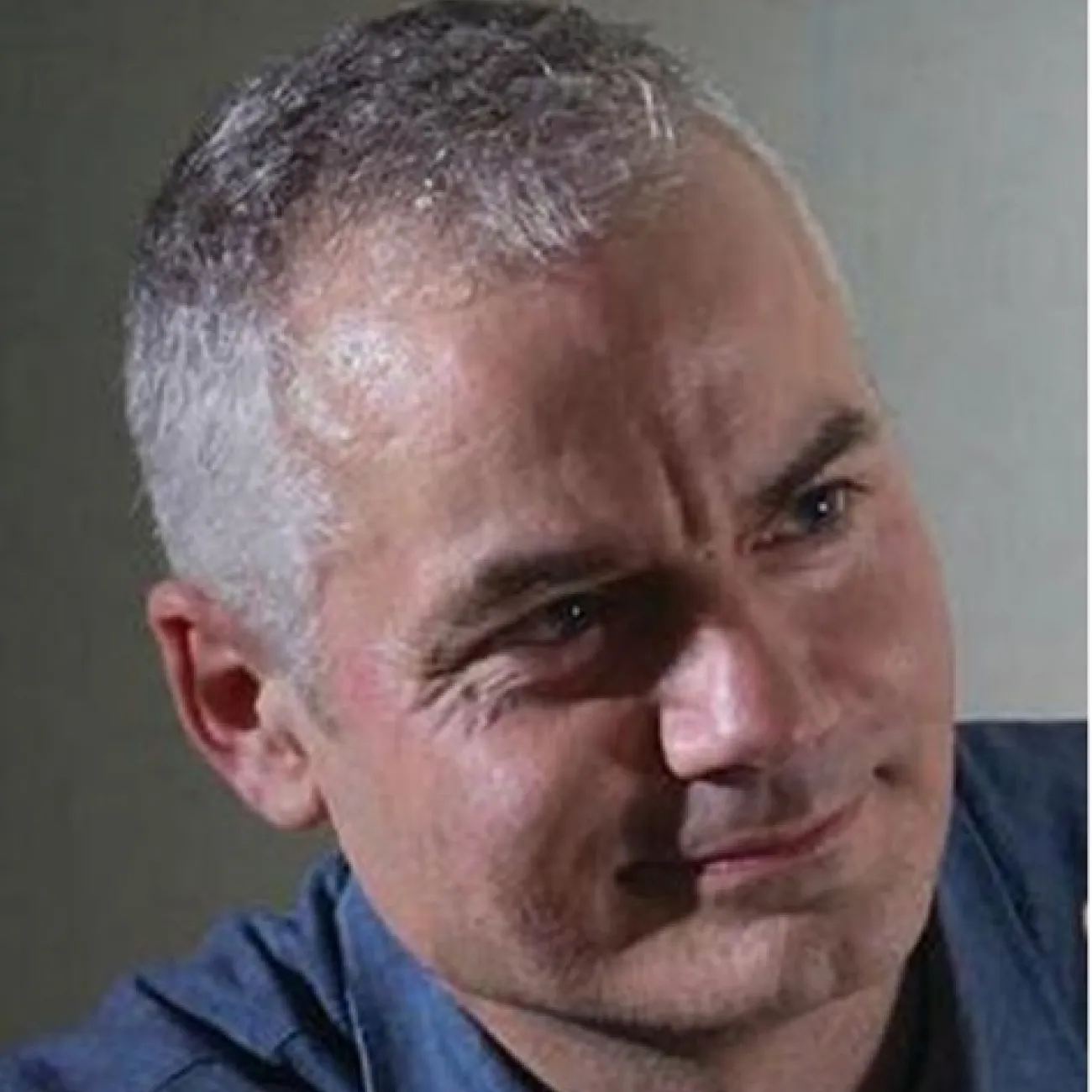
Dr. Ben Lineton is an Associate Professor at the University of Southampton's Institute of Sound and Vibration Research (ISVR). He has been teaching in the BSc and MSc Audiology programmes since 2004, with current course responsibilities including 'Human Responses to Sound and Vibration' and 'Hearing Science and Technology'. His research focuses on cochlear mechanics and hearing science. Primary research areas include: Cochlear physiology and pathophysiology Hydrodynamics and electro-mechanical transduction processes Otoacoustic emissions measurement techniques Human responses to high-frequency sound and ultrasound Cochlear implant signal processing His publications demonstrate consistent focus on auditory biomechanics, with recent work expanding into clinical applications of cochlear implant technology and public health impacts of ultrasound exposure. Research employs computational modeling, psychophysical measurements, and clinical validation studies. Completed research projects include: Modelling and measurement of Cochlear gain control (EPSRC-funded) Human responses to airborne ultrasound (Colt Foundation) EARS II - Metrology for hearing assessment (EU-funded) Leads the cochlear dynamics modeling research theme at ISVR's Hearing and Balance Centre, developing computational models of human cochlear mechanics. Currently accepting PhD students for projects in hearing science.
Eamonn O'Neill is a Professor and Head of the Department of Computer Science at the University of Bath. His research focuses on innovative human-technology interaction, including mixed/augmented/virtual reality, and interaction with intelligent systems. His work emphasizes applied science, deriving design principles grounded in theory and empirical testing. He leads the UKRI CDT in Accountable, Responsible and Transparent AI and is affiliated with multiple centers, including the Centre for the Analysis of Motion, Entertainment Research & Applications (CAMERA) and the REal and Virtual Environments Augmentation Labs (REVEAL). His projects span EU-funded initiatives such as EMIL and UNREST, addressing topics like embodied interaction, AI regulation, and social cohesion. Recent research explores emotion recognition in VR exergaming, EEG-based brain-computer interfaces, and regulatory frameworks for AI. His work contributes to UN Sustainable Development Goals related to innovation and infrastructure. Collaborations include academic institutions and industry partners across Europe.
Professor Karen Dobkins is a Professor of Psychology at the University of California, San Diego (UCSD), specializing in Cognitive Behavioral Neuroscience and Developmental Psychology. Her affiliations include the Human Experience and Awareness Lab (HeaLab), where she explores interventions to enhance mental well-being, and her teaching responsibilities include courses like 'Learning Sustainable Well-Being' and 'Science of Mindfulness'. Her research spans mindfulness interventions, developmental neuroscience, autism spectrum disorders, sensory processing in infants, and cross-cultural relationship dynamics. Notable areas of focus include meditation's effects on well-being, interoception's role in social connection, and the neurodevelopmental underpinnings of autism. She has also investigated visual processing in infants and deaf populations, contributing to our understanding of brain plasticity. Her applied work emphasizes practical solutions to mental health challenges, such as reducing loneliness and anxiety through workshops, and she has pioneered studies on inner speech, hugging’s psychological benefits, and cultural differences in love preferences. Her interdisciplinary approach integrates psychology, neuroscience, and education. Professor Dobkins has collaborated on over 100 publications, including seminal works on autism biomarkers, visual perception in infants, and mindfulness efficacy. She advises graduate and undergraduate students and has received grants supporting research on developmental disorders and mental health interventions. Her lab, HeaLab, bridges applied and theoretical research, addressing societal issues like rising loneliness and anxiety. Current projects explore interventions to reduce body shame, the impact of cultural ideals on love scripts, and the effects of mindfulness on university students' well-being.
Professor Mike Le Pelley is a cognitive psychologist working in the School of Psychology at the University of New South Wales (UNSW). His research program spans multiple domains of cognitive science, focusing on the intersection of mind, brain and behavior. Professor Le Pelley's work aims to characterize the mental processes underlying human cognition and how these processes influence ongoing behavior in both healthy individuals and those with psychiatric conditions. His primary research focus is the relationship between attention and learning. Specifically, he investigates how attention changes as a result of learning about relationships between events. For example, as described in his profile, when driving, individuals prioritize the road ahead while trying to ignore distractions like squabbling children in the back seat. Professor Le Pelley's research examines the mechanisms that govern such attentional prioritization. While the core of his research focuses on fundamental processes in healthy cognition, he also studies how dysfunction in these processes contributes to conditions such as addiction and schizophrenia. His work has significant implications for understanding cognitive processes in both healthy individuals and those with psychiatric conditions. Professor Le Pelley has published extensively on topics including attentional capture by reward-related stimuli, associative learning, and the neural mechanisms underlying cognitive processes. His research frequently employs eye-tracking and neurophysiological methods to examine cognitive processes. His recent publications (2023-2025) demonstrate a clear research trajectory examining how reward systems influence attentional mechanisms. A significant portion of his work investigates how outcome variance, rather than just reward value, modulates attentional priority. His research on inner speech has provided important neurophysiological evidence regarding motor preparation and how this process is disrupted in schizophrenia. Professor Le Pelley's work consistently bridges basic cognitive mechanisms with clinical applications, particularly in understanding addiction and schizophrenia. Professor Le Pelley has made substantial contributions to theoretical frameworks in cognitive psychology, particularly in the areas of associative learning and attention. His 2010 book 'Attention and Associative Learning: From Brain to Behaviour' (co-edited with Chris Mitchell) is a significant contribution to the field. His collaborative work extends across multiple institutions and disciplines, reflecting the interdisciplinary nature of his research.
Stephen Flusberg is an Assistant Professor of Cognitive Science at Vassar College, where he has been affiliated since 2023. He holds a BA from Northwestern University and both an MA and PhD from Stanford University. His research focuses on the intersection of language, cognition, and social perception, particularly exploring how metaphors, framing, and linguistic structures shape human thought and behavior. Key areas of inquiry include metaphor theory, cognitive biases, and the psychological mechanisms underlying communication. Flusberg’s work examines how metaphorical language influences public discourse on topics like health, environment, and education. He investigates framing effects in contexts ranging from vaccine messaging to policy communication, emphasizing the role of pragmatic reasoning and cultural context. His interdisciplinary approach bridges cognitive science, linguistics, and psychology to understand how linguistic choices impact decision-making, memory, and social attitudes. Recent projects explore the cognitive underpinnings of metaphor comprehension, the role of syntax in perpetuating stereotypes, and the application of large language models in educational settings. His research often highlights the societal implications of language use, from public health messaging to environmental advocacy. Flusberg’s advising and grant activities are not explicitly detailed in the provided texts, though his active publication record suggests involvement in collaborative research initiatives. He is a member of Vassar’s Cognitive Science department and contributes to interdisciplinary discussions on embodiment, perception, and communication.
Peeter Torop is a Professor of Semiotics of Culture at the University of Tartu, holding the National Professorship in Semiotics of Culture since 2017. He leads the Institute of Philosophy and Semiotics and co-leads the transmedia research group with Maarja Ojamaa. His research focuses on cultural semiotics, intersemiotic processes, and the Tartu-Moscow School of Semiotics. Education: PhD in Philology (1995, Helsinki University), Russian Philology (University of Tartu, 1969–1974). Administrative roles include Head of the Institute of Philosophy and Semiotics (2013–2019) and membership in numerous editorial boards (e.g., Sign Systems Studies , Punctum ). Research interests include semiotics of translation, Dostoevsky studies, and cultural autocommunication. Notable awards: 2023 Lifetime Achievement Award from the Cultural Endowment of Estonia, 2001 National Science Prize. His recent publications explore transmediality, intersemiotic theory, and Lotmanian semiotics. Grants include the Estonian Research Council-funded projects on transmediality and biocultural diversity. Collaborations span international institutions, including the University of Toronto and Kharkiv National University.
Professor David Williams is a leading academic in Developmental Psychology at the University of Kent , serving as Acting Director of the Division of Human Social Sciences. His research bridges developmental psychopathology, autism spectrum disorder (ASD), and cognitive neuroscience. Research Interests include understanding the neuro-cognitive bases of ASD and specific language impairments, with a focus on Episodic and Prospective Memory Metacognition and Mindreading Inner Speech Mechanisms Comorbidity in Developmental Disorders Scientific Recognition includes the 2010 Young Investigator Award from the International Society for Autism Research. He has supervised numerous students, including Mahsa Barzy Katie Carpenter Louise Malkin on topics like humor production in ASD and referential communication. Key Grants highlight his leadership in major projects, such as an ESRC grant (£661,196, 2022-2025) on autism and gender incongruence, and a Leverhulme Trust grant (£225,482, 2015-2019) on self-in-fictional-worlds in ASD.
Dr Bo Yao is a Senior Lecturer at Lancaster University's Department of Psychology, Fylde College. His research focuses on the cognitive neuroscience of language and inner speech, exploring neural mechanisms underlying inner speech's role in cognition and mental health. He employs methods like EEG, fMRI, eye tracking, and computational modeling. Yao supervises 4 postgraduate students and leads the Language, Inner Speech, and Neuroscience (LISN) Lab. Research Interests: Inner speech's neural basis, auditory verbal hallucinations, embodied cognition, and psycholinguistics. Recent work examines rhythmic foundations of thought and emotional processing in language. His 2025 publications highlight innovations in parafoveal preview benefits and predictive coding frameworks. Publications span cognitive neuroscience, psycholinguistics, and neuroimaging, with a focus on reading comprehension, speech processing, and emotional word analysis. His work bridges phenomenological experience with neural mechanisms, using meta-analyses and experimental paradigms. Advising and Labs: Supervises students in language cognition and inner speech research. The LISN Lab develops interdisciplinary approaches to understand language and consciousness.
Valentina Petrolini is an Associate Professor of Philosophy of Science at the University of Bologna's Department of Philosophy. Her research focuses on philosophy of psychiatry and psychology, particularly the boundaries between mental health and pathology, and the role of affect and emotions in disorders like autism. She holds a PhD from the University of Cincinnati (2017) and served as a Juan de la Cierva postdoctoral researcher at the University of the Basque Country (2020-2024), where she remains affiliated with the Lindy Lab. She has also taught at the University of Parma and collaborates with the PRISMA research group. Active in diversity initiatives, she co-founded Italy's first MAP (Minorities and Philosophy) chapter and coordinates SWIP Italia's mentoring program. Education: PhD in Philosophy, University of Cincinnati (2017) Visiting Scholarships: University of Salzburg (2016) and Pitzer College (2010) Research Interests: Her work examines dimensional models of mental disorders, autism (including camouflaging and identity), vulnerability to mental disorders, affective valence, and comorbidity. She combines theoretical philosophy with empirical studies, such as analyzing social concepts in autism and vocal affect expression. Publications Trends: Recent articles address autism's social dynamics, core affect dynamics, and methodological challenges in psychiatric comorbidity. She bridges philosophical analysis with interdisciplinary approaches in neuroscience and education. Grants & Collaborations: Her postdoctoral research was supported by the Juan de la Cierva program. She collaborates across institutions (UPV/EHU, University of Parma) and maintains ties with Lindy Lab and PRISMA. Labs/Teams: Member of the Lindy Lab (Language in Neurodiversity), contributing to studies on neurodivergent communication and cognition.