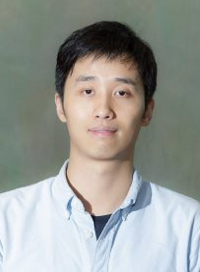
Dr. Xiaolong Ma is a Postdoctoral Fellow at the Research School of Earth Sciences (RSES) , Australian National University, specializing in observational seismology. He graduated with a B.Sc. in Geo-information Science and Technology from Zhejiang University (2007-2011) and earned his Ph.D. in Seismology from the Chinese Academy of Sciences (2011-2017). His research focuses on correlation seismology, seismic scattering, and waveform modeling to investigate Earth's structure, particularly the lowermost mantle and core-mantle boundary. Primary Affiliation: Research School of Earth Sciences, Australian National University Previous Affiliation: Institute of Geophysics, Münster University His recent work leverages coda-correlation wavefields to probe the Earth's outer core and refine radial velocity models. Publications highlight small-scale heterogeneities, ultra-low velocity zones, and crustal attenuation mechanisms in regions like the Tien Shan and Pacific LLSVP.
Prof Louis Moresi is a Professor at the Research School of Earth Sciences, Australian National University. His research focuses on the thermal-mechanical evolution of the Earth's deep interior, particularly mantle convection, plate tectonics, and lithospheric dynamics. He develops computational tools like the Underworld software suite to simulate geodynamic processes, emphasizing open-source practices and reproducible research. Education: DPhil (PhD) in Geophysics, University of Oxford BA (Honors) in Natural Sciences, University of Cambridge Research Interests: Prof Moresi investigates how convective heat loss from the Earth's mantle manifests as plate tectonics, the role of continents in modulating this process, and the interplay between surface processes (e.g., climate change) and deep Earth dynamics. His work integrates numerical modeling, open-source software development, and geodynamic theory to address questions about continental collision, subduction zone dynamics, and lithospheric rheology. Awards: Fellow, Australian Academy of Science (2023) Fellow, American Geophysical Union (2017) Fellow, Royal Astronomical Society (2000) Advising & Grants: He supervises research students and leads projects funded by grants such as "How Large Earthquakes Change Our Dynamically Deforming Planet" (2024–2027). His work includes collaborations on seismic imaging (e.g., Eyre Peninsula Nodal Array) and computational infrastructure for geodynamic modeling (SAM Underworld software system). Labs/Teams: Prof Moresi is a core developer of the Underworld software framework, a collaborative effort advancing numerical geodynamic modeling through Python-based tools for high-performance computing and cloud deployment.
Gerrit Budde is an Assistant Professor in the Department of Earth, Environmental and Planetary Sciences (DEEPS) at Brown University, where he leads the Isotope Cosmochemistry and Geochemistry Lab. His research focuses on understanding Solar System origins and Earth's evolution through isotopic analysis of meteorites and planetary materials. He holds a Ph.D. from the University of Münster (2013-2017) and conducted postdoctoral work at Caltech (2019-2021). Budde has received multiple awards including the 2017 Pellas-Ryder Award and the 2019 Geochemistry Postdoctoral Fellowship. He teaches courses on Solar System formation (EEPS 0160Q) and solid Earth geochemistry (EEPS 2920Y). Research interests include: (1) timescales of planetesimal accretion using Hf-W and Mo isotopes; (2) genetic relationships of chondrite groups; (3) stellar contributions to Solar System material; and (4) Earth's water and habitability origins. His lab develops analytical methods like CosmoPlot software for isotope anomaly visualization. Awards highlight his contributions to cosmochemistry: 2019 Caltech Postdoctoral Fellowship 2017 Dissertation Prize (Münster) 2017 Meteoritical Society Recognition Teaching emphasizes hands-on exploration of planetary science fundamentals. Current research focuses on resolving the non-carbonaceous/carbonaceous meteorite dichotomy and tracing Earth's building blocks through isotope signatures.
Héctor J. García-Ramírez is a Lecturer II in Computer Science and Engineering at the University of Michigan's College of Engineering, concurrently serving as Staff R&D Lead for Applied Machine Learning at Criteo. His instructional portfolio includes core computer science courses: ENGR 101 (Introduction to Programming), EECS 183 (Elementary Programming Concepts), EECS 280 (Programming and Introductory Data Structures), EECS 281 (Data Structures and Algorithms), and EECS 282 (Information Systems Design). Research intersects computer science education pedagogy and applied machine learning, with publications spanning quantum computing simulation, algorithm development, and biochemical systems modeling. Early career contributions developed high-performance simulation tools for quantum circuits, while recent industry work advances machine learning applications in digital advertising technology. Technical expertise includes quantum algorithm design, computational optimization methods, and high-performance computing architectures, with parallel interests in biological systems modeling and computational biochemistry. Professional background bridges academic instruction with industry R&D leadership in machine learning systems.
Mike Bergman is a Professor of Physics at Bard College at Simon's Rock. His research focuses on the Earth’s inner core, supported by an NSF grant of $115,000. He emphasizes the synergy between teaching and research, mentoring students through summer internships and thesis projects. Notable advisee Ingyin Hla ('06) lauded his rigorous approach and the transformative impact of collaborative research. Research Focus: Earth's inner core dynamics, geophysical modeling Student Collaboration: Co-authors papers with students, fostering independent scientific inquiry Teaching philosophy integrates hands-on research, emphasizing that 'doing science' differs fundamentally from classroom study. Grant funding underscores peer recognition of his work's significance in advancing geophysical research.
Dr. Pascal Frank is an Assistant Professor (tenure track) at the Education and Learning Sciences group of Wageningen University & Research. His work focuses on integrating inner world development with sustainability education. He holds a B.A. in Cultural Sciences (Fernuniversität Hagen), M.A. in Ethics & Responsibility (University of Fribourg), M.Phil. in History & Philosophy of Science (University of Cambridge), and a Ph.D. from Leuphana University Lüneburg. His research explores mindfulness, intrapersonal competences, and inner development goals critical for sustainability action. He designs experiential learning programs and has contributed to transdisciplinary sustainability initiatives, including founding an international academy for collaborative learning. Certified as a systematic transformation consultant, Iyengar Yoga Teacher, and Mindful Self-Compassion Teacher, he bridges academic and practical dimensions of personal and planetary sustainability. Education: B.A. (Fernuniversität Hagen) → M.A. (Fribourg) → M.Phil. (Cambridge) → Ph.D. (Leuphana) Research emphasizes three core questions: defining inner-world competencies for sustainability, accessing inner-world dynamics methodically, and cultivating these competencies through education. His teaching integrates reflective practices, such as mindful self-compassion, to foster transformative learning landscapes. Recent publications analyze cognitive biases in environmental education and foundational frameworks for first-person inquiry into sustainability-related inner experiences. No scientific awards are explicitly listed. His advisory work includes roles at the German Environment Agency and collaborations with Arizona State University and Stanford University. He leads initiatives in transdisciplinary sustainability education and personal development, advocating for systemic integration of subjective experience into sustainability science. His academic contributions extend to lab-based and collaborative projects, including the development of an international academy focused on sustainability-related transdisciplinary learning and collaboration.
Jung-Bum Shin is an Associate Professor in the Department of Biology at the University of Virginia, with a courtesy appointment in Neuroscience. His research focuses on understanding the molecular mechanisms underlying hearing and deafness, particularly the structure, maintenance, and repair of sensory hair cells in the inner ear. He completed his Diplom in Biochemistry at Tuebingen University, Germany, his PhD in Biology at the Max-Delbrück Center and Free University of Berlin, followed by postdoctoral training in Auditory Neuroscience at the Vollum Institute and Oregon Health Science University. Research Interests: Dr. Shin’s lab investigates the molecular basis of hearing loss, hair cell degeneration, and repair mechanisms. Key areas include the role of proteins like MYO7A, XIRP2, and LMO7 in hair cell function. The lab’s work bridges basic science and clinical applications, aiming to develop therapies for hearing disorders. Awards & Grants: His team has secured major funding, including NIH R01 grants (2020 and 2023) and F31 fellowships for students. Recent breakthroughs include identifying Spns2-dependent S1P transport as a therapeutic target and elucidating XIRP2’s role in repairing noise-induced damage to stereocilia. Advising & Training: Dr. Shin has mentored graduate students such as Sihan Li (PhD 2022) and Beth Wagner (PhD 2021), along with postdoctoral and undergraduate researchers. The lab actively recruits motivated students and postdocs. Labs & Collaborations: The Shin Lab operates at the University of Virginia, focusing on interdisciplinary approaches to auditory neuroscience. Collaborations span molecular biology, genetics, and translational research.
Dr. Jung-Tsung Li is a Research Scientist at the Center for Cosmology and AstroParticle Physics (CCAPP) at The Ohio State University (OSU). Previously, he served as a CCAPP Postdoctoral Fellow at OSU for four years. His academic trajectory includes expertise in theoretical and observational astrophysics with a focus on cosmic phenomena. Education Ph.D. in Physics, University of California San Diego (2021) M.S. in Physics, National Tsing Hua University (2013) B.S. in Physics, National Tsing Hua University (2011) Research Focus Dr. Li specializes in high-energy astrophysics, solar physics, and plasma physics. His current research involves computational modeling of cosmic-ray transport dynamics within the inner heliosphere and analysis of gamma-ray emissions detected by instruments like Fermi-LAT and HAWC. His work bridges theoretical frameworks with observational data to study particle interactions in space environments. Core methodologies : Heliospheric modeling, gamma-ray data analysis, cosmic-ray propagation simulations Experimental focus : Fermi-LAT and HAWC observational datasets No information is available regarding awards, supervised students, research grants, or laboratory affiliations at this time.
Karen Ziegler is an Associate Research Professor and Senior Research Scientist III at the University of New Mexico's Institute of Meteoritics within the Department of Earth and Planetary Sciences. Her primary affiliations include the Department of Earth and Planetary Sciences (EPS) and the Institute of Meteoritics (Inst. of Meteoritics). She holds a Ph.D. in Geochemistry from the Postgraduate Research Institute for Sedimentology (PRIS), University of Reading, UK (1993). Her research focuses on stable isotope planetary- and cosmochemistry applied to meteoritics, early Solar System evolution, planetary accretion and differentiation, and Earth's core formation. Key interests include O and Si stable isotopes, novel isotope systems, and analytical techniques to understand elemental distribution in planets. She investigates processes like bioleaching of pyrite, meteorite classification (e.g., angrites, ureilites, achondrites), and cosmic ray exposure histories. Ziegler has contributed extensively to studies of Martian and lunar meteorites, asteroid differentiation, and the geochemical signatures of impact processes. Her work bridges cosmochemistry, petrology, and planetary evolution, with over 150 peer-reviewed publications since 2020 alone. Notable projects include characterization of unique meteorite finds like Fezzou 002 and Hassi el Madani 002, as well as studies of trans-Neptunian object origins in inner Solar System materials. Her lab facilities at UNM enable advanced microanalytical techniques for isotope analysis. Future work includes exploring Martian volatile element evolution and the geochemical genealogy of iron meteorites. Despite no listed awards here, her prolific publication record underscores her influence in astrogeochemistry.
Rory Cottrell is a Research Scientist in the Department of Earth and Environmental Sciences at the University of Rochester, where he has served since 2003. He also holds an adjunct lecturer position and has been affiliated with the Paleomagnetic Research Group led by John Tarduno. His academic journey includes a B.A. in Geophysics from SUNY Geneseo (1994), an M.S. (1998), and a Ph.D. in Geological Sciences from the University of Rochester (2000). His research focuses on paleomagnetism, particularly geomagnetic field intensity, hotspot motion, and plate tectonics. Key areas include Paleointensity, Cretaceous paleomagnetism, and experimental methods for magnetic measurement. He has conducted fieldwork in the Canadian Arctic, Gulf Coast, and aboard the Ocean Drilling Program Leg 197. Cottrell teaches courses such as EES 201 (Evolution of Earth), EES 256 (Paleomagnetism and Plate Tectonics), and EES 205 (Solid Earth Geophysics). He actively mentors K-12 students and contributes to community programs like Science Olympiad and geology tours at Mt. Hope Cemetery. His awards include the 1998 AGU Outstanding Student Paper Award and Magna Cum Laude honors from SUNY Geneseo. He serves as a referee for journals like Journal of Geophysical Research and Earth and Planetary Science Letters , and chairs sessions at the American Geophysical Union. His work bridges academic research, education, and public engagement in geosciences.
Dr. Samy Gobaa is the Head of the Biomaterials and Microfluidics Core Facility at Institut Pasteur in Paris, France. He obtained his PhD from ETH Zurich and completed postdoctoral training at EPFL-IBI . Specializes in microfluidics, organ-on-chip technology, and 3D cell culture Leads 15+ research projects including the Organ-on-Chip Center and iLite bioartificial liver Developed artificial niche microarray for stem cell research His research focuses on: Engineering advanced cell microenvironments using microfluidics Developing human emulation systems for infection biology Creating bioengineered diagnostic tools for pathogen studies Optimizing organoid culture systems with controlled architecture Key technological platforms under his leadership include: Emulate Organ-on-Chip systems (Liver, Intestine, Lung) Custom micropatterning and hydrogel fabrication Computational fluid dynamics simulation (COMSOL) Automated cell culture systems in BSL2/BSL3 environments He supervises multiple PhD candidates and collaborates with international partners. Contact: bmcf.admin@pasteur.fr or samy.gobaa@pasteur.fr
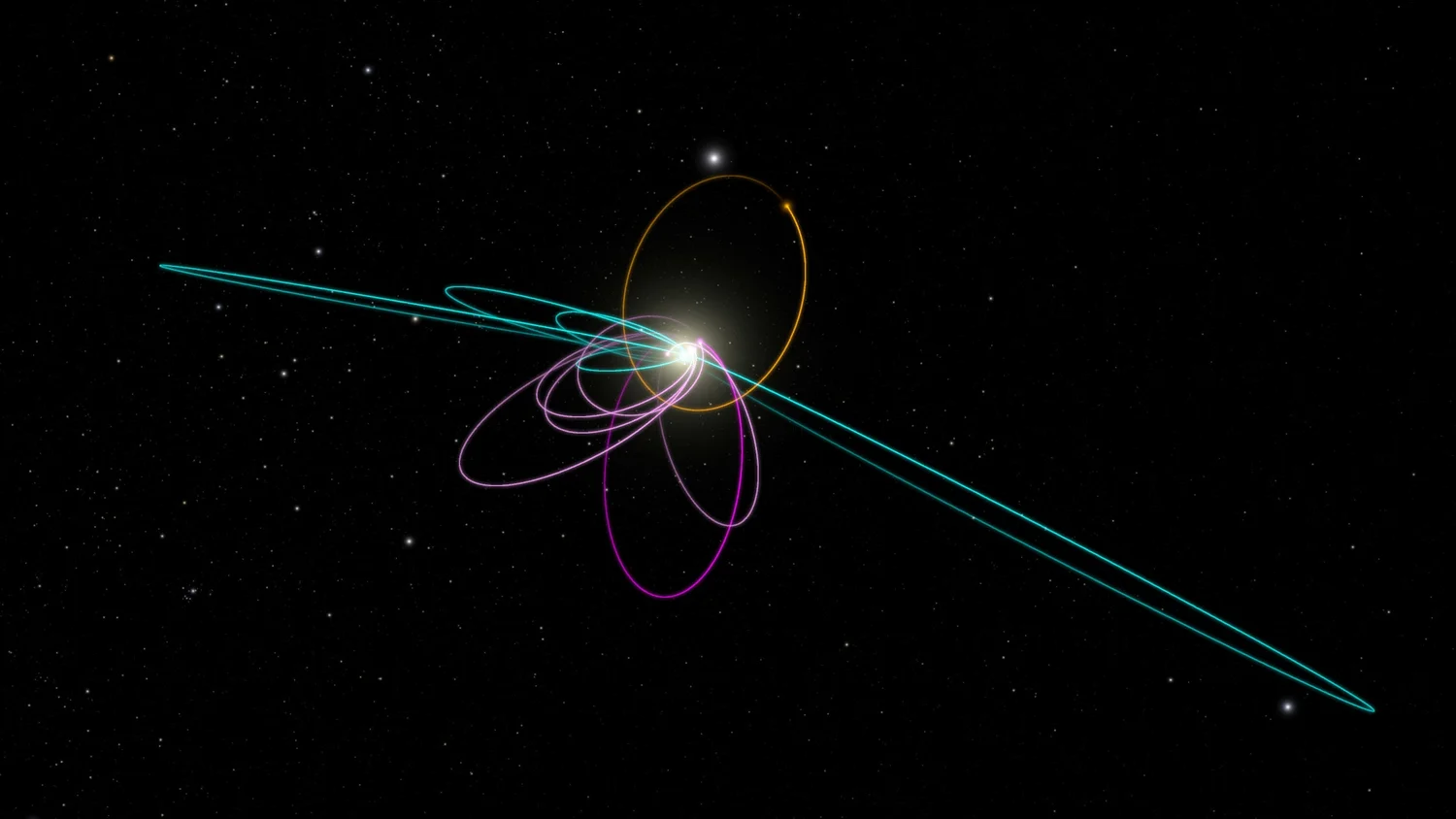
Dr. Konstantin Batygin is a Professor of Planetary Science at the California Institute of Technology’s Division of Geological and Planetary Sciences. His research focuses on planetary astrophysics, with an emphasis on solar system formation, exoplanet dynamics, and chaos theory. He is renowned for his work on the hypothetical Planet Nine and its influence on trans-Neptunian objects. Research interests include: Formation and evolution of planetary systems Circumplanetary disk dynamics and satellite formation Tidal interactions in exoplanetary systems Chaotic orbital mechanics and resonances Recent work explores tidal heating effects in sub-Neptunes, Jupiter’s inner moons’ migration, and interstellar object capture mechanisms. His team leverages analytical models and numerical simulations to address these topics. Key contributions include proposing Planet Nine’s existence, studying the stability of compact exoplanet systems, and modeling circumplanetary disk evolution. Collaborations span observational and theoretical astrophysics, with a focus on bridging gaps between solar system and extrasolar planet research.
Fei Dai is an astronomer specializing in exoplanet research. He is currently a faculty member at the University of Hawaiʻi, having started his position in February 2024 after previously serving as a NASA Sagan Fellow at Caltech. His research focuses on understanding the formation, evolution, and habitability of planetary systems, with particular emphasis on extreme planetary systems including ultra-short-period planets, super-puffs, resonant chains, and misaligned planetary systems. Dr. Dai earned his PhD in Physics from MIT under the supervision of Prof. Josh Winn. His work combines novel data analysis techniques and numerical simulations to address fundamental questions in exoplanet science. He is actively involved in major projects including leading the Stellar Obliquity Program for the Keck Planet Finder (KPF). His research spans multiple critical areas: stellar obliquity measurements to understand planetary system formation channels; ultra-short-period planets to constrain composition and formation mechanisms; super-puff planets to explain their puzzling low densities; resonant planetary chains to test disk migration theories; and photoevaporation processes that shape the radius distribution of small planets. His work has demonstrated that photoevaporation rather than core-powered mass loss is the main driver for the observed radius gap in exoplanet populations. Dr. Dai's research reveals important trends across his publications: a consistent focus on extreme planetary systems that challenge conventional theories, innovative methodologies like Transit Chord Correlation for measuring stellar obliquity, and the integration of observational data with hydrodynamic simulations. His work often bridges theoretical predictions with observational constraints from missions like Kepler, K2, and TESS. NASA Sagan Fellow Over 2500 citations h-index of 31 First-author on 13 publications Dr. Dai actively mentors students and postdocs, seeking new collaborators for his research at the University of Hawaiʻi. His laboratory combines computational work in data analysis and simulations with observational components using major facilities including the Keck Observatory. Future work will focus on expanding stellar obliquity measurements to younger planetary systems discovered by TESS, providing crucial constraints on planet formation theories.
Glen Cousquer is a Lecturer and MSc Programme Co-ordinator at the University of Edinburgh's Royal (Dick) School of Veterinary Studies, specializing in Conservation Medicine and One Health. He coordinates two MSc programmes in Conservation Science and One Health, bringing his unique perspective from both veterinary medicine and environmental education to his teaching and research. His educational background includes a PhD in Human Geography from the University of Edinburgh (awarded July 2018) focusing on 'Knowing the Mule: Faring well in Moroccan Mountain Tourism,' an MSc in Education Research (awarded November 2012), and an MSc in Outdoor Education (awarded July 2010). He also holds veterinary qualifications including BSc(Hons), BVM&S, CertZooMed, and PGDOE. Glen's research focuses on human-animal relationships, particularly in mountain tourism contexts, with special attention to mule welfare. He integrates systems thinking, narrative, and photography to explore connections between humans, animals, and the environment. His work emphasizes moving 'from ego to eco' and fostering awareness-based systems change rather than just behavior change. He rejects dualistic thinking in science, advocating for a relational approach where 'inner and outer worlds meet' to co-create reality. His recent publications show a strong focus on mental health in veterinary education and practice, One Health approaches to planetary challenges, and innovative methods for understanding human-working equine relationships. There's a clear trajectory toward more interdisciplinary, systems-oriented approaches that bridge veterinary medicine, environmental education, and social sciences, with an emphasis on transforming rather than merely modifying existing systems. 2021-22 Social Responsibility and Sustainability Changemakers' Award EUSA Teaching Award: Outstanding Commitment to Social Justice and Sustainability (2022) EUSA Teaching Award: Outstanding Commitment to Social Justice and Sustainability (2021) EUSA Teaching Award: Outstanding Course (2025) EUSA Teaching Award: Supervisor of the Year (2024) Glen actively mentors students, with 30 supervised works documented in his profile. His work with The Donkey Sanctuary on pack mule welfare in Morocco represents significant applied research with real-world impact. He has developed training programs for mountain guides and expedition leaders on ethical responsibilities toward pack animals, and his research employs innovative methods including film to facilitate reviewing and feedback work with trekking teams. His current projects include completing a book entitled 'Ecological Pilgrimage and the Way of St Cuthbert' and working on another project about 'Exploring Edinburgh's Natural History and Wild Places On Foot'.
Professor Konstanze F. Winklhofer is a full Professor of Molecular Cell Biology at the Institute of Biochemistry and Pathobiochemistry, Faculty of Medicine, Ruhr University Bochum, Germany. She additionally serves as Vice-Speaker of the Research Department of Neuroscience and heads the Winklhofer Lab, which is equipped with state-of-the-art imaging core facilities including super-resolution microscopy, lattice-SIM, holotomography, and high-content screening platforms. Education & Career: Current: Professor (W3) at Ruhr University Bochum, Faculty of Medicine, Institute of Biochemistry and Pathobiochemistry. Role: Vice-Speaker, Research Department of Neuroscience. Research Focus: The Winklhofer laboratory investigates molecular, cellular, and systems-level mechanisms underlying neurodegenerative diseases. Central themes include: Ubiquitin system & proteostasis: understanding how linear ubiquitination and E3 ligases such as Parkin and LUBAC control neuronal integrity. Mitochondrial biology: deciphering mitochondria-centric stress response pathways, inter-organellar communication, and innate immune signaling (NF-κB axis). Phase separation & condensate biology: studying how proteins such as NEMO, α-synuclein, and prion protein undergo liquid-liquid phase separation and how this impacts aggregation and clearance by autophagy. Advanced imaging: exploiting super-resolution microscopy (SIM, PALM/dSTORM), live-cell lattice-SIM, FRAP/FRET, and holotomography to visualize dynamic cellular processes in real time. Publications & Trends: Across more than 150 peer-reviewed articles since 2000, the group has progressively shifted from elucidating basic ubiquitin biochemistry to integrating these insights with emerging concepts of phase separation and mitochondrial signaling hubs. Recent high-impact works (2023-2025) in Nature Communications , EMBO Journal , Cell , and Life Science Alliance highlight novel roles for NEMO, PACRG, and LUBAC in aggregate clearance and neuroinflammation. Scientific Awards: No specific awards detailed in the provided text. Funding & Collaborations: The lab is funded by the German Research Foundation (DFG) through major consortia including: RESOLV Cluster of Excellence (EXC 2033) SPP2453 “Integration of mitochondria into the cellular proteostasis network” FOR2848 “Nanoscale Architecture and Heterogeneity of the Mitochondrial Inner Membrane” RTG2862 “Monoaminergic Neuronal Networks and Disease” IMPRS for Living Matter Lab & Imaging Core: The Winklhofer group operates an open-access Imaging Facility housing Zeiss Elyra PS.1, Elyra7 Lattice-SIM, Nanolive CX-A holotomography, Cytation 5 MPW multimode reader, and Sapphire Biomolecular Imager. Custom pipelines in Imaris and CellProfiler enable advanced segmentation, particle tracking, and machine-learning-assisted analysis.