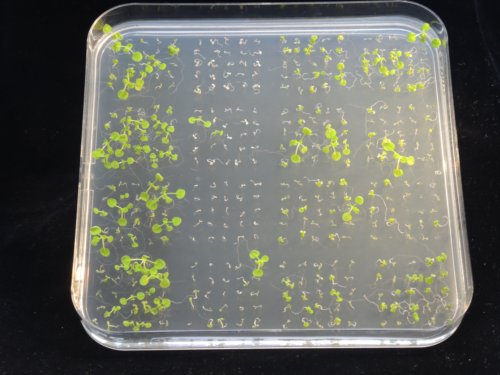
Dr. Frank Waller is a Researcher at the Chair of Pharmaceutical Biology , Julius-Maximilians-University Würzburg since 2009. His work focuses on plant-microbe interactions , particularly the molecular mechanisms of plant pathogen resistance and the role of sphingolipids in stress responses . He leads a research group investigating programmed cell death and endophytic fungal colonization of plant roots. PhD in Biology (University of Freiburg) Postdoc at Nara Institute of Science and Technology, Japan Habilitation in Plant Physiology at Justus Liebig University Giessen His research demonstrates that phytosphingosine inhibits pathogen growth while studying Serendipita indica and Serendipita herbamans endophytes that enhance systemic pathogen resistance and yield in host plants. Current projects analyze sphingolipid metabolism and fusarium resistance mechanisms in wheat. The group maintains an improved growth medium for Serendipita indica propagation. DFG-funded project on sphingobase metabolism (2019) Previous support from Alexander von Humboldt Foundation Collaborations with Japanese Society for the Promotion of Science International projects with East Asia Scholarship Program Key findings include: Phytosphingosine's role in pathogen inhibition Endophyte-induced systemic resistance mechanisms Stress-dependent colonization dynamics
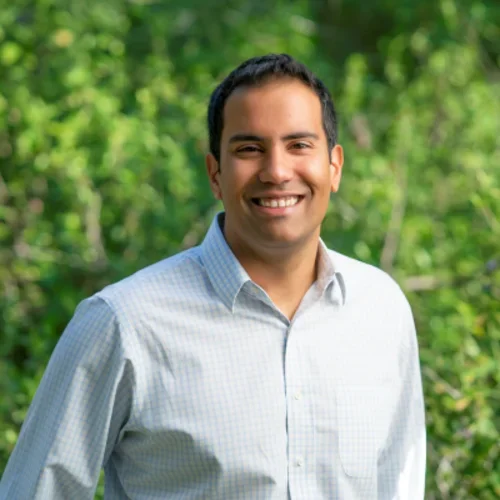
Ajit Divakaruni serves as Assistant Professor at the University of California, Los Angeles, leading a research laboratory dedicated to mitochondrial metabolism and cellular bioenergetics. His work integrates metabolomics, 13C isotope tracing , and live-cell imaging to investigate how substrate preferences regulate cell function across physiological contexts. His academic journey includes: B.S. (summa cum laude) in Biochemistry, Molecular Biology, and Applied Mathematics from University of Arizona (2006) Ph.D. in Biochemistry from University of Cambridge under Dr. Martin Brand (2011), funded by British Marshall Scholarship Postdoctoral training in Pharmacology at UC San Diego (2011-2017) with industry fellowship from Seahorse Bioscience Divakaruni's research centers on mitochondrial regulation of cellular fate, with emphasis on inflammatory cytokine reprogramming , brain aging interventions , and bioenergetic methodology development . His lab explores how metabolic shifts between sugar, amino acid, and fatty acid oxidation impact immunometabolism and neurodegeneration, employing advanced techniques to identify therapeutic targets for Alzheimer's disease and metabolic disorders. Recent publications reveal dominant themes in macrophage metabolic reprogramming , mitochondrial enzymology , and neurodegenerative disease mechanisms , demonstrating that inflammatory activation occurs without oxidative phosphorylation inhibition and that Coenzyme A enhances alternative macrophage functions through MyD88 signaling. Scientific recognition includes: British Marshall Scholarship NSF Graduate Research Fellowship Divakaruni mentors four graduate students and one postdoc in grant-funded projects spanning atherosclerosis, Alzheimer's models, and mitochondrial biosynthesis. His laboratory maintains industry partnerships with Agilent Technologies (formerly Seahorse Bioscience) for method development in bioenergetic analysis. Housed in UCLA's Center for Health Sciences, the Divakaruni Lab operates as a multidisciplinary hub for metabolomics and live-cell imaging, collaborating with clinicians to translate mitochondrial discoveries into therapeutic strategies for aging-related diseases.
Adrianus (Ando) Van Der Velden is an Associate Professor in the Department of Microbiology and Immunology at Stony Brook University. He is affiliated with the Center for Infectious Diseases and maintains an active research laboratory focused on host-pathogen interactions, particularly with Salmonella . His work integrates immunology, microbiology, and host defense mechanisms to understand infectious disease processes. Department of Microbiology and Immunology, Stony Brook University Center for Infectious Diseases 240 Centers for Molecular Medicine, Stony Brook, NY Dr. Van Der Velden earned his Ph.D. in Molecular Microbiology and Immunology from Oregon Health and Science University in 2000. He completed postdoctoral training with Dr. Michael Starnbach at Harvard Medical School before joining Stony Brook University as an Assistant Professor (tenure-track) in 2008. He was promoted to Associate Professor with tenure in 2015. Dr. Van Der Velden's research primarily focuses on host interactions with Salmonella , with emphasis on immunological aspects of infection. His laboratory investigates two major thematic areas: the role of inflammatory monocytes in immunity and host defense against Salmonella , and the mechanisms by which Salmonella inhibits T cell responses. His work has revealed how Salmonella exploits inflammatory monocytes to promote its expansion in the inflamed intestine through nitrate-dependent mechanisms, and how bacterial asparagine hydrolase inhibits T cell responses by causing asparagine deprivation. His research provides critical insights into the complex interplay between pathogens, host immune responses, and gut microbiota. Analysis of Dr. Van Der Velden's recent publications reveals a consistent focus on Salmonella pathogenesis and host immune responses, with particular emphasis on monocyte function, T cell suppression mechanisms, and nutritional immunity. His work spans from basic molecular mechanisms of bacterial virulence to translational aspects of infection control. Recent publications increasingly incorporate broader immunological concepts, including connections to cancer immunology and mucosal immunity. The research demonstrates sophisticated integration of in vivo infection models with detailed cellular and molecular immunological approaches. Dr. Van Der Velden actively mentors graduate students and has hosted rotation students in his laboratory. While specific grant information isn't detailed in the provided text, his sustained research output suggests successful grant funding from agencies supporting infectious disease and immunology research. His laboratory appears to maintain collaborations across multiple institutions, as evidenced by co-authorship patterns in his publications. The Van Der Velden laboratory is situated within Stony Brook University's research infrastructure, with facilities in the Centers for Molecular Medicine. His work appears to integrate with Stony Brook's broader infectious disease research community through the Center for Infectious Diseases. The laboratory maintains active research programs investigating host-pathogen interactions using sophisticated murine infection models and advanced immunological techniques.
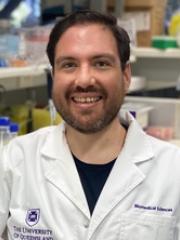
Dr. Eduardo Albornoz Balmaceda is a Research Fellow at the School of Biomedical Sciences , The University of Queensland , specializing in neuroinflammation and neurodegenerative diseases. He completed his PhD in 2019 under Prof Matthew Cooper at the Institute for Molecular Biosciences, focusing on NLRP3 inflammasome inhibitors for Parkinson's disease. Currently, he extends this research in the Woodruff Lab , investigating peripheral innate immune responses in amyotrophic lateral sclerosis, Huntington's disease, and Parkinson's disease. Education: MSc in Biochemistry, Universidad Andrés Bello PhD in Neurosciences, The University of Queensland Research interests center on pharmacological targeting of inflammasomes and complement cascade components as therapeutic strategies for neuroinflammatory diseases. His work bridges neuroscience, immunology, and pharmacology, with a focus on SARS-CoV-2 neurotropism, microglial activation, and preclinical drug validation. Publications (17 journal articles, 8 conference papers) highlight his contributions to understanding C5a receptor signaling in Parkinson's disease, spike protein-mediated inflammasome activation in microglia, and maternal thyroid function's impact on offspring autoimmune responses. Supervision: Associate advisor for PhD on Huntington's disease Funding history includes grants from Motor Neurone Disease Research Institute of Australia and UniQuest Pty Ltd for projects like inflammatory biomarkers in Parkinson's disease and C9orf72 dipeptide targeting.
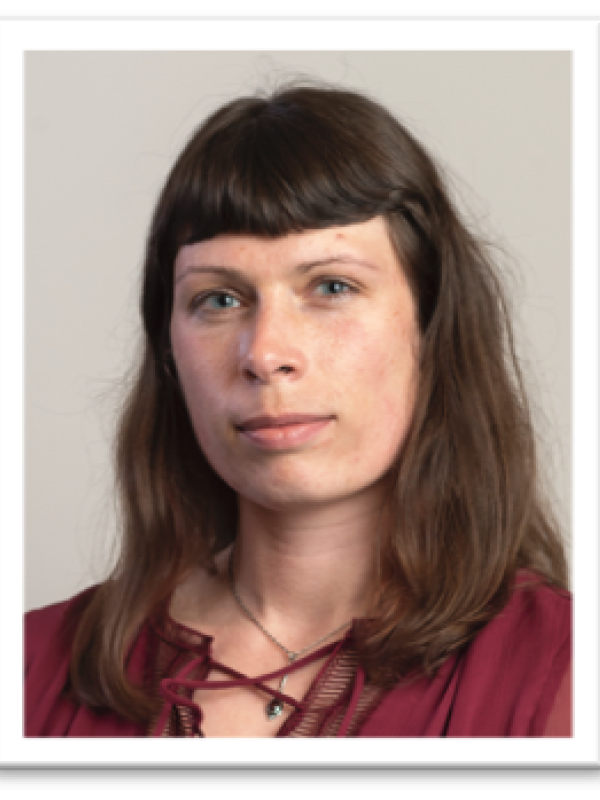
Agnes Karasik is an Assistant Professor at the Ohio State University, specializing in RNA Biology and Biochemistry. Her research explores the molecular mechanisms of RNA cleavage in human health and disease, with a focus on RNase L and mitochondrial RNase P enzymes. MSc: Institute of Enzymology, Hungary (ABC transporters in cancer drug resistance) PhD: Uniformed Services University, USA (RNA Biology, PRORP enzymes, mitochondrial diseases) Postdoc: NIDDK (NIH) (RNase L, innate immunity, translational stress) Her work combines enzymology, structural biology, and high-throughput sequencing to investigate how RNA cleavage regulates gene expression, immune signaling, and disease pathogenesis. Key questions include RNase target specificity, activity modulation, and therapeutic applications for RNA cleavage mechanisms. Recent publications highlight her focus on RNase L’s role in innate immunity (2024-2025), RNA processing in mitochondrial diseases (2016-2021), and inhibitor mechanisms for RNA enzymes (2017-2022). She employs cutting-edge techniques like ribosome profiling and Nanopore sequencing to dissect cellular responses to RNA fragmentation. American Heart Association pre-doctoral fellowship NIGMS K99/R00 award Her lab will open in August 2025, continuing investigations into RNase activity’s impact on human health. She is affiliated with the Biological Sciences Building and applies interdisciplinary approaches to bridge fundamental RNA discoveries with clinical applications.
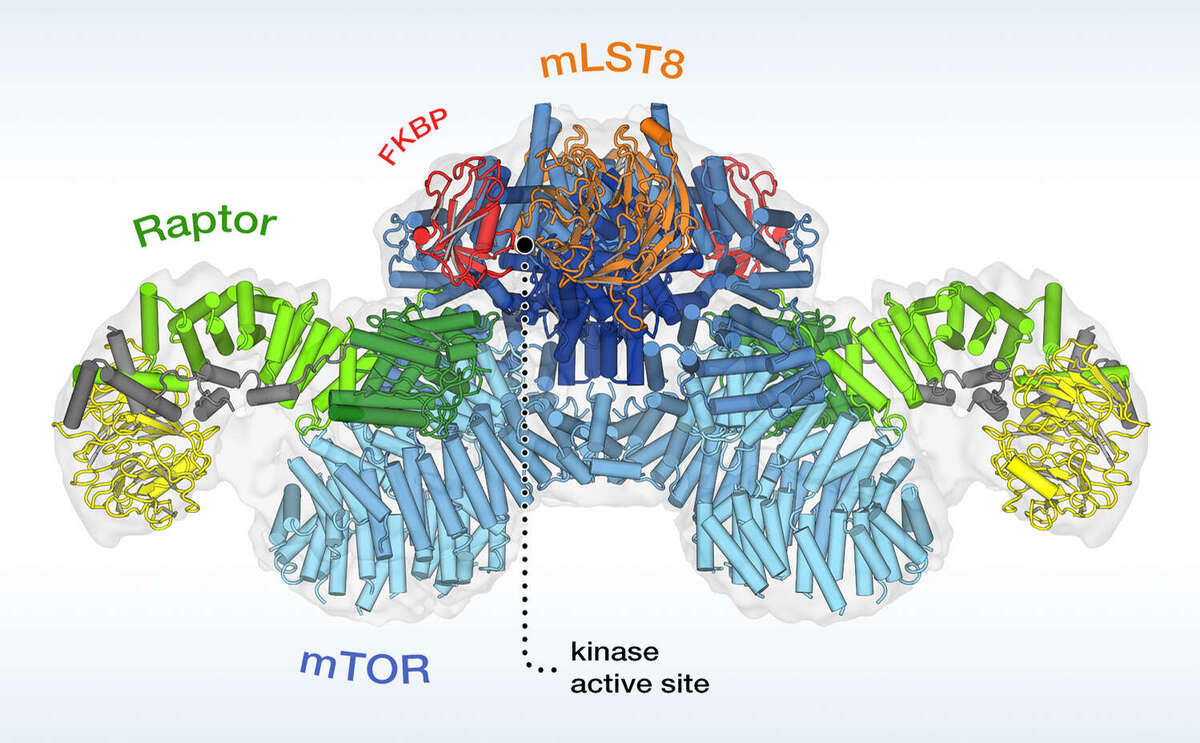
Professor Michael N. Hall is a distinguished faculty member at the Biozentrum of the University of Basel, where he serves as a Professor in the Division of Biochemistry. He also holds a position as Principal Investigator at the Institute of Human Biology, F. Hoffmann-La Roche Ltd in Basel, Switzerland. His career spans over three decades at the University of Basel, where he has held leadership roles including Vice-Director of the Biozentrum and Chairman of the Division of Biochemistry. Dr. Hall's research focuses on TOR (Target of Rapamycin) signaling pathways and their critical role in controlling cell growth, metabolism, and aging. His laboratory investigates these pathways using biochemical, genetic, and cell biological approaches in yeast (Saccharomyces cerevisiae), mammalian cells, mice, and human tumors. His work has revealed fundamental insights into how mTOR (mammalian TOR) regulates metabolic processes and how its dysregulation contributes to diseases including cancer, diabetes, and cardiovascular disorders. Analysis of Professor Hall's recent publications reveals a consistent research trajectory focused on mTOR signaling in health and disease. His work spans basic molecular mechanisms of mTOR complex regulation, translational applications in cancer metabolism, and clinical implications for therapeutic development. A notable trend is the expansion of his research from fundamental yeast genetics to human disease models, particularly in cancer metabolism and liver disease. 2024 Balzan Prize for Biological Mechanisms of Aging 2024 Helis Foundation Lifetime Achievement Award 2023 Grand Medal, French Academy of Sciences 2017 Albert Lasker Basic Medical Research Award 2015 Canada Gairdner International Award for Biomedical Research 2014 Breakthrough Prize in Life Sciences 2014 National Academy of Sciences USA membership 2009 Louis-Jeantet Prize for Medicine Professor Hall has secured significant research funding, including an ERC Synergy Grant (2014-2020) as Corresponding Principal Investigator. His laboratory has trained numerous scientists who have gone on to establish independent research careers. Beyond his own research, Hall serves on multiple scientific advisory boards and selection committees for major international prizes, demonstrating his leadership in the global research community. His research group at the Biozentrum maintains active collaborations with clinicians for translational research projects, particularly in cancer. The laboratory employs a multidisciplinary approach combining molecular biology, biochemistry, and systems biology to understand TOR signaling pathways across different model systems. Hall's work bridges fundamental discovery with potential therapeutic applications, particularly in the development of new approaches for treating diseases involving dysregulated cell growth.
Beth Garvy, PhD is a Professor and Senior Associate Dean for Biomedical Education at the University of Kentucky College of Medicine. She holds appointments in the Department of Microbiology, Immunology, and Molecular Genetics and the Office of Biomedical Education, and serves as an MD/PhD Program Mentor. Dr. Garvy received her B.A. in Biology and Science Education from the University of South Florida (1981), M.A. in Exercise Physiology from The Ohio State University (1985), and Ph.D. in Biochemistry and Exercise Science from Michigan State University (1991). She completed postdoctoral training at the University of Miami School of Medicine (1993) and served as a Research Associate at the Trudeau Institute (1996). Her research focuses on pulmonary immunology, particularly the immune response to Pneumocystis carinii, an opportunistic fungal pathogen that causes pneumonia in immunosuppressed individuals. She has investigated how different life forms of P. carinii interact with the lung immune system and how neonatal mice handle respiratory infections. Currently, she is involved in the RECOVER project, a large NHLBI-funded clinical trial examining long-COVID, with specific interest in monocyte/macrophage interactions with virus, platelets, and coagulation factors. Her educational efforts include funding the Alliance of Biomedical Educators (ABE) to support faculty writing education program grants. Dr. Garvy's recent publications reflect a shift toward thrombosis research in viral infections, particularly HIV and long-COVID, while maintaining her expertise in pulmonary immunology and fungal pathogenesis. Her work demonstrates a progression from basic immunological studies of Pneumocystis to translational research on viral complications and thrombotic events. Notably, Dr. Garvy indicates that her administrative position as Senior Associate Dean for Biomedical Education occupies most of her time, and she is no longer training students or post-docs in a laboratory setting. She has received funding for the Alliance of Biomedical Educators to support educational grant writing among faculty in the College of Medicine. Her laboratory work historically focused on neonatal immunity, macrophage function, and host-pathogen interactions in the lung, with a particular emphasis on the differential immune responses to various life cycle stages of Pneumocystis organisms.
Malin Lindstedt is a Professor and Head of the Department of Immunotechnology at Lund University , where she also serves as a Principal Investigator at the Lund University Cancer Centre (LUCC) and a member of the LTH Profile Area: Engineering Health . Research Focus : Myeloid cells in tumor microenvironment, immunomodulation, and biomarker validation. Methodologies : Single-cell transcriptomics, spectral flow cytometry, spatial tissue analysis, and bioinformatics. Her recent publications highlight dendritic cell heterogeneity , IL-2 immunotoxicity , and CD40 agonists in cancer immunotherapy. Collaborative projects emphasize myeloid-targeted therapies and immune safety avatar development for clinical applications. Supervised Students : Andersson, H., Thörnqvist, L., Askmyr, D., Ajazi, K., Åkerström, F., Nyesiga, B., Sakellariou, C. Key Collaborations : LUCC, Engineering Health profile area, and international partnerships in cancer research.
Przemyslaw (Mike) Sapieha is a Full Professor and director of the Neurovascular Eye Disease Research Unit at Université de Montréal , affiliated with Hôpital Maisonneuve-Rosemont. He holds the Canada Research Chair in Retinal Cell Biology and the Wolfe Professorship in Translational Vision Research . His research focuses on angiogenesis, neurovascular interactions, and metabolic disease impacts on eye health. PhD in neuroscience (Université de Montréal) Postdoctoral training (Harvard Medical School, McGill University) Sapieha's work investigates vasoproliferative eye diseases such as diabetic retinopathy and age-related macular degeneration, emphasizing cellular senescence, epigenetic changes, and immune-modulatory mechanisms. His lab uses the eye as a model to study vascular growth in physiological and pathological contexts. Recent publications highlight translational approaches to targeting senescence in diabetic macular edema, obesity-linked neuroinflammation, and microbiome effects on choroidal neovascularization. Key trends include BCL-xL inhibition , epigenetic memory , and neuroimmune signaling in retinal pathologies. Scientific Awards Canada Research Chair (Tier 1) Alcon Senior Investigator Award Wolfe Professorship Effervescence Star Award (2024) Royal Society of Canada member Sapieha's team includes researchers like Agnieszka Dejda, Ariel Wilson, and Frédérik Fournier. His work spans basic science and clinical translation , with grants from Alcon, Bright Focus Foundation, and the Canadian government.
Nora Barrett, MD, is an Associate Professor of Medicine at Harvard Medical School and an attending physician at Brigham and Women’s Hospital , where she leads the Respiratory Immunology Laboratory. She also serves as Director of Research Training for the Allergy and Immunology fellowship program. Her federally funded research deciphers innate immune signaling in the respiratory tract, with a focus on type 2 inflammatory diseases such as asthma and chronic rhinosinusitis with nasal polyps. Education & Training MD earned (institution/year not specified in text) Clinical and research fellowship training in Allergy & Immunology (details not provided) Research Focus The Barrett Lab integrates in vivo murine models, single-cell RNA-sequencing of human tissues, and molecular immunology to uncover how environmental exposures trigger innate immune cascades. A long-standing theme is the role of cysteinyl leukotrienes (CysLTs) as amplifiers of innate sensing. More recently, the lab has uncovered genetic and epigenetic programs that drive airway epithelial remodeling, altering mucosal barrier function and immune homeostasis. Scientific Awards & Honors Joshua A. Boyce, MD Distinguished Chair in Allergy and Clinical Immunology (2022) Elected to the American Society for Clinical Investigation (ASCI) – induction April 2023 Grants & Funding While specific grant numbers are not listed, the lab’s continuous productivity and the 2025 commentary on the crucial impact of NIH funding indicate substantial federal support, likely from NHLBI and NIAID. Laboratory & Team The Respiratory Immunology Lab is housed in the Hale Building for Transformative Medicine (Room 05002R) at Brigham and Women’s Hospital. The group comprises post-doctoral fellows, graduate students, research technicians, and clinical fellows who meet regularly for lab outings and scientific retreats, fostering a collaborative training environment.
Marianna Sadagurski is an Associate Professor in the Department of Biological Sciences at Wayne State University, affiliated with the Institute of Environmental Health Sciences. Her research program focuses on hypothalamic regulation of metabolism under environmental stress, obesity, and aging, emphasizing signaling pathways in neurons and glia cells. Wayne State University (Institute of Environmental Health Sciences) Department of Biological Sciences Academic rank: Associate Professor Research areas include: Hypothalamic regulation in health and disease Pollution-induced hypothalamic inflammation Anti-aging interventions Maternal environment impacts on metabolic disease Recent publications (2020-2025) explore: Metabolic reprogramming by pollutants Anti-aging drug mechanisms Neuroinflammatory pathways Sex-specific aging responses Multi-omics toxicology Teaches advanced courses in neural signaling and metabolism.
Nobuhito Goda is a Professor at Waseda University's Faculty of Science and Engineering, School of Advanced Science and Engineering, holding a Doctor of Medicine from Keio University. His research spans multiple disciplines including metabolism, hypoxia biology, and diabetes research, with significant contributions to understanding liver-pancreas crosstalk and cellular responses to low oxygen conditions. Dr. Goda received his medical degree from Keio University School of Medicine in 1990 and completed his graduate studies at Keio University Graduate School of Medicine in 1997. His academic journey includes prestigious fellowships such as the Uehara Memorial Foundation Postdoctoral Fellowship for Overseas Study in 2000. His research focuses on diabetes, sugar/lipid metabolism, liver disease, knockout mice, and hypoxic response . Dr. Goda's work explores how hypoxia-inducible factors regulate metabolic pathways in various tissues, with particular emphasis on how these mechanisms contribute to disease progression and potential therapeutic targets. His laboratory investigates the intricate connections between metabolic disorders and cellular stress responses. Analysis of Dr. Goda's recent publications reveals a strong focus on hypoxia signaling pathways and their role in metabolic regulation across multiple organ systems. His work bridges basic cellular mechanisms with clinical applications, particularly in diabetes and liver disease. A notable trend is his exploration of inter-organ communication, especially liver-pancreas crosstalk in metabolic disorders. Dr. Goda has received several prestigious awards including: Best Poster Award at the 6th International Symposium on ALPD and Cirrhosis (2011) Takada Award at the 30th Annual Meeting of the Society for Medical and Biological Research on Alcohol (2010) Uehara Memorial Foundation Postdoctoral Fellowship for Overseas Study (2000) Dr. Goda leads an active research laboratory focused on metabolic and hypoxia-related research, with significant media coverage of his team's discoveries related to diabetes treatment. His work has been featured in prominent outlets including Forbes JAPAN, Waseda University Press Release, and Nikkei, highlighting the potential clinical impact of his research on insulin-secreting cells and diabetes therapeutics. The Goda Laboratory maintains a strong presence in metabolic and hypoxia research, utilizing advanced techniques including in vivo imaging, genetic models, and metabolic flux analysis. Their research spans from basic molecular mechanisms to potential therapeutic applications, with particular emphasis on diabetes and liver disease.
Joanne Carole Masterson is an Adjunct Assistant Professor in the Department of Pediatrics at the University of Colorado Denver - Anschutz Medical Campus. Her work focuses on gastroenterology and immunology , particularly mechanisms of epithelial barrier dysfunction in eosinophilic esophagitis. Research Themes: MicroRNA regulation in inflammatory diseases Eosinophil biology and mucosal immunity Epithelial-mesenchymal interactions Hypoxia signaling in gastrointestinal pathologies Key Collaborations: Glenn T. Furuta (pediatric gastroenterology) Calies Menard-Katcher (mucosal immunology) Eric N. McNamee (innate immune regulation) Sean P. Colgan (epithelial metabolism) Her recent publications highlight translational work on microRNA-223 , HIF-dependent pathways , and claudin proteins in inflammatory gastrointestinal disorders. Collaborative studies explore MUC1 , VEGF , and chemokine gradients in disease progression. Network analysis shows strong connections to concepts including: Eosinophilic Esophagitis , Eosinophils , Claudins , and Epithelial Cell Stress .
Prof. Dr. Sabine Werner is a Full Professor at the Department of Biology, ETH Zurich, and Head of the Institute of Molecular Health Sciences. Her research focuses on the molecular mechanisms of tissue repair and cancer, particularly the role of growth factors and signaling pathways like Nrf2, FGFR, and activin in wound healing, skin inflammation, and liver regeneration. Key affiliations: ETH Zurich, SKINTEGRITY.CH collaborative research program Research themes: Tissue repair, cancer biology, redox signaling, extracellular matrix dynamics Her recent work examines mitochondrial transfer in cancer-associated fibroblasts (2025), biomechanical regulation of skin aging (2025), and Nrf2-FGFR crosstalk in liver injury (2025). Collaborative studies integrate clinical applications (e.g., diabetic wound healing via VEGF-C delivery) and advanced techniques like optoacoustic microscopy. Scientific contributions include multiple awards (e.g., Rupert Timpl Award 2020) and editorial roles. Her publications span topics from Cell to Nature , with a focus on functional genomics, proteomics, and genetically modified mouse models.
Dr. Md Zahidul Alam serves as an Assistant Professor in the Department of Pathology at the Brody School of Medicine, East Carolina University (ECU). His primary research focuses on macrophage-mediated tissue injury and repair mechanisms using mouse models of pulmonary and intestinal damage. With dual postdoctoral training at the University of Pennsylvania's Perelman School of Medicine, Dr. Alam brings expertise in both pathological mechanisms and microbial interactions to ECU's medical research enterprise. Dr. Alam's educational journey includes an MBBS from Dhaka Medical College (Bangladesh), a PhD from the University of Texas at Arlington, and specialized postdoctoral training in the Haldar lab (Pathology) and Abt lab (Microbiology) at the University of Pennsylvania. These experiences established his foundation in macrophage biology and host-pathogen interactions. His research program centers on identifying molecular cues—including cytokines and stress signals—that drive macrophage polarization toward reparative phenotypes during tissue injury. This work bridges immunology, microbiology, and translational medicine, with particular emphasis on Clostridioides difficile pathogenesis and lung injury models. Dr. Alam employs multidisciplinary approaches combining in vivo modeling, immune cell profiling, and molecular signaling analysis to uncover therapeutic targets for inflammatory diseases. Analysis of Dr. Alam's 15 publications (2014-2024) reveals consistent productivity with 5 papers in 2024 alone. His recent work demonstrates deep expertise in C. difficile infection mechanisms (host immunity, toxin interactions, therapeutic challenges) while expanding into macrophage roles in cancer (medulloblastoma) and heme metabolism. The publication record shows strong collaboration networks and increasing first/corresponding author contributions in high-impact journals. As an active investigator, Dr. Alam's laboratory provides training in advanced immunological techniques and disease modeling. His research program likely receives external funding given the consistent publication output and complex experimental approaches described. The lab maintains productive collaborations with his former institutions while establishing new partnerships at ECU. Dr. Alam's laboratory operates within ECU's Brody Building (Lab 7S 11), focusing on the intersection of innate immunity and tissue repair. The research environment emphasizes translational discovery, with findings directly addressing clinical challenges in infection management and inflammatory disease treatment. Current projects continue to explore macrophage reprogramming strategies for therapeutic intervention in pulmonary and gastrointestinal pathologies.