Michael Glickman is a Professor at Memorial Sloan Kettering Cancer Center (MSKCC) with a dual appointment in the Department of Medicine and Gerstner Sloan Kettering Graduate School of Biomedical Sciences . He holds an MD from Columbia University College of Physicians and Surgeons and leads the Michael Glickman Lab, focusing on mycobacterial biology, tuberculosis pathogenesis, and BCG immunotherapy mechanisms. Research Interests : Mycobacterial proteostasis systems DNA repair and mutagenesis BCG-induced anti-tumor immunity Microbiome-tuberculosis interactions Key Article Trends : 2025 studies highlight ALFA tagging, metal resistance, and immune reprogramming 2024 work explores TNF deficiency in TB and DnaK-GrpE structural dynamics 2023 research addresses Rip1 protease roles in metal homeostasis Labs & Collaborations : Immunology Program Collaborations with Weill Cornell Medicine and GHESKIO Center Active postdoctoral opportunities Advising & Grants : Mentors PhD students and postdocs; funded by NIH grants AI53417 , R01 AI080628 , and P30 CA008748 . His lab investigates host immune sensing, microbiome dynamics, and mycobacterial virulence pathways.
Päivi M Ojala serves as a Professor in the Department of Pathology at the University of Helsinki's Faculty of Medicine. She actively supervises doctoral programs in Integrative Life Science and Biomedicine while leading cutting-edge cancer research initiatives. Her research spans Cancer Biology , Virology , and Immunotherapy , with specialized focus on viral tumorigenesis, cancer metastasis mechanisms, and CAR T-cell therapy development. Key interests include lymphatic endothelial cell interactions in melanoma metastasis, Kaposi Sarcoma Herpesvirus pathogenesis, and glycosphingolipid-targeted immunotherapies for ovarian carcinoma. Recent publications reveal strong emphasis on translational immunotherapy, particularly CAR T-cell engineering for solid tumors. Her 2023-2025 work demonstrates expertise in GMP-compliant manufacturing, novel CAR spacer design, and targeting metastasis-promoting molecular axes like DLL4/Notch3/WNT5B. Current projects include: Syöpäsäätiö-funded cancer research (2024-2025) Veripalvelu collaborations on CAR T-cell development (2023-2024) Gertrude Biomedical partnership for translational oncology As supervisor for doctoral programmes and frequent thesis pre-examiner/opponent, she actively shapes next-generation researchers. Her 49 documented academic activities include international collaborations with Imperial College London and extensive peer review contributions.
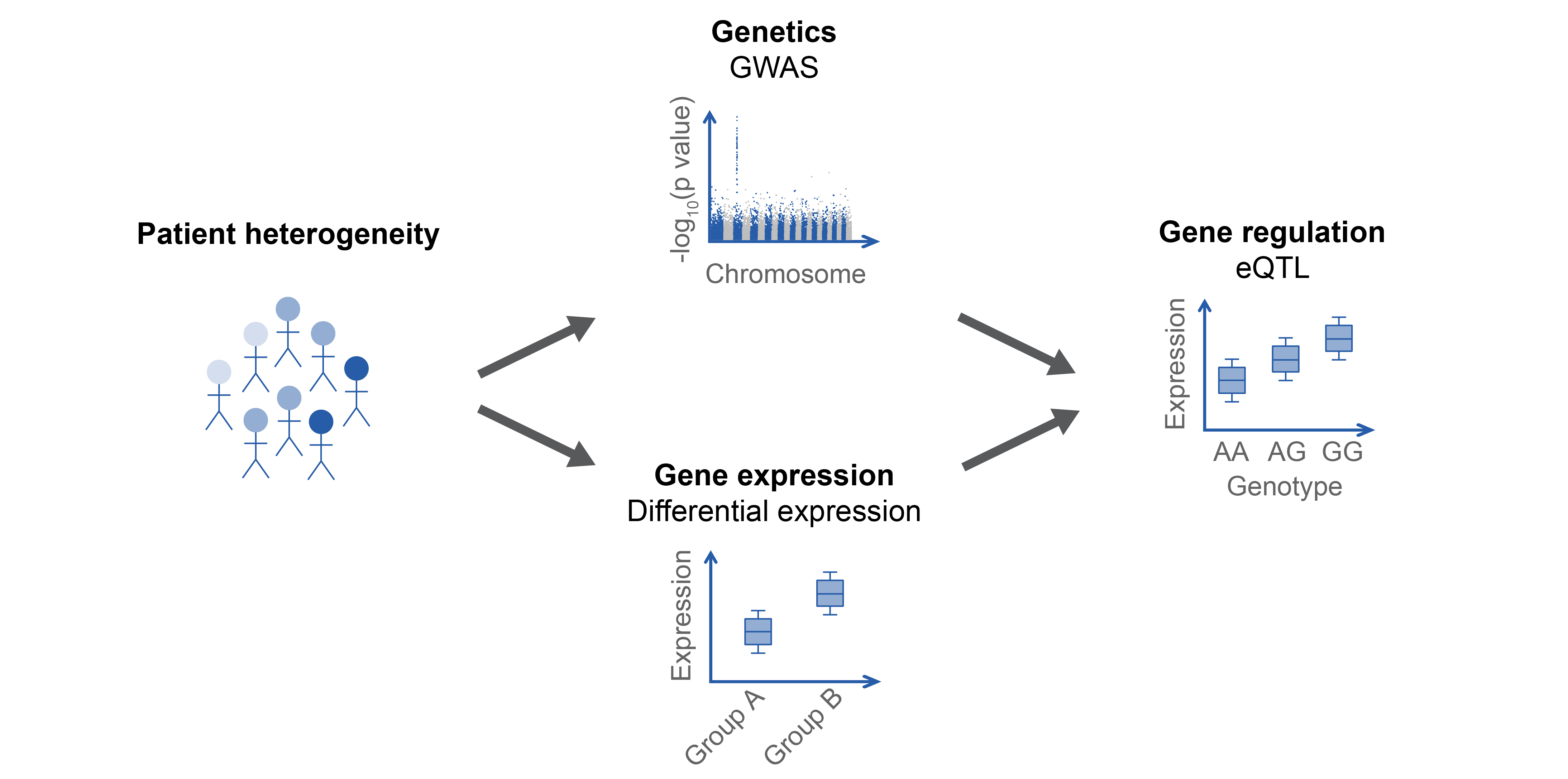
Dr. Emma Davenport is a Group Leader at the Wellcome Sanger Institute within the Human Genetics Programme, where she leads the Davenport Group focused on Functional Genomics of Variation in Disease Response. She joined the Sanger Institute in October 2018 after completing postdoctoral research at Harvard Medical School in Professor Soumya Raychaudhuri's lab at Brigham and Women's Hospital and the Broad Institute. Her research integrates functional genomics and clinical data to understand how genetics contributes to patient-to-patient heterogeneity in disease severity and treatment response. Dr. Davenport's primary research interests focus on diseases involving systemic inflammation such as sepsis and systemic lupus erythematosus (SLE). Her work employs sophisticated analytical methods to analyze functional genomics data from hundreds of patient cohorts, integrating this with clinical information. She specializes in transcriptomic profiling to stratify patients and understand individual responses to infections and autoimmune conditions. Her group investigates expression quantitative trait locus (eQTL) interactions to uncover how environmental factors modulate genetic regulatory effects on gene expression. Analysis of Dr. Davenport's publication record reveals a strong focus on patient stratification through transcriptomic signatures, particularly in sepsis where her group identified the Sepsis Response Signature (SRS) endotypes. Her research spans multiple areas including host-pathogen interactions, drug response variability, and single-cell eQTL mapping in autoimmune diseases. Recent work has expanded into multi-omics approaches, integrating genomic, transcriptomic, and proteomic data to understand the molecular basis of disease heterogeneity. Dr. Davenport has successfully mentored numerous PhD students and postdoctoral fellows who have contributed significantly to her research program. Her group collaborates extensively with clinical partners through initiatives like the Genomics Advances in Sepsis (GAinS) study and the Bioresource for Adult Infectious Diseases (BioAID), applying genomic approaches to improve diagnosis and treatment of infectious diseases.
Melissa Skala, Ph.D., is the Carol Skornicka Chair of Biomedical Imaging at the Morgridge Institute for Research and a full Professor of Biomedical Engineering & Medical Physics at the University of Wisconsin–Madison. Her laboratory pioneers label-free optical imaging technologies—most notably fluorescence-lifetime microscopy and optical coherence tomography—to quantify metabolic heterogeneity in cancer, immune cells and engineered tissues, with direct translation to cell-therapy manufacturing and personalized cancer medicine. Education Ph.D. Biomedical Engineering, 2007, Duke University M.S. Biomedical Engineering, 2004, University of Wisconsin–Madison B.S. Physics, 2002, Washington State University Research Focus The Skala lab develops and applies cutting-edge photonics platforms—including autofluorescence lifetime imaging, optical redox ratio mapping, second-harmonic generation, and light-sheet microscopy—to interrogate metabolic states of single cells and organoids in vitro and in vivo . Major thrusts include: Cancer metabolism and immunotherapy response Immune cell activation and exhaustion Stem-cell and CAR-T manufacturing quality control Micro-physiological disease models Machine-learning–driven image analysis Publication Trends Across >250 peer-reviewed papers since 2004, she has progressed from foundational studies on NAD(P)H/FAD redox imaging in epithelial tissues to recent landmark reports defining metabolic biomarkers for T-cell activation, immune-cell subtyping, and patient-derived cancer organoid drug response. A 2025–2024 cluster emphasizes label-free metabolic monitoring of stem-cell-derived cardiomyocytes, neutrophil functional states, and collagen remodeling during immunotherapy. Scientific Honors Fellow, OSA, SPIE, AIMBE (2019) Carol Skornicka Chair, Morgridge Institute (2022) Daniel M. Albert Chair, Retina Research Foundation (2021) Stand Up To Cancer – Sharp Collaboration Award (2017) NSF CAREER Award (2016) NIH/NCI Pathway to Independence Award (K99/R00) (2010) Grants & Team Mentorship Dr. Skala directs multiple active NIH grants (R01, R35, P30) totaling several million dollars, focusing on metabolic imaging for cancer immunotherapy, stem-cell manufacturing, and infectious disease models. The Skala Laboratory actively recruits and mentors graduate students and post-doctoral researchers, fostering interdisciplinary collaborations across engineering, oncology and immunology. Laboratory & Infrastructure The Skala Lab is equipped with custom-built multimodal optical systems, high-throughput microfluidic platforms, and dedicated animal-imaging suites. Core capabilities include time-correlated single-photon counting, hyperspectral imaging, and AI-driven single-cell analytics.
Dr. Stefan Adi Muljo is a tenured Senior Investigator and heads the Integrative Immunobiology Section within the Laboratory of Immune System Biology at the National Institute of Allergy and Infectious Diseases (NIAID), part of the National Institutes of Health (NIH) in Bethesda, Maryland. Recruited to the Laboratory of Immunology in 2008 as a tenure-track investigator, he was promoted to Senior Investigator in 2016. Dr. Muljo's educational background includes: Ph.D. in Immunology from The Johns Hopkins University School of Medicine Postdoctoral fellowship at Harvard Medical School (Immune Disease Institute) His research focuses on gene expression programs governing immune cell differentiation, with emphasis on microRNAs, long non-coding RNAs, and RNA-binding proteins. Employing integrative systems biology, his laboratory reverse-engineers molecular circuits controlling hematopoietic and immune cell fates, revealing implications for cancer, immunodeficiency, autoimmunity, and regenerative medicine through post-transcriptional reprogramming. Analysis of his 2012-2020 publications shows consistent exploration of RNA-mediated regulation in hematopoiesis and immunity. Key discoveries include Lin28b's role in fetal hematopoietic programming and miR-155's function in Th17 cell cytokine regulation, demonstrating how non-coding RNAs interface with epigenetic machinery to control cell fate decisions. Dr. Muljo mentors graduate students through NIH-Penn, NIH-JHU, and NIH-OxCam partnership programs. His research is supported by NIH intramural funding, enabling integrative approaches combining genome-wide measurements with experimental perturbations. He leads the Integrative Immunobiology Section, which operates at the intersection of immunology, RNA biology, and systems approaches to dissect molecular logic in immune cell differentiation.
Melissa Berrien-Elliott, Ph.D., is an Assistant Professor in the Department of Molecular Microbiology and Immunology at Saint Louis University School of Medicine. She leads the Berrien-Elliott Lab, which focuses on leveraging natural killer (NK) cells for cancer immunotherapy and chronic viral infection treatment. Her research employs preclinical and translational approaches to enhance NK cell efficacy through cytokine activation, genetic engineering, and microenvironment modulation. Her work explores: Cytokine-induced memory-like NK cell differentiation CAR-engineered NK cell therapies Bispecific antibody-enhanced tumor targeting Epigenetic reprogramming of immune cells MicroRNA regulation of immune responses Recent publications (2022-2025) demonstrate a strong focus on clinical translation, including phase I trials of novel immunotherapies, mechanistic studies of NK cell memory, and combinatorial approaches for hematologic malignancies. Over 50% of her last 15 publications involve human clinical data or patient-derived models. Dr. Berrien-Elliott collaborates extensively with cancer centers nationwide on adoptive cell therapy trials. Her lab is currently recruiting researchers to advance NK cell therapeutic platforms.
Iliyan D Iliev is an Associate Professor in the Department of Medicine at Weill Cornell Medical College, where he has been affiliated since 2020. He holds a Ph.D. in Immunology from the University of Milan (2009) and M.Sc./B.Sc. degrees from Plovdiv University "Paisii Hilendarski". His research program investigates host-fungal interactions, with emphasis on: Mycobiota regulation of mucosal immunity in inflammatory bowel disease Fungal-bacterial transkingdom dynamics in cancer pathogenesis Commensal fungi as modulators of systemic immunity Immunoglobulin-mediated control of fungal colonization His 15 most recent publications (2023-2025) demonstrate convergent themes: fungal influences on immune cell function (neutrophils, T cells), gut-barrier integrity, and disease mechanisms in IBD/cancer. Methodologically, they integrate gnotobiotic models, multi-omics, and clinical translational approaches. Research funding includes $10M+ grants from NIH and private foundations: NIAID: Gut metabolite transkingdom interactions (2024-2029) NCI: Mycobiome role in cancer (2024-2029) Rainin Foundation: Fungal-bacterial therapeutics for UC (2024-2026) NIDDK: Commensal fungi in immunity (2023-2027) Cancer Research Institute: Lloyd J. Old STAR Program (2022-2027)
Lionel B Ivashkiv, MD , is Professor of Medicine and Immunology at Weill Cornell Medical College and Chief Scientific Officer at the Hospital for Special Surgery (HSS) , positions he has held since 1992. His dual affiliation places him at the forefront of translational research in autoimmune and inflammatory diseases. Education: MD, Harvard Medical School (1984) BA, Columbia University (1980) Research Focus: Dr. Ivashkiv's laboratory investigates cytokine-mediated pathogenesis in autoimmune, inflammatory, and musculoskeletal diseases. His work centers on the regulation of cytokine signaling, gene transcription, and epigenomic control of myeloid cells, osteoclasts, and synovial fibroblasts in diseases such as rheumatoid arthritis (RA), systemic lupus erythematosus (SLE), and inflammatory osteolysis. He employs cutting-edge techniques including RNA-seq, ChIP-seq, ATAC-seq, and CRISPR-Cas9 genome editing to dissect molecular mechanisms and identify precision medicine approaches. Recent Trends in Publications: His recent work spans from epigenetic reprogramming of macrophages and monocytes to translational models of implant failure and fibrosis. Key themes include the interplay between TNF, IFN-γ, and IL-10 in shaping inflammatory responses, the role of epigenetic modifiers like EZH2 and KDM1A in osteoclastogenesis, and the development of computational tools for musculoskeletal pathology. Grants & Collaborations: Dr. Ivashkiv's research is supported by multiple NIH and foundation grants. He collaborates extensively with clinicians and engineers at HSS and Weill Cornell, and serves as a consultant to Eli Lilly and Company, translating his findings into therapeutic strategies for inflammatory diseases. Laboratory & Teams: His lab integrates basic science with translational medicine, working closely with orthopedic surgeons, rheumatologists, and bioinformaticians. The team focuses on identifying druggable targets in cytokine and epigenetic pathways to modulate inflammation and tissue damage in autoimmune diseases.
Professor Golnaz Vahedi of the University of Pennsylvania School of Medicine Department of Genetics is a leading figure in genomic immunology with key affiliations to the Institute for Diabetes, Obesity and Metabolism, Abramson Cancer Center, Institute for Immunology & Immune Health, and co-directorship of the Penn Epigenetics Institute. Her educational background spans Electrical Engineering degrees from Sharif University (B.Sc.), University of Alberta (M.Sc.), and Texas A&M University (Ph.D.), followed by NIH postdoctoral work under Dr. John O'Shea. 314 BRB II/III, 421 Curie Boulevard, Philadelphia, PA 19104 Primary email: vahedi@pennmedicine.upenn.edu Her research integrates computational biology with immune cell epigenetics to decode: 3D chromatin organization in T cells Transcription factor mechanisms (e.g., TCF-1's nucleosome-unwrapping properties) Genetic variation's impact on T1D pathology Lentiviral integration epigenomic effects Recent publications demonstrate her lab's expertise in chromatin tracing and multi-enhancer interactions . Notable awards include the Chan Zuckerberg Initiative award and multiple journal cover features. Her work bridges genomics , computational immunology , and autoimmune disease research through innovative techniques like PRISM, EpiVIA, and Stripenn. Key collaborations: Human Pancreas Analysis Program (HPAP), Abramson Cancer Center
Dr. Gregory L. Beatty is a Professor of Medicine in the Hematology-Oncology division at the Perelman School of Medicine, University of Pennsylvania. He serves as Director of Clinical and Translational Research at the Penn Pancreatic Cancer Research Center and practices at the Abramson Cancer Center. Dr. Beatty is an internationally renowned expert in cancer immunotherapy with a specific focus on pancreatic cancer and glioblastoma. Dr. Beatty's research centers on developing novel immunotherapies for solid tumors, particularly pancreatic cancer. His work spans CAR-T cell therapy, tumor microenvironment interactions, immune evasion mechanisms, and strategies to overcome immunotherapy resistance. He has pioneered several first-in-human treatment strategies, including mesothelin-targeted CAR T cells and CD40 agonist approaches that alter tumor stroma. Analysis of Dr. Beatty's publication record (2011-2020) reveals a consistent focus on translating basic immunological discoveries into clinical applications for pancreatic cancer. His work demonstrates progression from preclinical models to human trials, with particular emphasis on overcoming the immunosuppressive tumor microenvironment that characterizes pancreatic cancer. Key themes include T cell therapy, macrophage modulation, and combination approaches targeting multiple resistance mechanisms simultaneously. Dr. Beatty has led multiple phase 1 clinical trials, including studies of mesothelin-specific CAR T cells and CD40 monoclonal antibodies in combination with standard therapies. His research has demonstrated how immunotherapies can be engineered to overcome specific resistance mechanisms in pancreatic cancer, including T cell exclusion from tumors and the 'don't eat me' signals that protect cancer cells from immune attack. As Director of Clinical and Translational Research at the Penn Pancreatic Cancer Research Center, Dr. Beatty oversees a robust research program that bridges laboratory discoveries with patient care. His work has established important proof-of-concept for immunotherapy approaches in traditionally immunotherapy-resistant cancers, opening new avenues for treatment of pancreatic cancer.
Renato Ostuni is an Associate Professor at Vita-Salute San Raffaele University and leads the Unit of Innate Immune System Genomics at the San Raffaele-Telethon Institute for Gene Therapy (SR-Tiget). His research focuses on immunology, genomics, and inflammation in cancer and disease contexts. He is affiliated with the School of Medicine. Ph.D. in Translational and Molecular Medicine (2008-2010), Università di Milano-Bicocca Specialized in Industrial Biotechnology (2005-2007), Università di Milano-Bicocca Bachelor’s in Biotechnology (2002-2005), Università di Milano-Bicocca His research explores macrophage and neutrophil dynamics , tumor microenvironment reprogramming, and neurotoxic inflammation mechanisms. Recent work includes CRISPR-based T-cell engineering and DNA damage in neuroinflammatory diseases. His publications span top-tier journals like Science , Nature , and Cell , with a focus on immunology, cancer research, and regenerative medicine. Key collaborators include Gioacchino Natoli and Ido Amit. Scientific Awards: Alessandro Moretta Young Investigator Award (2019) Young Investigator Award, European Macrophage and Dendritic Cell Society (2018) ERC Starting Grant (2017) LaboSpace Prize (2017) Bioeconomy Rome Award (2013) EMBO Short-Term Fellowship (2012) He has served as an Associate Editor for Frontiers in Immunology and reviewed for journals like Nature Immunology and Cell Reports , alongside grant evaluations for the Italian Ministry of Health and European Research Council.
Dr. Adrianus (Ando) Van Der Velden is an Associate Professor at Stony Brook University in the Department of Microbiology and Immunology , with research focused on Bacterial Pathogenesis , Host-Pathogen Interactions , and Immune Modulation . His work primarily investigates Salmonella infections and their immunological consequences. Education : PhD from Oregon Health and Science University (2000) Postdoctoral Training : Harvard Medical School Research Interests : Host immune responses to Salmonella T cell suppression via asparagine catabolism Inflammatory monocyte roles in infection Microbiota's impact on pathogen colonization Mechanisms of Salmonella virulence Publications highlight his work on Salmonella's manipulation of host immune cells , including studies on asparaginase-mediated T cell suppression, inflammatory monocyte dynamics, and granuloma formation during persistent infection. Teaching & Mentorship : The lab hosts graduate rotation students and has funding for supported positions. He holds a tenured academic position since 2015. Laboratory : Located at the Stony Brook Center for Infectious Diseases, exploring host-pathogen-microbiota interactions using molecular microbiology and immunology approaches.
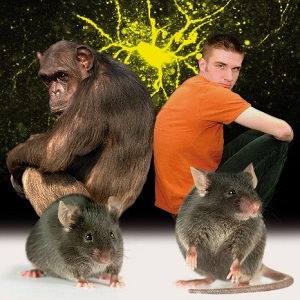
Prof. Dr. Wolfgang Enard is a faculty member at Ludwig Maximilian University of Munich, leading research in Primate Genomics , Evolutionary Biology , and Computational Biology . His work bridges evolutionary genomics with experimental molecular mechanisms to understand human-specific traits, particularly focusing on speech evolution and brain size development. Studying FOXP2 transcription factor in human speech evolution using mouse models Investigating genetic basis of brain size evolution through cross-species genomic comparisons Generating and analyzing induced pluripotent stem cells (iPSCs) from primates for evolutionary studies His laboratory employs RNA-Seq , ChIP-Seq , and proteomics to explore regulatory networks, with recent publications emphasizing cross-species comparisons, epigenetic evolution, and stem cell engineering. While no explicit awards are listed, his work has been cited in numerous high-impact publications across genomics, neurobiology, and disease modeling. Key trends in his research include comparative epigenomics of neural development, iPSC-based evolutionary studies , and multiomic approaches to disease mechanisms . His lab maintains active collaborations and generates specialized stem cell lines for cross-primate investigations.
Professor Veit Hornung is Chair of Immunobiochemistry at the Gene Center and Department of Biochemistry within the Faculty of Medicine at Ludwig Maximilian University of Munich. His laboratory focuses on understanding the molecular mechanisms of innate immune recognition, particularly in the context of nucleic acid sensing and inflammasome biology. Hornung leads a large research group investigating how the immune system distinguishes between self and non-self, with implications for infectious diseases, autoinflammatory disorders, and cancer immunotherapy. Hornung's research spans three primary areas: nucleic acid sensors, inflammasomes, and genome engineering. His work on nucleic acid sensors has elucidated how Toll-like receptors (particularly TLR7 and TLR8) recognize RNA degradation products within endolysosomes, and how the cGAS-STING pathway detects cytosolic DNA. In inflammasome research, his laboratory has made significant contributions to understanding NLRP3, AIM2, and NLRP1 activation mechanisms. His group has also pioneered CRISPR-based genome engineering approaches, developing techniques like SPARCS for spatial cellular phenotype screening. Professor Hornung has received numerous prestigious awards including the Louis-Jeantet Prize (2025), ERC Advanced Grant (2021), William B. Coley Award (2020), Liliane Bettencourt Prize (2018), and the Gottfried Wilhelm Leibniz Prize (2018). He is an EMBO Member and Leopoldina Member, and has been consistently recognized as a Highly Cited Researcher in Immunology. Hornung currently leads multiple major research projects including the ERC Advanced Grant 'ENGINES' focusing on molecular and functional characterization of emerging inflammasomes, and several Collaborative Research Centers including TRR 338 'Lymphocyte Engineering for Therapeutic Synthetic Immunity', TRR 237 'Nucleic Acid Immunity', and SFB 1054 'Control and Plasticity of Cell-Fate Decisions in the Immune System'. His laboratory maintains strong collaborations with other research groups at LMU and internationally.
Prof. Dr. Martin J. Müller is Professor and Chair of Pharmaceutical Biology at the Julius von Sachs Institute of Biosciences, University of Würzburg, Germany. His group combines metabolomics, lipidomics and genetic approaches to decode lipid-mediated signalling in plants and insects under stress. Education & Career: 1992 Dissertation, Ludwig-Maximilian-University Munich 1993–present Continuous academic career culminating in appointment as Chair of Pharmaceutical Biology, University of Würzburg Research Focus: The Müller laboratory investigates how membrane-derived oxidised lipids (oxylipins, phytoprostanes, jasmonates) and energy-storage lipids (triacylglycerols) orchestrate plant adaptation to heat, salt, pathogens and herbivory. High-resolution mass spectrometry is employed to map metabolic shifts in Arabidopsis , crop plants and Drosophila , followed by CRISPR/Cas or classic mutant studies to test gene function. Recent work extends these concepts to the circadian clock, deciphering how daily oscillations in lipid metabolism couple to behavioural and physiological outputs in insects, and how natural variation across 1,135 Arabidopsis ecotypes underpins climate adaptation. Scientific Awards: While specific honours are not listed, Prof. Müller’s sustained funding record and >200 peer-reviewed articles (1993-2023) demonstrate international recognition. Research Teams & Collaboration: He heads the “AG Müller” research group and participates in collaborative centres including the CRC “Insect Timing” and the Metabolomics Core Unit. Ongoing projects integrate expertise from co-PIs Agnes Fekete, Daniel Maag and Arthur Korte.