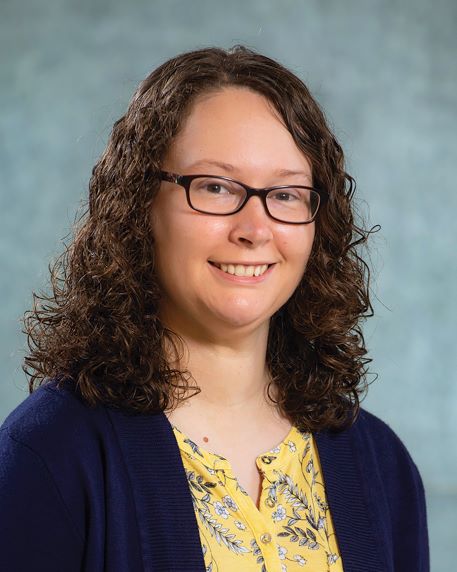
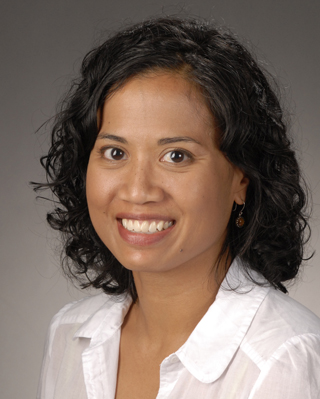
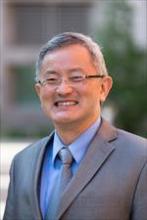
Dr. Heather Evans is an Assistant Professor in the Department of Biology at Mount St. Joseph University within the School of Biomedical & Natural Sciences. She received a Ph.D. in Microbiology from the University of Kentucky and completed postdoctoral training at the University of Cincinnati College of Medicine's Infectious Diseases Division. Ph.D., Microbiology - University of Kentucky B.S., Biology - Eastern Kentucky University Her research focuses on host-pathogen interactions , particularly macrophage responses to fungal pathogens like Histoplasma capsulatum and Pneumocystis species. Current studies explore safe models for investigating respiratory immune responses using non-virulent fungal strains. She emphasizes student engagement in biomedical research through hands-on laboratory experiences. Scientific publications reveal expertise in fungal sensing , metabolic inhibitors , zinc homeostasis , and immune reprogramming . Key themes span immunometabolism, nutritional immunity, and pathogen survival mechanisms. Dr. Evans integrates teaching and research while pursuing interests in science fiction/fantasy literature and regional exploration with her family.
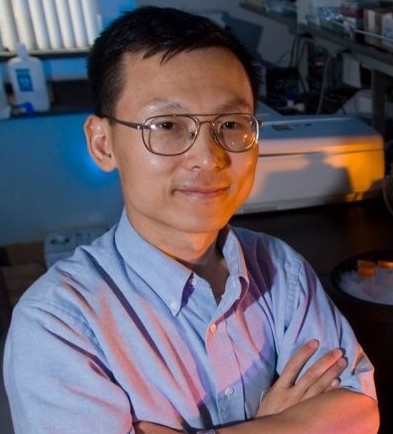
Liwu Li is a Professor in the Department of Biological Sciences within the College of Science at Virginia Polytechnic Institute and State University (Virginia Tech). He also holds a professorship in the Department of Internal Medicine at the Virginia Tech-Carilion School of Medicine. He has been a key academic leader since joining Virginia Tech in 2005, becoming full Professor in 2009, and currently serves as Director of the Program in Genetics, Bioinformatics & Computational Biology since 2019. His research focuses on the molecular and cellular mechanisms of human inflammatory diseases, particularly innate immunity and inflammation dynamics. Key areas include: Innate immune memory programming (tolerance, exhaustion, low-grade inflammation, resolution) Role of TRAM (TICAM2), TOLLIP, and IRAK-M in signaling circuitries Mechanisms of pexophagy and autophagy disruption in inflammatory states Metabolic reprogramming in monocytes and neutrophils during sepsis and atherosclerosis Translational applications in inflammation therapeutics and cancer immunology Although no specific publications are listed in the provided text, his work integrates biochemical, molecular, and computational approaches to understand how varying signal strength and duration shape immune cell behavior in acute and chronic inflammatory conditions. His research has strong implications for treating sepsis, atherosclerosis, and cancer through immune reprogramming. His scientific recognition includes: Elected Fellow, American Association for the Advancement of Science (AAAS), 2024 Fellow, American Heart Association, 2023 Endowed College of Science Faculty Fellow, Virginia Tech, 2023 President, Inflammation Research Association, 2018–2020 NIH Review Panel Member (multiple terms) Multiple departmental awards in research, teaching, and service at Virginia Tech Liwu Li has advised graduate students and mentored researchers through his laboratory, which investigates fundamental principles of immune memory. He has secured federal recognition through NIH review roles and maintains active research grants supporting his work on inflammation and immune cell dynamics. His educational background includes a Ph.D. in Biology (Cell and Molecular) from the University of Michigan and prior academic appointments at Wake Forest University School of Medicine. He leads a multidisciplinary team that bridges experimental immunology with computational analysis to uncover new therapeutic strategies for inflammatory diseases. His research team, the Li Laboratory, focuses on Innate Immune Memory Dynamics , exploring mechanistic principles and translational applications in inflammation therapeutics. The lab investigates distinct states such as low-grade immune-enhancing inflammation, tolerance, exhaustion, and resolution in monocytes and neutrophils. Using transgenic models and human blood samples, they examine the roles of key molecules like TRAM and TOLLIP in disrupting homeostasis and driving disease pathogenesis in atherosclerosis and sepsis. The team also explores rejuvenation strategies, including chemical (e.g., 4-PBA) and genetic (e.g., TRAM deletion) interventions, to restore immune homeostasis.
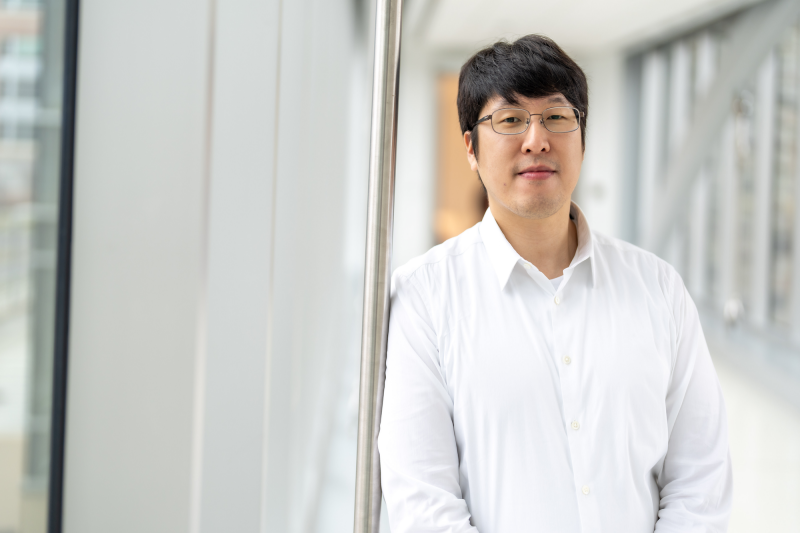
DaeYong Lee, Ph.D., is an Assistant Professor at the Fralin Biomedical Research Institute at VTC and the Department of Biomedical Engineering and Mechanics in the College of Engineering at Virginia Tech. His research is centered in the Cancer Research Center – Roanoke, where he leads the Lee Lab focused on developing novel biomaterials to enhance cancer immunotherapy. Research Interests: Dr. Lee's work lies at the intersection of biomedical engineering, immunology, and materials science. He develops synthetic biomaterials—particularly cationic helical polypeptides and nanobioconjugates—to re-educate immune cells within tumor microenvironments, overcoming immune exhaustion and enhancing antitumor responses. His research emphasizes translational approaches to improve the accessibility and affordability of immunotherapies, with a current focus on breast cancer. Recent Research Trends: His recent publications in top journals like Nature Biomedical Engineering and Nature Nanotechnology highlight a strong trajectory in engineering nanomaterials with tunable physical properties for immune modulation, understanding age-related disparities in nanotherapeutic efficacy, and designing biomaterials that activate innate immunity. These works reflect a cohesive focus on making immunotherapies more universal and effective across diverse patient populations. Poster presentation award, Leading Edge of Cancer Research Symposium, University of Texas MD Anderson Cancer Center, 2023 American Association for Cancer Research (AACR)-Sygnature Discovery Scholar-in-Training Award, 2023 Top 5 Research Achievement in the Field of Biotechnology in South Korea, BRIC, 2019 Postdoctoral Fellowship, National Research Foundation in Korea, 2018-2019 Poster presentation award, The Korean Society for Biomaterials, 2014 Advising and Grants: As a new faculty member supported by the Red Gates Foundation through the Fralin Biomedical Research Institute, Dr. Lee is building his research team and lab infrastructure. While student advisees are not yet listed, he is expected to mentor graduate students and postdoctoral researchers in interdisciplinary cancer research. His work builds on strong foundational training and has already attracted recognition from major cancer research organizations. Labs and Teams: Dr. Lee leads the Lee Lab at the Cancer Research Center – Roanoke, part of the Fralin Biomedical Research Institute. His team collaborates across disciplines to engineer next-generation immunotherapeutics, leveraging Virginia Tech’s state-of-the-art facilities and collaborative environment.
Shenglin Mei, Ph.D., is an Assistant Professor at the Fralin Biomedical Research Institute (FBRI) at Virginia Tech and the Department of Biomedical Sciences and Pathobiology at the Virginia-Maryland College of Veterinary Medicine. His lab is based at the Children's National Research & Innovation Campus in Washington, D.C., where he leads research on tumor microenvironment remodeling during cancer metastasis. Dr. Mei holds a Ph.D. in Bioinformatics from Tongji University and completed postdoctoral training at Harvard Medical School and Massachusetts General Hospital. His research integrates computational biology, single-cell genomics, spatial transcriptomics, and machine learning to study the molecular mechanisms of tumor progression and metastasis. His research interests include: Computational methods for multi-omics data integration (scRNA-seq, scATAC-seq, spatial transcriptomics) Context-dependent remodeling of the tumor microenvironment Identification of novel regulators in cancer metastasis Organ-specific metastasis mechanisms Development of therapeutic strategies for metastatic cancers Dr. Mei's recent publications focus on metastatic cancers such as neuroblastoma, renal cell carcinoma, and prostate cancer, utilizing single-cell and spatial technologies to dissect immune and stromal remodeling in primary and metastatic tumors. His work has revealed key immunosuppressive mechanisms and potential therapeutic targets in the tumor microenvironment. Scientific awards and honors include: Young Investigator Award, Royalty Pharma-Prostate Cancer Foundation (2023–2026) Challenge Award, Michael & Lori Milken Family Foundation-Prostate Cancer Foundation (2022–2025) Outstanding Graduates Award, Nanjing Agricultural University (2012) Dr. Mei has secured significant research funding and leads an active lab focused on computational cancer genomics. He is actively mentoring postdoctoral fellows and graduate students, and his lab collaborates with multiple institutions. The Mei Lab is currently recruiting talented researchers to advance computational methods and biological discovery in cancer metastasis. His research team is based at the Children's National Research & Innovation Campus, contributing to the Cancer Research Center - D.C., and is part of the Children's National Center for Cancer and Immunology Research.
Xin Liu, PhD is an Assistant Professor in the Department of Biochemistry at the School of Medicine, Case Western Reserve University. Their research focuses on the intersection of immunology and metabolism, particularly in the context of lung infections and cancer. Research Interests: The lab investigates how metabolic pathways regulate the function of innate immune cells such as macrophages and monocytes. Specific areas include metabolic reprogramming during infection, host factor roles in immune modulation, and cell-cell communication at the immune-metabolic interface. The overarching goal is to manipulate immune-metabolic networks to improve treatments for infectious diseases and cancer. Publication Trends: Dr. Liu's recent work, published in journals like Cell Host & Microbe and The Journal of Immunology , centers on innate immune responses to pathogens such as Legionella and influenza viruses, with a strong emphasis on metabolic regulation and signaling pathways including RIG-I and MyD88. Scientific Awards: No awards mentioned in the provided text. Advising and Grants: While no specific students or grants are listed, Dr. Liu leads an independent research laboratory focused on immunometabolism. Their work likely involves extramural funding, though details are not provided. Labs and Teams: Dr. Liu directs a research lab that studies immunometabolic regulation in disease contexts, collaborating with experts in microbiology, immunology, and pulmonary biology.
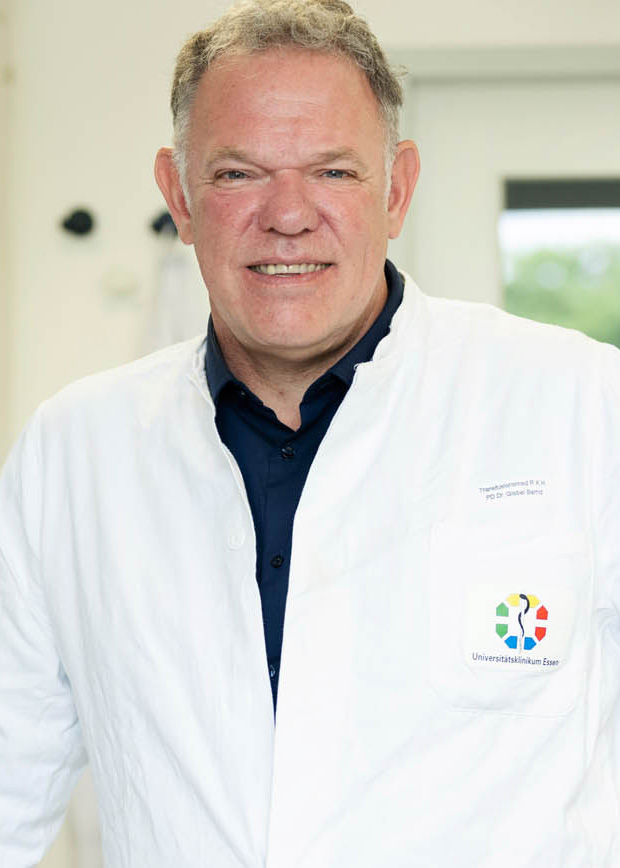
Prof. Dr. Bernd Giebel is a leading faculty member at the Institute for Transfusion Medicine, University Hospital Essen, University of Duisburg-Essen. He leads the Giebel Lab, which is dedicated to advancing the understanding and clinical application of extracellular vesicles (EVs), particularly those derived from mesenchymal stromal cells (MSCs). His research spans hematopoietic progenitor biology and EV-based therapeutics for inflammatory and neurological conditions. His research focuses on elucidating the therapeutic potential of MSC-derived EVs, having demonstrated efficacy in treating graft-versus-host disease and ischemic brain injury. His lab pioneers methods for EV isolation and characterization, including free-flow electrophoresis and imaging flow cytometry. He is deeply involved in standardizing EV research through initiatives like MISEV and EV-TRACK. The recent publications highlight a strong trend toward clinical translation, with work on optimizing EV manufacturing, functional assays, and biomarker discovery. His team investigates EVs in stroke, neuroprotection, immunomodulation, and cancer immunotherapy, often using advanced preclinical models and multi-omics approaches. Founding President, German Society of Extracellular Vesicles (2017–2023) Chair, Exosome Committee, International Society for Cell & Gene Therapy (ISCT) Co-initiator, Mobility for Vesicles in Europe (MOVE) Active member, International Society for Extracellular Vesicles (ISEV) Bernd Giebel mentors several PhD students and postdoctoral researchers, fostering the next generation of EV scientists. His lab collaborates extensively with national and international experts, contributing to influential white papers and consensus guidelines. The research is supported by ongoing projects and publications in top-tier journals, indicating sustained funding and academic leadership. The Giebel Lab operates within the Institute for Transfusion Medicine and is part of the broader research ecosystem at University Hospital Essen, focusing on translational medicine and regenerative therapies.
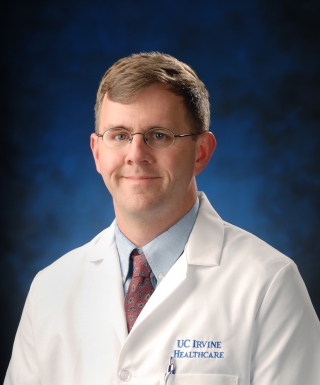
Robert A. Edwards, MD, PhD, is a Professor in the Department of Pathology & Laboratory Medicine at the University of California, Irvine (UCI) School of Medicine. He is board-certified in Anatomic and Clinical Pathology and specializes in molecular and autopsy pathology. His clinical and research work is centered at UCI Medical Center in Orange, CA. PhD in Cell Biology, Baylor College of Medicine, 1995 MD, Baylor College of Medicine, 1997 Residency: Anatomic & Clinical Pathology, Baylor College of Medicine Post-Doctoral Fellowship, University of Michigan Dr. Edwards' research focuses on the molecular mechanisms of colitis and colon cancer, particularly how inflammation, metabolic reprogramming, and the tumor microenvironment contribute to carcinogenesis. His work integrates molecular pathology, immunology, and systems biology to understand disease progression and identify therapeutic targets. Key areas include Wnt signaling, metabolic imaging, and host-microbe interactions in the gut. His recent publications reveal a strong trend in cancer metabolism, inflammation, and microbial pathogenesis, with studies published in Nature , Cell Host & Microbe , and JCI . These works highlight the interplay between immune responses, nutrient availability, and tumor growth in colorectal cancer. Scientific contributions include: Patent on monoclonal anti-thioredoxin antibodies NIH-funded research on Wnt and metabolism in colon cancer Key findings on calprotectin, iron/manganese sequestration, and bacterial survival in the inflamed gut Dr. Edwards is actively involved in mentoring and graduate education, serving in the Pathology-Anatomic and Clinical PhD program. He has held significant roles in NIH-funded grants, including as Co-Investigator on a U54 Cancer Systems Biology Center and as Shared Resource Core Director for the NCI Cancer Center Support Grant. His collaborative research spans immunology, cancer biology, and metabolic regulation. He is affiliated with the Chao Family Comprehensive Cancer Center and contributes to both clinical diagnostics and translational research. His lab employs advanced techniques in molecular pathology, fluorescence lifetime imaging, and animal models of gastrointestinal disease.
Cyril Seillet is an Associate Professor in the Department of Immunology at Monash University, where he leads the Integrated Mucosal Immunity (IMI) Laboratory. He is also affiliated with the Alfred Hospital and is an NHMRC Emerging Leadership Fellow. His research bridges immunology, neuroscience, and metabolism, focusing on how physiological cues regulate immune function at barrier sites. Research Interests: Mucosal Immunology and Tissue Homeostasis: Investigates immune cell roles in gut and lung barrier integrity, host-microbe balance, and diseases like IBD and asthma. Neuroimmune Interactions: Explores how sympathetic and sensory neurons communicate with immune cells using chemogenetic and biosensing tools to regulate inflammation. Physiological Regulation of Immunity: Studies how dietary lipids, circadian rhythms, hormones, and metabolites reprogram immune metabolism to maintain balance and combat chronic inflammation. His recent publications (2020–2025) highlight a strong focus on innate lymphoid cells (ILCs), neuropeptides (e.g., VIP), circadian control, and transcriptional regulation in mucosal and lung immunity. These works, published in Nature Immunology and Science Immunology , reveal novel mechanisms linking neural and metabolic signals to immune function, offering therapeutic avenues for inflammatory diseases. Scientific Awards: Burnet Prize for outstanding discovery research (2020) NHMRC R.D. Wright Biomedical Career Development Fellowship (2016) NHMRC Emerging Leadership Fellow Dr Seillet is actively involved in research leadership and supervision, currently accepting PhD and honors students. He is the Primary Chief Investigator on the NHMRC-funded project Circadian Control of Innate Immunity: Strategies for Treatment of Chronic Diseases (2022–2026). His lab fosters interdisciplinary collaboration at the interface of immunology, metabolism, and neuroscience. He is affiliated with research efforts contributing to UN Sustainable Development Goals related to health and well-being. Laboratory: Integrated Mucosal Immunity (IMI) Laboratory at Monash University.
Gen-Sheng Feng is a Distinguished Professor of Molecular Biology at the University of California San Diego (UCSD), affiliated with the School of Pathology. His research focuses on molecular signaling in cancer, metabolism, and stem cell biology, with a particular emphasis on hepatocellular carcinoma (HCC), metabolic disorders, and cancer immunotherapy. He leads a lab investigating tumor microenvironment dynamics, cancer stem cells, and the interplay between oncogenes and tumor suppressors in liver pathology. Dr. Feng earned his PhD from Indiana University Bloomington and completed postdoctoral training at the University of Toronto. His work bridges fundamental biology and clinical applications, including the development of combination immunotherapy strategies for liver cancer. Recent studies highlight his team’s contributions to understanding Shp2 signaling in tumor progression and the role of innate immunity in cancer treatment resistance. Key research interests include: (1) deciphering dual roles of oncogenic molecules in HCC, (2) metabolic reprogramming in tumors and adipose tissue, and (3) mechanisms of immune tolerance in liver malignancies. His lab has pioneered single-cell transcriptomics approaches to study liver development and tumor initiation. Notable achievements include groundbreaking publications in Cancer Cell , Cell Reports , and Hepatology , as well as awards such as the Pinnacle Research Award for liver cancer research. He mentors a team of postdoctoral researchers and graduate students, many of whom have received prestigious fellowships and recognition for their work.
Matthias Zilbauer is a Clinical Professor of Paediatric Gastroenterology at the University of Cambridge, affiliated with the Department of Paediatric Gastroenterology, Hepatology and Nutrition and the Cambridge Stem Cell Institute. He holds an MD from the University of Mainz and a PhD from University College London (UCL), focusing on mucosal immunology. His research group studies intestinal epithelial stem cell biology, epigenetic mechanisms in health and diseases like Inflammatory Bowel Diseases (IBD) and Necrotising Enterocolitis (NEC). Key projects include developing clinical biomarkers for IBD, testing novel therapies using organoid models, and creating 2D/3D co-culture systems integrating immune cells and microbiota. His team maintains a large biobank of over 1000 human intestinal organoid lines. Key collaborators include the Medical Research Council (MRC), Helmsley Charitable Trust, and Action Medical Research. Zilbauer leads a dynamic group with active PhD students and postdocs, focusing on translational research to improve pediatric gastrointestinal care. His work bridges basic science and clinical applications, emphasizing epigenetic regulation, organoid technology, and precision medicine.
Dr. Raquel Sitcheran is an Associate Professor in the Department of Cell Biology and Genetics at the Texas A&M College of Medicine. Her research focuses on understanding how NF-κB regulatory proteins influence cancer cell behavior, particularly glioma invasion and mitochondrial dysfunction. She holds a PhD from UCSF and completed postdoctoral training at UNC Chapel Hill before joining Texas A&M in 2009. Education: Bachelor of Arts in Biology, Columbia University, 1992 PhD in Physiology and Genetics, University of California, San Francisco, 2000 Research Interests: Role of NF-κB and NIK in cancer metastasis Mitochondrial signaling in glioma progression Non-canonical NF-κB pathways Immunometabolic interactions in tumors Her work integrates cell imaging, 3D invasion models, and animal studies to explore how dysregulated signaling drives tumor invasiveness. Publications highlight discoveries linking NIK to mitochondrial dynamics and cancer cell motility. Recent work investigates sex-based differences in GBM tumor responses and metabolic adaptations. Dr. Sitcheran leads a laboratory focused on mechanistic insights into cancer biology with potential translational applications in therapy development.
Dr. Lisheng Wang is a Professor in the Department of Biochemistry, Microbiology, and Immunology at the University of Ottawa's Faculty of Medicine. He holds core membership at the Ottawa Institute of Systems Biology and affiliation with the Ottawa Health Research Institute. His academic journey includes a PhD from the University of Sydney (1999), postdoctoral training at Harvard Medical School, and further specialization in stem cell biology at Robarts Research Institute. Dr. Wang’s research focuses on cancer treatment innovation, particularly breast cancer, and regenerative medicine using stem cell technologies. His research interests span embryonic stem cell signaling, cancer stem cell targeting, nanoparticle-based therapies, and immune cell modulation. He has pioneered strategies to enhance breast cancer treatment efficacy and develop transplantable immune/circulatory cells from embryonic stem cells. Recent work includes co-developing triple-drug nanotherapies, viral vector vaccines, and biomanufacturing workflows for NK cell-derived extracellular vesicles. Dr. Wang’s laboratory emphasizes translational research at the intersection of biochemistry, immunology, and nanomedicine. His publications reflect interdisciplinary approaches to cancer biology, including tumor microenvironment targeting, immune checkpoint modulation, and molecularly imprinted nanoparticles for drug delivery. Collaborations span institutions like CHEO-RI and the Ottawa Hospital Research Institute, fostering clinical translation of findings.
Sascha Martens is a Professor at the Max Perutz Labs, Department of Biochemistry and Cell Biology, specializing in autophagy mechanisms and cellular quality control. His research focuses on the molecular mechanisms of selective autophagy, including the roles of ubiquitin chains, cargo receptors, and membrane dynamics in processes like aggrephagy and mitophagy. Key projects include studying the interplay of cargo receptors in aggrephagy and the chemical reprogramming of autophagy receptors. He has led over 13 funded projects since 2011, with recent work on ubiquitin chain assembly and autophagosome biogenesis. His research contributes to UN Sustainable Development Goals related to health and innovation. Collaborations span global institutions, emphasizing membrane biology and proteomics. Martens has published 81 articles since 2004, with highlights in Science and Journal of Cell Biology . His work bridges biochemistry and cell biology, addressing fundamental questions in cellular homeostasis and disease mechanisms. He actively participates in conferences, presenting on autophagy mechanisms and ubiquitin systems.
Dr. Shabaana Khader serves as a Professor in the Department of Microbiology at the University of Chicago. Her research focuses on Mycobacterium tuberculosis immunology, vaccine development, and host immune responses across single and co-infections. NIH-funded research on TB vaccine adjuvants (R61AI169071, U01AI160406) Co-investigator in multiple cross-disciplinary studies involving HIV/TB interactions (R01AI184623, R01AI155024) Key research themes include: Vaccine Development: Novel Th1/Th17-inducing subunit vaccines, mucosal immunization strategies Immunometabolism: Macrophage metabolic reprogramming by drug-resistant TB strains Trained Immunity: Epigenetic regulation of bone marrow progenitors by BCG vaccination Cytokine Networks: IL-17, IFN, and S100 family dynamics in infectious diseases Recent publications emphasize: Th1/Th17 axis modulation in TB vaccines Neutrophil biology during influenza and TB Lung lymphoid follicle formation mechanisms Multi-pathogen immune interactions in HIV/TB co-infections
Hideho Okada is a Professor of Neurosurgery at the University of California San Francisco (UCSF) and a member of the Parker Institute for Cancer Immunotherapy. As a physician-scientist with over 25 years of experience, his work focuses on immune mechanisms in brain tumors and novel immunotherapy strategies. M.D. and Ph.D. from Nagoya University School of Medicine Leader in glioma immunotherapy research Developed 8 FDA-approved investigational drugs His research includes: Discovery of CTL epitopes in glioma-associated antigens Development of CAR-T therapies targeting EGFRvIII and H3.3K27M mutations iRANO criteria for immunotherapy response evaluation Recent work emphasizes overcoming antigen heterogeneity and T-cell exhaustion through synNotch-primed CAR systems. Funding includes multiple NIH grants. Awards highlight his translational and team science contributions.