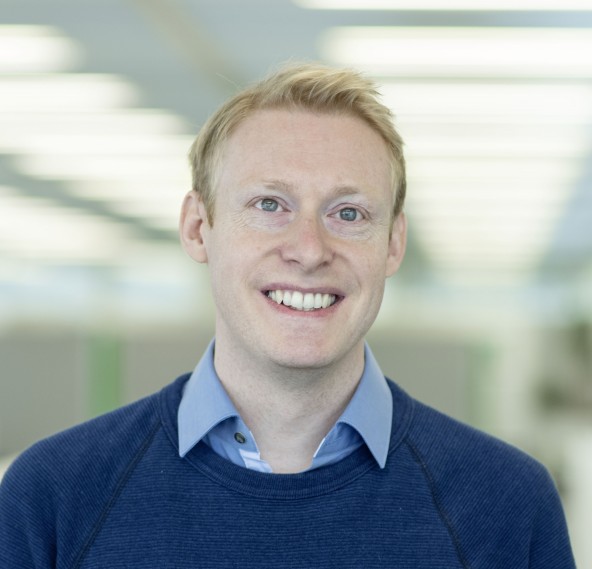
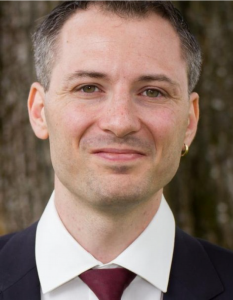
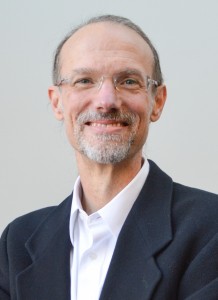
Istvan Albert is a Research Professor of Bioinformatics at Pennsylvania State University , affiliated with the Department of Biochemistry and Molecular Biology . He leads the Bioinformatics Consulting Center and teaches BMMB 852: Applied Bioinformatics . Research Interests: Specializing in bioinformatics, large-scale biological data analysis, microarray and sequence analysis, scientific programming, algorithm development, and database-driven web development. His work spans gene ontology visualization , RNA-Seq analysis , and coronavirus research . Software Development: Created GeneScape for gene function visualization and bio for bioinformatics workflows. Maintains the Biostar Handbook series and the Biostars Q&A Forum , a leading bioinformatics resource.
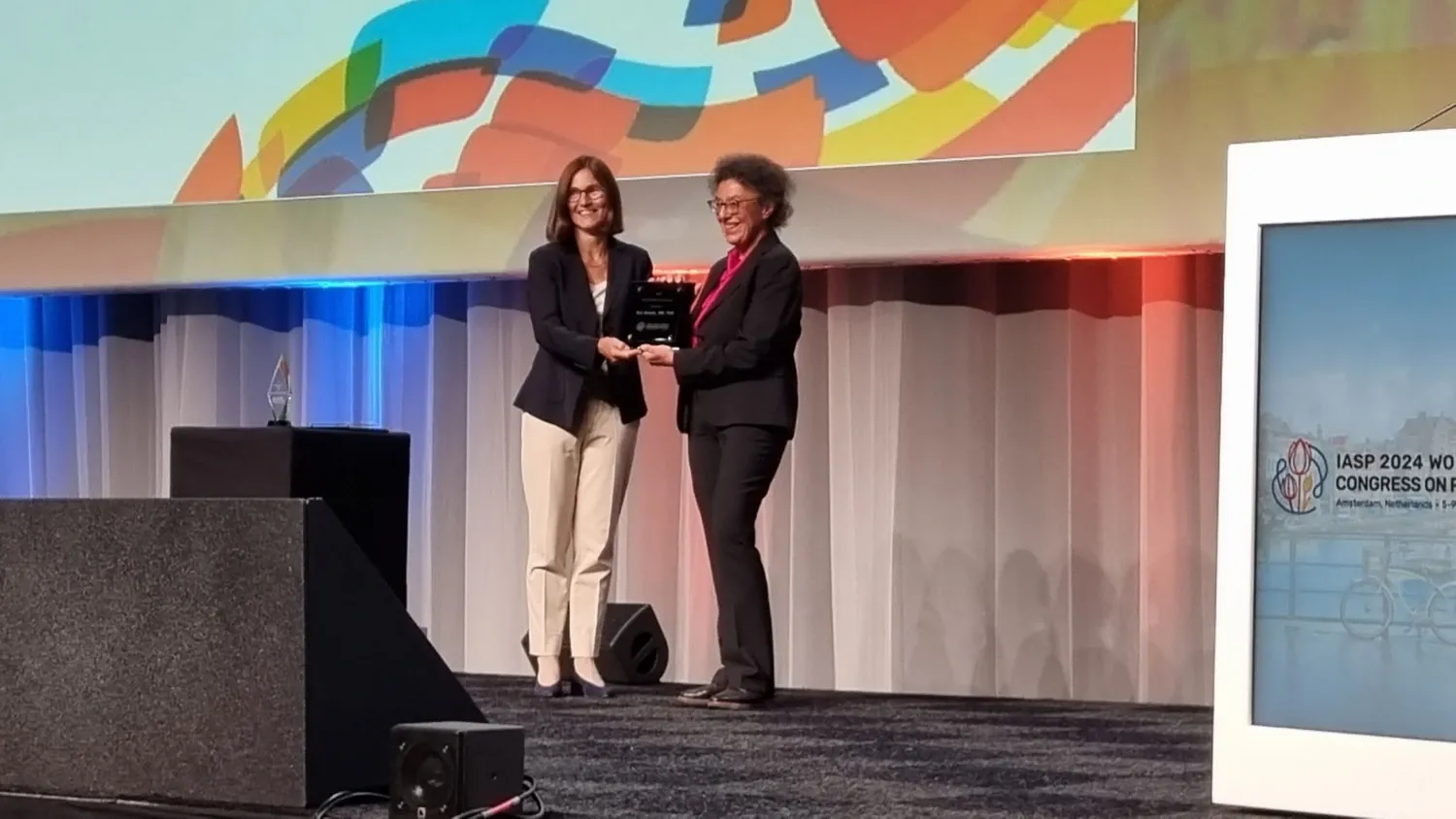
Professor Eva Kosek holds dual academic positions as Professor of Clinical Pain Research at Karolinska Institutet (since 2015) and Uppsala University (since 2020). She is affiliated with the Department of Clinical Neuroscience and leads the Mechanisms of Pain and Treatment Research Group . Her roles include senior consultant at Uppsala University Hospital's Pain Center. Education: MD from Uppsala University (1986), PhD from Karolinska Institutet (1996). Specializations: Rehabilitation Medicine (1998), Pain Relief (2001). Academic promotions: Associate Professor at Karolinska (2004), Full Professor (2015). Research Focus: Chronic pain mechanisms, neuroimmune interactions, fibromyalgia, and autoimmune pathways. Key projects include the RAFT trial (Rituximab for fibromyalgia autoantibody therapy) and the BACPAP consortium for low back pain phenotyping. She chairs IASP's Terminology Task Force, introducing the 'nociplastic pain' concept. Key Contributions: Discovered anti-satellite glial cell IgG antibodies in fibromyalgia patients, linked to symptom severity. Pioneered neuroimaging studies on pain modulation circuits. Authored over 300 publications, with recent work on cerebrospinal fluid biomarkers and lipid metabolite profiles. Awards: 2024 Roland Melzack Lecture Award from IASP. Recognized for redefining pain taxonomy and translational research. Grants: Active funding includes Swedish Research Council grants on fibromyalgia autoimmunity, environmental exposures, and neuroinflammation. Total grants exceed SEK 100M over her career. Labs/Teams: Leads a multidisciplinary team at Karolinska's Pain Research Center, collaborating internationally on translational pain studies. Active in biobanking initiatives like the Swedish Chronic Pain Biobank.
Ruben Portugues is a Professor of Brain Circuit Function and Dysfunction at the Institute of Neuroscience, Technical University of Munich (TUM). He is a full member of the Graduate School of Systemic Neurosciences (GSN), an associate and advisory board member of the Munich Center for Neurosciences (MCN), and leads a research group focused on understanding the neural basis of behavior. His lab uses larval zebrafish as a model organism to investigate sensorimotor control, decision-making, and motor learning through whole-brain imaging and circuit analysis. His research interests lie at the intersection of systems neuroscience and behavior. He investigates how brain circuits process sensory information, integrate it with motor output, and enable adaptive and flexible behavior. Key areas include the function of the cerebellum, heading direction networks, sensorimotor transformations, and the neural mechanisms of decision-making. His lab employs cutting-edge techniques including custom-built microscopes, behavioral assays, and computational analysis. The recent publications and preprints from his lab demonstrate a strong trend in decoding distributed neural circuits underlying navigation and decision-making in zebrafish. There is a clear focus on identifying specific brain regions (e.g., interpeduncular nucleus, cerebellum) and cell types involved in processing visual, motor, and spatial information. The work increasingly emphasizes whole-brain functional imaging and the emergence of cognitive-like representations such as allocentric heading direction. FENS-Kavli Network of Excellence (FKNE) PhD Thesis Prize (awarded to student Luigi Petrucco) Ruben Portugues actively mentors PhD students, including current advisees Luigi Petrucco, Ot Prat, and Shuhong Huang, and has successfully graduated Dr. Elena Dragomir and Dr. Vilim Štih. His lab engages in extensive collaborations, hosts visiting researchers, participates in teaching (e.g., CSHL Imaging Course, Cajal Course), and secures resources for advanced research. The lab is known for building its own microscopes and software, fostering technical innovation. The Portugues Lab operates as a dynamic, interdisciplinary team that combines experimental neuroscience with computational and engineering approaches. They regularly hold retreats, participate in scientific events, and contribute to community initiatives like the Munich Brain Day. The lab is preparing to relocate to the Department of Neurobiology and Behavior at Cornell University, marking a new phase in its research trajectory.
Dr. Rebecca San Gil is a Lecturer at the School of Medical Sciences , University of Sydney, Australia. She leads the NeuroMolecular Discovery Group within the Neuroscience theme and is a member of the Charles Perkins Centre . Her research focuses on the molecular mechanisms underlying neurodegenerative diseases such as motor neuron disease (MND) and frontotemporal dementia (FTD) , with an emphasis on protein aggregation, stress responses, and therapeutic discovery. PhD, University of Wollongong (2018) Postdoctoral Research, Queensland Brain Institute (2018–2025) Endeavour Research Fellow (University College London) Her research spans molecular biology , neurosciences , and biochemistry , integrating techniques like genome-wide CRISPR screening , multi-omics analysis , and translational research . Key themes include the role of molecular chaperones , heat shock response , and protein folding dynamics in mitigating neurodegeneration. Dr. San Gil’s recent publications (2016–2025) highlight her work on TDP-43 pathology , heat shock proteins , and therapeutic strategies across ALS/FTD models. She has received awards such as the FightMND Early Career Research Fellow and the Sydney Dementia Network Future Research Leader Award (Travel Support Scheme) in 2025. Scientific Awards : FightMND Early Career Research Fellow, Sydney Dementia Network Future Research Leader Award (2025) Dr. San Gil actively mentors researchers like Celine CHYE and collaborates with institutions globally. Her team welcomes new members to explore neurodegenerative disease biology and therapeutic discovery .
Tyler Johnson, PhD, is an Associate Professor in the Department of Natural Sciences and Mathematics at Dominican University of California's School of Health and Natural Sciences. His expertise lies in Natural Products Chemistry , Bioorganic Chemistry , and Medicinal Chemistry , with a focus on biomedical applications. Johnson's research emphasizes discovering therapeutic lead compounds and molecular probes from marine and terrestrial natural products. His research team investigates chemotypes like mycothiazole , zampanolide , fijianolide , and latrunculin from Indo-Pacific marine sponges. These compounds exhibit potent cytotoxicity (IC50 1~5 nM) against cancer cell lines through mechanisms including microfilament disruption , mitochondrial complex I inhibition , and microtubule stabilization . Current work explores mycothiazole as a molecular probe for mitochondrial aging. Key publications span 2024-2002, covering topics from sponge-derived anticancer agents to inflammation modulation and environmental toxicology. Johnson's laboratory engages in large-scale natural product isolation, spectroscopic validation, and semi-synthetic medicinal chemistry to optimize therapeutic leads. His work integrates undergraduate and graduate students into interdisciplinary biomedical research.
Sean J. Morrison is the founding Director of the Children’s Medical Center Research Institute at UT Southwestern (CRI) and a Howard Hughes Medical Institute Investigator. He holds the Mary McDermott Cook Chair in Pediatric Genetics and the Kathryne and Gene Bishop Distinguished Chair in Pediatric Research. Dr. Morrison earned his B.Sc. in Biology and Chemistry from Dalhousie University (1991), a Ph.D. in Immunology from Stanford University (1996), and completed a postdoctoral fellowship in Neurobiology at Caltech (1999). Education: B.Sc. - Dalhousie University (Biology & Chemistry, 1991) Ph.D. - Stanford University (Immunology, 1996) Postdoctoral Fellowship - Caltech (Neurobiology, 1999) Research Interests: Dr. Morrison’s laboratory investigates the mechanisms that maintain adult tissues and how cancer cells exploit these processes to form tumors. His team compares stem cell and cancer cell replication mechanisms to develop novel regenerative medicine and anticancer therapies. Key areas include: Stem cell self-renewal and aging Metabolic regulation of hematopoietic stem cells Leptin Receptor+ stromal cell function Cancer progression and metastasis Proteostasis and niche biology Mechanotransduction in stem cell niches Publications reveal trends in stem cell metabolism, tumor heterogeneity, and niche dynamics across Science , Nature , and Cell . His work on retrotransposons in stem cell activation (2024) and β-adrenergic receptor inhibition in hematopoietic regeneration (2024) highlights emerging therapeutic targets. Awards & Recognitions: Dr. Morrison is an elected member of the U.S. National Academy of Medicine (2018), National Academy of Sciences (2020), and EMBO (2023). He received the Presidential Early Career Award (2003), MERIT Award from NIA (2009), and UT Southwestern’s Excellence in Postdoctoral Mentoring Award (2020). Mentorship & Leadership: Dozens of graduate students and postdoctoral fellows from his lab have secured academic leadership roles or industry positions. He served as President of the International Society for Stem Cell Research (2015–2016) and actively engages in public policy debates about stem cell research, including Michigan’s constitutional protections for regenerative medicine.
Vignesh Ram Somnath is a Professor in the Biosciences of Sports at the University of Hildesheim since 2018. Previously, he served as an Acting Professor (2016-2018) and Research Associate (2010-2016) at the Institute of Sports Science, German Sports School Cologne. His work bridges molecular biology with sports science, focusing on skeletal muscle adaptation. Current: University Professor W2, University of Hildesheim 2016-2018: Acting Professor, University of Hildesheim 2010-2016: Research Associate, German Sports School Cologne 2005-2007: Research Assistant, German Sports School Cologne Research Interests: Regulation of molecular signaling pathways in skeletal muscle Mechanoprotective mechanisms during exercise Protein degradation dynamics Optimization of training and nutrition in competitive sports Integration of molecular biology with traditional sports science Key Publications (2020-2017) demonstrate expertise in: Metabolomics of muscle hypertrophy AMPK signaling in training Mitochondrial adaptations Extracellular vesicle analysis Calcium signaling pathways
Paras N. Prasad is a SUNY Distinguished Professor with joint appointments in Physics, Chemistry, Medicine, and Electrical Engineering at the University at Buffalo. He serves as Executive Director of the Institute for Lasers, Photonics and Biophotonics (ILPB), which he founded in 1999. Dr. Prasad holds the Samuel P. Capen Chair of Chemistry and has pioneered interdisciplinary research at the interface of photonics, nanotechnology, and biomedicine. Education: BSc, Bihar University, India (1964) MSc, Bihar University, India (1966) PhD, University of Pennsylvania (1971) Postdoctoral Fellow, University of Michigan (1971-74) Research Focus: Dr. Prasad's multidisciplinary research spans photonics, nanophotonics, and biophotonics, with emphasis on nonlinear optical processes in nanostructured materials. His work develops photonic technologies for information processing, medical imaging, and cancer therapy through nanoparticle-based drug delivery systems and diagnostic platforms. The ILPB laboratory features state-of-the-art instrumentation for advanced optical research. Publication Trends: Recent articles demonstrate strong focus on nanomedicine applications, particularly cancer theranostics using functional nanoparticles. Key themes include drug delivery systems, chiral photonic materials, bioimaging technologies, and nanoparticle synthesis techniques. The research consistently bridges fundamental materials science with translational medical applications. Honors and Awards: SPIE Gold Medal (2016) IEEE Photonics Society William Streifer Award (2021) American Chemical Society Peter Debye Award (2018) OSA Michael Feld Biophotonics Award (2017) IEEE Pioneer Award in Nanotechnology (2017) Fellow of National Academy of Inventors (2016) Guggenheim Fellowship (1997) Leadership: As ILPB Executive Director, Dr. Prasad leads multidisciplinary teams developing photonic technologies with applications in healthcare, energy, and communications. His research has generated nine spin-off companies, including Nanobiotix currently in advanced cancer therapy trials.
Maartje Bastings is an Associate Professor at the École Polytechnique Fédérale de Lausanne (EPFL) , leading the Programmable Biomaterials Laboratory (PBL) within the School of Engineering (STI) . She holds additional affiliations with the Institute of Materials (IMX) , IBI-STI (Bioengineering), and supervises doctoral programs in Biotechnology and Biological Engineering ( EDBB-GE ) and Materials Science and Engineering ( EDMX-GE ). Her research focuses on DNA-based supramolecular materials engineered to achieve dynamic reciprocity —a two-way interaction between synthetic materials and biological systems. By leveraging DNA as a programmable scaffold, she investigates structural mechanics, valency control, and geometric constraints governing self-assembly and cell communication at bio-interfaces. Key applications include immune system modulation, diagnostics , and vaccine development . Analysis of her 15 most recent publications reveals a focus on multivalent interactions for T-cell activation, spatial patterning in immune signaling, and engineered coatings for DNA origami stability. Subfields span T cell receptor engineering , nanoscale protein dynamics , stimuli-responsive biomaterials , and bio-inspired therapeutic design . PhD Students: Chen Yuduo Hendrickx Pauline Bart M. Kononenko Artem Li Shujie Lou Yameng Meyer Pitt Narita Minako Rousseau Benjamin Bila Hale Caroprese Vincenzo Comberlato Alice Kurisinkal Eva Eugene Paloja Kaltrina Rodríguez Franco Hugo José Tekin Cem Wong Siu Ho Contact: maartje.bastings@epfl.ch
Dame Fiona Powrie is a Professor of Musculoskeletal Sciences at the University of Oxford and Director of the Kennedy Institute of Rheumatology . She leads the Mucosal Immunology Research Group and serves as Director of the Oxford Centre for Microbiome Studies (OCMS) and Cluster Lead in the MRC National Mouse Genetics Network Microbiome Cluster . Roles: Director of Kennedy Institute, Professor, Research Group Leader Relevant Affiliations: Wellcome Trust Governor (2018–present), Deputy Chair (2022), Royal Society Fellow (2011) Research Interests : Fiona specializes in the interplay between the intestinal microbiota and the host immune system, focusing on how dysregulation leads to inflammatory bowel disease (IBD) . Her work has elucidated the role of regulatory T cells in maintaining gut homeostasis and identified the IL-23 pathway as critical in chronic intestinal inflammation. Current efforts aim to translate these findings into clinical therapies for IBD patients. Scientific Awards and Fellowships : Ita Askonas Award (European Federation of Immunological Societies) Louis-Jeantet Prize for Medicine (2012) Honorary Lifetime Membership (British Society of Immunology, 2021) Fellow of the Royal Society (2011), EMBO (2013), Academy of Medical Sciences (2014) International Fellow of the National Academy of Sciences (2020) Advising and Leadership : Fiona leads the Mucosal Immunology group at the Kennedy Institute, mentors researchers, and contributes to national and international scientific governance. She has been instrumental in advancing microbiome and immunology research through leadership roles at the Oxford Centre for Microbiome Studies and the MRC National Mouse Genetics Network . Labs and Teams : Fiona's research group at the Kennedy Institute of Rheumatology investigates mucosal immunity and microbiome interactions, combining experimental and clinical approaches to address inflammatory diseases.
Prof. Dr. Soeren Lienkamp is an Assistant Professor at the Institute of Anatomy , Faculty of Medicine , University of Zurich . His work bridges digital education and genetic research , focusing on enhancing medical teaching through innovative formats. Research Interests : Genetics, developmental biology, kidney disease modeling, CRISPR applications, digital medical education, and advanced microscopy. Methodologies : Combines Xenopus tropicalis models, deep learning , and bioengineering to study genetic kidney disorders and improve diagnostic tools. Publication Trends : His recent articles highlight predictable genome editing , 3D imaging technologies , and mechanistic insights into kidney and eye development. Earlier works focus on ciliary function , Wnt signaling , and metabolic stress in renal cells.
Philipp Neumann is a Professor and Chair of High-Performance Computing at Helmut Schmidt University since 2019. Previously, he held roles including Senior Researcher at the German Climate Computing Center (2016–2019), Postdoc at the University of Hamburg (2017–2019), and completed his Habilitation in Scientific Computing at TU Munich (2019). He transitioned to DESY/Universität Hamburg in May 2024. Education : PhD (Dr. rer. nat.) in Scientific Computing at TU Munich (2008–2013) Habilitation in Scientific Computing at TU Munich (2019) Studies in Technomathematics at Friedrich-Alexander University Erlangen-Nuremberg (2003–2008) Research Interests focus on high-performance computing, parallel and distributed systems, computational science, and applications in climate modeling. His work bridges computational methods with medical challenges, including surgical simulation training, wound healing mechanisms, and gastrointestinal pathology. Professional Activities include leadership roles in major conferences such as steering committee member for ISPDC (since 2021) and program committee roles in IPDPS, ICCS, and IEEE Cluster. He also managed the DFG priority program SPPEXA (2013–2016). Labs/Teams include the Chair for High-Performance Computing at Helmut Schmidt University and collaborations with the German Climate Computing Center. His current work at DESY/Universität Hamburg likely expands these computational efforts into interdisciplinary research.
Dr. Qin Li is an Assistant Professor of Genetics at the University of Pennsylvania Perelman School of Medicine, affiliated with the Penn Institute for Immunology & Immune Health (I3H), the Penn Institute for RNA Innovation, and the Penn Center for Genomic Integrity. He earned his BS and PhD in Biological Science and Biochemistry & Molecular Biology from Peking University, followed by postdoctoral training at Stanford University. Education : BS (Peking University, 2009), PhD (Peking University, 2014) Dr. Li’s research focuses on the ADAR1-dsRNA-MDA5 axis, exploring how RNA editing mediates self/non-self discrimination in the immune system. His work connects RNA editing quantitative trait loci (edQTLs) to inflammatory disease heritability and develops computational/experimental tools for RNA editing and sensing. Recent publications highlight his contributions to understanding RNA editing’s role in autoimmune diseases, CRISPR-based regulatory principles, and novel RNA ligand engineering. He mentors PhD and Master’s students in Bioengineering, Cell and Molecular Biology, and related programs.
Mark W Grinstaff is a Professor at Boston University, leading the Grinstaff Group, which focuses on interdisciplinary biomaterials and biomedical engineering research. His work addresses healthcare challenges through innovations in diagnostics, devices, and therapeutics. He holds a B.A. from Occidental College (1987) and a Ph.D. from the University of Illinois at Urbana-Champaign (1992). Research interests include designing biodendrimers for tissue engineering, interfacial biomaterials, and conducting polymer-based sensors. Key areas span cartilage repair, drug delivery systems (e.g., anticancer, DNA), and biodegradable scaffolds. He explores nanoparticle-based imaging agents for osteoarthritis diagnosis and biomechanical assessments using computed tomography. Recent publications highlight advancements in machine learning-driven osteoarthritis classification, dual-contrast agents for cartilage imaging, and synthetic biolubricants for equine models. His group emphasizes translational research, with a focus on nanotechnology, regenerative medicine, and therapeutic delivery platforms. Grinstaff’s work is supported by grants and collaborations, though specific grants are not detailed in the text. He advises students through the Grinstaff Group, though no student names are listed here. His lab develops novel materials and devices, including polymeric adhesives and biosensors, with applications in orthopedics, oncology, and infectious diseases.
Michael J. Ragusa is an Associate Professor of Chemistry at the Department of Chemistry, College of Arts and Sciences, Dartmouth College , specializing in molecular mechanisms of selective autophagy . His research integrates structural biology , biochemical reconstitution , and cell biology to understand how cells degrade toxic components like damaged organelles. Education: B.S. in Chemistry from Siena College, Ph.D. in Biochemistry from Brown University His work focuses on autophagy , particularly the role of Atg proteins in membrane tethering and cargo selection. His lab has published extensively on mitophagy , ALFY , and Atg11 , linking defects in these pathways to cancer , neurodegeneration , and infectious diseases . Recent studies highlight mechanisms of vesicle clustering and dimerization-dependent membrane interactions . Dr. Ragusa teaches courses such as CHEM 5: General Chemistry , CHEM 42: Biological Chemistry II , and CHEM 95.05: Protein Crystallography . His lab employs techniques like X-ray crystallography , NMR spectroscopy , and membrane reconstitution to dissect protein-lipid interactions.