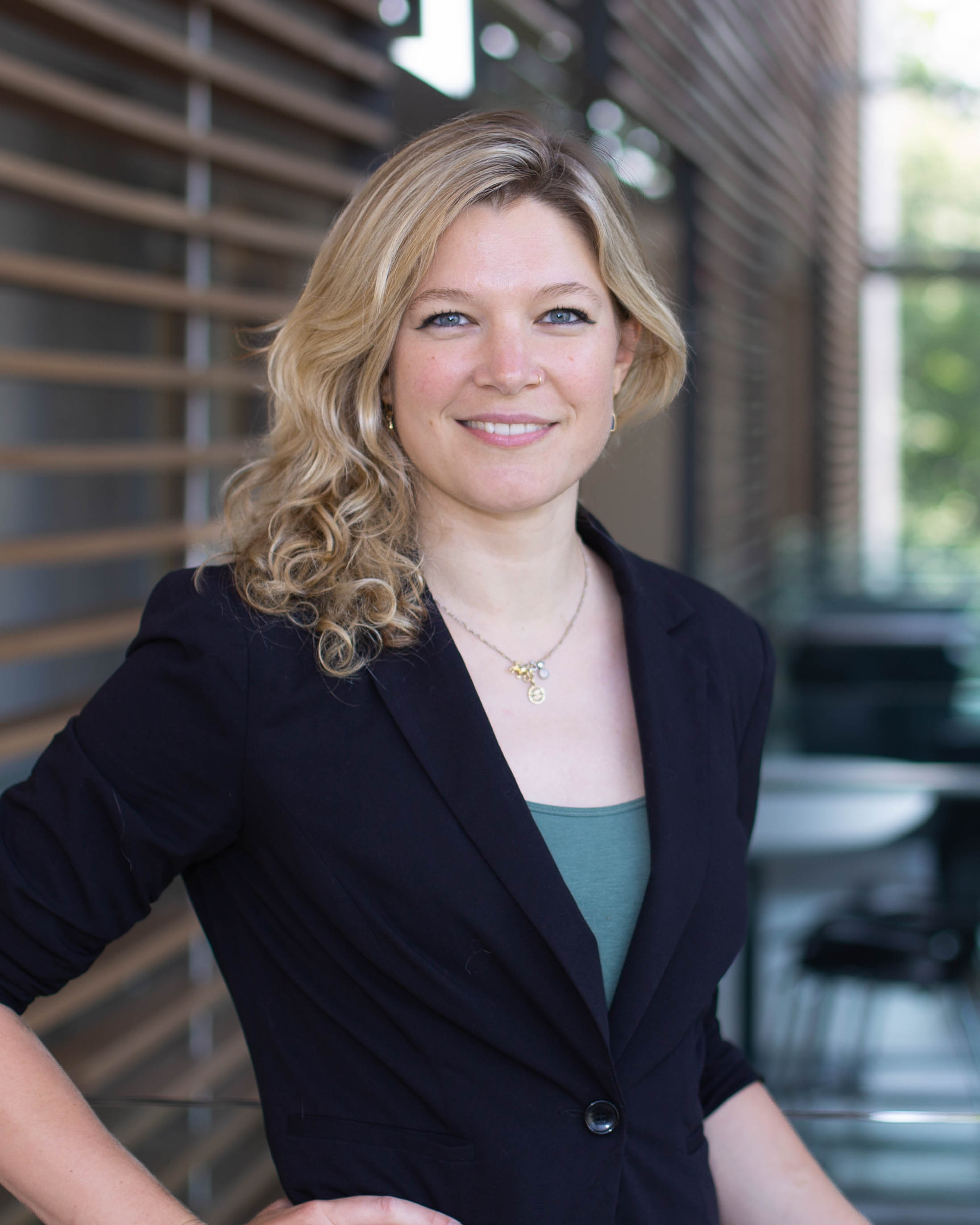
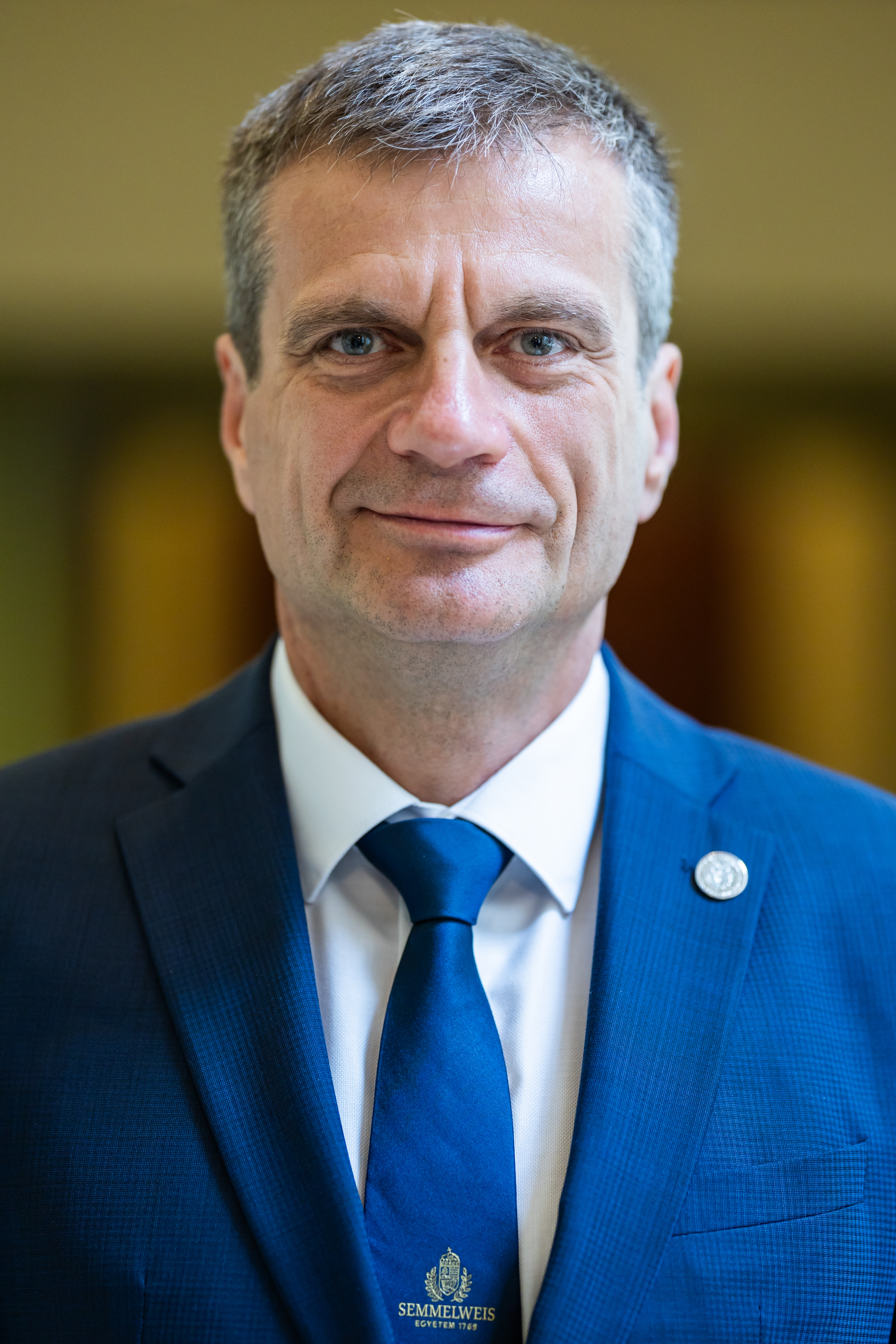
Andrew CraigView profile
Associate Professor
Dr. Andrew Craig is an Associate Professor in the Department of Biomedical and Molecular Sciences at Queen's University, affiliated with the Faculty of Health Sciences and the Queen’s Cancer Research Institute. He holds cross appointments in the Cancer Biology & Genetics division and the Translational Institute of Medicine (TIME). He earned his PhD in Biochemistry from McGill University (1998) and completed postdoctoral training at Queen's University before joining the faculty in 2002. His research focuses on molecular mechanisms of cancer progression, immune suppression, and metastasis, with a particular emphasis on tumor suppressor miRNAs, actin-driven metastasis, and immunotherapy strategies. Education: PhD in Biochemistry, McGill University (1998) BSc in Biochemistry, Queen's University (1993) Research Interests: Dr. Craig’s work spans immunology, oncology, and cellular biology. Key areas include: Inflammatory mechanisms and inflammasomes Cancer immunotherapy and metastasis TGF-β signaling pathways MicroRNA biomarkers in lung cancer Actin-targeting compounds for cancer treatment Research Highlights: His lab has developed novel synthetic antibodies targeting TGF-β to improve chemotherapy efficacy in ovarian cancer models. Recent studies focus on functional genomic screening to identify vulnerabilities in inflammatory breast cancer and defining miRNA biomarkers in immunotherapy-treated patients. His work integrates advanced techniques like confocal microscopy and flow cytometry. Awards: Canadian Cancer Society Young Investigator Award (2011) Grants & Funding: Dr. Craig maintains continuous external funding for his research, supported by grants from agencies such as the Canadian Cancer Society and the Canadian Institutes of Health Research (CIHR). Labs & Affiliations: He leads the Craig Lab within the Department of Biomedical and Molecular Sciences and collaborates with the Queen’s Cancer Research Institute and Translational Institute of Medicine (TIME). His research bridges basic science and clinical translation, emphasizing preclinical models of disease and precision medicine approaches.