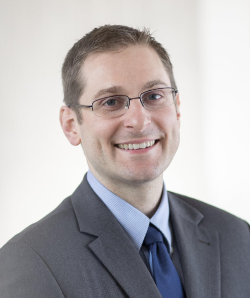
Fausto Chiazza is an Associate Professor at the Department of Pharmaceutical Sciences, Universita' degli Studi del Piemonte Orientale Amedeo Avogadro. His research focuses on pharmacological mechanisms in metabolic disorders, inflammasome pathways, and neuropharmacology. Research interests include: Pharmacology and toxicology of inflammasomes Metabolic disease mechanisms Neuropharmacology and neurodegeneration Sepsis and hemorrhagic shock interventions His recent publications (2019-2025) demonstrate strong focus on metabolic inflammation pathways, neurodegenerative processes, and cardiovascular pharmacology. Research frequently involves murine models to investigate dietary impacts on epigenetics, neuroplasticity, and organ injury mechanisms.
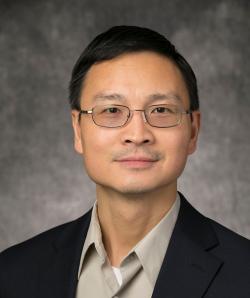
Qiushi Sun is an Associate Research Scientist at Yale University’s Yale School of Medicine, primarily affiliated with the Department of Endocrinology. His research focuses on metabolic networks, immunometabolism, and the application of advanced metabolomics techniques such as stable isotope-resolved metabolomics (SIRM). He investigates metabolic pathways in diseases like cancer, neurodegeneration, and inflammatory conditions, with a particular emphasis on environmental and toxicological impacts on metabolism. Dr. Sun’s work integrates cutting-edge analytical chemistry methods, including ion chromatography and ultra-high-resolution mass spectrometry, to map metabolic networks and study drug resistance mechanisms. His contributions include elucidating the role of inosine in T-cell function under glucose deprivation and exploring how air pollution disrupts hepatic metabolism. He collaborates with the Kibbey Lab, advancing interdisciplinary research at the intersection of metabolism, immunology, and environmental health. Key areas of research include metabolic profiling of oncological disorders (e.g., multiple myeloma), redox signaling in neurons, and the metabolic consequences of gene mutations in neurodegenerative diseases. His methodologies have been applied to 3D tumor spheroid models and non-invasive mouse studies, enhancing our understanding of disease mechanisms and potential therapeutic targets. Dr. Sun’s expertise spans metabolic pathway analysis, stable isotope tracing, and the development of novel analytical tools for metabolomics. His findings have implications for personalized medicine, environmental health policies, and immunotherapy strategies.
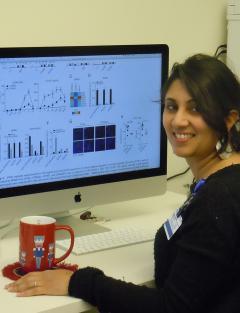
Dr. Sonya Abdel-Razeq is an Associate Professor at Yale University's School of Medicine in the Department of Obstetrics, Gynecology & Reproductive Sciences. She holds multiple leadership positions including Director of the Placenta Accreta Spectrum Center, Director of Obstetric Simulations, and Director of Patient Safety and Quality for Midwifery Services. She practices at Yale New Haven Hospital, specializing in high-risk pregnancies and maternal-fetal medicine. Education: Dr. Abdel-Razeq earned dual Bachelor's degrees in Biology and Psychology Summa Cum Laude from St. John's University (1997), followed by an MD from SUNY Buffalo School of Medicine (2001). She completed residency at SUNY Buffalo (2005) and dual fellowships in Maternal-Fetal Medicine (2008) and Surgical Critical Care (2009) at Yale. Research Focus: Her research centers on inflammation pathways in pregnancy, including maternal-fetal inflammatory responses, sepsis mechanisms, and critical care obstetrics. She investigates biomarkers for renal prognosis in critically ill patients and free radical formation in sepsis conditions. Additional focus areas include obstetric ultrasound technology, placenta disorders, and hemostasis changes in COVID-19 pregnancies. Publications: Her recent work demonstrates consistent focus on high-risk pregnancy management, with studies on septic shock protocols, placenta accreta outcomes, and pandemic-related coagulation disorders. Research methodologies range from clinical trials to systematic reviews, emphasizing translational applications in maternal-fetal critical care. Awards & Honors: Nathan Kase Faculty Teaching Award (2020) Jose Asis Memorial Teaching Award (2007) Resident Teaching Award (2005) Robert J. Patterson Memorial Award for Patient Care (2004) Clyde B. Randall Award for OB/GYN Thesis (2001) Clinical & Administrative Leadership: As Director of Yale's Placenta Accreta Spectrum Center, she oversees specialized care protocols while leading patient safety initiatives and obstetric simulation training. She collaborates extensively with multidisciplinary teams at Yale Medicine to manage complex maternal cases.
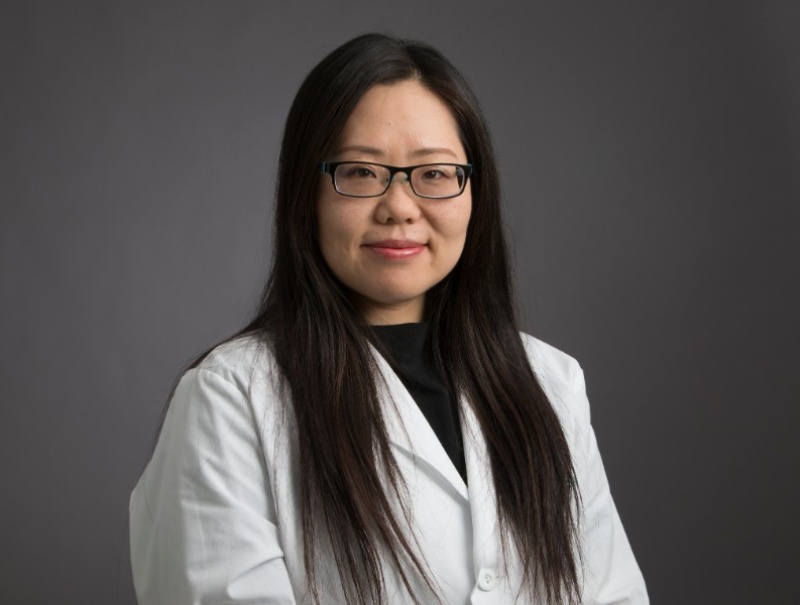
Mohammad Shohel Akhter is a Research Fellow in Pediatrics at the Yale School of Medicine, affiliated with the Goodwin Lab. His research focuses on understanding mechanisms of endothelial dysfunction in inflammatory and stress conditions, with particular emphasis on the roles of growth hormone-releasing hormone (GHRH) antagonists, unfolded protein response (UPR), and redox regulation in protecting endothelial barrier integrity. His work spans experimental models of lung injury, sepsis, and oxidative stress, aiming to identify novel therapeutic targets for vascular diseases. Research Interests: Dr. Akhter's studies investigate the interplay between cellular stress responses (e.g., UPR, oxidative stress), inflammation, and endothelial barrier dysfunction. Key areas include: 1) Pharmacological modulation of GHRH signaling to mitigate lung injury, 2) Kinase pathways (NEK2/NEK9) driving endothelial permeability changes, 3) Molecular mechanisms of p53-mediated cytoprotection in inflamed endothelium, 4) Hsp90 inhibition effects on vascular barrier function, and 5) Age-related differences in endothelial repair capacity. Key Findings: His recent studies show that GHRH antagonists reduce LPS-induced lung injury by suppressing ROS production and stabilizing endothelial barriers. He has demonstrated UPR's dual role in modulating these processes and identified novel roles for p53 in redox regulation of vascular integrity. Collaborations involve translational approaches to apply these findings in sepsis and acute respiratory distress syndrome (ARDS) models. Lab Affiliation: The Goodwin Lab at Yale School of Medicine focuses on vascular biology and translational research in critical care medicine. Dr. Akhter's work contributes to developing novel therapeutic strategies targeting endothelial dysfunction in inflammatory diseases.
Dr. Sohel Julovi is an Adjunct Senior Lecturer at the University of Sydney's Faculty of Medicine and Health and Principal Investigator at the Westmead Institute for Medical Research's Kidney Injury Group. His research focuses on chronic kidney disease (CKD), cardiorenal syndrome, and therapeutic interventions targeting matrix proteins like thrombospondin-1 (TSP1). He has secured $2.8M in grants, including NHMRC Ideas Grants. Education & Fellowships: Postdoctoral research at Kyoto University (JSPS Fellow, 2006–2008; Centre of Excellence Fellow, 2004–2006). MBBS and PhD from Kyoto University. Research Themes: CKD-induced cardiovascular pathology, musculoskeletal impairments, and TSP1-driven comorbidities. Active in developing preclinical models (e.g., CKD-osteoporosis comorbidity). Key Awards: 2023/2025 Westmead Institute Scientific Excellence Awards, NHMRC grants, and international fellowships. Advising & Grants: Supervises students exploring TSP1 signaling and CKD-MBD. Current grants include NHMRC-funded investigations into cardiorenal syndrome mechanisms and TSP1-targeted therapies. Labs & Teams: Leads the Kidney Injury Group at WIMR, collaborating with international teams in nephrology and oncology.
Professor Margaret Sunde is a leading academic in molecular biomedicine at the University of Sydney's School of Medical Sciences. She holds the position of Academic Director of the Sydney Analytical Core Research Facility and is a member of the Centre for Drug Discovery Innovation and the University of Sydney Nano Institute. Her research focuses on amyloid fibrils in disease and their functional roles in microorganisms, particularly fungal hydrophobins involved in infection and immune evasion. Key areas include understanding how amyloid structures contribute to neurodegenerative diseases like Alzheimer's and diabetes, while also exploring their beneficial roles in microbial systems. Education: BSc (Biochemistry) from the University of Cape Town, PhD in Biochemistry from the University of Cambridge, and postdoctoral training at the University of Oxford and Cambridge. Her career included a Medical Research Council Research Fellowship and a Royal Society University Research Fellowship. Research Interests: Functional and pathological amyloids, hydrophobin self-assembly, necroptosis signaling, and drug discovery targeting fungal infections. Current projects include structural studies of RHIM amyloids in necroptosis, functional amyloids in fungal pathogenesis, and super-resolution imaging of amyloid structures. Awards: 2019 Bob Robertson Medal from the Australian Biophysics Society. Grants: Over $5M in funding from ARC, NHMRC, and industry partnerships. Recent grants include development of fluorescent sensors for neurodegeneration imaging and structural studies of viral-host amyloid interactions. International Collaborations: Partnerships with Columbia University (US), Institut Pasteur (France), and the University of Edinburgh (UK) on functional amyloid projects. Students: Supervising Olivia Lavidis (necroptosis viral vectors), Tianchen Li (biomaterials design), and Benedict Tai (protein condensates).
Blanca del Rosal Rabes is a Senior Lecturer at RMIT University's School of Science. Her research focuses on nanotechnology, biomedical engineering, and neuroscience, with applications in medical imaging, nanothermometry, and targeted drug delivery. She leads projects on near-infrared nanosensors for brain health monitoring, photothermal thrombolysis, and multifunctional nanoparticle design. Her work bridges material science and clinical applications, aiming to develop innovative diagnostic and therapeutic tools. Her research interests include nanomaterials for biomedical imaging, non-invasive temperature sensing in biological systems, and the development of light-responsive drug delivery systems. She has pioneered studies on diamond defect-based thermometry and NIR-II imaging technologies, contributing to advancements in real-time diagnostics and precision medicine. Dr. Rabes is actively supervising postgraduate research projects in areas such as neuroimaging, inflammation tracking, and Alzheimer’s disease prevention. Her recent publications highlight breakthroughs in nanoscale optical sensors and their clinical translation, emphasizing interdisciplinary collaboration between engineering, biology, and medicine. She collaborates extensively with industry and academic partners, contributing to RMIT’s global research network. Her email is blanca.delrosal@rmit.edu.au .
Andrew Shoffstall is the Nord Distinguished Associate Professor in the Department of Biomedical Engineering at Case Western Reserve University’s Case School of Engineering, and serves as Associate Chair of the Graduate Education Committee. His research bridges biomaterials and neural engineering, focusing on improving neural interfaces through minimally invasive techniques, biomaterial innovation, and clinical translation. He emphasizes overcoming challenges like neuroinflammation, trauma during implantation, and commercial viability in neural device design. His work integrates computational modeling, material science, and clinical constraints to advance technologies such as injectable electrodes and anti-inflammatory nanoparticles. Key contributions include studies on vagus nerve anatomy, spinal cord stimulation, and reducing implant-associated inflammation. He leads the Shoff Lab ( www.shofflab.com ), fostering interdisciplinary research in neural engineering and biomaterials. Recent publications highlight advancements in electrode design, nanoparticle therapies, and imaging techniques for nerve anatomy. His research has implications for treating neurological disorders and improving long-term device performance in clinical settings.
Tsan Sam Xiao is a Professor in the Department of Pathology at Case Western Reserve University's School of Medicine. He is also a member of the Developmental Therapeutics Program at the Case Comprehensive Cancer Center, the Center for AIDS Research, and the Cleveland Center for Membrane and Structural Biology. His research focuses on structural and functional studies of gasdermin family proteins, inflammasomes, and inflammatory caspases, with applications in drug development targeting diseases like sepsis, multiple sclerosis, and AIDS. Xiao earned his PhD in Molecular Biophysics from the University of Texas Southwestern Medical Center in 2000, followed by postdoctoral training at Harvard Medical School and NIH before joining Case Western in 2014. Education: Bachelor of Science in Biological Sciences and Technology, Zhejiang University (1992) Master of Science in Developmental Biology, Chinese Academy of Sciences (1995) Doctor of Philosophy in Molecular Biophysics, University of Texas Southwestern Medical Center (2000) Research Interests: Mechanisms of gasdermin-mediated pyroptosis Structural biology of inflammasomes and innate immune receptors Modulation of inflammatory caspases using chemical inhibitors Antiviral immune responses, including SARS-CoV-2 interactions Lab Members: Syrena Bracey (MSTP Student) Brianna Busscher (BSTP Student) Sai Li (Postdoc) Zhonghua Liu (Instructor) Publications: Xiao's work spans structural biology, immunology, and translational medicine. His recent studies highlight the role of gasdermin D in pyroptosis, the development of small-molecule inhibitors, and the structural basis of nucleic acid sensing. These studies contribute to understanding inflammatory disorders and developing targeted therapies.
Hee-Hoon Kim is a Research Fellow in the Dixit Lab at Yale School of Medicine’s Department of Pathology. His research focuses on immunometabolic pathways, particularly in the context of inflammation and healthy aging. He investigates adipose tissue microenvironment changes during aging using novel models. Kim holds a PhD from KAIST (2022) and a postdoctoral position at KAIST (2023) before joining Yale. His work spans liver disease mechanisms, including alcoholic steatosis, non-alcoholic fatty liver disease (NAFLD), and immunological interactions in fibrosis. Key research areas include glutamate signaling, exosome-mediated therapies, and the role of natural killer and macrophage cells in hepatic pathologies. Recent studies explore NAC and Panax ginseng’s therapeutic potential in NAFLD, as well as IL-11’s role in inflammation and longevity. Kim’s publications emphasize translational approaches, combining molecular biology, systems immunology, and metabolic studies. Notable contributions include identifying GDF-15’s role in Kupffer cell apoptosis and mGluR5’s antifibrotic effects in liver fibrosis. His lab collaborations focus on co-culture systems and exosome-based drug delivery for liver injury mitigation.
Dr. Shruti Sharma is an Assistant Professor in the Department of Immunology at Tufts University School of Medicine. Her laboratory investigates innate immune responses to nucleic acids, focusing on how these pathways regulate host metabolism, tissue remodeling, fibrosis, and wound healing. Key research examines intracellular DNA sensing mechanisms in immune homeostasis and their implications for inflammatory diseases, autoimmunity, aging, and neurodegeneration. Education: Doctor of Philosophy, University of Maryland, College Park (2008) Master of Science, University of Mumbai (2002) Bachelor of Science, University of Mumbai (2001) Research employs hypothesis-driven and next-generation approaches to map signaling pathways in homeostasis and disease models, aiming to elucidate mechanisms of inflammation resolution across physiological contexts. Awards & Honors: Faculty Awards for Distinguished Mentoring, University of Massachusetts Medical School (2015) Grant Support: NIH: STING-Dependent Pathways in Schistosome Immunopathology (2020-2024) NIH: Nucleic Acid Sensing in Age-Related Inflammation (2019-2023) Arthritis Foundation: STING Pathway in Bone Homeostasis (2017) Teaching activities include courses in Immunology, Cellular Immunology, Inflammation, and Journal Club at both graduate and undergraduate levels.
Lan Zhao, PhD, is an Assistant Professor in the Department of Orthopedic Surgery at Rush Medical College, Rush University. Her research focuses on understanding molecular mechanisms underlying joint degeneration and developing innovative therapies for osteoarthritis (OA) using CRISPR gene-editing technologies, microRNA regulation, and stem cell biology. Key areas of investigation include inflammatory pathways, bone remodeling, and the role of epigenetic regulators in joint homeostasis. Education details are not explicitly stated in the provided text, but her extensive publication history indicates advanced training in molecular biology and orthopedic research. Research interests prominently feature osteoarthritis pathogenesis, with emphasis on β-catenin signaling, miRNA networks (miR-204/211), and growth factor interactions. She has pioneered models for studying temporomandibular joint (TMJ) OA and disc degeneration through genetically engineered mouse studies. Her recent work (2020–2024) demonstrates exploration of CRISPR-mediated gene activation/inhibition for therapeutic purposes, investigating how targeting Sox9, RelA, and β-catenin can enhance cell-based therapies. She also examines systemic factors like metformin’s AMPK pathway effects on OA progression. Notable contributions include establishing novel immunocompetent cancer pain models and developing high-throughput viral detection strategies for pandemic response. No scientific awards are listed in the provided data. Her research spans translational medicine, molecular diagnostics (miRNA biomarkers), and cross-disciplinary approaches integrating immunology, genetics, and engineering. Collaborations likely involve orthopedic surgeons, geneticists, and bioengineers given the technical nature of her published work.
Paul Lavender is a Senior Lecturer in Respiratory Epigenetics and School Academic Lead for People & Culture at King's College London's School of Immunology & Microbial Sciences. He holds a PhD from St. Bartholomew's Hospital Medical College, University of London, with postdoctoral training at the Institut Recherches Cliniques de Montreal and the Wellcome/CRC (Gurdon Institute), Cambridge. His research focuses on epigenetic regulation in asthma and immune cell function, particularly glucocorticoid resistance mechanisms. He leads projects on Candida albicans pathogenicity, neonatal T-cell biology, and RNA-binding proteins in leukemia. Collaborations include work with Jon Richardson (FoDOCS) and Deena Gibbons. He is an editorial board member for Journal of Biological Chemistry and Journal of Immunology . Key achievements include multi-omics studies on epigenetic landscapes and machine learning in leukemia. His lab explores asthma epigenetics, T-cell differentiation, and vitamin D signaling in inflammation. Future endeavors include mountain sports and sustainable farming in Ireland.
Kathryn Miller-Jensen is an Associate Professor of Biomedical Engineering at Yale University's School of Engineering & Applied Science. Her research focuses on understanding how intracellular and extracellular signaling networks regulate immune cell functions, particularly in macrophage activation and HIV latency in T cells. She leads the Miller-Jensen Lab, which employs systems immunology approaches combining quantitative experiments with computational models to study cellular heterogeneity and response variability. Education: Ph.D. in Chemical Engineering from MIT (advisor: Doug Lauffenburger), B.E. & B.A. from Dartmouth College. Prior roles include NIH Postdoctoral Fellow at UC Berkeley and Science & Technology Policy Fellow at The National Academies. Research interests include: cellular response diversity in immunity, paracrine signaling in macrophage coordination, HIV reactivation dynamics, and systems-level analysis of tumor microenvironments. Key projects involve NF-κB signaling pathways and engineering tools to dissect immune responses. Selected Awards: NSF CAREER Award (2015), Cellular & Molecular Bioengineering Young Innovator (2014), SEAS Ackerman Teaching Award (2014) Lab activities include developing microfluidic devices for single-cell analysis and co-organizing Systems Immunology conferences. Current initiatives focus on macrophage communication heterogeneity and combinatorial immunotherapies for cancer.
Sophie Maiocchi is a Research Fellow at the University of North Carolina at Chapel Hill (UNC), affiliated with the Department of Cell Biology and Physiology and the Bahnson research group. Her work focuses on redox biology, nanomedicine, and cardiovascular disease, particularly targeting oxidative stress mechanisms in atherosclerosis and diabetes-related pathologies. Education: Sophie holds an Advanced B.Sc. in Nanotechnology (University of New South Wales, Australia) and a Ph.D. in Pathology (UNSW Sydney, 2016). Her doctoral research under Professors Shane Thomas, Martin Rees, and Jonathan Morris investigated nitroxide-based inhibitors of myeloperoxidase-mediated endothelial dysfunction. Postdoctoral training at the University of Sydney with Prof. Shaun Jackson explored diabetic platelet dysfunction and thrombosis mechanisms. Research Interests: Her current research integrates synthetic chemistry and biomedical engineering to develop nanoparticle-based therapies for targeted antioxidant delivery to atherosclerotic plaques. Key areas include: Redox-based interventions for vascular diseases Myeloperoxidase inhibition strategies Nanoparticle-mediated drug targeting Diabetes-vascular complications interplay Platelet biology and thrombosis Publications: Her work spans 20+ peer-reviewed articles, emphasizing translational approaches like ARAPA nanoparticles (Nrf2-activating systems) and machine learning applications in atherosclerosis analysis. Recent contributions address mitochondrial transplantation therapies and DNase-1-loaded nanoparticles for thrombus resolution. Awards: No specific awards listed, though her research has been recognized through grants and institutional fellowships. Labs/Teams: Active member of the Bahnson cardiovascular research group at UNC, collaborating with interdisciplinary teams in nanomedicine and vascular biology.