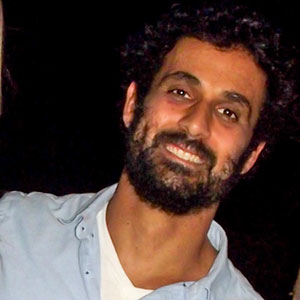
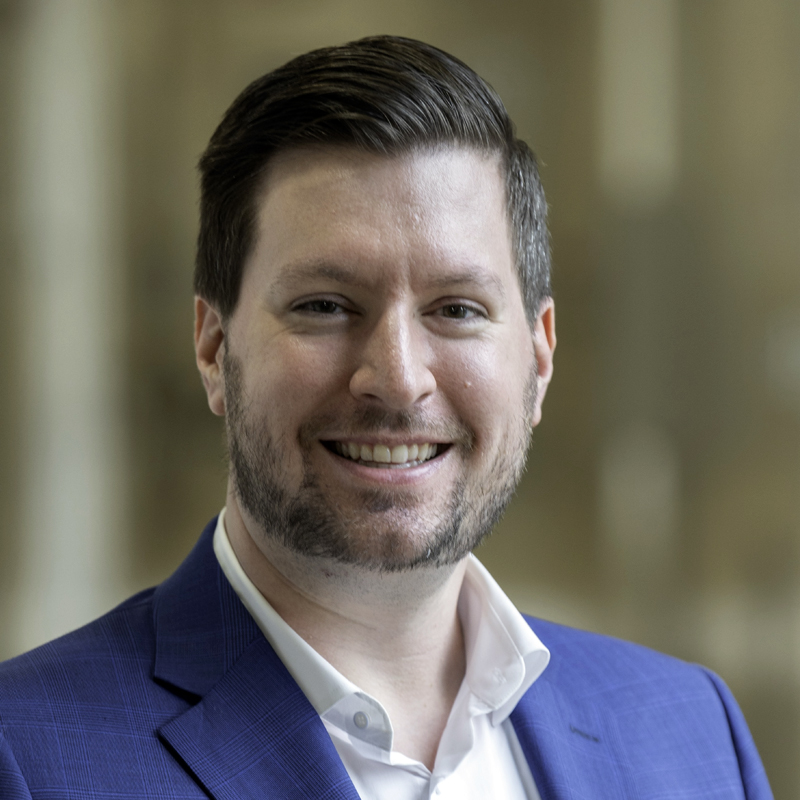
Mohamed Amin is a Clinical Associate Professor at the School of Medicine, University College Dublin. He is affiliated with Mater Hospital in Dublin and holds the ORCID identifier 0000-0002-9035-9302. His primary role combines clinical practice in Rhinology with academic research and teaching. Education & Training: MD by Research from National University of Ireland/RCSI (2010) Irish Higher Surgical Training (2005-2013) Rhinology Fellowship at Royal National Throat, Nose, and Ear Hospital (2014) Research Focus: Dr. Amin specializes in Rhinology, surgical innovations, and integrated healthcare models. Key areas include: Management of intracranial complications from sinusitis/AOM Hereditary hemorrhagic telangiectasia (HHT) Eosinophil biology and immunological signaling Surgeon ergonomics and musculoskeletal health Notable Projects: ENTgrate Innovation (HSE grant): Reduced 65% of routine rhinology patients through community GP collaboration Developed training programs for GPs in ENT non-surgical management Awards: Royal Academy of Medicine Best Paper Prize (2010, 2005) HSE Spark Innovation Programme Grant (2023) Teaching/Advising: Supervised 3+ students in Rhinology and ENT training. Active in curriculum development for cadaveric courses and GP education.
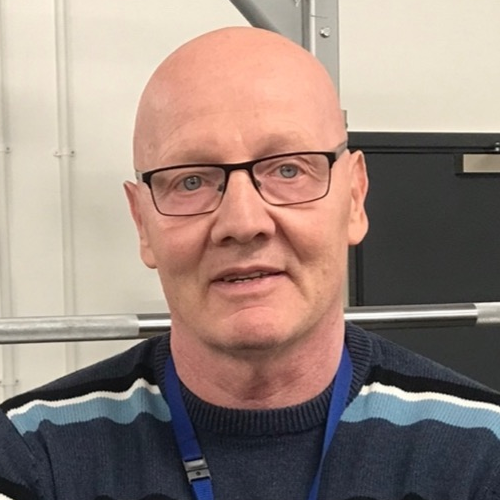
Dr John Belcher is a Research Fellow and Statistician at the School of Medicine, Keele University. Previously, he served as a Senior Lecturer in the School of Mathematics and Computing (2018) and worked at Wythenshawe Hospital. His current role involves statistical advisory work for the Research Design Service/Research Support Service. Belcher specializes in applying time series and longitudinal data analysis to medical datasets, particularly in nephrology, respiratory medicine, and rheumatology. His research spans clinical trials, epidemiological studies, and health economics, with a focus on kidney disease management, gout outcomes, and chronic disease comorbidities. He has contributed to over 70 peer-reviewed publications, including studies on fluid management in hemodialysis (BISTRO trial), biomarker analysis in COPD, and cardiovascular risk factors in gout patients. Belcher has also taught statistical methodologies to NHS personnel and university students. His work integrates biostatistical rigor with clinical relevance, addressing practical challenges in medical research design and implementation. Affiliations: School of Medicine, Keele University; David Weatherall Building Key Expertise: Longitudinal data modeling, bioimpedance analysis, clinical trial design, and medical statistics Research interests emphasize translating statistical methods into actionable insights for healthcare, including optimizing fluid management protocols and evaluating treatment efficacy in chronic conditions. His recent work highlights interdisciplinary collaborations, such as the BISTRO trial, which explores bioimpedance-guided fluid management in hemodialysis patients. Belcher’s contributions bridge statistical innovation with real-world clinical applications, enhancing evidence-based decision-making in nephrology and rheumatology.
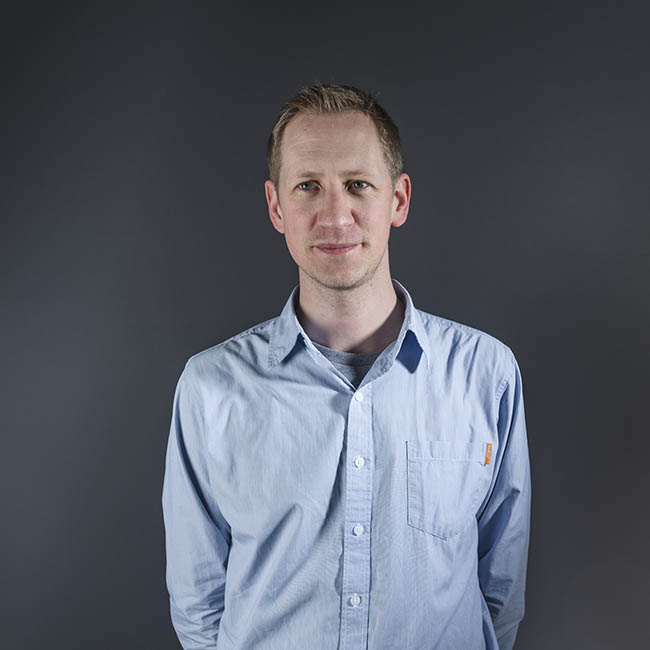
Dr. Adam J. MacNeil is an Associate Professor in the Department of Health Sciences at Brock University, affiliated with the Faculty of Applied Health Sciences. He leads the Inflammation & Immunity Lab located in the Cairns Complex, focusing on understanding and mitigating allergic inflammation in conditions like asthma, hives, rhinitis, and food allergies. His research employs innovative biomedical approaches, spanning organismal studies to molecular and genetic analyses of inflammatory responses. Education: Ph.D. in Immunology Affiliations: Canadian Society for Immunology, International Union of Immunological Societies, Society for Leukocyte Biology, Beatrice Hunter Cancer Research Institute Research Interests: His work centers on identifying novel therapeutic targets for allergic inflammation, epigenetic control of mast cell differentiation, and interdisciplinary investigations into immunity's role in nervous and cardiovascular systems. He explores connections between immune responses and social/environmental determinants of health outcomes. Publications: Over 50 peer-reviewed articles in journals such as Nature Communications , Journal of Immunology , and Brain, Behavior, and Immunity , focusing on mast cell biology, antiviral mechanisms, and GSK3 signaling in muscle and metabolic disorders. Teaching: Courses include Human Immunology, Medical Immunology, and Topics in Infection and Immunity, integrating wet-lab components to enhance experiential learning. Labs/Teams: Directs the Inflammation & Immunity Lab, collaborating with researchers in virology, musculoskeletal health, and cardiovascular biology to advance translational research.
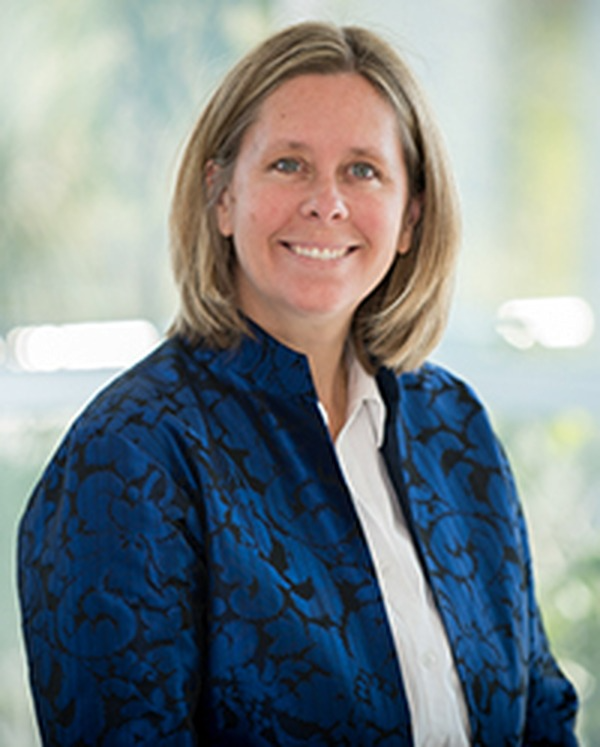
Elizabeth Marsh is an Associate Professor in Cellular and Molecular Biology at the College of Science and Engineering. Her research focuses on the intersection of molecular biology, virology, and immunology, particularly investigating the role of Human Papillomavirus (HPV) in cancer development and immune responses to viral infections. Key Research Areas: HPV-related carcinogenesis, inflammatory lung disease, immune signaling pathways, and model organisms (e.g., zebrafish, Caenorhabditis elegans ). Recent publications highlight her work on HPV prevalence in oral cancers, viral oncogenesis, and regulatory mechanisms in airway immune responses. She has no documented scientific awards or student advisories listed in the provided data.
Chueh-Lung Laura Hwang is an Assistant Professor in the Department of Kinesiology at the College of Nursing and Health Innovation, The University of Texas at Arlington, where she has been employed since January 2022. She holds a PhD in Exercise Physiology from the University of Florida (2018), an MS in Cardiopulmonary Physical Therapy from National Taiwan University (2011), and a BS in Physical Therapy from the same institution (2009). Dr. Hwang is a licensed Physical Therapist in Texas and New York and maintains ACSM Clinical Exercise Physiologist certification. Her research focuses on cardiovascular adaptations to lifestyle factors, with primary interests in: The adverse effects of binge drinking on vascular function, blood pressure regulation, and metabolic health across age groups Exercise interventions for mitigating alcohol-related cardiovascular dysfunction Microvascular mechanisms underlying hypertension in special populations Sex-specific responses to alcohol and exercise Her work integrates clinical physiology with molecular mechanisms to develop preventive strategies. Analysis of her recent publications reveals strong emphasis on: Alcohol's impact on vascular stiffness, hemodynamics, and autonomic function Exercise testing as a diagnostic tool for masked hypertension Racial and gender disparities in cardiovascular responses Innovative biomarkers for alcohol use monitoring Interventional approaches combining behavioral science and physiology Dr. Hwang has received significant recognition including: Rising STARs Award from UT System (2022) Featured in Women's History Month at University of Florida (2021) Postdoctoral awards from University of Illinois at Chicago (2019-2020) American Heart Association Trainee Award (2019) Doctoral dissertation honors from University of Florida (2017-2018) She leads multiple funded projects: NIH R01 on binge drinking and blood pressure ($828K, 2022-2026) ACSM grant on exercise testing for hypertension (2024-2025) UTA interdisciplinary grants on alcohol monitoring and veteran health She advises 16+ students across doctoral, masters, and undergraduate levels in kinesiology and health sciences. Dr. Hwang directs an active vascular physiology research laboratory investigating alcohol-exercise interactions and mentors students in clinical assessment techniques. She collaborates with institutions including University of Illinois at Chicago and Vanderbilt University.
Iris Behrmann is a Full Professor of Biochemistry at the University of Luxembourg's Department of Life Sciences and Medicine. Her research focuses on cytokine signaling pathways in cancer and liver diseases, with particular expertise in JAK-STAT signaling, melanoma metabolism, and hepatocellular carcinoma. Her laboratory investigates molecular mechanisms underlying cancer progression, including ferroptosis susceptibility in melanoma, metabolic rewiring in drug-resistant tumors, and extracellular vesicle-mediated communication in hypoxic microenvironments. Recent work explores miRNA regulation of inflammatory pathways and genetic risk factors in chronic liver diseases. Behrmann's publications demonstrate extensive work on therapeutic targeting of metabolic vulnerabilities in cancer, cytokine-mediated transcriptional regulation, and the development of antibody-based interventions. Her research integrates biochemical, molecular, and omics approaches to identify novel therapeutic targets.
Torsten Bossing leads Plymouth Light Microscopy (PLiMS) at the University of Plymouth (UK) as Senior Research Fellow. His neuroscience research investigates neural stem cell reactivation, CNS repair mechanisms, and microtubule dynamics in damage response. Focus areas: Regulation of neural stem cell quiescence Mitotic entry pathways after CNS injury Microtubule integrity in neurodevelopment Advanced microscopy techniques He teaches microscopy and neurobiology, supervising projects in cell imaging and developmental toxicology. Research integrates live imaging with molecular biology to map neural repair pathways.
Dr. Marcelo Andrade Lima is a Lecturer in Biomedical Sciences at the School of Life Sciences, Keele University , where he serves as PGR Co-ordinator. He holds a PhD (2012) and post-doctoral experience (2014) in Molecular Biology from the Federal University of São Paulo, with prior degrees in Biology (2008) and Molecular Biology (2010) from the Federal University of Rio Grande do Norte. His research focuses on the structural and functional relationships of biological macromolecules , particularly glycosaminoglycans and heparin , with groundbreaking work on their roles in anticoagulant drug quality control, SARS-CoV-2 interaction mechanisms, and Alzheimer's disease pathogenesis . He also explores super-resolution microscopy and CARS (Coherent Anti-Stokes Raman Scattering) for cellular structure analysis. The most recent articles highlight his expertise in heparin's pharmacological applications (e.g., SARS-CoV-2 inhibition, anti-inflammatory strategies), biocatalytic systems for nucleotide sugar production, and marine-derived glycosaminoglycans with unique antithrombotic properties. His work bridges structural biology, biomedical chemistry, and translational research , often challenging established models of glycosaminoglycan biosynthesis. Dr. Lima's collaborations span institutions in the UK, Brazil, and beyond, with contributions to peer-reviewed journals in biochemistry, pharmacology, and virology . His lab employs advanced techniques like NMR spectroscopy, SPR analysis, and molecular dynamics simulations to dissect carbohydrate-protein interactions.
Professor Fernando Naclerio holds the position of Professor in Strength and Conditioning and Sports Nutrition at the University of Greenwich, within the School of Human Sciences and Faculty of Education, Health and Human Sciences. He joined the university in 2011 after serving as a Titular Professor in Exercise Sciences at the European University of Madrid. His academic qualifications include a PhD in Physiology (2006), BSc in Physical Education (1984), and BSc in Sport Sciences (2002), complemented by professional certifications like NSCA’s CSCS. Dr. Naclerio’s research focuses on strength training methodologies, sports nutrition, and their applications in enhancing athletic performance and rehabilitation. Notable contributions include pioneering the MSc in Training and Sports Nutrition at Real Madrid International School and securing significant research funding, including a €90,000 Research Professorship (2009). He has also served as Scientific Director for sports technology companies such as Globus Spain and Sanocare Spain. His recent publications emphasize prehabilitation in oncological patients, microcurrent therapy effects, and multi-ingredient supplementation in active populations. Awards include the Best Researcher accolade at the European University of Madrid’s Sport Science School (2008–2009). Professional experience spans over three decades in strength and conditioning roles for elite sports teams (e.g., Valencia FC) and as a scientific advisor to organizations like Reebok Sports Club Madrid. His work bridges academic research with practical applications in sports performance and clinical rehabilitation.
Erik Dassi is an Associate Professor at the Department of Cellular, Computational and Integrative Biology (CIBIO) within the University of Trento. His research focuses on RNA biology, particularly investigating RNA structure-functional relationships, translational control mechanisms, and their implications in cancer, neurodegenerative diseases, and genetic disorders. He specializes in exploring how RNA modifications, G-quadruplex structures, and post-transcriptional regulatory networks drive disease processes and therapeutic resistance. Teaching activities include courses on Computational Biology, Cancer Genomics, Genomics Technologies, Programming, and Scientific Programming. His work emphasizes integrative approaches combining experimental and computational methods, such as polysomal profiling, allele-specific proteomics, and single-cell transcriptomics. Key research themes include: RNA G-quadruplex regulation of mitochondrial translation and energy metabolism ( n =3 articles in 2025), YTHDF proteins as tumor drivers in m6A pathways ( n =2 articles in 2024), and circular RNA roles in Huntington’s disease ( n =4 articles across 2021-2024). His work highlights translational reprogramming in cancer therapy resistance and RNA-based biomarker discovery.
Professor Valerie O'Donnell is a distinguished academic at Cardiff University's School of Medicine, where she serves as Professor of Biochemistry and Co-Director of the Systems Immunity Research Institute (SIURI), established in 2016 with £4.5M funding. She leads the internationally recognized LIPID MAPS project (www.lipidmaps.org) and Cardiff Lipidomic Facility, positioning her at the forefront of lipidomics research. With over two decades of academic leadership, she previously served as Director of the Division of Infection and Immunity (2017-2020) and Dean of Research for the School of Medicine (2012-2014). Professor O'Donnell earned her Ph.D. in Biochemistry from the University of Bristol (1990-1993) working with Prof. OTG Jones and Dr. PJ England of SmithKline Beecham Pharmaceuticals, following her B.Sc. in Human Nutrition & Dietetics (Hons. 2.1) from University of Dublin, Trinity College, Ireland (1985-1989). Her academic journey includes prestigious fellowships at the University of Alabama at Birmingham and University of Bern, Switzerland, before establishing her career at Cardiff University. Her research focuses on using mass spectrometry to discover and characterize bioactive lipids made by circulating vascular cells that regulate immune defense and blood clotting. Over the past 20 years, her lab discovered large families of enzymatically-oxidized phospholipids (eoxPL) and has worked extensively on their structures, signaling actions in thrombosis and innate immunity. Current research examines the role of bioactive lipids in vascular inflammation including abdominal aortic aneurysm, cardiovascular disease, dementia and wound healing. Analysis of her recent publications reveals a strong emphasis on lipidomics methodology development, clinical applications of lipid research, and the role of specific lipids in disease mechanisms. Her work spans analytical chemistry, cardiovascular biology, immunology, and clinical translation, with particular focus on procoagulant lipids, oxylipins, and specialized pro-resolving mediators. The research demonstrates increasing interdisciplinary collaboration and methodological standardization efforts in the lipidomics field. Professor O'Donnell's scientific achievements have been recognized with numerous prestigious awards: 2023: Honorary Officer of the Order of the British Empire (OBE) for services to biochemical research 2020: Fellow of the Academy of Medical Sciences 2019: Journal of Lipid Research Lectureship Award 2016: Wolfson Research Merit Award, Royal Society 2015: Fellow of the Learned Society of Wales 2013: Fellow of the Royal Society of Biology She currently serves as Principal Investigator for British Heart Foundation and Wellcome Trust funding, while also participating as co-Investigator for Medical Research Council (MRC), EU (Marie Curie ITN), and Welsh Government projects. Her panel memberships include Population Systems Medicine Board (MRC) and Biomedical Resources Committee (Wellcome Trust). With a Google Scholar H-index of 52, she has been included in UK national research assessments RAE2002, RAE2008, and REF2014. Professor O'Donnell leads the Systems Immunity Research Institute, a strategic research institute at Cardiff University, and directs the Cardiff Lipidomic Facility as part of the LIPID MAPS consortium. Her laboratory continues to make significant contributions to understanding how bioactive lipids regulate vascular inflammation and coagulation, with recent work focusing on the role of specific phospholipids in conditions ranging from cardiovascular disease to SARS-CoV-2 infection. In 2024, LIPID MAPS became an ELIXIR Core Data Resource and a member of the Global Biodata Coalition, with an MRC Partnership Grant commencing funding.
Wenche Moe Thorstensen is an Associate Professor at the Department of Neuromedicine and Movement Science, Faculty of Medicine and Health Sciences, Norwegian University of Science and Technology (NTNU). Her research focuses on the intersection of otolaryngology , respiratory medicine , and quality of life studies , particularly in chronic obstructive pulmonary disease (COPD) and pediatric postoperative care. She collaborates extensively with otolaryngologists, pulmonologists, and researchers across Norway. Current affiliation: NTNU Academic rank: Associate Professor Key research areas: Olfactory function, nasal physiology, COPD, postoperative pediatric care Research Trends : Her recent publications (2018–2024) emphasize nasal airflow dynamics in respiratory diseases, postoperative care pathways for children with ventilation tubes, and botulinum toxin applications for chronic facial pain. She frequently investigates rhinosinusitis and its impact on COPD patients, while also exploring genetic factors in neurodevelopmental disorders like ZBTB7A variants. Outreach Activities : Wenche actively presents at international conferences such as the European Rhinologic Society (ERS) and International Headache Society (IHS) , addressing topics like nasal symptom burden in COPD and botulinum toxin therapy . She also contributes to public health discourse through interviews and articles in trade journals.
Tim Spencer is a Research Fellow at the Materials and Fluid Flow Modelling Group within Sheffield Hallam University . His work focuses on applying theoretical and computational methods to model complex fluid systems, with expertise in the lattice Boltzmann method , finite differencing , and high performance computing . His research spans diverse applications in liquid crystals , biological flows , and microfluidics . His educational background includes a PhD (2005) and MSci (2002) in Engineering Physics from Sheffield Hallam University, where he received the Jeremy Laskowski Award and Mössbauer Award . He has supervised K. Burgin in their doctoral thesis on lattice-Boltzmann models for food rheology and collaborated with institutions like CNR Rome and University of Manchester . Recent publications highlight his work on non-Newtonian particle transport (2019), multicomponent lattice Boltzmann models (2017), and anisotropic medium optical nonlinearities (2017). These studies intersect computational physics , biomedical engineering , and materials science , emphasizing multi-scale modeling , fluid dynamics , and numerical methods . Scientific awards include: Jeremy Laskowski Award Mössbauer Award His research projects have involved consultancy for Seiko Epson Corporation and ZBD Displays Ltd. , modeling liquid crystal devices , and developing microfluidic systems for monodisperse drop formation. Collaborations extend to CNR Rome (hemodynamic flows) and University of Manchester (cell seeding in bioreactors).
Kimberley Frederick is a Professor of Chemistry at Skidmore College with 24 years of teaching experience. Her work focuses on innovative pedagogy, including developing low-cost diagnostic tools for environmental and health applications. She has adapted research-based labs for remote learning, impacting students nationwide. Frederick's research interests include Chemistry Education, Low-Cost Diagnostic Devices, Environmental Testing, Health Care Technology, and Remote Learning Solutions. Her work emphasizes student autonomy through non-traditional assessments like video tutorials and applied problem-solving. Her recent publications explore laboratory pedagogy reform, interdisciplinary collaborations (e.g., with art museums), and microfluidic technology for accessible STEM education. Research shows consistent themes in inquiry-based learning and practical scientific skill development. Scientific Awards: No awards listed in provided text. Frederick mentors students through research projects on diagnostic devices and advocates for equitable STEM access. She leads projects integrating community health applications with academic research.
Jonathan Henninger is an Assistant Professor in the Department of Biological Sciences at Carnegie Mellon University (CMU), part of the Mellon College of Science. His research focuses on RNA's role in regulating gene expression and cell fate through molecular biology, soft-matter physics, and super-resolution imaging approaches. The Henninger Lab investigates RNA's interactions with proteins and condensates to uncover mechanisms underlying gene control and disease. Education: Ph.D. in Developmental and Regenerative Biology from Harvard University, followed by postdoctoral training at the Whitehead Institute for Biomedical Research, MIT. Key research interests include RNA-mediated transcriptional regulation, nuclear condensates, RNA structure-function relationships, and the development of RNA-based therapies. The lab combines experimental and computational methods to study how RNA defects contribute to human diseases like cancer and neurodevelopmental disorders. Recent work includes identifying how RNA synthesis patterns nuclear condensates and discovering roles for rRNA G-quadruplexes in nucleolar protein condensation. The lab received a Kaufman Foundation New Investigator Grant to explore RNA's role in directing transcription. Advising and grants: Jonathan mentors a diverse team of PhD, Master’s, and undergraduate students. Notable advisees include Haoran Wang, Lydia Phillips, and Arth Banka. Current projects involve synthetic transcriptional condensates and bioinformatic discovery of RNA regulatory elements. Labs and collaborations: The lab is equipped with state-of-the-art microscopy (e.g., Zeiss Lattice SIM 5) and collaborates with groups at CMU, Pitt, and NYU. Regular scientific events include the Steel City Condensate Club Symposium.